




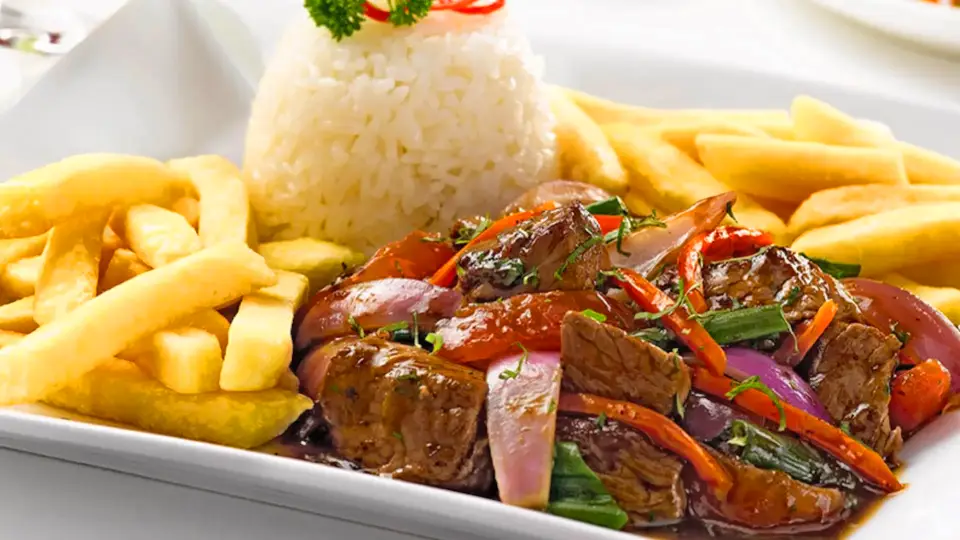
Lomo saltado is a classic Peruvian dish, known for its fresh vegetables that bring color and brightness to every bite. It’s more than just food, it brings together history, culture and tradition in a flavorful way that stands out from the first taste. This dish is one of Peru’s favorites, loved not only at the table but also by everyone who tries it. It’s a great choice to enjoy, explore, and return to again and again.
Lomo Saltado: From Peru to the World
If you visit Peru, you have to try lomo saltado. This dish combines flavor, history, and tradition in every bite. In this blog, you’ll learn about where it comes from, how it got its name and the ingredients that make it special. We’ll also show you how it’s made, share some tips, and suggest the best places to try it while you’re in Peru. By the end, we hope you’ll want to experience this true taste of Peru again and again.
Why Is It Called Lomo Saltado?
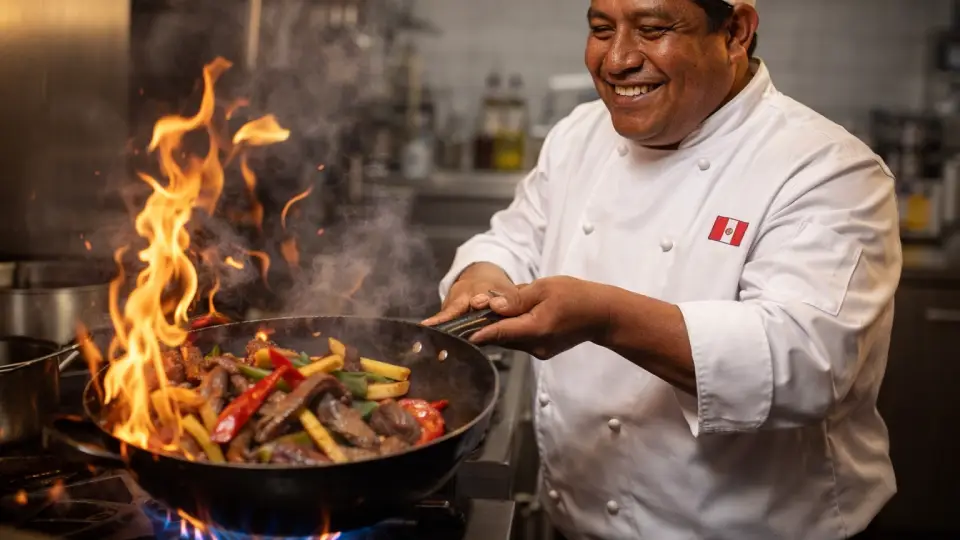
Lomo saltado gets its name from the way it is cooked. 'Saltado' means quickly stir-frying beef over very high heat, which helps keep the meat juicy and gives it a rich, smoky flavor. The meat used, lomo or tenderloin, is known for being tender and high quality, making it ideal for this fast cooking method.
This cooking style shows the influence of Chinese cuisine in Peru, especially the use of high-heat stir-frying, which became part of Peruvian food through cultural blending. Each quick toss in the pan is important, giving lomo saltado its special aroma, texture, and flavor that people love.
What Does Lomo Saltado Contain?
Lomo saltado is a national symbol of Peruvian food. It mixes juicy beef strips with sautéed onions and tomatoes, adding bright color and freshness. Soy sauce (sillao) and a bit of vinegar boost the savory taste, while ají amarillo gives it a mild, distinctly Peruvian spice.
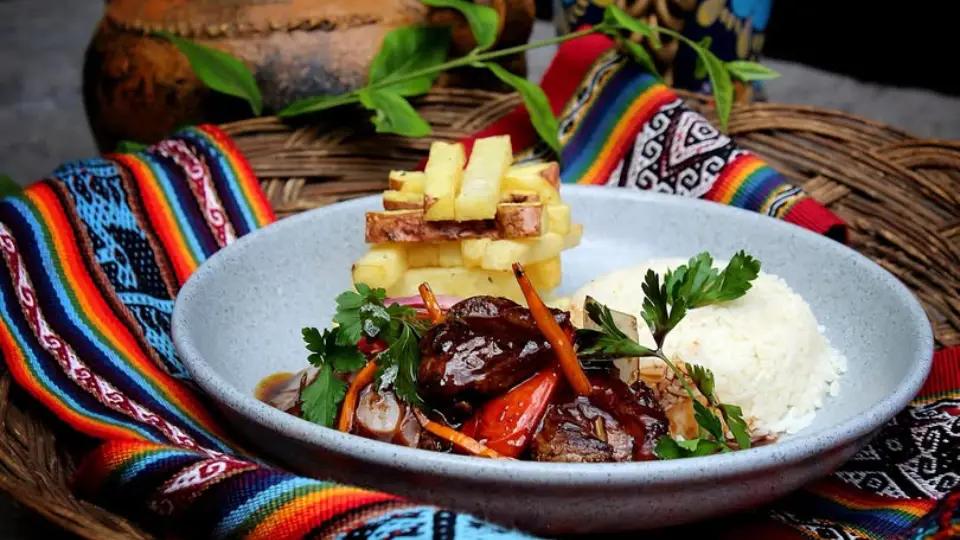
What makes lomo saltado special is its sides: fluffy white rice served with crispy French fries, bringing together Andean and international flavors on one plate. This mix of tastes, textures and cultures turns lomo saltado into more than just a meal, it’s a true taste of Peru’s food culture.
Why Is Lomo Saltado So Delicious?
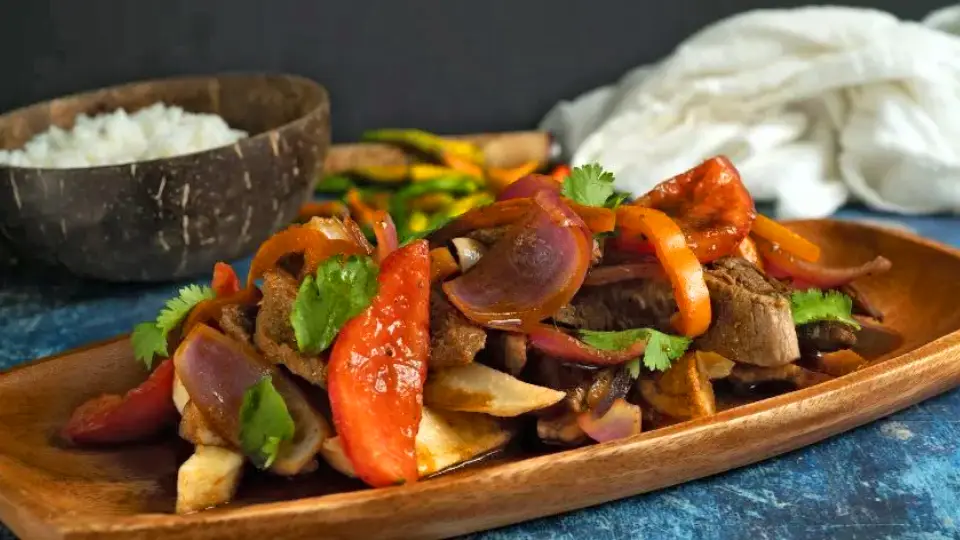
Lomo saltado tastes so good because the beef is seared quickly over high heat, which keeps it juicy, tender and full of flavor. When it’s stir-fried with onions and tomatoes, their aromas fill the air and create a mix of savory and fresh flavors that make you hungry right away.
Every ingredient matters, and they work together perfectly. The result is a dish that’s juicy and full of bold flavor from the first bite, which is why lomo saltado is one of the most loved and satisfying dishes in Peruvian cooking.
History and Curiosities of Lomo Saltado
The Origin of Lomo Saltado
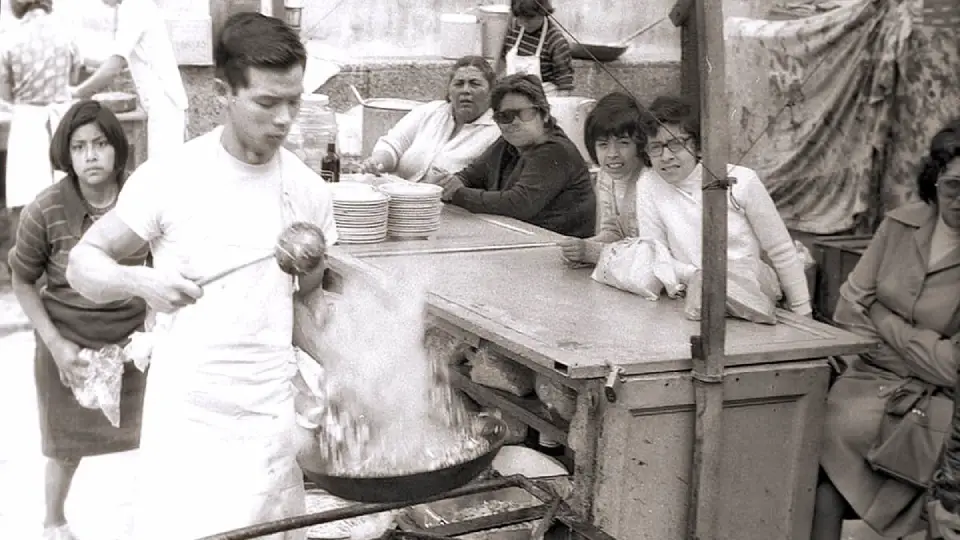
Lomo saltado first appeared in the 19th century, when Chinese immigrants came to Peru and brought with them the high-heat stir-frying technique using a wok. This new way of cooking mixed with local ingredients and led to one of Peru’s first fusion dishes.
At first, the dish was called “lomito de vaca” or “lomito a la chorrillana,” names that showed its main ingredient and local influences. Making it needed a Cantonese cook who knew how to stir-fry over high heat, which was not common in Peruvian kitchens then.
Over time, the mix of Chinese cooking and Peruvian flavors became what we now call lomo saltado. Today, it is a tasty symbol of cultural exchange, history and creativity. This iconic dish still shares its story every time it is enjoyed.
The Peruvian Touch That Made Lomo Saltado Unforgettable
Cantonese cooks in Lima first made lomo saltado with basic ingredients like beef, onions, tomatoes, and soy sauce. As time passed, the recipe took on Peruvian touches, especially ají amarillo, which brought a special flavor and mild heat that people loved.
Later, adding crispy French fries and white rice made lomo saltado a more filling and satisfying meal. This mix of ingredients and cultures gave the dish its unique identity and it still delights both locals and visitors today.
The Evolution of Lomo Saltado
In the colonial era, lomo saltado became a favorite in Lima’s traditional restaurants, where local and global flavors came together. Back then, it was called names like “lomo revuelto” or “lomo con todo,” and it already attracted diners with its strong aromas and tastes.
By 1921, the growth of chifas, or Chinese-Peruvian restaurants, helped improve and perfect lomo saltado. In these kitchens, the dish found its true form and became a classic that still attracts visitors from all over and is a key part of Peruvian food today.
Interesting Facts About Lomo Saltado
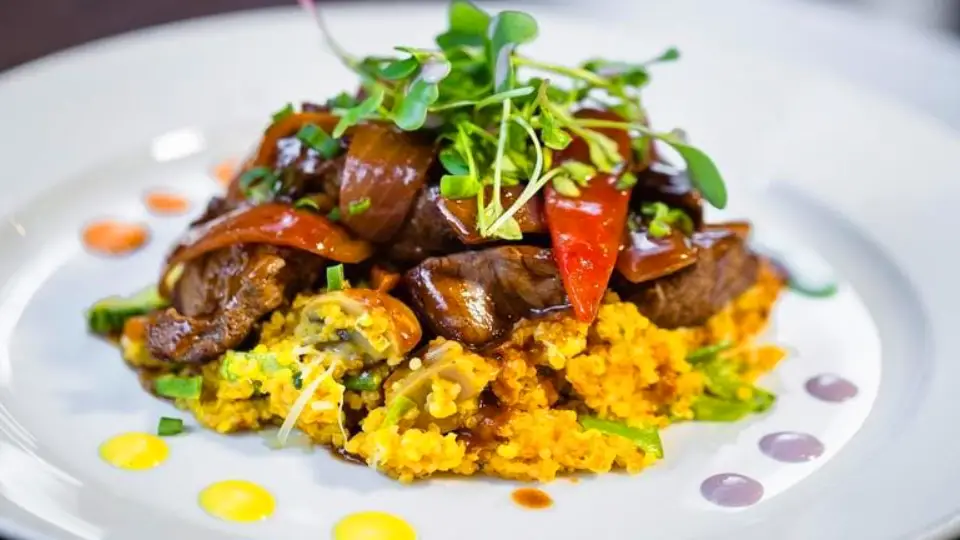
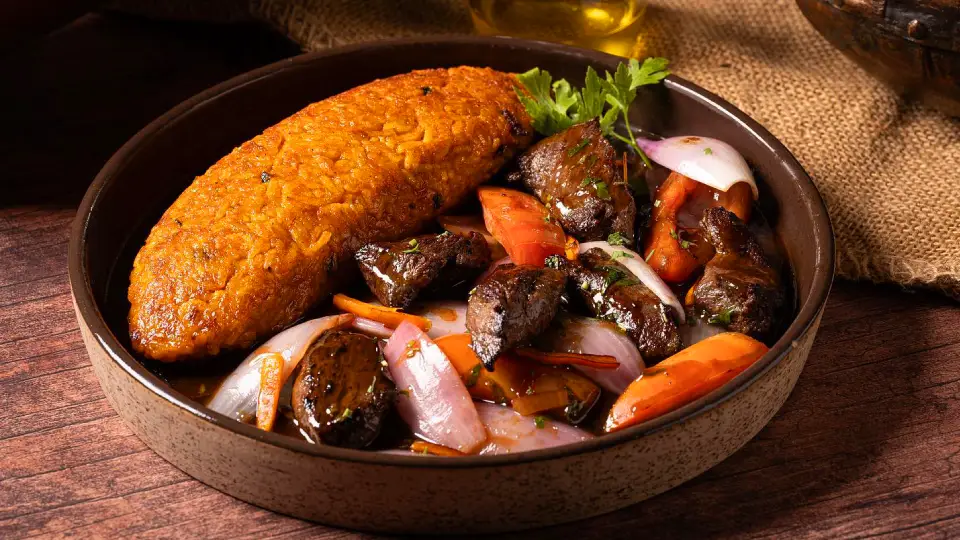
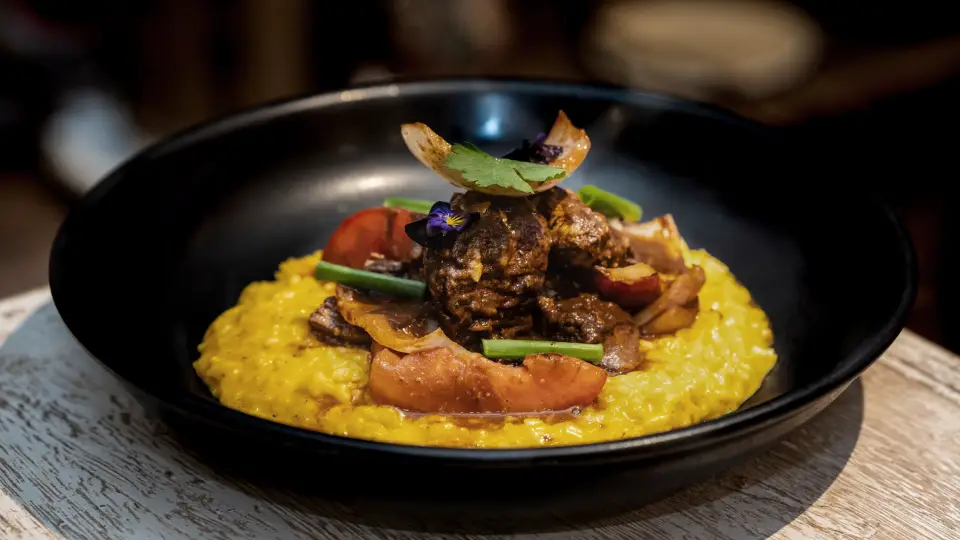
- Lomo saltado has inspired many popular versions, such as tallarín saltado, tacu tacu with beef, lomo saltado risotto, and even lomo saltado empanadas.
- Renowned Peruvian chef Gastón Acurio says lomo saltado brings together three cultures: Inca, European, and Asian, all combined through wok cooking and stir-frying.
- In the 1920s, the dish showed up in Peruvian cookbooks as “lomito a la vaca”.
- In the 1940s, French fries were officially added, making lomo saltado even more appealing and special.
| 
|
Lomo Saltado Today
Today, lomo saltado appears in creative and modern versions that encourage people to try new flavors. Even with these changes, the dish keeps its criollo roots and its unique taste, which always makes you want another bite.
Because of this, lomo saltado is often called the “father” of many Peruvian dishes, inspiring many new versions based on its original recipe. Whether served in the traditional way or with a modern update, lomo saltado remains a lasting symbol of Peru’s food culture.
International Recognition of Lomo Saltado
- Lomo saltado is internationally recognized as one of Peru’s most iconic dishes. Rankings like TasteAtlas often list it among the world’s best stir-fried dishes, highlighting it as a true symbol of Peruvian cuisine.
- Chefs and food experts worldwide recommend lomo saltado as a must-try when visiting Peru. Its mix of flavors, cultural influences, and comforting taste make it memorable for both travelers and food lovers.
- Lomo saltado is ranked as the 9th best Peruvian dish and is also recognized as one of the top beef-based dishes in the world. It even made the Top 4 in the world’s 50 best stir-fried dishes, and it is the only dish from Latin America on the list. This is just one more reason to try it when you visit Peru.
Ingredients and Preparation of Lomo Saltado
Want to surprise your loved ones and impress your guests? Try making this classic Peruvian recipe that always delights. Lomo saltado brings flavor, tradition and lots of smiles to the table.
This lomo saltado recipe serves six and takes just 40 minutes to make, so it’s great for gatherings or special occasions.
Simple Ingredients, Unforgettable Flavor
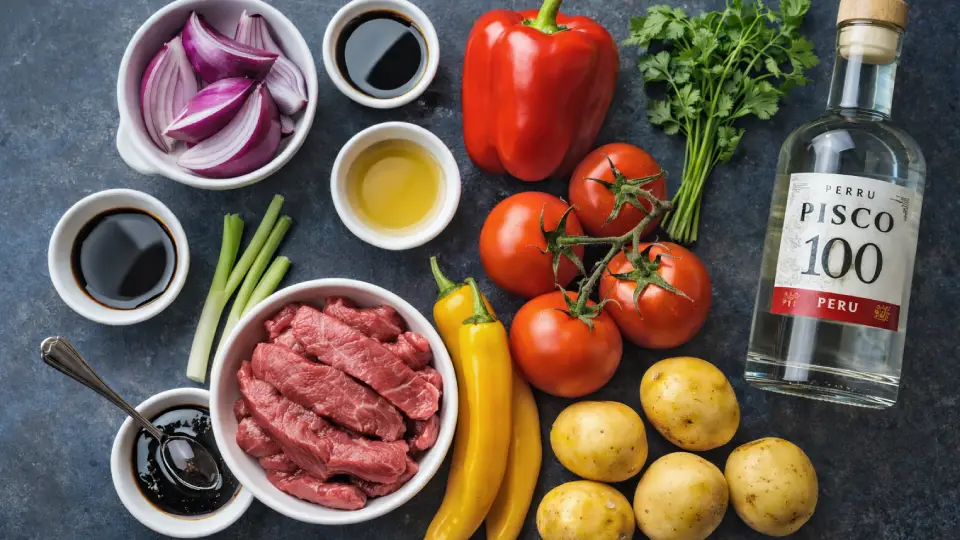
- 500 g beef strips (tenderloin or sirloin)
- 2 red onions, sliced into wedges or thin strips
- 1 red bell pepper, sliced
- 3 tomatoes, cut into chunks
- 2 ají amarillo or ají panca peppers, sliced
- 2 tbsp chopped green onions (spring onions)
- 7 tbsp soy sauce, plus a splash of vinegar
- 2 tbsp chopped cilantro
- 3 tbsp oyster sauce
- 1 splash of Peruvian pisco
- 1 kg golden fried yellow potatoes, cut into thick fries
- Sesame seeds (optional, for garnish)
- 3 cups freshly cooked white rice
How to Order the Right Cut of Beef for Lomo Saltado Abroad
The main ingredient in lomo saltado is lomo fino de res, or beef tenderloin, but its name varies by country. In Chile, it’s called filete; in Argentina, lomo; in the United Kingdom, fillet; and in the United States, tenderloin.
Learning these names is helpful when you travel or shop abroad, since you can ask for the right cut at the butcher. This lets you make authentic and tasty lomo saltado wherever you are.
How to Prepare Lomo Saltado Step by Step
Before you start, wash, chop, and prepare all your ingredients. Lomo saltado cooks quickly, so having everything ready is important.
1. Season the beef with salt and pepper, then let it marinate for a few minutes.
2. Sear the beef over high heat to keep it juicy, then add a splash of Peruvian pisco.
3. Stir-fry the vegetables in order: start with bell pepper and ají amarillo, then add onions, and finish with tomatoes.
4. Add soy sauce, oyster sauce, and a splash of vinegar. Mix everything together for a few minutes.
5. Fry the potatoes until they are golden and crispy. This helps them stay hot and crunchy when served.
Secrets for a Juicy and Perfect Lomo Saltado
- High heat and speed: The secret to great lomo saltado is to cook everything over strong heat and move quickly. This seals in the flavors and keeps the meat from overcooking.
- Proper slicing: Cut the beef against the grain so it stays tender. If your stove isn’t very hot, cook the meat in small batches.
- Aromatic touch: Many chefs suggest flambéing the beef with a splash of pisco. This gives the dish a unique aroma and richer flavor.
- Perfect textures: Add the vegetables in the right order to keep them juicy and a little crisp.
- Do not overcook the beef: It should be juicy inside and lightly browned outside.
- Balanced flavors: Vinegar adds acidity and also helps thicken the sauce a bit, making a nice balance between savory and tangy.
Traditional Side Dishes
Lomo saltado is usually served with:
- White rice, which balances the strong flavors of the stir-fry
- French fries, which soak up the tasty sauce
- A sprinkle of sesame seeds and chopped parsley for color and freshness
The Key to an Authentic Lomo Saltado
The key to great lomo saltado is using fresh, high-quality ingredients. Pick crisp vegetables and juicy beef that melts in your mouth. Choosing tenderloin or sirloin makes every bite flavorful, aromatic, and good-looking, just as this classic dish deserves.
How to Adapt Lomo Saltado to Your Taste
- If you can’t find ají amarillo, don’t worry. You can use yellow bell pepper, sweet chili, or even paprika instead. The dish will still taste great.
- You can also change the recipe by using chicken or mushrooms instead of beef, making saltado de pollo or saltado de champiñones. Even with a different protein, the dish keeps its unique flavor.
- This flexibility means lomo saltado can fit your tastes while still keeping its true Peruvian spirit.
How to Enjoy Lomo Saltado During Your Trip
Pair It With Traditional Drinks
Many travelers like to pick drinks that go well with lomo saltado and bring out its rich flavors.
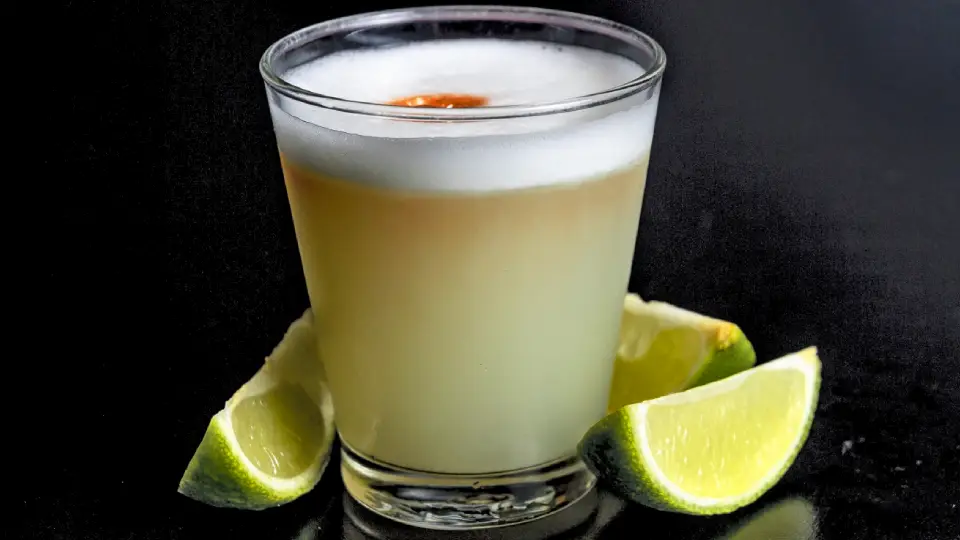
- Some popular local drinks are chicha morada, Inca Kola, or a classic Pisco Sour if you want something festive.
- You could also try a glass of Peruvian wine or a cold Cusqueña beer, which many people enjoy after a day of exploring.
- The best drink to go with lomo saltado depends on your taste, the weather, and where you are. Pick what feels right for you and enjoy lomo saltado as part of a real Peruvian experience.
Irresistible Variations of Stir-Fried Dishes
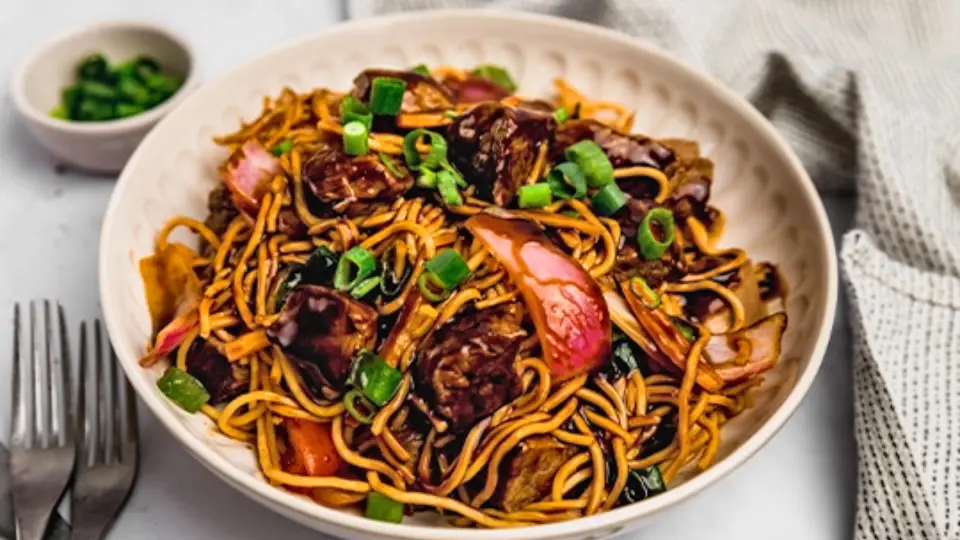
If you want to try something new but still love stir-fried dishes, many restaurants have great options that are sure to please.
- Juicy chicken stir-fry (pollo saltado)
- Flavorful pork stir-fry (cerdo saltado)
- Exquisite seafood stir-fry (saltado de mariscos)
These dishes keep the classic style but bring new flavors for everyone to enjoy.
A Flavor That Becomes a Memory
Lomo saltado is more than just a meal. It brings together tradition, flavor, and culture in every bite. If you visit Lima, Cusco, or other cities in Peru, you really should try it.
After seeing Machu Picchu, exploring the Sacred Valley, or walking through historic streets, take some time to discover Peru through its food. Start with a real lomo saltado. Its flavor is something you’ll remember and want to try again.
Where to Try the Best Lomo Saltado in Lima
Budget-Friendly & Delicious
- Doomo Saltado: This popular place serves different kinds of lomo saltado at good prices, including both classic and vegetarian choices.
Family-Friendly or Classic Peruvian Cuisine
- Isolina: This traditional Peruvian restaurant has a cozy feel and serves classic dishes made with care.
- Panchita (Miraflores): Travelers love this spot for its real flavors and laid-back atmosphere.
- Casa Tambo Restaurant: A great place to try local dishes in a comfortable, historic setting.
- Lomo Saltado restaurants: These places focus on this famous dish and are perfect if you want a more local dining experience.
Gourmet or Special Experiences
- Astrid y Gastón: This well-known restaurant offers a fine-dining experience and highlights the best of Peruvian cuisine.
- Maido: This famous Nikkei (Peruvian-Japanese) restaurant is a great choice for a special night out.
- Limaná – Peruvian Superfood Restaurant and Kauza Restaurant (Miraflores): These modern spots mix traditional flavors with new ideas.
Did You Know?
In Lima, many locals suggest looking for traditional huariques, which are small, classic eateries. Places like Jesús María or Los Olivos often have some of the most authentic lomo saltado in the city.
Where to Eat Lomo Saltado in Cusco
In Cusco, after visiting archaeological sites, you can enjoy great lomo saltado at many recommended restaurants.
Budget-Friendly or Local Options
- La Perla Criolla: This spot is very affordable and traditional, making it perfect for travelers on a budget.
- Ofrenda Peruvian Restaurant: This place is known for its tasty food and reasonable prices.
- Chull’s Peruvian Cuisine & Craft Beer: A laid-back place where you can enjoy classic dishes and craft beer.
Cozy & Family-Friendly Atmosphere
- Kusykay Peruvian Craft Food: Travelers like this spot for its well-made local food and peaceful atmosphere.
- Yaku Restaurant: This is a great choice near the Plaza de Armas, known for its nicely presented dishes.
- Morena Peruvian Kitchen: A classic spot in Cusco that offers great value.
For a More Special Dining Experience
- Mare Restaurant: This highly rated place is perfect if you want a more refined dining experience.
- Nuna Raymi: A great spot for a memorable dinner, with a nice atmosphere and beautiful presentation.
Other Recommended Restaurants
- Pachapapa and Morena Peruvian Kitchen: These classic places serve lomo saltado and other well-known regional dishes.
- Casa Cusqueña Restaurant and Rúcula Peruvian Restaurant: Both are well-reviewed and have a welcoming atmosphere for travelers.
Important Tip
In Cusco, many visitors also suggest checking out local markets and traditional picanterías. Here, lomo saltado is often served with other real regional flavors, making it a great way to experience local food culture.
Quick Tips for Enjoying Lomo Saltado on Your Trip
- Pick restaurants with a long tradition. Try places that serve classic Peruvian dishes and use recipes that have been handed down for years.
- Book your table ahead of time. Popular spots get busy fast, so it helps to reserve a few hours before you go.
- Try different versions. Feel free to taste creative takes on lomo saltado, but be sure to try the classic version too.
- Go at the right time. If you want a relaxed meal, avoid the busy hours from 12:00 p.m. to 2:00 p.m.
- Pay attention to how it looks. A great lomo saltado has bright colors, fresh veggies, and smells delicious.
- Mix the flavors in each bite. Enjoy the balance of beef, veggies, and fries all together.
- Take your time eating. Let each bite blend together so you can really taste all the flavors.
Top 10 Frequently Asked Questions About Lomo Saltado
What exactly is Lomo Saltado?
Lomo saltado is a classic Peruvian dish prepared by stir-frying tender beef with onions, tomatoes, soy sauce, and spices over high heat. It is traditionally served with both French fries and white rice, highlighting Peru’s multicultural culinary heritage. Lomo saltado exemplifies the fusion of Peruvian criollo cuisine and Chinese cooking techniques introduced in the 19th century.
Why is lomo saltado so popular in Peru?
Lomo saltado is popular for its balance of flavor, texture, and tradition. It is filling, comforting, and enjoyed by a wide range of people, from street food enthusiasts to fine-dining patrons. Many Peruvians grow up eating it at home, in restaurants, and during celebrations, making it a cultural favorite across generations.
Is lomo saltado a traditional or a fusion dish?
Lomo saltado is fundamentally a fusion dish, created by combining Peruvian ingredients with Chinese stir-frying techniques. Over time, it became a staple of Peruvian cuisine and is now recognized as a traditional national dish that reflects Peru’s cultural diversity.
Is lomo saltado spicy or mild in flavor?
Lomo saltado is traditionally mild, using ají amarillo for aroma, color, and flavor rather than heat. Spice levels can be adjusted to suit individual preferences, making it accessible to a wide range of diners.
Why does lomo saltado include both French fries and rice?
This combination reflects Peru’s culinary identity, where diverse cultures are represented in a single dish. The rice absorbs the sauce, while the fries add texture and richness, creating a distinctive and memorable contrast.
Can lomo saltado be prepared outside Peru?
Yes, lomo saltado can be prepared anywhere with the proper technique. High heat, quick cooking, fresh ingredients, and a suitable cut of beef are essential. While local variations may occur, the dish’s essence remains when these principles are followed.
What is the best cut of beef for lomo saltado?
Beef tenderloin is preferred for its tenderness and quick cooking time. It may be called lomo, filet, fillet, or tenderloin, depending on the country. A tender cut ensures the meat remains juicy and soft, even when cooked at high temperatures.
Is lomo saltado an expensive dish in Peru?
No, lomo saltado is generally affordable. It is considered an everyday dish and is available in markets, family restaurants, and upscale venues. Prices vary, but generous portions make it a good value for travelers in Peru.
Are there popular variations of lomo saltado?
Yes, lomo saltado has inspired many variations that use the same stir-fry technique. Common alternatives include pollo saltado (chicken), cerdo saltado (pork), and saltado de mariscos (seafood). These options let diners explore different flavors while enjoying the same preparation style.
When is the best time to eat lomo saltado in Peru?
Lomo saltado is most often eaten at lunch, when it is freshly prepared. Many restaurants offer it as a daily special, especially from late morning to early afternoon. It can also be enjoyed at dinner as a comforting meal.