

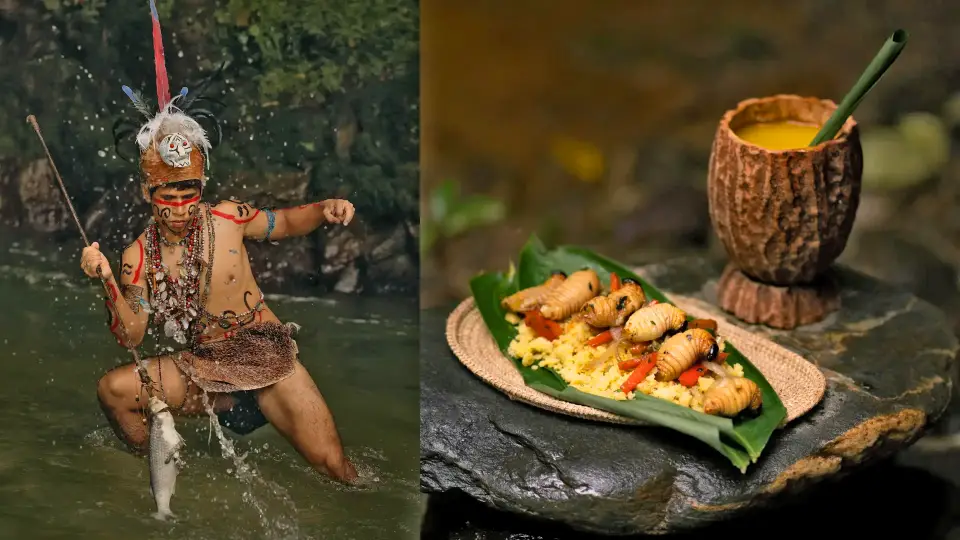
Authentic Peruvian jungle food, typical dishes, recipes and tradition.
Peruvian Amazon cuisine blends indigenous traditions, rainforest resources, and ancestral culinary techniques. Each dish reflects the region’s spirit through vibrant aromas and bold, memorable flavors.
This culinary tradition is distinguished by fresh, locally sourced ingredients from the jungle and river, resulting in authentic, flavorful meals. Dishes feature tropical fruits, native spices, freshwater fish, and rainforest staples, offering a true taste of Peru’s Amazon region.
Exploring Peruvian jungle cuisine offers a cultural journey into the Amazon rainforest. Experience traditional dishes, authentic flavors, and connect with one of South America’s most diverse gastronomic traditions.
Table of Contents
- The Best Traditional Dishes of the Peruvian Amazon
- The Traditional Chicken Juane and the Importance of Bijao Leaf
- Tacacho with Cecina and Amazonian Chorizo
- Patarashca: Grilled Fish Wrapped in Bijao Leaf
- Inchicapi de Gallina: Traditional Amazonian Peanut Chicken Soup
- Mamacos or Domblos
- Chonta Salad: Fresh and Healthy Peruvian Palm Heart
- Purtumute: Traditional Amazon Bean and Hominy Stew
- Timbuche: “Levanta Muertos” Fresh River Fish Soup
- Amazonian-Style Arroz Chaufa
- Sudado de Doncella
- Suri Skewers
- Roasted Picuro (Majaz)
- Fried Palometa
- Humitas
- Exotic Peruvian Amazon Food and Rare Dishes from the Deep Jungle
- Grilled Suri Skewers (Amazon Palm Weevil Larvae)
- Giant Mamaco Ants (Siquisapas) in Local Gastronomy
- Majaz Stew and Traditional Wild Game Cuisine
- Giant River Snail (Churo)
- Zarapa Soup (Sarapatera)
- Fried Caiman (Chicharrón de Lagarto)
- Motelo al Kion and Conservation Awareness
- Peruvian Amazon Recipes and How to Prepare Each Dish Step by Step
- How to Prepare Traditional Juane with Simple Ingredients
- Homemade Tacacho with Cecina and the Fried Plantain Technique
- Amazon Fish Cazuela (Iquitos-Style)
- Inchicapi de Gallina (Amazon Peanut Chicken Soup)
- How to Prepare Patarashca
- Traditional Side Dishes, Appetizers, and Sauces of the Peruvian Amazon
- Classic Side Dishes
- Traditional Appetizers
- Traditional Amazon Sauces
- Traditional Desserts and Beverages of the Peruvian Amazon
- Representative Amazon Desserts
- Refreshing Amazon Beverages
- Origins, Traditions, and Characteristics of Peruvian Amazon Cuisine
- History of Amazonian Gastronomy
- Customs and Culinary Traditions
- Biodiversity and Bold Flavors
- Native Ingredients and Unique Flavors
- Traveler Tips for Visiting the Peruvian Amazon
- Climate and Its Influence on Agriculture
- People of the Amazon
The Best Traditional Dishes of the Peruvian Amazon
Traditional foods from the Peruvian Amazon invite you to explore vibrant flavors, bold colors, and recipes passed down through generations. These dishes, often called by their indigenous names, show the region’s rich cultural heritage and close ties to the rainforest.
Many Amazonian dishes look simple and rustic, but they are full of flavor and very inviting. Each dish uses fresh ingredients from the jungle and rivers, creating authentic recipes that highlight Peru’s rich biodiversity.
Whether you try classic jungle dishes or famous Amazonian specialties, each bite is unique, satisfying, and easy to enjoy. Explore the best of Peruvian Amazon cuisine and experience one of South America’s most interesting food traditions.
The Traditional Chicken Juane and the Importance of Bijao Leaf
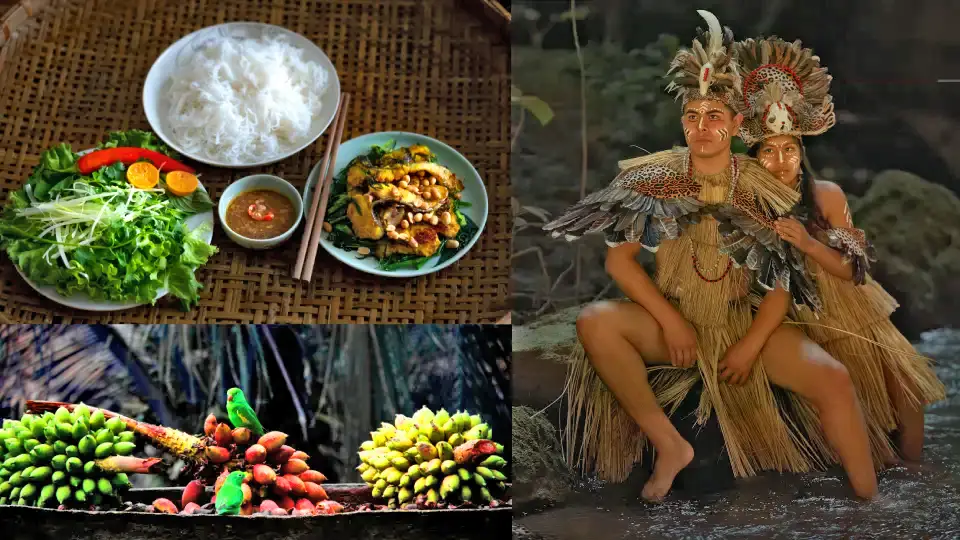
Chicken Juane from the Peruvian Amazon is a symbol of celebration and cultural pride. Originating in Moyobamba, this dish is central to Amazonian culinary heritage and features prominently during the Feast of San Juan, a major regional festival.
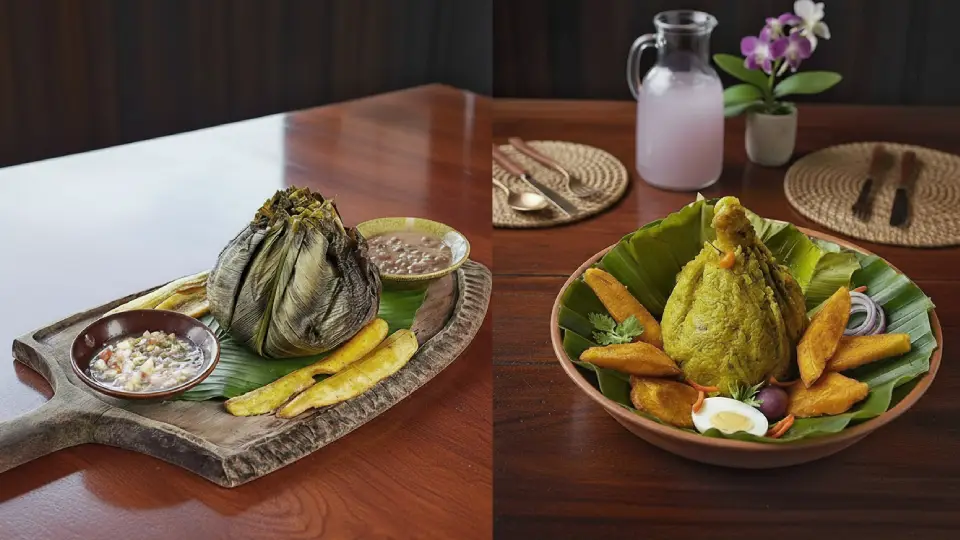
Juane is wrapped in aromatic bijao leaf, which imparts a unique fragrance and preserves the seasoned rice’s flavor. This traditional method enhances taste and reflects ancestral Amazonian techniques.
Juane is recognized as one of the most nutritious and representative dishes of the Peruvian jungle. Explore authentic Amazonian cuisine and experience the region’s vibrant flavors.
Important Fact
Juane looks like a large tamale, but it is made with seasoned rice wrapped around chicken and a slice of egg. People usually eat it on June 24th during the Feast of San Juan, one of the biggest celebrations in the Peruvian Amazon.
Tacacho with Cecina and Amazonian Chorizo
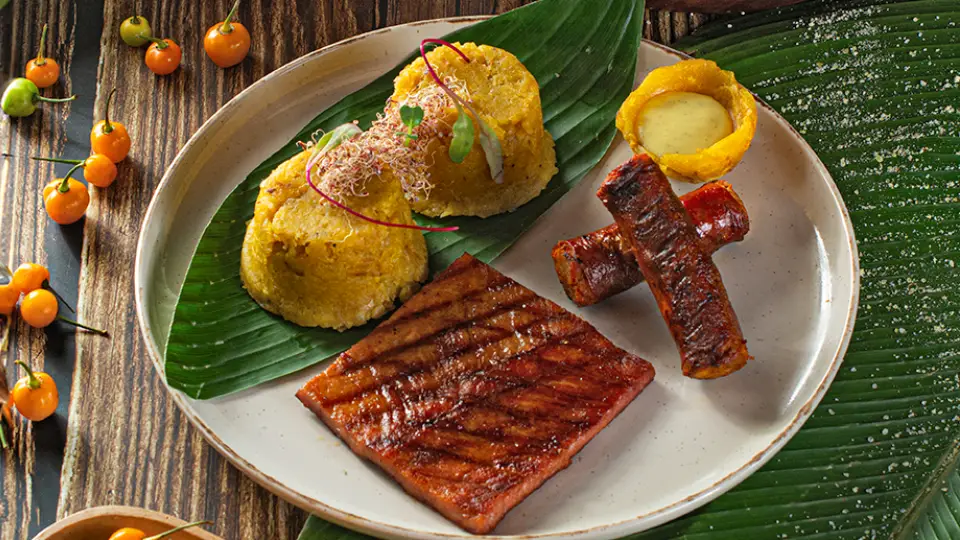
Tacacho with cecina and Amazonian chorizo is one of the most popular and well-loved dishes in the Peruvian jungle. It is a regional favorite and a must-try for anyone wanting to taste real Peruvian Amazon food.
This filling dish combines mashed and fried green plantains with smoky cecina, which is cured pork, and tasty Amazon-style chorizo. The mix of textures and strong flavors makes it very satisfying from the first bite.
Tacacho with cecina is more than a traditional meal. It gives you a real taste of Amazonian cooking. Try this classic Peruvian jungle dish to enjoy one of the Amazon rainforest’s most famous flavors.
Did You Know?
In the Peruvian Amazon, this dish is often served with fresh fruit drinks that balance its rich flavors and enhance the overall dining experience.
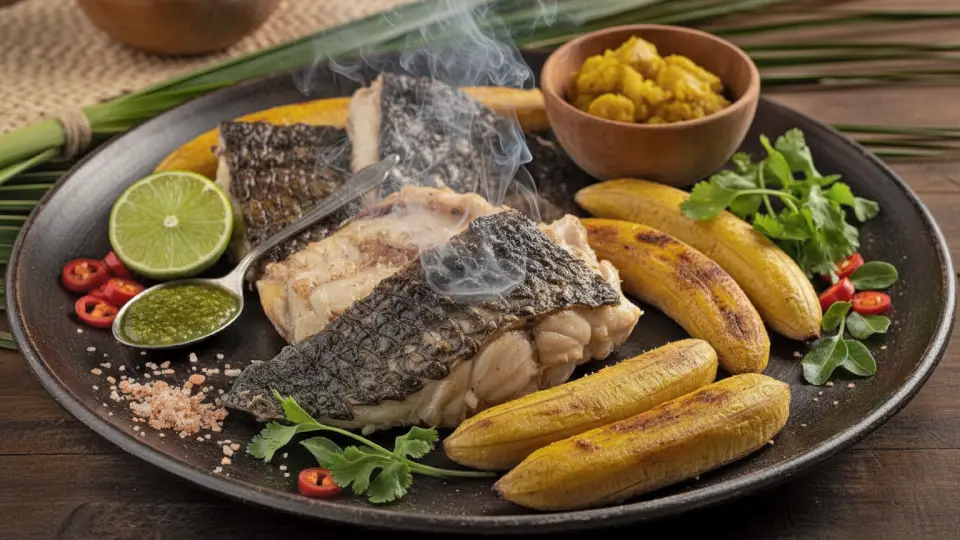
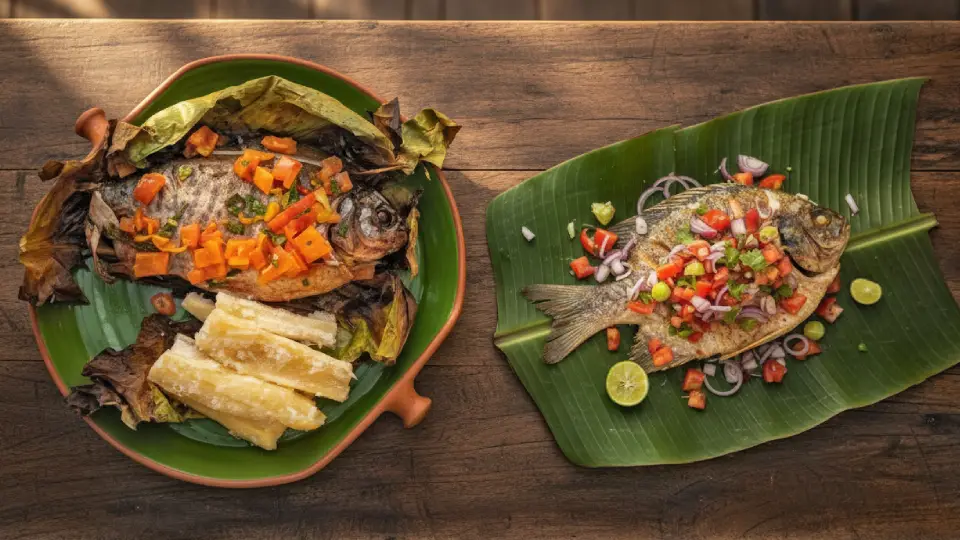
Patarashca: Grilled Fish Wrapped in Bijao Leaf
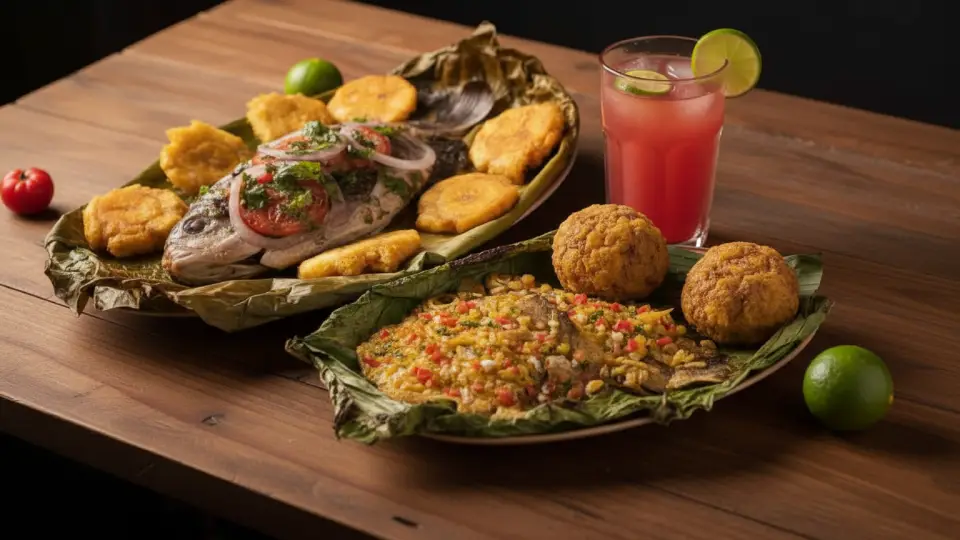
Patarashca is a traditional dish from the Peruvian Amazon, rooted in riverside communities. It represents authentic Amazonian cuisine and reflects time-honored cooking traditions.
Prepared with fresh river fish such as gamitana or dorado, the fish is seasoned, wrapped in bijao leaves, and grilled over open flames. This traditional method retains moisture and infuses the fish with smoky, natural flavors.
Patarashca offers a direct connection to the Amazon rainforest and its culinary heritage. It is a notable example of traditional Peruvian jungle cuisine and authentic Amazonian flavors.
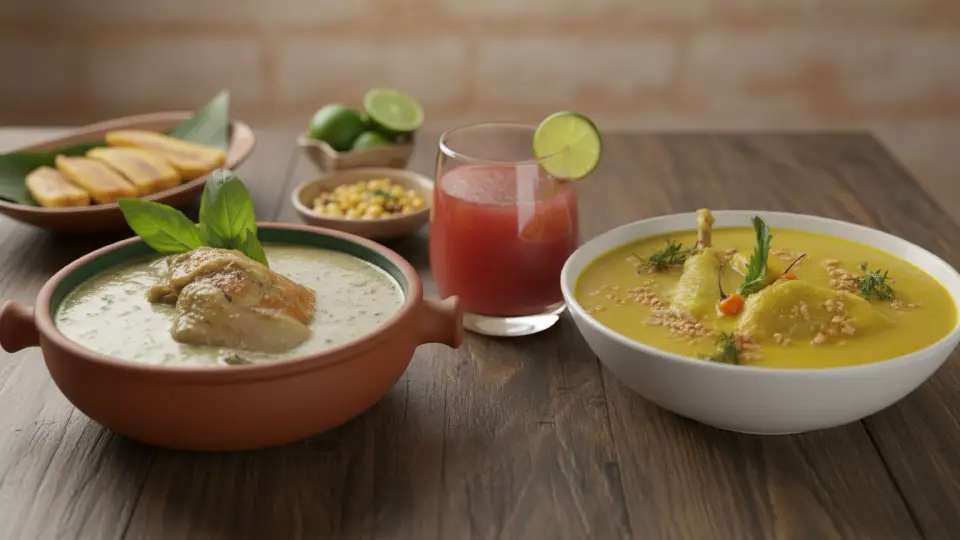
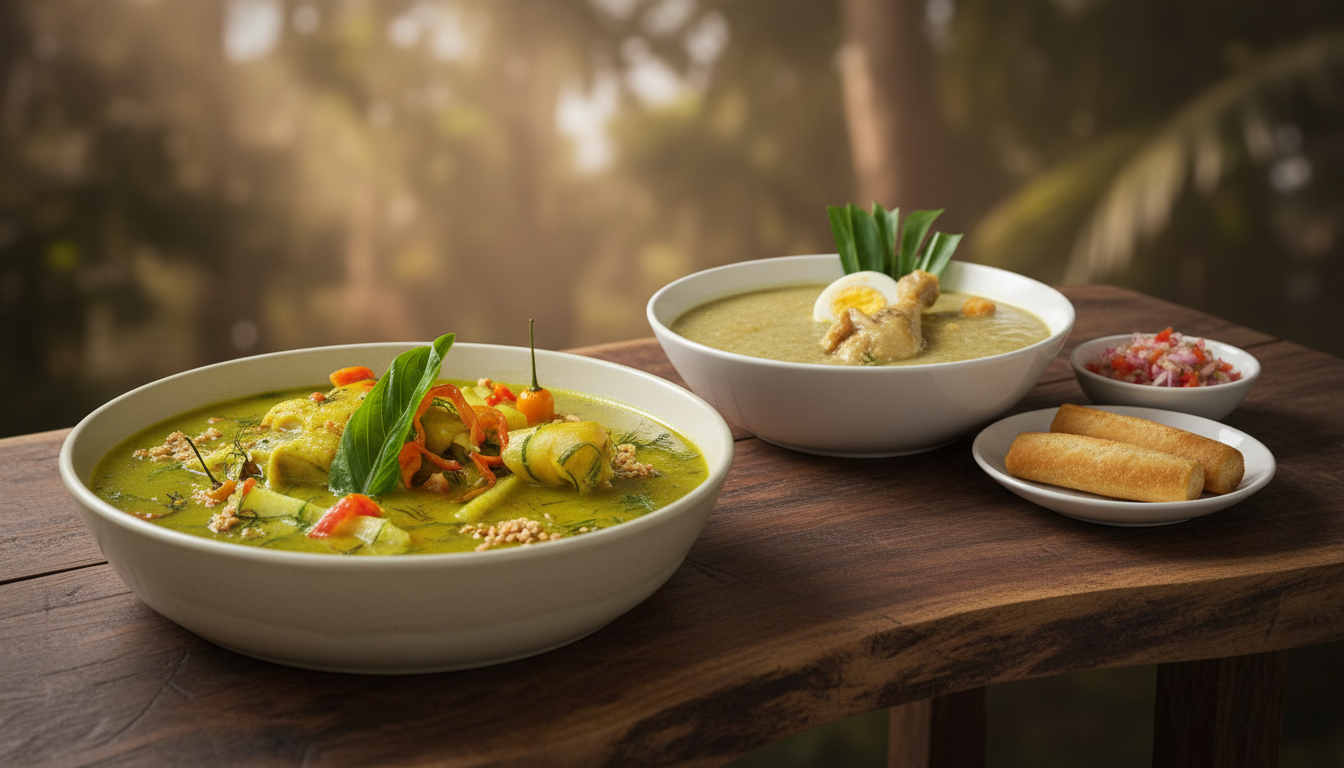
Inchicapi de Gallina: Traditional Amazonian Peanut Chicken Soup
Inchicapi de gallina is a classic soup from the Peruvian Amazon that brings comfort with every spoonful. Made with free-range chicken and fresh Amazonian ingredients, it offers a rich flavor that reflects the region’s culinary traditions.
Inchicapi is made with ground peanuts, yuca, and herbs, giving it a creamy texture and a nutty aroma. Its mix of protein and natural ingredients makes it both nourishing and full of flavor.
Amazonian families often enjoy this soup on cooler days because it is warm and filling. Try inchicapi de gallina to experience the homemade flavors of authentic Peruvian Amazon cooking.
Mamacos or Domblos
Mamacos, also known as domblos, are a delicacy from the Peruvian Amazon, valued for their tender texture and distinctive flavor. This traditional dish showcases the region’s biodiversity and culinary heritage.
Local cooks prepare these freshwater snails in a savory stew or a mildly spicy sauce, which enhances their delicate, ocean-like flavor while maintaining their soft texture. The result is a balanced combination of subtle heat and rich taste.
Mamacos provide a distinctive culinary experience for those interested in authentic Peruvian Amazon cuisine. They represent the adventurous side of Amazonian gastronomy.
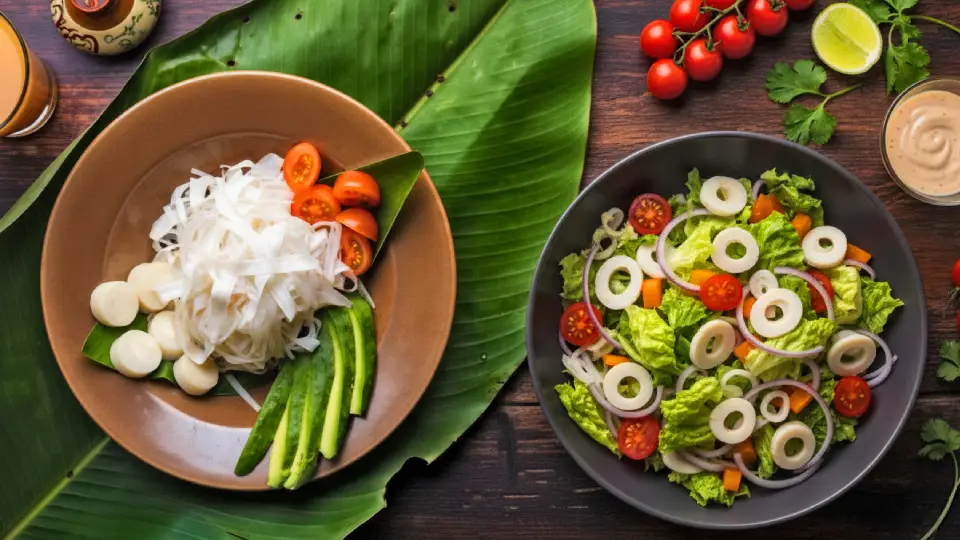
Chonta Salad: Fresh and Healthy Peruvian Palm Heart
Chonta salad is a traditional dish from the San Martín region that shows off the simple and tasty style of Peruvian Amazon cooking. It is light and fresh, and it highlights how local families use the rainforest’s many ingredients.
This Amazonian salad is made mainly with tender chonta palm heart, but sometimes includes coconut palm, lajusara, açaí, or pijuayo, depending on what is available. The salad is crisp, healthy, and has a delicate flavor that shows the simple style of Peruvian jungle food.
Chonta salad is especially popular during Holy Week. It brings together tradition, real flavor, and the richness of Amazonian ingredients in every bite. Try this healthy Peruvian Amazon dish to enjoy the fresh side of rainforest cooking.
Purtumute: Traditional Amazon Bean and Hominy Stew
Purtumute is a nutritious dish from the Peruvian Amazon, valued for its simplicity and cultural significance. Indigenous communities have prepared this traditional recipe for generations, making it a symbol of ancestral jungle cuisine.
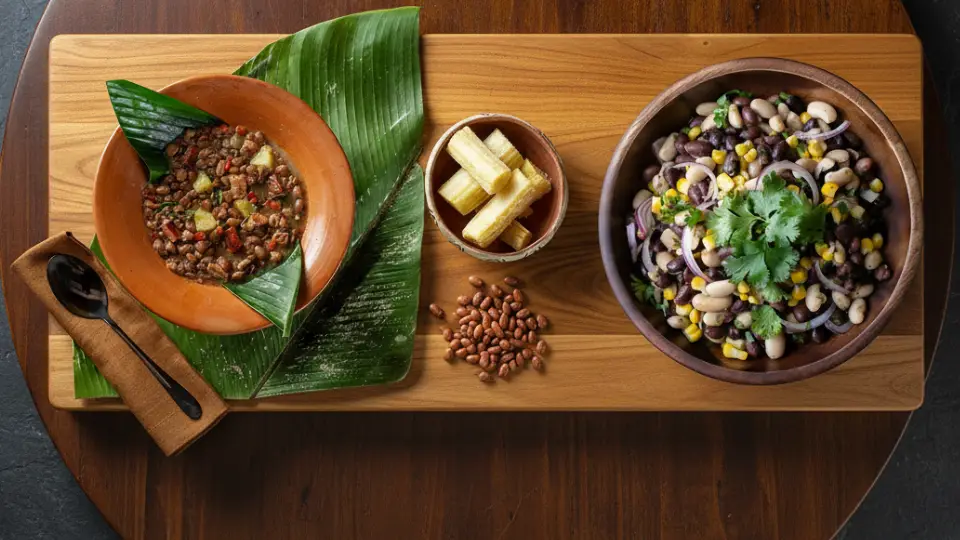
Purtumute combines white and black beans with mote (hominy), slowly cooked for a soft texture and rich flavor. Pine nuts and cilantro are sometimes added to enhance its earthy taste.
Purtumute reflects the natural abundance and culinary heritage of the Amazon rainforest. Experience this authentic dish and one of the region’s most traditional flavors.
Timbuche: “Levanta Muertos” Fresh River Fish Soup
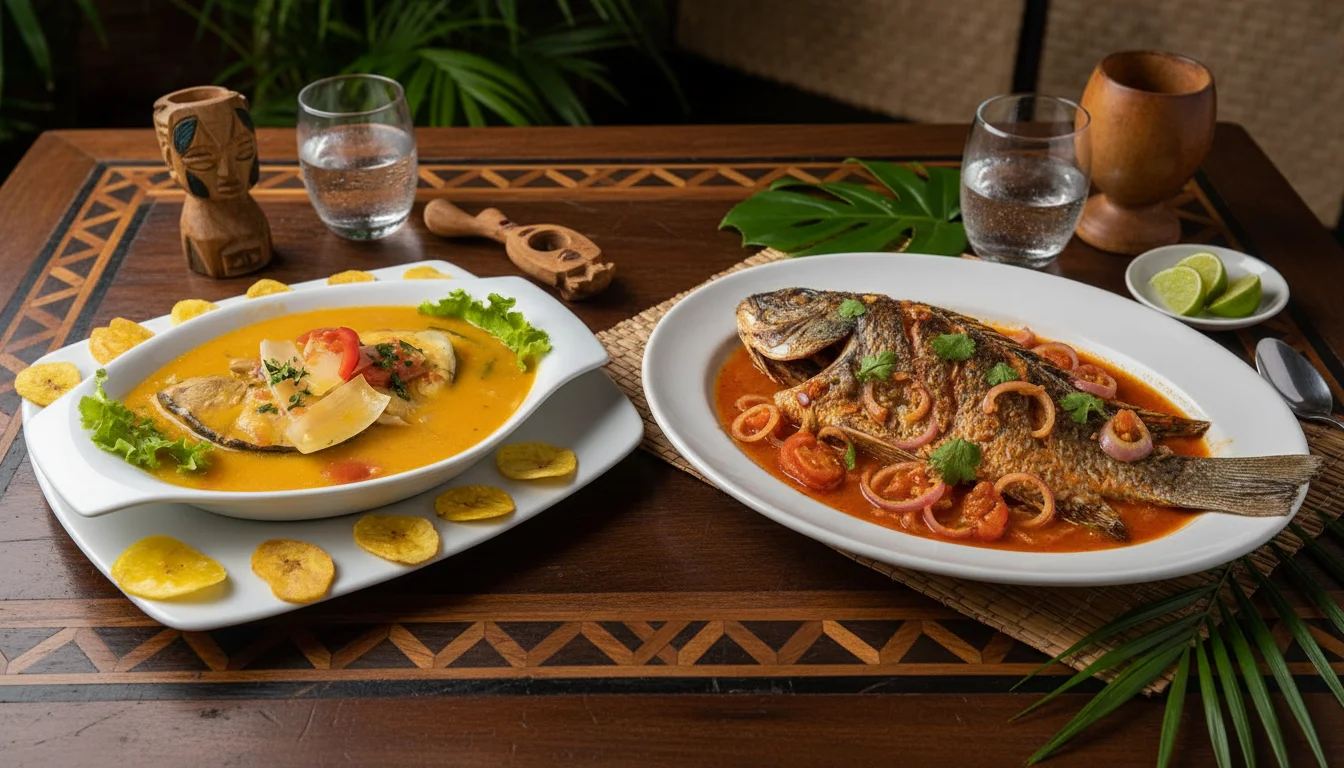
Timbuche, often called “levanta muertos” or the energy-boosting soup, is loved from the first taste. In the Peruvian Amazon, people turn to this traditional fish soup to recharge after a tiring day because it is both nourishing and revitalizing. Timbuche comes from riverside cooking traditions and is made with fresh river fish like piranha, catfish, mojarra, carachama, palometa, paiche, boquichico, huasaco, or lisa. The soup has a light, flavorful broth that brings comfort and a true taste of the Amazon with every bowl. Timbuche is more than a soup; it is at the heart of Peruvian Amazon cooking. Try this traditional jungle fish soup to enjoy the rich and restorative flavors of the Amazon rainforest.
Amazonian-Style Arroz Chaufa
Amazonian-style arroz chaufa mixes Asian flavors with local jungle ingredients, creating a dish that is unique to the Peruvian Amazon. This combination of tradition and creativity makes for a bold and tasty meal.
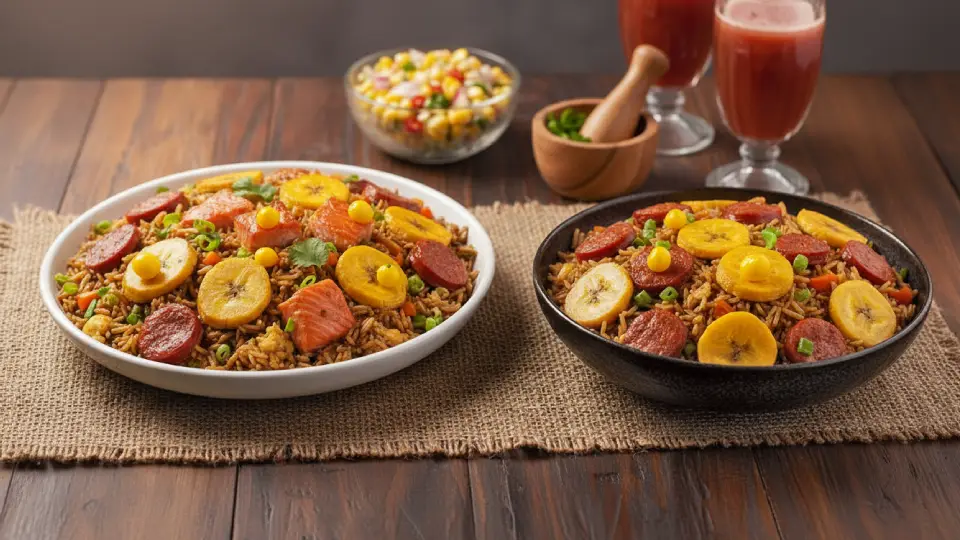
Cooks stir-fry meats, seafood, and vegetables, then add yuca, green plantain, cecina, and Amazonian chorizo for a dish with a clear jungle influence. Each plate is full of aroma and rich flavor.
Amazonian arroz chaufa is served with spicy cocona pepper sauce and crispy fried plantains, giving it a special twist on Peruvian jungle fusion food. It stands out as a great example of Amazon rainforest cooking.
Sudado de Doncella
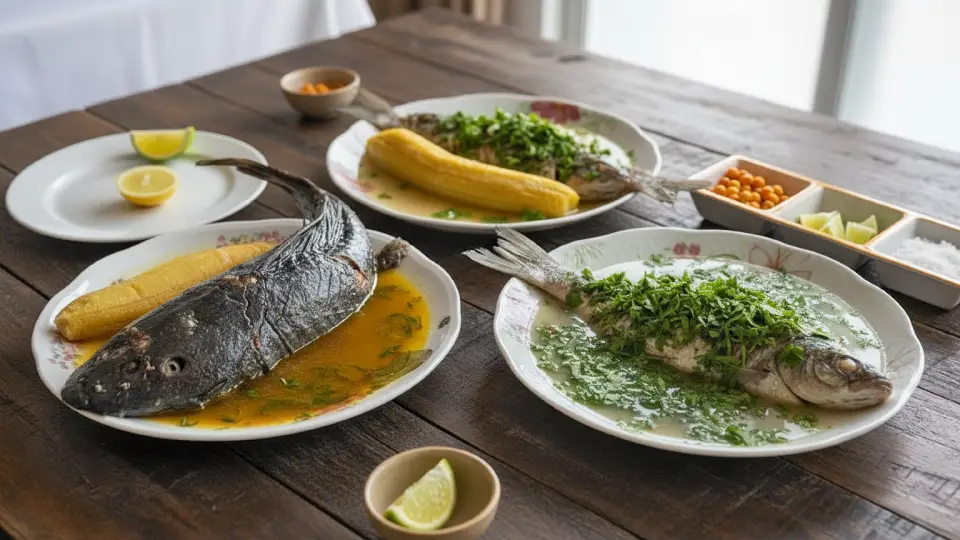
Sudado de doncella is a classic dish from the Peruvian Amazon, valued for its simple preparation and rich taste. The fish cooks slowly with fresh vegetables, so the broth absorbs all the natural flavors and aromas.
A bit of lemon brightens the flavor without adding fat, keeping the fish tender and delicate. Garlic, pepper, salt, and chicha de jora give the broth its unique aroma and depth, true to Amazonian cooking traditions.
Sudado de doncella usually comes with boiled yuca, onion, tomato, sachaculantro, and often white rice. This classic Amazon fish stew offers a wholesome, comforting meal and a true taste of jungle cuisine.
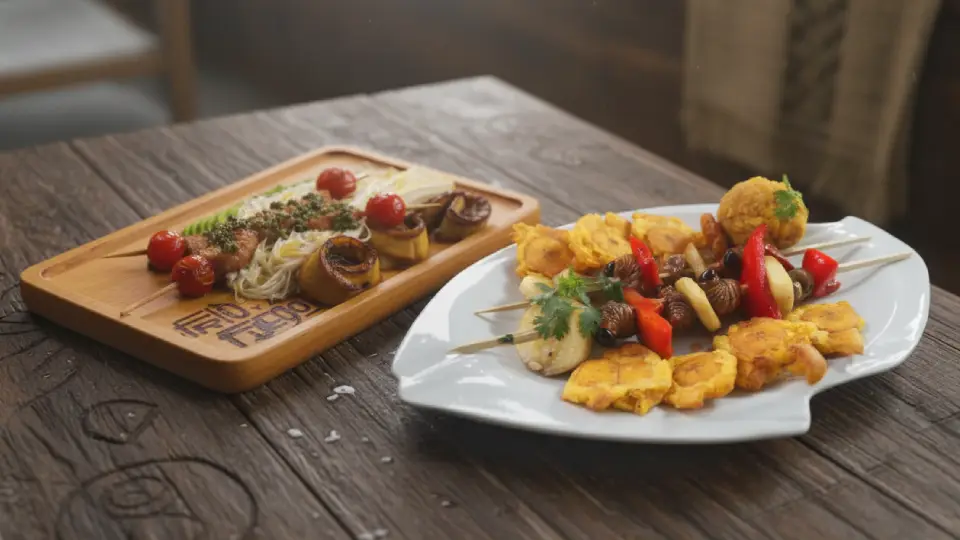
Suri Skewers
Suri skewers are a distinctive traditional dish from the Peruvian Amazon, known for their originality and bold flavor. Suris, or Amazonian palm weevil larvae, are grilled over open flames, producing an aroma that stimulates the appetite.
Their mild flavor is often compared to chicken, making them approachable even for first-time tasters. In addition to their unique appeal, suris are highly nutritious, rich in protein and healthy fats that offer natural energy.
Often served with roasted plantains or yuca, suri skewers provide an authentic Amazonian culinary experience. This iconic Peruvian delicacy invites you to explore one of the most distinctive flavors of rainforest cuisine.
Important Fact
Paiche is highly valued in Peruvian Amazon cuisine for its firm yet tender flesh. It is versatile and features in stews, sudados, fried dishes, and grilled specialties. Regardless of preparation, paiche retains its delicate, rich flavor.
Roasted Picuro (Majaz)
Roasted picuro, also known as majaz, is a popular dish in the Peruvian Amazon. This traditional meal features the meat of a large wild rodent, valued for its distinctive flavor and cultural significance in Amazonian cuisine.
The meat is tender, juicy, and flavorful. Picuro can be roasted, grilled, or slow-cooked, with each method enhancing its natural taste. It is typically served with roasted plantains, yuca, or tacacho for an authentic Amazonian meal.
We encourage you to try roasted picuro to experience one of the most iconic and traditional flavors of Peruvian Amazon cuisine.
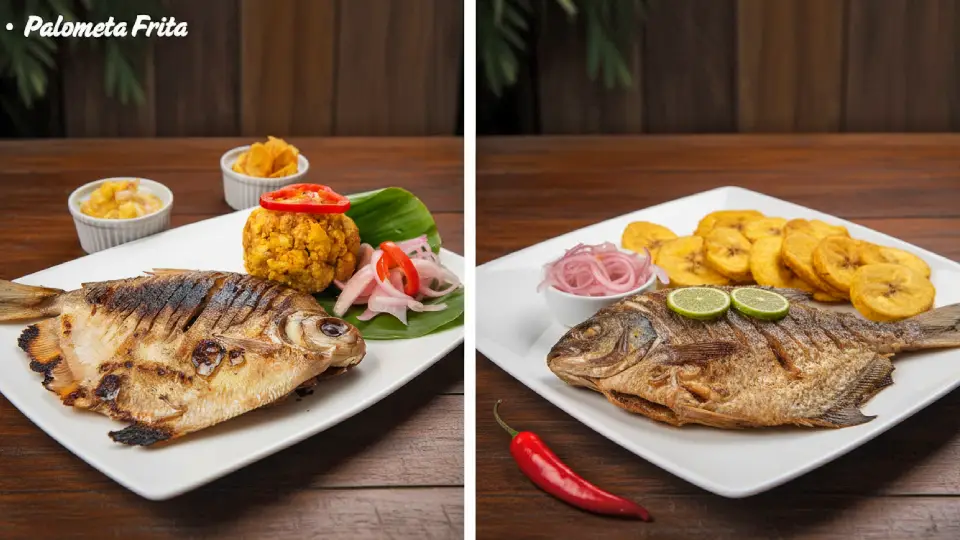
Fried Palometa
Fried palometa is a traditional dish from the Peruvian Amazon, prepared with freshwater palometa fish (Mylossoma duriventre), a relative of piranha and pacu. This classic meal highlights the diversity of Amazonian river cuisine.
Palometa is a round, silver fish typically fried until the exterior is crisp while the interior remains tender. Its mild flavor makes it widely appealing.
Fried palometa is commonly served with patacones (fried green plantains) and ají charapita with onion sauce, offering a distinctive taste of Amazonian cuisine.
Humitas
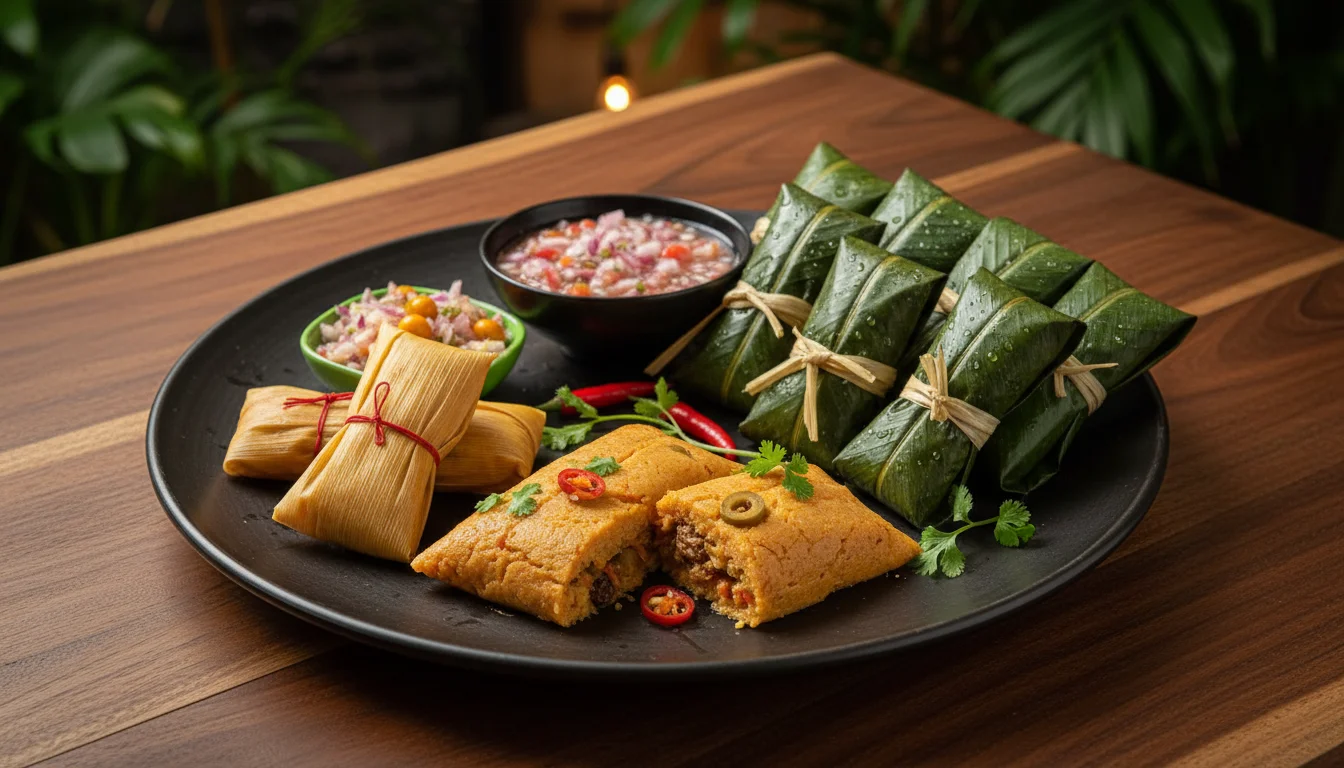
Humitas resemble corn tamales but incorporate a unique Peruvian Amazon variation. They are filled with seasoned meat, cheese, raisins, and aromatic herbs, creating a rich and comforting flavor.
Prepared with freshly ground yellow corn, the mixture is wrapped in corn husks and steamed until soft and tender. This traditional method preserves moisture and enhances the corn’s natural sweetness.
Humitas are a classic in Peruvian cuisine, offering a warm and satisfying example of Amazonian culinary tradition. This authentic dish highlights one of the most flavorful corn specialties of the region.
Exotic Peruvian Amazon Food and Rare Dishes from the Deep Jungle
Peruvian Amazon cuisine features unique ingredients that intrigue travelers and offer unexpected flavors. These rare dishes reflect ancient indigenous traditions, highlighting the region’s cultural richness and vitality.
Sampling these specialties provides a genuine connection to Amazonian culture beyond a typical culinary experience. With river-based recipes and jungle-sourced ingredients, the cuisine delivers bold flavors and memorable experiences for adventurous diners.
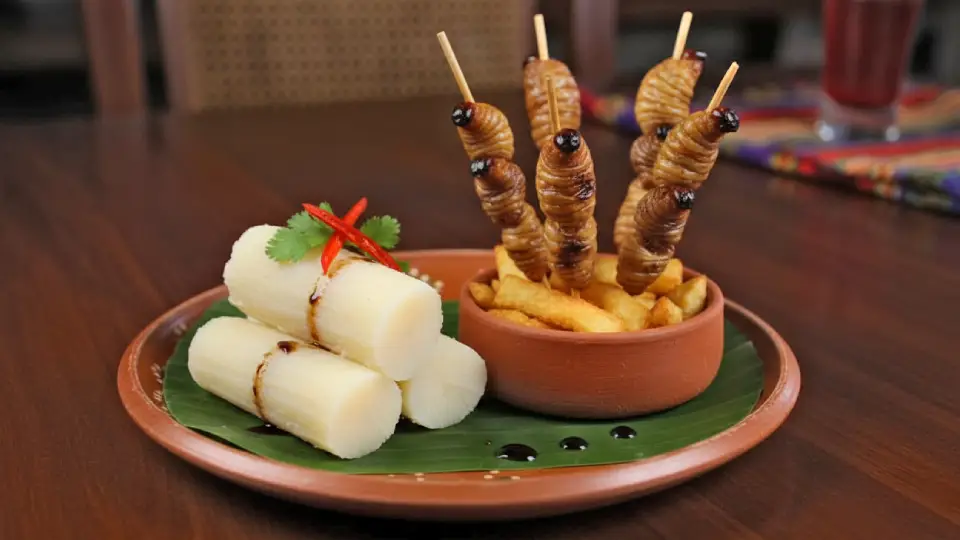
Grilled Suri Skewers (Amazon Palm Weevil Larvae)
Suri, an edible palm weevil larva, is a delicacy in the Peruvian Amazon and a staple of the traditional jungle diet. It is high in protein and healthy fats, with a creamy texture that often surprises first-time tasters.
In cities such as Iquitos and Pucallpa, suri is prepared in various ways: washed and fried, grilled over open flames, or, for the adventurous, eaten raw. Tasting grilled suri skewers provides a distinctive flavor and a direct link to the ancestral traditions of the Amazon rainforest.
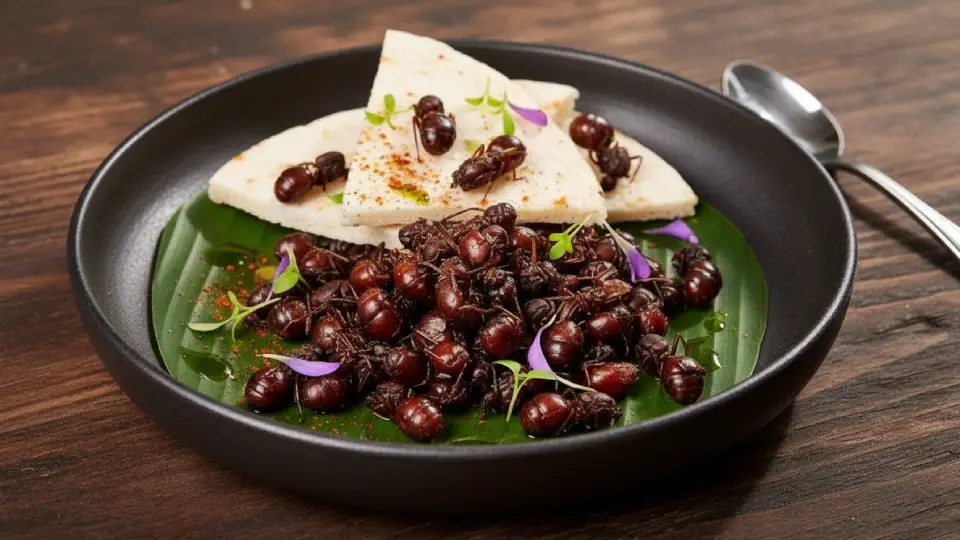
Giant Mamaco Ants (Siquisapas) in Local Gastronomy
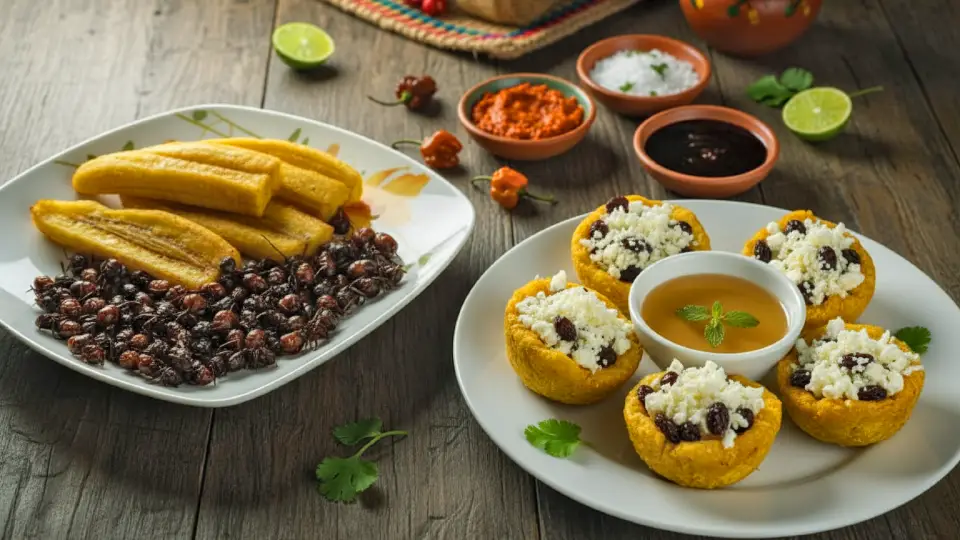
Giant ants, locally called siquisapas, are a notable Amazonian delicacy, particularly in Moyobamba, San Martín. Harvested between October and November at the end of the rainy season, these leaf-eating ants are valued for their distinctive aroma and bold flavor.
They are typically toasted with salt and served as a crunchy snack. Siquisapas may also be used as appetizers, toppings for pizza, or infused into cocktails, making them a unique and versatile ingredient in Peruvian Amazon cuisine.
Majaz Stew and Traditional Wild Game Cuisine
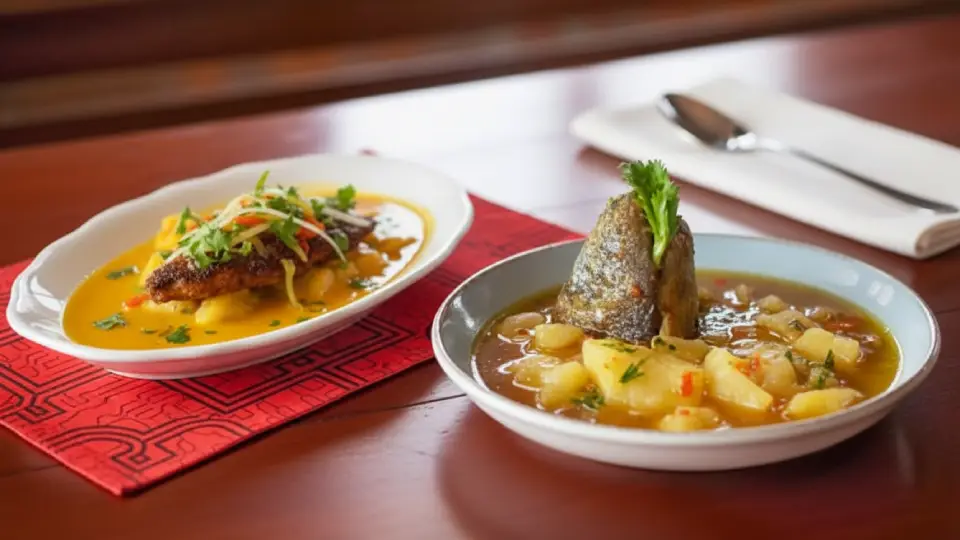
Majaz stew is a distinctive dish of the Peruvian Amazon, reflecting the region’s traditional use of wild game. Prepared with native jungle herbs, this hearty stew highlights the authentic aromas and flavors of the rainforest.
Majaz stew also represents the ancestral connection between Amazonian communities and nature, emphasizing cultural heritage and sustainable traditions in Peruvian jungle cuisine.
Giant River Snail (Churo)
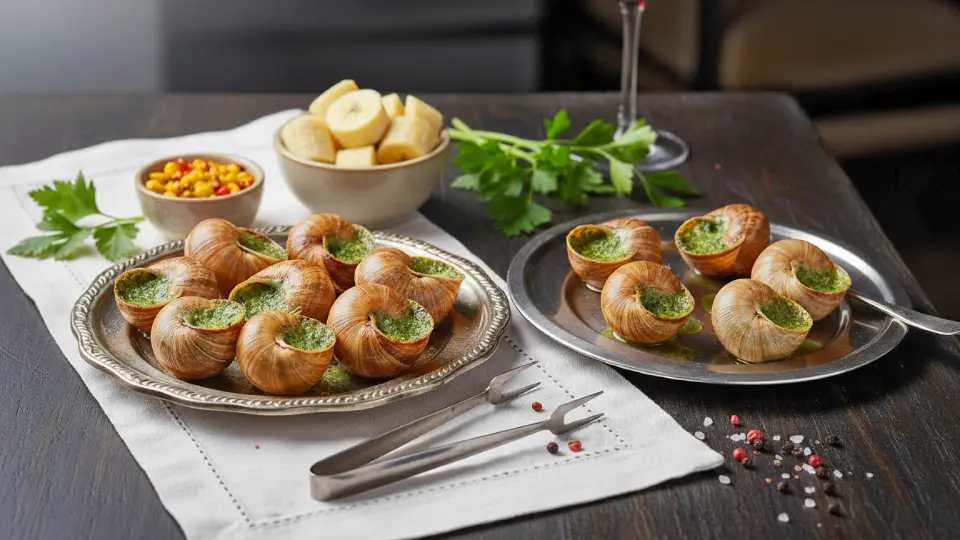
The giant river snail, or churo, is a valued ingredient in Amazonian gastronomy, especially in San Martín. These freshwater mollusks are prized for their flavor and protein content, and are prepared to create nourishing dishes.
Churo is typically cut into small pieces and cooked in a savory stew with garlic, salt, and plantain, providing a rich taste and essential nutrients such as iron.
Zarapa Soup (Sarapatera)
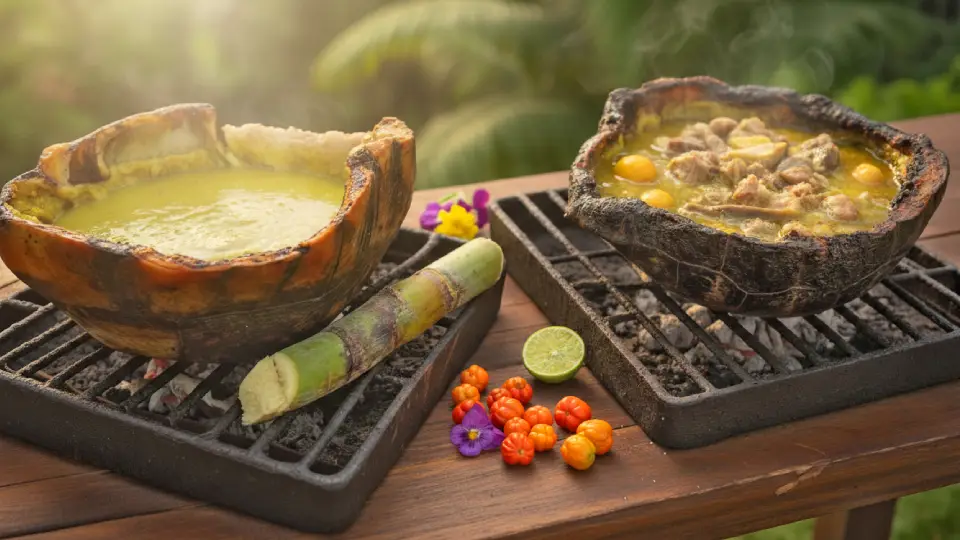
Zarapa soup, also known as sarapatera, is a traditional Amazonian dish historically prepared with motelo turtle meat, valued for its distinctive flavor. Traditionally, it was sometimes cooked inside the shell to enhance its natural juices and aroma, and often served with grated plantain for added sweetness and texture.
Currently, wildlife conservation efforts protect many Amazon species, promoting sustainable alternatives and responsible culinary practices to safeguard the region’s biodiversity.
Fried Caiman (Chicharrón de Lagarto)
Fried caiman is a well-known specialty in Iquitos and a classic example of Amazon street food. Grilled or fried for a crispy exterior and tender interior, it offers a unique flavor often compared to chicken or fish.
This simple but tasty dish is served with plantain or yuca and a fresh onion salad. It shows the bold and rustic style of Peruvian Amazon cooking
Motelo al Kion and Conservation Awareness
Motelo al kion used to be a traditional jungle dish made with ginger and local spices. Now, the morrocoy turtle (yellow-footed tortoise) is protected because it is at risk. Hunting and eating this turtle are banned, which highlights the need to protect Amazon wildlife.
Today, responsible tourism and sustainable cooking in the Peruvian Amazon aim to protect biodiversity while honoring cultural traditions in ethical and eco-friendly ways.
Peruvian Amazon Recipes and How to Prepare Each Dish Step by Step
Peruvian Amazon recipes offer an accessible introduction to jungle cuisine, allowing you to recreate traditional dishes at home with straightforward techniques. These recipes are ideal for beginners seeking authentic Amazon flavors.
Preparing these traditional Peruvian jungle dishes brings bold flavors to your table and fills your home with the aromas and warmth of the Amazon rainforest.
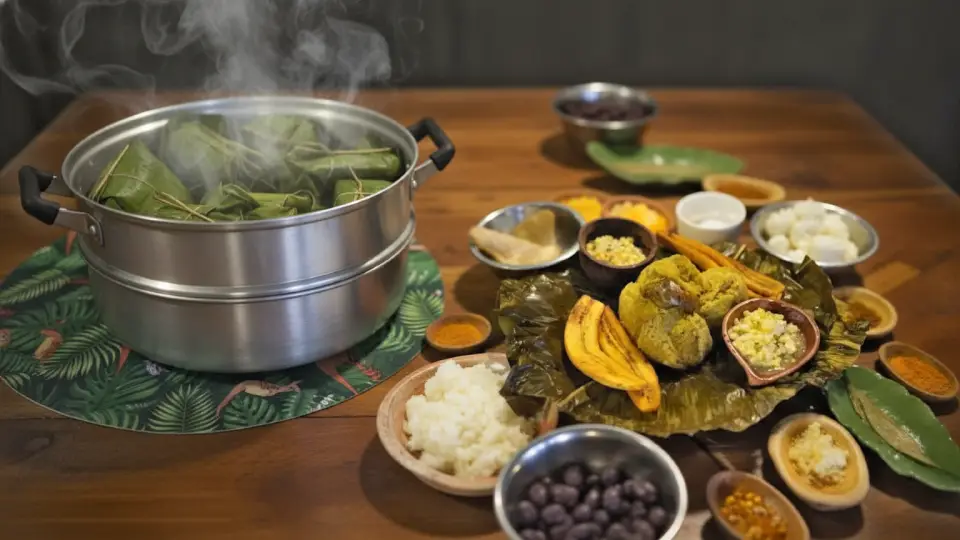
How to Prepare Traditional Juane with Simple Ingredients
Juane is a signature dish of the Peruvian Amazon, featuring seasoned rice, chicken, eggs, and aromatic flavors wrapped in bijao leaves.
Ingredients for Serves 8 people
- 2.2 lb rice
- 8 chicken pieces
- 8 eggs
- 4 hard-boiled eggs
- 8 olives
- Turmeric (palillo)
- Garlic
- 2 chopped onions
- Pork lard
- Oregano
- Salt to taste
- Water
- 16 bijao (banana) leaves
Step-by-Step Preparation
1. Cook the rice: Simmer the rice with garlic (no salt) for about 15 minutes. Drain and let cool.
2. Prepare the seasoning base: Melt the pork lard, then sauté the onion with turmeric and salt until golden and fragrant.
3. Cook the chicken: Add the chicken and water, and simmer until tender. Remove and set aside.
4. Mix the rice: Combine the rice with the sautéed mixture. Add raw eggs and mix well. Season and sprinkle toasted oregano.
5. Soften the leaves: Lightly toast bijao leaves over heat to make them flexible.
6. Assemble the juanes: Place rice in the center of each leaf, add chicken, an olive, and half a hard-boiled egg. Wrap tightly and tie with kitchen twine.
7. Cook: Boil, covered, for about 30 minutes, until firm and juicy.
8. Serve: Pair with onion or cocona sauce for an authentic Amazonian experience.
Homemade Tacacho with Cecina and the Fried Plantain Technique
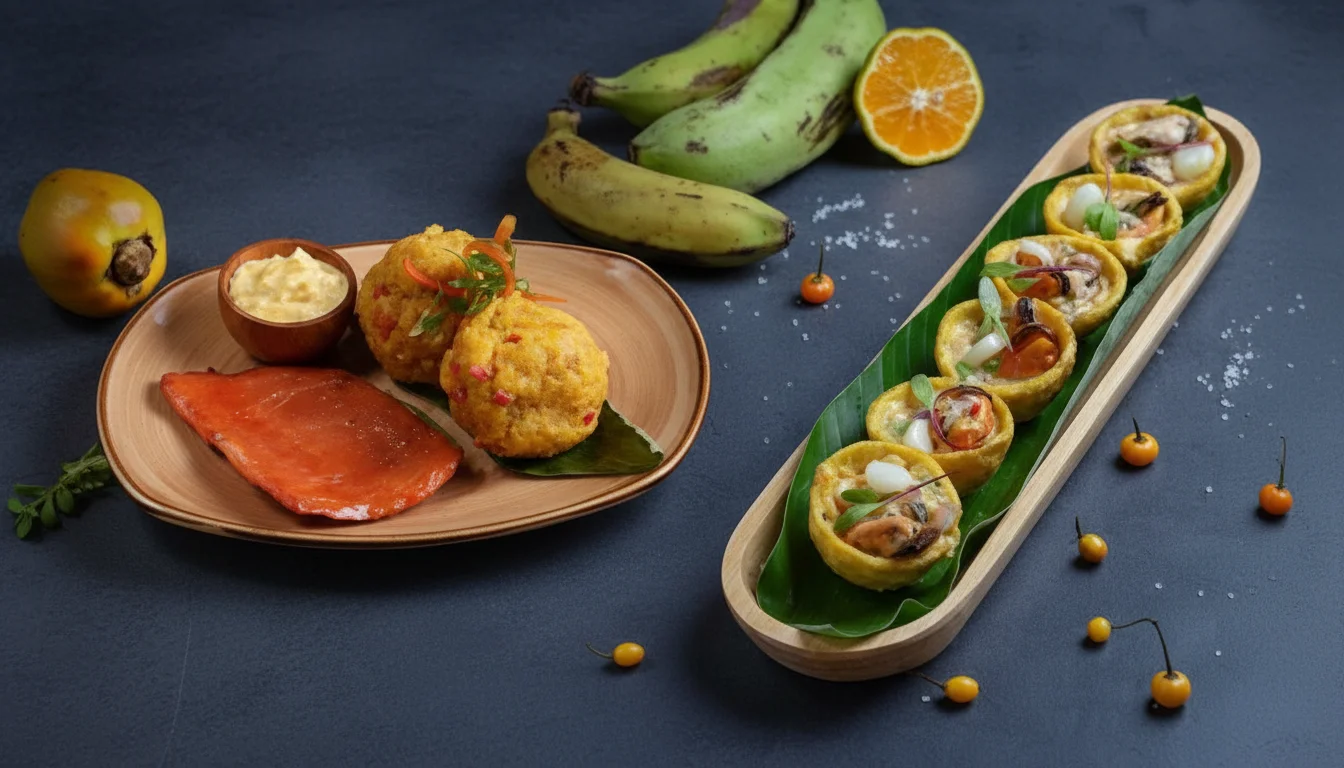
Tacacho is a traditional Peruvian Amazon dish made from mashed green plantains and pork fat, typically served with cecina or chorizo.
Ingredients for 6 people
- 10–15 green plantains
- Salted pork lard
- Cecina or Amazonian chorizo
Step-by-Step Preparation
1. Cook the plantains: Boil, fry, or roast until soft.
2. Mash thoroughly: crush in a mortar or with a heavy tool until smooth and creamy.
3. Add lard and salt, and mix well for that authentic jungle flavor and moist texture.
4. Prepare the meat: Fry cecina or chorizo until golden and slightly crispy.
5. Serve: Shape tacacho into balls and serve hot with meat, onion salad, and spicy ají.
Amazon Fish Cazuela (Iquitos-Style)
This hearty fish stew from Iquitos combines river fish with distinctive Amazon ingredients, resulting in a rich, traditional cazuela.
Ingredients
- Fresh river fish (shad, cachama, or catfish)
- Ají viche
- Cacao seeds
- Mojojoy (palm larvae)
- Giant ants
- Cassava whey
- Salt
Step-by-Step Preparation
1. Cook the fish: Simmer gently with water and salt.
2. Add jungle ingredients: Stir in ají, ants, larvae, and cacao seeds.
3. Simmer: Cook over medium heat for about 15 minutes until thick and aromatic.
4. Serve: Accompany with cassava flatbread (casabe) or fariña.
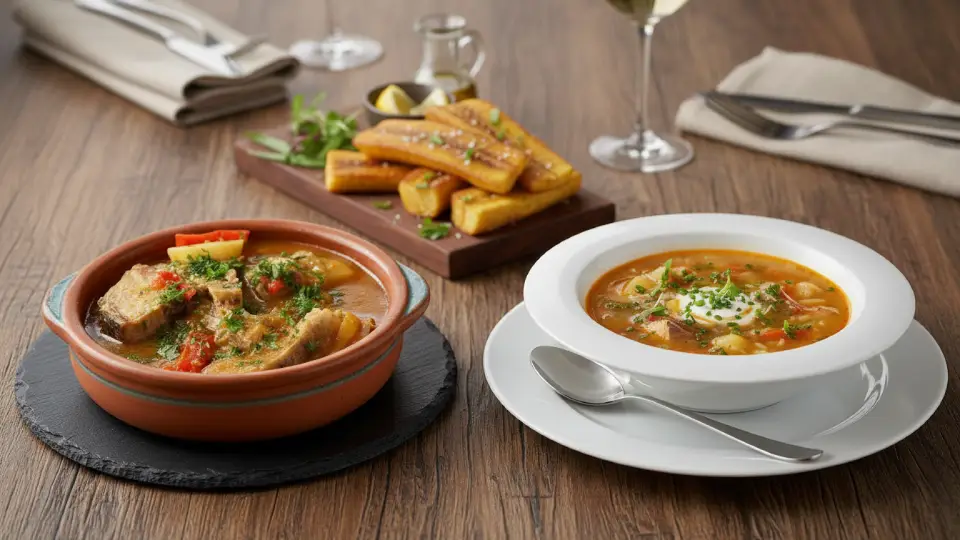
Inchicapi de Gallina (Amazon Peanut Chicken Soup)
This traditional soup blends free-range chicken, ground corn, and peanuts into a creamy and comforting Amazonian classic.
Ingredients Serves for 6 people
- 1 free-range chicken, cut
- Ground corn
- Ground peanuts
- Garlic
- Onion
- Oregano, salt, pepper, cumin
Step-by-Step Preparation
1. Cook the chicken: Simmer for about 25 minutes.
2. Add corn and peanuts: Dissolve in water and stir into the pot. Season well.
3. Prepare the sauté: Cook garlic and onion until fragrant; add to soup.
4. Serve: Pair with white rice or fried plantain.
How to Prepare Patarashca
Patarashca is a classic Amazon river fish dish, wrapped in bijao leaves and grilled to achieve a smoky, aromatic flavor.
Ingredients - Serves for 6 people
- 6 medium river fish
- Garlic
- Onion
- Green chilies
- Oil
- 6 bijao leaves
- Salt, pepper, cumin
- Fresh cilantro
Step-by-Step Preparation
1. Prepare the filling: Mix garlic, onion, chilies, cilantro, oil, and spices.
2. Stuff the fish: Fill each fish generously with the mixture.
3. Wrap in bijao leaves: Seal carefully to preserve moisture and aroma.
4. Grill: Cook over medium heat for about 15 minutes.
5. Serve: Open the leaves at the table and enjoy with rice or fried plantains.
Traditional Side Dishes, Appetizers, and Sauces of the Peruvian Amazon
Peruvian Amazon cuisine features not only main dishes but also distinctive sides, appetizers, and sauces. These traditional accompaniments highlight the region’s biodiversity and culinary innovation.
Classic Side Dishes
Tacacho
Tacacho is a traditional Amazonian dish made by mashing green plantains and frying them with pork lard and cracklings. Formed into balls and served with smoked cecina and chorizo, it offers a balance of soft texture and smoky flavor.
Inguiri
Inguiri is boiled green plantain with green or yellow pulp, naturally high in fiber. It serves as a base for dishes such as tacacho, cecina, or grilled fish, adding texture and balance.
Yuca (Cassava)
Yuca is a staple Amazonian root vegetable, rich in carbohydrates, vitamin C, and potassium. Served boiled or fried, it accompanies fish and meats, adding a smooth texture and mild flavor.
Fried Ripe Plantain
Fried ripe plantain, sweet and tender with a caramelized exterior, contrasts well with smoky meats. It is a common addition to Amazonian lunches and dinners.
Rice
Rice is a common side dish in the Peruvian Amazon. Served as Amazonian-style chaufa or plain white rice, it balances the region’s bold flavors.
Traditional Appetizers
Amazonian Chorizo
Amazonian chorizo is an artisanal sausage made with pork, smoked cecina, sacha cilantro, scallions, and spices. It has a deep smoky flavor and firm texture, suitable for grilling or adding to stews.
Patacones
Patacones are twice-fried green plantains, smashed and refried until crispy and golden. They are served as a snack or with cocona chili sauce, offering a crunchy texture and savory flavor.
Yuca Tamales
Yuca tamales are made from grated cassava dough wrapped in bijao leaves, resulting in a chewy, aromatic texture. Fillings may include paiche, chicken, or cheese. They are especially popular during the San Juan festival.
Camu Camu Ceviche
Camu camu ceviche is a variation of Peruvian ceviche that uses camu camu juice, a native citrus fruit, instead of lemon. This gives the dish a pink color and tangy flavor, suitable for doncella or paiche fish.
Amazonian Plantain Baskets
Crispy green plantain baskets are filled with smoked olives or seasoned pork and served with cocona and ají charapita sauce. They combine crunchy texture, savory flavor, and mild heat.
Cecina Wontons
Cecina wontons are filled with smoked pork and fried until golden and crisp. They are served with sweet cocona syrup or spicy ají charapita sauce, offering a contrast of sweet, smoky, and spicy flavors.
Traditional Amazon Sauces
Cocona Chili Sauce
Cocona chili sauce combines heat, citrus notes, and freshness. Made with cocona fruit, ají charapita, onion, sachaculantro, lime, and salt, it is used to enhance dishes such as tacacho, patacones, and juane.
Ají Charapita
Ají charapita is a small, yellow chili known for its fruity aroma and heat. Used fresh, dried, or pickled, it adds a distinctive Amazonian flavor to many dishes.
Tucupí Sauce (Ají Negro)
Tucupí, or ají negro, is a dark, thick sauce made from wild cassava pulp. Its umami-rich flavor, similar to soy sauce, enhances fish dishes and is often referred to as the “umami of the jungle.”
Sachaculantro Sauce
Sachaculantro sauce, made from the native herb Eryngium foetidum, is aromatic with a cilantro-like fragrance. It is commonly used in soups, juanes, and tacacho to add freshness and depth.
Pipi de Mono Sauce
Pipi de mono sauce is made with a small red chili fermented with vinegar and salt. Known for its intense heat, it is served with juanes, patarashca, and tacacho.
Shiwi Amazon Salad
Shiwi Amazon salad includes Brazil nuts, honey, and coca oil. High in protein, it complements stronger jungle dishes and provides a refreshing contrast.
Traditional Desserts and Beverages of the Peruvian Amazon
The Peruvian Amazon offers unique desserts and beverages that showcase the region’s biodiversity and ancestral traditions. From fruit-based sweets to fermented drinks, Amazonian cuisine features bold flavors and natural energy.
Representative Amazon Desserts
Chapo
Chapo is a traditional Amazon dessert-drink made from very ripe plantains, slowly cooked and blended with milk. Naturally rich and creamy, it is often sweetened to taste, though fully ripe plantains may not require added sugar.
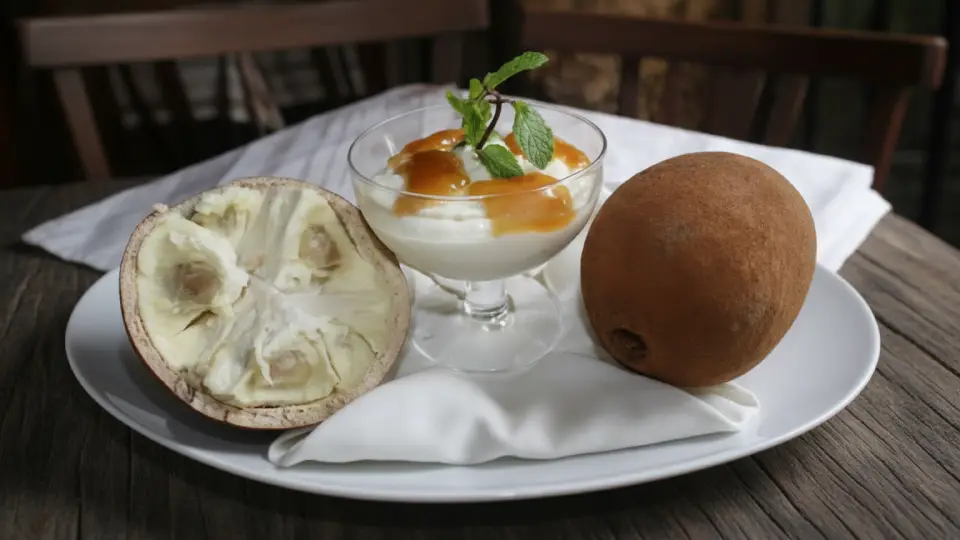
Copoazú Cream
Copoazú cream is a smooth dessert made from the pulp of this Amazonian fruit. Its flavor is similar to cacao with subtle citrus notes, and its velvety texture makes it a refined regional delicacy.
Peanut and Plantain Pudding
Peanut and plantain pudding is made with ground peanuts and green plantain, sweetened with raw cane syrup (chancaca honey). This nutritious dessert provides a comforting sweetness and a natural energy boost.
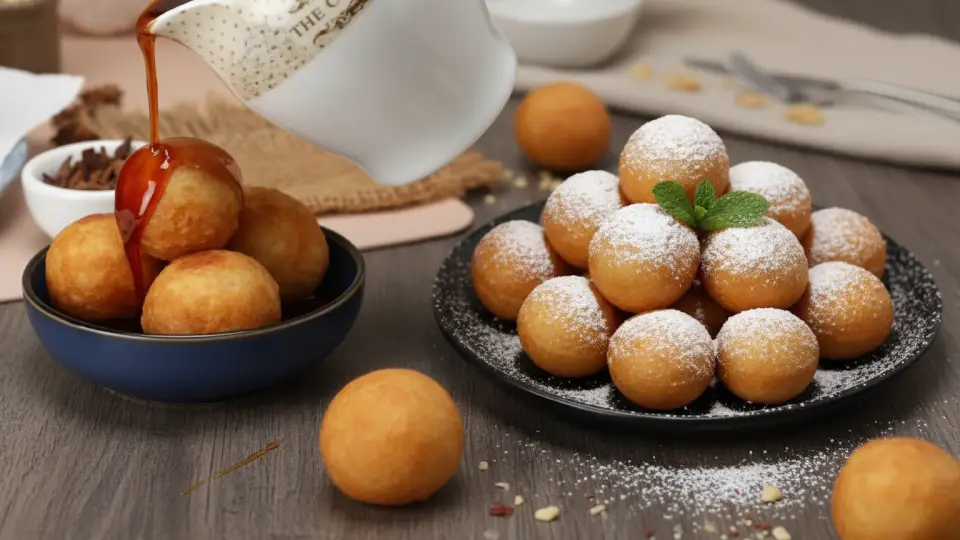
Yuca Fritters
Yuca fritters are a classic dish. The dough may be sweet or savory; for the sweet version, sugar and cinnamon are added before frying. They are crispy outside, tender inside, and typically served with honey or maple syrup, often accompanied by hot chocolate or coffee.
Yuca Starch Rings
These baked yuca starch rings are crispy outside and soft inside. They are especially popular at local breakfasts.
Arazá Jam
Arazá jam is a sweet-and-tart spread made from Amazonian guava pulp and panela (unrefined cane sugar). It is commonly served with bread, yogurt, or desserts.
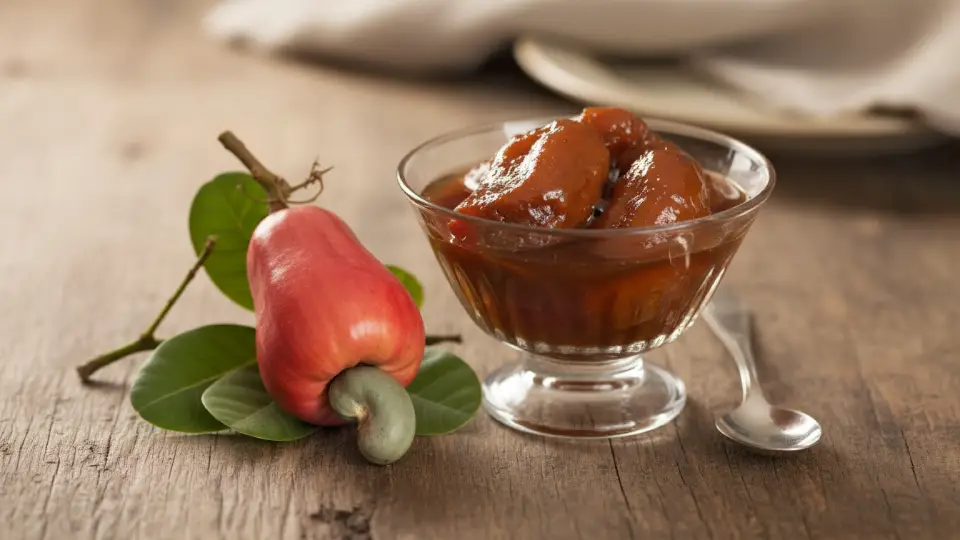
Cashu (Cashew Apple) Dessert
This traditional dessert uses the pulp of the cashew apple, known locally as cashu or marañón. Its delicate and distinctive flavor makes it a popular Amazonian treat.
Refreshing Amazon Beverages
Aguajina
Aguajina is a drink made from aguaje fruit (Mauritia flexuosa), a vitamin A–rich Amazon palm fruit. It is blended with water and lightly sweetened for a naturally refreshing beverage.
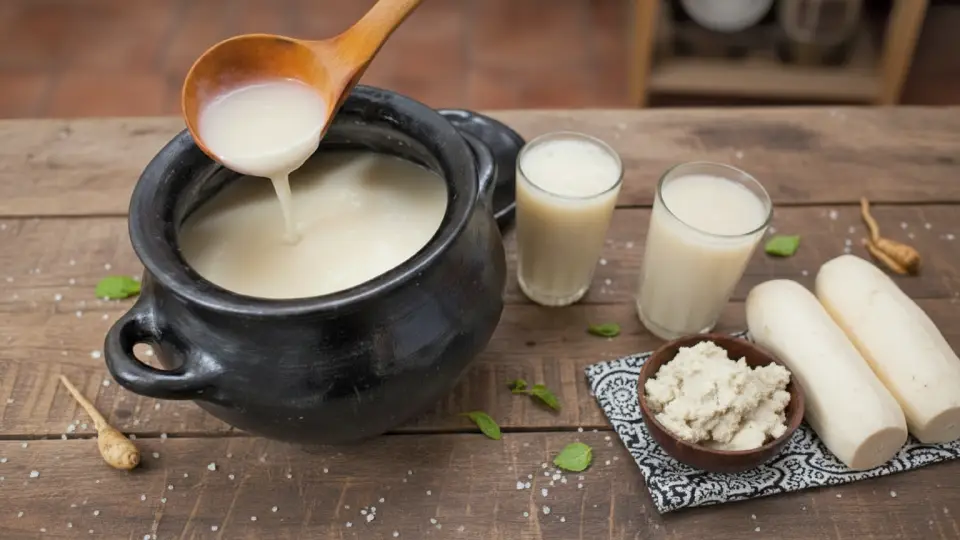
Masato
Masato is a traditional fermented beverage made from cassava, though it may also be prepared with rice, corn, or pineapple. Historically, fermentation began by chewing boiled cassava; today, it is blended and fermented into a mildly alcoholic, slightly foamy drink that remains central to Amazonian celebrations.
Camu Camu Juice
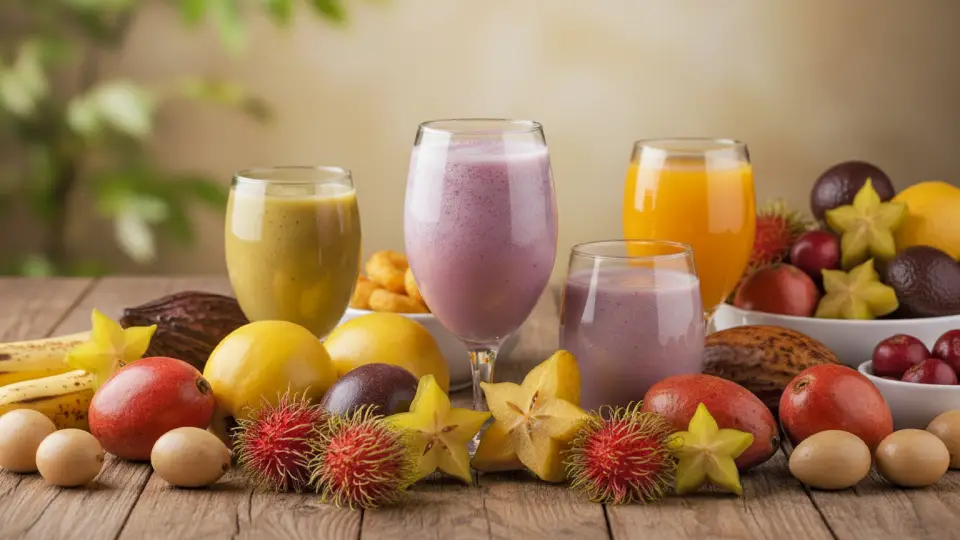
Camu camu juice is made from a wild Amazon fruit rich in vitamin C. It has a tart, citrus flavor and a distinctive pink-to-purple color.
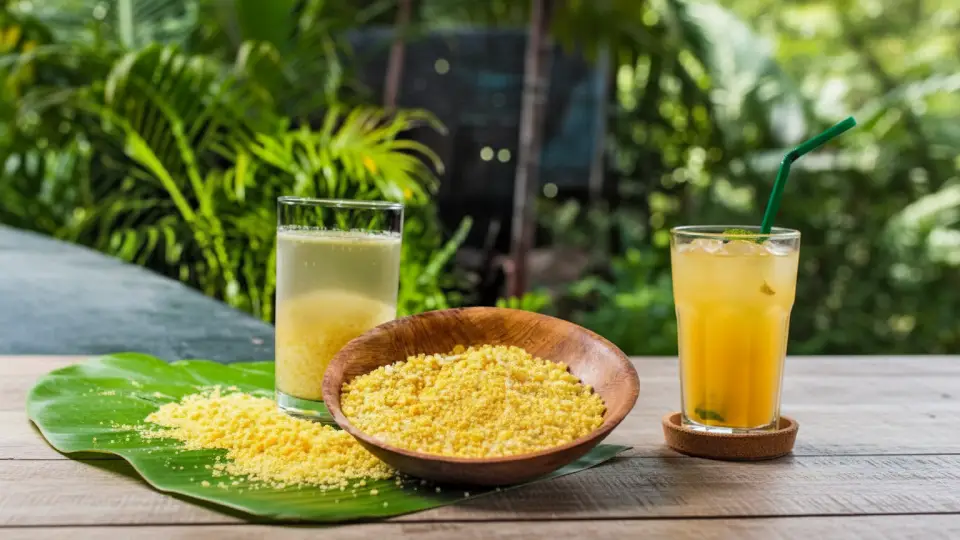
Shibé de Yuca
Shibé is a traditional fermented drink made from fariña (granulated cassava flour). Its flavor and alcohol content vary with fermentation time, and it is popular during festivals and special events.
Uvachado
Uvachado is a beverage made from wild jungle grapes, sweetened with honey and macerated with chuchuhuasi, a native plant valued for its analgesic and anti-inflammatory properties. It is traditionally consumed to support circulation and relieve muscle discomfort.
Curious Fact
The Peruvian Amazon is known for its variety of macerated herbal drinks and traditional infusions. Popular examples include “7 raíces,” chuchuhuasi, rompe calzón, and ayahuasca, each with its own history, distinctive flavor, and cultural significance.
Origins, Traditions, and Characteristics of Peruvian Amazon Cuisine
History of Amazonian Gastronomy
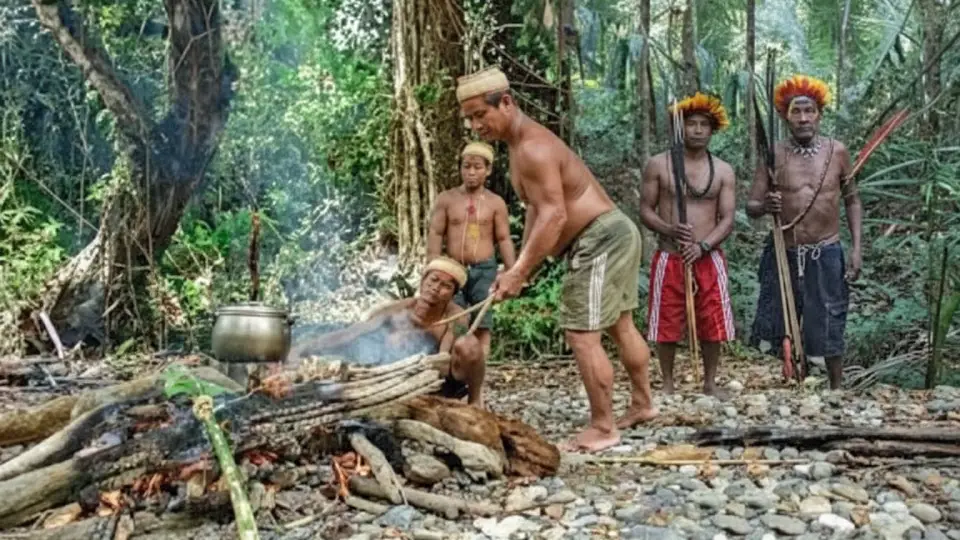
Peruvian Amazon cuisine has a history spanning over 2,000 years. Ancient cultures relied on hunting, fishing, gathering wild fruits, and early agriculture, settling along riverbanks that offered food and transportation.
This close relationship with the forest and rivers led to traditional Peruvian jungle dishes made from native rainforest ingredients. These ancestral practices form the basis of authentic Peruvian Amazon gastronomy.
Customs and Culinary Traditions
Today, these culinary traditions continue in daily life. Iconic dishes such as masato, juane, tacacho, and patarashca are staples in Amazon households and central to festivals and patron saint celebrations.
Rituals such as ayahuasca ceremonies highlight the deep spiritual connection between Amazonian communities and nature. In the Peruvian jungle, food is more than nourishment; it is a cultural expression, a shared ritual, and a link to ancestral identity.
Biodiversity and Bold Flavors
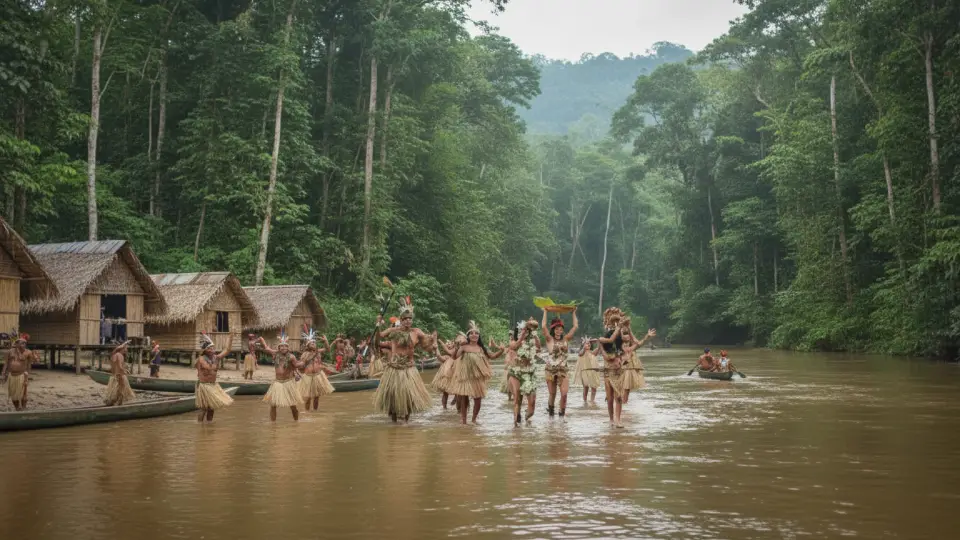
Peru is one of the world’s 12 megadiverse countries, and this biodiversity is evident in Amazonian cuisine. Fresh river fish such as doncella, palometa, and paiche are common, along with wild game like venison, caiman, turtle, and picuro.
These proteins are complemented by yuca, plantains, roots, and wild fruits, resulting in a varied and nutrient-rich diet. This diversity makes many Peruvian jungle dishes unique, with bold flavor combinations that offer memorable culinary experiences.
Native Ingredients and Unique Flavors
Peruvian Amazon cuisine stands out for its use of native ingredients rarely found elsewhere. Amazonian cecina, freshwater fish such as cachama, paiche, and doncella, bijao leaves, aromatic herbs like sachaculantro, and fruits including camu camu, aguaje, and copoazú define its unique character.
Each ingredient provides authentic flavors that reflect the richness of the rainforest. Together, they create traditional Amazon dishes that celebrate biodiversity, cultural heritage, and the spirit of the Peruvian jungle.

Traveler Tips for Visiting the Peruvian Amazon
Climate and Its Influence on Agriculture
The Peruvian Amazon features a warm, humid tropical climate throughout the year. Temperatures range from 54°F to 79°F (12°C to 26°C), with humidity reaching up to 90%. These conditions support the region’s exceptional biodiversity and agricultural productivity.
Rainy season (November to April): Frequent rainfall revitalizes the landscape, resulting in lush greenery. Morning and afternoon mist often covers jungle trails, enhancing the immersive rainforest experience.
Best Time to Visit
The optimal time to visit the Peruvian Amazon is during the dry season, from May to October. Trails are more accessible, hiking conditions improve, and mosquito activity is reduced. The favorable weather allows for deeper exploration, clearer skies, and easier river navigation.
Visiting during the dry season improves opportunities for wildlife observation and outdoor activities, making it ideal for eco-tourism and travelers seeking an authentic Amazon experience.
People of the Amazon
The local inhabitants of the Peruvian jungle, known as charapas, are recognized for their warmth and hospitality. They preserve ancestral knowledge and maintain a strong spiritual and practical connection with nature.
Their strong cultural identity, traditional practices, and respect for the environment enrich each visit. Engaging with Amazonian communities provides insight into sustainable living and enduring traditions.
Traditional Clothing
Traditional Amazon attire is light, breathable, and colorful, making it well-suited for the tropical climate. Both men and women wear the cushma, a cotton tunic decorated with feathers, seeds, and natural elements. Its geometric designs symbolize Amazonian heritage and reflect the artistic richness of indigenous culture.
Music of the Peruvian Jungle
The Peruvian Amazon is known for Amazonian cumbia, or cumbia selvática, an energetic genre that blends tropical rhythms, rock influences, and local folklore. Its lively melodies accompany festivals, rituals, and celebrations, reflecting the vibrant spirit and energy of the region.