




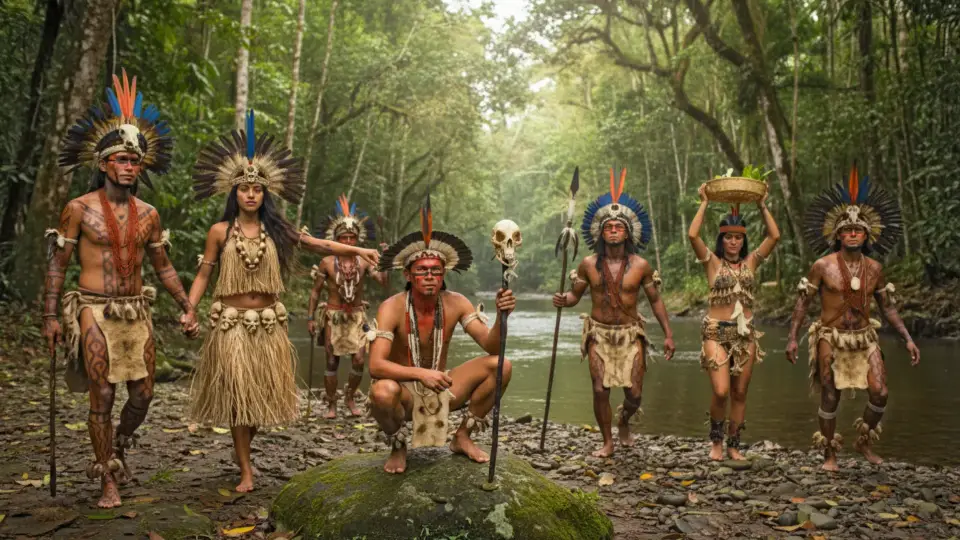
Traditional dances of the Peruvian Amazon serve as living expressions of spirituality, nature, and community. Each dance has a distinct name, purpose, and symbolism, reflecting the close relationship between Indigenous peoples and their environment. Through vibrant colors, rhythmic movements, and ancestral music, these performances preserve history, celebrate cultural identity, and honor the rainforest’s significance. Experiencing these dances offers insight into Amazonian heritage, where tradition, ritual, and community are closely connected.
Main Traditional Dances of the Peruvian Amazon and Their Cultural Significance
If you’re interested in the traditional dances of the Peruvian Amazon, this guide highlights some of the most important ones. You’ll learn about their history, what they mean, the costumes people wear, and how these dances are performed at local festivals and celebrations.
This guide goes beyond a simple overview and helps you understand why these dances matter to Indigenous communities in the rainforest. Each dance shows their spirituality, sense of identity, and strong bond with nature.
Get ready to dive into this cultural journey and discover these lively traditions one by one.
Boa Dance or Anaconda Festival: A Ritual of Respect for Sacred Serpents
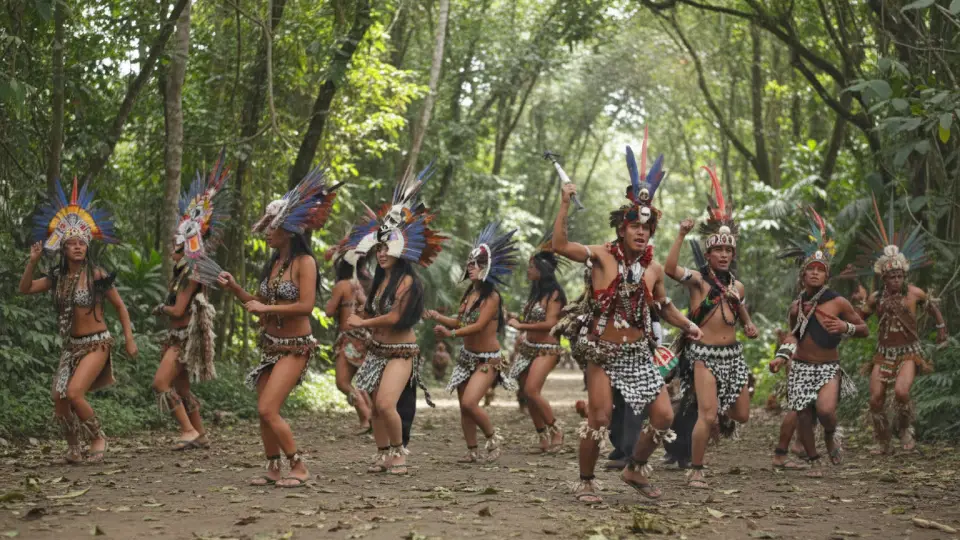
The Boa Dance, or Anaconda Festival, celebrates the anaconda, an animal seen as sacred by many Amazonian cultures. This ritual pays tribute to the serpent as a powerful spiritual symbol closely tied to nature and ancestral traditions.
In the performance, women dancers move in smooth, flowing ways that mimic a snake’s motion. At the same time, men carry decorated staffs with shapacas, which are traditional symbols of protection and prosperity.
This dance is more than just a cultural event. It shows deep respect for nature, calls for abundance, and highlights how spirituality and daily life are closely connected in Amazonian communities.
Did you know...?
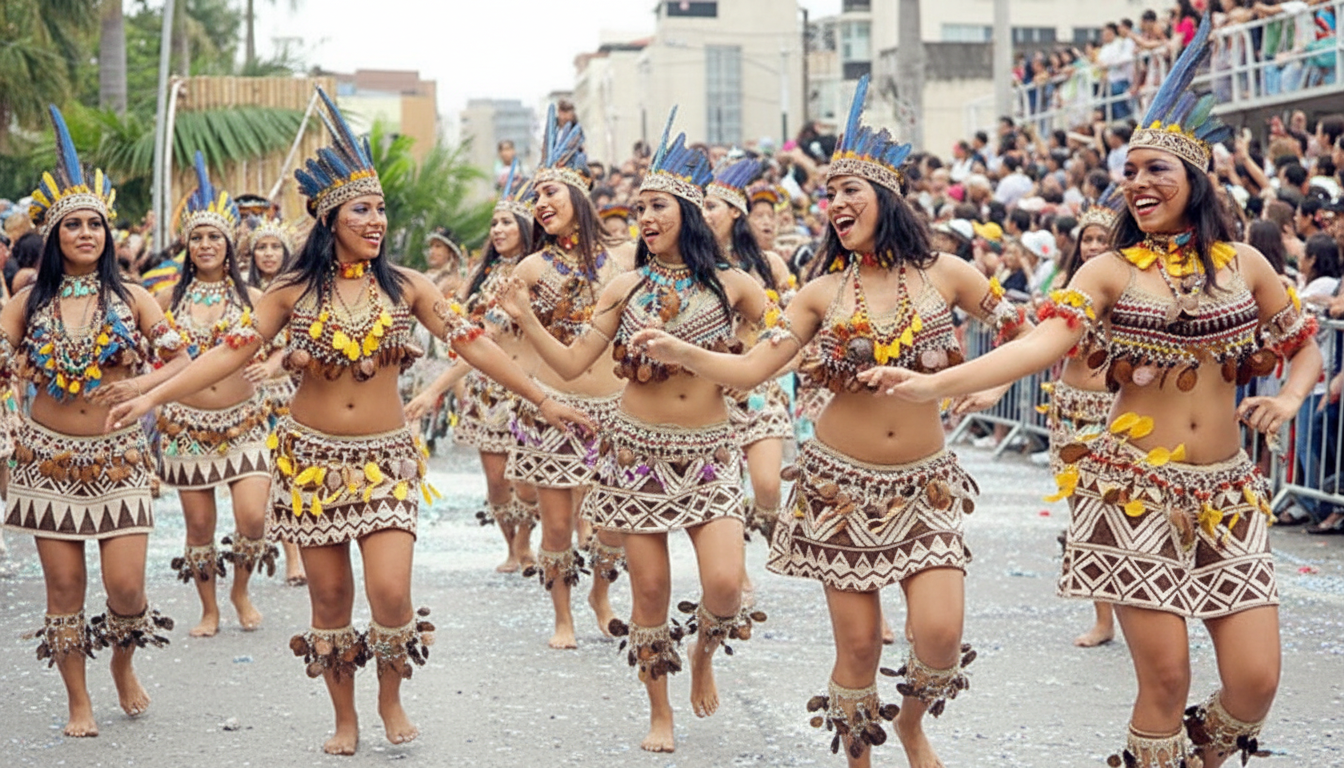
This tradition began with the native communities of Upper and Lower Ucayali, where it truly reflects their identity and ancestral beliefs.
The traditional clothing is designed to look like the skin of this sacred reptile, which adds to the dance’s symbolic meaning.
Instruments like the drum, quenilla, bass drum, and manguaré create the rhythm and help guide each dance step.
Shapacas, which are rattles made from the leaves of the Pariana shrub, play along with the music. They are also important tools for healers and shamans during ceremonies.
The Pandilla Dance: A Lively Jungle Tradition at Patron Saint Festivals
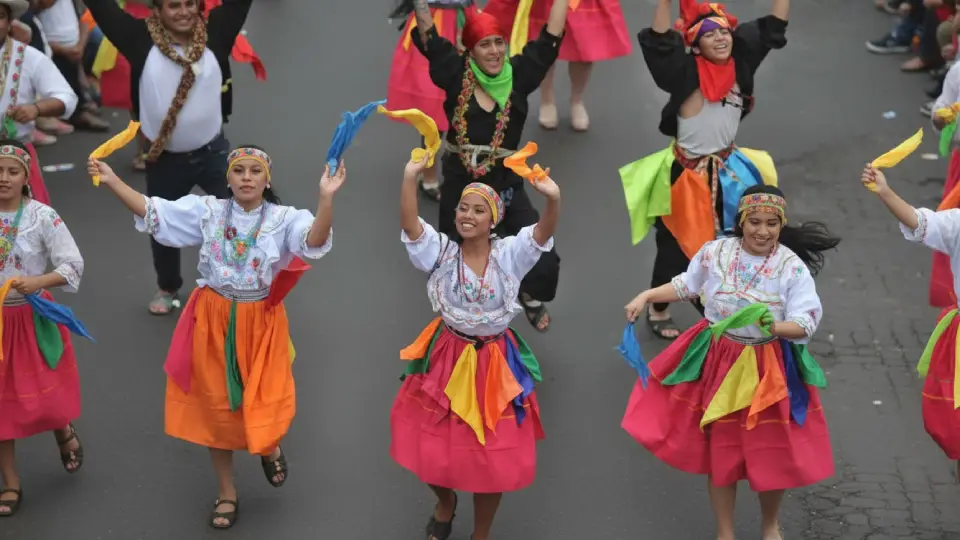
The Pandilla dance shows the shared joy of the Amazon rainforest with quick, coordinated steps. Dancers move forward and backward to the music, waving handkerchiefs that lift the mood and make people smile.
People often perform this lively dance at carnivals and patron saint festivals. It entertains everyone, brings the community together, and celebrates life with warmth and enthusiasm.
Meaning of the Shipibo Pride Dance: A Celebration of Indigenous Identity
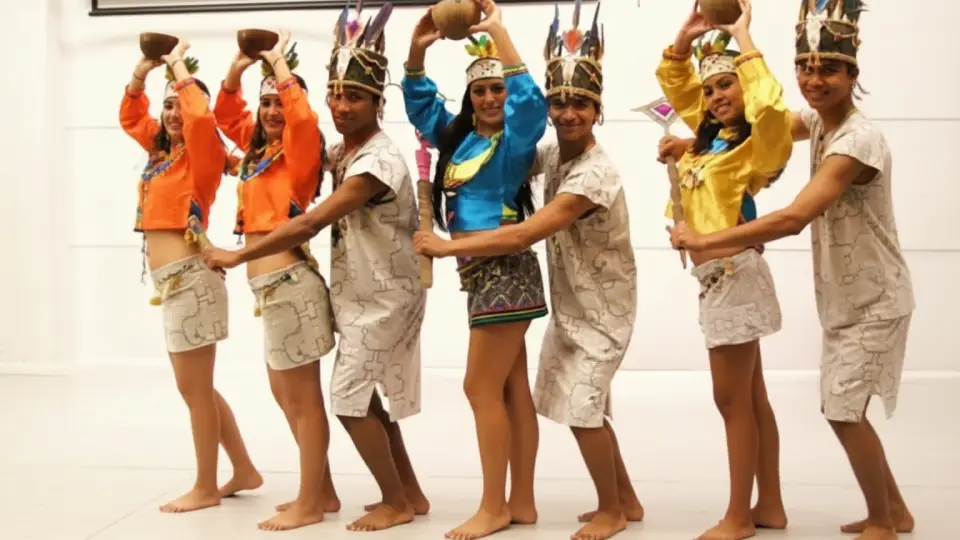
The Shipibo Pride Dance highlights the strength of men, the grace of women, and the distinct worldview of the Shipibo-Konibo people. Its movements and symbols express the community’s perspective on life, nature, and the universe.
Dancers wear traditional clothing adorned with intricate geometric patterns, reflecting their deep spiritual connection to nature and the universe. Men perform steady, powerful movements, while women dance with smooth, graceful steps. Together, they celebrate their culture, heritage, and enduring presence as an Indigenous community in the Peruvian Amazon.
Key Point:
This warrior dance depicts the historic conflict between the Shipibo and Yagua peoples as they competed for territory near Ucayali.
The main scene portrays an offense against a Shipibo woman, emphasizing the dance’s historical significance.
Dancers wear costumes inspired by traditional Shipibo clothing, featuring bright, bold colors.
Each movement conveys the history and cultural significance of this symbolic dance to the audience.
The Buri Buriti Warrior Dance: Showing Tribal Strength and Readiness
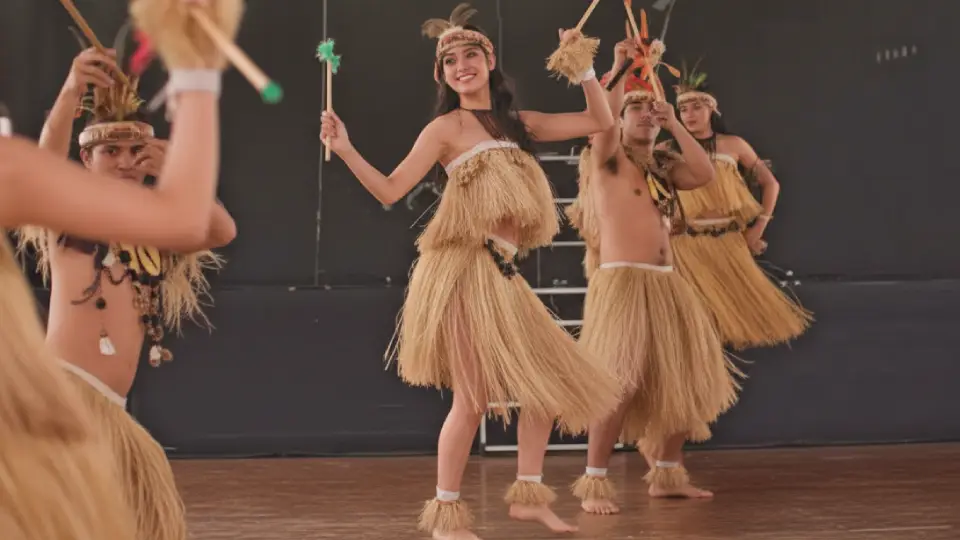
The Buri Buriti is a traditional dance from the Peruvian Amazon that expresses strength and readiness through its warrior style. Strong, deliberate movements define the dance as performers honor the memory, resilience, and courage of local tribes in overcoming the challenges of rainforest life.
Through strong yet graceful movements, the dance communicates identity, unity, and collective strength. It preserves the warrior traditions of Amazonian communities with integrity and pride.
Did you know?
The dance follows the rhythm of instruments such as maracas, which gently maintain the tempo.
Originating with the native peoples of Lower Ucayali, this dance represents preparation for hunting and fishing.
Dancers wear skirts, necklaces, and ankle decorations crafted from loose aguaje palm fibers.
The Joyful Rhythm of the Sitaracuy Dance: Inspired by the Sting of an Ant
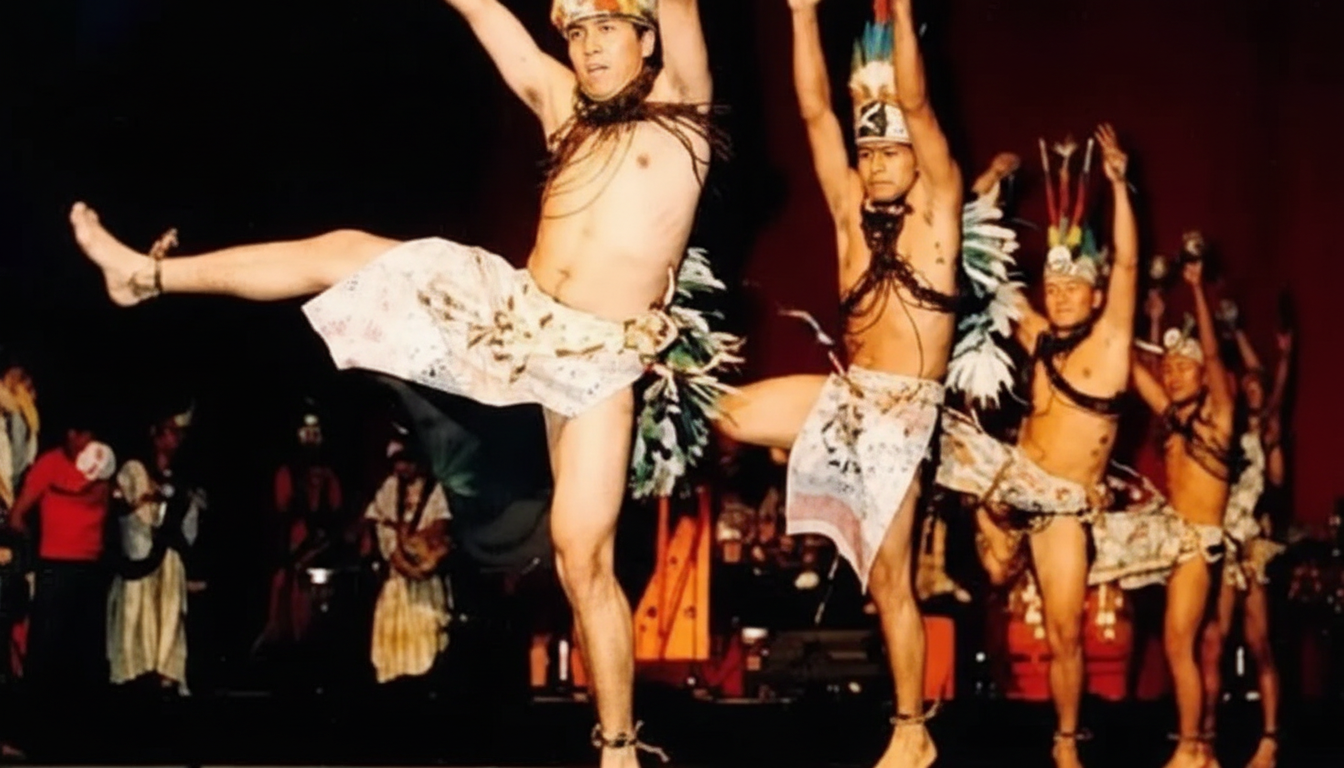
The Sitaracuy is a traditional dance from Loreto and Ucayali. Its Quechua name means “the biting ant.” This lively performance combines rhythm and humor, with dancers playfully jumping and imitating ant bites to create laughter and shared enjoyment.
Through energetic movements and expressive gestures, the dance illustrates how Amazonian communities transform daily life into joyful tradition. The Sitaracuy celebrates life, energy, and community spirit.
Did you know?
In Loreto, this dance is known as Siquizapeando and symbolizes the way large ants gather food.
This tradition typically occurs in October and November.
Dancers wear simple burlap costumes, which may be plain or feature geometric designs.
The Mystical Ayahuasca Dance: Indigenous Shamanic Healing Rituals
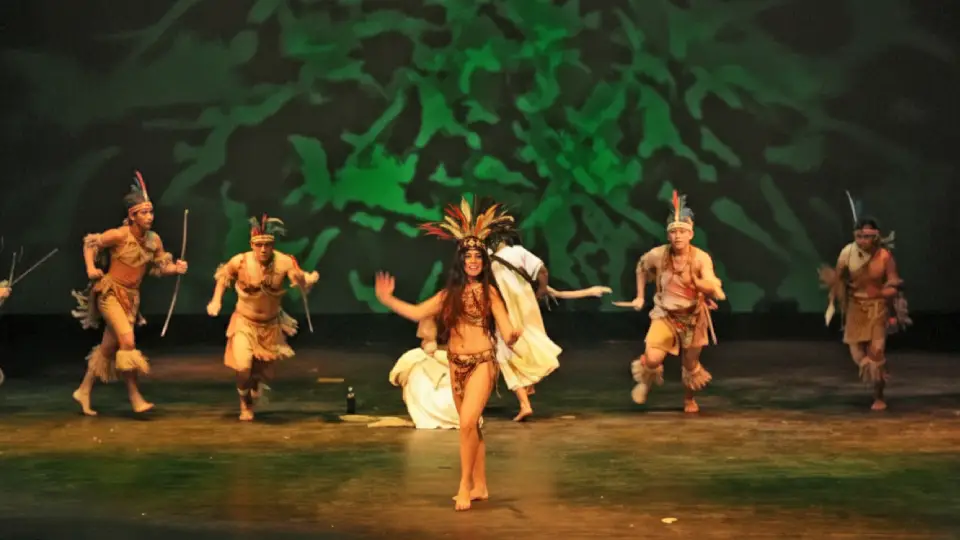
The Ayahuasca Dance depicts a spiritual journey through the rainforest, guided by a shaman who leads each stage of the ritual. Dancers use gentle, symbolic movements to convey a trance-like state, while the shaman invokes the spirit of nature through sacred chants and traditional music.
This dance reflects the ceremony associated with ayahuasca, an ancient plant medicine valued by many Amazonian communities for its healing and spiritual significance. Through simple and respectful movements, the dance highlights the important role this tradition holds in Indigenous Amazonian life.
Did you know?
This traditional dance from the Peruvian Amazon symbolizes healing and honors the contributions of healers and shamans.
During the dance, the shaman prepares a medicinal mixture to treat dizziness, demonstrating the continued importance of ancient healing practices.
Each movement in the dance represents an aspect of the healing process and conveys respect for traditional wisdom.
Today, the traditional use of ayahuasca remains a topic of discussion in conversations about holistic and spiritual health.
The Ani Sheati Dance
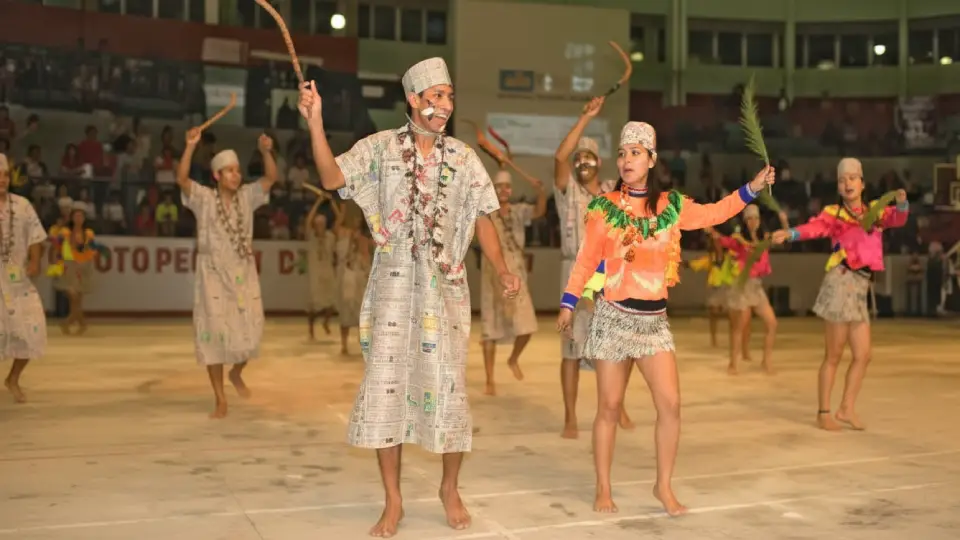
The Ani Sheati is a traditional dance of the Shipibo-Konibo people, performed in communities near the Ucayali River. It accompanies three-day ceremonial celebrations during which important rites of passage, particularly puberty rituals, occur.
Throughout the celebration, men and selected young participants demonstrate their skills with confidence and cultural pride. Each performance communicates themes of growth, learning, maturity, and unity, reinforcing the continuity of tradition within the Amazonian community.
Important Facts…
Men wear cotton tunics called cushma, decorated in red, yellow, white, and black with patterns symbolizing masculinity.
These designs are traditionally believed to possess special qualities and reflect cultural influences dating back to the Inca period.
Women wear a maiti headband, blouse, skirt, and beaded bracelets called jonshe menesheti.
The Ancient Dance of the Tulumayos
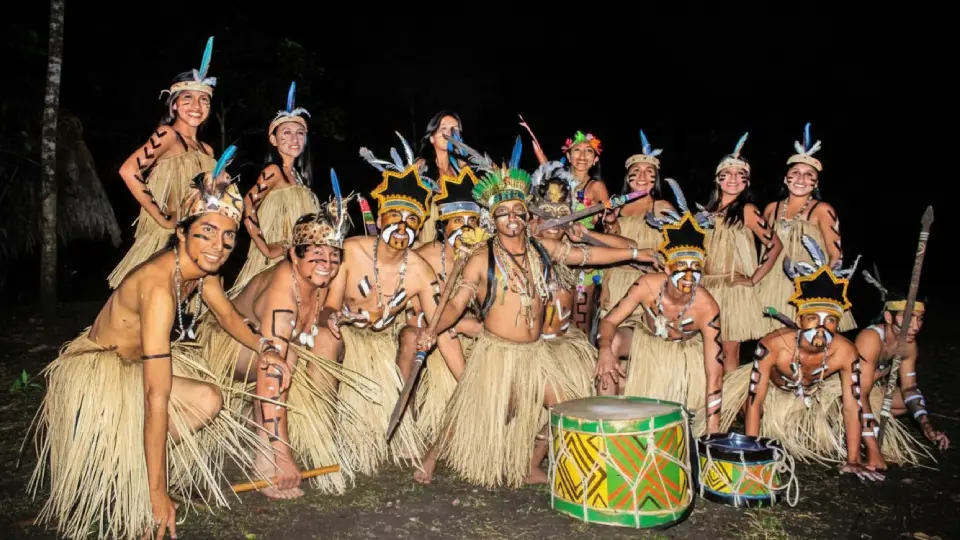
The Dance of the Tulumayos is a traditional practice from Tingo María, originating with tribes along the Tuyumayu River. This ancient dance authentically represents their worldview and way of life.
During the ritual, participants light bonfires by the river and honor the sun, fire, moon, and rainbow. Each movement expresses their spiritual beliefs and preserves their traditions. This strong connection with nature and the cosmos is central to Amazonian culture.
Key Fact
Tribal members used huito for body painting. In times of war, they applied triple “V” lines with achiote to their faces, arms, and legs.
These designs served as more than decoration; they held significant symbolic meaning.
Upward-pointing triangles represented strength and growth, while downward-pointing triangles symbolized balance and change.
The Elegant Pishta Dance
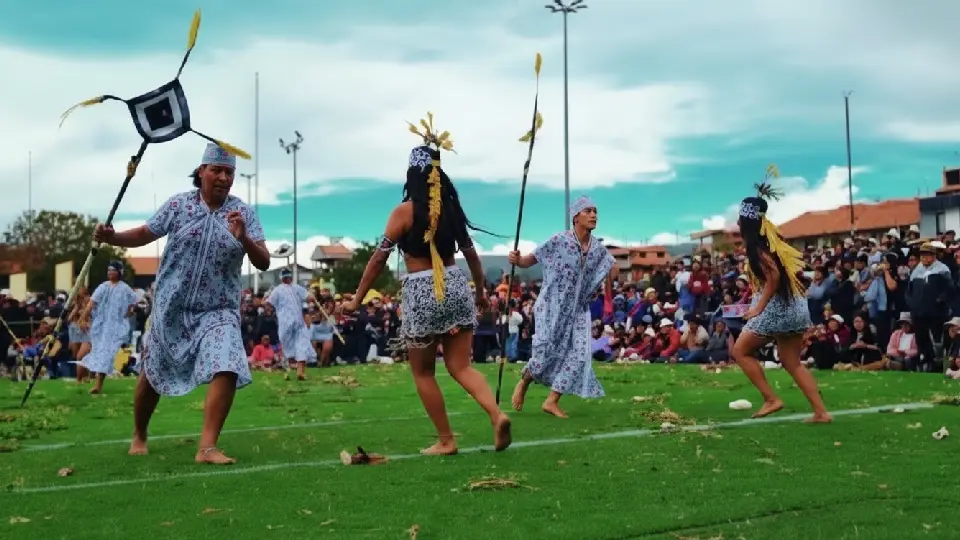
The Pishta Dance is a ceremony in Shipibo and Conibo villages of the Upper Ucayali. It marks the transition from girlhood to womanhood, reflecting both inner strength and grace.
The curaca's wife leads the ritual, guiding the young woman as she prepares to become a respected member of the community. This symbolic recognition, associated with the revered figure of the “Santa Cocama,” honors her new stage in life.
Each movement expresses care, respect, identity, and a strong sense of belonging within Amazonian tradition.
Key Fact
This dance is performed exclusively by adolescent girls.
Dancers wear colorful blouses and skirts featuring geometric patterns.
Strength and Bravery in the Huambisa Warriors Dance
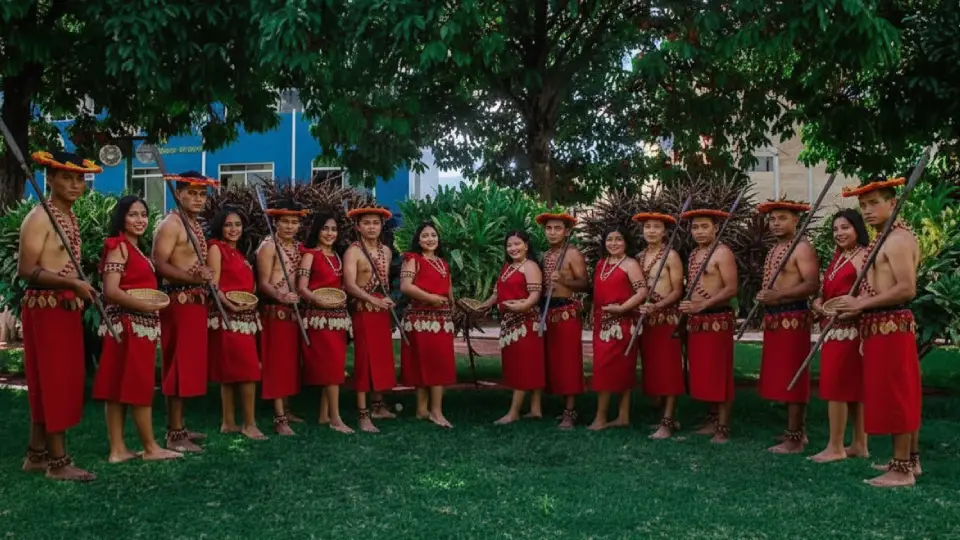
The Huambisa Warriors Dance is a traditional performance of the Aguaruna and Huambisa peoples, held in the Bagua and Condorcanqui tribes, primarily in July.
During the celebration, communities commemorate their territorial expansion and historical conflicts along the Marañón and Santiago rivers. The dance uses strong movements and symbols to convey the history, resilience, and strength of these Amazonian groups.
Traditional and Folk Dances of the Peruvian Amazon
The Peruvian rainforest is part of the greater Amazon region, where traditional, ceremonial, and religious dances remain integral to Indigenous communities. These dances reflect their history, spirituality, and collective identity.
Many of these dances are also present in communities in Colombia and Brazil, resulting in similarities across countries. Movement and interaction among Amazonian tribes over time have preserved these traditions and fostered strong regional connections.
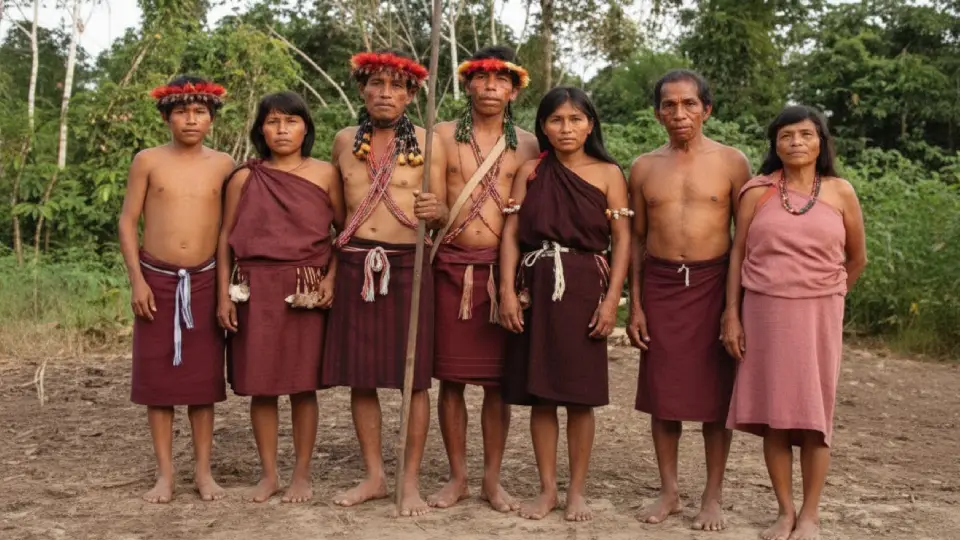
Traditional Dances of the Peruvian Amazon
Amuesha Dance: This warrior-style dance demonstrates the agility and skill required for hunting and fishing, reflecting daily life in the rainforest. Dancers perform to the rhythms of tanguiño, quenilla, drums, bass drum, manguaré, and maracas.
Amazonas Dance: This dance celebrates strength, agility, and a deep connection with nature. It also conveys the spiritual energy and harmony present in Amazonian communities.
Izana Dance: This dance pays tribute to wild cane, or caña brava, which is used in constructing homes and fences. Dancers honor the Izana flower and wear traditional Yagua attire during the performance.
The Mayorunas: This dance depicts ancestral river spirits and illustrates the consequences for those who enter sacred lands. It serves as a reminder to respect community rules and traditions.
La Carachupa (Armadillo Dance): This dance is performed to express gratitude to nature and includes friendly skill competitions among participants.
La Cuadrilla: This traditional dance is featured in historic festivities and helps preserve the spirit of community celebration and shared happiness.
Apu Cashi: This mystical dance incorporates symbolic elements and combines joy with reverence as a tribute to the bat god.
Dance of the Macanas: Young Shipibo men first learn this dance, practicing movements historically used in conflicts with rival groups. Only native men perform it, demonstrating preparation, courage, and a warrior spirit.
Characteristics of Traditional Costumes and Music in Amazonian Dances
Traditional Costumes of the Peruvian Amazon
Traditional costumes from the Peruvian Amazon are typically crafted from natural materials such as plant fibers, bird feathers, seeds, cotton, bark, and natural dyes. Each element holds cultural or spiritual significance. The colors and materials reflect the region’s biodiversity and symbolism, while the designs convey identity, beliefs, and ancestral knowledge.
Comparative Overview of Traditional Amazonian Attire
Ethnic Groups | Gender | Material | design. | Colors | Accessories | Significado |
Shipibo-Konibo | men | Shipibo-Konibo men wear cushmas, long tunics crafted from native cotton, plant fibers, and natural dyes. | These feature elbow-length sleeves and are often hand-painted with geometric kené patterns. | Typical colors are black, white, red, brown, and beige. | Accessories commonly include seed necklaces and feather crowns. | This attire symbolizes wisdom and spiritual strength. |
Women | earrings, necklaces, and headdresses. | Their clothing represents a connection with the universe. | ||||
Asháninka | men | Asháninka men wear long, simple cushmas made from lightweight cotton and plant-based dyes. | These ankle-length garments feature a V-neck design. | Common colors are beige, green, and brown. | woven bags and headbands. | This clothing reflects daily life and the protective role of men in the community. |
Women | These garments frequently feature red and black stripes. | red and black | Long necklaces are typical accessories. | Their attire symbolizes femininity and harmony. | ||
Yine (Piro) | men | Yine (Piro) men wear garments made from plant bark and cotton, including a loincloth and body bands. | loincloth and body bands | Primary colors are earth tones and dark red. | bracelets and feathers. | This attire signifies bravery and hunting. |
Women | craft skirts and tops from soft plant fibers and seeds. | Falda y top artesanal | yellow, red, and black. | sound-producing necklaces. | This attire expresses fertility and celebration. | |
Bora | men | wear ritual attire made from fibers and dried leaves, often accompanied by large feathered | large feathered headdresses. | green and brown. | ceremonial sticks | This attire represents the warrior spirit. |
Women | skirts made from seeds and fabric | decorated with multicolored designs. | multicolored designs. | crowns and bracelets. | This attire symbolizes abundance. | |
Matsés | men | minimal ritual garments made from bark and cotton fibers | often complemented by body paint. | colors are natural earth tones and red. | Pintura corporal | This clothing indicates status and bravery. |
Women | smal neckloss | Their attire represents tribal identity. |
Production of Traditional Indigenous Clothing
In the Peruvian Amazon, traditional clothing is produced by hand using waist-weaving techniques and locally sourced cotton and plant fibers. Artisans embellish these garments with feathers and seeds to reflect the natural beauty of the rainforest.
Artisans further enhance the fabrics by applying natural pigments and incorporating mineral elements. Distinctive designs unique to each ethnic group represent their symbols, beliefs, and traditions. These decorative elements play a crucial role in preserving the cultural identity of Amazonian communities.
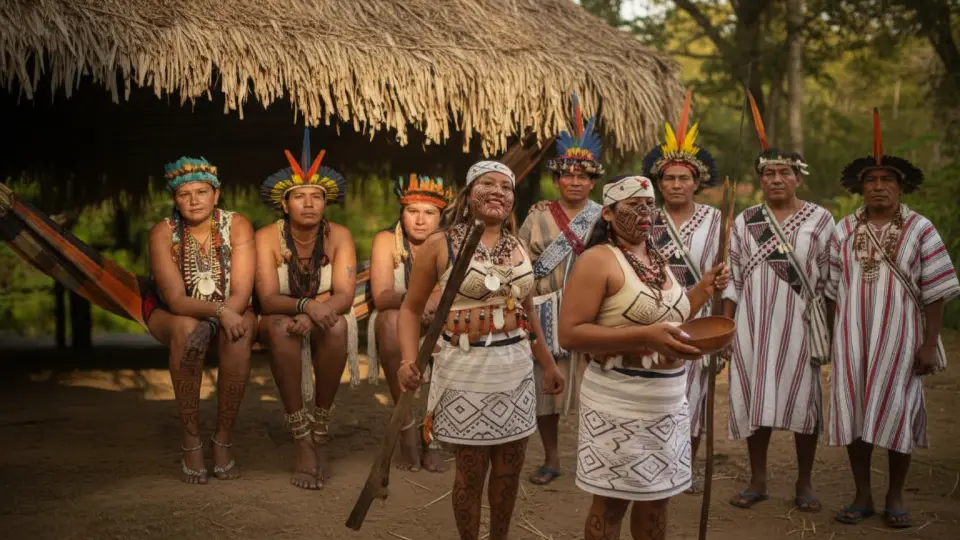
Traditional Music in the Typical Dances of the Peruvian Amazon
Representative Music of the Peruvian Rainforest
Healing Music: This music facilitates connection with the spiritual world and supports traditional healing rituals. Chants and rhythmic sounds structure the ceremonies, fostering harmony and balance.
Sacred Music: This music incorporates yagé (ayahuasca) as a significant spiritual element, maintaining its sacred role in ceremonies. It also preserves a strong connection to ancestral wisdom and traditional rituals.
Chimaichi: Chimaichi is a vibrant adaptation of the Andean huayno, frequently performed at celebrations in riverside communities. It is typically danced alongside the marinera, blending highland and Amazonian traditions.
Citaracuy: Citaracuy is a rhythm introduced by migrants from San Martín and Amazonas during the rubber boom. Over time, it became integrated into local traditions and contributed to the musical diversity of the Peruvian Amazon.
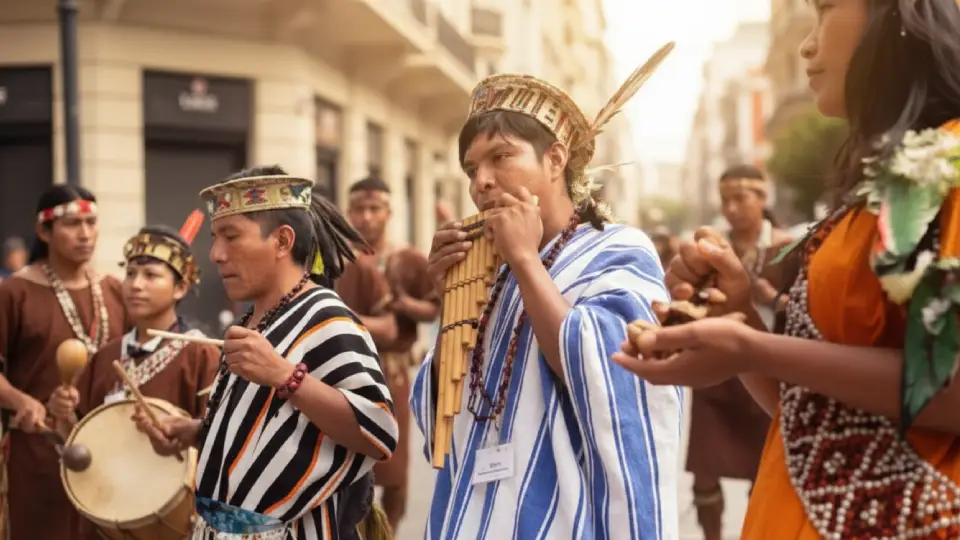
Characteristics of Traditional Music from the Peruvian Amazon
Traditional music from the Peruvian Amazon is characterized by joyful and festive rhythms. It features a combination of wind and percussion instruments that reflect the unique identity of each community. These vibrant sounds energize ceremonies, celebrations, and communal gatherings.
During traditional dances, women typically perform short, graceful steps while maintaining an upright posture. In contrast, men move with greater freedom, often spinning and employing expressive gestures to attract the attention of women. This dynamic interaction represents courtship, harmony, and the reinforcement of social bonds within Amazonian culture.
Most Common Instruments Used in Traditional Amazonian Dances
Manguaré: This large wooden slit drum produces deep, resonant sounds that carry over long distances. It is frequently used in ceremonial contexts to transmit messages.
Maracas: These handheld rattles maintain the rhythmic structure and contribute additional layers to the musical texture.
Drum (also called “canoa”): This wooden drum serves as a primary percussion instrument, providing the foundational beat during dances.
Antara: This traditional panpipe produces melodic tones that are commonly featured in rituals and celebratory events.
Quena (made of bamboo or deer bone): This vertical flute contributes expressive, high-pitched melodies to the musical ensemble.
Seed Rattles: These natural percussion instruments, crafted from dried seeds, reinforce rhythmic patterns and symbolize the community's connection to the natural environment.
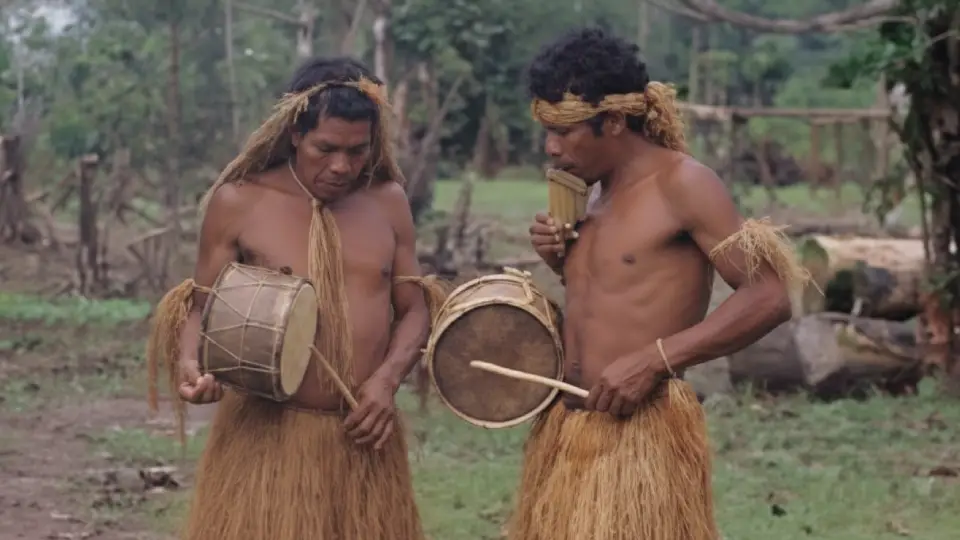
Songs that Accompany the Traditional Dances of the Peruvian Amazon
Traditional songs, performed in native languages, facilitate connections with the supernatural beings of the rainforest. These songs are used to request permission for activities, express gratitude to nature, and maintain harmony with the spiritual realm.
Many chants imitate animal sounds and are accompanied by drums. These chants transmit stories, values, and lessons across generations. The rhythmic and repetitive structures of these songs preserve ancestral memory and reinforce cultural identity.
Traditional Melodies Used by Shamans
- Ícaros: Sacred healing chants performed during spiritual ceremonies.
- Huehua Song
- Masha Song
- Shiro-Huehua
- Manchari
- Muchai
These melodies guide rituals, invoke protective spirits, and facilitate healing, drawing upon Amazonian ancestral knowledge.
Indigenous Ceremonial Chants
Anent: Songs dedicated to Amazonian deities.
Nampet: Chants that express joy, love, or sadness, often played with instruments like the pinkui or kaer.
Ujaj: Collective chants performed exclusively by women to spiritually protect warriors.
Anet: Poetic chants used for healing and teaching, sharing cultural knowledge and values.
Uwi: Songs sung to spirits and ancestors to ask for help and protection.
Notable Groups and Exponents
Conjunto Típico “Flor del Oriente”: Under the leadership of Esther Dávila Yépez, this group transitioned from performing huaynos to exclusively focusing on traditional regional music.
Conjunto Típico “Los Solteritos”: Established by Eliseo Reátegui Vásquez, this group is recognized for songs such as “El Tunchi de mi compadre” and “La chica del Sui Sui.”
Other groups include Corazón de la Selva, Los Pihuichos de la Selva, led by Andrés Vargas Pineda (also known as “Jibarito de la Selva”), and Los Amazónicos.
Contemporary groups: The ensemble “Explosión” is particularly popular among tourists. Although some associate their music with traditional Amazonian styles, their repertoire primarily blends cumbia and popular genres, resulting in a sound that is more modern than traditional.
Distinctive Characteristics of Traditional Dances in Peru’s Coastal, Highland, and Amazonian Regions
The traditional dances of Peru’s three principal regions, the coast, the highlands, and the Amazon are distinguished by unique clothing, musical styles, and instruments. The dances of each region reflect distinct histories, environments, and cultures shaped by local geography and daily practices.
Coastal dances frequently incorporate both Afro-Peruvian and Spanish influences. Performers typically wear elegant or festive attire, and the accompanying music is characterized by energetic percussion rhythms.
Highland dances are deeply rooted in Andean traditions. Participants wear colorful, layered garments and utilize wind instruments such as flutes and panpipes. These dances frequently center on agricultural practices, communal celebrations, and longstanding traditions.
Amazonian dances emphasize a profound connection with nature and spiritual beliefs. Costumes are crafted from plant fibers, feathers, and natural dyes. The music prominently features percussion and indigenous wind instruments, while the choreography often imitates animals or depicts activities such as hunting, fishing, healing, and traditional rituals.
Collectively, these regional dance styles illustrate the cultural diversity of Peru. Each dance conveys the identity, historical experiences, and belief systems of its practitioners.
Comparative Chart of Traditional Dances in Peru
Región | Characteristics | Clothing | Instruments | Origin | Meaning | Movements | Examples |
Coast | Coastal dances are characterized by joyful, sensual, and elegant qualities. Flirtatious and expressive body movements are prominent features. | Performers typically wear garments made of light fabrics in bright colors, wide skirts, handkerchiefs, and hats, reflecting both elegance and cultural hybridity. | Common instruments include the cajón, guitar, quijada (a percussion instrument crafted from a donkey’s jawbone), and handclapping. | These dances originated during the colonial era and exhibit significant African and European influences. | These dances represent coastal identity and Afro-Peruvian heritage. | Typical movements include zapateo (footwork), spins, and smooth, graceful steps. | Representative examples include the Marinera and Festejo. |
Highlands (Sierra) | Highland dances are energetic, meaningful, and symbolic, reflecting the strength of community and Andean traditions. | Performers wear wool garments, embroidered skirts known as polleras, monteras (traditional hats), and masks that symbolize historical narratives and communal belonging. | Musical accompaniment features the charango, quena, zampoña, and the bass drum, referred to as the bombo. | These dances possess pre-Hispanic origins and were subsequently influenced by the colonial period. | These dances reflect the Andean worldview and a pronounced sense of community. | Choreography includes jumps, pronounced foot stamping, and coordinated group formations. | Notable examples include the Huaylas and Huallata. |
Amazon (Selva) | These dances are expressive and dynamic. They often imitate animals and natural elements. | Performers wear attire crafted from plant fibers, feathers, seeds, and natural pigments, highlighting the rainforest's biodiversity. | Instrumentation includes drums, native flutes, maracas, and additional percussion instruments constructed from natural materials. | These dances originate from ancient Indigenous traditions. | They represent a spiritual connection with nature and respect for ancestral beliefs. | Choreographic movements include animal imitations, rapid jumps, and energetic bodily expressions. | Representative examples include the Boa Dance and Sitaracuy. |
Preservation of Traditional Dances of the Peruvian Amazon
Protecting traditional dances of the Peruvian Amazon requires engaging younger generations to learn, practice, and value their cultural significance. Sharing these dances strengthens identity and preserves ancestral knowledge within Indigenous communities.
Communities preserve these traditions by organizing dance competitions and regional festivals that showcase traditional performances. These events sustain cultural heritage, educate younger generations, and allow visitors to experience authentic Amazonian culture respectfully.
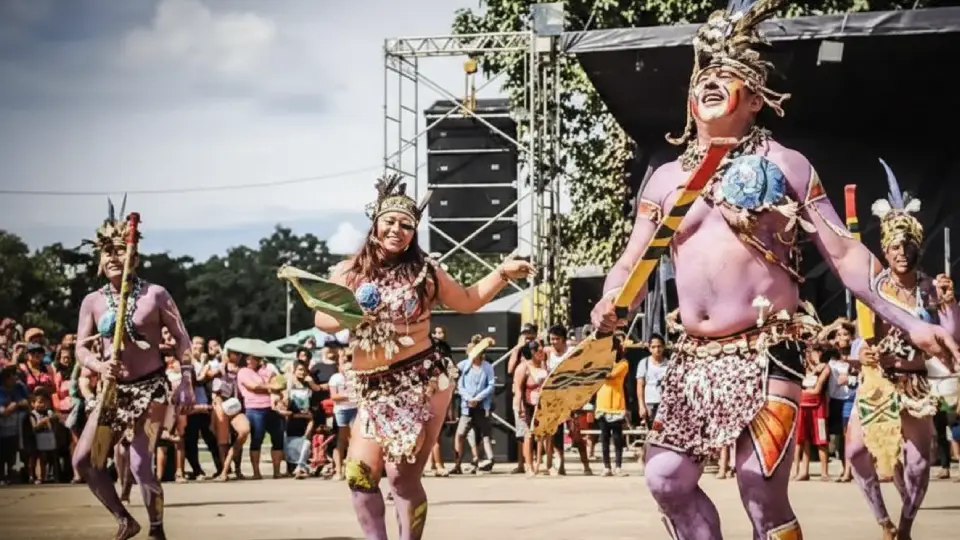
Myths of the Traditional Dances of the Peruvian Amazon
The Legend of the Boa
According to Amazonian tradition, the boa’s skin contains all the world’s designs, blending visible and hidden elements. Shamans are believed to journey to the heavens to gather these sacred patterns and share them with women, who then weave, paint, and embroider them into textiles. For example, white embroidery on black cloth represents the light of the stars. This legend explains the spiritual significance of geometric designs in Amazonian clothing and ritual art.
The Myth of the Spider
According to legend, the Cashinahua people originally wore leaves because they had not yet learned to spin or weave. The spider Basnemporo transformed into a woman and taught them to make cotton fabrics and clothing. After being wrongly accused of stealing cotton, she decided to leave. Before departing, she taught her closest friend to spin and weave, ensuring the knowledge would be passed on to the community. This myth highlights the sacred origins of textile making and the importance of preserving ancestral wisdom.
Tips for Visitors
- Request permission before taking photos or videos.
- Listen carefully to guides and community leaders.
- Dress in comfortable, respectful attire.
- Observe rituals without interruption.
- Buy handicrafts directly from local artisans.
- Demonstrate genuine interest and express gratitude for what you learn.
- Sample traditional dishes from the Peruvian Amazon.
Where to See Traditional Dances Live
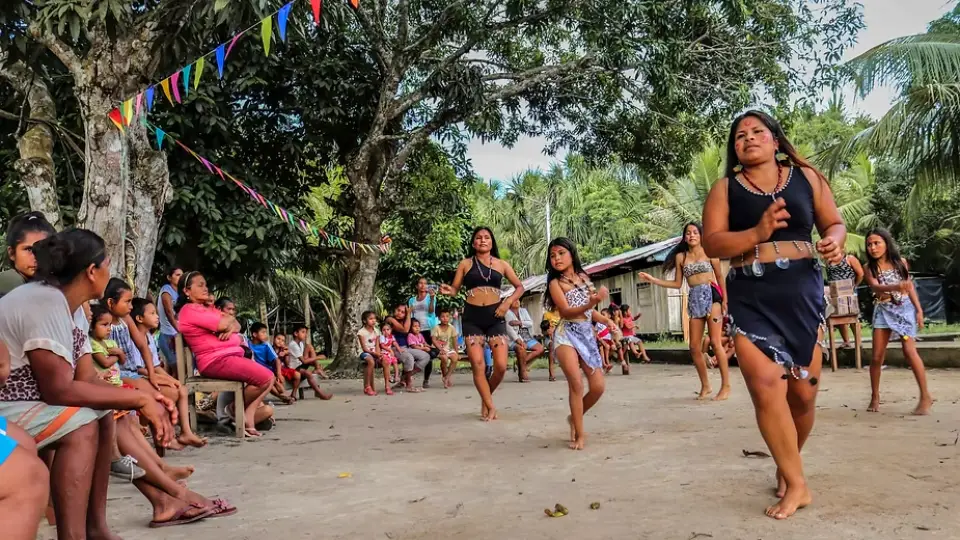
Iquitos: Public squares, the riverside boulevard, and cultural centers feature performances by local groups.
Pucallpa: Cultural gatherings of Shipibo-Konibo communities showcase traditional dances and ceremonies.
Tarapoto: Tourist fairs and regional festivals often feature authentic dance performances.
Puerto Maldonado: Regional celebrations highlight native dances and Amazonian heritage.
Indigenous Communities: Guided visits provide opportunities to observe ritual dances closely and learn about their deeper cultural significance directly from practitioners.
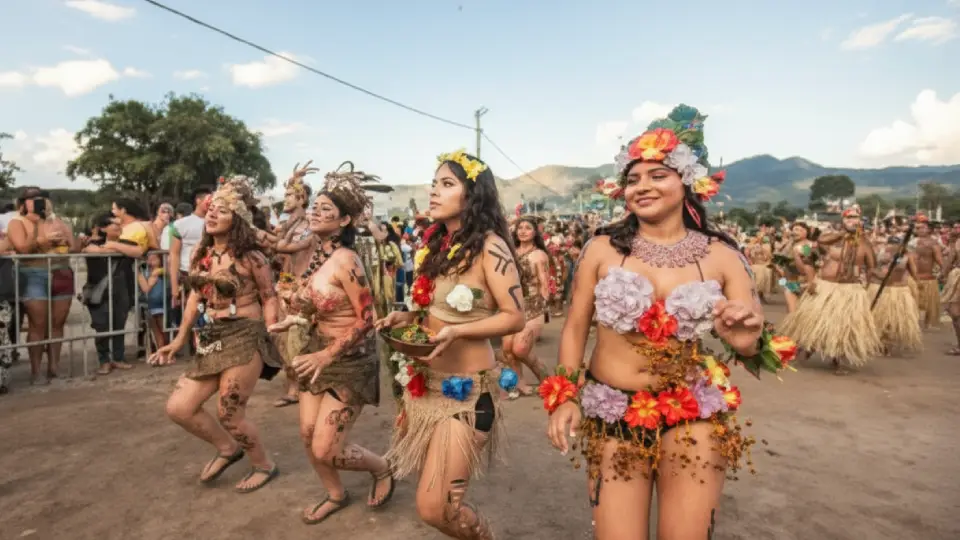
Best Times to Travel
June 24 – San Juan Festival: This major Amazonian celebration features music, traditional dances, rituals, and community events that highlight local culture.
February – March – Carnival Season: Carnival features colorful parades, group dances, water games, and vibrant performances throughout the streets.
Regional Anniversaries: Cities host dance competitions and cultural events that showcase local traditions and artistic pride.
Local Cultural Festivals (Year-Round): Traditional groups present authentic performances year-round, offering visitors frequent opportunities to experience Amazonian heritage.
Educational Material on Traditional Dances of the Peruvian Amazon for Coloring
In addition to coloring, children can practice dance moves and dress in traditional costumes with the help of animated illustrations. This approach makes learning more engaging and interactive.
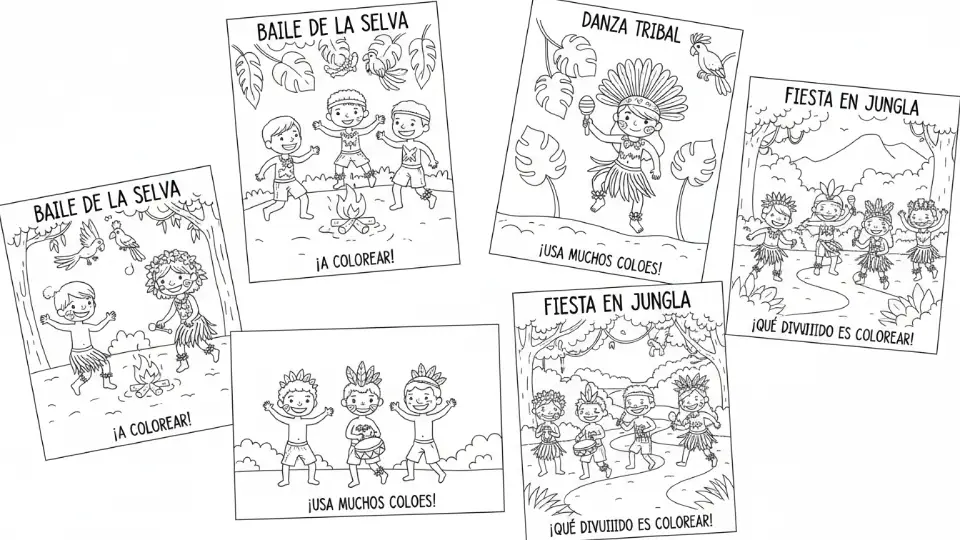
These resources enable young learners to explore the traditions, history, and culture of the Peruvian Amazon in an engaging and creative manner. By combining art, movement, and storytelling, children develop artistic skills and gain an appreciation for Amazonian heritage and identity.
Discover the traditional dances of the Peruvian Amazon, preserved by Indigenous cultures that predate Spanish arrival. These dances originated as expressions of connection with the gods, nature, and ancestral spirits.
Today, these vibrant traditions continue, passing their significance from one generation to the next. We invite you to experience Amazonian culture by observing rituals, participating in dances, and witnessing how tradition endures.
Frequently Asked Questions
What do the traditional dances of the Peruvian Amazon represent?
These dances express the spirit of the rainforest. Each performance allows communities to share their heritage, honor nature, and transmit ancestral knowledge across generations.
Are the dances of the Peruvian Amazon authentic, or are they just for tourists?
These dances are authentic expressions of daily life. Although sometimes performed for visitors, they retain significant spiritual and cultural meaning within the communities.
What do the costumes in Amazonian dances symbolize?
The costumes convey meaning through their materialsgh their materials. Feathers and plant fiber represent the body and provide identity, emphasizing a close connection with animals, plants, and local spirits.
What instruments accompany the dances of the Peruvian Amazon?
Musicians use natural instruments such as drums, maracas, seed rattles, and flutes. These instruments reflect the sounds of the forest and create an immersive experience for participants.
Can visitors participate in the dances of the Peruvian Amazon?
Yes, participation is possible if the community extends an invitation. Being invited reflects trust, so it is important to participate with respect and gratitude.
Do all Amazonian dances imitate animals?
Not all dances imitate animals, but many are inspired by them. They show qualities people admire, like the monkey’s agility, the grace of birds, or the jaguar’s strength.
Why are these dances important for Amazonian communities?
These dancesThese dances preserve the community’s collective memory. They sustain the stories, values, and knowledge that define cultural identity.