




Welcome to Ica, Peru
Welcome to Ica, where ancient history, archaeological sites, and vibrant traditions combine to offer a distinctive travel experience. Located on Peru’s southern coast, Ica features a unique blend of culture, adventure, and remarkable landscapes.
Explore the Nazca Lines, a renowned archaeological site featuring ancient geoglyphs in the desert. Continue along the Pisco Route to learn about Peru’s national spirit and sample local offerings at regional vineyards.
The Paracas National Reserve has coastal cliffs, a variety of wildlife, and beautiful ocean views. Ica’s warm desert weather makes it a great place to explore or relax any time of year.
In Ica, you can find adventure, explore local culture, and enjoy unique landscapes.
Come and discover Ica to experience the spirit of Peru’s southern coast.
Ica: Adventure, History & Breathtaking Landscapes
Ica, Peru offers adrenaline-filled activities, striking desert landscapes, and memorable experiences. Ride a dune buggy across the sands of Huacachina Oasis or try sandboarding at sunset.
Explore the region’s history in local museums, learn about ancient cultures, and visit traditional vineyards along the Pisco Route. The nearby Pacific coast features dramatic scenery and ocean views.
Ica is more than a destination to visit; it is a place to experience.
Experience the unique appeal of Ica on your next visit to Peru.
Where Is Ica Located?
Ica, Peru is a vibrant city on the southern coast, situated 406 meters (1,332 feet) above sea level and about 300 km (186 miles) south of Lima. Its location along the Pan-American Highway makes it a popular destination for travelers seeking desert adventure, coastal scenery, and cultural experiences.
Because Ica is close to Lima, it’s great for a day trip or a longer visit. You can also see places like Huacachina, Paracas, and the Nazca Lines while you’re there.
What Does “Ica” Mean?
The name Ica comes from the ancient Yunga language. “I” means flow or lava, and “CA” means abundance. Together, they describe “the abundant flow descending from the highlands,” which refers to the water that keeps the Ica Valley fertile. Today, this area is famous for its vineyards and pisco.
How to Get to Ica
Ica is accessible by several transportation options, depending on your itinerary.
By Flight + Bus
If you’re coming from another country or region, fly into Lima first, then take a bus to Ica. The bus ride usually takes 4 to 5 hours.
A flight from Cusco to Lima takes about 1 hour and 20 minutes. After that, you can travel by highway to Ica.
By Bus
Lima to Ica: The bus ride takes 4 to 5 hours along the Pan-American Highway, and you’ll see some beautiful coastal scenery along the way.
Arequipa to Ica: 8–10 hours.
Cusco to Ica: 17–20 hours.
Many people visit Ica together with Huacachina Oasis, Paracas National Reserve, and the Nazca Lines. It’s an important stop on a trip through southern Peru.
Climate & Best Time to Visit Ica
Ica has a warm desert climate all year and is one of the sunniest spots in Peru. Daytime temperatures are usually between 22°C and 28°C (72°F–82°F), and evenings can be cooler, around 15°C (59°F). It hardly ever rains, so you can expect clear skies and great weather for outdoor activities.
- December to March: Hotter desert temperatures.
- May to November: Milder and more comfortable weather.
Best Season to Visit Ica
The best time to visit Ica is from June to September. The cooler weather is perfect for exploring the dunes in Huacachina, tasting wine along the Pisco Route, or taking a boat tour near Paracas.
Travel Tip
In late March, Ica celebrates the International Grape Harvest Festival (Festival Internacional de la Vendimia). This lively event features music, traditional dances, grape stomping, and pisco tastings. It’s a great way to experience local culture in Peru’s wine region.
The Living History of Ica
The First Inhabitants of Ica
Ica, Peru has a history spanning thousands of years. Once part of the ancient Yunga cultural territory, its early inhabitants maintained a close relationship with the desert and coast. Ullujalla, one of the earliest settlements in the Callango Valley, featured homes built from huarango wood and streets reinforced with wooden beams.
These societies adapted to the desert environment by developing irrigation systems and agricultural methods that supported life in the Ica Valley.
The Rise of Pre-Columbian Civilizations
Over time, the region was home to notable pre-Hispanic cultures, including the Paracas and Nazca civilizations. These societies are recognized internationally for their artistic and scientific achievements.
The Paracas people made some of the most detailed textiles in the Americas. The Nazca are famous for the Nazca Lines, huge designs carved into the desert that still fascinate archaeologists and visitors today. These cultures left a legacy that makes Ica an important historical area in southern Peru.
The Arrival of the Inca Empire
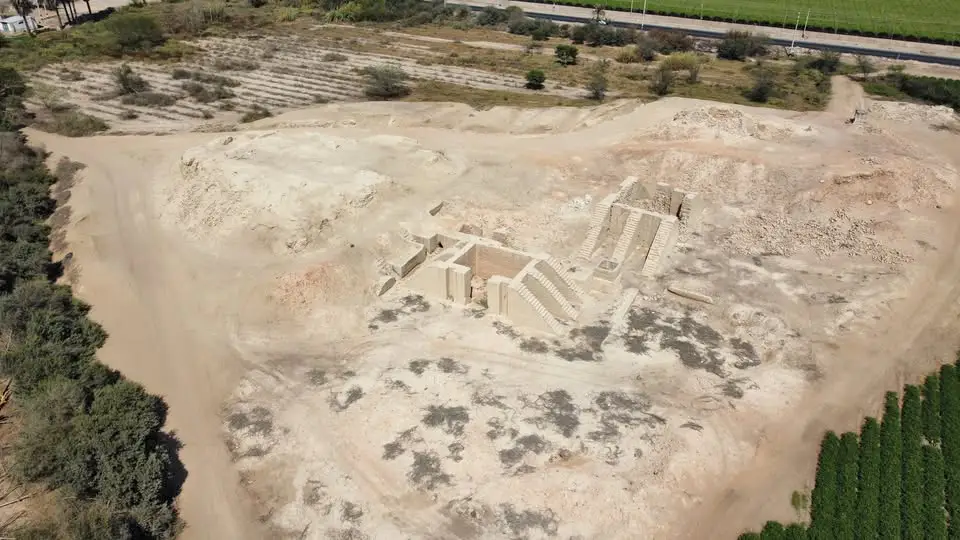
From 1450 to 1535 AD, the Inca Empire took over the Ica valleys and made the area part of its Andean lands. During this time, the Inca ruler Pachacútec founded the city of Tacaraca for the local leader, Aram Vilca, to live in.
Even though earthquakes later destroyed Tacaraca, the Incas still influenced Ica’s culture and politics. Their rule left behind signs of their government and buildings.
Today, people visit Ica to experience its rich history, from ancient desert cultures to the Inca Empire. This makes Ica a special place in southern Peru.
Pachacútec’s Strategy to Secure Ica
Emperor Pachacútec strengthened Inca control in the region by arranging a marriage between his son, Túpac Yupanqui, and Princess Tate, the daughter of the local curaca. This marriage helped build stronger diplomatic and territorial ties between the Inca Empire and the people of Ica.
Their son later reorganized Ica by splitting it into Hanan (upper) and Urin (lower) sectors, which was a common Inca way of managing regions. This change made it easier to govern the area and helped keep a steady flow of tribute to the Inca Empire, known as Tahuantinsuyo.
Ica During the Colonial Era
After a rebellion led by the local curacas of Ica, Pisco, Chincha, and Nasca, the Spanish viceroy Diego López de Zúñiga y Velasco founded the town of Villa de Valverde in Tacaraca on June 17, 1563.
A strong earthquake on May 13, 1577, destroyed the settlement. The area was then called Pueblo Viejo and is located between today’s Church of Luren and the Ica River. Like many cities on Peru’s southern coast, earthquakes played a big role in shaping Ica’s colonial history.
The Expansion of Ica
During the colonial period, three main settlements emerged:
- Santiago de Hurin Ika
- Purísima Concepción de Hanan Ika
- San Juan Bautista de Hurin Ika
Ica grew thanks to farming, especially growing grapes. The region became known for producing wine and pisco, which later led to the famous Pisco Route.
Important Historical Events in Ica
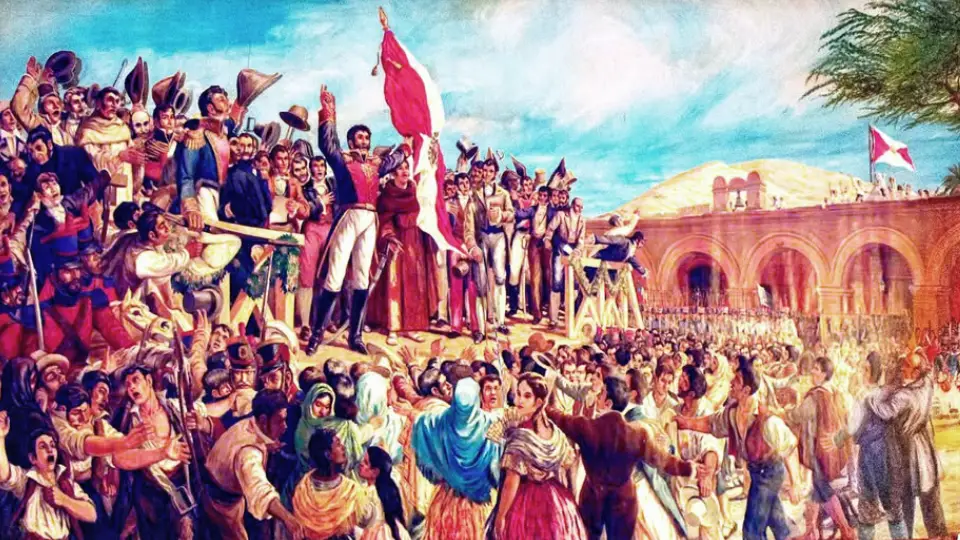
- On September 8, 1820, José de San Martín’s expedition arrived in Paracas Bay. Shortly after, Ica declared its independence and became the first city in Peru to break free from Spanish rule.
- On December 24, 1853, Domingo Elías led Peru’s first liberal revolution, which was an important turning point in the country’s political history.
The Origin of Huacachina Lagoon
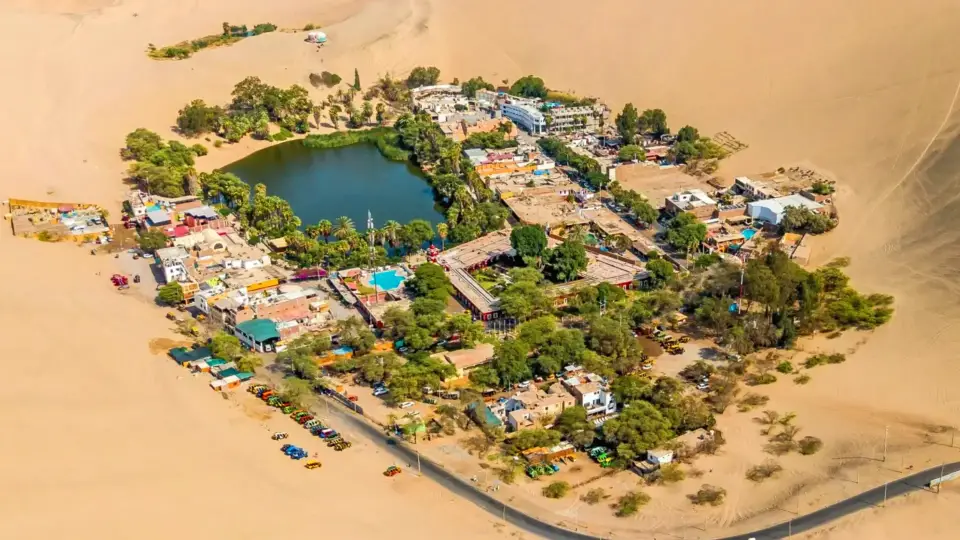
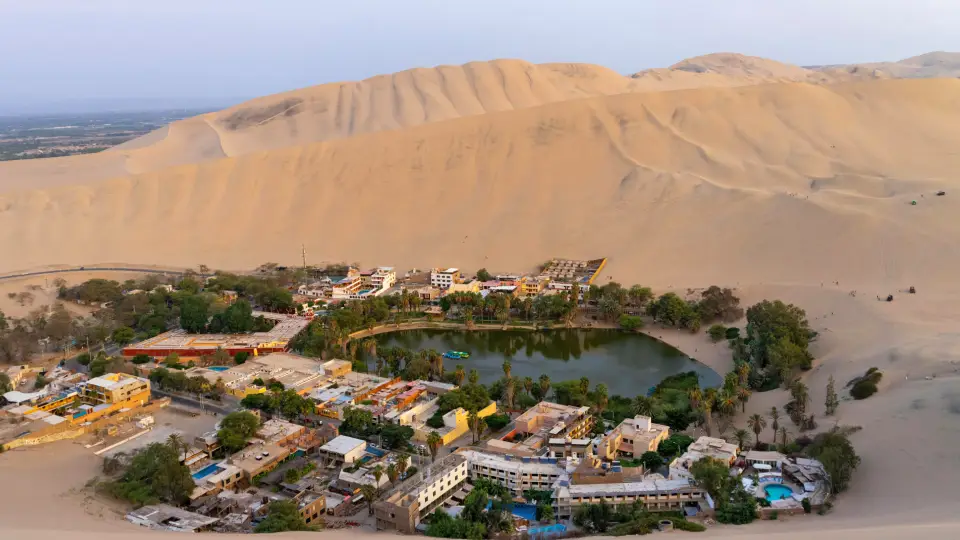
Huacachina Oasis is a natural desert lagoon surrounded by sand dunes in Ica, Peru. Its emerald-green waters originate from an underground spring and measure about 100 meters (328 feet) long and 60 meters (197 feet) wide.
Local inhabitants originally used the lagoon’s waters for agriculture and called it Mahamaes or Maca-Maca. Over time, the mineral-rich waters, which contain sulfates, carbonates, sulfur compounds, and iron oxides, were also believed to have medicinal properties.
Why Is It Called Huacachina?
Since the mid-20th century, the lagoon has been known as Huacachina, a name derived from Quechua. It combines “huacca,” meaning to cry, and “china,” meaning woman, translating to “the woman who cries.”
The Legend of Huacachina
According to local legend, a beautiful Inca maiden fell in love with a young warrior who died in battle. Heartbroken, she secretly visited the place where they had met and cried for hours. One day, when she noticed someone watching her, she fled and dove into the water, transforming into a mermaid.
It is said that on full moon nights, visitors can still hear her singing across the lagoon.
Huacachina Today
In the early 20th century, Huacachina became a popular summer resort, attracting visitors seeking relaxation and distinctive desert landscapes. Today, it is one of the most iconic destinations in southern Peru and a highlight of tours from Lima.
Since 1985, water has been added to the lagoon to maintain its level and prevent it from drying up.
Interesting Fact
Previously, nine underground lagoons existed in this desert area. Today, only Huacachina remains, preserved through a controlled water supply system.
Tourist Attractions in Ica
Huacachina – Oasis in the Middle of the Desert
The Huacachina Oasis is a desert lagoon in Peru, recognized as the “Oasis of America.” Surrounded by tall sand dunes, palm trees, and native huarango trees, it offers a striking contrast between water and desert.
Located minutes from Ica, Huacachina is a well-known tourist destination, popular for sandboarding and dune buggy rides on some of South America’s largest sand dunes.
In addition to adventure sports, the oasis features desert sunsets, tranquil lagoon views, and a range of hotels, restaurants, and tour operators. Huacachina appeals to visitors interested in outdoor activities, photography, or distinctive natural scenery.
Ballestas Islands and Paracas
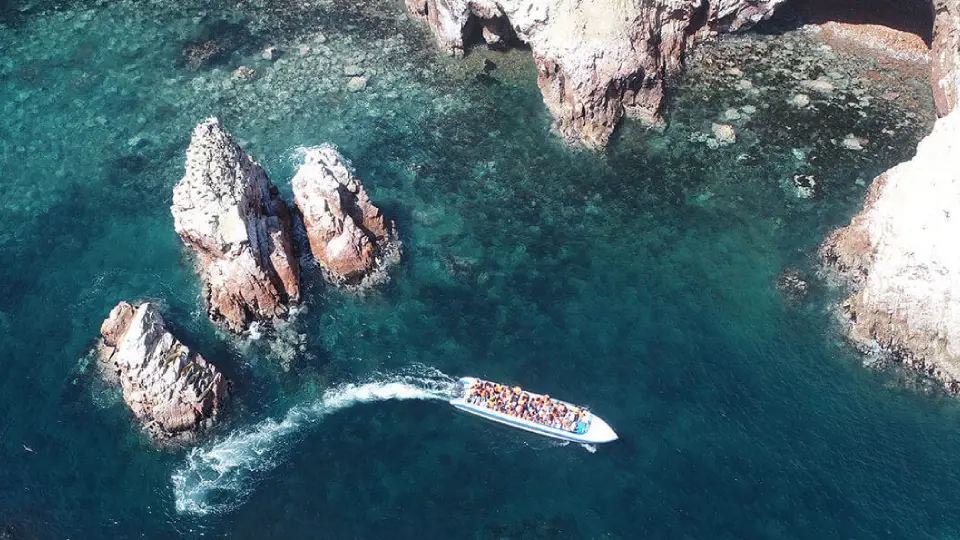
Located near Ica, the Ballestas Islands are a leading natural attraction on Peru’s southern coast. Known as the “Peruvian Galápagos,” these islands support diverse marine wildlife. Boat tours offer opportunities to observe sea lions, Humboldt penguins, and large populations of seabirds such as pelicans, cormorants, and Peruvian boobies.
Wildlife tours depart from Paracas and provide excellent opportunities for nature observation and photography. The route also includes views of the Candelabra geoglyph, a notable feature etched into the desert hillside.
The nearby Paracas National Reserve offers striking coastal landscapes where the desert meets the Pacific Ocean. Its red-sand beaches, cliffs, and ocean views distinguish it as one of Peru’s most notable protected areas. Together, the Ballestas Islands and Paracas provide a unique combination of marine biodiversity, desert scenery, and outdoor activities, making them a key destination in southern Peru.
Nazca Lines
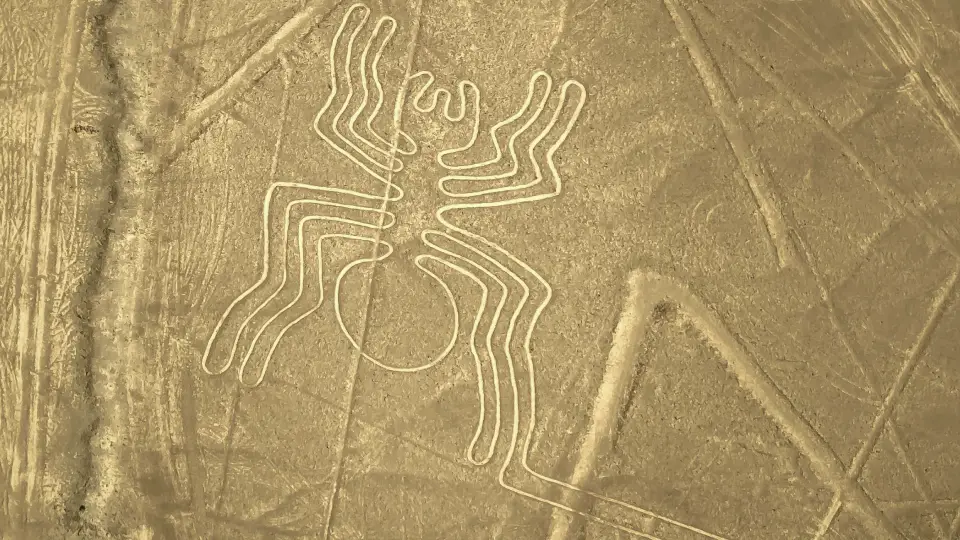
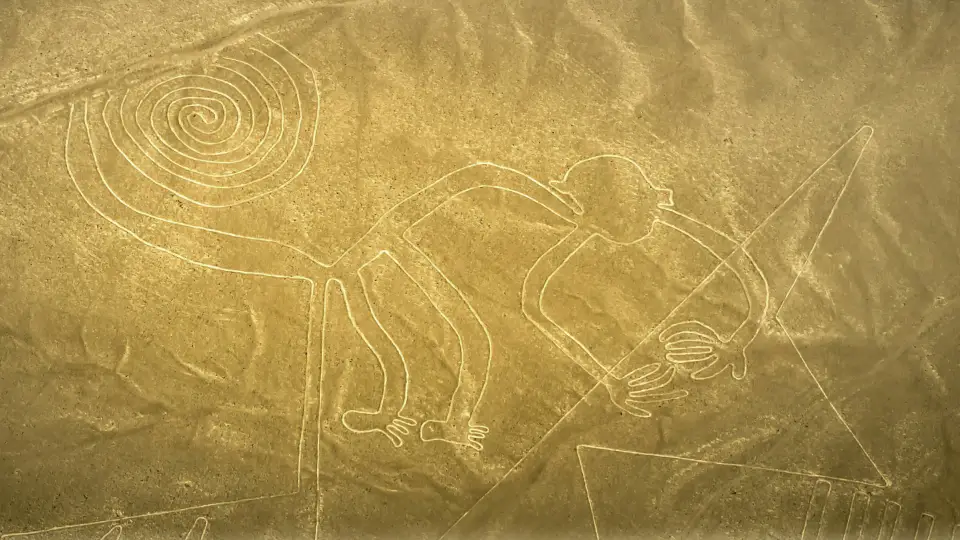
The Nazca Lines, found south of Ica, are one of the world’s most fascinating archaeological mysteries. These huge geoglyphs were made more than 1,500 years ago and stretch across the Nazca Desert. The best way to see them is from the air.
Taking a flight over the Nazca Lines lets you see hundreds of huge shapes, including geometric patterns and detailed drawings of animals, plants, and symbols. Some of the most famous geoglyphs are the Hummingbird, the Monkey, and the Astronaut, each stretching hundreds of feet across the desert.
The Nazca Lines are a UNESCO World Heritage Site and a top attraction in southern Peru, often visited on a day trip from Ica. Seeing these ancient geoglyphs from above is a unique experience that shows their historical importance and lasting mystery.
|
|
Pisco Route – Wineries and Vineyards of Ica
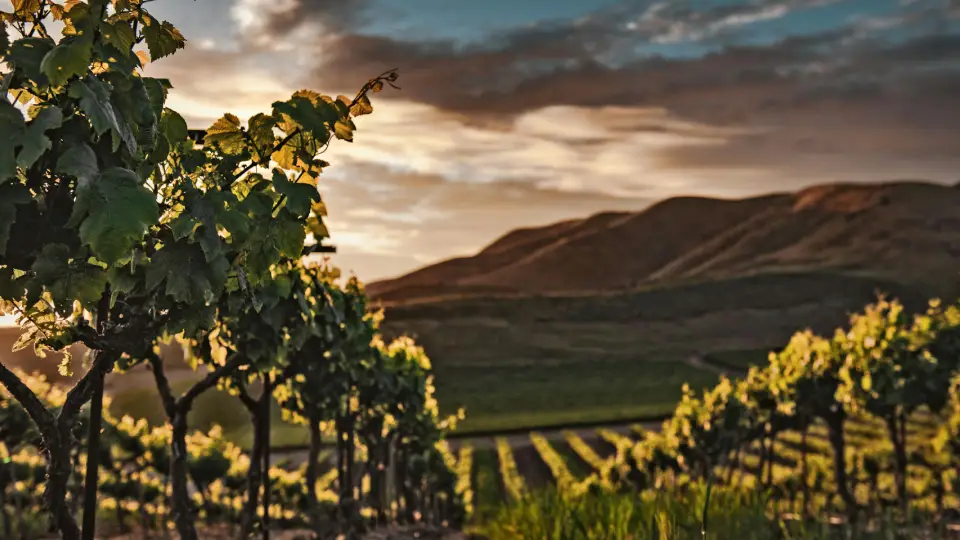
Visiting Ica to try the best Peruvian pisco is a must for anyone traveling to southern Peru. The famous Pisco Route takes you through traditional wineries and beautiful vineyards where this iconic drink has been made for centuries.
During a guided pisco tasting tour, you can visit local distilleries, learn how pisco is made, and see how skilled producers use grapes grown in the fertile Ica Valley. The area's warm weather and rich soil help produce excellent grapes.
On the tour, you’ll get to taste some of the most popular types of pisco:
- Puro: made from just one type of grape, with bold and unique flavors.
- Acholado: a mix of different grape varieties, known for its balanced and aromatic taste.
- Mosto Verde: a premium style made from partially fermented grape must, known for its smooth and complex flavor.
A trip to the wineries and vineyards of Ica is more than just a tasting. It’s a chance to experience Peru’s national spirit and a must-visit for anyone who loves food and wine.
|

|
VIP Pisco Route – Exclusive Wineries Experience in Ica
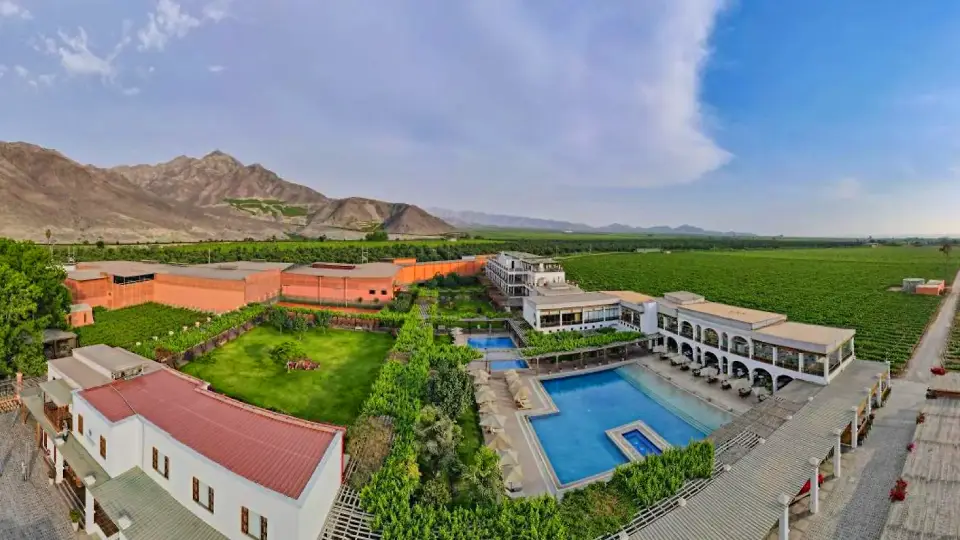
The VIP Pisco Route in Ica gives you a top-notch wine and spirits experience at some of the region’s best wineries and vineyards. On this exclusive tour, you’ll get a behind-the-scenes look at how Peruvian pisco and wine are made, all with the beautiful Ica Valley as your backdrop.
You’ll visit well-known wineries like Queirolo, Hacienda Caravedo, and Tacama, which are top producers in southern Peru. At each stop, you’ll join guided tastings of two to five types of wine and pisco, and learn about their flavors, grape varieties, and how they’re made.
The tour also includes a chilcano cocktail, a classic Peruvian pisco drink, served with a special cheese board. This VIP experience brings together culture, food, and tradition, making it one of the best wine and pisco tours in Ica.
Canyon of the Lost (Cañón de los Perdidos)
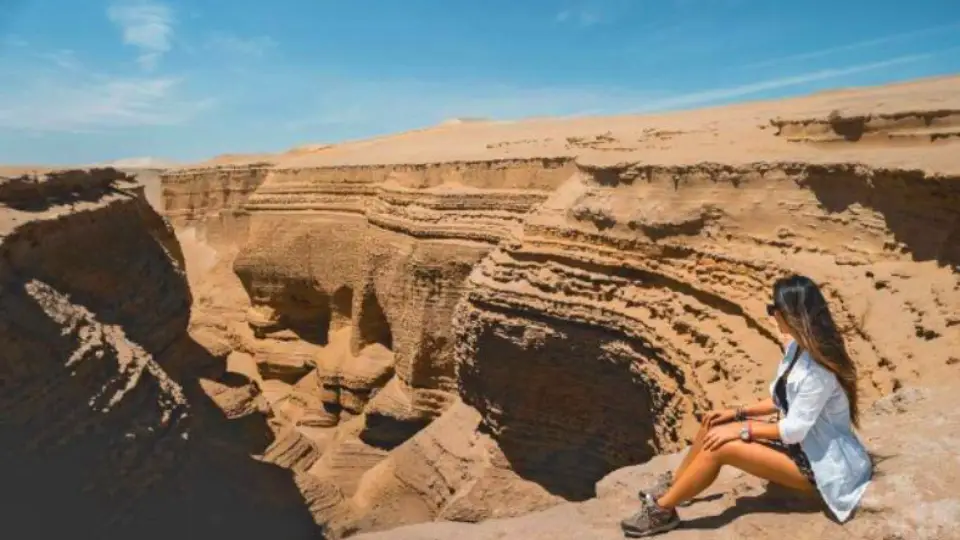
A few hours from Ica, in the Ocucaje district near Montegrande, you’ll find the Canyon of the Lost. This impressive marine geological formation is thought to be between 20,000 and 30,000 years old.
This natural wonder has golden and deep red-ochre dunes set against turquoise lagoons that stretch for over five kilometers. Formed by wind and water over thousands of years, the canyon is a surreal and mostly untouched desert landscape, making it a unique spot to visit near Ica.
You might spot vultures flying overhead, which many people see as guardians of the canyon. They are said to help explorers find hidden water sources in this remote desert area.
Did You Know?
The canyon got its name in 2011 after explorers couldn’t find it. When it was later found and recorded, it was called “Canyon of the Lost” to remember that journey.
Night Pisco & Wine Tour in Ica
After a day of exploring, Ica comes alive at night with plenty of entertainment. The Night Pisco and Wine Tour takes you to traditional bars and local spots where you can try regional drinks in a lively atmosphere.
The night ends with music and dancing at popular nightclubs, giving you a great way to enjoy Ica’s culture, flavors, and nightlife.
Ica Tour Comparison Table
If you’re planning a trip, comparing Ica’s adventure tours, winery visits, desert trips, and wildlife tours can help you find the best fit for your travel style, budget, and schedule.
Tours | Approx. Price | Duration | Difficulty | Best time to go |
| Huacachina (Dune Buggy + Sandboarding) | S/ 60 - 120 | 1- 2 hrs | Moderate | Sunset |
| Ballestas Islands + Paracas National Reserve | S/ 90 - 180 | 4 - 6 hrs | easy | morning |
| Nazca Lines (Flight Tour) | S/ 350 - 600 | 1.5 - 2 hrs | easy | morning |
Pisco Route | S/ 60 - 120 | 2 - 4 hrs | easy | afternoon |
| VIP Pisco Route | S/ 150 - 300 | 4 - 6 hrs | easy | morning |
| Tours nocturno | S/ 120 - 250 | 5 - 7 hrs | Moderate | very early morning |
| Night Tour (Pisco & Wine Experience) | S/ 80 - 180 | 3 - 5 hrs | easy | night |
What to Do in Ica
Visit Paracas National Reserve
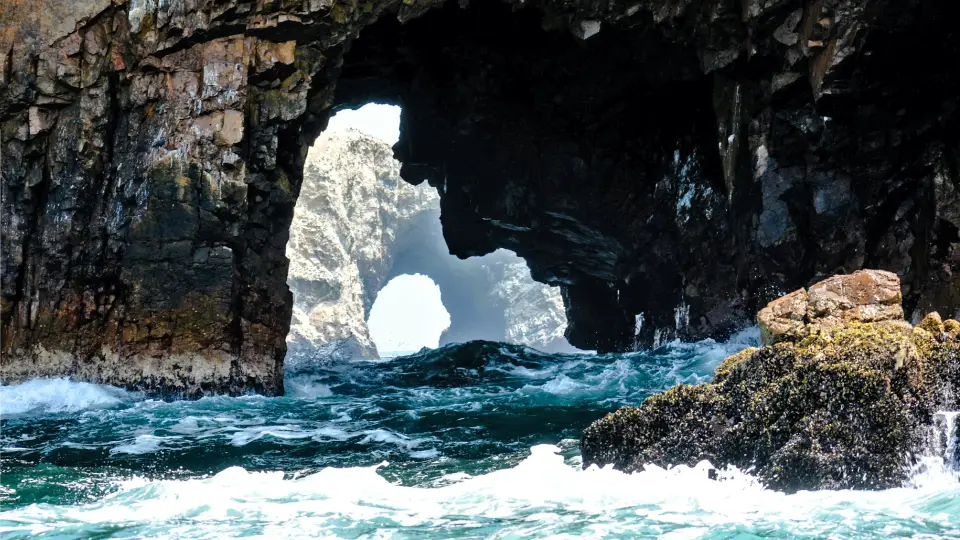
Paracas National Reserve is a large protected area on Peru’s Pacific coast, covering more than 335,000 hectares. It sits about 86 km (53 miles) from Ica, or around an hour and 20 minutes by car. The reserve gets its name from the strong desert sandstorms found in the area.
This coastal desert is home to more than 1,500 marine species, 216 types of migratory birds, as well as sea lions, dolphins, and whales. You’ll find dramatic cliffs, wide desert plains, and peaceful beaches with golden and red sand—some of the most stunning scenery in southern Peru.
Important Fact
There are more than 100 archaeological sites in the reserve. You can explore Paracas Bay, see Cerro Colorado, check out the Long Heads (Cabezas Largas), visit Cerro Carhuaz, and view the Candelabra geoglyph. The Julio C. Tello Museum also showcases the ancient Paracas culture.
Admire the Ballestas Islands
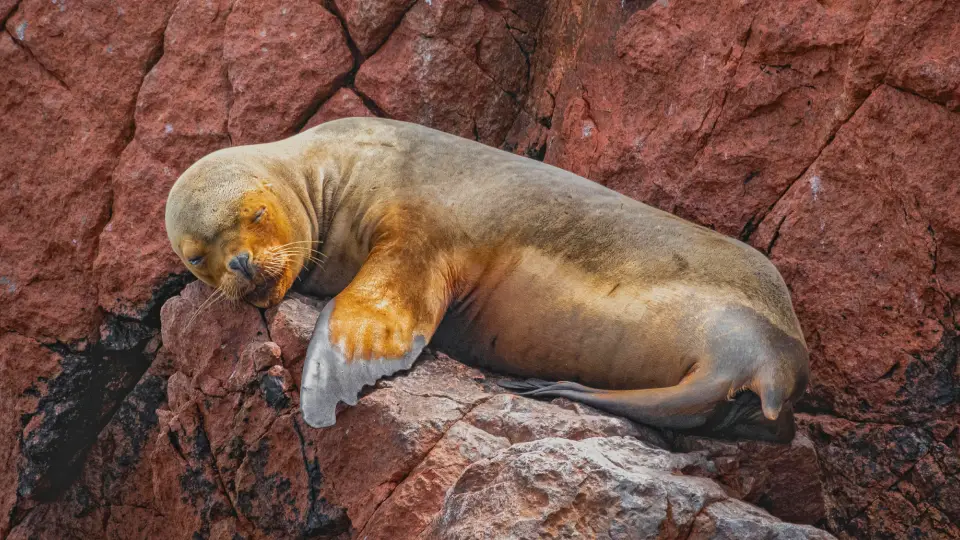
The Ballestas Islands, found near Paracas, are rocky islands you can visit by boat. On your tour, you’ll see sea lions, Humboldt penguins, flamingos, and guano birds living in their natural environment.
A highlight of the tour is seeing the famous “Candelabra” geoglyph, which stands out on the desert hillside.
Interesting Fact
The Ballestas Islands belong to the National Reserve System of Islands, Islets, and Guaneras Points, which covers 22 islands split into North, Central, and South Ballestas. The area is known for its rich wildlife, history, and beautiful coastal views.
Ride a Camel or Dromedary
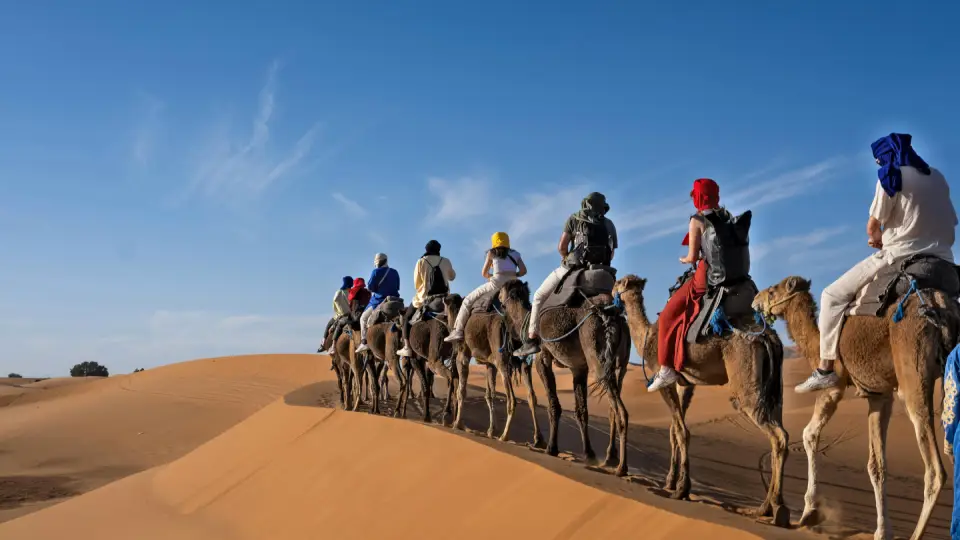
You don’t have to go to the Middle East to ride a camel. In Ica, you can ride camels and dromedaries across the dunes. These animals, originally from Asia and Africa, are used to harsh climates and offer a safe, fun experience.

Did You Know?
Camels have two humps, but dromedaries have just one.
Explore the Dunes on ATVs
Hop on a four-wheel ATV and ride across the desert. These guided tours are fast, offer great views, and are one of the most popular outdoor adventures in Ica.

Try Paragliding in Ica
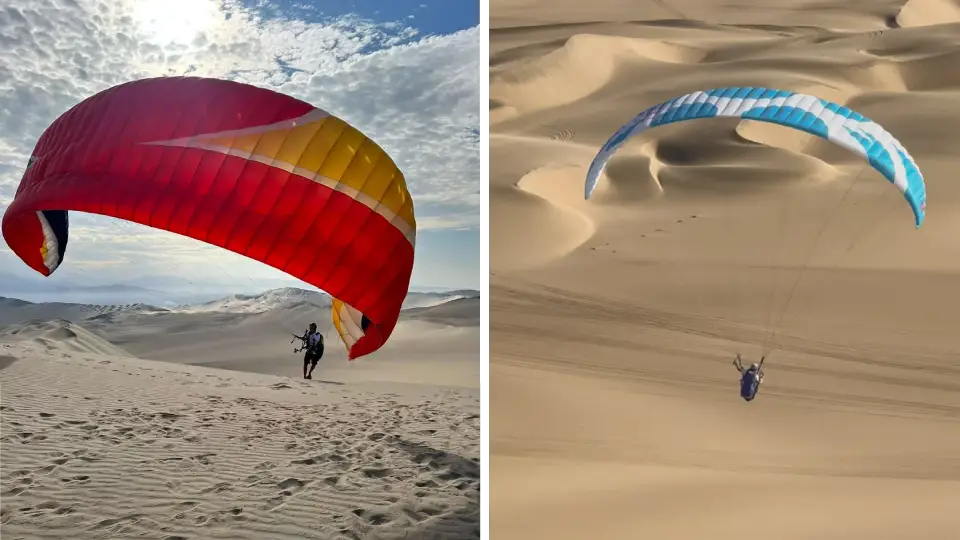
See the Ica dunes from above by paragliding. If you go early, you can watch the sunrise light up the sand in gold and orange.
Camp Under the Stars in Ica
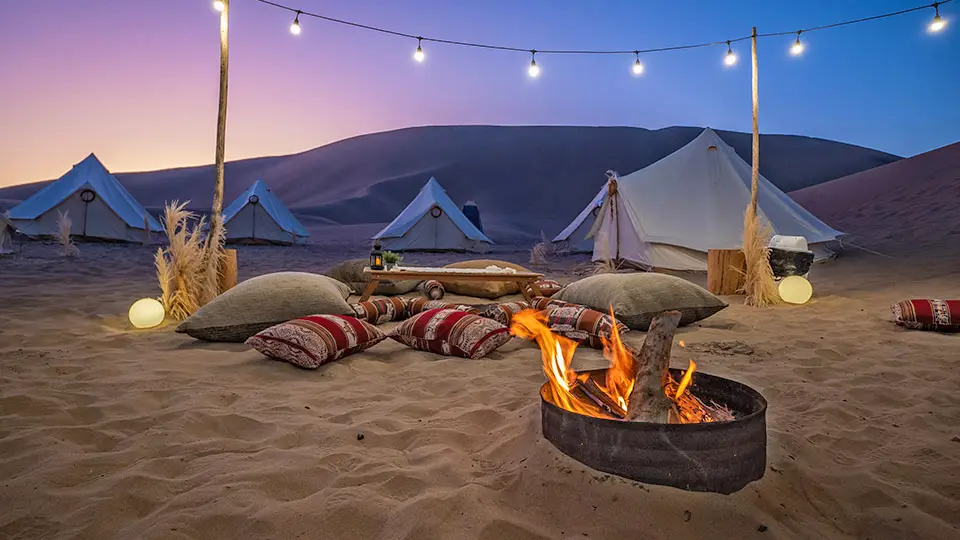
Spend a night camping under the stars in the desert near Ica. It’s a peaceful escape from the city in one of Peru’s most unique desert settings.
Enjoy a Picnic in Huacachina
Enjoy a romantic or group picnic in the Huacachina desert at sunset. Relax in a tent with rugs and cushions, sample fresh fruits and drinks, and watch the sun color the dunes gold and orange.

Visit Hacienda Caravedo
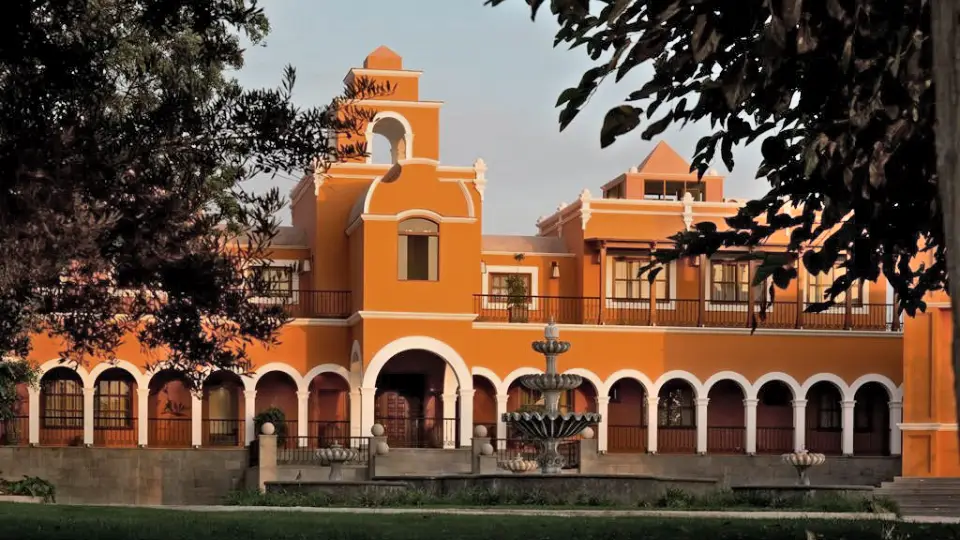
Join a guided tour of Hacienda Caravedo, one of Peru’s oldest pisco distilleries. You’ll learn how pisco is made, walk through the vineyard, and enjoy lunch by the pool in a unique setting.
Go Sandboarding in the Paracas Dunes
Try sandboarding down some of South America’s biggest dunes. It’s an exciting way to enjoy Ica’s unforgettable desert views.

Scuba Dive in Paracas
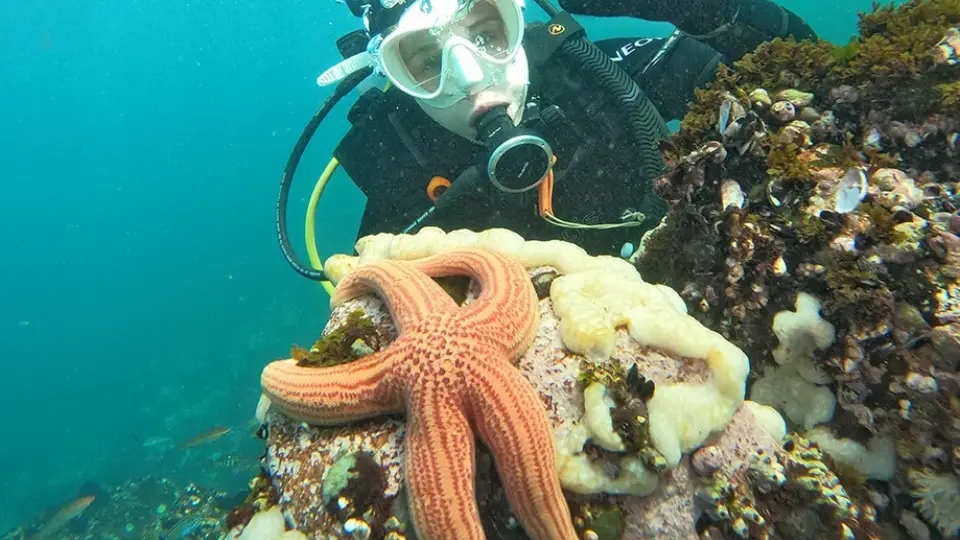
Discover the underwater world of Paracas on a guided diving tour that goes as deep as 6 meters (20 feet). Swim with fish, see marine life up close, and enjoy a unique adventure under the Pacific Ocean.
Ica Activities Comparison Table
Comparing activities. Comparing Ica’s activities can help you find the best fit for your travel style, whether you like adventure, relaxation, wildlife, culture, or nightlife. Ica has something for everyone, from desert sports and boat tours to wine tastings and scenic flights.
Activity | Approx. Price | Duration | Difficulty | Recommended time |
| Paracas National Reserve | S/ 35 - 80 | 2 - 4 hrs | easy | morning |
| Ballestas Islands Tour | S/ 50 - 90 | 2 hrs | easy | 8 am |
| Camel Ride | S/ 40 -70 | 20 - 30 mins | easy | afternoon |
| ATV Dune tour | S/ 80 -150 | 1 -2 hrs | Moderate | sunset |
| Paragliding | S/ 250 - 400 | 10 - 20 min flight | Moderate | sunrise |
| Desert Camping Experience | S/ 150 - 300 | 1 night | easy | Noche |
| Picnic in Huacachina | S/ 120 - 250 | 1 - 2 hrs | easy | sunset |
| Hacienda Caravedo Tour | S/ 60 - 150 | 1.5 - 3 hrs | easy | morning |
| Sandboarding | S/ 70 - 140 | 1 - 2 hrs | Moderate | afternoon |
| Scuba diving in Paracas | S/ 250 - 450 | 2 -3 hrs | Moderate | morning |
Tours in Ica & Huacachina
Experience exceptional desert adventures, cultural activities, and stunning coastal scenery in southern Peru.
One-Day Adventures
Desert Fun in Ica
Morning: Enjoy sandboarding and dune buggy rides in Huacachina. Race across the sand dunes in one of South America’s most renowned desert landscapes.
Afternoon: Relax with a sunset picnic in the Huacachina Oasis, featuring a decorated tent, comfortable seating, fresh fruit, and drinks as the sun sets over the dunes.
Night: Explore Huacachina’s nightlife with a guided drinks tour featuring traditional cocktails, or enjoy music and dancing at local desert bars.
Cultural Experience
Morning: Tour a traditional pisco and wine hacienda in Ica. Learn about the production of Peru’s national spirit and visit vineyards in the Ica Valley.
Afternoon: Visit the Ica Regional Museums and consider an optional flight over the Nazca Lines, one of the world’s most significant archaeological sites.
Night: Enjoy a traditional Peruvian dinner with a guided pisco tasting, pairing local dishes with premium varieties such as puro, acholado, and mosto verde.
Scenic & Wildlife Experience
Morning: Take a boat tour to the Ballestas Islands to observe sea lions, Humboldt penguins, and guano birds in their natural habitat. See the renowned Candelabra geoglyph.
Afternoon: Explore Paracas National Reserve, where the desert meets the Pacific Ocean. Experience panoramic coastal views, distinctive beaches, and unique desert ecosystems.
Night: Relax in Ica or take an evening walk around the main square and surrounding streets.
Complete 3-Day Experience in Ica & Paracas
Day 1: Huacachina Desert Adventure
Morning: Sandboarding and dune buggy rides across the desert dunes, offering excitement and remarkable views.
Afternoon: Private sunset picnic in the desert with comfortable seating, fresh fruit, and drinks as the sky changes color.
Night: Visit local bars for traditional cocktails or enjoy dancing at nearby clubs.
Day 2: Culture, Pisco & Archaeology
Morning: Tour a historic pisco distillery and vineyard. Explore the estate and learn about traditional production methods.
Afternoon: Visit the museums of Ica and consider an optional scenic flight over the Nazca Lines for a unique perspective on this historic site.
Night: Enjoy a pisco tasting dinner paired with authentic Peruvian cuisine, providing an opportunity to relax and connect.
Day 3: Nature & Wildlife in Paracas
Morning: Take a boat tour to the Ballestas Islands to see sea lions, penguins, seabirds, and the iconic Candelabra geoglyph.
Afternoon: Visit Paracas National Reserve, known for its dunes and coastal cliffs. Optional scuba diving is available to explore marine life.
Night: Return to Ica for a peaceful dinner and reflect on your desert experiences.
If you seek adventure, stunning landscapes, cultural depth, and memorable experiences, Ica and Huacachina are ideal destinations.
Ride a dune buggy, slide down the dunes, explore wildlife-rich islands, and discover the unexpected in the desert.
Bring your adventurous spirit and experience it with Qoricancha Expedition. we have several tour packages that combines visit to these unique destinations.
Travel Tips for Ica & Huacachina
If you are planning a trip to Ica and Huacachina, these tips will help ensure a safe, comfortable, and memorable visit to southern Peru.
Practical Advice for Visitors
Helpful Tips
- Keep your belongings secure, especially in crowded areas.
- Use reliable transportation services or trusted ride-hailing apps.
- Book tours only with authorized and reputable agencies.
- Avoid dark or isolated areas at night.
- Follow local recommendations and safety advice.
- Stay aware of your surroundings at all times.
What to Pack for Ica
Since Ica has a warm desert climate, it’s important to pack wisely:
- Lightweight, breathable clothing in light colors
- A thin jacket for cooler evenings
- Comfortable sneakers and breathable sandals
- A small day backpack for excursions
- A camera or a phone with enough storage space
- Carry only a small amount of cash with you
- Sunscreen, sunglasses, and a hat or cap
- Reusable water bottle and light snacks
Typical Gastronomy of Ica
When visiting Ica, be sure to try its traditional dishes and desserts. You may find yourself wanting to enjoy these flavors more than once.
Traditional Dishes of Ica
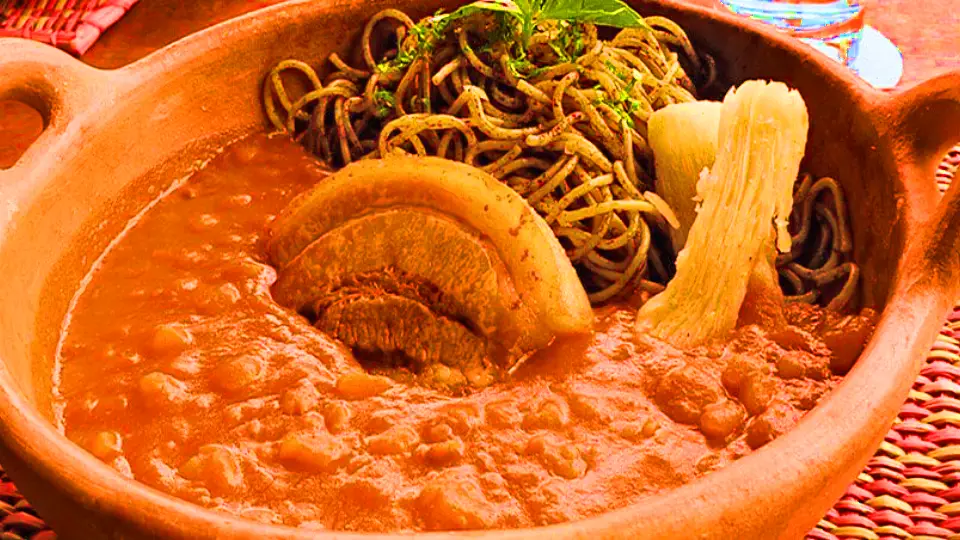
- Carapulcra with Sopa Seca: This classic dish combines slow-cooked pork stew with seasoned pasta.
- Morusa de Pallares: Creamy mashed lima beans, a staple in the region.
- Picante de Pallares Verdes: Spiced green lima beans with bold flavors.
- Pork Chicharrón: Crispy fried pork, a favorite all over Peru.
- Chupe de Pallares Verdes: A hearty soup made with lima beans.
- Shrimp Cocktail: Enjoy fresh coastal flavors from the nearby shores.
- Chickpea Salad: A light and refreshing local side dish.
Must-Try Desserts in Ica
- Frejol Colado: This sweet, creamy black bean dessert dates back to colonial times.
- Tejas & Chocotejas: These traditional sweets are filled with caramel and nuts, then coated in sugar or chocolate.
- Quince Paste (Machacado de Membrillo): A sweet and fruity delicacy.
- Grape Mazamorra: A pudding made from locally grown grapes.
- Loquat Jaleo: A seasonal fruit dessert that is typical of the region.
Where to Eat in Ica
The following restaurants are recommended for both local and international cuisine:
- Restaurante Lagunilla: Enjoy fresh Peruvian and seafood dishes in a welcoming setting.
- Fundo Restaurante: Contemporary Peruvian cuisine served in a cozy atmosphere.
- Bistrot Bastille: Elegant and refined French gastronomy.
- Hotel Bodega El Huarango (Restaurant): Rustic ambiance with traditional local flavors.
- El Encanto de la Huerta: A countryside restaurant serving authentic regional dishes.
Hotels in Ica & Huacachina
- Ecocamp Huacachina: Experience unique desert camping surrounded by dunes.
- Hotel Villa de Valverde: A comfortable hotel with a pool and gardens, close to the main attractions.
- Hotel Sol de Ica: This hotel is centrally located, with easy access to shops and restaurants.
- Hotel Viñas Queirolo: A vineyard hotel in a peaceful rural setting, perfect for relaxing and enjoying wine experiences.
If you need additional travel advice, recommended routes, or expert tips to make the most of your time in Ica, I am happy to assist.
Enjoy your trip. I hope it is filled with adventure, excellent food, and unforgettable desert views. if you still have questions feel free to contact us.
Frequently Asked Questions About Ica & Huacachina
How many days do you need in Ica?
Two to three days are sufficient to explore Ica’s main attractions at a comfortable pace. This timeframe allows for dune adventures in Huacachina, cultural visits, and day trips to Paracas and the Ballestas Islands.
Is Ica safe for travelers?
Yes, Ica is generally safe, particularly in tourist areas and when using authorized tour agencies. As with any destination, follow basic safety precautions and keep your belongings secure.
What is the must-do activity in Ica?
A sunset dune buggy ride in Huacachina is the most iconic activity. The combination of sand dune adventure and desert sunset views creates a memorable experience.
How much does a Huacachina dune buggy tour cost?
A typical Huacachina dune buggy tour costs 80 to 100 Peruvian soles (about $20–$30 USD) per person. Prices vary by duration and inclusions such as sandboarding or professional photos. Most tours include equipment and experienced guides.
What is the best time of year to visit Ica?
Ica has warm weather year-round. The best time to visit is from April to November, when temperatures are pleasant and rainfall is minimal.
How do you get from Lima to Ica?
You can reach Ica from Lima by bus in about 4 to 5 hours or by private car. Many travelers choose organized tours that include transportation and guided activities.
Is Huacachina worth visiting?
Yes. The Huacachina Oasis is a unique desert landscape in South America and a highlight of any Peru itinerary. It offers adventure sports, scenic sunsets, and a lively atmosphere.
Can you visit Paracas and the Ballestas Islands from Ica?
Yes. Paracas National Reserve and the Ballestas Islands are popular day trips from Ica, located about 1 to 1.5 hours away.
What should I wear in Ica?
Lightweight, breathable clothing is recommended due to the desert climate. Don’t forget sunscreen, sunglasses, and a hat. A light jacket is useful for cooler evenings.
Are the Nazca Lines worth it?
If you are interested in archaeology and history, a Nazca Lines flight tour is worthwhile. Viewing the geoglyphs from the air is a unique experience.