

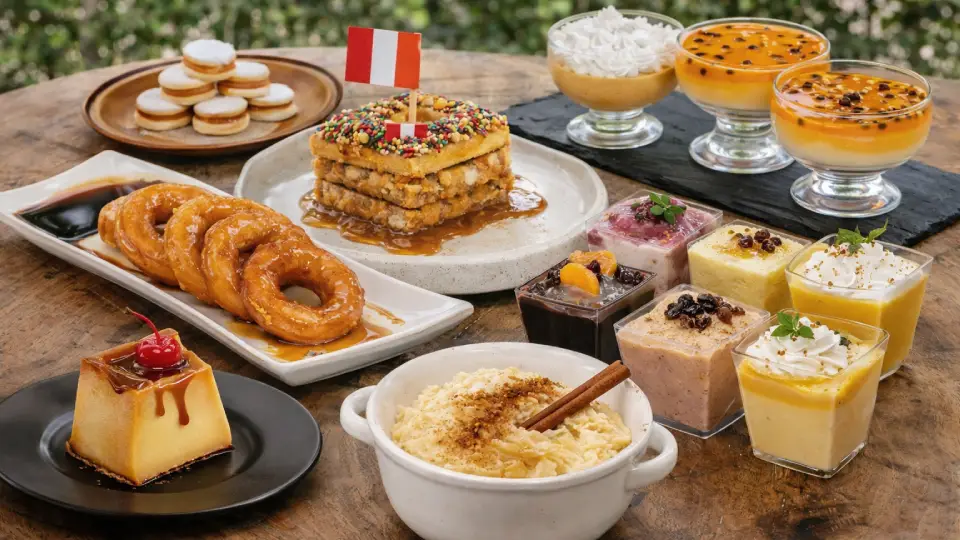
Peruvian desserts
Peruvian Desserts That Make Travelers Fall in Love
Don’t leave Peru without tasting Peruvian desserts if you are there, they will open your heart. As a traveler, I’ve come to discover that in this nation you travel not just with your feet, but with your palate. Each Peruvian dessert is steeped in story, a passed-down technique, and an ingredient found nowhere else in the world. If you love good food, Peru is waiting for you! Enjoy!
Table of Contents
- Top Peruvian Desserts.
- History of peruvian desserts.
- The origins of peruvian pastry.
- The boom of peruvian desserts during the colonial period.
- The little pleasures that took the day.
- The republican era and peruvian desserts.
- Peruvian desserts today.
- The broadest peruvian desserts
- Cremolada.
- Queso helado.
- Turrón de Doña Pepa.
- Picarones
- Suspiro a la limeña
- Arroz zambito.
- Crema volteada and leche asada.
- Mazamorra morada
- Sweet humintas
- Guargüeros
- The regional sweets that will make the trip worth it.
- Arroz con leche
- Alfajores
- King Kong
- Chocotejas
- Traditional desserts you must try in each region
- Where to try them like a true traveler?
- Tips in enjoying peruvian desserts.
- Some recommended delicacies.
- Diner’s tips.
- The perfect pair for peruvian desserts.
- For those who want to bring home Peru
- How to make arroz con leche?.
Top Peruvian Desserts.
You might not imagine it, but Peru is home to 10 of the best desserts in the world and today I invite you to discover them one by one. On this sweet journey, I Will share what they are, where to try them, how to enjoy them at their best, and the stories that have brought them to our tables. So get ready to follow this route filled with flavors, tradition and indulgence, where every stop becomes another reason to fall in love with the journey."
History of peruvian desserts.
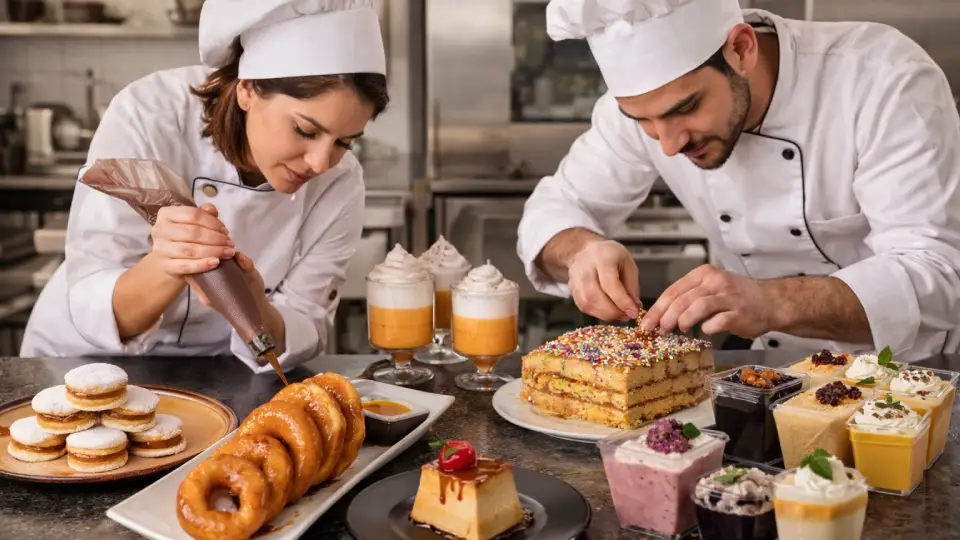
Peruvian desserts are a part of the world's 50 best desserts, according to TasteAtlas 2025 ranking. Yet Peru doesn’t just win hearts by its savory dishes, it conquers them with sweets that transport from mouth to mouth across the globe. It spreads all over the world with sugar sweet taste like nothing else. So before even tasting them, let’s take a walk through their history and see how these flavors became classic travel iconos.
The origins of peruvian pastry.
The very best Peruvian desserts came into being within the confluence of cultures. Caral, Paracas, Nazca, Lambayeque, and Chimú, ancient Andean civilizations, also contributed ingredients such as purple corn, prickly pear, lúcuma, squash, corn and chancaca (unrefined cane sugar). European techniques and ingredients such as sugar and dairy were added in the colonial era. Creole creativity eventually merged it all to produce desserts that are truly original in the world.
Peruvian desserts over the years.
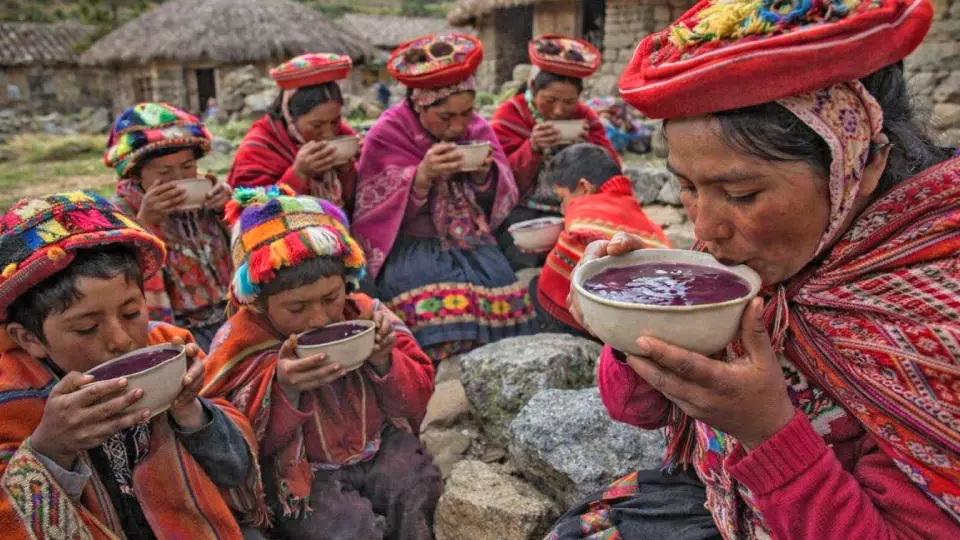
Desserts were, also, very much part of the world in the Inca era, especially during the ceremonies and other important celebrations. Perhaps the most widely eaten dish was Api, a delicious sweet porridge made of white corn. Others involved ishkupcha or motalza sourced from yellow corn, desserts prepared with purple corn and pumpkin porridges. They’re also one of the most impressive things is these ancestral desserts have not disappeared, they are still made in the Andes of Peru and Bolivia today.
Important fact.
The Incas consumed molle seeds, fruits, sweet potatoes, carob pods and honey from native bees. But most interesting: While it was also a home of these natural ingredients, sweetness was not the focus. Their food was more about nutrition and ritual than about indulging the sweetness.
The boom of peruvian desserts during the colonial period.
Peruvian sweets grew out of centuries of cultural melting-pot formation in the aftermath of colonization, when sugar arrived from the Americas, imported by the Spanish who rapidly swept through the territory. Peru was then one of the largest viceroyalties in the world, with wealthy Spanish families famous for their elaborate pastry customs.
Walk along the colonial table.
In colonial Peru, people would enjoy coffee very early in the morning, lunch around 10 to 11 a.m., with at noon “el once,” which included a glass of renowned aguardiente. Snacks in the afternoon were delivered between 4 and 5 p.m, with a dinner at 6 p.m. This resulted in several times a day where sweets and pastries held a central spot at the table.
The sweetest colonial welcome.
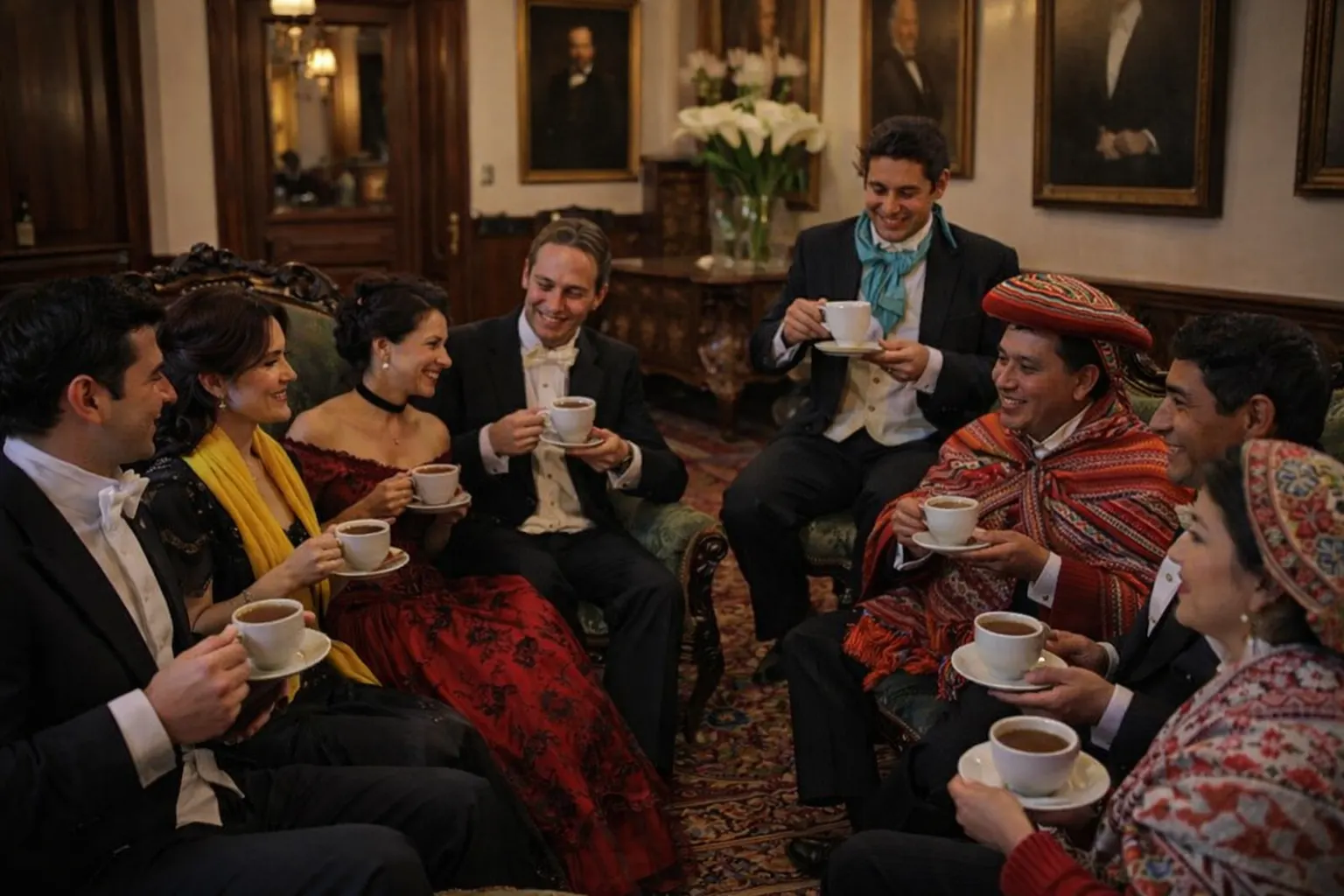
If you came to a Spanish family, you’d be welcomed with the old fashioned “agasajo" a heavy, aromatic hot chocolate with cinnamon, cloves, ginger and nutmeg, along with sponge cake. This was also one of the most favored treats of Peruvians at the time.
Extra facts!!.
- Did you know that sugarcane grew from New Guinea and was introduced around 4500 BC, on the way to India and China?
- In Peru, in 1549, sugarcane came from Mexico under the governor of Trujillo, Diego de Mora, who planted it on his land in the Chicama Valley. From there sugar grew beyond cultivation and became a staple in Peruvian desserts.
Who made peruvian desserts?
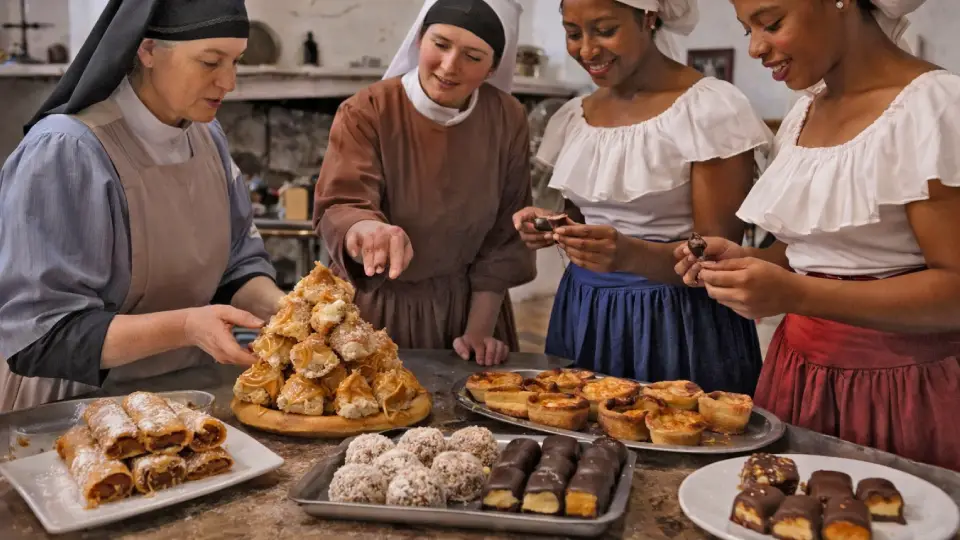
The nuns who came with the Spaniards began to cook most of the Peruvian desserts inside convents. There, they would spend hours teaching enslaved Black and Indigenous women how to bake sweets that involved technique, patience and much effort. That shared work and this knowledge exchange created recipes that became a part of how Peru’s pastry was prepared, a vital ingredient in its pastry tradition.
Important Fact!!.
In the colonial period, nuns presented sweets to communities and benefactors as a form of acknowledgment to members of the upper echelons of the population.
Voices that announced cravings.
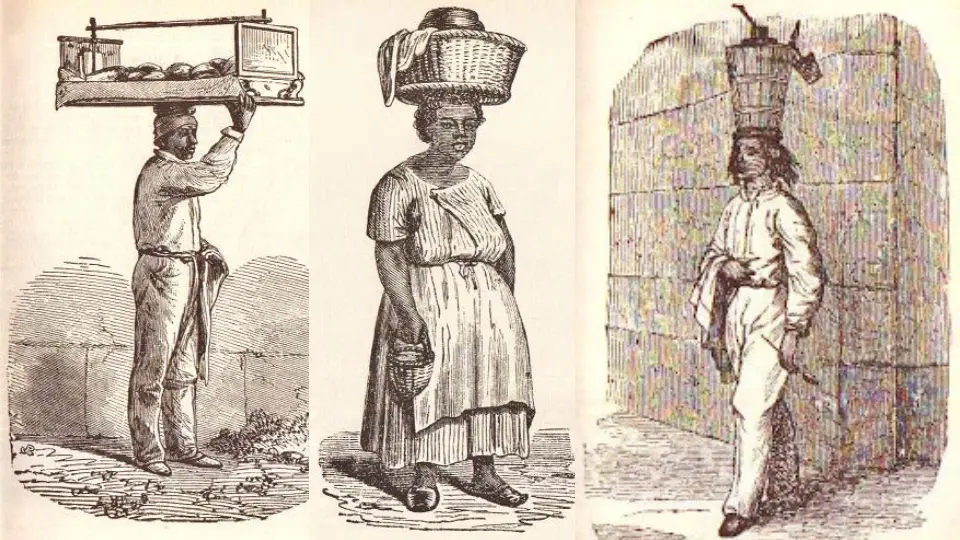
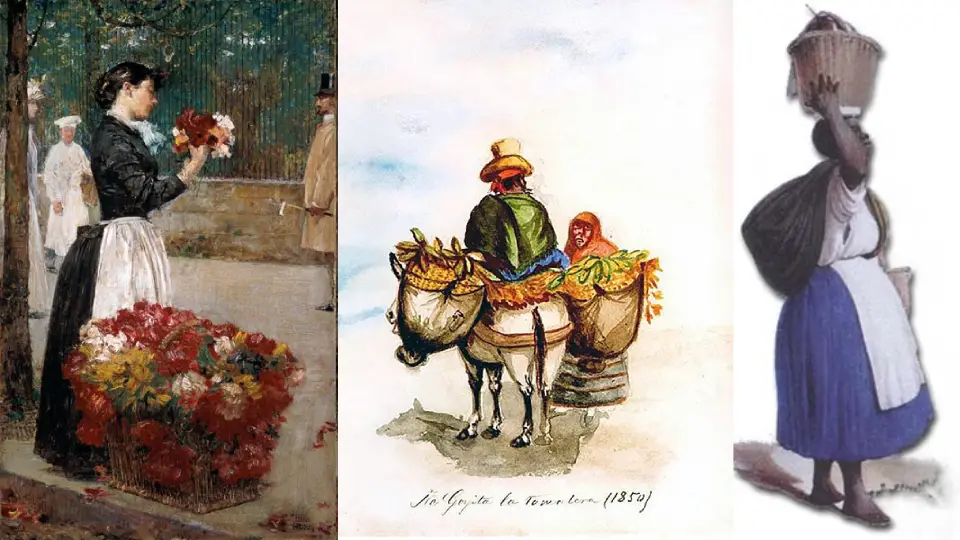
It was said that sweet vendors known as pregoneros would set the rhythm of their own day in cities, because everybody knew exactly when they were expected to be by. The milk seller, fruit vendor, wafer seller and tamale seller roamed the streets at set hours, but their calls were also sort of liked by towns, announcing neither merely the time but also next appetizing sensation for that day.
Who were the pregoneros?
Many were formerly enslaved Black people who became small-scale vendors of sweets and mazamorras, which they sold from large copper pots upon gaining their freedom.
The little pleasures that took the day.
In the morning.
- 6:00 a.m. – The milk seller.
- 7:00 a.m. – The herbal drink and chicha vendors.
- 8:00 a.m. – The sponge cake seller and curdled milk vendor.
- 9:00 a.m. – Sanguito de Ñaju and choncholíes.
- 10:00 a.m. – The tamale seller.
- 11:00 a.m. – Ranfañote, coconut sweets, bocado de rey, small chancaca treats with corn, peanuts, or frijol colado.
In the afternoon.
- 12:00 p.m. – Fruit vendor and small meat empanadas.
- 1:00 p.m. – Rice pudding, ante con ante, and alfajores.
- 2:00 p.m. – Picarones, humitas and Trujillo-style causa.
- 3:00 p.m. – Taffy, turrón and anticuchos.
- 4:00 p.m. – Spicy stews and walnut pineapple sweets.
- 5:00 p.m. – Flower and jasmine vendors.
At night.
- 6:00 p.m. – Herbal root drinks and cookies.
- 7:00 p.m. – Candies, mazamorra, and fermented drinks.
- 8:00 p.m. – Ice cream and wafer sellers.
- 9:00 p.m. – The sacristan collecting offerings for souls.
The republican era and peruvian desserts.
Peruvian desserts reigned supremely in 1821 among diners and foreigners. This period saw the development of the most basic collections of traditional recipes as part of the construction of a national identity. This wealth is derived from confluence of three primary influences:
- The Andean world, its ingredients including purple corn, lúcuma, quinoa and natural honey.
- Spanish influence, which brought sugar, milk, eggs and baking methods.
- Creole cuisine, which combined everything with imagination and patience.
Peruvian desserts today.
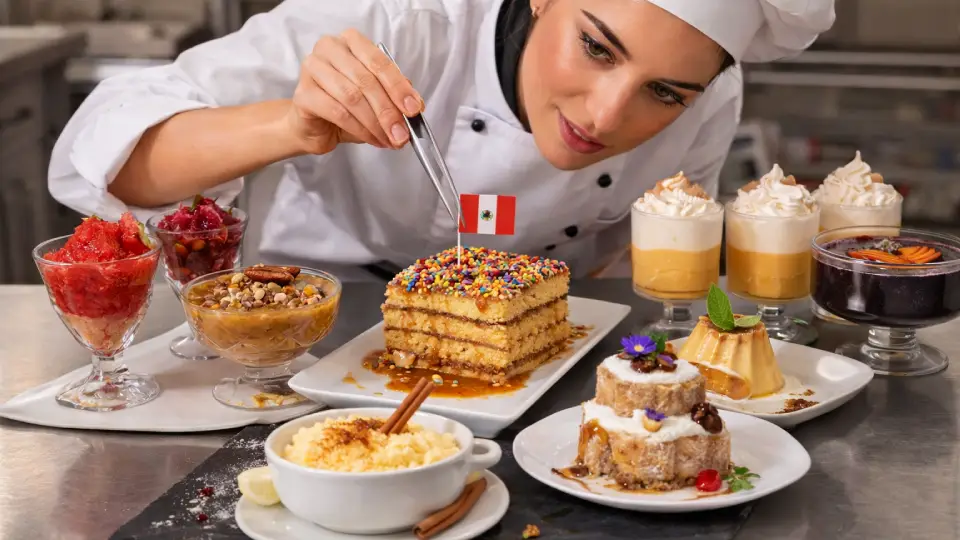
Today, Peruvian desserts have evolved to international palates, softening flavors but not losing their essence and winning over everyone who dares taste them. You can find these steaming out of street carts, freshly made in the markets, or reinvented in gourmet restaurants.
Did you know?
If You Travel in October, during Holy Week or for local patron festivals, to be sure you’ll find traditional recipes made on those dates. And with climate also a factor, warm desserts bring comfort to the highlands; frozen treats refresh the coast.
The broadest peruvian desserts
Cremolada.
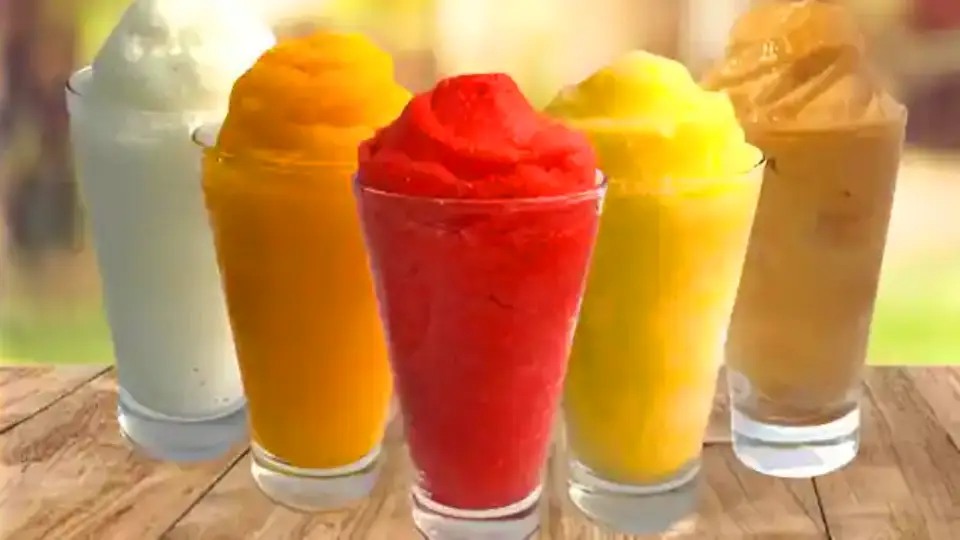
As the best dessert in the world (according to TasteAtlas 2025), cremolada comes from Tumbes. It is prepared from traditional Peruvian fruits, with fresh pulp from passion fruit; cherimoya; mango; strawberry; lúcuma to form an intensely natural and refreshing mixture.
Traveler tips.
You’ll stumble across cremolada wherever you are in the city, whether at ice cream shops, markets or on street carts, and it has established itself as a summer staple. Without question, it’s a sweet stop worth including your travel checklist.
Queso helado.
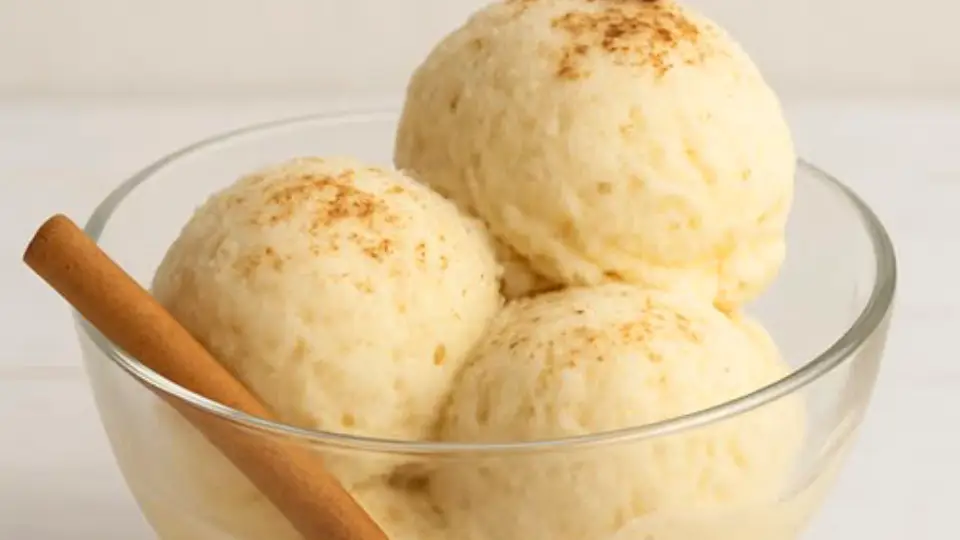
This dessert placed second in the most popular Peruvian desserts while, no matter what the name it has no cheese. It began as a handmade frozen treat at the Santa Catalina Convent in colonial times, when it was initially enjoyed only by Arequipa’s aristocracy. It grew in popularity over time and now everyone who loves this wonderful classic enjoys it too.
Traveler tips.
This handmade dessert, shaved in a bowl, is a good match for a sunny afternoon.
Turrón de Doña Pepa.
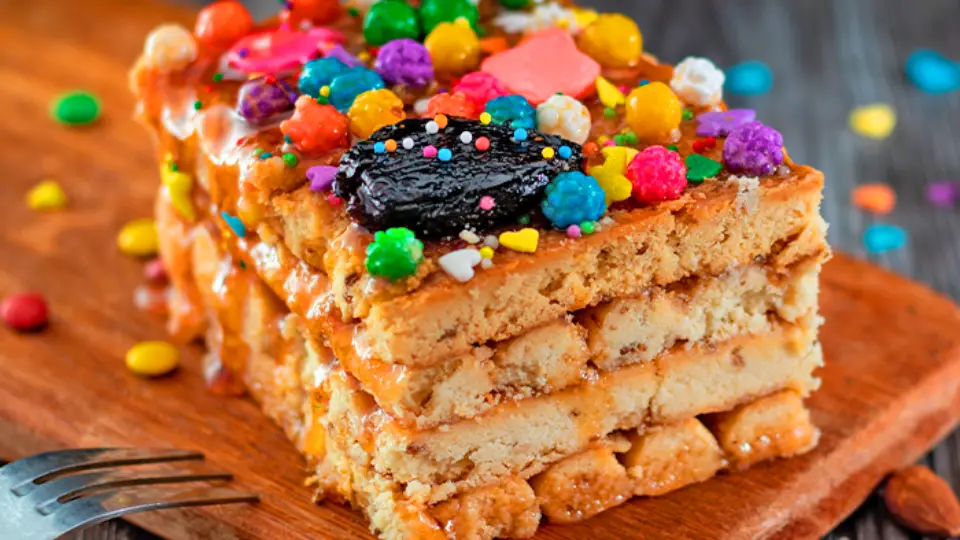
This classic dessert was first made in 1880 by an Afro-Peruvian woman called Josefa Marmanillo aka Josefa Piérola. Gratitude took hold, and she gave it to the Lord of Miracles in gratitude for healing her from arthritis that had made her unable to use her hands. Her faith and work were then turned into a dish of history and love.
Traveler tips.
And now, in October, when the Cristo Moreno is a focal point of devotion for Lima, this dessert is particularly enjoyed. You can also find it easily within bakeries around the city.
Picarones
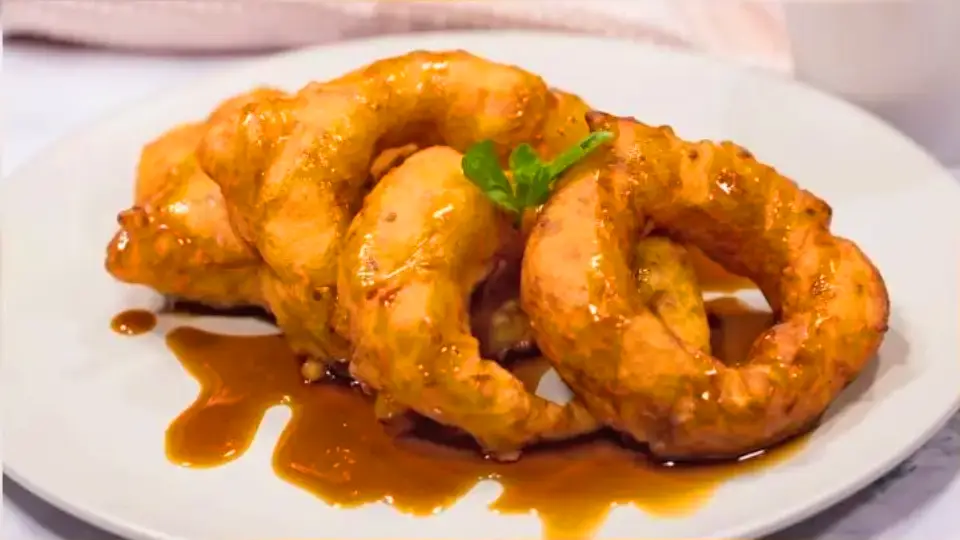
As you wander through Peru’s streets, especially through fairs and festivals, picarones are an irresistible temptation. This dessert originated with pre-Hispanic origins, was transformed with European fritters before being molded by the Afro-Peruvian community into its uniquely Peruvian form. It became picarones in the 20th century and became a beloved classic, served hot and topped with chancaca syrup.
Traveler tips
You’ll discover this freshly made treat at fairs, plazas and on the streets at night right for a stop before you set out again.
Suspiro a la limeña
No question, this dessert attracts you from the outset. It was born in 19th-century Lima, which was where it appeared, and the romantic name captures its soft, delicate texture quite well made to “sigh for.” Blending milk and egg yolks, it features a silky cream and light Port wine meringue giving it an intoxicating balance of its flavors. Now Lima boasts it proudly as one of its signature sweets.
Where to try it
You can sample this dessert at many traditional cafes and criollo restaurants in Lima which serves as a wonderful capping to your Peruvian meal.
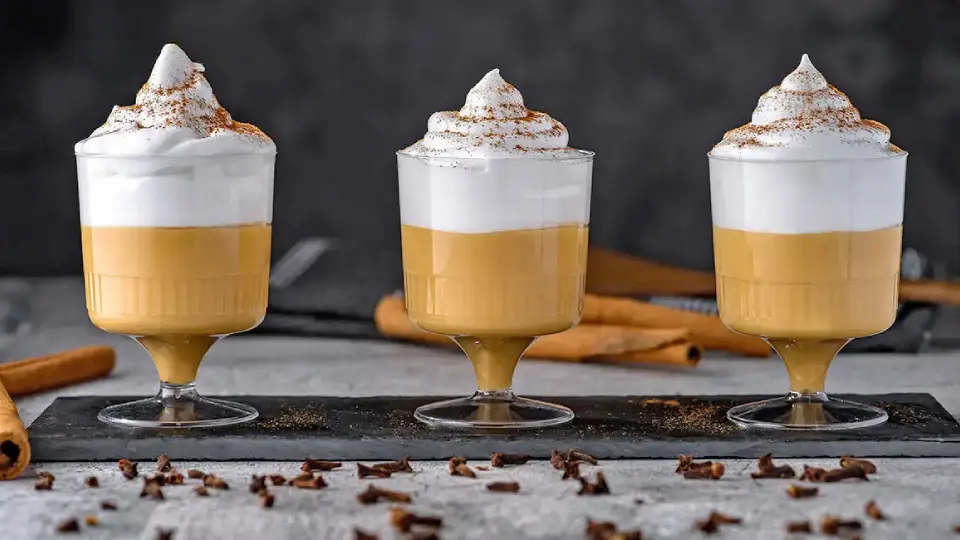
Arroz zambito.
This dessert was born during the colonial era as an adaptation of traditional rice pudding and was popular with the Afro-Peruvian community. It's made with chancaca which is how it has the brown and caramel flavor you've always known. It is why it used to be called zambito, affectionately used at the time as a reference point for people of African descent.
Traveler tips.
I would recommend enjoying it along with the classic mazamorra morada; they combine such tasty flavors and textures that they will be extra enjoyable!
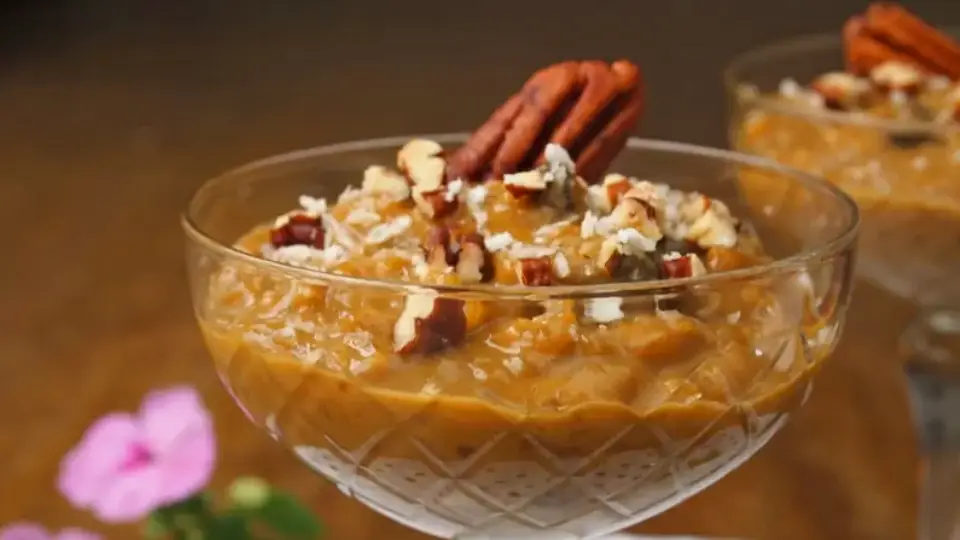
Crema volteada and leche asada.
These desserts were Peruvian adaptations of the European flan, which was originally known as tyropatina, first from ancient Rome and Greece. As the recipe reached Peru, over the years it became two very popular versions: leche asada and crema volteada, baked and lightly flavored.
Leche asada: firmer, homemade texture; crema volteada: smooth, glossy caramel that pops off each spoonful.
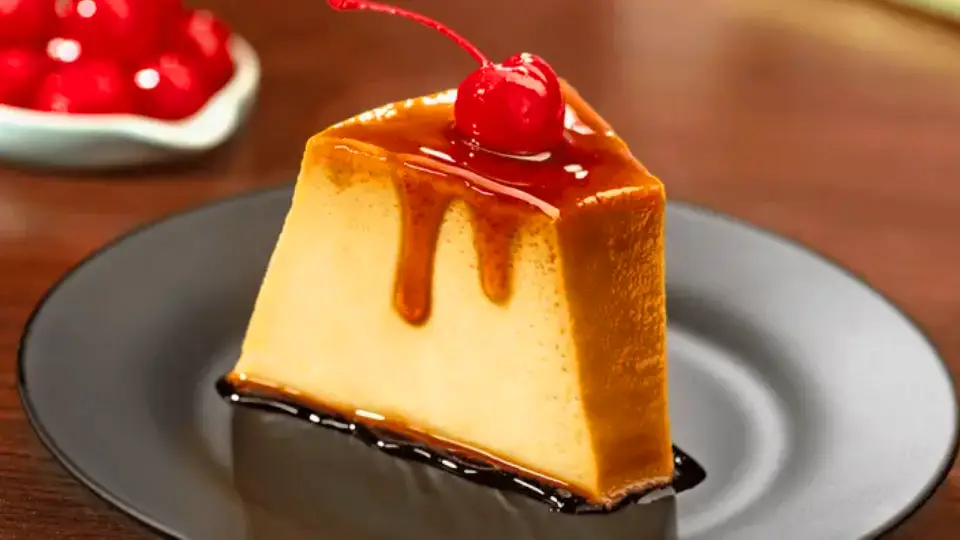
Mazamorra morada
This dessert, which originated in pre-Hispanic times and developed over the centuries during the colonial period, incorporates new foods, yet always stays true to its deep purple color and indigenous spirit. It combines fruits that give it a unique scent and taste, so both adults and children are seduced. It’s become the star of Purple Month today, when it is enjoyed during the celebrations of the Lord of Miracles.
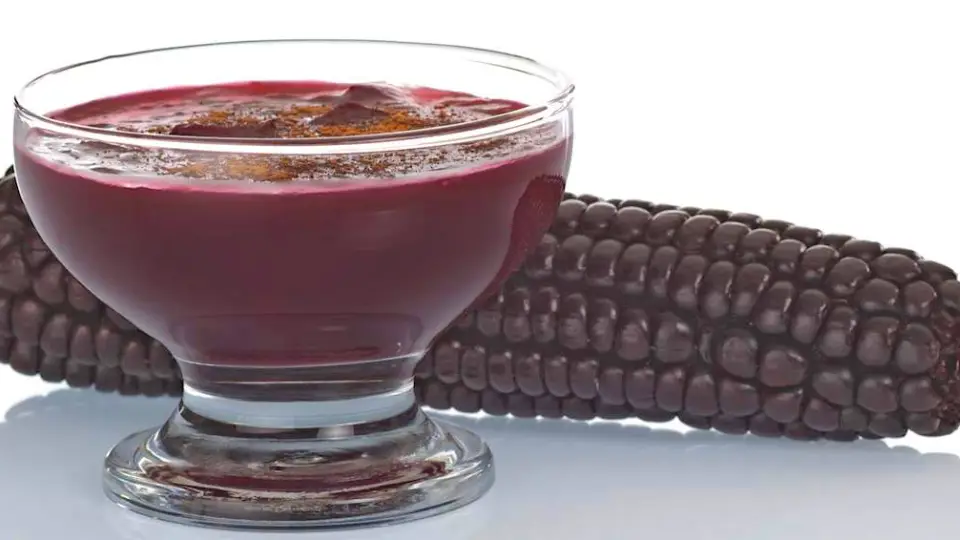
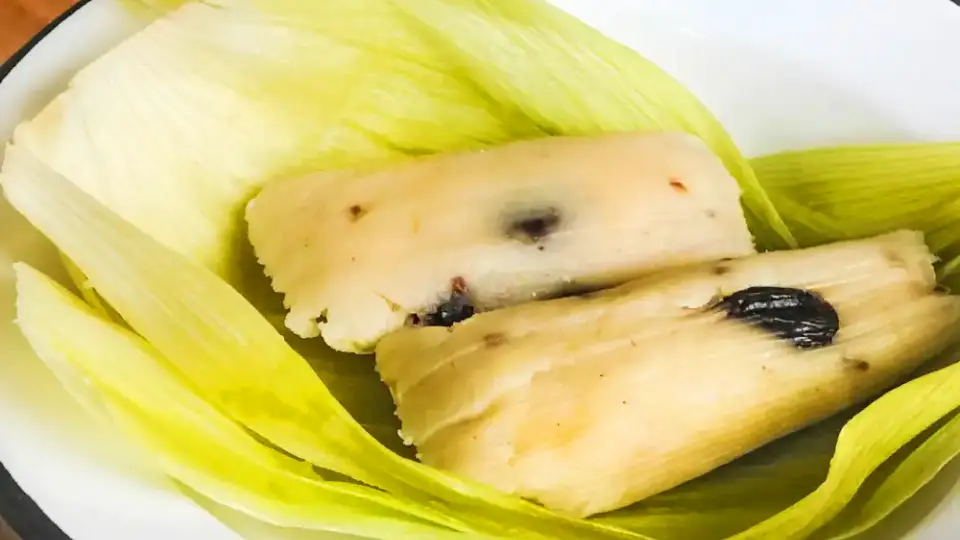
Sweet humintas
It is a traditional Peruvian dessert, formed from corn that dates back to pre-Hispanic times, in the Inca Empire. It is wrapped in corn husks and steamed, making it come alive and has a tender and full flavor. It is from the Andean region and this particular sweet has retained its native taste and is still served at celebrations.
Traveler tips
It can be enjoyed with a good cup of coffee, an added benefit of breakfast, though many people like to eat it any time of the day. This dessert is therefore not only consumed in Peru, but also in neighboring countries such as Argentina, Bolivia, Ecuador and Chile.
Guargüeros
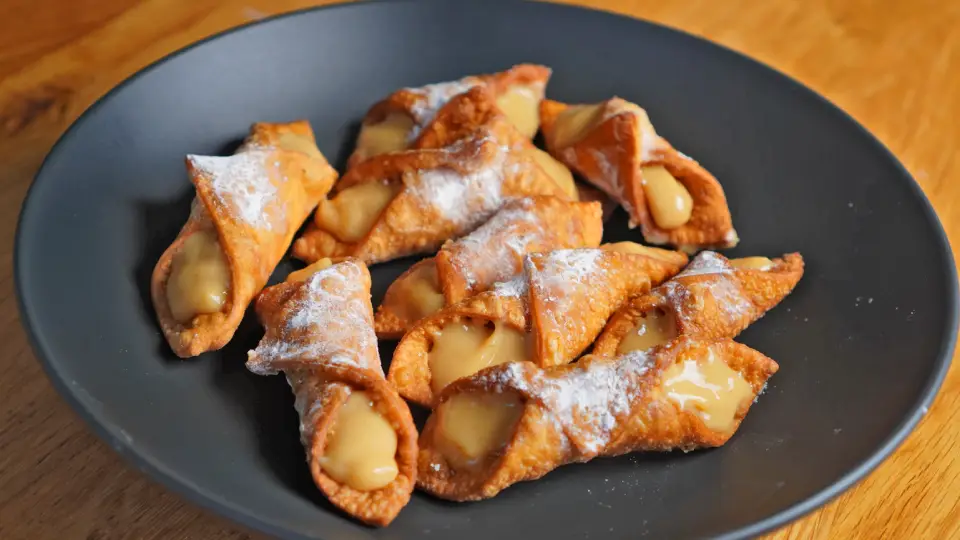
Guargüeros are among the oldest sweets in Peru, trace their roots to the ancient Arab civilization, and were first labeled gaznate. They were initially made in the convents of Moquegua and after a while, diners started referring to them as “convent sweets.” They grew into a must-have at celebrations, weddings, baptisms, birthdays.
The regional sweets that will make the trip worth it.
Arroz con leche
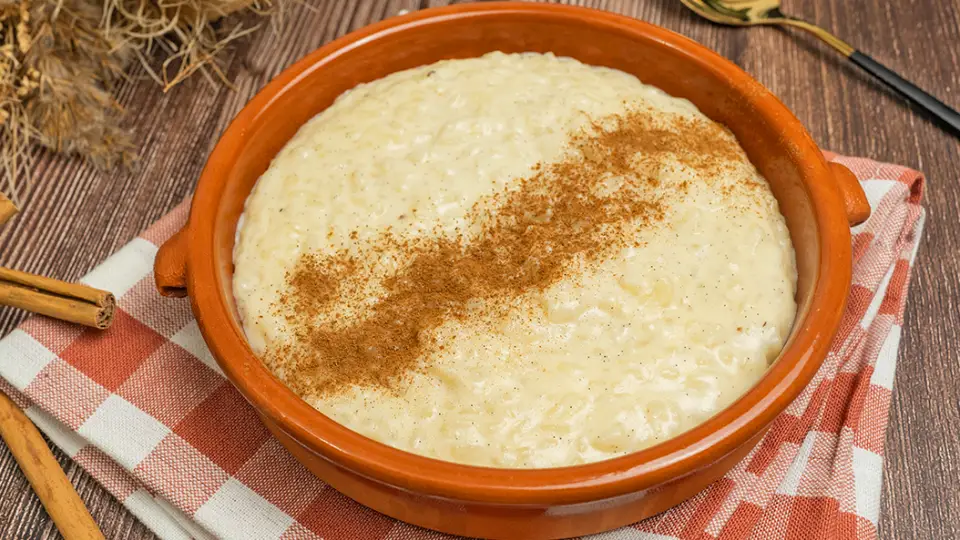
This Peruvian classic dessert dates back to ancient Asia and its origins lay in southern China. It arrived in Peru during the colonial period as part of the Chinese migration and conquered every type of palate. And over time, it became so beloved that it is considered one of Peru's most typical desserts. It is slowly cooked with rice, milk, cinnamon and cloves until it reaches a creamy, deeply comforting texture.
Traveler tips
Do it with mazamorra morada, the beloved “clásico” a tasty blend that everyone loves.
Alfajores
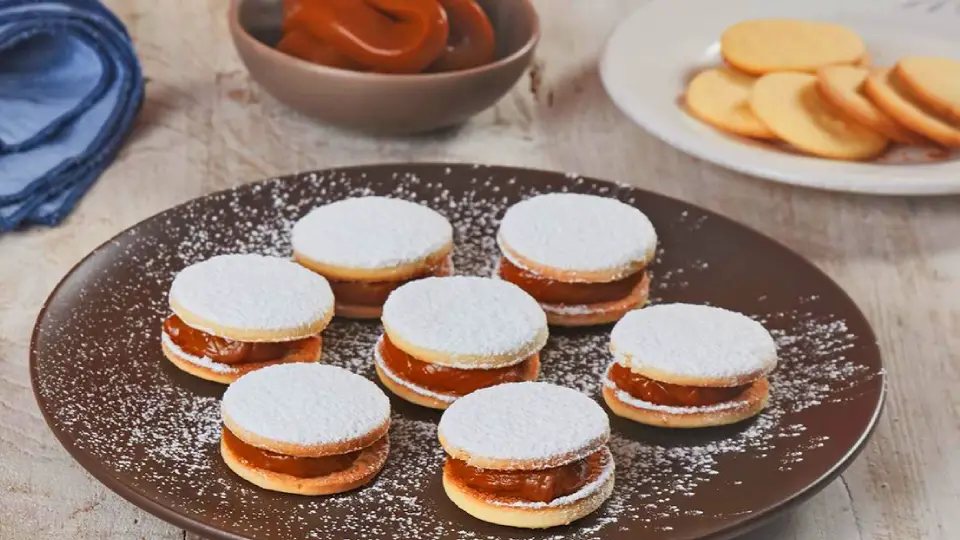
They came from Spain (and more specifically Andalusia), and over the years they got acclimated to the taste of Peru, with lots of manjar blanco mixed into the mix. And so they became a go-to treat for coffee, for traveling, and for special occasions across the whole country. They’re available in various sizes and flavors, each with their silky body and generous filling. Simply put, Peruvian alfajores are simple and traditional, and perfect to enjoy anytime.
Traveler tips
Very convenient for a snack or a sweet and delicious food to keep as a souvenir or a treat.
King Kong
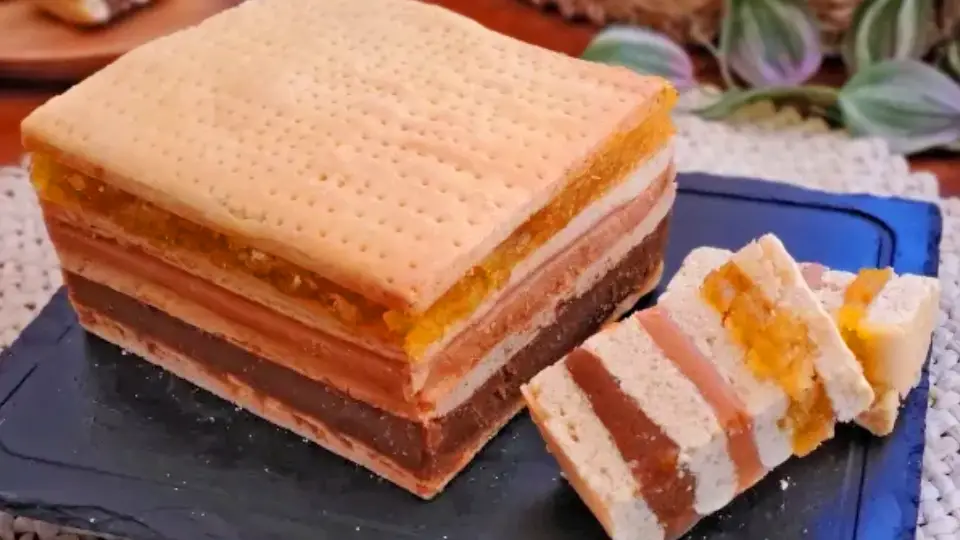
Born in Lambayeque, as a huge alfajor, it is a dessert. Victoria Mejía de García made it for the first time in 1920 to mark June 13, on the feast of St. Anthony of Padua and at Christmas, two of the most anticipated days of the year. Neighbors who are impressed by its size named it King Kong after the famous movie character. Lambayeque and La Libertad over the years adopted it as a regional symbol of themselves.
Chocotejas
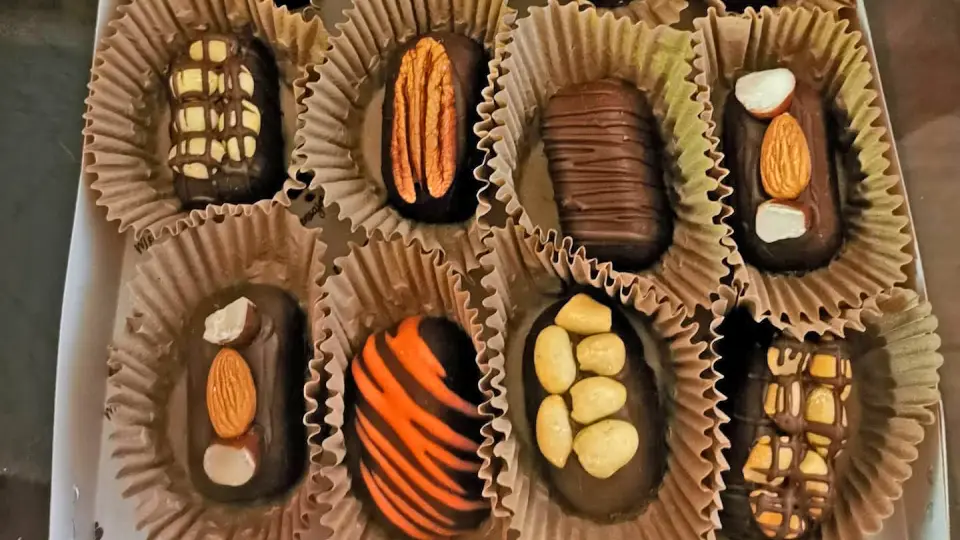
Chocotejas come in the form of small works of art, elegant, glossy and downright addictive. They mix a layer of chocolate with fillings of manjar blanco, fruits and nuts that delight in the twists at every bite. That’s why they’re so appealing to take as a souvenir and share a little taste of Peru. But, honestly, they’re also a perfect gift … or to keep all to yourself.
Did You Know?
Was it known that Peru also holds “Peruvian Sweets Day,” every April 4th? On the special day, the country commemorates its amazing range of traditional sweets, plus, hopes to revive desserts from its culinary history.
Traditional desserts you must try in each region
Where to try them like a true traveler?
Piura, Lambayeque and La Libertad.
Here, strong flavors dominate, especially those made with chancaca, such as King Kong, chumbeques, antecoco, algarrobina, yellow nougat and northern-style custard.
Lima.
The birthplace of some of the nation’s signature sweets, including Suspiro a la Limeña, Doña Pepa nougat, picarones, purple pudding with rice pudding (the classic) and caramel flan.
Ica.
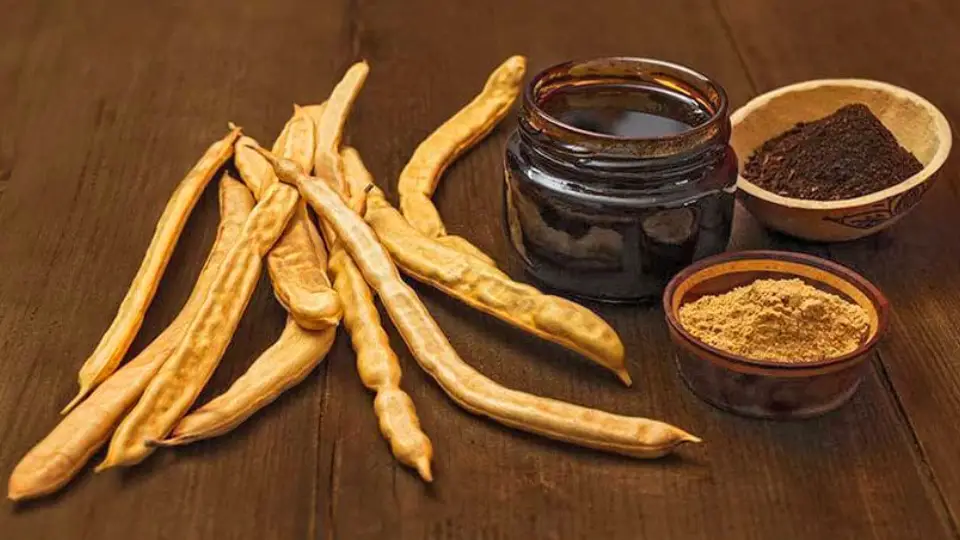
Sweets closely associated with fruit and manjar blanco, like Ica-style tejas (filled with lemon, orange, and pecans), chocotejas, pallar colado and sweets made from figs and loquats.
Cajamarca & Áncash.
Homemade comforting desserts, like Cajamarca-style manjar blanco, cajetas, molletes, huevos mollos and sweet quesadillas.
Cusco, Puno & Ayacucho.
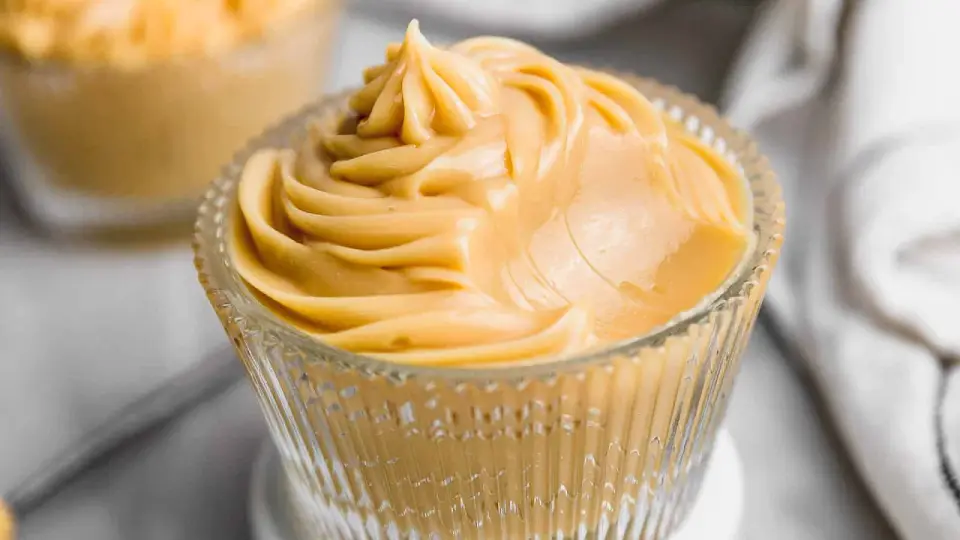
Andean flavors steeped in colonial heritage like pan wawa, Ayacucho-style nougat, Cusco-style suspiro and sweet empanaditas.
Arequipa & Moquegua.
Traditional convent sweets such as queso helado, Arequipa-style alfajores, polvorones, guargüeros, torre de hojuelas and penco alfajores.
Loreto, San Martín & Ucayali.
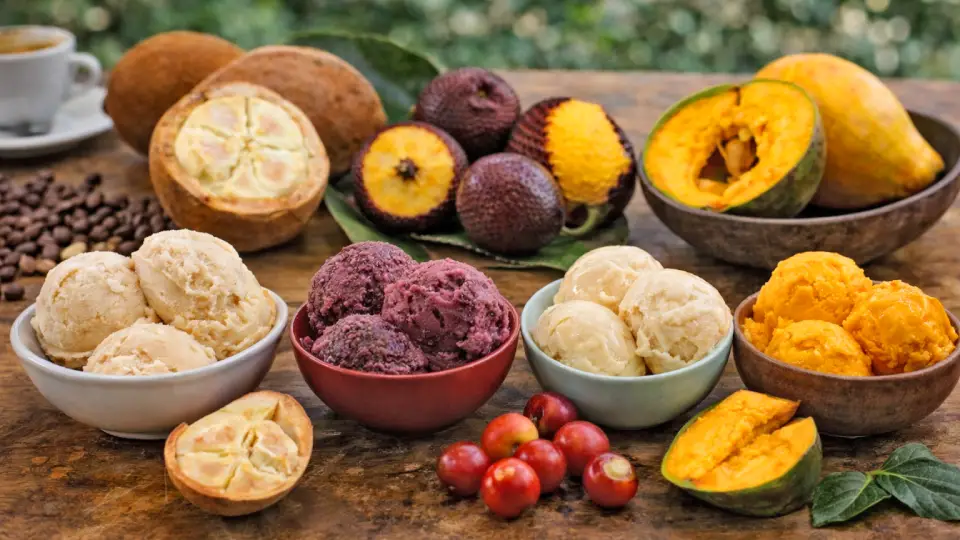
Fresh desserts that are made with Amazonian fruits, from Amazonian cocadas, aguaje sweets, banana empanaditas, cocona-based desserts and artisanal ice creams made from rainforest fruits.
Important Tip!
Traveling through Peru also means traveling with your palate. Try at least three desserts in each region, take photos, memorize flavor combinations and post your experiences.
Tips in enjoying peruvian desserts.
Some recommended delicacies.
- Guanábana champú.
- Pensamientos.
- Quince machacado.
- Leche asada.
- Cinnamon rolls.
- Cocada.
- Tres leches cake.
Diner’s tips.
- Inquire about the traditional version of each dessert.
- Go for the stalls with a high turnover of customers.
- Buy desserts in the afternoon or evening when they’re freshly baked.
- Don’t be afraid to sample local, less popular sweets.
- Request traditional desserts only.
- Avoid desserts that have been in the sun for long periods.
- Prices are usually affordable at markets and food fairs.
The perfect pair for peruvian desserts.
If you prefer, you can enjoy Peruvian desserts with high-altitude Peruvian coffee, Andean herbal infusions such as anise or lemongrass, a glass of well-chilled chicha morada, or thick, hot chocolate in the highlands.
For those who want to bring home Peru
One of the most convenient recipes you can share at home with friends and family or surprise your guests is a good arroz con leche (which requires patience but rewards you with comforting flavor). You are inspired to recreate Peruvian flavors in your own kitchen thanks to those recipes.
How to make arroz con leche?.
The aroma begins with boiling three cups of water with the addition of orange peel, cinnamon sticks, and cloves. Add the rice on top. Cook for about 15 minutes over low heat, until fully cooked. Then you take the evaporated milk and condensed milk mixing until you have a creamy, thick consistency. Then add a bit of vanilla, mix well and serve with ground cinnamon on top. Enjoy!
“I have been to so many exotic foods where I would like to find a dessert, memorable to me and cannot think of the best anywhere, Peru is the best dessert place to visit. Tour, sample, contrast and experience. You might come to Lima, Machu Picchu, Puno or the sea, but Peru's going to surprise you.”