

Explore Sacsayhuaman
Did you know that beneath the archaeological site of Sacsayhuamán lie secret tunnels connecting ancient Inca temples? This impressive Inca fortress not only amazes visitors with its massive stone walls, but also preserves fascinating legends about the chinkanas, underground passageways that continue to spark the imagination and curiosity of travelers, archaeologists, and lovers of Andean mysteries to this day.
Table of Contents
- Sacsayhuamán: History, Architecture and Routes to Explore.
- What Is Sacsayhuamán?
- What Does Sacsayhuamán Mean?
- Sacsayhuamán – Where Is It?
- What Is the Climate Like?
- Best Time to Visit.
- How to Get to Sacsayhuamán.
- Alternative Methods to Achieve Sacsayhuamán.
- By public transportation:
- With an organized tour:
- Discover the History of Sacsayhuamán.
- The earliest inhabitants of Sacsayhuamán.
- Sacsayhuamán after the arrival of the Incas.
- Who Built Sacsayhuamán?
- Colonial Period.
- Republican Period
- Sacsayhuamán Today.
- Architectural Wonders of Sacsayhuamán
- How was the temple’s construction started?
- Where did these huge stones come from?
- How did they move such huge stone blocks?
- The secret to precisely fitting walls
- Materials that hold up to the test of time
- Details that make the difference
- What is the special thing in Sacsayhuamán?
- How Did the Incas Build Something So Powerful?
- Oral Traditions
- Tourist Attractions at Sacsayhuamán
- The Legendary Zigzag Walls
- The Torreons of Sacsayhuamán.
- The Esplanade
- Suchuna: The Stone Slide
- The Inca Throne: Kusillucjincana.
- Qhapaq Qocha
- The Sacsayhuamán Gates.
- The Torreons of Sacsayhuamán.
- The Small Chinkana.
- The Great Chinkana.
- Puqro.
- Cyclopean Walls.
- Tips and Recommendations for Visiting Sacsayhuamán
- How to Enter Sacsayhuamán?
- Where to Buy Your Tickets?
- Tips for Visiting Sacsayhuamán
- Nearby Circuits and Attractions.
- Must-Try Flavors in Cusco
- Unique Experiences at Sacsayhuamán
Sacsayhuamán: History, Architecture and Routes to Explore.
Sacsayhuamán is an unforgettable gift, an experience rich with history, stunning Inca architecture, and vibrant traditions that endure to this day. In this blog, you'll discover its intriguing past, how to reach it easily, and the areas you can explore both within and outside the site. So embark on the great adventure it promises to be! Join us!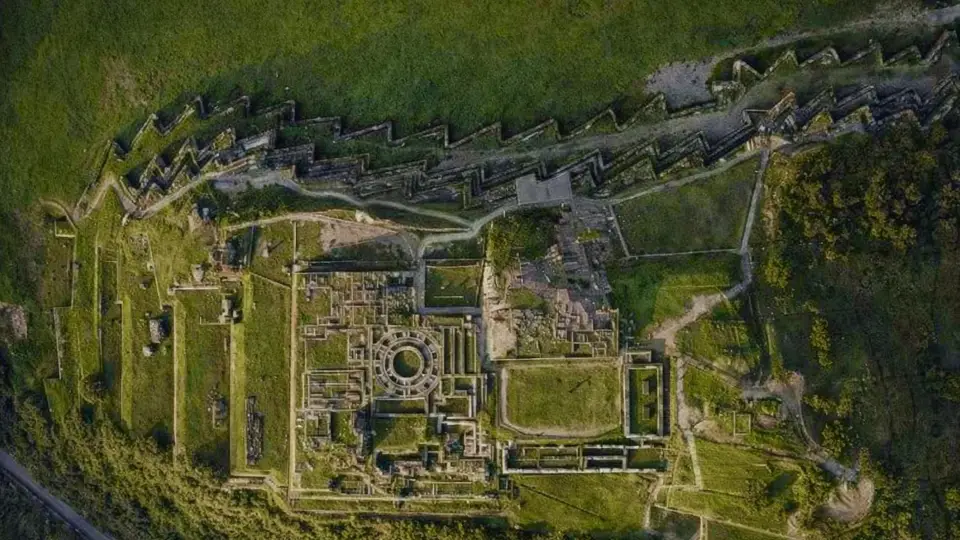
What Is Sacsayhuamán?
Sacsayhuamán is the most renowned place to visit in the city of Cusco. After Machu Picchu, it is considered the second most important religious center of the Inca civilization. A major ceremonial, political, and spiritual site of the Inca Empire, this archaeological site is truly impressive.
What Does Sacsayhuamán Mean?
Sacsayhuamán comes from the Cusco Quechua language and has multiple interpretations, such as:
- Saqsaywaman: “Satiated Falcon.”
- Saqsawaman: “Speckled Falcon.”
- Saqsauma: “Speckled Head.”
- Saxea-haman: “Stone City.”
Important Insight.
All these interpretations are linked to the falcon (waman), a sacred symbol of the Inca. The falcon was a powerful spiritual emblem for the Incas, often accompanying Inca military forces as a banner or standard in conquests. It was also a symbol of the growth and power of the Inca Empire. Through symbolic interpretation, this helps us understand and clarify the immense spiritual, cultural, and historical significance Sacsayhuamán held in Inca society.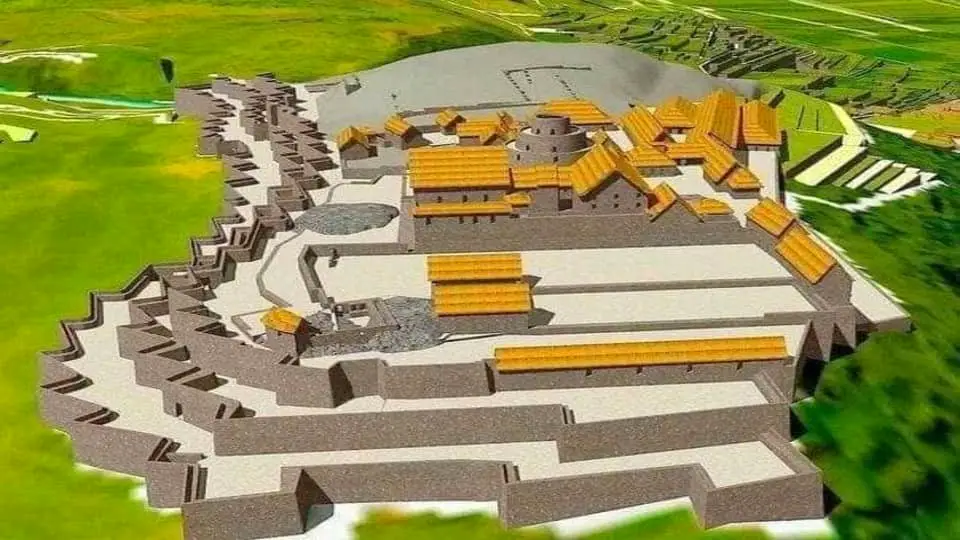
Sacsayhuamán – Where Is It?
Just 2 kilometers (1.2 miles) from Cusco’s Main Square (Plaza de Armas) is the Sacsayhuamán Archaeological Park. It lies between the districts of Cusco and San Sebastián, within the province and department of Cusco. The site is built on a hill to the north of the historic core at an altitude of 4,396 meters above sea level (14,423 ft).
What Is the Climate Like?
Sacsayhuamán experiences a dry temperate climate, with average daytime temperatures between 12°C and 15°C (54°F–59°F). Cusco region, like most of the Andean region, has two well-known seasons:
- Rainy season: November to March.
- Dry season: April to October.
Best Time to Visit.
If you choose to avoid rain, the ideal time to travel is in the dry season, which lasts from April to October. It’s a time with a much more predictable and comfortable climate and an opportunity to enjoy guided tours at a slow pace, to appreciate scenery and make the most of your visit.
How to Get to Sacsayhuamán.
Two primary fully paved, easily accessible routes to Sacsayhuamán are:
- Saphy to Sacsayhuamán Road: This road links multiple secondary access roads to Sacsayhuamán and leads on to Puka Pukara.
- Cusco to Pisac Road: This road connects routes to Tambomachay and the Sacred Valley of Pisac, beginning at Avenida Circunvalación.
Alternative Methods to Achieve Sacsayhuamán.
- On foot:
The walk is about 23 to 25 minutes from Cusco’s Plaza de Armas. Be sure to follow Suecia Street leading to Huaynapata Street and ascend the stairway to Resbalosa Street. From there, pass through the San Cristóbal neighborhood and the main road to the park’s entrance checkpoint.
- By taxi:
Quick and easy choice, it does save time. The transport route from the historic center will be about 15 to 20 minutes long.
By public transportation:
You are able to take local buses called Cristo Blanco or Señor del Huerto, for about 1 sol. Get off at the Cristo Blanco stop, after walking a few more minutes, to reach an entrance checkpoint.
With an organized tour:
And on a whim, if you want something one-on-one, in a private room or small group, we can plan you a little trip in that time. Sacsayhuamán is also included in the age-old Cusco City Tour offering you access to this ceremonial center and some other archaeological grounds in your area.
Discover the History of Sacsayhuamán.
The earliest inhabitants of Sacsayhuamán.
Long before the Inca Empire, the village was populated by pre-existent cultures, such as Killke and Lucre, according to archaeology. Under the Incas, this site was made into a powerful ceremonial and religious center. Beyond the incredible stone architecture, Sacsayhuamán challenges us to reflect on centuries worth of history, shaped by all kinds of civilizations.
More Historical Details.
Around 1100 AD, the Cusco Valley was a sparsely populated region, largely consisting of numerous tribes and small human settlements: most human beings came from indigenous tribes. At the time there was no central political authority to rule, and these groups existed in some commonality. These early communities would later be joined by other people and the pre-Inca cultures like Acamama, Sahuasiras, Antasayas and Guallas, Alcavizas, Copalimayta, and Culunchimas helped them be part of the cultural diversity in the valley even before the Inca state.
Sacsayhuamán after the arrival of the Incas.
The Inca ruler Yupanqui, enriching the Qoricancha Temple in Cusco, later thought of building a second Temple of the Sun, one that would be particularly luxurious, but also protect Inca wealth. Inca Pachacútec later realized this ambitious idea and remade Cusco, dividing it into Hanan Qosqo (Upper Cusco) and Hurin Qosqo (Lower Cusco). According to his chronicles, Pachacútec himself mapped out the ideal design of the House of the Sun, which would be encircled by the Saphi and Tullumayu rivers, forming the ceremonial and symbolic nucleus of the Inca capital.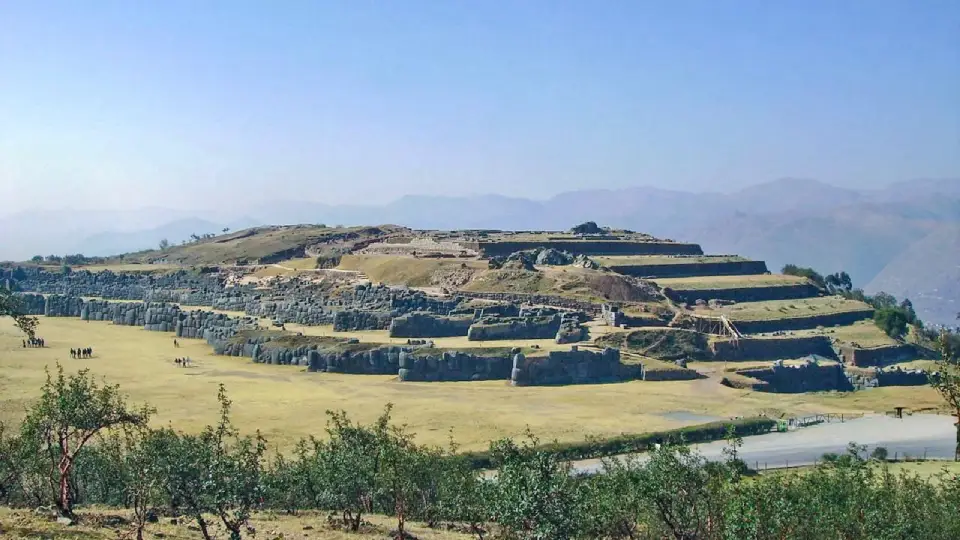
Who Built Sacsayhuamán?
It was built by Inca Pachacútec, who in the late 14th century and early 15th century, initiated Sacsayhuamán construction. His visionary planning laid the groundwork for what would become one of the Inca Empire’s most impressive pieces of architecture. Sacsayhuamán was for Pachacútec not only a monumental structure that he would oversee, but also a powerful religious and ceremonial center overlooking Cusco.
Túpac Inca Yupanqui and Huayna Cápac later built more: the large stone walls that continue to fascinate people today. When the Spanish landed in the 16th century, Inca Huáscar remained in charge of ongoing work, which is why Sacsayhuamán was never fully completed. That makes the remarkable Inca sanctuary an incomplete masterpiece, one that still mirrors the grandeur, engineering skill and spiritual importance of the Inca civilization.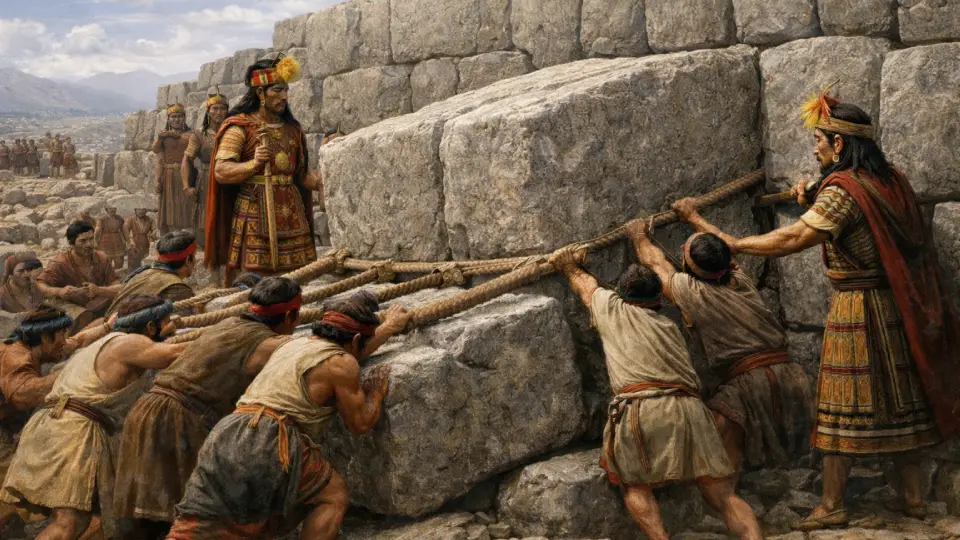
Inca Architects Behind the Construction of Sacsayhuamán
The masterminds of this amazing monument were geniuses of Inca architecture. Huallpa Rimachi Inca Apu was one of the leading players who conceived Sacsayhuamán’s original plan and succeeded the Inca architect Maricanchi. The project was later continued and supervised by Acahuana Inca, to whom the construction of the great buildings influenced by Tiahuanaco architecture is attributed. The work, eventually, went on under Calla Cunchuy, who undertook the arduous task of transporting the enormous cyclopean stones that define Sacsayhuamán’s massive walls.
The Workforce That Built Sacsayhuamán.
The construction of Sacsayhuamán involved an estimated 20,000 mitmas, who were brought from across the provinces of the Tawantinsuyu through the mita system, a rotating labor system created by the Inca state. Such workers were then meticulously categorized into specialized groups to enhance their efficiency:
- There were 4,000 stone quarrying and carving workers.
- At least 6,000 workers carried the massive stone blocks with the help of ropes made of leather and cabuya fiber.
- The other workers dug foundation trenches and readied the roads to carry the stones.
- Other laborers cut wooden logs, which served as scaffolding and supports, proving the remarkable amount of coordination and collective effort put into it.
This enormous coordination demonstrates the superior administrative and engineering capabilities of the Inca civilization.
Religious Importance of Sacsayhuamán
Sacsayhuamán was constructed as a great ceremonial sanctuary devoted primarily to Inti, the Sun God. At the highest points of its fortifications stood five huacas (sacred shrines) used for special rituals. These were sacred spaces that only high priests and members of the Inca royal family could enter to perform ceremonies and present offerings, confirming Sacsayhuamán as a significant spiritual center of the Andean world.
Important Fact
Ceremonies at Sacsayhuamán also honored not only Inti, but Wiracocha, the creator god, and the God of Thunder. This explains why every corner of Sacsayhuamán feels deeply sacred and spiritually charged, even today.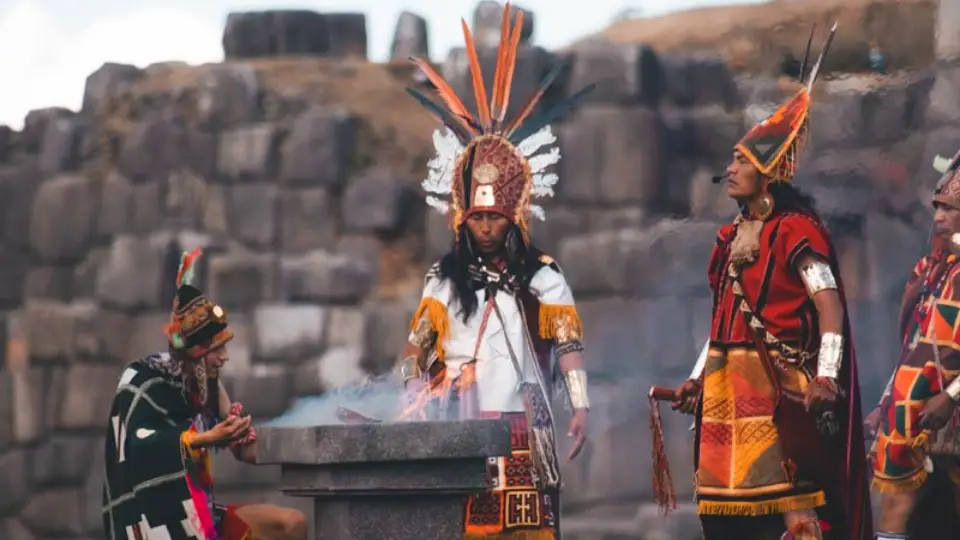
Sacsayhuamán astronomy and spirituality.
Sacsayhuamán not only had an exalted place spiritually, it also performed a vital astronomical service. Its ceremonial settings, the towers (torreones) and others that served as the towers, also enabled the high priests to look up at the Andean constellations and see the shadows. By studying these characteristics, they derived precise solstices, equinoxes, and lunar cycles; all necessary for agriculture, rites, and the planning of the Inca calendar.
Did You Know?
The lines of Sacsayhuamán’s structures are nearly in the same direction as they go towards the sacred Apus of Mount Pitusiray and Mount Sawasiray. Not only was Sacsayhuamán a spiritual point for the earth but also the sky, and in return for the asceticism of such a central city, it helped cement it as one of the great cosmic and spiritual icons of ancient times.
How long did it take for the building of Sacsayhuamán?
Construction of Sacsayhuamán was an effort of several generations across approximately 70 years, spanning decades of Inca rulers’ and builders’ hands. This long build time explains the exceptional level of precision, planning, and group effort that one can still admire to this day, the construction of Sacsayhuamán being one of the most significant achievements of the Inca engineering and sacred architecture.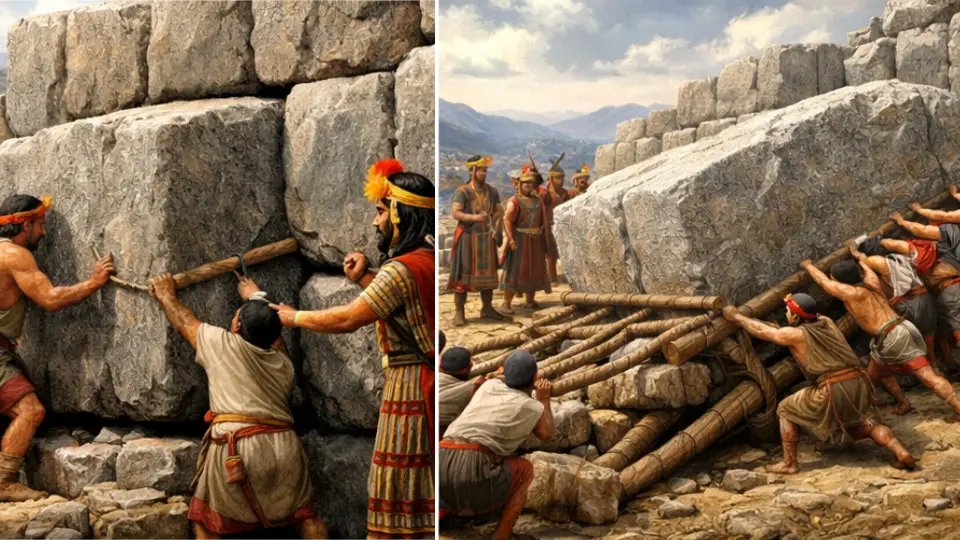
What Was Saqsaywaman Built For?
Sacsayhuamán was originally built as a sacred worship place dedicated to the god Illapa, the Andean deity of thunder, lightning, and rain. The temple also served as a House of the Sun for Taita Inti, the supreme god in Inca culture. Then came the colonial period, and with it came a strategic fortress, a construction with several ceremonial, religious, and military functions over the centuries.
Sacsayhuamán: Important Ceremonies
- Tinku (Ritual of Encounter): The Tinku ceremonies of Pachacútec were symbolic encounters and sacred confrontations. These gatherings were highly spiritual and were thought to restore balance and harmony between communities and the environment.
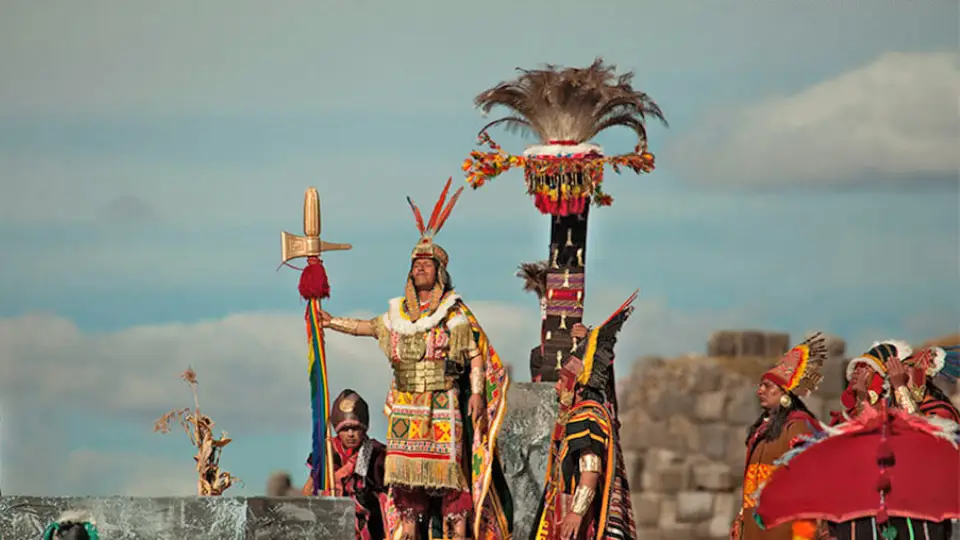
- Inti Raymi: Festival of the Sun Inti Raymi is the principal Inca ceremony and is celebrated on June 24th, during the winter solstice. Presented on the towering Sacsayhuamán esplanade, the spectacular reenactment of the annual festival also includes music and dances for the Inca peoples as well as ceremonial rituals, bringing the majesty of the Inca Empire alive for over two hours. The ceremony is devoted to the Sun God and ushers in the renewal of the farming cycle.
- Warachikuy: Rite of Passage Warachikuy was an ancient initiation ritual commemorating September 15th and marked the passage from child to adult life. Youth underwent rigorous tests of strength, endurance, and courage before they would be awarded the “wara,” a symbolic garment indicating maturity and preparedness for adult duties.
- Offering to Pachamama: On August 1st, Andean communities perform an ancestral ceremony called Offering to Pachamama (Mother Earth). In this ritual, they thank for the bountiful harvest they received from nature throughout the year, reaffirming that humans are sacred to Nature.
Colonial Period.
Sacsayhuamán was considered a military fortress for the Spanish conquerors after Manco Inca led a major military resistance from this site against the Spanish invasion, turning the previous House of the Sun into a stronghold of Inca resistance.
Key Historical Events.
Upon the establishment of Cusco on March 13, 1534, and the distribution of land in 1559, the region of Sacsayhuamán was incorporated into the parishes of San Blas and San Cristóbal, and to a lesser extent, San Sebastián.
From 1635 to 1641, Sacsayhuamán endured devastating casualties from the Spanish campaigns to exterminate native religious values at the behest of the Spanish Crown. This caused Inca temples, huacas, and mummies to be destroyed in an effort to spread Catholicism through mass baptisms, resulting in the abandonment of many ancestral practices.
Also, as it was nearby to the city, the archaeological complex was utilized as a stone quarry. Many of its massive blocks were removed and reused for construction in the construction of Cusco Cathedral and many colonial mansions, thus leading to a dramatic loss of the original monument.
Did You Know?
In the colonial period, the veneration of the cross was forced into this tradition, which became known as “Cruz Velacuy.” This ceremony occurs every May 3rd in the Cruz Moqo area and represents the triumph of Catholic faith over the mythical Andean deities.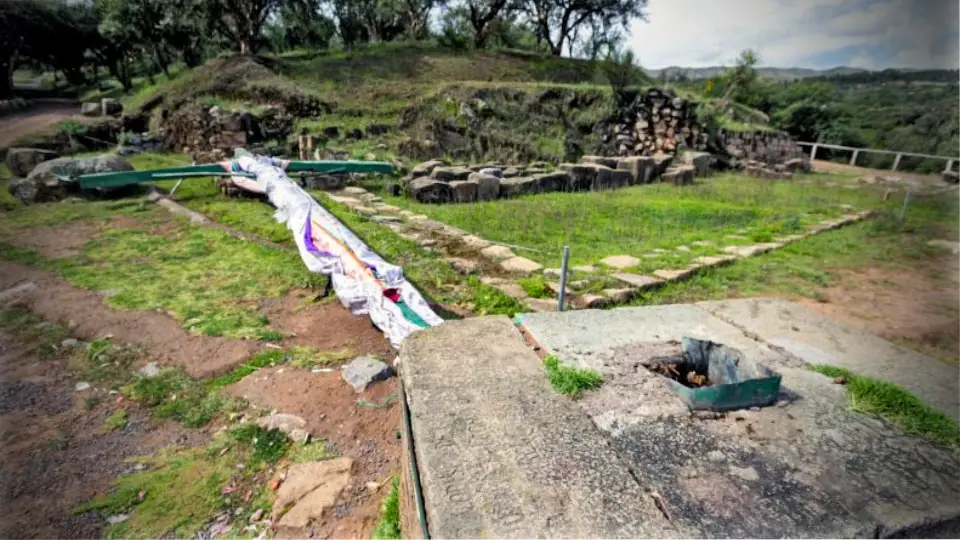
Curious Fact about Sacsayhuamán
The design of the Sacsayhuamán complex is part of the symbolic shape of a puma, as Sacsayhuamán represents the head of Cusco. According to Inca tradition, the city of Cusco was carefully planned in the form of this sacred animal, which symbolized power, protection, and strength.
Republican Period
After Peru’s Independence in the 19th century, Sacsayhuamán began to attract the attention of foreign travelers and scholars, who produced the first detailed descriptions of the site. In 1865, E. George Squier created one of the earliest plans of the fortress, illustrating sectors such as Suchuna and the Inca’s Throne (Silla del Inca), helping to spread awareness of its historical and archaeological importance worldwide.
Interesting Fact
During the 20th century, especially around national holiday celebrations, the heroic and tragic act of Cahuide was dramatically reenacted at Sacsayhuamán. The Quechua-language drama Ollantay was also performed here, and in 1945, the Inti Raymi festival was staged theatrically for the first time, marking the beginning of one of Cusco’s most iconic cultural celebrations.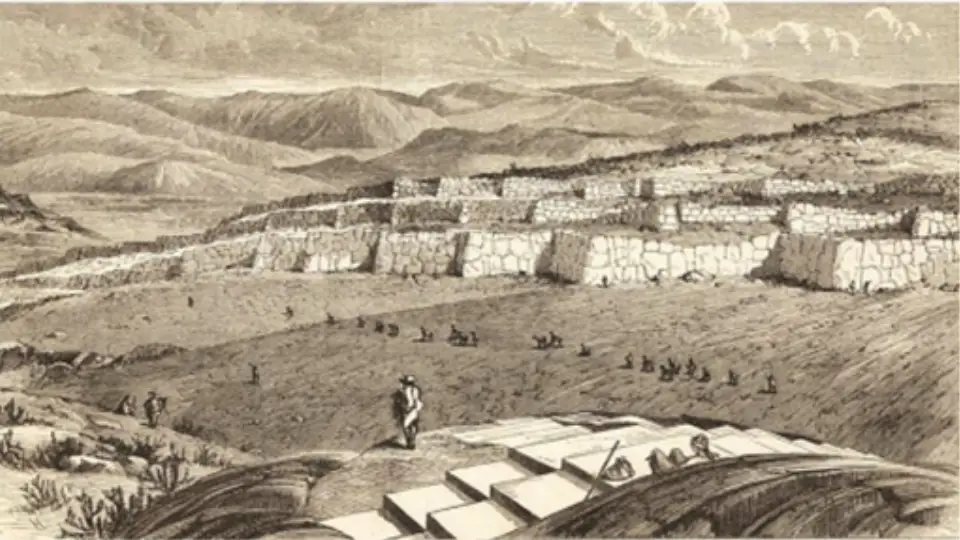
Sacsayhuamán Today.
- On July 11, 1982, the National Institute of Culture (INC) of Cusco declared 3,093.83 hectares within the Sacsayhuamán archaeological complex as a protected area.
- On May 27, 2002, the National Archaeological Park of Sacsayhuamán was designated as Cultural Heritage of the Nation, solidifying its historical, cultural, and symbolic significance for Peru.
- Sacsayhuamán is the main stage where the main cultural festival of the land, Inti Raymi, is re-enacted today. Visiting the land on June 24, this festival opens and people go to see the splendour of the Inca music, rites and legendary story as they were brought to life.
Architectural Wonders of Sacsayhuamán
How was the temple’s construction started?
For a start, the Incas reshaped the hill by constructing stepped terraces that reinforced and stabilized the terrain. Then, with stunning engineering talent, they diverted the Saphi and Tullumayu rivers. Finally, they built the Temple of the Sun, completing an architectural masterpiece of urban and ceremonial planning.
As such, Sacsayhuamán was the so-called “head” of Cusco, which stood for power, order, and ancestral wisdom and became a basic element of the sacred layout of the Inca capital.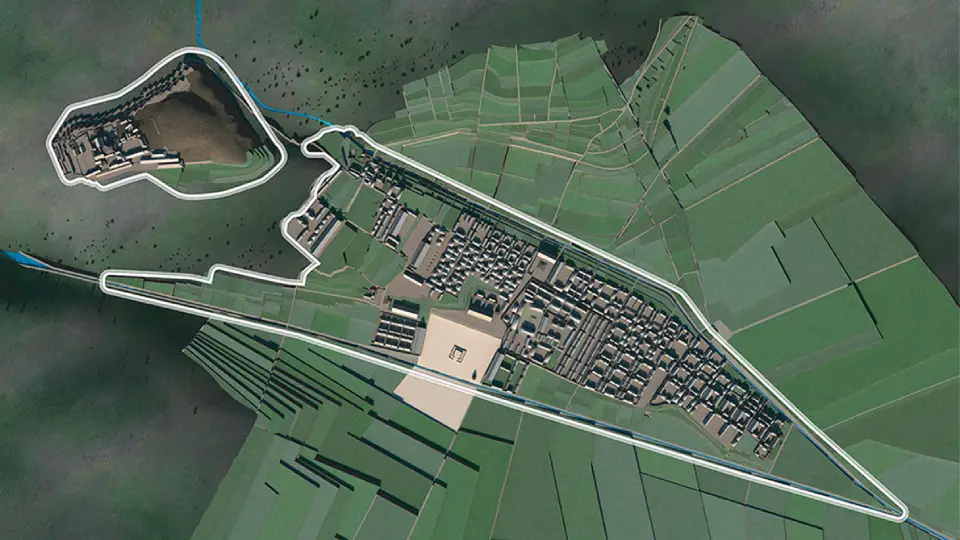
Where did these huge stones come from?
The stones were quarried from nearby sites like Rumiqolqa, Huacoto, and Suchuna. Then skilled Inca stonemasons shaped them using hard stone tools made of hematite and basalt, achieving such an extraordinary level of precision that the joints fit perfectly, leaving the world in shock to this day.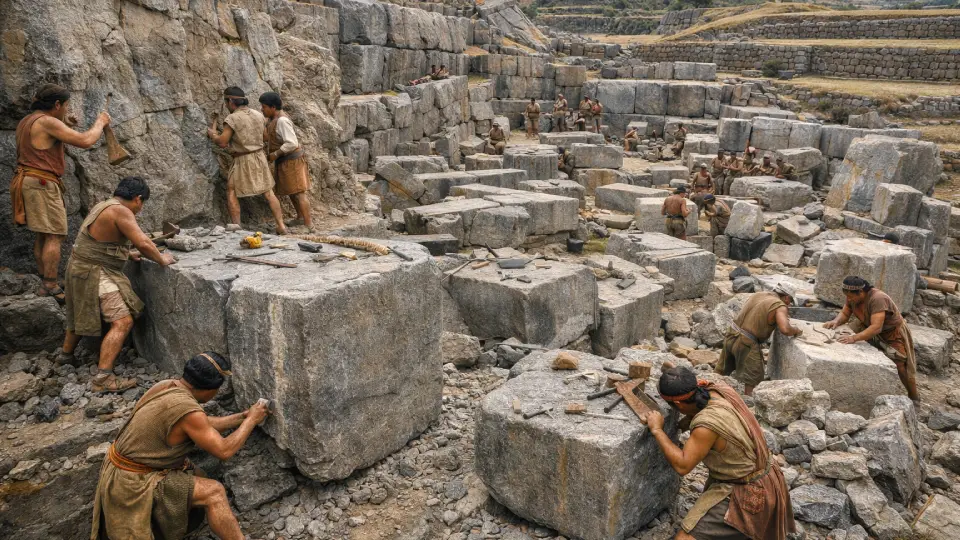
How did they move such huge stone blocks?
It is as incredible as it sounds, but the massive stone blocks were transported with wooden rollers and rounded stones, secured with ropes made from straw and animal hide. Smaller stones were carried on workers’ backs or lifted on wooden scaffolds by groups of laborers. This was an outstanding achievement of teamwork, organization, collaboration in the field and the engineering skills of the Inca civilization.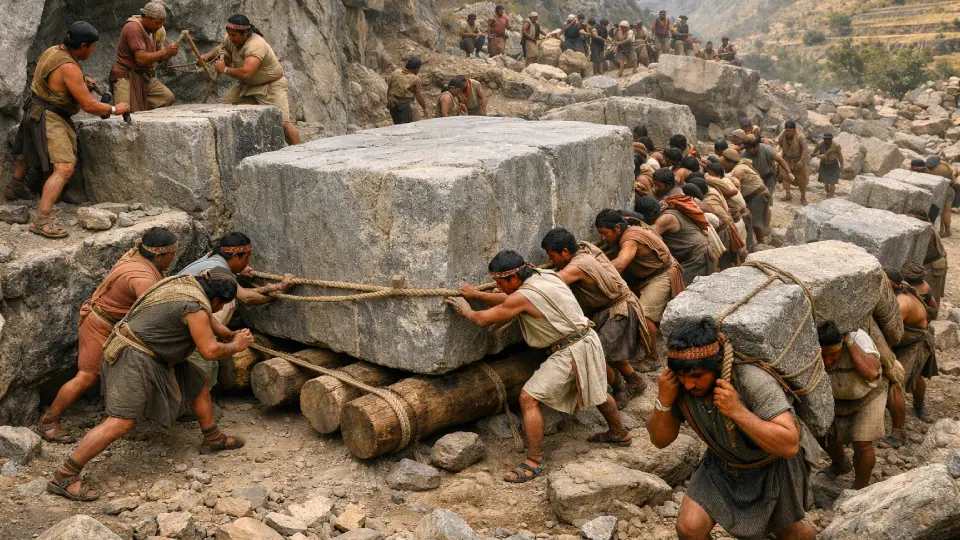
The secret to precisely fitting walls
The Incas built earthen ramps and carefully rearranged the stones one after another until they fit where they were supposed to, each stone block was mounted in a unique position. Smaller and medium-sized stones were carried on workers’ backs or on wooden scaffolds supported by two or more men. This detailed process produced the level of precision that has captivated engineers and visitors since antiquity.
Curious fact
Certain rocks were already protruding from the ground, and rather than removing them, the Incas cleverly shaped, polished, and integrated them into the building. In some spots, they even carved stone slides directly into the living rock. Nothing was lost, took care to incorporate the land into the design.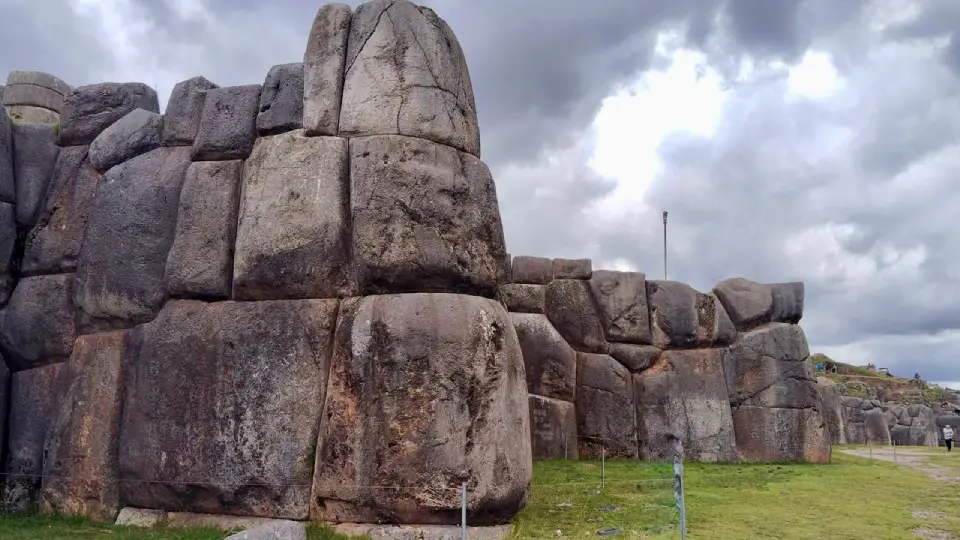
Materials that hold up to the test of time
Green andesite, diorite, quartzite, basalt, and limestone were the commonly used materials chosen by the Incas to create strong, long-lasting constructions that have endured for centuries and remain standing to this day.
Details that make the difference
All stone blocks were carved and polished using sand and water, applying techniques of abrasion and percussion with the aid of copper and bronze tools. Through patience and precision, the Incas achieved smooth surfaces and joints so exact that they fit together flawlessly. Undoubtedly, it was a true masterpiece crafted entirely by hand.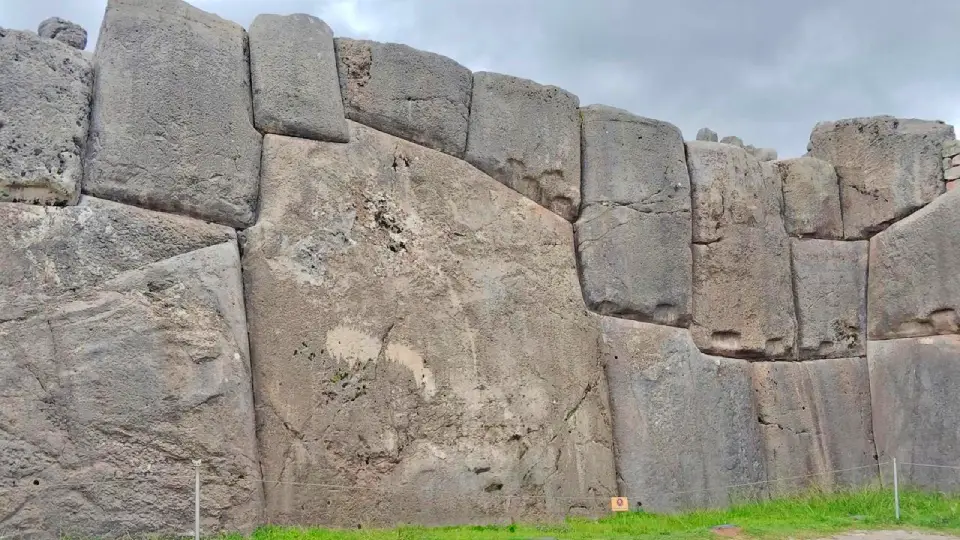
What is the special thing in Sacsayhuamán?
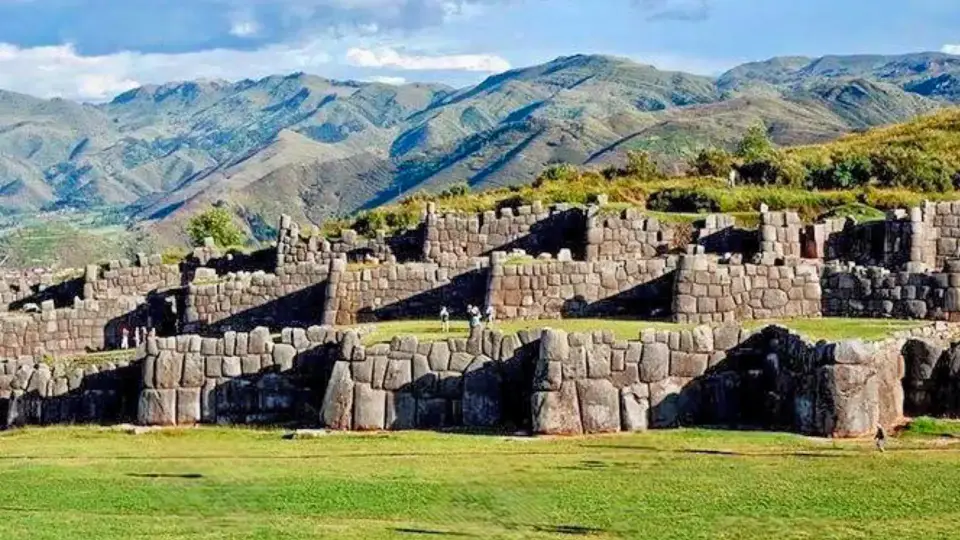
Sacsayhuamán is famous for its massive zigzag walls, some extending up to 600 meters long. Some stone blocks exceed 9 meters in height, weighing several tons. The site's underground drainage system protects it from flooding during the rainy season. Its specific design suggests a highly sophisticated society, and it's also the only one of its kind; temples, squares, and hallowed ground have been incorporated into one complex.
How Did the Incas Build Something So Powerful?
The Inca’s engineering at Sacsayhuamán consists of towering stones that are shaped perfectly together, generating buildings that have persisted for centuries. Their solutions were practical and smart and they maximized everything in space. Strolling within these walls is incredibly cool, and gives an idea of how well the Incas architected and engineered.
Oral Traditions
The Story of the Great Chinkana.
Local customs tell the story of two young men who decided to step into the mysterious Great Chinkana. They left for 15 days before they appeared–strikingly–on the way into the Santo Domingo Temple (Qoricancha) mass. At a moment’s notice, the priests pulled open an ancient sealed door to find the young man, a corpse with a golden ear of corn. Later this gold was used as a crown for the Virgin, an element that added a mystical dimension to the history of the site.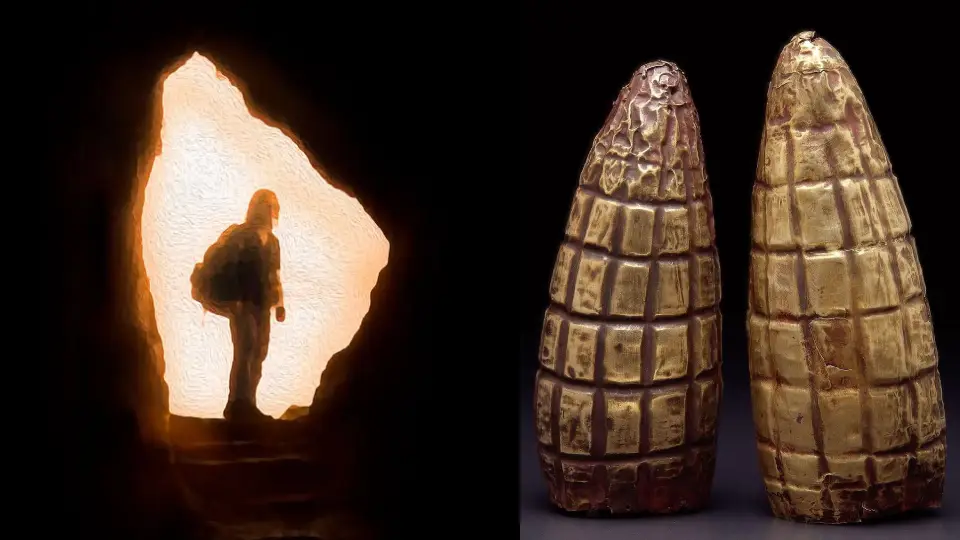
Belief in Goblins at Puqro.
In the Puqro area within Sacsayhuamán, small mischievous goblins live among the springs, huacas, and agricultural terraces. Although they mostly play harmless tricks, those who have seen them say that their sudden appearances can give quite a fright, especially as evening falls.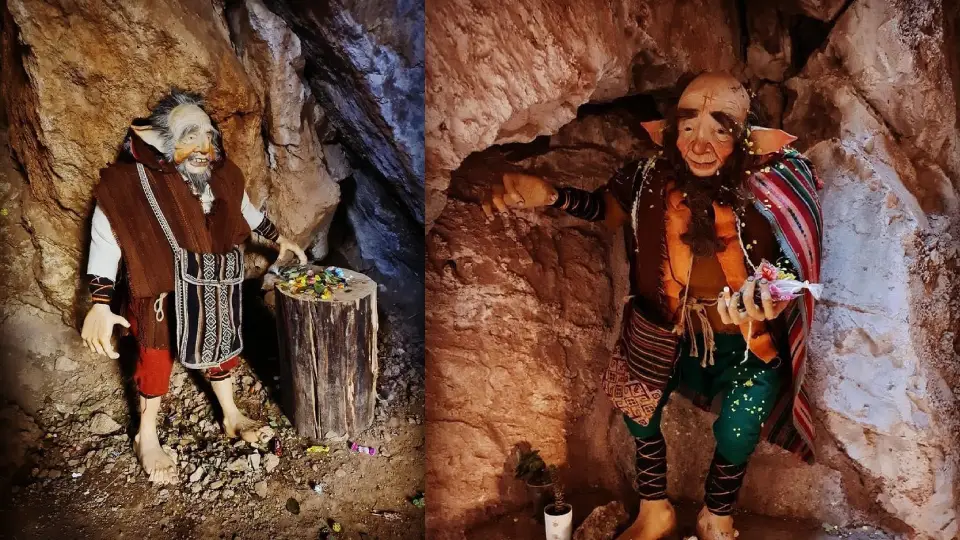
Tourist Attractions at Sacsayhuamán
The Legendary Zigzag Walls
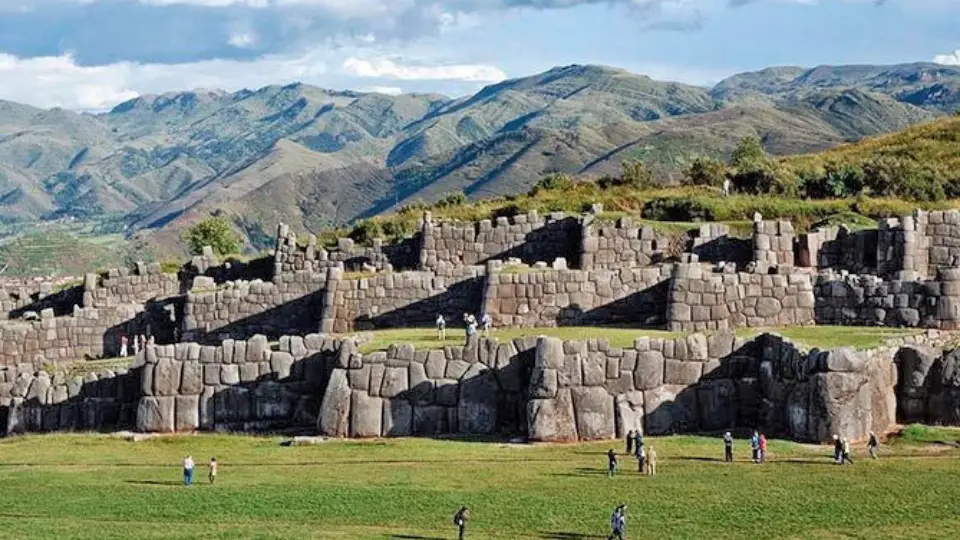
One of the first elements introduced to visitors at Sacsayhuamán is its well-known zigzag walls, an astonishing display of Inca ingenuity and construction. Some of these huge stone walls could be as much as 600 meters long and were built of massive limestone blocks, most weighing several tons, which were laid smoothly without mortar. For centuries, the walls have been resistant to earthquakes due to this exact stonework, a testament to the sheer talent of the Inca builders.
The stones contain various marine fossils over 145 million years old that still remain on the walls, turning them into a natural history museum as well as a cultural wonder. The zigzag shape is believed to depict Illapa, the Andean god of thunder, or the sacred Amaru serpent, symbolically protecting the fortress and surrounding area.
Interesting Features of the Walls:
- Stone Doors: Some walls contain levadizas, movable stone doors showing tactical and ceremonial ingenuity.
- Natural Integration: The Incas creatively incorporated natural rock formations into the walls, and polished them accordingly for fluid geometry.
- Spiritual Significance: These walls are more than mere defense; they are linked with sacred mountains (Apus) and heavenly events which tie the fortress to the natural world and spiritual significance alike.
Following the path along their zigzag walls, those visitors can almost perceive the ancient priests, warriors, and craftsmen whose decades of work were gone on creating this masterpiece. These walls are more than architecture; they are a story in stone, the merging of power, spiritualism and high modern engineering.
Fun Fact
- Each wall at Sacsayhuamán had its own movable stone door, known as a levadiza, showcasing the incredible ingenuity of Inca engineering.
- According to Andean tradition, the zigzag walls symbolize Illapa, the god of thunder, or the sacred Amaru serpent, serving as spiritual protectors of the entire complex. These walls were not just defensive structures, they combined ceremonial power, symbolism, and practical function, reflecting the Incas’ deep connection between architecture and spirituality.
The Torreons of Sacsayhuamán.
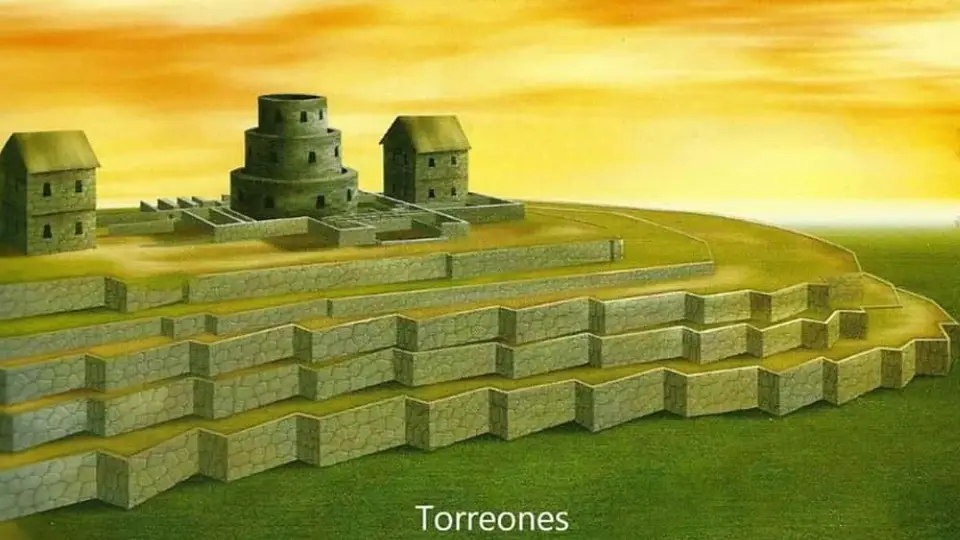
Sacsayhuamán had three primary torreons (fortified towers) with three distinctive, important roles. The most notable one, Muyucmarca, was circular and even included a water source. According to accounts, Inca kings would spend time here in luxuriant settings covered with gold and silver, emphasizing the tower’s ceremonial and lofty purpose. Paucarmarca and Sayacmarca were also strategically equipped for vigilance, storage, and ritual activities and were thus key for defense, and sacred ceremonies.
Fun Fact.
Legend has it that secret tunnels, or chinkanas, ran beneath these torreons, connecting Sacsayhuamán directly to the sacred Qoricancha temple in Cusco. These secret tunnels don’t just suggest sophistication in the Incas' construction; they're the source of mystery and imagination that go on to satisfy the needs of both travelers and archaeologists alike. In this light, the torreons were not only architectural wonders but also powerful centers of spiritual, political and tactical energy in the empire of the Incas.
The Esplanade
This vast open space, historically called Mascabamba or Caxapampa, has always been the center of ceremonial life in Sacsayhuamán. Today, it is the setting for Inti Raymi, the Festival of the Sun, and Warachikuy, the coming-of-age ritual for Inca youth. Beyond its ceremonial importance, the esplanade is an ideal area to sit, relax, and connect with the energy of Pachamama, the Andean Mother Earth, while taking in the stunning views of Cusco and the surrounding Andes. When you’re walking here, you can almost hear the ancient celebrations ringing through those stones.
Suchuna: The Stone Slide
At Suchuna, you will find a natural stone slide carved into the rock that delights visitors of all ages today. But during Inca times, this was no ordinary playground, it was a sacred huaca within the Ceque system known as Sabacurinca. Children and adults alike would interact with this site, combining ritual, play, and spirituality in a unique way. Sliding across these ancient stones, you’re not just indulging in a fun adventure, you’re moving into a location where sacred traditions and the ingenuity of the Inca civilization collide.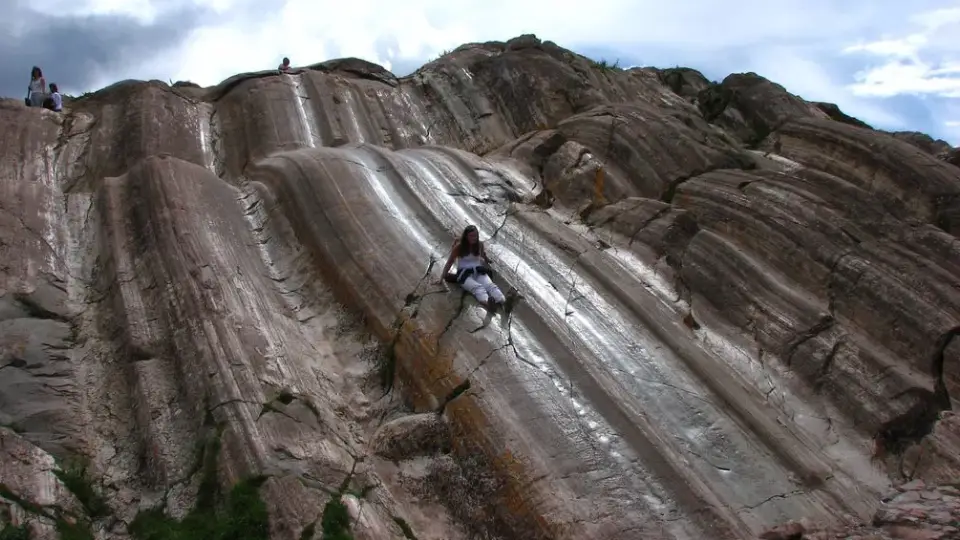
The Inca Throne: Kusillucjincana.
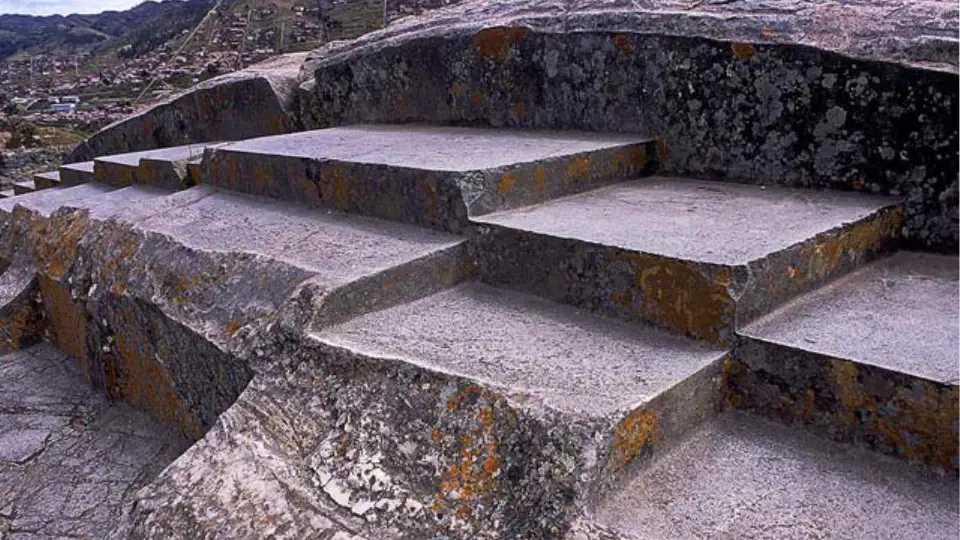
At the top of the Suchuna hill, you find stepped stone seats that look like pyramids, called the Inca Throne or Kusillucjincana. From this elevated vantage point, Incas were able to perform important ceremonies and watch the entire Sacsayhuamán complex, ensuring all rituals remained perfectly performed.
Interesting Details.
Nearby, you’ll find reflecting pools, exquisitely carved terraces and a series of precisely cut stone blocks, all evocative of the Incas’ extraordinary architectural genius and attention to detail. This space is a masterwork of function, ritual and artistry that allows visitors today to feel the spiritual and political significance that these spaces held centuries ago.
Qhapaq Qocha
The Sacred Reservoir. Originally intended for use as a water reservoir, Qhapaq Qocha became a ceremonial space that had stone-carved niches facing south and intricately designed channels for water flow, as converted by the Incas into a sacred space. This seamless merging of function and ritual significance embodies the Incas’ extraordinary blending of engineering and spiritual values.
Did you know?
Archaeologists found remains of young warriors at this site, implying that Qhapaq Qocha was closely tied to the Warachikuy rites, where youth were assessed for their strength, bravery, and preparedness to serve Inca society. This site welcomes visitors to contemplate the sacred rites of the past alongside the genius of Inca hydraulic engineering.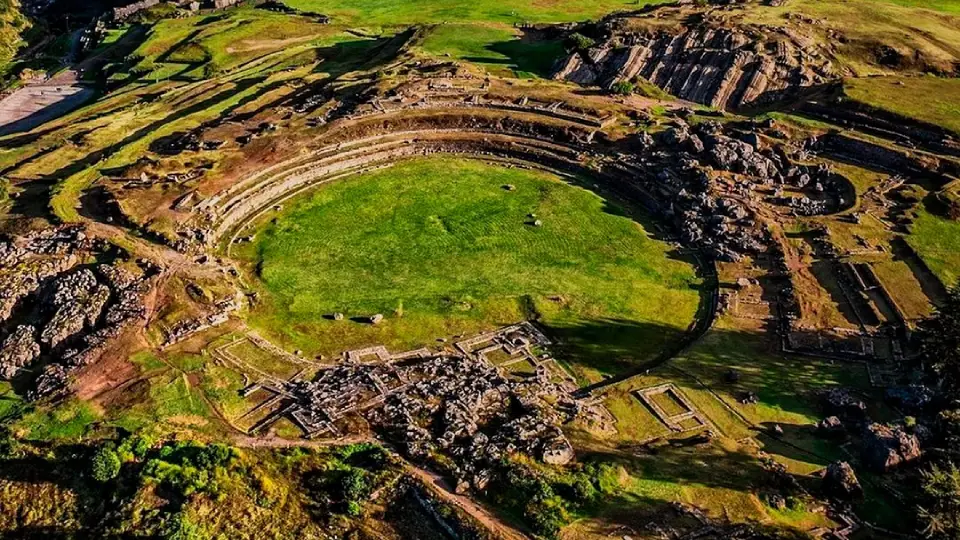
The Sacsayhuamán Gates.
Although the Sacsayhuamán complex originally featured 15 gates, visitors now recognize four main entrances, each with its own historical and ceremonial significance:
- Tiopunku: The Sandy Gate: Likely used for practical access and movement within the complex.
- Acahuanapunku: The Master Builder’s Gate: Named to honor the master architects who designed and built this remarkable fortress.
- Wiracochapunku: The Gate of Wiracocha: Dedicated to Wiracocha, the supreme Inca deity, reflecting the spiritual importance of Sacsayhuamán.
- Rumipunku: The Stone Gate: Symbolizing strength and permanence, this gate showcases the Incas’ legendary stonework.
These gates were more than entrances, they represented spiritual, cultural, and strategic functions, guiding both everyday life and ceremonial activities within the fortress.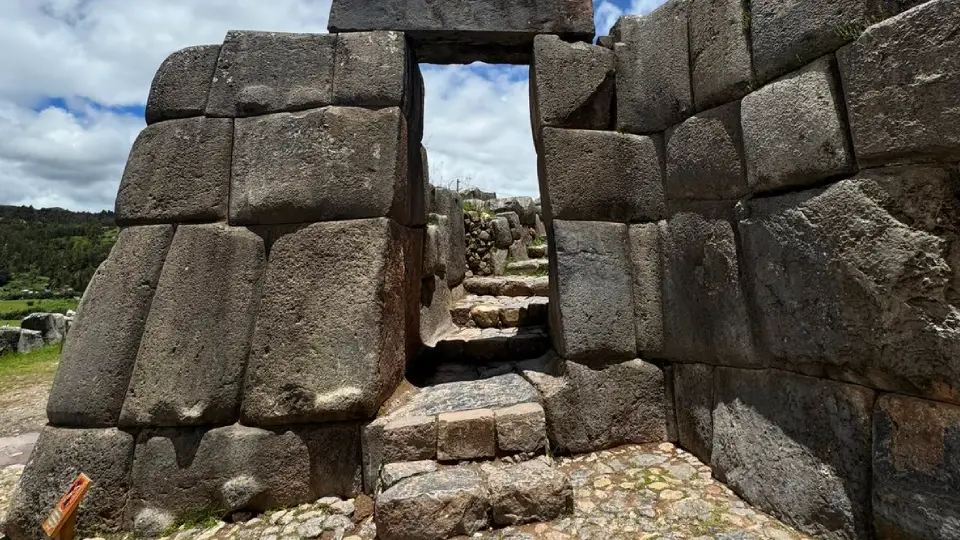
The Torreons of Sacsayhuamán.
At the very top of Sacsayhuamán there are the remains of three incredible torreons with stories, courage and intrigue, each of which has a specific role in the complex.
- Muyucmarca: The Tower of Cahuide: A circular tower that symbolizes bravery and resistance. The brave general Titu Cusi Huallpa, aka Cahuide, leapt to his death from this tower in front of the Spanish invaders during the Inca rebellion of 1536 instead of surrendering. Today Muyucmarca is the embodiment of the Inca warriors' spirit and valor.
- Paucarmarca: Rectangular shape, a name that roughly translates to “festive place” or “beautiful garden.” Other than its decorative features, Paucarmarca served as a strategic lookout, helping protect both the city of Cusco and the Sacsayhuamán fortress itself.
- Sayacmarca: This tower was used for a practical and a spiritual purpose. As a watchtower and storage area there, Sayacmarca not only hosted rituals, the Inca gods received offerings on this sacred site, thus reinforcing the sacred energy and spiritual importance within the Inca civilization.
In combination, these three torreons tell the story of the impressive engineering expertise, rituals and heroic heritage of the Incas, and represent not just one stone landmark but also a life mark for any tourist to Sacsayhuamán.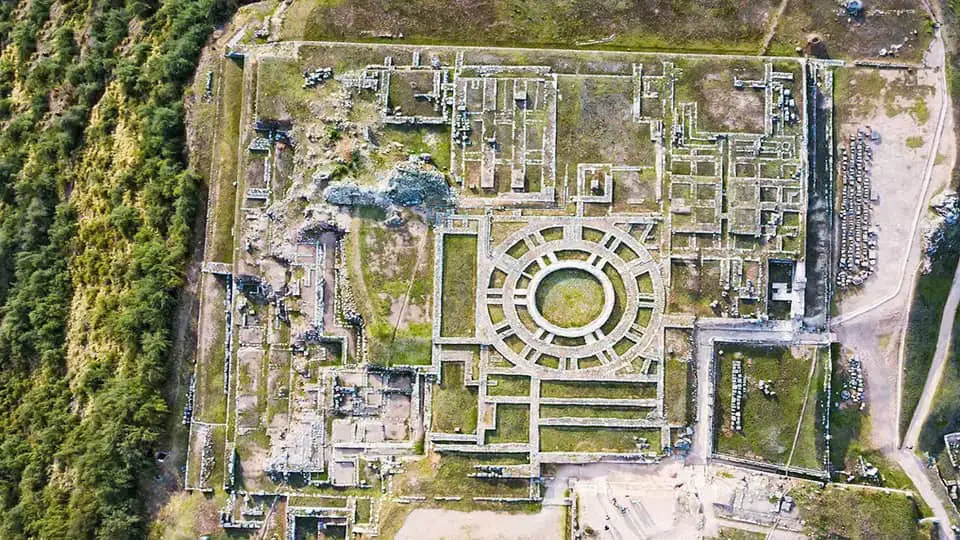
The Small Chinkana.
About 260 meters north of Chuquipampa, visitors will spot a narrow tunnel carved in limestone that is approximately 20 meters long. Its mysterious origin and purpose have fascinated both travelers and archaeologists alike.
Fascinating fact:
The passage originally served as a simple drainage canal for the Qocha reservoir. However, the Incas transformed it into a sacred ceremonial space connected to the Uku Pacha, the underworld in Andean cosmology. Here, priests performed rituals to bridge the human world with the spiritual realm, highlighting the profound spiritual dimension of Sacsayhuamán.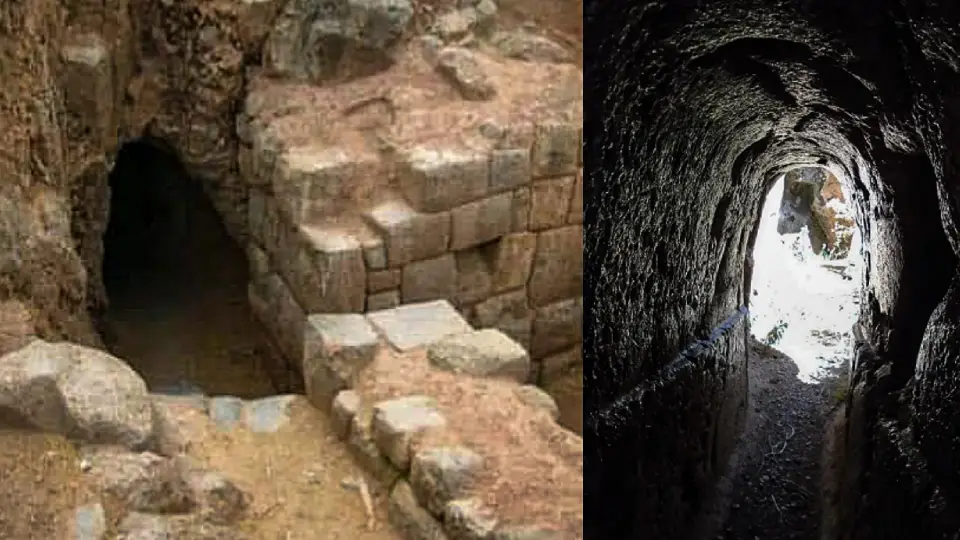
The Great Chinkana.
The Tunnel of Mystery. At a mere 450 m north of Qhapaq Qocha, beneath a giant rock formation, is the Great Chinkana, an inscrutable tunnel that instantly piques curiosity. When you peer in a little bit, you see in the entrance stone seats, stepping places, niches and stairways and finely carved animal figures that are all evidence this was a special rite here in the Inca period.
An unexpected fact.
Archaeologists still visit these galleries today, investigating them in an effort to establish the existence of secrets that may have led to these underground tunnels that linked Sacsayhuamán with Qoricancha and other sacred Inca sites. It is this enduring mystery that makes the Great Chinkana one of the most fascinating and enigmatic parts of the complex, blending history, spirituality, and adventure in one incredible location.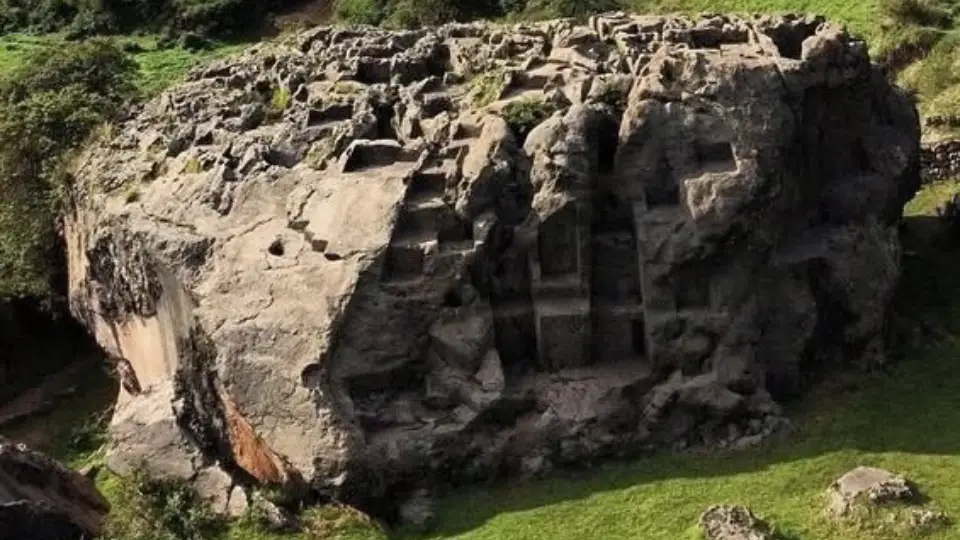
Puqro.
Surrounded by terraced pathways and stairways, Puqro is an interesting site and links directly to the renowned Qhapaq Ñan, the extensive Inca road network. These ancient roads led into Antisuyo and key sites such as Yucay, Huchuy Qosqo and Umasbamba, highlighting the strategic and ceremonial importance of this sector.
Cyclopean Walls.
Throughout Sacsayhuamán, you’ll see huge stones weighing more than 120 tons and up to 4 metres high. What makes these walls really impressive is that many of the stones were carved directly in place, offering the fortification extraordinary stability against earthquakes and centuries of natural wear.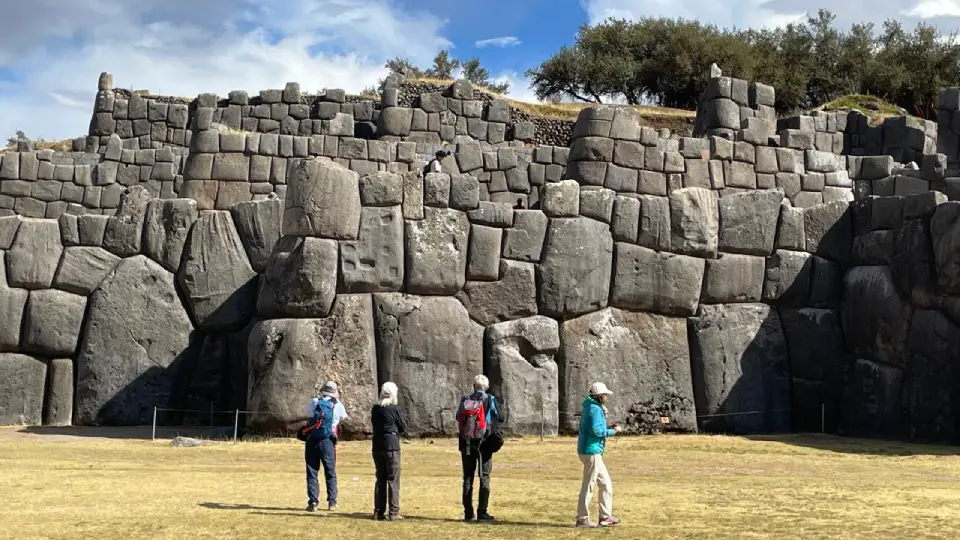
Tips and Recommendations for Visiting Sacsayhuamán
How to Enter Sacsayhuamán?
To explore Sacsayhuamán, it is highly recommended to purchase the Cusco Tourist Ticket (Boleto Turístico del Cusco), as individual entry tickets to the site are no longer available. This ticket gives you access not only to Sacsayhuamán but also to several other key archaeological sites in the region.
|
Ticket Prices for Sacsayhuamán |
||
| Full Ticket (10 days) | S/ 130 soles Foreigners | S/ 70 soles Peruvians |
| Partial Ticket (1 day) | S/ 70 soles Foreigners | S/ 40 soles Peruvians |
Where to Buy Your Tickets?
Purchasing your tickets is simple and convenient. You have several authorized options to choose from:
- COSITUC Central Office: Av. El Sol 103, open from 8:00 a.m. to 5:30 p.m.
- Sacsayhuamán Entrance Booth: Perfect for visitors who want to go directly to the site.
- Authorized Travel Agencies: These agencies like Qoricancha Expeditions can also help you plan and organize your entire itinerary, including guided tours and transportation.
Important Note:
The Cusco Tourist Ticket is personal and non-transferable. Every visitor must carry their own ticket and valid ID when entering Sacsayhuamán.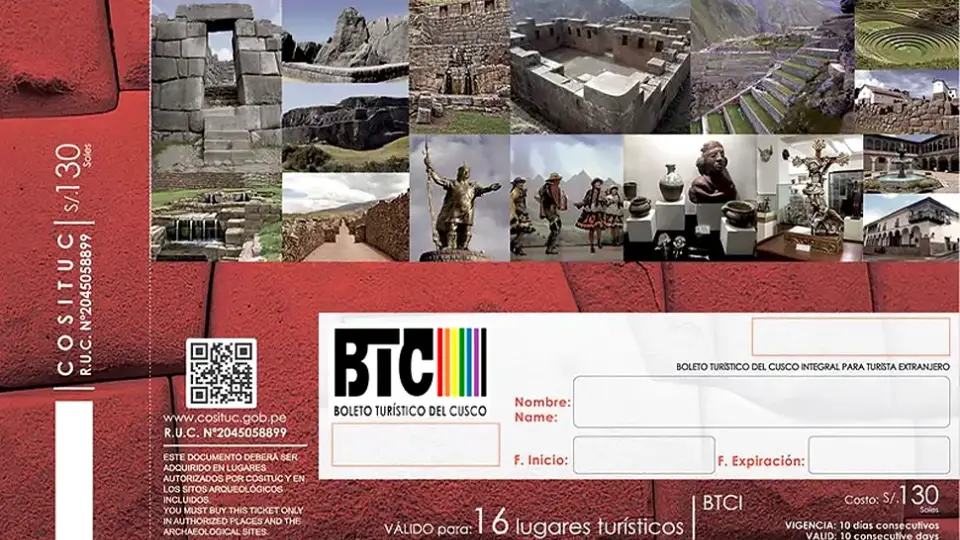
Tips for Visiting Sacsayhuamán
To ensure your visit to Sacsayhuamán is comfortable, safe, and unforgettable, don’t forget to bring:
- Your entry ticket and original ID
- A wide-brimmed hat and sunglasses
- Comfortable walking shoes or trekking boots
- Sunscreen
- A water bottle
- Snacks or nuts
- A fully charged phone
- A camera with extra batteries
- Cash in small bills
Nearby Circuits and Attractions.
When you are in Cusco visit other sites that complement your Sacsayhuamán and visit some nearby sites. It’s all nearby, in a way:
- Qenqo: Classic ceremonial center for sacred rituals practiced by Incas.
- Puka Pukara: A fortress with terraces, water channels, and spectacular views of the valley.
- Tambomachay: The Temple of Water, ideal to immerse yourself in the energy of this location.
- Balcón del Diablo (Chacán): Perfect for thrill-seekers with rappelling, mountain biking, ATVs.
- Qoricancha: The most important temple for Inti, the Sun God.
- Cusco Cathedral: A historical treasure with stunning paintings of the Cusco School.
- Cusco Museums: Inca Museum, Pre-Columbian Art Museum, Garcilaso Museum, and more.
- Traditional Neighborhoods: Wander through San Blas, San Cristóbal and Santa Ana, full of history, art and charm.
Visiting Sacsayhuamán is just the beginning, combine it with nearby archaeological sites, cultural landmarks, and local neighborhoods to create a truly immersive experience of Cusco and the Andes.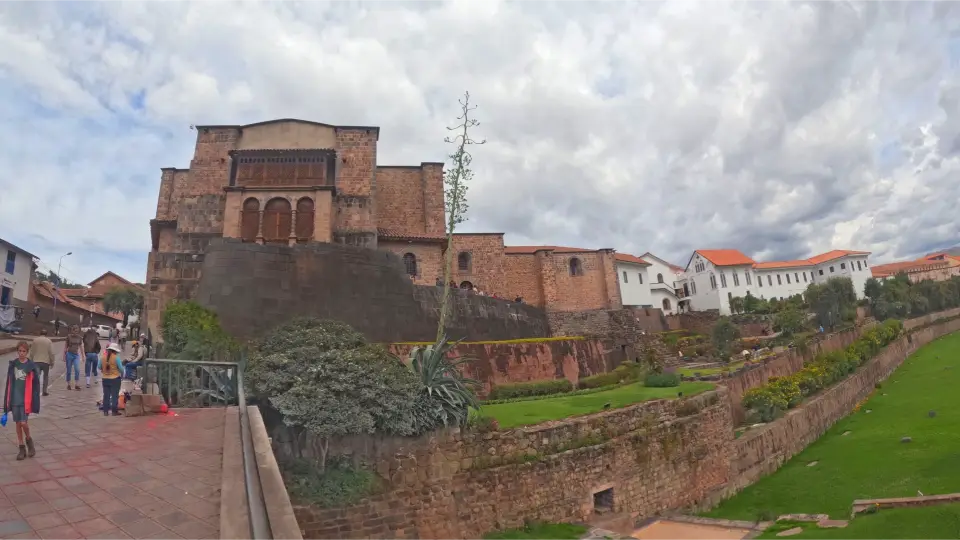
Must-Try Flavors in Cusco
Being able to travel is not only about experiencing new places, but also tasting them! Don’t miss these traditional dishes that will delight your senses:
- Capchi de habas: a hearty bean stew, rich in flavor.
- Cuy al horno: oven-roasted guinea pig, a classic Andean delicacy.
- Chiriuchu: a festive mix of meats, corn, and spices.
- Puchero: a traditional carnival dish enjoyed in February and March.
- Lechón de cerdo: tender roasted pork, full of flavor.
- Fried trout: fresh, crispy and absolutely delicious.
Unique Experiences at Sacsayhuamán
Beyond its history and architecture, Sacsayhuamán offers unforgettable experiences:
- Mystical Tourism: Participate in Andean rituals to connect with Pachamama, renew your energy, attract prosperity, and immerse yourself in ancient traditions guided by a local spiritual master.
- Horseback Riding: Explore breathtaking landscapes around Kallachaca, Qenqo, Tambomachay, and Puka Pukara while enjoying the stunning Andean scenery.
" Have you visited Sacsayhuamán yet? Share your experience with fellow travelers! Your recommendations help us improve and design even better routes so that your next adventure in Cusco is even more unforgettable."