

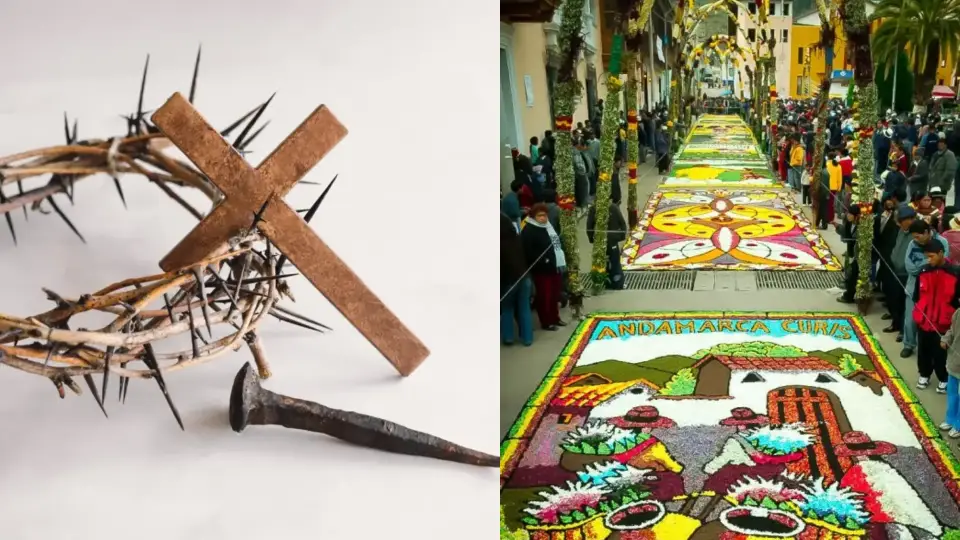
Experience Holy Week in Peru
Join us for Holy Week in Peru 2026 and explore some of the country’s most famous places, including Ayacucho, Cusco, Arequipa, and Puno. Experience unique religious processions, learn the history and meaning of old traditions, and enjoy traditional Peruvian food while traveling through stunning landscapes found nowhere else. Holy Week in Peru offers a special mix of faith, culture, and memorable travel moments.
Table of Contents
- Holy Week in Peru: Traditions, Processions and Must-Visit Destinations
- Why Travel to Peru During Holy Week?
- What Is Holy Week in Peru?
- How to Get to Peru
- Brief History of Holy Week
- Origins of Holy Week
- Historical Evolution of Holy Week
- Hispanic Holy Week in Peru
- When Is Holy Week Celebrated in Peru?
- Key Dates for Holy Week 2026
- Top Destinations to Experience Holy Week in Peru
- Ayacucho – The Heart of Holy Week in Peru
- Cusco – Faith, History, and Andean Spirituality
- Arequipa – Tradition, Architecture, and Gastronomy
- Omate – A Unique and Colorful Celebration
- Lima – Colonial Faith and Cultural Experiences
- Huaraz – Holy Week Surrounded by Nature
- Puno – Tradition on Lake Titicaca
- Activities During Holy Week in Peru
- Traditional Customs of Holy Week in Peru
- Traditional Holy Week Cuisine in Peru
- Traditional Dishes During Holy Week
- Traditional Beverages
- Practical Travel Tips for Holy Week in Peru
- Customs and Traditions You Should Know
- Estimated Budget for Traveling During Holy Week
Holy Week in Peru: Traditions, Processions and Must-Visit Destinations
Holy Week in Peru is a special time for travelers, with colorful processions, historic cities, rich culture, and delicious Peruvian food. Whether you join a ceremony or a local celebration, you’ll find new ways to connect with Peru’s history and traditions.
Don’t wait to take the trip of a lifetime. Experience Holy Week in Peru and discover its culture, faith, and traditions.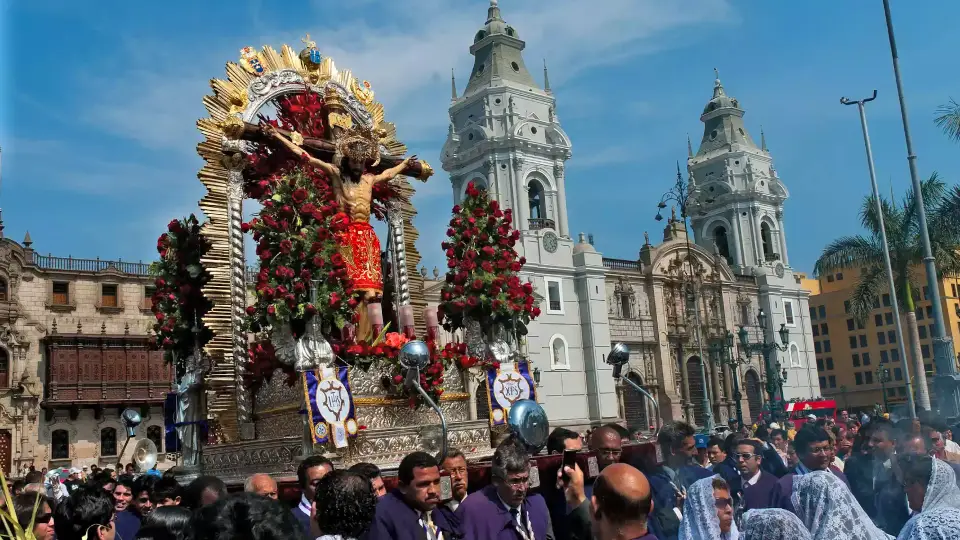
Why Travel to Peru During Holy Week?
Traveling to Peru during Holy Week offers more than sightseeing. You join a living tradition. The celebration blends Spanish colonial heritage with ancient Andean beliefs, creating special festivities in every region.
Important Facts to Know
- You’ll have a great chance to visit historic cities and UNESCO World Heritage sites.
- You can take part in cultural and religious events that only happen once a year.
- This time of year unites spirituality, history, nature, and traditional food.
- It’s a great choice for cultural travelers, couples, and families.
What Is Holy Week in Peru?
Holy Week in Peru is a Christian celebration that remembers the last days of Jesus Christ’s life, his passion, and resurrection. It’s one of the most important events in the Catholic calendar. In Peru, Holy Week stands out because it blends Catholic faith with ancient Andean traditions, leading to ceremonies and rituals you won’t find anywhere else.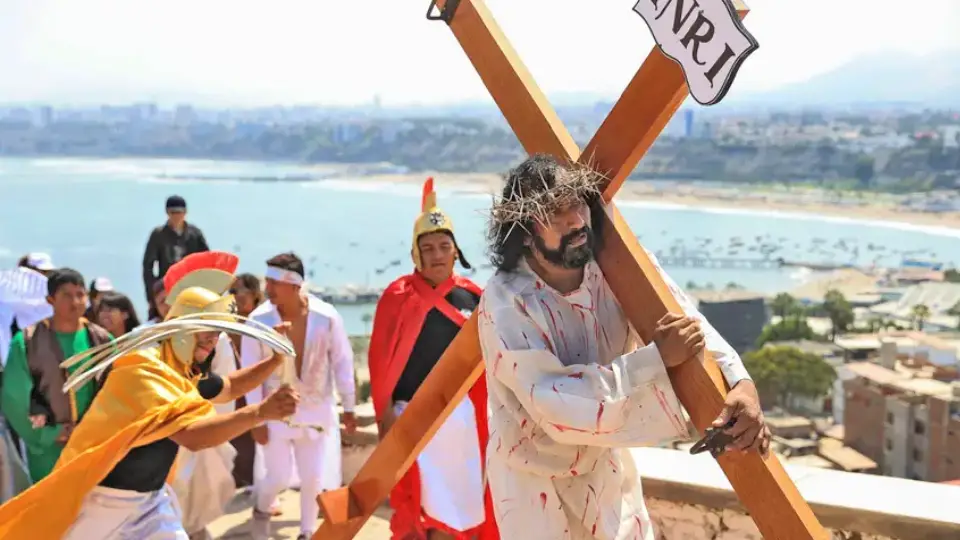
How to Get to Peru
Traveling to Peru is straightforward, with various international options depending on your location and travel preferences.
By Air
Jorge Chávez International Airport (LIM) in Lima is Peru’s main airport. It has direct international flights from North America, South America, Europe, and other parts of the world.
After arriving in Lima, you can catch domestic flights to popular places like Cusco, Arequipa, Juliaca (Lake Titicaca), Puerto Maldonado (Amazon Rainforest), and others.
By Land
If you are coming from nearby countries like Chile, Ecuador, Bolivia, Brazil, or Colombia, traveling to Peru by land is a good option.
Peru has international highways and official border crossings, so you can arrive by bus or car and enjoy the scenery and local culture.
By Sea
Most people who travel to Peru by sea arrive on international cruise ships, which stop at ports like Callao (near Lima) and Pisco.
In the Amazon region, river routes link Peru with nearby countries. This lets travelers enter by boat and explore the rainforest in a unique way.
Brief History of Holy Week
Holy Week is a major Christian celebration marking the last days of Jesus Christ’s life, including his Passion, Death, and Resurrection. Over time, it became a meaningful cultural event, especially in Peru, where faith, history, and tradition are closely linked.
Origins of Holy Week
Holy Week began in the Christian faith and is based on Gospel stories about the life, Passion, and Resurrection of Jesus of Nazareth. Over time, it became more important and was officially made a church celebration in the 4th century.
Holy Week is also closely linked to the Jewish Passover. It shares themes like renewal, hope, freedom, and new beginnings, which add to its spiritual meaning for many people.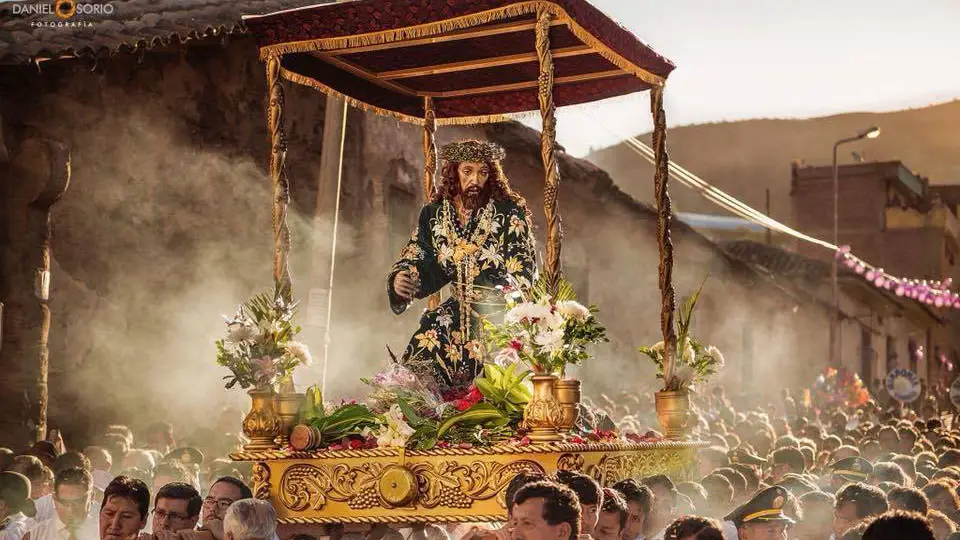
Important Fact
The Jewish people first celebrated this holiday, since Passover remembers the Israelites’ escape from slavery in Egypt. This event strongly influenced the meaning of Holy Week in Christianity.
Historical Evolution of Holy Week
At first, early Christians celebrated Holy Week in their homes and in private. Later, it became an official, organized religious event.
- After the Council of Nicaea (325 AD), Holy Week was formally recognized within the Christian calendar.
- The Council of Arles (314 AD), held during the reign of Emperor Constantine the Great, established the official date of Easter.
- Long ago, the main celebration was the Paschal Triduum. It started on Thursday evening and ended on Easter Sunday, a tradition that still continues today.
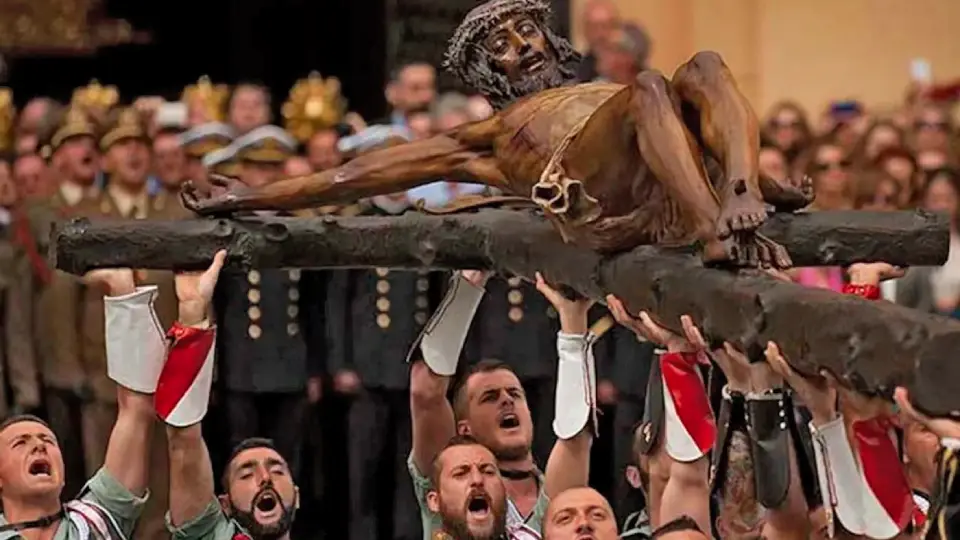
Hispanic Holy Week in Peru
In Peru, Holy Week processions began in the 17th century when Mercedarian, Franciscan, and Dominican missionaries arrived. They brought traditions from Seville, Spain, and adapted them to local customs.
On Holy Thursday, groups of Indigenous people, Africans, and mestizos took part in public acts of penance, sometimes punishing themselves. They were members of the Brotherhood of the Holy Cross (Cofradía de la Veracruz), showing the strong impact of Spanish religious customs during colonial times.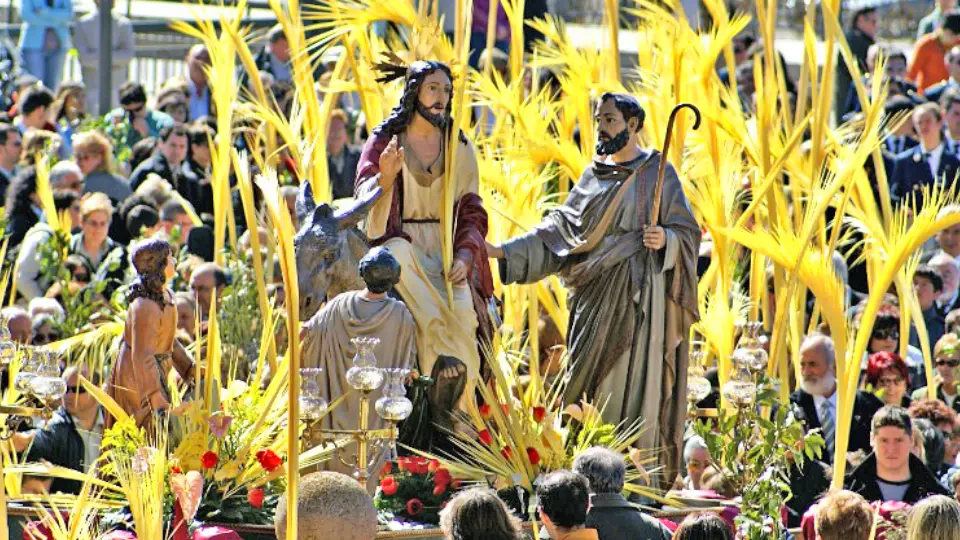
Expansion of Holy Week in Peru
Holy Week spread across Peru and became an important tradition in many regions. Each area developed its own ways of celebrating.
- Lima has celebrated Holy Week since the 16th century, with processions led by the Cofradía de la Veracruz and the Holy Christ of Burgos.
- Ayacucho became well known in the 16th century for its impressive nighttime processions, now considered among the most important in South America.
- Cusco and other Indigenous-majority cities: Holy Week became a powerful tool for evangelization and conversion, blending Catholic rituals with Andean beliefs.
- In Arequipa, Holy Week celebrations grew stronger in the 17th century after the eruption of the Huaynaputina volcano. People showed more faith and devotion in response to the disaster.
Important Insight
Holy Week played an important part in bringing people together and spreading Christianity among Indigenous groups in Peru. It helped shape the country’s religious and cultural identity.
When Is Holy Week Celebrated in Peru?
Holy Week in Peru usually falls between March and April according to the liturgical calendar. In 2026, it will be from March 29 to April 5. During this time, you can experience religious traditions, cultural events, and reflection across the country.
This is one of Peru’s most important holidays and draws local and international visitors
Key Dates for Holy Week 2026
- Palm Sunday – March 29
This day marks the start of Holy Week. Churches bless palm leaves to remember Jesus’ entry into Jerusalem, and processions and religious ceremonies take place throughout Peru.
- Holy Monday, Tuesday, and Wednesday
These days are called the “Holy Week weekdays.” In Catholic tradition, baptisms and confirmations are not held, as the focus is on reflection and preparation.
- Maundy Thursday – April 2
This day remembers the Last Supper of Jesus with his twelve disciples. In Jewish tradition, it is linked to the liberation from Egypt. In Peru, people attend special Masses and join the traditional Seven Churches Visit, especially popular in cities like Cusco and Lima.
- Good Friday – April 3
This is a solemn day that remembers the crucifixion and death of Jesus Christ. It is one of Peru’s most important public holidays, with large processions, reenactments, and ceremonies.
- Easter Sunday – April 5
Easter Sunday, also called Resurrection Sunday, celebrates the Resurrection of Christ. It is a joyful day with traditions, music, and family gatherings.
Important Information for Travelers
- Dates: March 29 – April 5, 2026
- Official Public Holidays: Maundy Thursday and Good Friday
- Best Time to Travel: Book at least 1 month in advance because of high demand
- Most Recommended Destinations: Ayacucho and Cusco
Holy Week is one of the busiest times to travel in Peru, especially in cities known for their traditional processions and cultural celebrations.
Top Destinations to Experience Holy Week in Peru
Qoricancha Expeditions makes planning your Holy Week trip simple and safe. Experience Peru’s traditions and let each place share its story of faith, history, and culture.
Ayacucho – The Heart of Holy Week in Peru
Ayacucho is the center of Holy Week celebrations in Peru. The city’s moving nighttime processions, beautiful flower carpets, and the tradition of visiting 33 churches create a spiritual and symbolic atmosphere. It’s ideal for travelers seeking a genuine cultural and religious experience.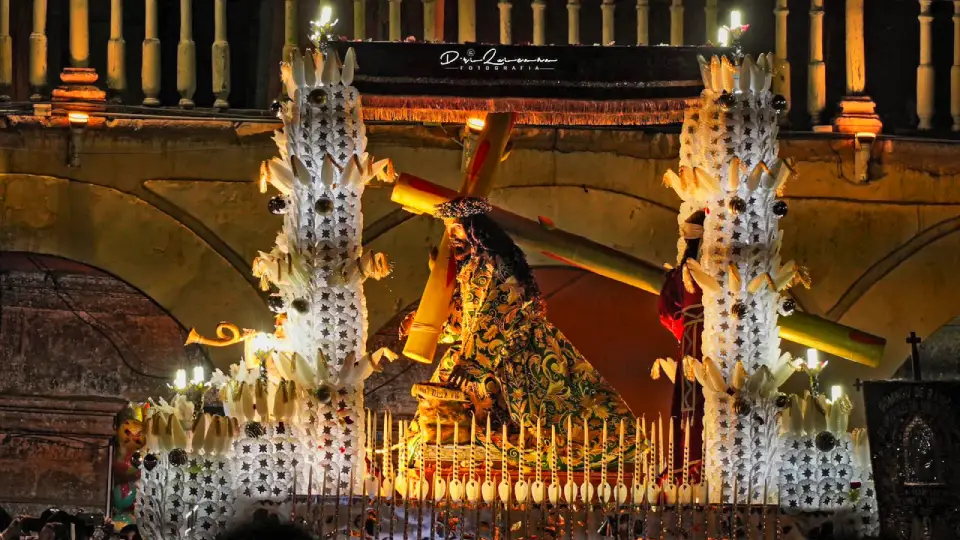
What to See in Ayacucho
- The turquoise waters of Millpu
- The 33 colonial churches of the city
- Pampa de Ayacucho Historic Sanctuary
- Pampa Galeras National Reserve
- Archaeological sites such as Vilcashuamán, Pumacocha (Intihuatana), Wari, and the Pikimachay Caves
Cusco – Faith, History, and Andean Spirituality
In Cusco, Holy Week brings together Catholic traditions and the Andean worldview. The highlight is Holy Monday, when the Lord of the Earthquakes (Señor de los Temblores) is carried through the city. This event powerfully symbolizes protection and faith, recalling when the image was used to protect Cusco from disasters.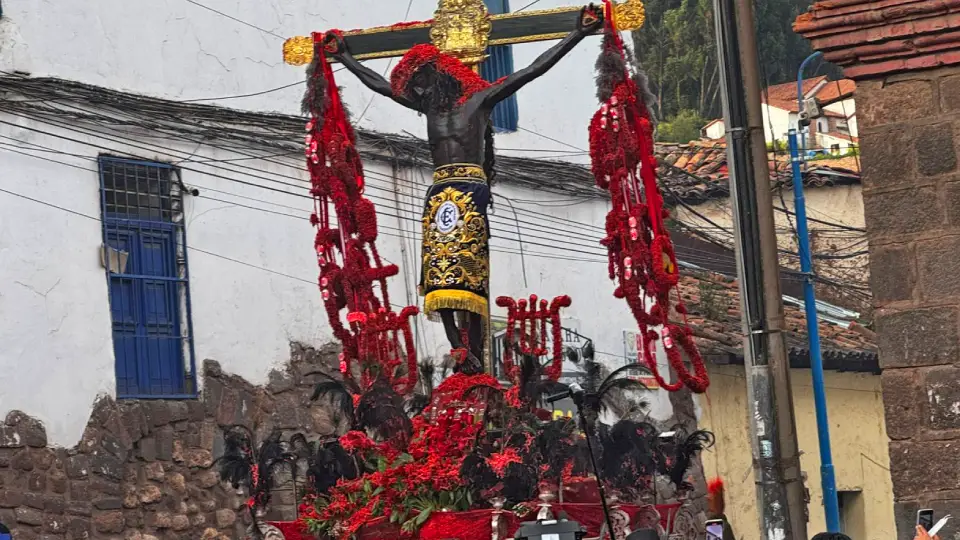
Important Tip
While in Cusco, visit Machu Picchu, the Sacred Valley, and sites like Inti Punku and Pikillacta. The Lord of the Earthquakes festival is a special event full of devotion, color, and history.
Arequipa – Tradition, Architecture, and Gastronomy
Arequipa features solemn processions among beautiful colonial buildings, famous local food, and impressive volcanoes. Holy Week here is more than a religious event; it is a cultural journey full of flavors, history, and natural beauty.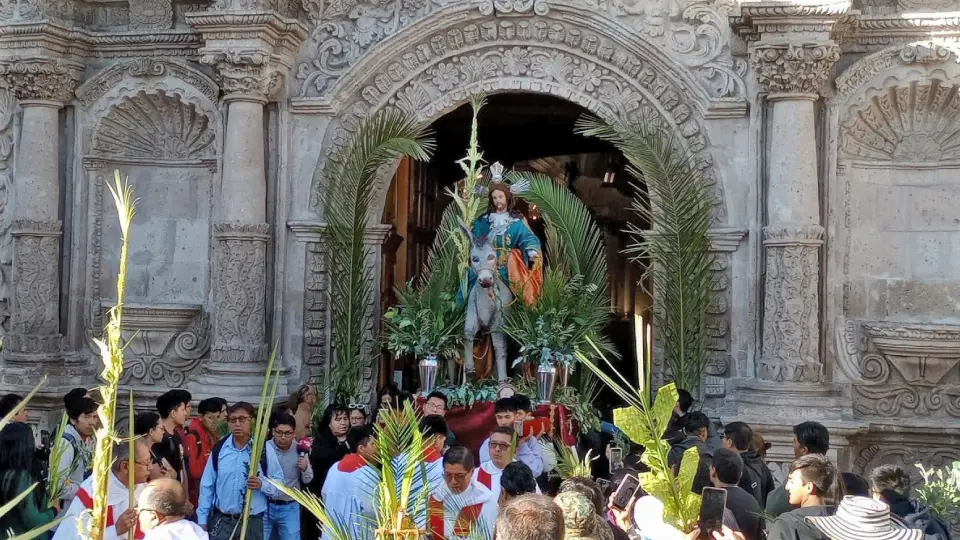
Discover Arequipa
- Colca Canyon
- Santa Catalina Monastery
- Andean Sanctuaries Museum
- Yanahuara Viewpoint
- The majestic volcanoes surrounding the city
- Cotahuasi Canyon, one of the deepest canyons in the world
Omate – A Unique and Colorful Celebration
Omate, in General Sánchez Cerro province (Moquegua), is known for its unique Holy Week celebration. The festival starts with the Lord of the Stones coming down from the Quinistacas Sanctuary. The image passes through 123 floral arches decorated with local fruits. Huge altars up to 30 meters high create a stunning show of faith and tradition.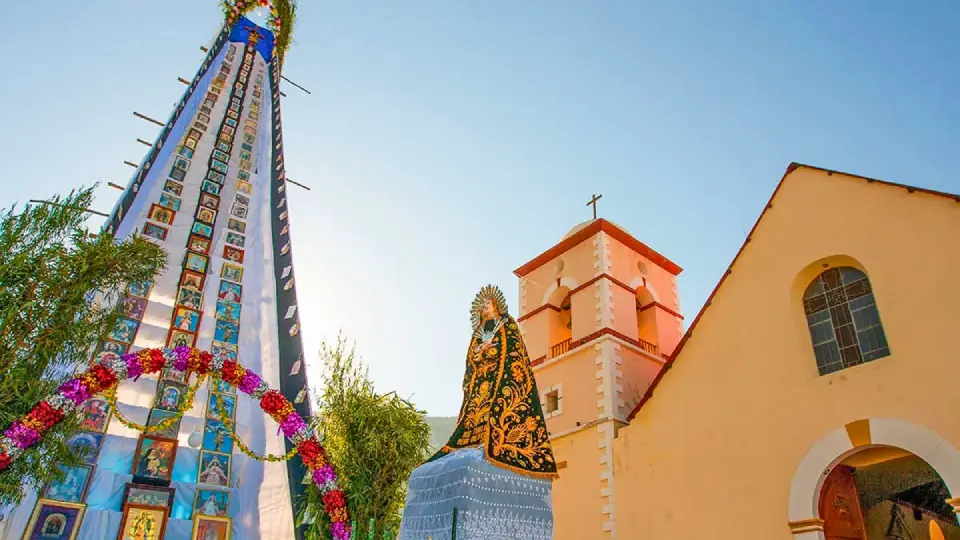
Lima – Colonial Faith and Cultural Experiences
In Lima, Holy Week includes visits to historic colonial churches, the traditional Seven Churches Tour, and many cultural events. The city offers a wide range of experiences, making it ideal for first-time visitors or those wanting to see Lima differently.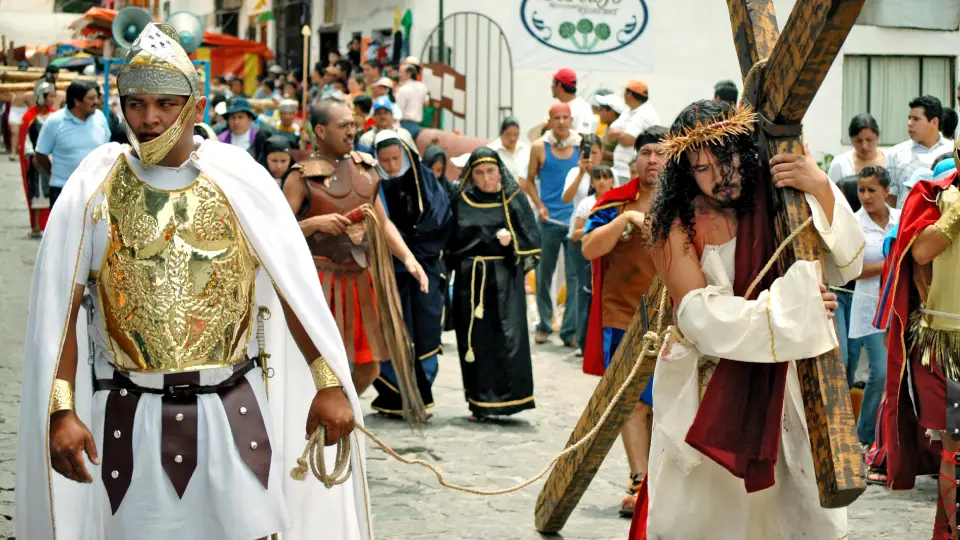
Huaraz – Holy Week Surrounded by Nature
Huaraz offers a mix of religious reflection and beautiful Andean scenery. Explore the Cordillera Blanca, see clear turquoise lagoons, and visit well-known cultural and natural sites.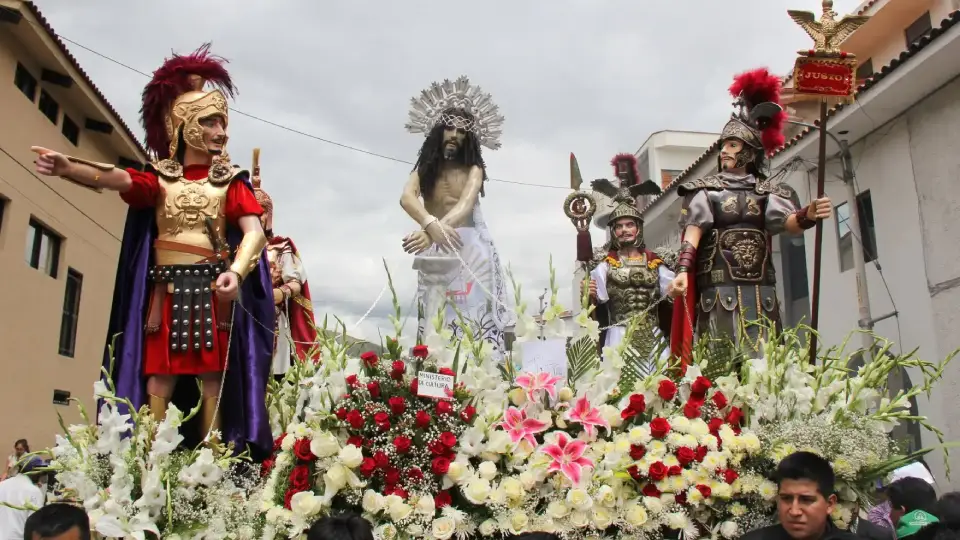
Highlights
- Chavín de Huántar Archaeological Site
- Cañón del Pato
- Honcopampa Ruins
- The picturesque villages of the Callejón de Huaylas
Puno – Tradition on Lake Titicaca
In Puno, Holy Week takes place with Lake Titicaca as a beautiful setting. Visit the floating Uros Islands, see the colorful textiles of Taquile, and experience life on Amantaní Island. Finish your trip with stops at Sillustani and the Temple of Fertility.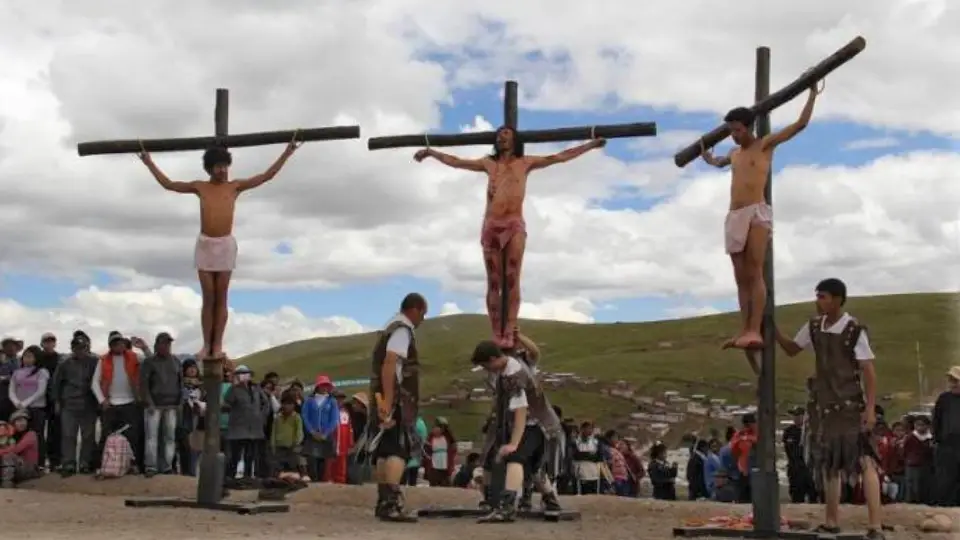
Other Notable Holy Week Destinations in Peru
Huancavelica and Cajamarca celebrate Holy Week with strong local traditions. These places are great for travelers who want a more authentic experience, with fewer crowds and a deep sense of faith, community, and heritage.
Activities During Holy Week in Peru
During Holy Week in Peru, you can enjoy many cultural, religious, and outdoor activities that make your trip more memorable.
- Religious processions through streets and main squares
- The traditional Seven Churches Tour
- Artisan fairs and cultural events
- Live reenactments of the Stations of the Cross (Via Crucis)
- Rural and community-based tourism experiences
- Nature, archaeological, and cultural excursions
Traditional Customs of Holy Week in Peru
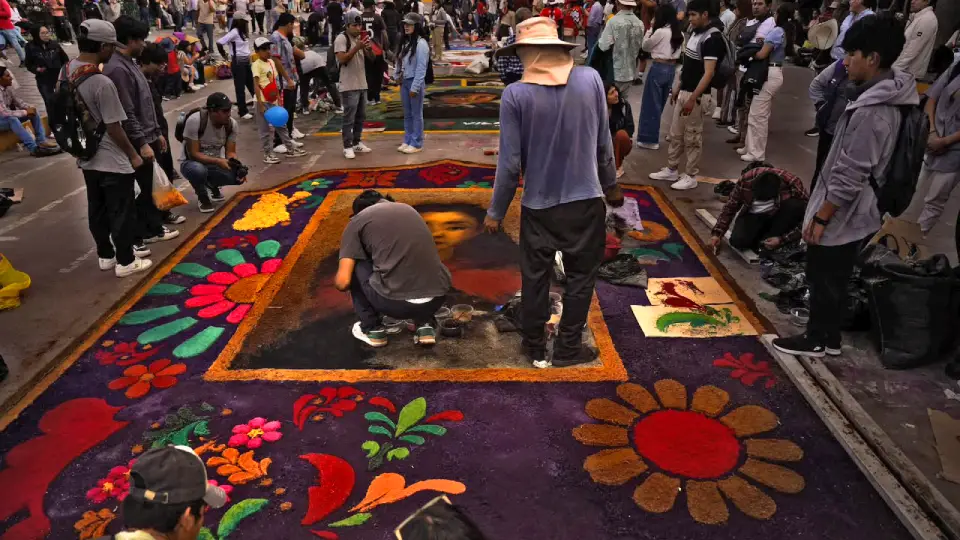
Creation of Flower Carpets
A special Holy Week tradition is making colorful flower carpets. People decorate the streets with petals, colored sawdust, and other natural materials to create symbolic images for the processions. Tarma and Huaraz are especially known for this, making Holy Week a beautiful sight.
Good Friday Fasting in Peru
In many cities in Peru, people fast on Good Friday morning. Later, families come together for a special meal. In Cusco, this is a meaningful tradition where locals prepare 12 traditional dishes to represent the Twelve Apostles. This custom brings families together and celebrates both faith and food.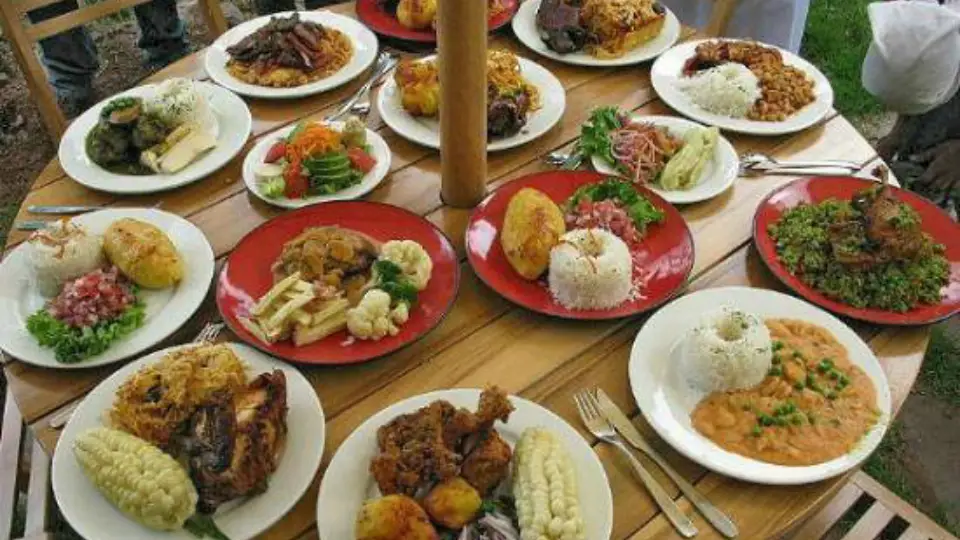
Sale of Medicinal Plants
During Holy Week in Peru, farmers from nearby areas sell aromatic and medicinal plants in city squares. People use these plants for purification baths, which are believed to cleanse both body and soul. Many believe the plants are especially blessed on this day, adding to the ritual’s spiritual meaning.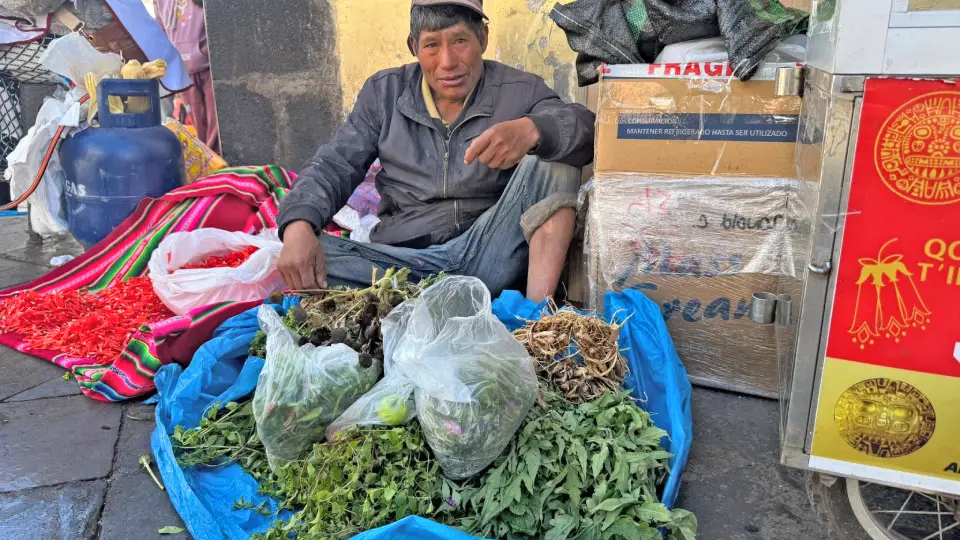
Pilgrimage and Penitence During Holy Week
On Good Friday morning, many people walk to nearby hills or mountains to reach a cross at the top. This walk follows Jesus’s path before the crucifixion. At the summit, priests lead prayers, and some people do acts of penitence to show their repentance, keeping this tradition alive.
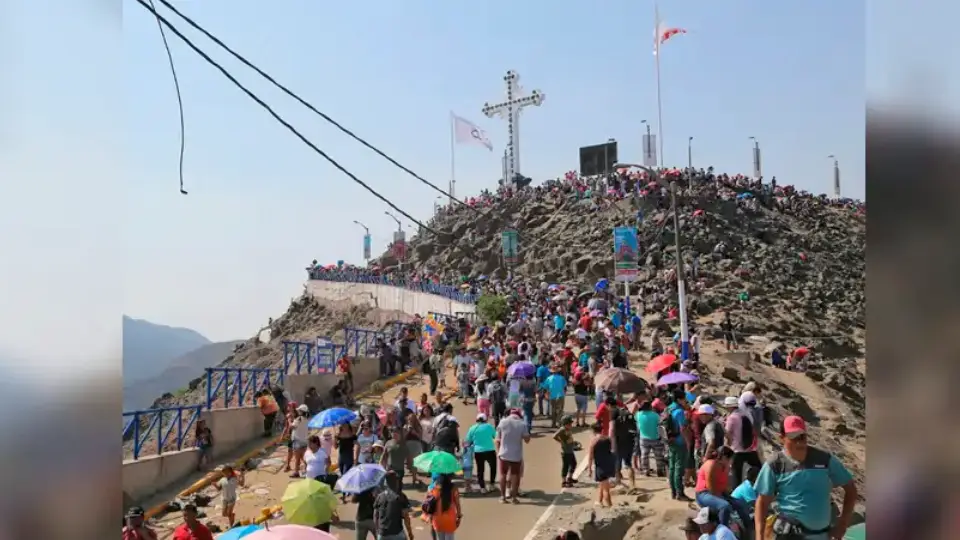
Dawn Rituals During Holy Week
One of Peru’s unique Holy Week traditions is an early-morning ritual. If pilgrims do not finish the Via Crucis walk to the highest mountain, many choose to bathe in cold water at dawn. People believe this act is a way to join Jesus on His journey. Some also say, with a bit of humor, that it helps avoid the playful 'whippings' from elders, a family custom meant to show respect and discipline.
Traditional Holy Week Cuisine in Peru
Peruvian cuisine plays a central role during Holy Week, reflecting the country’s diverse cultures, regions, and traditions. Each dish represents a unique aspect of Peru’s culinary heritage.
Traditional Dishes During Holy Week
Local Stews and Traditional Meals
During Holy Week, traditional stews and meals prepared with local ingredients and family recipes are widely enjoyed. Notable dishes include tacu tacu, Friday chupe, sopa teóloga, northern causa, malarrabia, Ayacucho-style chorizo, chupe de lisas, pumpkin soup, fava bean capchi with mushrooms, juane, patarashca, timbuche de palometa, and classic cazuelas. These meals highlight the diversity of Peru’s culinary traditions.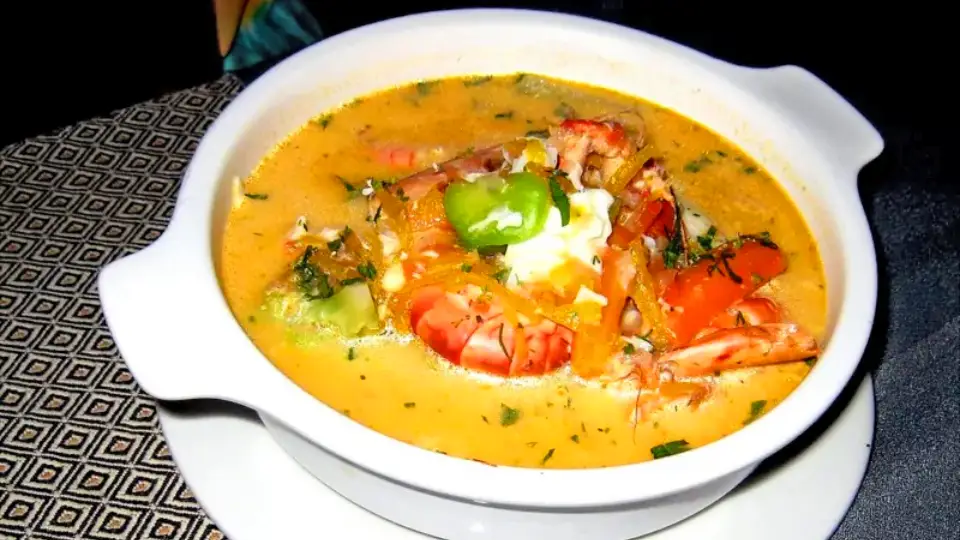
Fish and Seafood Specialties
Fish and seafood are central to Holy Week meals in Peru. Popular options include ceviche, fish escabeche, fish sudado, seafood rice, trout tiradito, and fish chorrillana style. These dishes are often enjoyed with family and friends.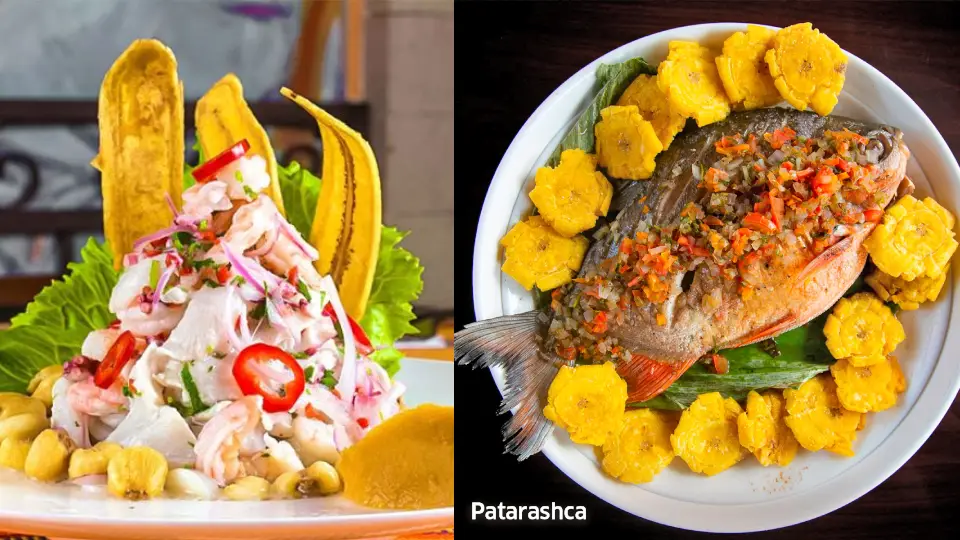
Traditional Desserts and Sweets
Holy Week desserts showcase local flavors and creativity. Well-known treats include rice pudding, buñuelos, Doña Pepa’s turrón, kinkón, Cusco-style empanadas, suspiro, peach stew, arroz sambito, and sponge cakes. These sweets add a festive touch to the holiday.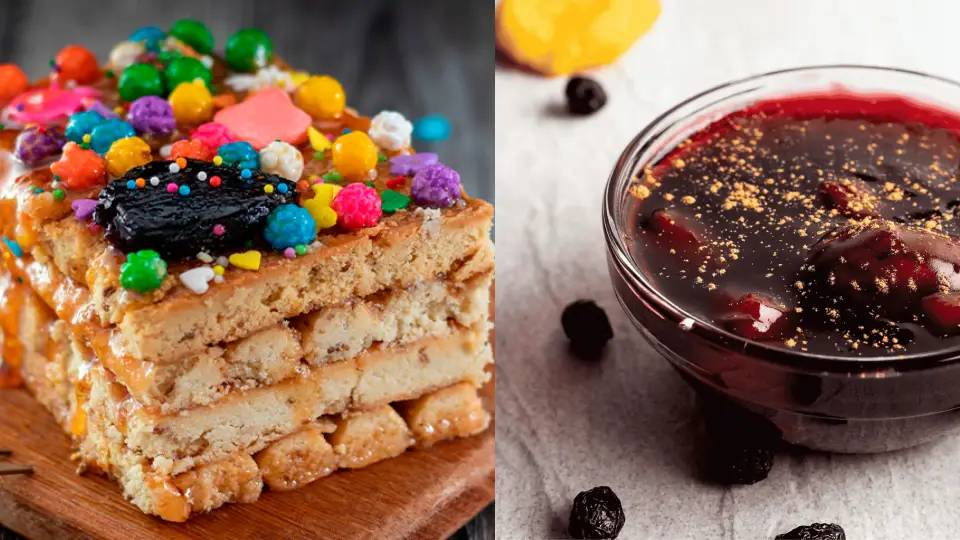
Traditional Beverages
Traditional beverages are an integral part of Holy Week in Peru. Popular choices include chicha morada, fava bean punch, chicha de jora, airampo tea, wine lemonade, frutillada, Ayacucho punch, and emoliente. These drinks complement the festive atmosphere.

Weather During Holy Week by Region
- Coast: Mild and pleasant climate
- Andes: Cool days and cold nights
- Amazon: Warm and humid weather
Important tip:
Check the weather at your destination before traveling to plan your activities and ensure a smooth trip.
Practical Travel Tips for Holy Week in Peru
Reservations and Planning
- Accommodation: Reserve early, as demand rises significantly during Holy Week.
- Transportation: Arrange flights and bus routes in advance to avoid delays.
- Tours and guides: Guided tours offer cultural insights and may provide special access to certain events.
What to Pack
- Original passport or ID
- Personal hygiene items
- Basic first-aid kit
- Appropriate clothing, including warm layers for the Andes
- Comfortable walking shoes
- Sun and rain protection, depending on the destination
- Camera and portable chargers
What to Do During Holy Week in Peru
- Participate in religious processions
- Enjoy family picnics
- Travel with friends
- Visit local museums
- Savor traditional Peruvian cuisine
Safety Measures During Holy Week
- Avoid excessive crowds
- Keep personal belongings secure
- Follow local guidelines and instructions
Customs and Traditions You Should Know
- Silence and reflection on Good Friday
- Fasting and vigil practices
- Creation of flower carpets
- Symbolic use of bells and religious rituals
Estimated Budget for Traveling During Holy Week
To plan your trip effectively, consider the following expenses:
- Transportation: Flights and buses vary depending on the distance
- Accommodation: From hostels to traditional hotels
- Meals: Local food and beverages
- Entrance fees and tours: Many events are free, while some guided tours have an additional cost
Experience Holy Week in Peru with Qoricancha Expeditions
Holy Week in Peru offers an opportunity to connect with the country’s history, faith, and traditions. With careful planning and the right destination, Qoricancha Expeditions can help you experience an authentic and memorable journey.