




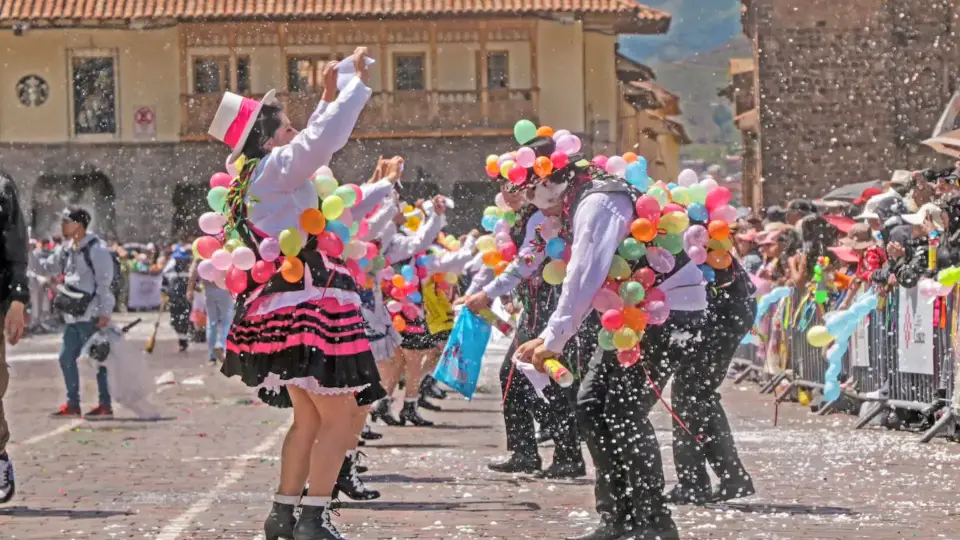
During Carnival, Cusco feels warmer, more welcoming, and filled with joy. With yunzas, traditional songs, and playful water games all around, people make new friends, start romances, and create memories that last a lifetime.
This doesn’t happen by chance. For generations, this Andean festival has brought people together for connection, courtship, and renewal, all deeply rooted in local traditions. During Carnival, Cusco welcomes everyone to join the celebration.
Here, locals and visitors come together freely, sharing laughter, music and a simple wish to enjoy life. Experiencing Carnival in Cusco is one of the best ways to connect with Andean culture and the city’s true spirit.
Carnivals in Cusco: Culture, Celebration and Adventure in One Unforgettable Trip
Carnival in Cusco is an ideal time to visit, offering a unique blend of cultural tourism, traditional cuisine, living traditions, and a vibrant atmosphere that attracts visitors from around the world.
During Carnival, Cusco is filled with music, color, dance and ancestral celebrations, creating a memorable experience each day. This is an excellent opportunity to engage with local culture, experience authentic Andean traditions and celebrate with the welcoming people of Cusco.
We invite you to experience the joy, culture and energy of Carnival in Cusco.
What Is Cusco Carnival?
Cusco Carnival is a vibrant event featuring traditional dances, music, water games, Andean cuisine and cultural traditions that bring the entire city together.
The festival offers an opportunity for locals and visitors to connect, share experiences and form lasting memories, often resulting in new friendships and meaningful encounters.
Why Is Carnival Celebrated in Cusco?
Cusco Carnival is a joyful expression of gratitude to Pachamama (Mother Earth) and a celebration of renewal. It aligns with a key period in the Andean agricultural calendar and reflects both pre-Hispanic and colonial influences.
This blend of traditions creates a celebration marked by hope, unity, abundance and gratitude, making Cusco Carnival a meaningful cultural event closely tied to Andean identity.
Why Are Carnivals Important in Cusco?
Carnival celebrations in Cusco are essential for preserving Quechua traditions. Since ancient times, they have honored love, fertility, and Pachamama (Mother Earth). This period renews joy, strengthens gratitude, and marks the beginning of a new cycle of abundance and prosperity.
These festivities celebrate and maintain a deep spiritual connection with nature and Andean identity.
Meaning of Carnival in the Provinces of Cusco
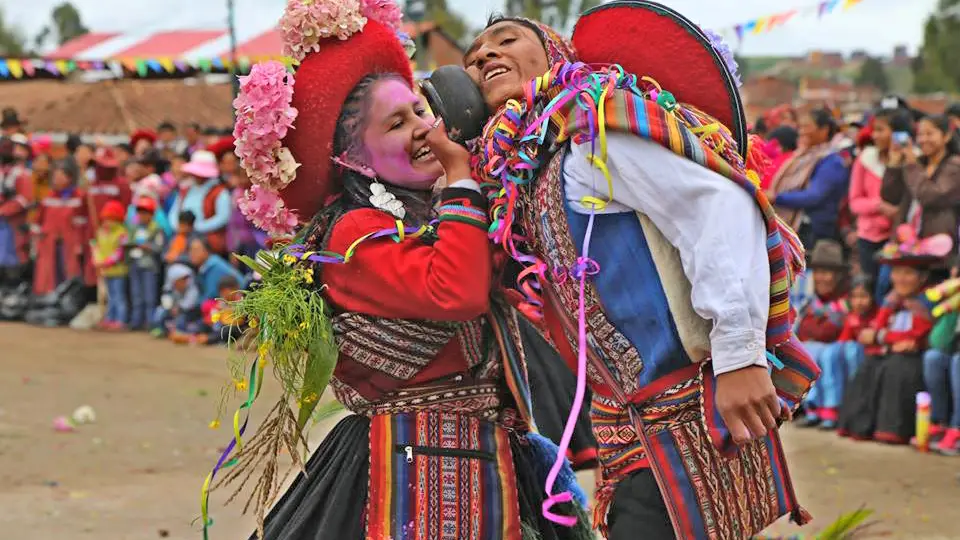
In the Andean regions near Cusco, Carnival is also a time for social gathering and courtship, especially among young people of marriageable age. They gather to dance, play traditional games, and form romantic connections.
As a result, Carnival is considered an ideal time to formalize relationships and form new couples, families, or ayllus (traditional Andean communities). This cultural importance makes Carnival a key moment of renewal, unity, and continuity in Andean society.
Weather in Cusco During Carnival Season
In February and March, Cusco experiences mild, rainy weather due to the Andean rainy season.
- Daytime temperatures range from 18°C to 22°C (64°F to 72°F).
- Evening and nighttime temperatures range from 8°C to 10°C (46°F to 50°F).
Although rain is common, this season features lush landscapes and a vibrant atmosphere, making Carnival an ideal time to experience Cusco’s culture and traditions.
How to Get to Cusco
By Air: Alejandro Velasco Astete International Airport (CUZ) receives daily flights from Lima (about 1 hour and 20 minutes), as well as direct or connecting flights from major Peruvian cities including Piura, Trujillo, Chiclayo, Tumbes, Iquitos, Juliaca, and Tacna.
By Bus: Cusco is accessible via fully paved highways from several cities:
- From Lima: approximately 20 to 24 hours
- From Arequipa: approximately 10 to 12 hours
- From Puno: approximately 6 to 8 hours
Traveling by bus provides scenic views of the Andes and is popular among budget and adventure travelers.
History and Origins of Cusco Carnival
Origins of Carnival
Carnival began in Europe between the 12th and 13th centuries as a farewell to earthly pleasures before Lent, a period of fasting and reflection in the Christian calendar. Over time, the celebration evolved and spread worldwide.
By the 17th century, Carnival had become popular in Latin America, evolving into a vibrant cultural expression among African, Indigenous, and mestizo communities. Celebrations featured music, dancing, communal feasts, and colorful costumes, blending European and local traditions.
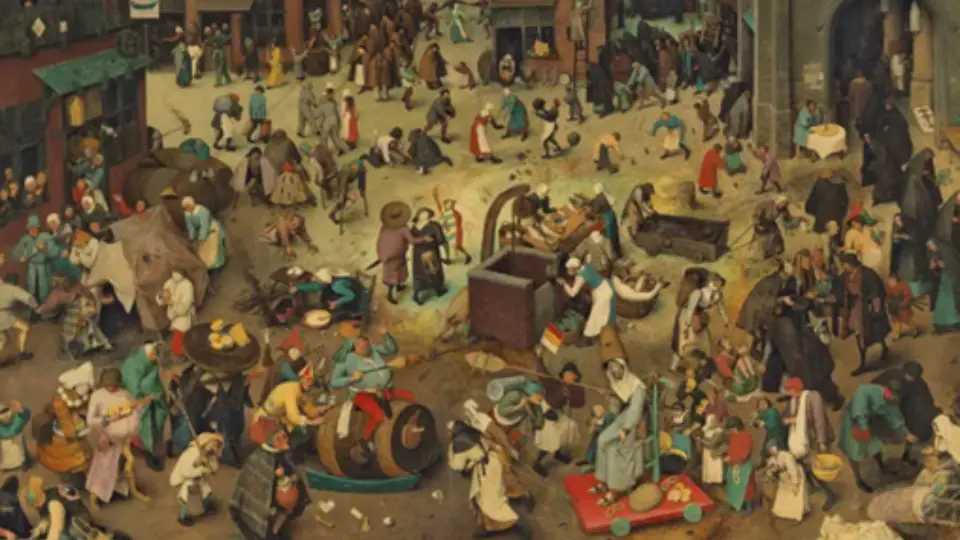
In Cusco, Carnival merged with Andean worldviews, creating a unique celebration that reflects both colonial influence and ancestral traditions. Today, Cusco Carnival is a powerful symbol of cultural fusion, joy, and community, deeply rooted in the city’s history and identity.
Carnival During the Colonial Period
Carnival was introduced to Cusco during Spanish colonization in the 16th and 17th centuries. Its temporary reversal of social order made it a highly anticipated event. The streets featured music, dance, irony, masks, and playful games that often satirized those in authority.
During Carnival, behaviors usually discouraged were permitted, creating a space for release, freedom, and collective joy. The festival provided a rare opportunity for expression and laughter beyond social constraints.
Carnival During the Viceroyalty
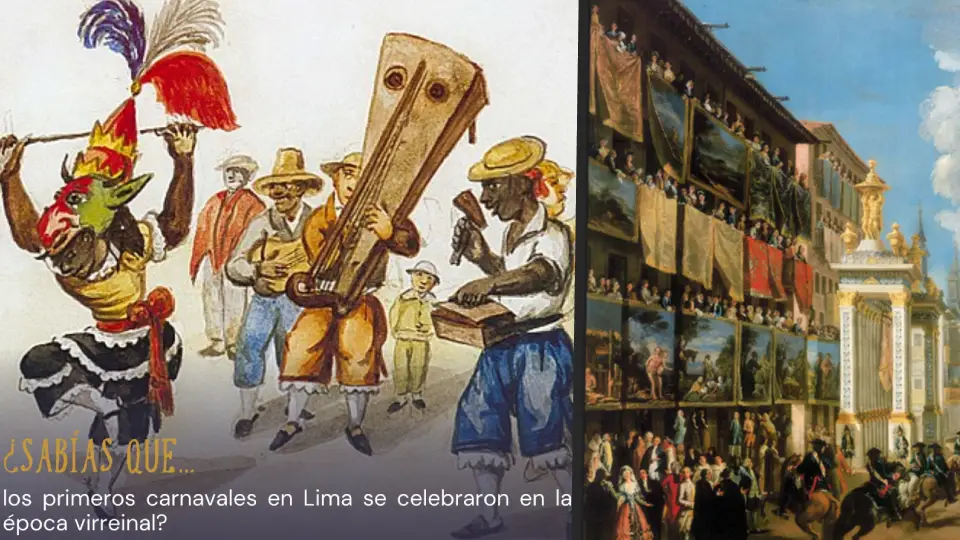
In the capital of the Viceroyalty, Carnival was the most popular celebration, lasting three days marked by joyful disorder and indulgence. People splashed passersby with water, laughing and shouting “¡Agua bendita!” (“Holy water!”).
The streets filled with games, jokes and a lively atmosphere that united people from all backgrounds, making Carnival a genuine symbol of celebration and social unity during the colonial era.
Carnival Celebrations in Cusco
Cusco Carnival is unique because it is deeply experienced, not just observed. Its origins in ancient fertility rituals have merged with Christian festivities. Today, each dance, song, and water game reflects traditional stories of joy, gratitude, and cultural pride.
Carnival in Cusco serves as a living expression of Andean heritage, creating a meaningful link between past and present.
Carnival Traditions in Cusco
During Carnival, young people wear traditional clothing and dance to lively music, bringing color and energy to the streets. Couples also participate with care: women weave ponchos for their husbands, and men prepare blankets for their wives.
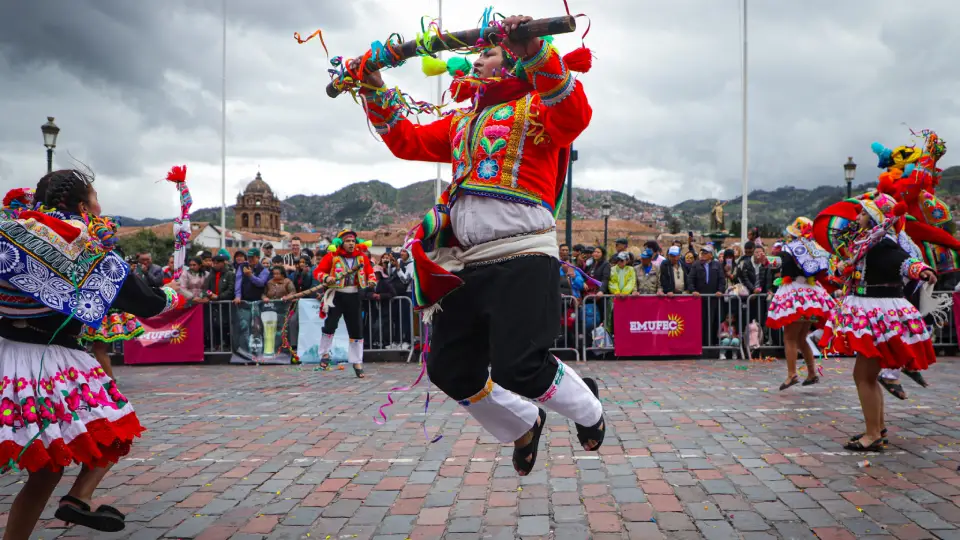
Beneath the Carnival tree (yunza), these handmade gifts are worn for the first time, symbolizing love, unity, and commitment. This tradition continues in many Cusco communities, preserving ancestral customs through celebration.
Cusco Carnival Today
Today, Carnival, known locally as “Qosqo Puqllay,” is celebrated with enthusiasm as it honors local identity, revives history, and fosters joy. Traditions come alive through music, dance, rituals, and festive activities.
At Qoricancha Expeditions, we invite you to join the festivities: dance, celebrate, and enjoy each ritual. Cusco Carnival is more than a festival; it is a shared experience that fosters connection and preserves a cherished tradition.
Key Dates of Cusco Carnival
- Compadres Thursday: February 5
- Comadres Thursday: February 12
- Main Carnival Day: February 15 (Plaza de Armas)
- Octava de Carnavales: February 22
These dates highlight the most significant moments of the celebration, when Cusco is filled with color, music, and vibrant energy.
Cusco Carnival Traditions
Comadres Day
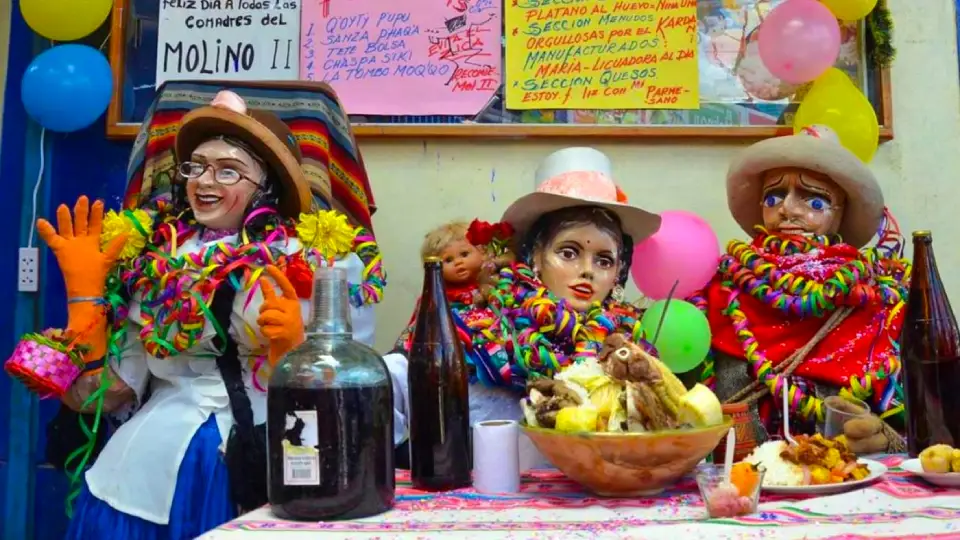
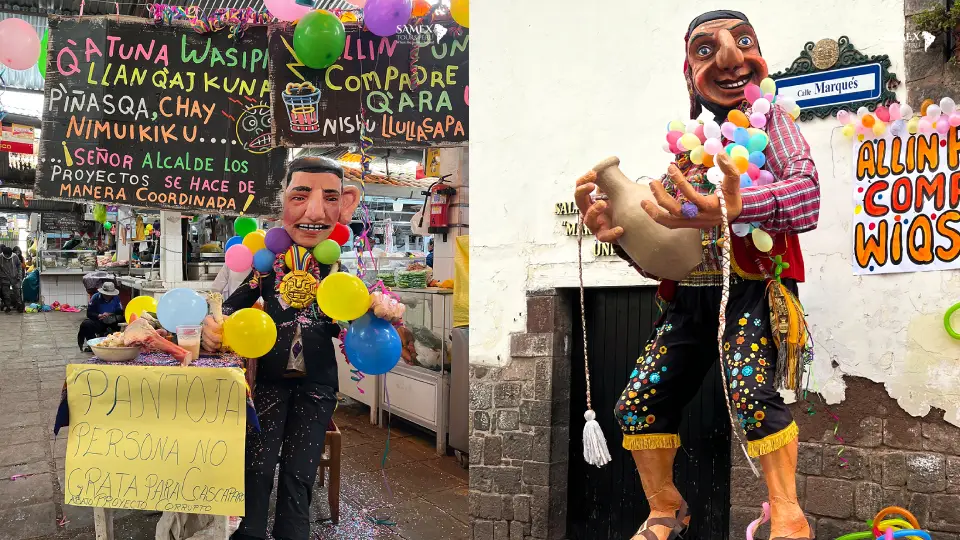
During this celebration, Cusco women honor their compadres with food, music, and playful jokes. A key tradition involves making handmade dolls from old clothes that humorously exaggerate each compadre’s traits or personality.
The dolls are displayed on street poles, balconies, or busy corners, often with witty signs, inviting both locals and visitors to enjoy the humor. This tradition fills Cusco’s streets with color and joy, strengthening friendships and preserving an essential part of the Carnival.
Did you know?
During Carnival, several revered Virgins receive the title of Comadres. These include the Virgin of Almudena, Virgin Belén, Virgin Purificada, Virgin of the Snows, and Virgin Asunción, collectively known as “the Comadres of Cusco.”
Compadres Day (February 2nd)
On this day, men organize celebrations to honor women, reflecting the gestures of the Comadres. The streets are filled with joy, playful pranks, and laughter. Men also create dolls representing their comadres and place them on street corners or poles, helping to preserve this cherished tradition for future generations.
Did you know?
In Cusco, the Compadres are symbolized by three saints: Saint Christopher, Saint Joseph, and Saint Anthony.
Main Carnival Days: February 15 and 16
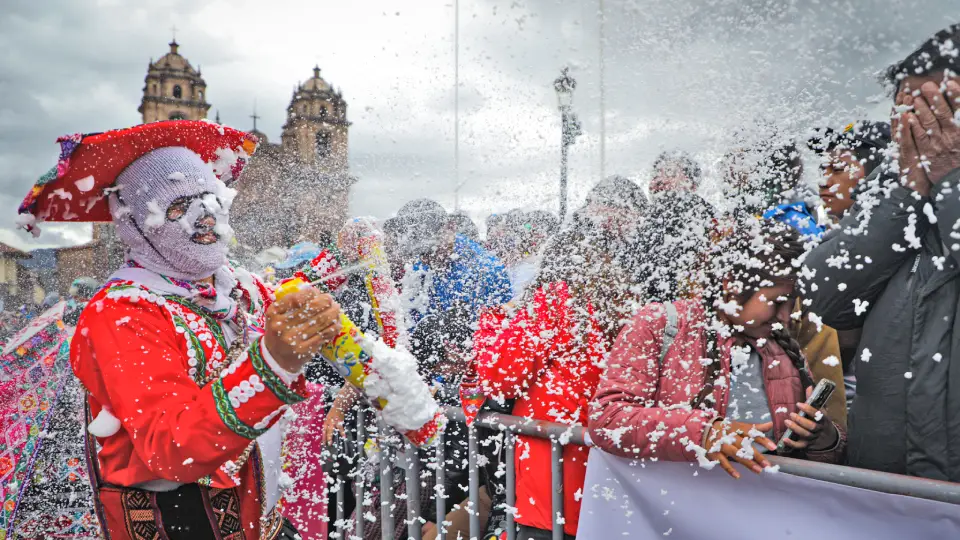
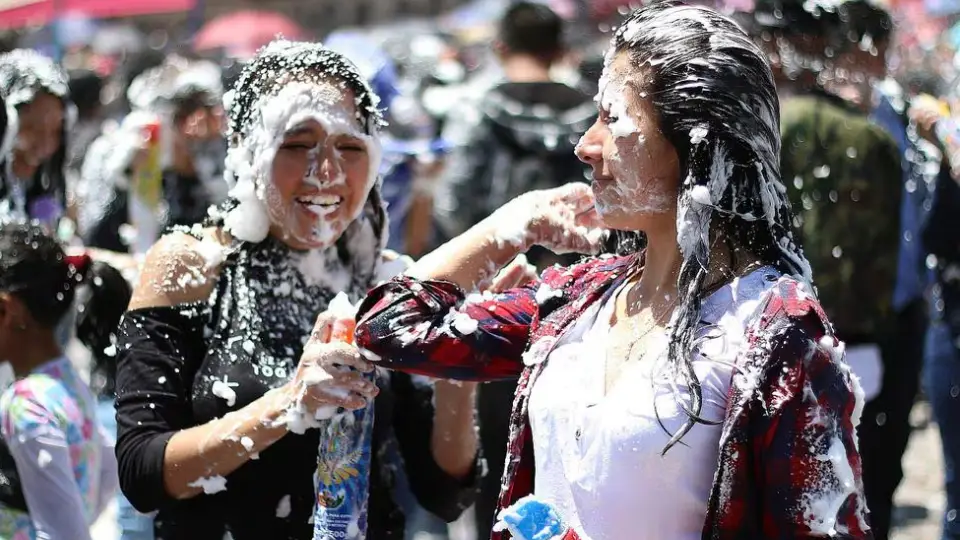
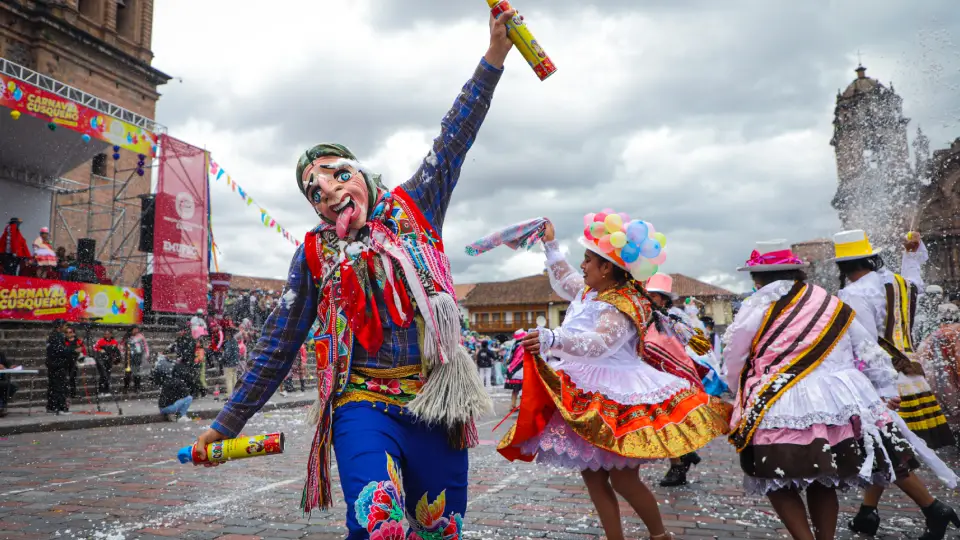
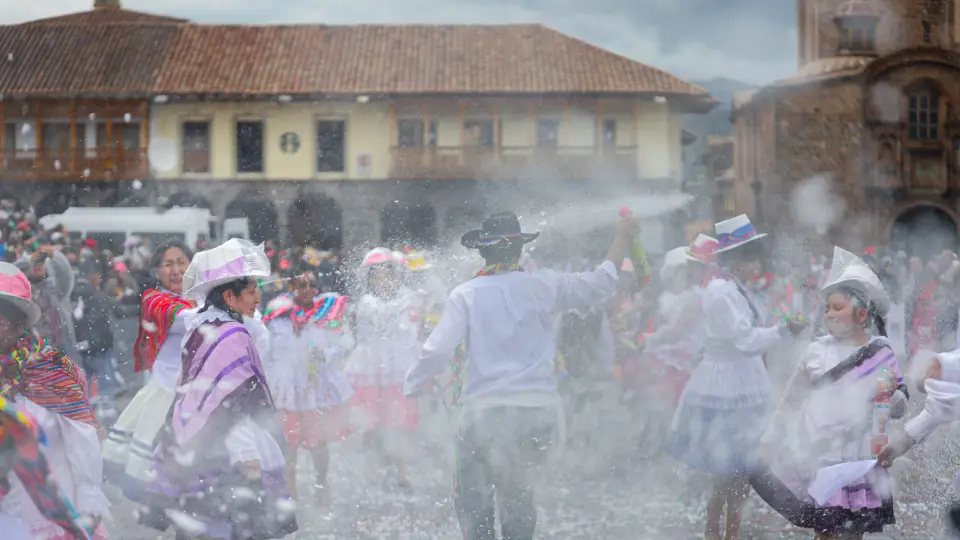
The Plaza de Armas serves as the main venue for the celebration, attracting locals, travelers, and tourists. The traditional water and foam fight begins here, creating an inclusive and festive atmosphere that fosters community and enjoyment for all participants.
Water, Talcum and Foam Battles
Water is the focus of this event, exchanged between men and women, but not among individuals of the same gender. Participation is open to all, regardless of nationality or race. The water balloon fight is highly anticipated, ensuring everyone gets soaked and creating an atmosphere of shared laughter and excitement.
Corta Monte or Yunza: The Heart of the Celebration
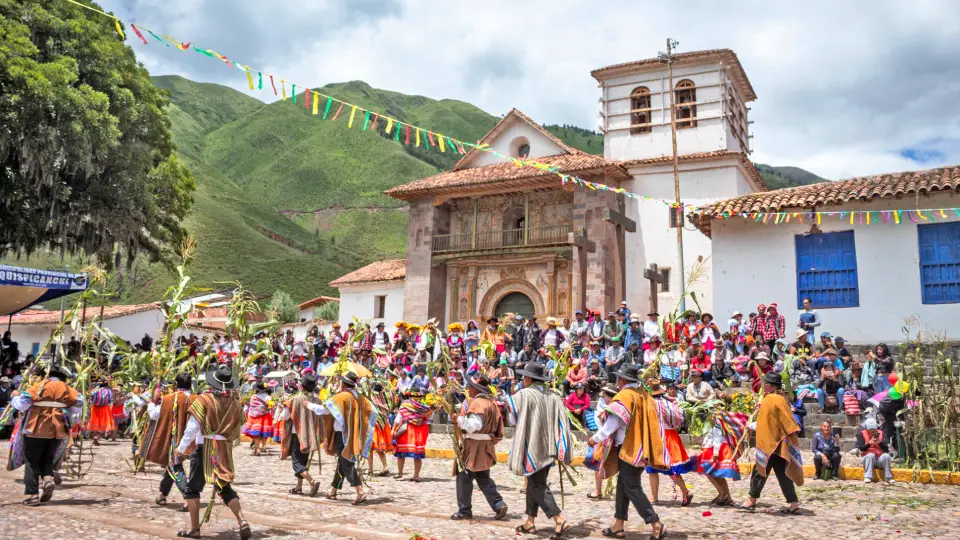
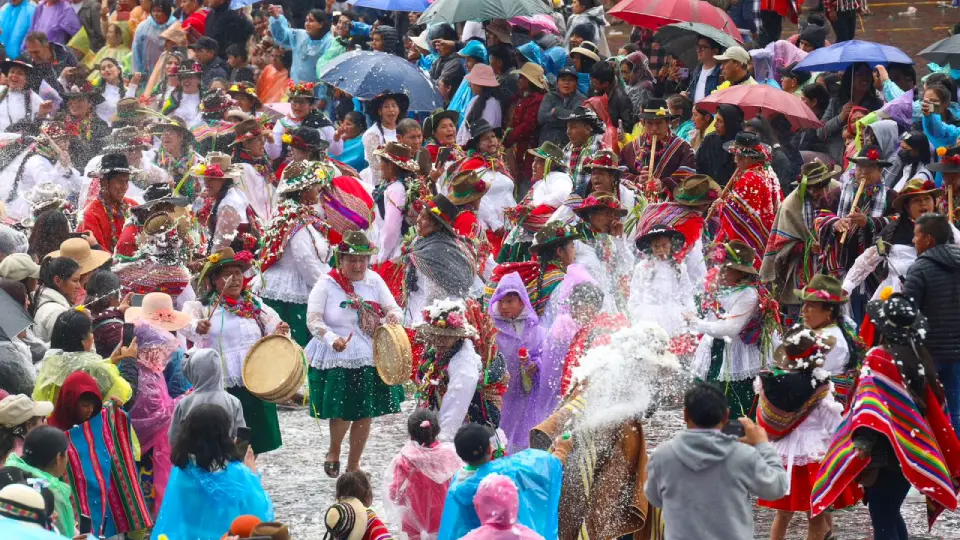
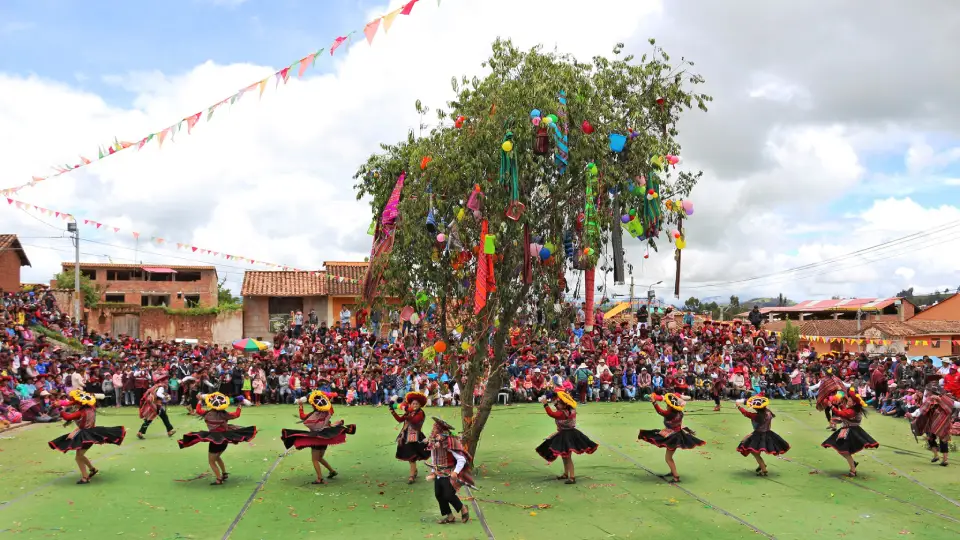
Also called Corta Monte, this tradition is central to the festivities. Trees such as capulí, molle, or eucalyptus are set up in the plaza and decorated with gifts, balloons, and streamers. Participants dance around the tree to lively music, and couples take turns entering the circle to chop it down with an axe. The couple who fells the yunza is honored with organizing the following year’s Corta Monte celebration.
Important Fact
The yunza symbolizes the abundance and fertility of Mother Earth. Gifts placed on the tree represent the land’s plentiful fruits and are considered a blessing from Pachamama.
Traditional Music and Dances
During Carnival, the sounds of quenas, zampoñas, tarolas, drums, bombos, and pinkuyllos fill the air, creating melodies that encourage participation. Iconic dances add color and joy, highlighting the rich cultural heritage and traditions of the Cusco region.
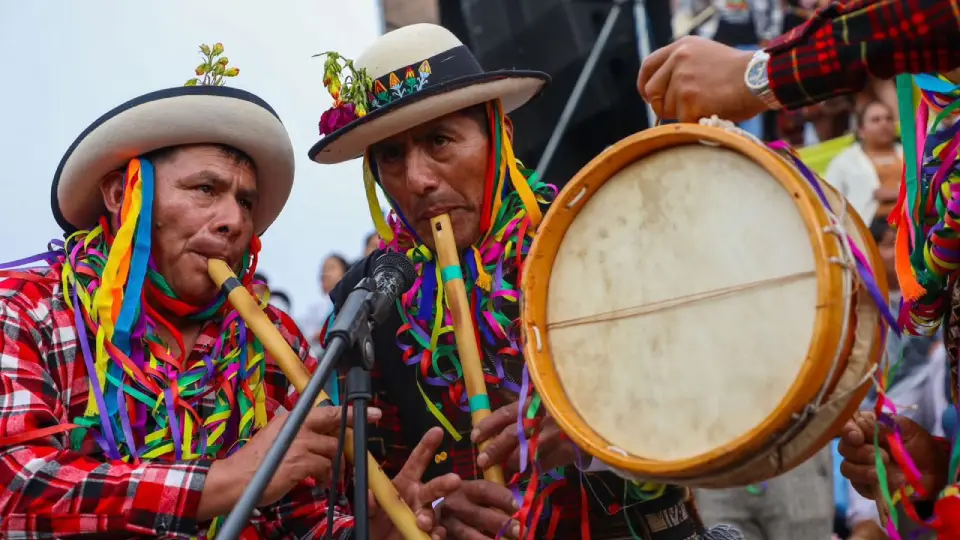
Cusco Carnival
This colonial dance, once performed exclusively by mestizos during Carnival, highlights youthful courtship and celebration. Danced around a yunza tree with lively music and colorful costumes, it brings energy and vibrancy to the Cusco Carnival.
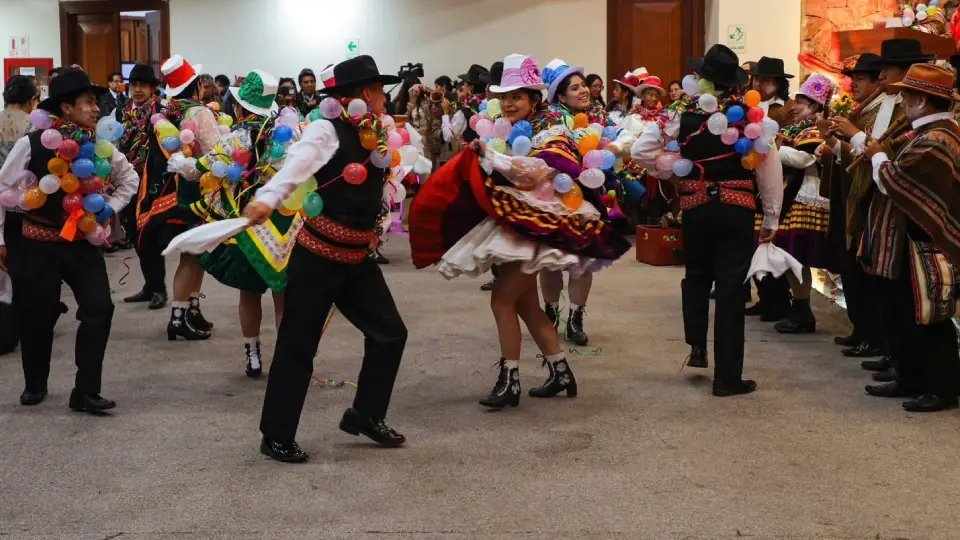
Kanas Carnival Dance
This traditional dance, performed in Chiaraje and Toqto, portrays a playful contest among community members and concludes with songs and gestures of courtship. The performance ends with the “Sirvinakuy,” a ritual in which men symbolically “kidnap” women to express love and companionship. The dance brings joy and excitement to the celebration, highlighting Cusco’s vibrant Carnival traditions.
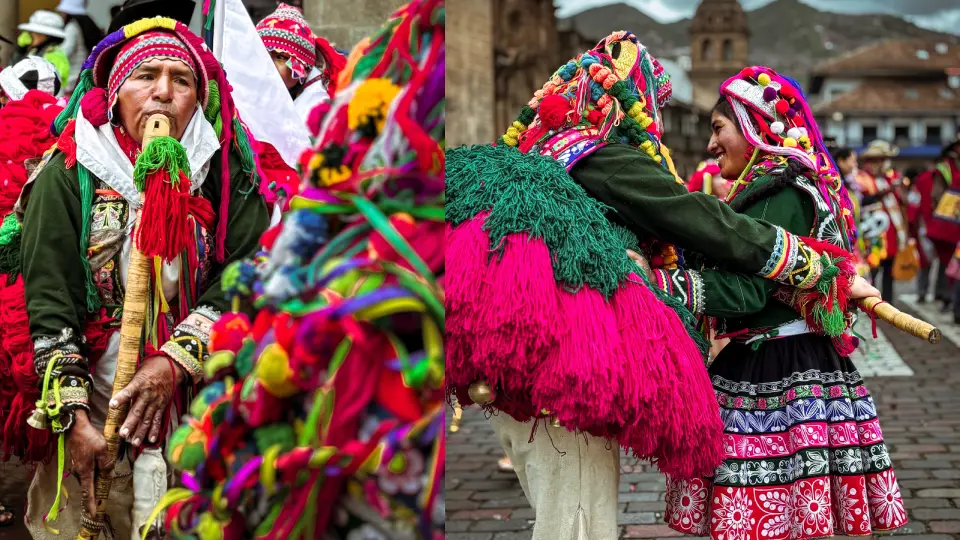
Los Jilgueros Dance
The Los Jilgueros Dance, inspired by the Andean goldfinch, celebrates courtship and youthful romance among unmarried couples. Dancers mimic the bird’s flight with energetic movements, bringing joy and vitality to the celebration while symbolizing fertility and young love.
Mollomarka Carnival Dance
The Mollomarka Dance, from Paucartambo and the Qatqa province, features dancers who try to “catch the wind” with their hands and embrace it. Their playful gestures and flirtations express affection and desire, filling the celebration with movement, tenderness, and vibrant joy that reflect Cusco’s Carnival traditions.
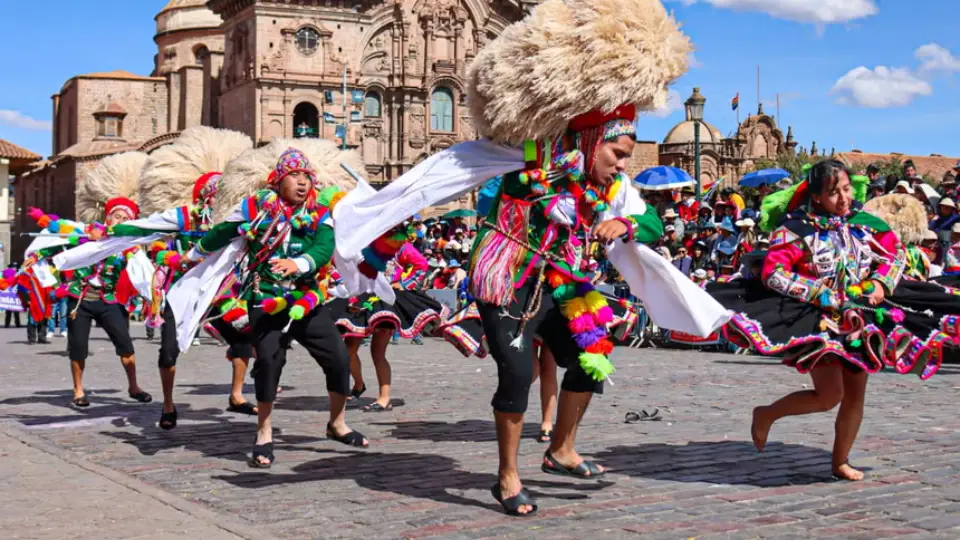
Sullumayo Carnival Dance
The Sullumayo Dance, from the Huaro district, is performed with agricultural products and native birds as offerings to Pachamama (Mother Earth). Dancers express courtship and affection, with men demonstrating gallantry and vigor, and women responding with charm and playful grace. This performance brings joy, energy, and a sense of tradition to the celebration.
Fun Fact
This is the most anticipated day for locals in Cusco, when the streets come alive not only with water, foam, and talco fights, but also with parades and street performances across the Plaza de Armas and local neighborhoods, turning the city into a vibrant stage of color, fun, and festivity.
Kacharpari – Carnival Finale (February 17)
The Kacharpari marks the grand finale of Cusco’s carnival. Dance competitions organized by public and private institutions feature both local residents and international visitors, who present traditional dances from their regions or countries. This event adds vivid color, joy, and energy to the celebration.
Key Facts
The Cusco Carnival takes place from March 2 to 4, with main events on Carnival Sunday, Monday, and Tuesday. Additional festivities and cultural activities continue through March 9.
Cusqueñan Traditions During Carnival
Tikachiy Festival
Each year in February and March, highland shepherds in the Kanas province (Espinar) carry out age-old rituals to ask for prosperity and protection for their animals. During Tikachiy, they give flowers, sweets, and fruits to the Apus, or sacred mountain spirits, hoping for abundance and harmony.
During the ritual, people decorate llamas, alpacas, and now sheep and cattle with colorful ribbons. These ribbons show care, gratitude, and respect for nature. This tradition brings together Andean spirituality, animal care, and cultural heritage, making it a special Carnival custom in Cusco.
Linderaje (Mojón or Muyuy)
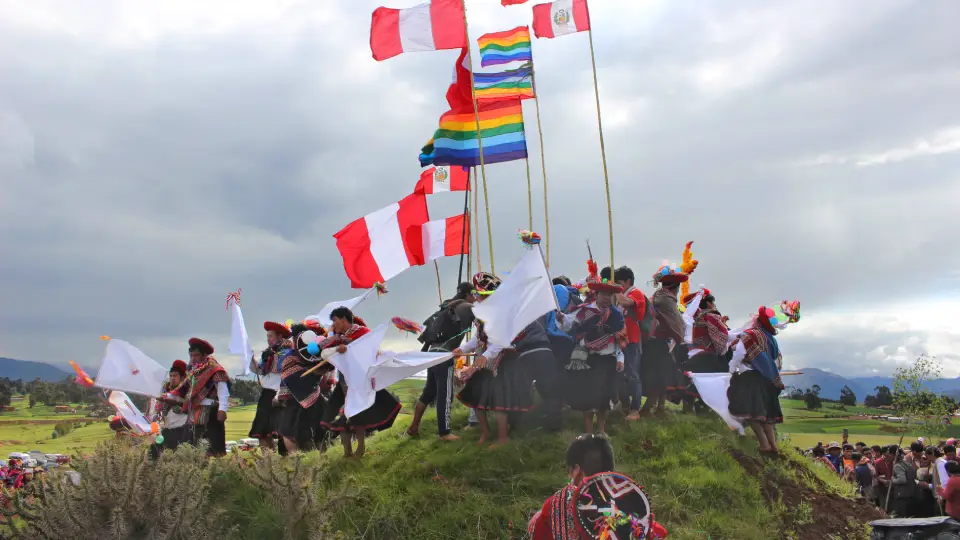
Linderaje, also called Mojón or Muyuy, is a tradition where communities come together to confirm their land boundaries and celebrate peace and unity. Local leaders guide the villagers, who are led by the wifalas, sacred symbols of Pachamama (Mother Earth). As they walk along the borders, they carry a white flag to show friendship and harmony with their neighbors.
Along the way, people honor stone markers, called mojones, by placing flower-decorated crosses on them. The ceremony ends with a lively celebration of music, dance, and song, which strengthens community ties and shows respect for the land and ancestors.
Tupanakuy: A Display of Strength and Bravery
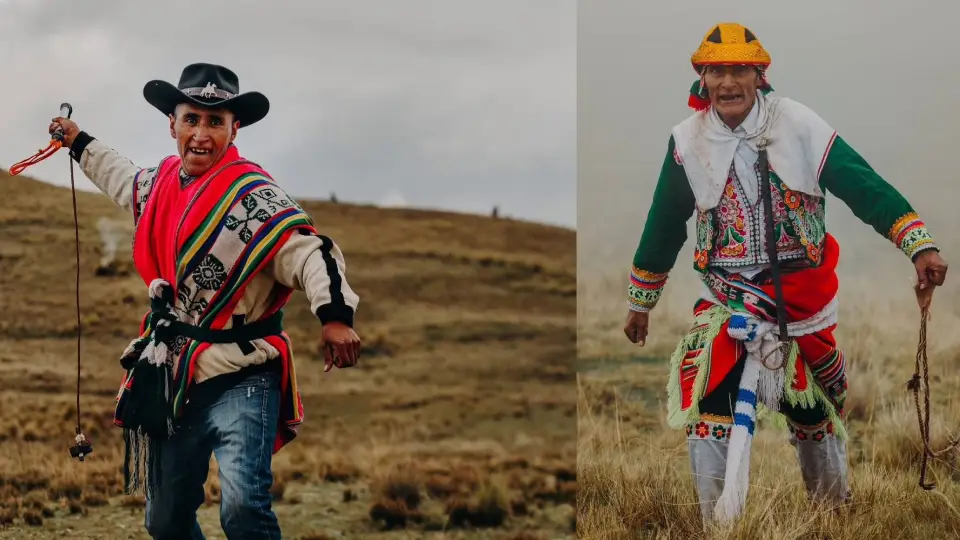
During Carnival, single men join traditional competitions to show their strength, endurance, and courage in hopes of impressing women, continuing old Andean courtship customs. Tupanakuy is both a physical test and a symbol of masculinity, bravery, and cultural identity handed down over time.
Chiaraje: Ancestral Ritual Battle
Each rainy season, on the slopes of Chiaraje Hill, farmers from Ch’eca and Q’ewe take part in an old ritual battle called Chiaraje. Using slings, whips, bolas, and stones, they honor Pachamama (Mother Earth) and the Apus, the mountain spirits, to ask for a good year and plentiful harvests.
At first, only elders joined this ritual, using leather weapons they made themselves. Today, the tradition has changed, but it still keeps the strong values of strength, respect, and cultural pride that shape Canas. Chiaraje remains one of the most powerful and symbolic Carnival traditions in Cusco.
Ritual Held Every January 20
Did You Know?
In this ancient tradition, the community that won the ritual confrontation would often claim some women as symbolic spoils, either to form a household or to release them later. Because of this, many women left the area before the ceremony ended to protect themselves. This practice shows the deep social and ritual meanings behind these ancestral encounters.
Mik’ay o Toqto: Ancestral Ritual Battles on Horseback
During the ritual battles between the provinces of Kanas and Chumbivilcas, community members ride on horseback, making the event a strong display of bravery and tradition. Before the confrontation, participants hold a Tinkay ceremony to honor the Apus, the sacred mountain spirits. They offer chicha, a traditional corn beer, to ask for blessings and good omens from Pachamama, or Mother Earth.
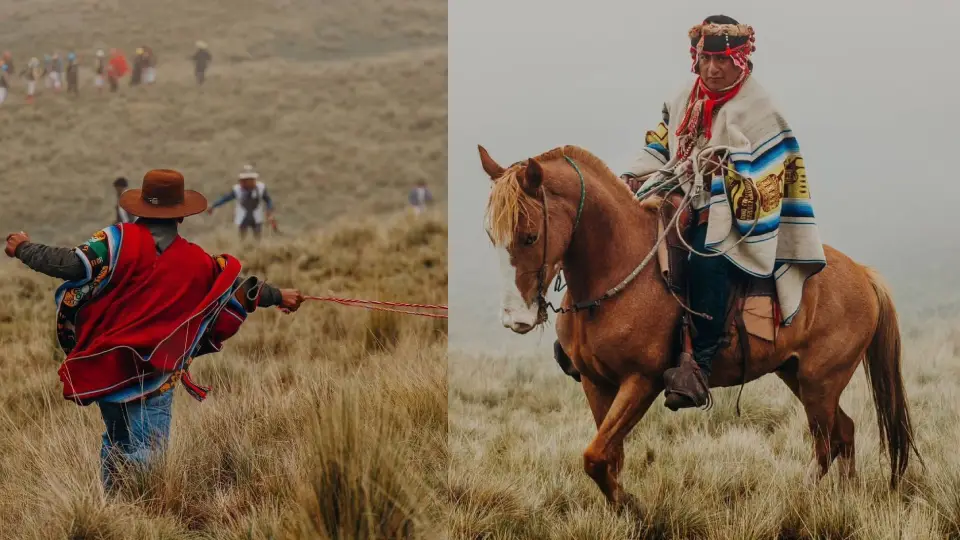
During the ritual, people believe that shedding blood stands for prosperity, fertility, and abundance, which adds to the event’s spiritual meaning. The ceremony also has a practical side, as it helps both communities recognize and reaffirm their territorial boundaries, keeping harmony and honoring old agreements in the Andes.
Celebrated Every February 2
Important Fact
These rituals have been passed down for generations and are still practiced today to honor how our ancestors protected their lands. Before any conflict, they would ask the Apus, the sacred mountain spirits and guardians of the Andes, for permission.
These traditions also remind us of the courage and strength of the native Andean people. They defended their land and stood up against Spanish rule during the rebellion of Túpac Amaru II. Today, these rituals help keep the memory of resistance, identity, and spiritual connection to the land alive.
Where to Best Experience Carnival in Cusco
In the City
Cusco Main Square (Plaza de Armas)
The Plaza de Armas is the main spot for Carnival in Cusco, but neighborhoods like San Blas, Santiago, San Sebastián, and San Jerónimo each offer their own special, more authentic celebrations.
Carnival brings colorful parades, costume contests, and fun water, paint, and foam games to the streets. Traditional dances and lively Andean music add to the festive and energetic mood.
At the end of the celebration, everyone gathers for the yunza, or corta monte. Locals and visitors dance around a decorated tree, making it a memorable part of Carnival in Cusco.
In the Provinces
In the Sacred Valley, towns like Pisac and Urubamba combine stunning scenery with ancient traditions. Here, you can enjoy a colorful and authentic Carnival experience set against the beautiful Andes.
The Southern Valley, including Paruro, Anta, and Chumbivilcas, is ideal for travelers seeking a quieter, more traditional celebration. These places still offer all the charm and cultural richness of Cusco’s Carnival.
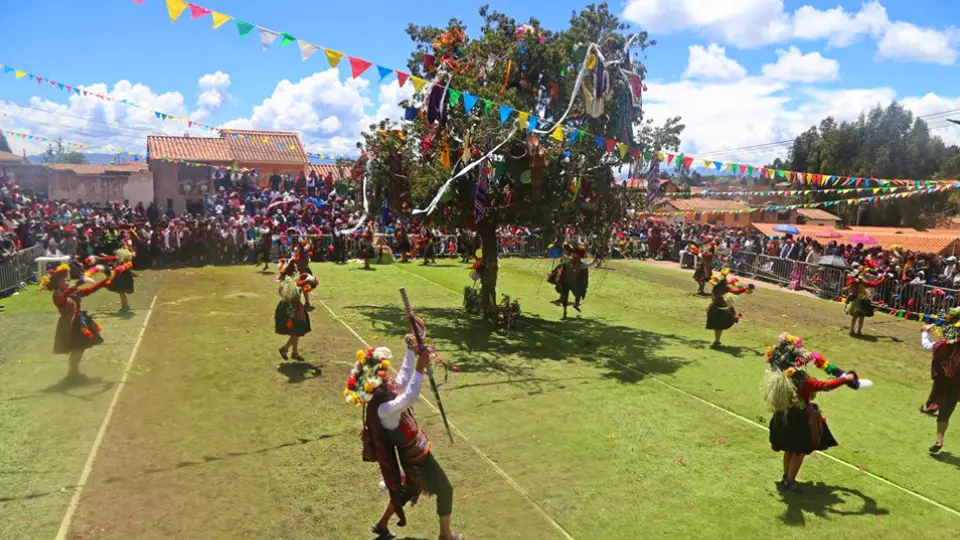
In rural areas like Tinta and Sicuani, Carnival is marked by strong local traditions and a real sense of community. These celebrations are away from the crowds, giving visitors a chance to experience the true spirit of Andean festivities.
Activities During Cusco Carnival
The Municipality of Cusco and EMUFEC organize Carnival celebrations on the main day and throughout the Carnival octave. These days are filled with colorful cultural events.
- Traditional Dance Parades, known as Pasacalles, fill the streets with regional dances, music, and bright costumes.
- Comparsa Competitions bring together groups who perform creative routines full of rhythm, joy, and local culture.
- Traditional Costume Contests celebrate Andean identity with beautifully made traditional outfits.
- The Best “Puchero” Contest highlights one of Cusco’s most traditional Carnival dishes, known for its rich flavor and heritage.
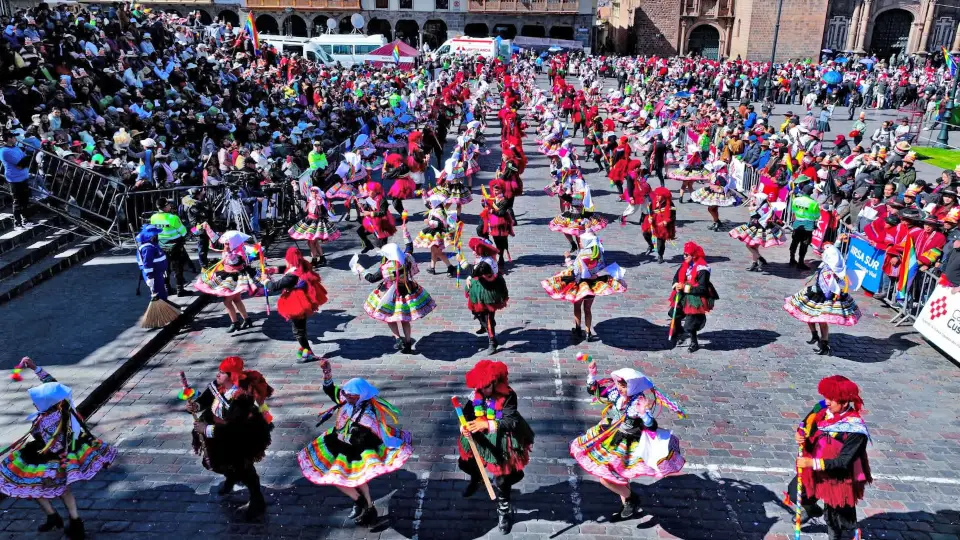
These events fill Cusco with culture, music, food, and tradition. Carnival is a great time to visit the city.
Important Tip
Every place has its own charm. Pick your path and enjoy the joy, color, and lively spirit of Cusco Carnival.
What to Eat During Cusco Carnival
Puchero, also called Timpu, is the main dish of Cusco Carnival and a symbol of local food. This festive meal mixes lamb, sweet potato, Andean potatoes, carrots, peaches, moraya (freeze-dried potatoes), rice, chocho (Andean lupin), and cabbage leaves. It comes with a tasty broth on the side, giving a comforting, home-cooked flavor that feels warm and uplifting.
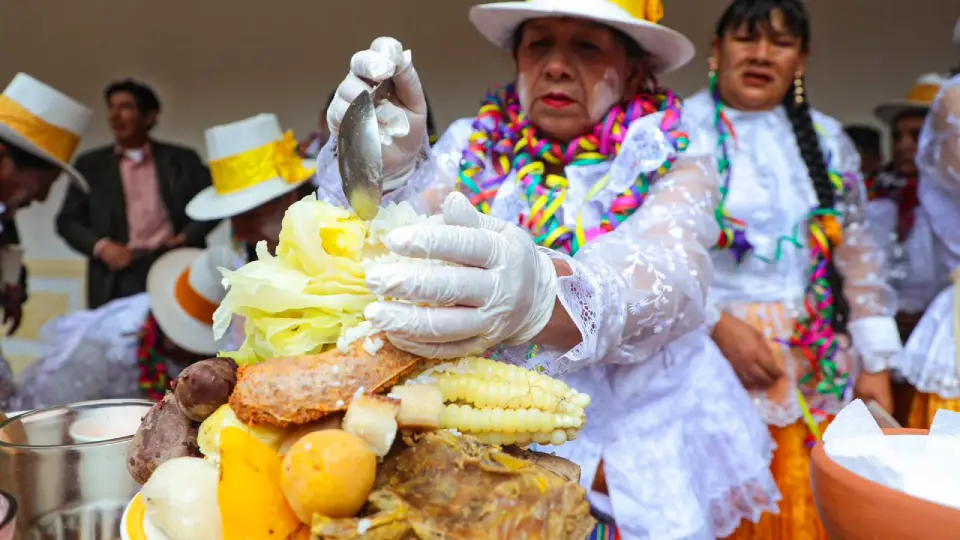
Trying Puchero during Cusco Carnival is more than just eating a meal. It is a cultural experience that brings together food, tradition, and celebration in a memorable way.
Kapchi de Zetas: A Seasonal Andean Delight
Kapchi de Zetas is a traditional Cusco Carnival dish featuring fresh fava beans and zetas, a wild Andean mushroom available only during this season. Its limited availability makes it a distinctive highlight of Carnival in Cusco.
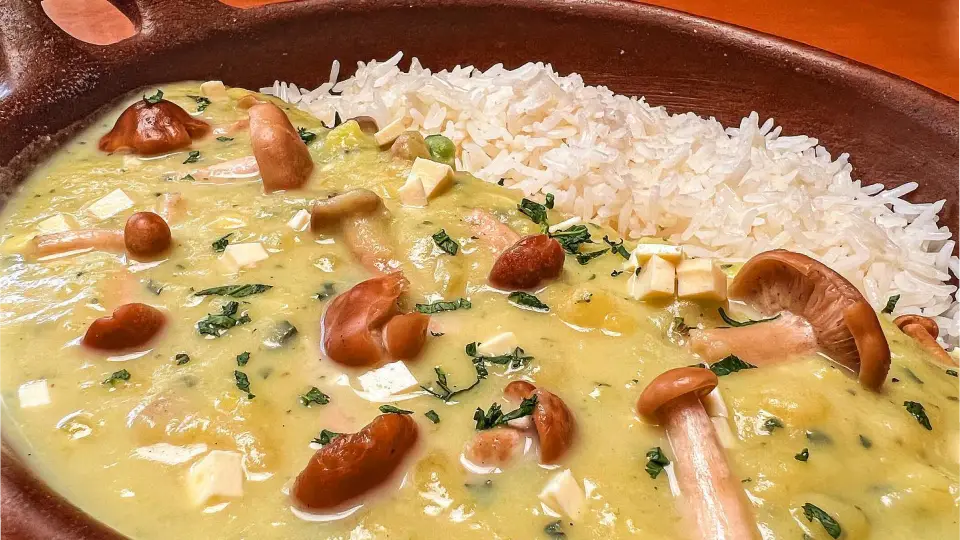
Sampling Kapchi de Zetas during Carnival offers a unique opportunity to experience an authentic Andean recipe that embodies local tradition and seasonal celebration.
Chupe de Peras: A Sweet and Comforting Carnival Tradition
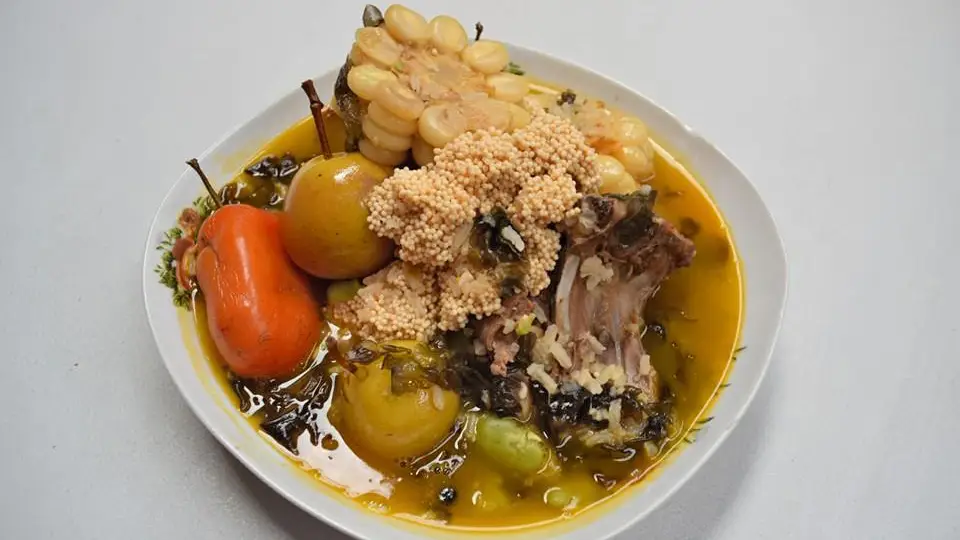
Chupe de Peras is a traditional dish from Cusco’s San Sebastián district, served during patron saint festivals and Carnival when pears are in season. Its sweet and comforting flavor makes it a seasonal favorite.
This Andean soup highlights the connection between local agriculture, seasonal harvests, and festive traditions, providing visitors with an authentic taste of Cusco’s culinary heritage during Carnival.
Traditional Carnival Drinks
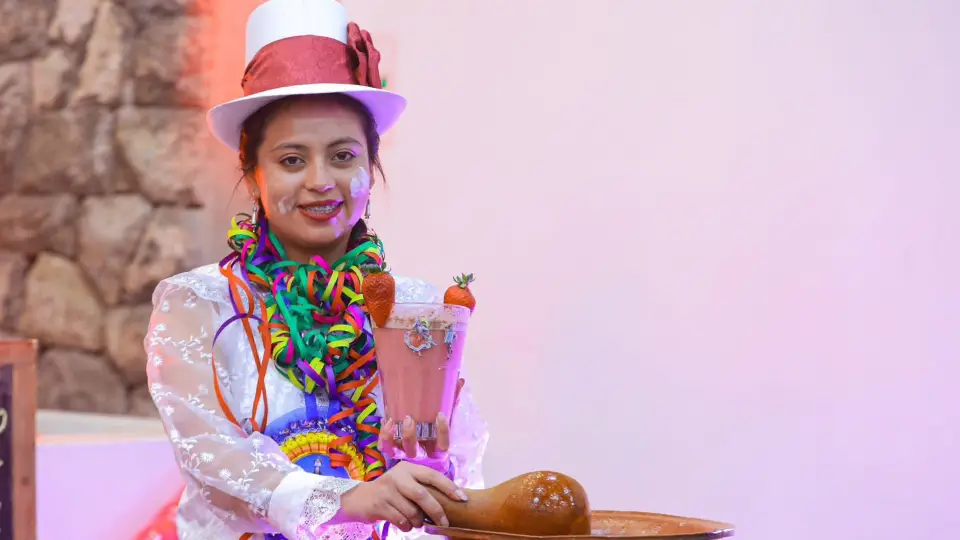
Frutillada is a traditional Cusco Carnival drink made by mixing chicha de jora, fresh strawberries, and a hint of cinnamon. During Carnival, locals happily share it as a symbol of celebration, unity, and Andean heritage.
Frutillada is refreshing and a little sweet. It captures the festive spirit of Cusco and gives travelers a real taste of local culture during Carnival.
Chicha de Jora
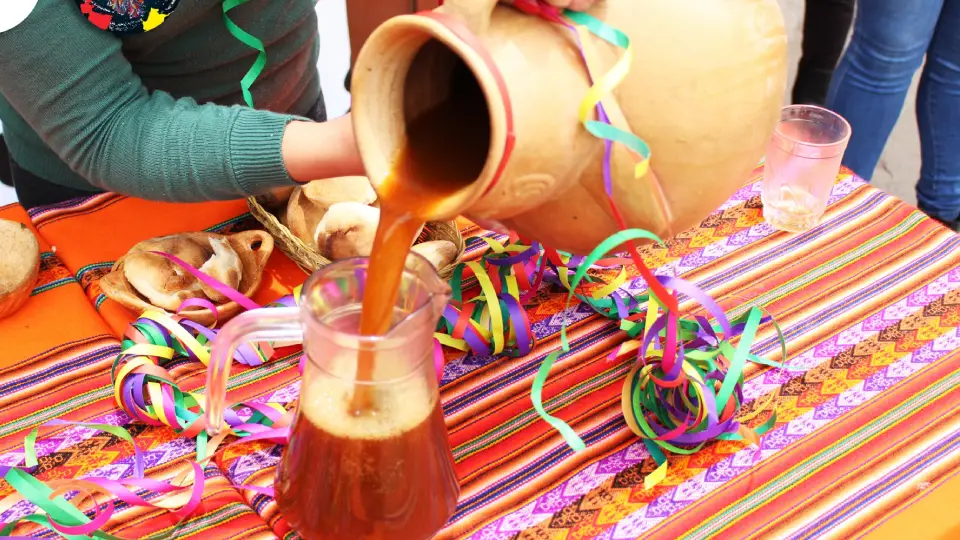
Chicha de jora, or yellow chicha, is made from fermented corn and is seen as a sacred drink passed down from the Incas. For centuries, people have used it in rituals, ceremonies, and community gatherings.
Today, chicha de jora is still an important symbol of Andean tradition in Peru. People enjoy it at festivals like Cusco Carnival, where it stands for gratitude to Pachamama, cultural identity, and ancestral roots.
What to Bring to Cusco Carnival
- Wear comfortable clothing and bring items you do not mind getting wet, as water games are an integral part of the celebration.
- Remember to pack sunscreen and sturdy walking shoes.
- Participate with respect and enthusiasm. Greet others, dance, and engage with the community to quickly feel welcomed.
- Book accommodations near the city center to ensure convenient access to all celebrations.
- Above all, remain flexible and enjoy each moment. Every experience offers an opportunity to fully appreciate Cusco.
Where to Stay in Cusco
- Hotel Monasterio (Belmond Hotel Monasterio)
Located in Cusco’s historic center on Palacio Street, steps from the Plaza de Armas and adjacent to the Inka Museum. - Palacio del Inka (Luxury Collection Hotel)
Situated in Santo Domingo Square, directly in front of Qoricancha, in the heart of the historic center. - Casa Andina Premium Cusco
Located at Limacpampa Chico Square, near Avenida El Sol and within walking distance of the Plaza de Armas. - Hilton Garden Inn Cusco
Set in the traditional Santa Ana neighborhood, minutes from the historic center, and offering panoramic views of Cusco.
How to Experience Carnival in Cusco Like a Local
- Participate in the water and foam games held in the Plaza de Armas.
- Join neighborhood dance groups, known as comparsas.
- Dance and celebrate around the yunzas, or corta monte, accompanied by live music.
- Immerse yourself in the festive atmosphere and local traditions.
Unique Experiences for Travelers
- Share traditional meals with local families.
- Explore historic neighborhoods rich in culture and color.
- Join cultural and culinary tours that highlight the significance of each tradition.
- Visit local communities to experience their dances and rituals firsthand.
- Participate in dance workshops and ancestral ceremonies.
Recommended Travel Itinerary (3–4 Days)
Day 1: Explore Cusco’s historic center and visit Sacsayhuamán.
Day 2: Enjoy neighborhood celebrations and the main yunzas.
Day 3: Visit Moray, the Maras salt mines, and the Sacred Valley.
Day 4: Discover Machu Picchu.
Live the Magic of Cusco Carnival
Do not hesitate to book your trip with Qoricancha Expeditions and experience one of South America’s most authentic and joyful festivals. Share unforgettable moments, connect with local traditions, and become part of a celebration that fills every street and heart in Cusco with color, joy and excitement.
Frequently Asked Questions – Cusco Carnival
Can we travel with children?
Yes! Visiting Cusco during Carnival is a great experience for families. Just make sure to watch your children during the water games so everyone can have fun and stay safe.
What is the best place to watch the parades?
The Plaza de Armas is the main place to see the biggest and most colorful parades. For a more local and close-up experience, try neighborhoods like San Blas.
How should I book accommodation during Carnival?
Book your hotel early, especially if you want to stay in the historic center. You’ll be close to the main events and won’t miss any of the festival.
What should I do if it rains?
Don’t worry! Bring a rain jacket and sturdy shoes. In Cusco, rain doesn’t stop Carnival. The celebration goes on with the same energy, music, and joy.
Is it safe to participate in Carnival activities?
Yes, Carnival is safe, especially in the central areas and at organized events. As with any big festival, watch your belongings and follow local advice to have a good time.
Can visitors join the dances and comparsas?
Of course! Cusqueños are welcoming and love to include travelers in the celebration. Dance, sing, and join the fun. Here, everyone becomes part of the Carnival.
Are there activities for families and children?
Yes! There are plenty of family-friendly activities, including parades, dance competitions, and food fairs. Supervision during water games is recommended for peace of mind.