




Cusco, Peru, is one of the most fascinating places to visit in South America and serves as the main gateway to Machu Picchu. Once the capital of the Inca civilization, the city blends ancient ruins, colonial architecture, lively streets, and rich Andean traditions.
Welcome to the enchanting world of Cusco, the ancient capital of the Inca Empire and a hub for tourism in Cusco. This city is renowned for its rich history, vibrant culture, and breathtaking landscapes. Whether you're drawn to the iconic Machu Picchu or eager to explore the myriad tourist destinations that Cusco has to offer, this guide will help you plan the perfect trip.
Most visitors come to Cusco for Machu Picchu, but they quickly find there is much more to enjoy. The Sacred Valley, nearby villages, bustling markets, great food, and well-known hikes like the Inca Trail all add to Cusco’s charm.
This guide will help you discover what makes Cusco special, with highlights of the best sights and experiences you should not miss.
Cusco: History, VIP Experiences & Unforgettable Treks
If you’re planning a trip to Cusco, this guide has everything you need. Discover the city’s rich history, explore its charming streets on walking tours, check out free attractions, and get tips for the best nearby excursions.
You’ll also find the best trekking routes, where to stay, local dishes to try, and how to reach the famous Machu Picchu. The guide is simple to use, so you can make the most of your adventure.
Cusco Travel Guide: Why Visit, Weather, Altitude & How to Get There
Cusco was once the capital of the Inca Empire and is now one of the most interesting places in South America. You’ll find ancient stone streets, colonial buildings, local traditions, and beautiful mountain views all in one place.
Many people use Cusco as a starting point to visit Machu Picchu, hike the Inca Trail, or see the Sacred Valley. But the city itself is also worth exploring.
This guide explains why you should add Cusco to your Peru trip, how to prepare for the altitude, what weather to expect, and the best ways to get there.
Planning your trip? Explore our best tours to Machu Picchu and the Sacred Valley and travel with expert local guides.
Why Visit Cusco?
Cusco is more than a place with history. It feels like a living museum.
You can experience Andean culture in Cusco’s markets, festivals, traditional clothing, and daily life. Walking through the city, you’ll step on original Inca foundations and see old Spanish colonial churches.
From here, you can easily access Peru’s most iconic experiences:
- Machu Picchu
- The Sacred Valley of the Incas
- The Inca Trail
- Rainbow Mountain
- Humantay Lake
- Traditional communities and weaving centers
Your real adventure begins in Cusco.
Check our top-rated day trips and multi-day tours from Cusco.
Where Is Cusco Located? (Altitude Information)
Cusco is 3,400 meters, or 11,155 feet, above sea level.
If you come from a city at sea level, you might feel the effects of the altitude in your first few hours. This is normal.
We recommend:
- taking it easy on arrival
- drinking plenty of water
- trying coca tea
- avoiding heavy meals or alcohol
- planning light activities on day one
Most people adjust quickly and feel fine after a short rest.
Need help planning the perfect acclimatization itinerary? Contact our team and we will design it for you.
What Is the Weather Like in Cusco?
Cusco has a dry, mountain climate with sunny days and cool nights.
Average temperatures:
- Daytime: around 15°C / 59°F
- Night: around 8°C / 46°F
Because the temperature changes quickly, it’s best to wear layers. Mornings can be sunny, but afternoons may bring clouds or light rain, depending on the season.
How to Get to Cusco
By Air
Flying is the easiest and fastest way to get to Cusco.
- From Lima: about 1 hour
- From Arequipa: around 30 minutes
Flights operate daily, and most international travelers connect via Lima.
We can organize your airport pick-up and hotel transfer.
By Road
Traveling by road is a good choice if you like long, scenic trips.
Popular routes:
- Lima – Arequipa – Cusco → 26 hours
- Lima – Nazca – Abancay – Cusco → 20 horas
- Puno – Cusco → 7 hours
By Train
One of Peru’s most beautiful train routes connects Cusco and Puno in about 12 hours.
- Cusco → Puno: Wednesday, Friday, Sunday
- Puno → Cusco: Monday, Thursday, Saturday
Ready to explore Cusco?
Whether you want to walk along cobblestone streets, visit Inca ruins nearby, or go to Machu Picchu, Cusco is at the heart of your trip.
You’ll find history, culture, great food, and beautiful scenery waiting for you.
Browse our most popular Cusco and Machu Picchu tours and secure your spot today.
History of Cusco
The Origin of the City of Cusco
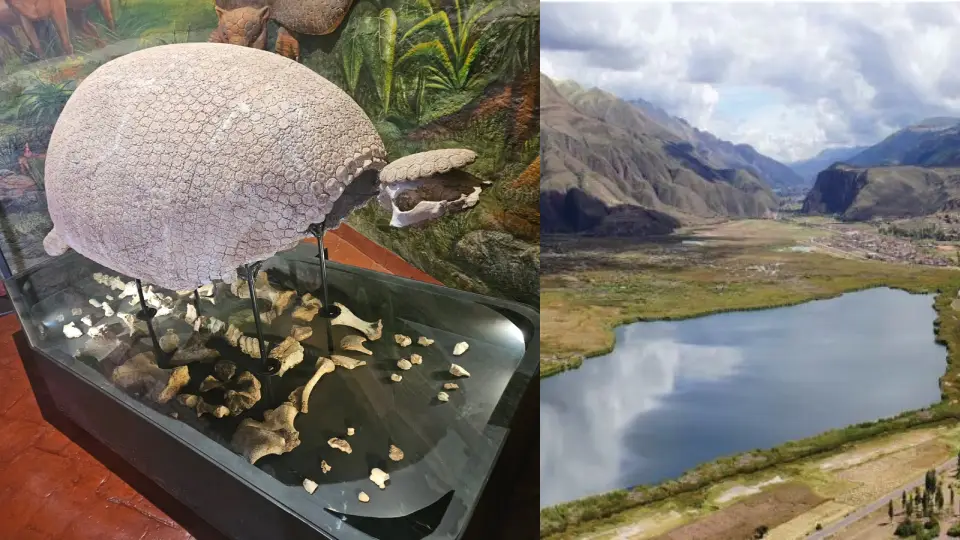
The area where Cusco now stands was once covered by a large ancient lake called Morkill. Historical and geological records show that this lake existed until the early 1900s and reached as far as today’s San Jerónimo district.
Over time, the water slowly drained through Angostura, which changed the land and made it possible for people to live there. Some parts of this old ecosystem are still around, such as the Huasao wetland and the Huacarpay lagoon. These places still have many plants and animals, but now face threats from environmental decline.
By learning about these early changes, visitors can better understand how Cusco developed from a highland valley into the political, cultural, and spiritual heart of the Inca Empire.
If you want to discover more about Cusco’s history and its connection to Machu Picchu, join one of our city tours led by expert local historians.
Important Fact
Visitors today can explore prehistoric remains at the Cusco Regional Historical Museum (Casa Garcilaso de la Vega). The museum displays fossils of a mastodon, ancient algae, seashells, and well-preserved remains of a glyptodont.
These discoveries show that the Cusco valley experienced major environmental changes over thousands of years, long before the Inca civilization appeared.
Be sure to include the museum in your city tour to discover Cusco’s history that goes far beyond the Incas.
Cusco in the Pre-Inca Period
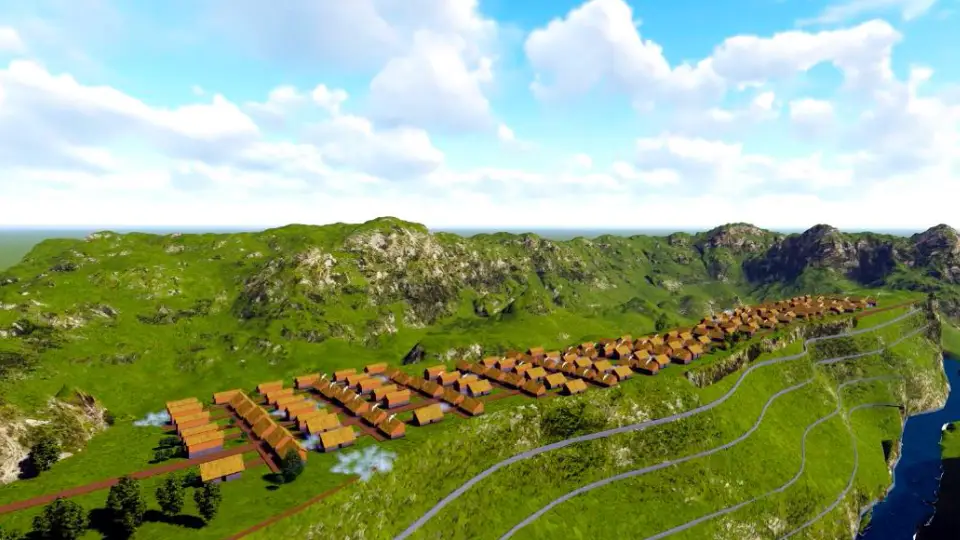
Long before the Inca Empire, people lived in the Cusco Valley. Archaeological evidence shows that from 12,000 to 5,000 BC, early groups settled here, herding and using native animals like llamas and alpacas.
In later centuries, various Quechua cultures such as the Ayarmacas, Marcavalle, Chanapata, Cotacalle, and Wari settled in the fertile valley. They called this land “Haca Mama.” Their farming skills, social structures, and spiritual traditions helped shape what would become the capital of the Inca Empire.
Learning about these pre-Inca societies gives travelers a deeper understanding of how Cusco became one of South America’s most remarkable cultural centers.
Join our expert guides to walk through history and discover the civilizations that shaped Cusco long before Machu Picchu was built.
The Rise of Cusco During the Inca Empire
Cusco’s golden age started in the 13th century when Manco Cápac and Mama Ocllo, along with the Ayar siblings, arrived. Their arrival laid the groundwork for the social order and political structure that later became the powerful Inca Empire.
Cusco reached its peak under Pachacutec, the ninth Inca ruler. He turned the city into “Qosqo,” the sacred capital of Tahuantinsuyo, and redesigned it with grand temples, palaces, and a city layout said to look like a puma.
From Cusco, the empire spread across lands that are now Peru, Colombia, Ecuador, Bolivia, Chile, and Argentina. This growth was built on key values like collective work (mit’a), solidarity, and reciprocity (ayni), which still shape Andean communities today.
Today, walking through Cusco lets you experience what was once the political, religious, and cultural center of one of the greatest civilizations in the Americas.
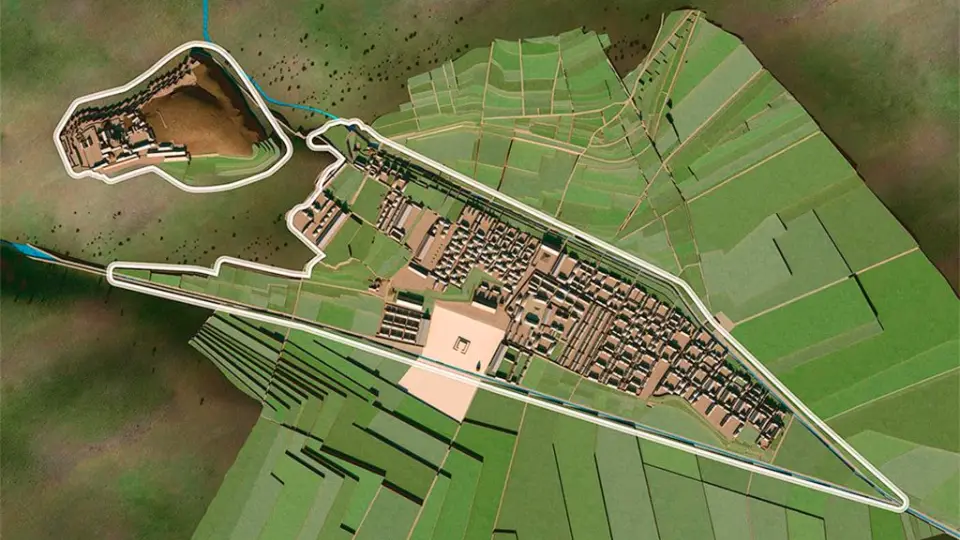
What Does the Name Qosqo Mean?
Qosqo is a word from the Quechua language, and it is often translated as “the navel of the world.” For the Incas, this meant much more than just a poetic saying. It marked the city as a sacred and symbolic center of their universe.
The Incas believed that Cusco was where the four regions of their empire, known as the suyos, started. From this city, political power, religious authority, and culture spread across the vast land of Tahuantinsuyo.
Because of this, Qosqo became the real heart of the Inca world. It was a place where astronomy, spirituality, and government were all closely connected.
If you walk through Cusco today, you are standing in what the Incas believed was the center of their world.
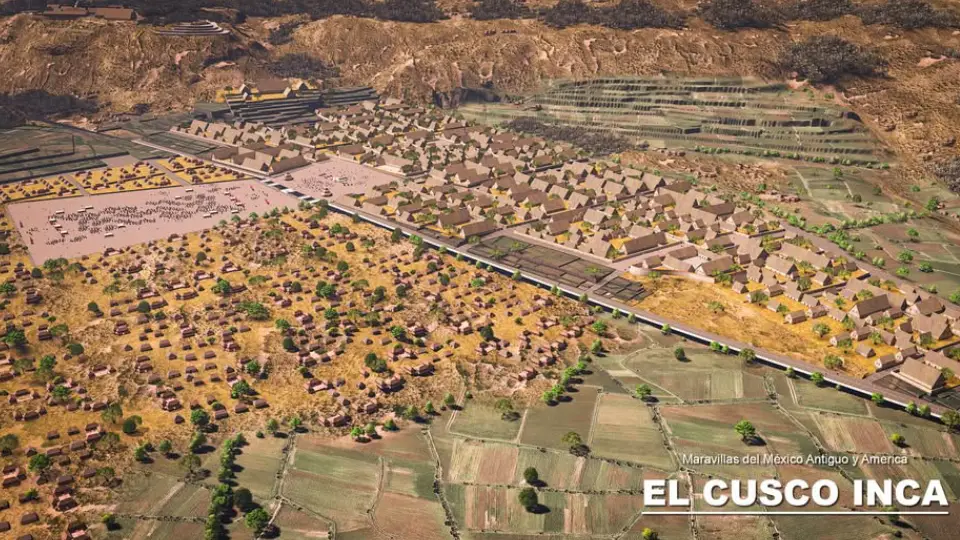
Did You Know?
Tradition says that Pachacútec, the Inca Empire’s great reformer, designed Cusco to look like a puma, which was a sacred animal in Andean beliefs.
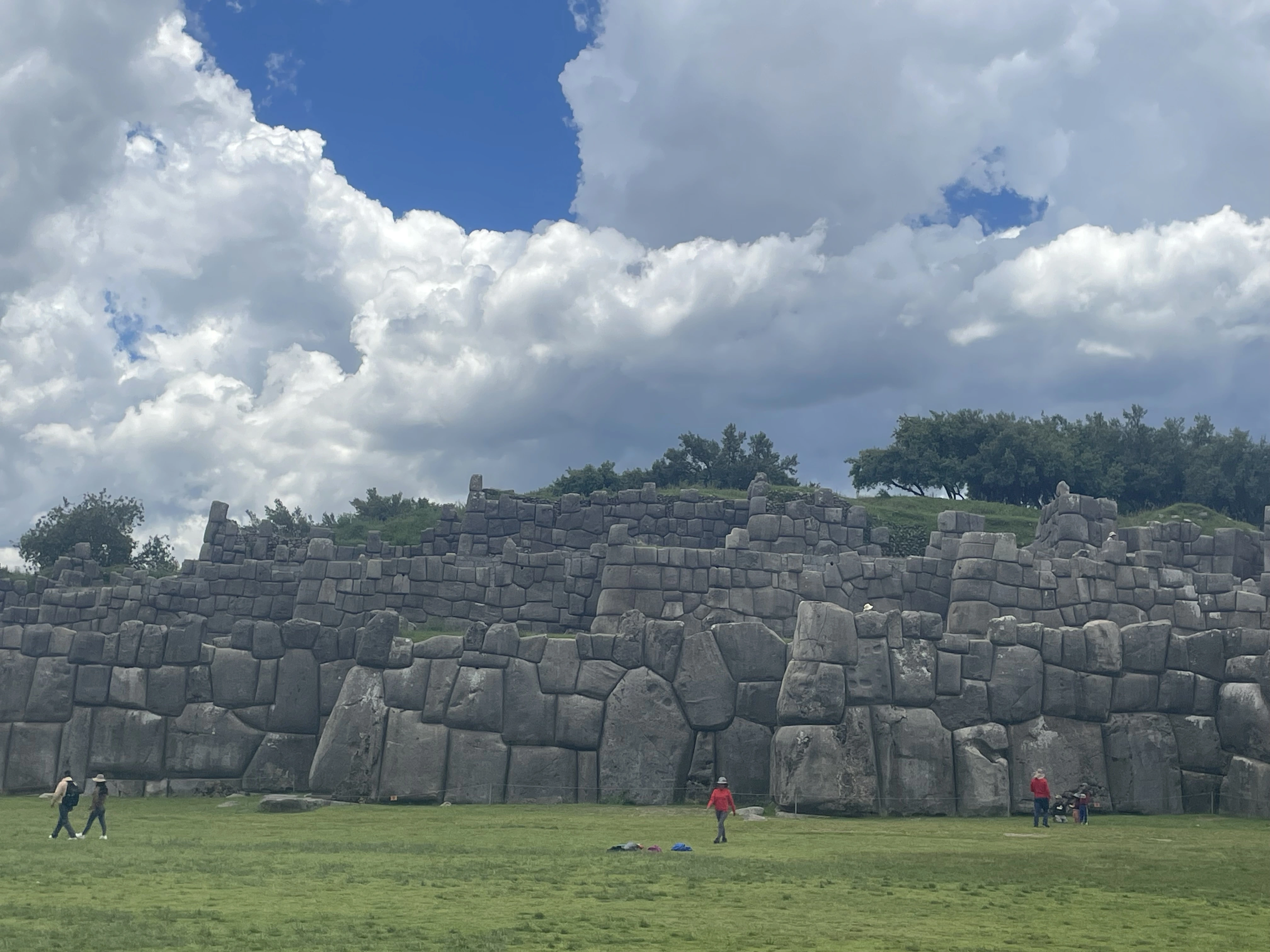
The fortress of Sacsayhuamán made up the puma’s head, the main plazas formed its body, and the tail stretched to the south of the city. At its peak, Cusco likely had about 100,000 buildings and a population between 125,000 and 300,000, making it one of the largest cities in the Americas then.
Even now, many of Cusco’s streets and building foundations still follow this old city layout.
Transformation of Cusco During the Colonial Period
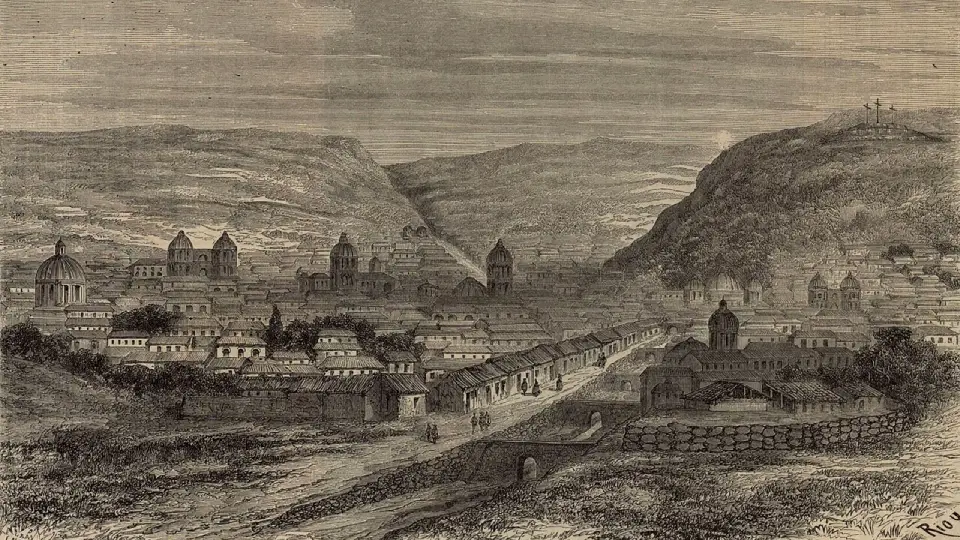
When the Spanish arrived in search of gold and wealth, Francisco Pizarro officially refounded Cusco on March 23, 1534. He reorganized the city to fit Spanish urban standards.
The conquerors divided the land, changed the streets, and built churches and colonial mansions directly over Inca temples and palaces. As a result, Inca stone foundations still lie beneath many Spanish buildings.
This blend gives Cusco its unique character today and is one reason it became a UNESCO World Heritage Site.
"Walking through Cusco means experiencing layers of history all around you.
Cusco Today: A Living Cultural Treasure
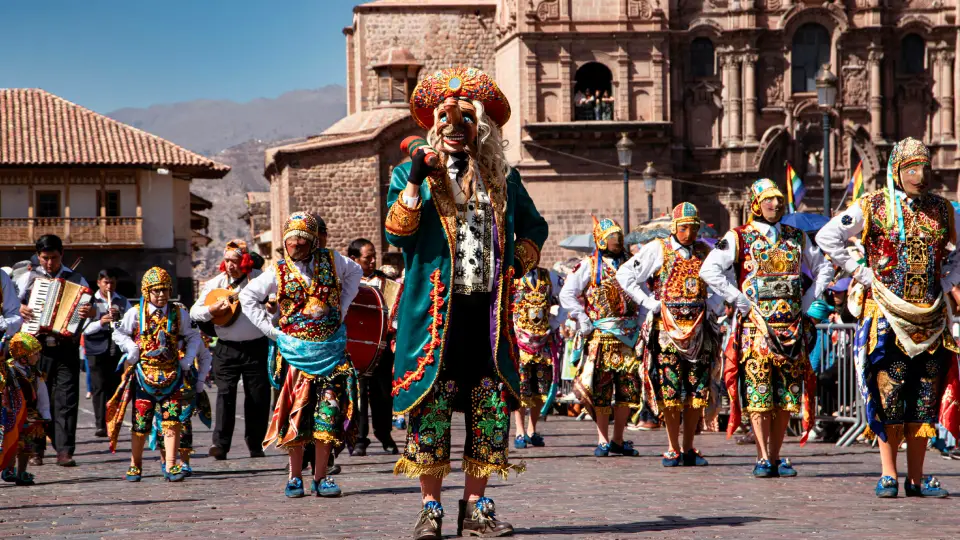
Today, Cusco stands out as one of South America’s most fascinating travel destinations. It is a lively city where ancient history and modern life come together. The streets, plazas, and monuments show a unique mix of Inca heritage and Spanish colonial influence, which is visible in the city’s buildings, celebrations, food, and daily routines.
Even though Cusco welcomes visitors from around the world, it still keeps the spirit of its sacred past. Traditional dances, bright festivals, local markets, and Quechua customs are still part of daily life, letting visitors connect with real Andean culture.
For people in Cusco, this legacy is more than just history. It is a source of pride and identity that still shapes the city’s future.
Visiting Cusco is not just about seeing ruins. It is also about experiencing a living culture.
Cusco’s International Recognitions
People around the world have recognized Cusco for its history and culture through several important honors. These awards show how valuable the city is as a major heritage site for everyone.
- 1933 – Archaeological Capital of South America
Cusco received this title because of its rich Inca and pre-Inca sites, impressive buildings, and its importance as the historic heart of Andean civilization. - 1978 – Cultural Heritage of the World
The city became known worldwide for its special mix of Inca city design and Spanish colonial buildings. - 1983 – UNESCO World Heritage Site
UNESCO officially named Cusco as part of the world’s cultural heritage, stressing the importance of protecting and saving its history for future generations.
These awards show what visitors soon realize, Cusco feels like a living museum.
Best Things to Do in Cusco for First-Time Visitors
When you get to Cusco, a great way to get used to the altitude is to explore the city on foot. Many top attractions are close together, and you can visit several of them for free.
You can stroll through historic streets, see ancient Inca walls, visit lively squares, and experience daily Andean life at your own pace. Only a few places, like the inside of Qoricancha, the Cathedral, and some museums, require a ticket.
Walking around Cusco is more than just sightseeing. It is your first real connection with the spirit of the old Inca capital.
Qoricancha (Temple of the Sun)
Qoricancha, sometimes spelled Koricancha, was the most important temple of the Inca Empire. It was dedicated to Inti, the Sun God, who was the main deity for the Incas.
Chroniclers say its walls were once covered in gold sheets that reflected the sunlight and showed the empire’s divine power.
Today, the site is also home to the Convent of Santo Domingo, which the Spanish built on the original Inca foundations. It is one of Peru’s best examples of Inca stonework combined with colonial architecture, showing how two cultures came together.
Visiting this site helps travelers see both the greatness of the Incas and the big changes that happened after the conquest.
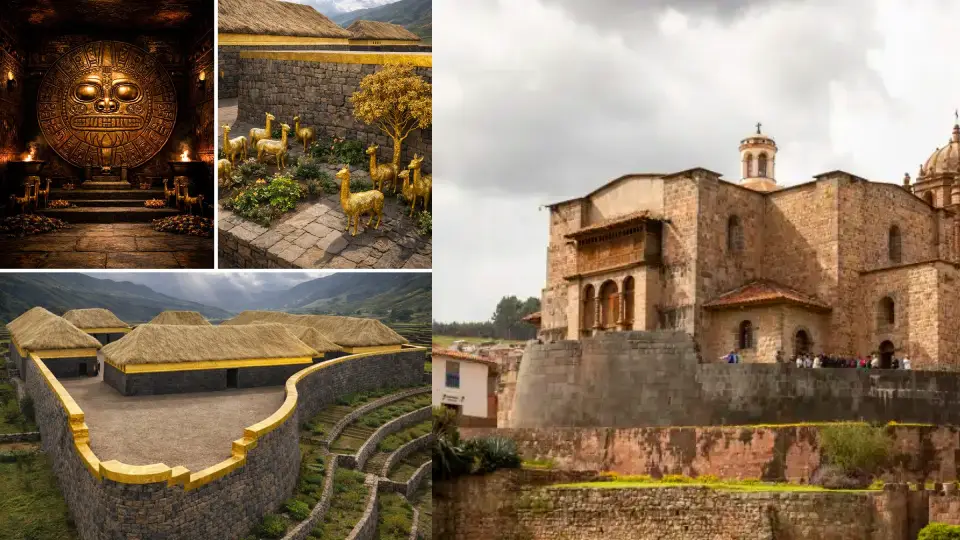
Part of the City Tour
Plaza de Armas (Huacaypata)
Huacaypata, now known as Cusco’s Plaza de Armas, used to be a large Inca ceremonial square covered with white sand. People would bring gold and silver offerings here for the gods.
Today, the Plaza de Armas is the lively heart of Cusco and a perfect place to start exploring the city. Colonial churches, museums, shops, cafés, and restaurants line the square, so it always feels busy and welcoming.
Many of Cusco’s main streets and historic sites are only a short walk from the Plaza de Armas.
Spending time in the Plaza de Armas lets you experience the unique mix of history, culture, and daily life that makes Cusco unforgettable.
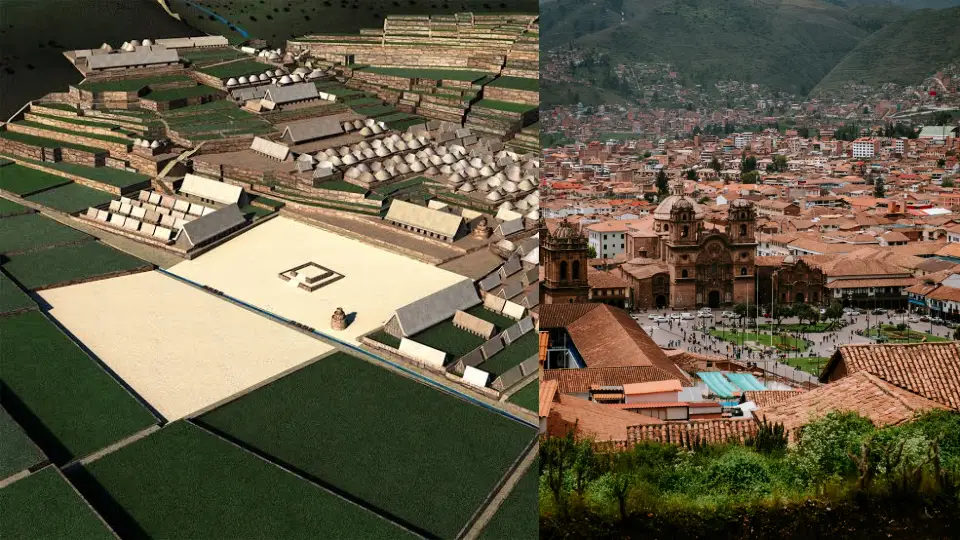
No entry fee require
Cusco Cathedral
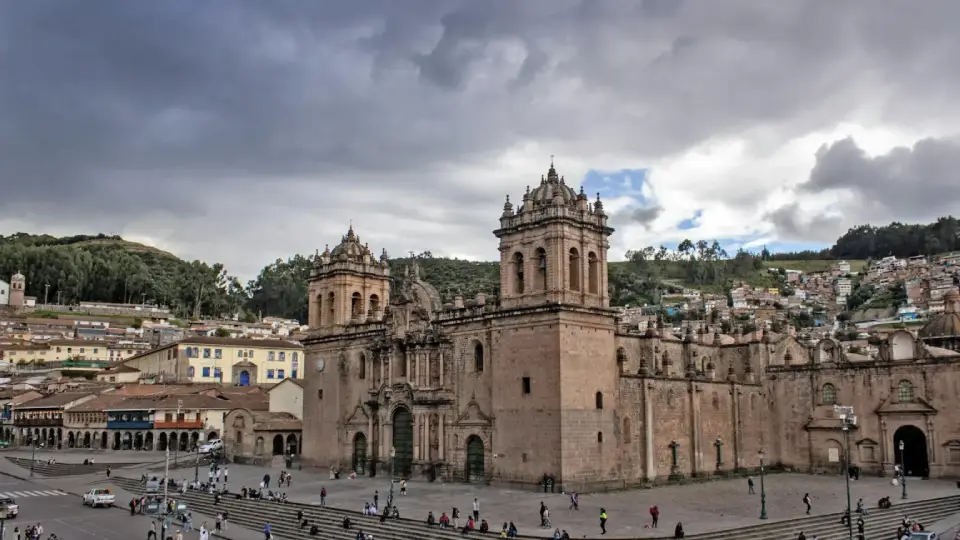
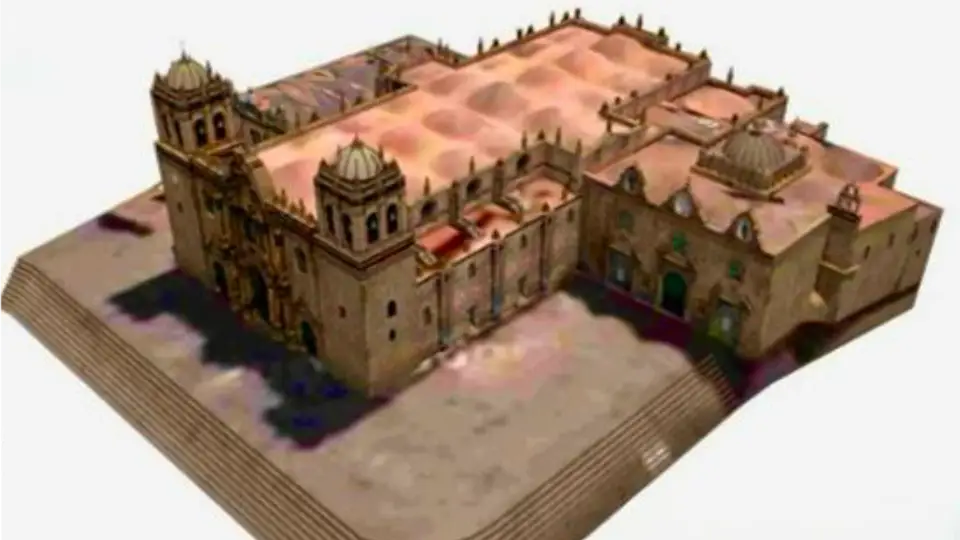
Cusco Cathedral is the city’s main church. Construction began in 1539 using stones from Sacsayhuamán. It was built on the site of Kiswarcancha, which was once the palace of the Inca Viracocha.
Inside, you can explore a blend of history, art, and spirituality. Some highlights are the Last Supper by Marcos Zapata, the Lord of the Earthquakes, the Panorama of Monroy, the silver canopy for Corpus Christi, and the María Angola bell.
This cathedral is an important monument for learning about colonial Cusco and its deep Andean roots.
|
|
Twelve-Angled Stone
You can see this famous stone on Hatun Rumiyoc Street, where it forms part of the palace wall of Inca Roca. It was carved from a single block of green diorite and is known for its precise Inca engineering.
In the past, this spot marked the boundary between Hanan Qosqo, or upper Cusco, and Hurin Qosqo, or lower Cusco.
It is also one of the most photographed places in the city.
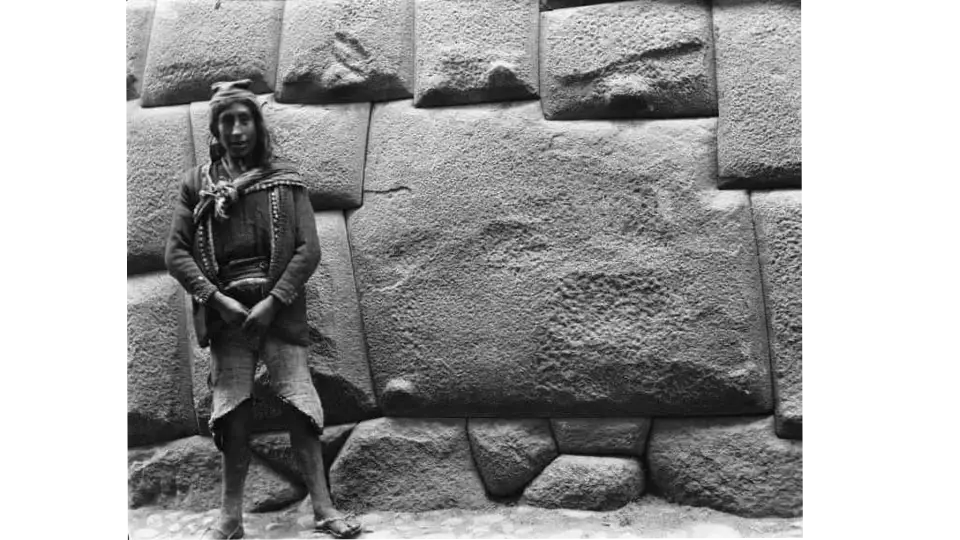
Included in the City Tour
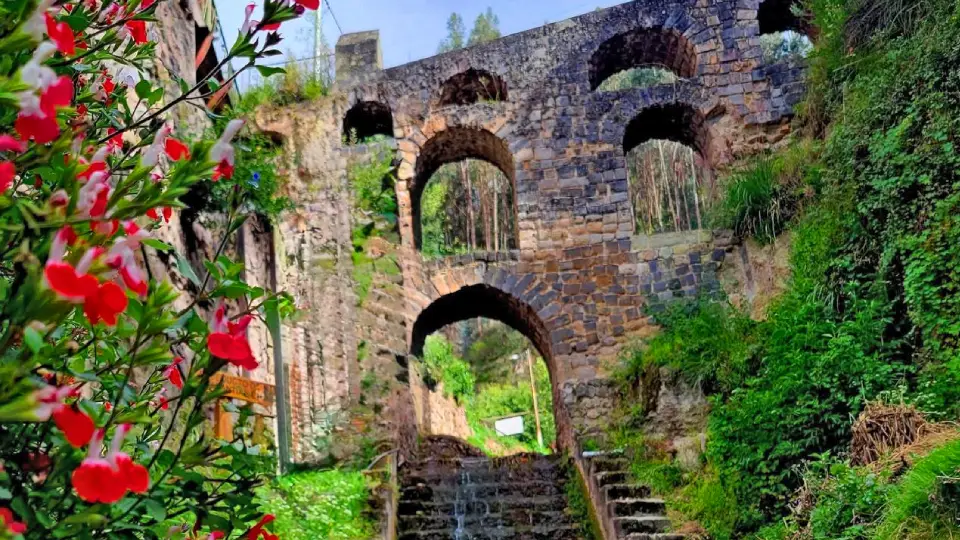
Sapantiana Aqueduct
This impressive example of colonial engineering was built to bring water to Cusco. Today, its four levels of arches make it a striking and attractive place to visit.
It is about 900 meters from the Plaza de Armas, near the colorful Siete Borreguitos neighborhood. It is a good spot for a short walk and some nice photos.
Museums in Cusco
A short walk from the Main Square, you can visit several interesting museums. These include the Pre-Columbian Art Museum, the Inka Museum, the Garcilaso House Museum, the Qoricancha Museum, and the Machu Picchu Museum.
Each museum has important collections from pre-Hispanic, Inca, and colonial times. They help you learn about Cusco’s history, culture, and identity in a fun and easy way.
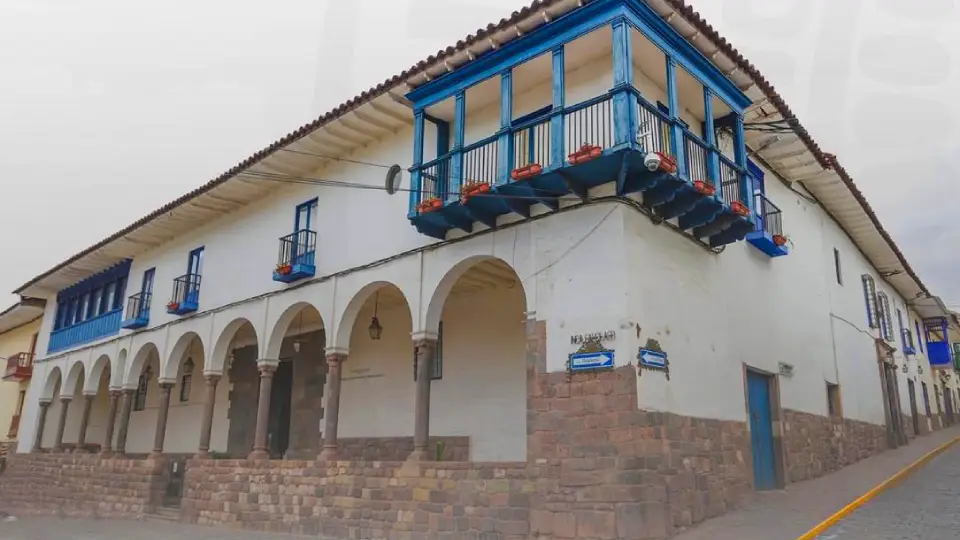
You will need a ticket to enter.
Iconic Viewpoints
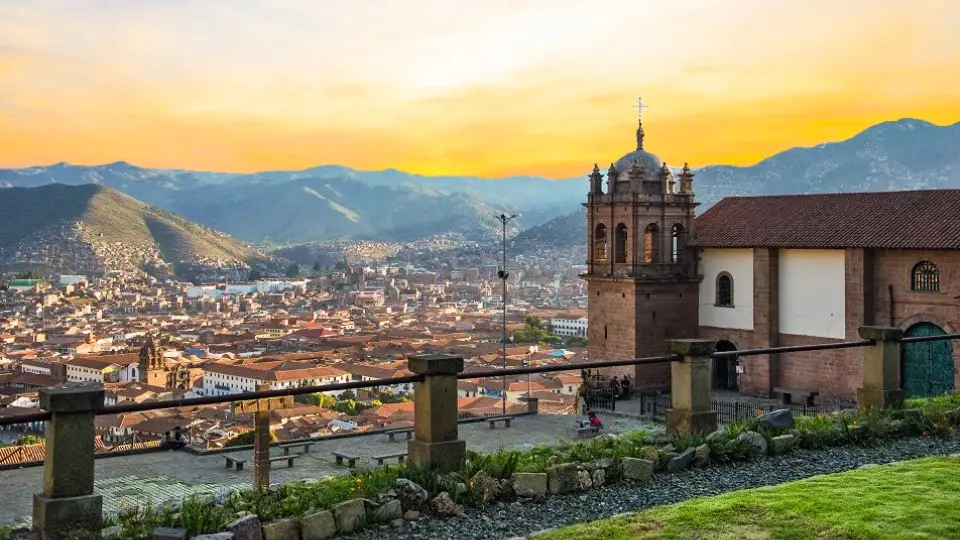
If you want to see Cusco from above and enjoy views of the nearby sacred mountains, called Apus, you can walk to popular viewpoints such as Cristo Blanco, San Cristóbal, Santa Ana, and San Blas.
These places are good for an easy hike and offer beautiful panoramic views of the city, especially at sunrise or sunset.
They are ideal for taking memorable photos.
- These viewpoints are completely free to visit.
Book your city tour and let our local expert guide shows you the best sites in Cusco.
Best Day Trips from Cusco
The Cusco Tourist Ticket (Boleto Turístico) lets you visit many of the top Inca archaeological sites around the Cusco city, Sacred Valley, south valle tour and some museums in Cusco. This pass covers 16 top attractions.
At some sites, you can also buy a separate entrance ticket if you prefer.
Visiting these places lets you appreciate the achievements of the Inca civilization and enjoy the beautiful Andean scenery.
Sacsayhuamán
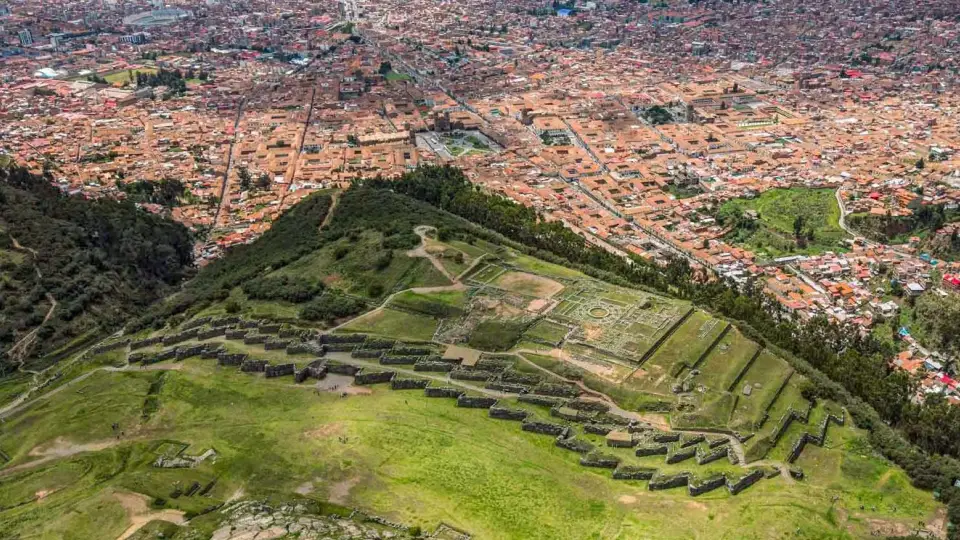
Sacsayhuamán is just a few minutes from the historic center. This impressive ceremonial fortress overlooks Cusco and is famous for its massive zigzag stone walls, with some stones weighing more than 100 tons.
This site is a great example of Inca engineering and now hosts the well-known Inti Raymi (Festival of the Sun) every June.
Entrance with tourist ticket.
Qenqo & the Eucalyptus Forest
During Inca times, this sacred huaca was called Mant’ojlla (Mantacolla). Carved from natural rock in the 15th century, it was used for ceremonies and rituals by the Inca elite.
Today, you can explore its underground chambers, stone altar, and ancient monoliths. The nearby eucalyptus forest is a quiet place for walking and taking photos.
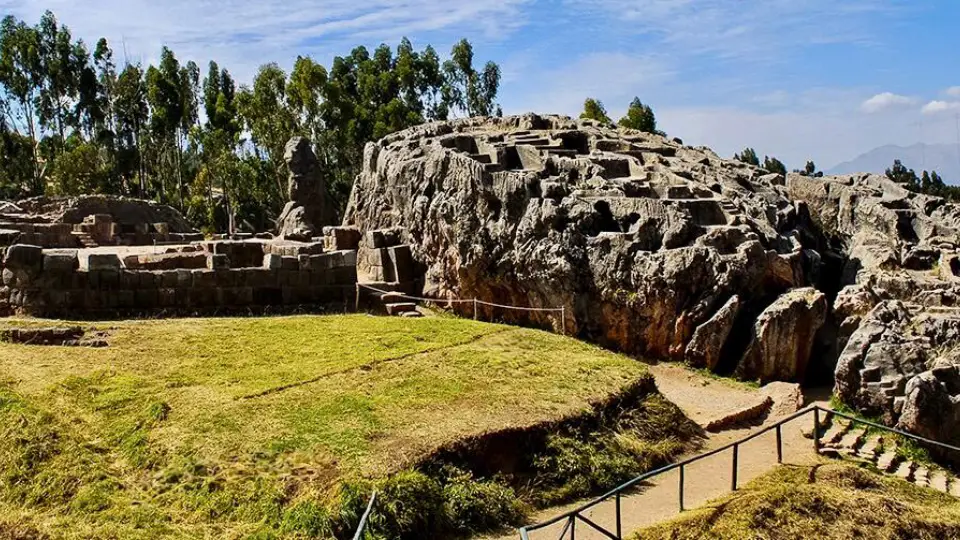
Entrance with tourist ticket.
Puca Pucara
This red-colored fortress was a checkpoint and rest stop for royal guards, soldiers, and travelers. Built in the 15th century under Pachacutec, it played an important defensive role.
From here, you can enjoy great views of the nearby Tambomachay water system.
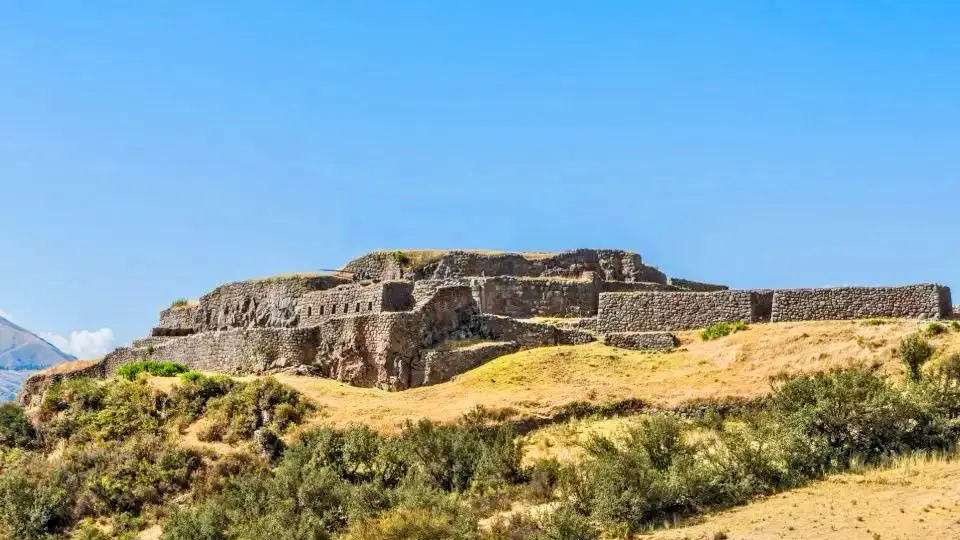
Entrance with tourist ticket.
Tambomachay
Often called the Bath of the Inca, this ceremonial site was used for water rituals and purification. Built in the 15th and 16th centuries, it has aqueducts, canals, and fountains that still have clear running water.
The area around it is peaceful, scenic, and has a unique atmosphere.
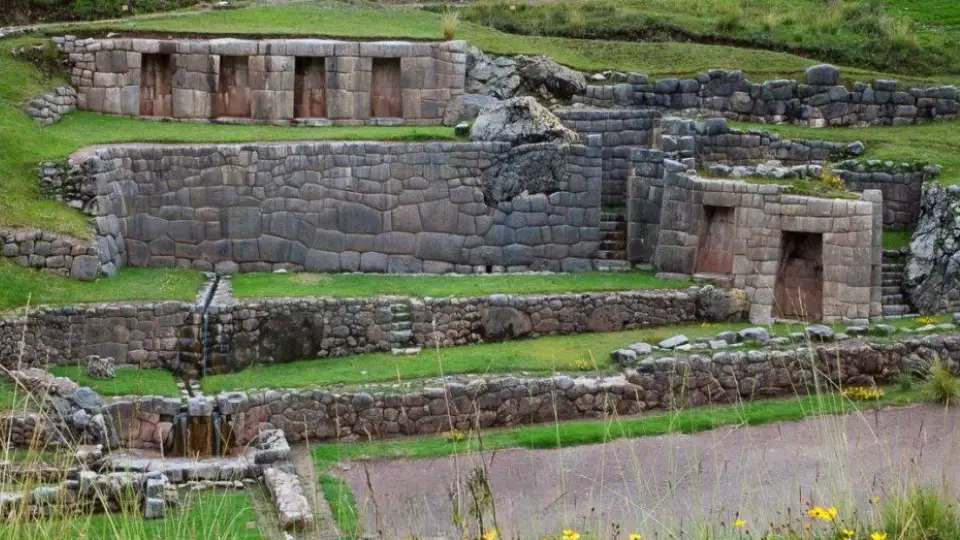
Entrance with tourist ticket.
Pisac
Pisac is one of the largest archaeological sites in the Sacred Valley. Here, you can see wide agricultural terraces, royal residences, water temples, the Temple of the Sun, and the famous Intihuatana.
One of the main features is the large cliffside cemetery with thousands of tombs, offering a glimpse into Inca burial traditions.
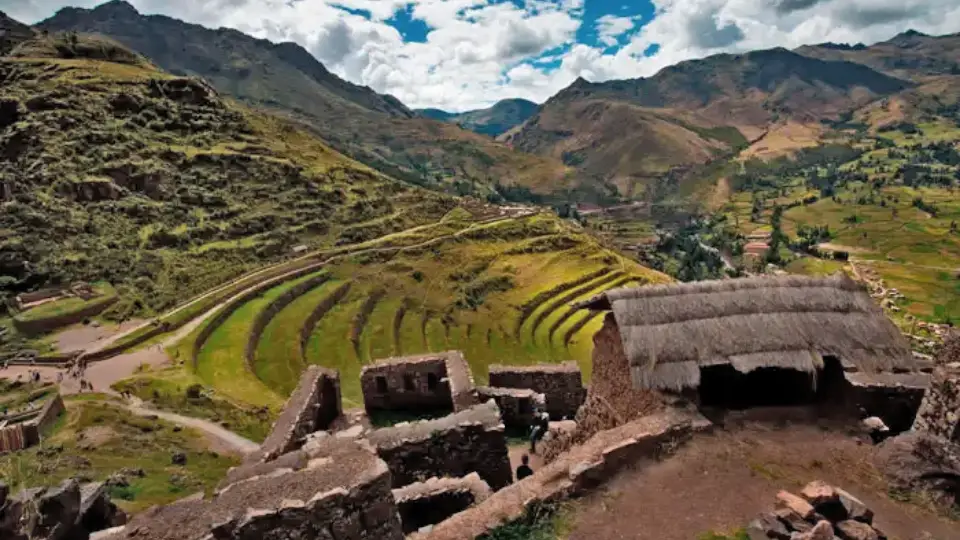
Entrance with tourist ticket.
Ollantaytambo
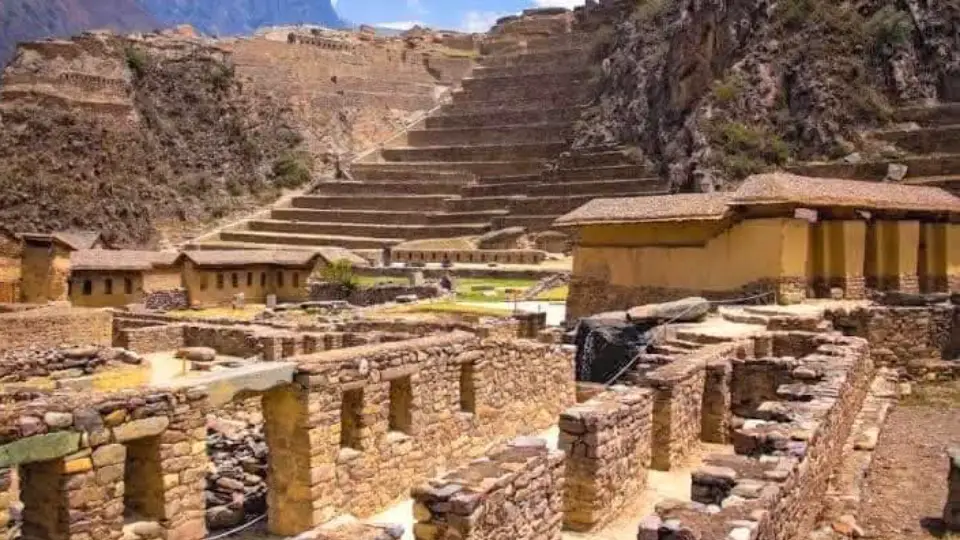
This Inca town is still inhabited and once served religious, military, political, and farming purposes. You can visit the Temple of the Sun, ceremonial fountains, terraces, the Bath of the Ñusta, and the Pinkuylluna storehouses.
The mountain setting and pleasant climate make it a memorable place to visit.
Entrance with tourist ticket.
Maras Salt Mines & Moray
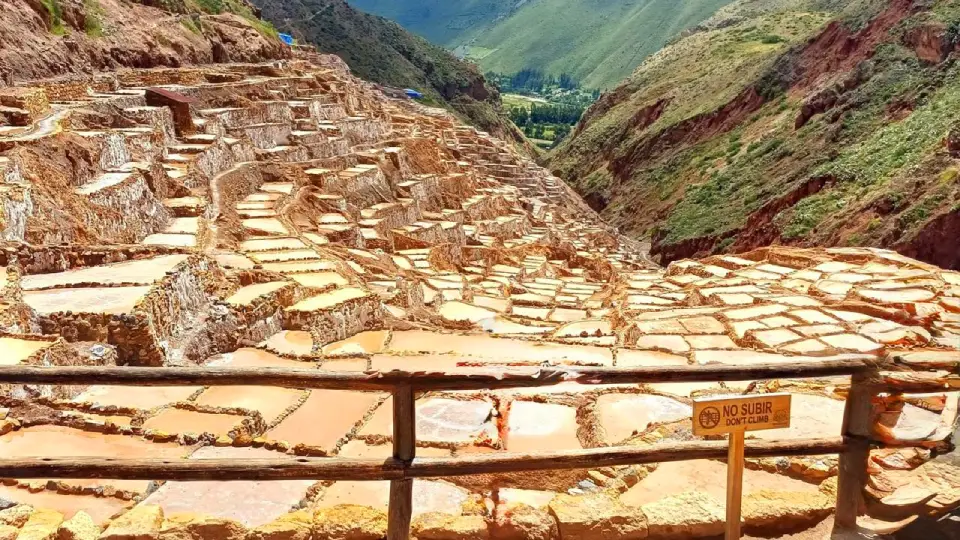
Near Maras in the Andes, thousands of salt pools have been harvested by hand since Inca times. People still continue this tradition today.
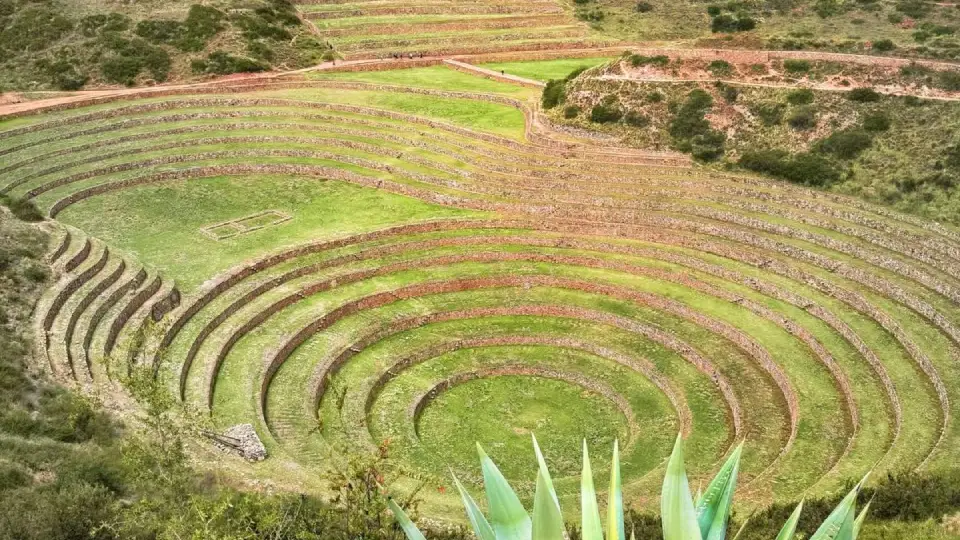
Not far from there is Moray, a group of circular terraces believed to be an ancient agricultural testing site.
The scenery here is unique and perfect for photos.
|
|
Entrance with tourist ticket (salt mines may require an additional local fee of 20 soles).
Perolniyoc Waterfall
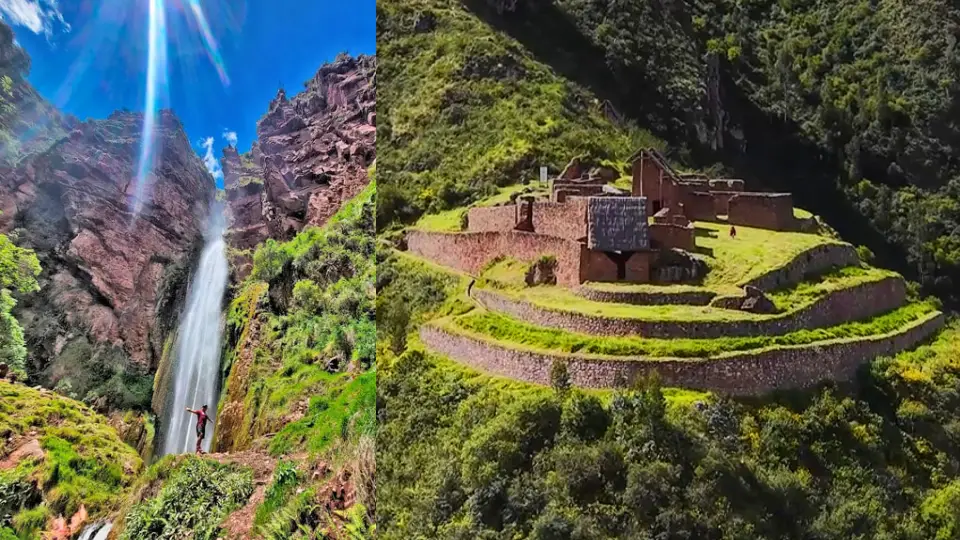
This 80-meter waterfall is below the Raqaypata archaeological site, which sits high on the mountain.
It's a great spot for nature lovers who want to enjoy Sacred Valley views, hiking, and history.
Free entrance.
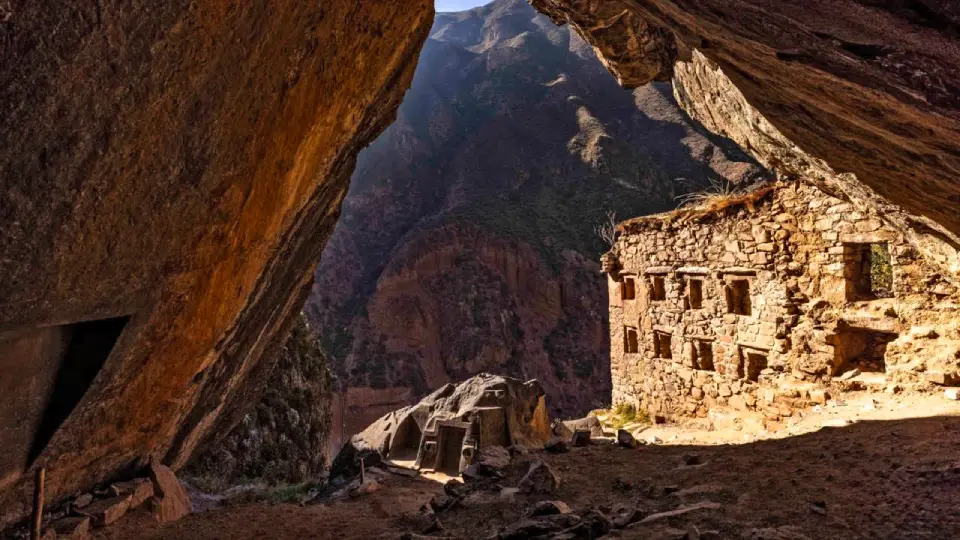
Ñaupa Iglesia
Once called Choquella, this ancient ceremonial center was dedicated to the Moon and Pachamama. Large stones form a wall with niches and a doorway carved from a single block.
It is still an important spiritual site and a great example of Inca stonework.
Free entrance.
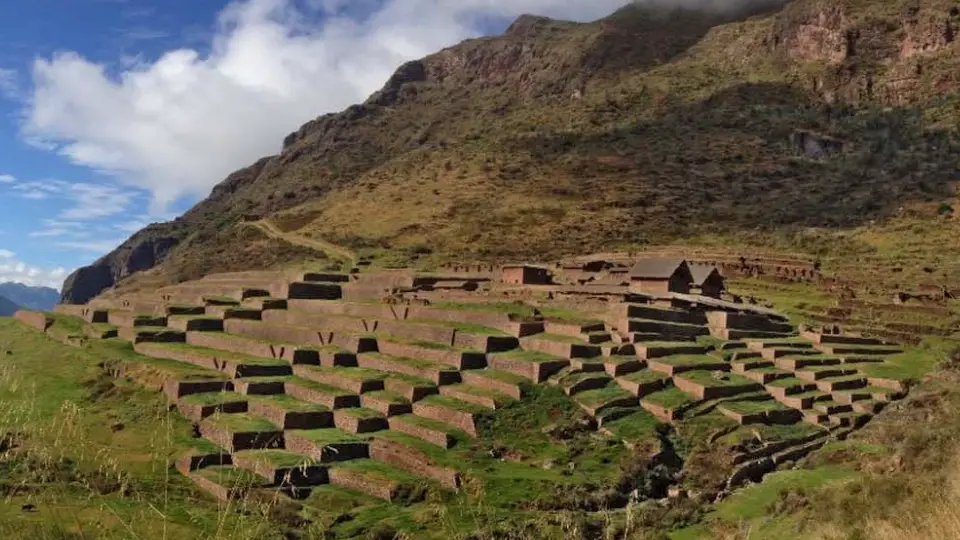
Huchuy Qosqo
This high-altitude city, once called Caquia Xaquixaguana, was built by the Inca Wiracocha as a royal retreat.
The site has terraces, large halls called kallancas, ceremonial channels, and multi-level dwellings, all with great views over the Sacred Valley near Calca.
Take 15 soles to pay entry fee at the entry point. rangers charge
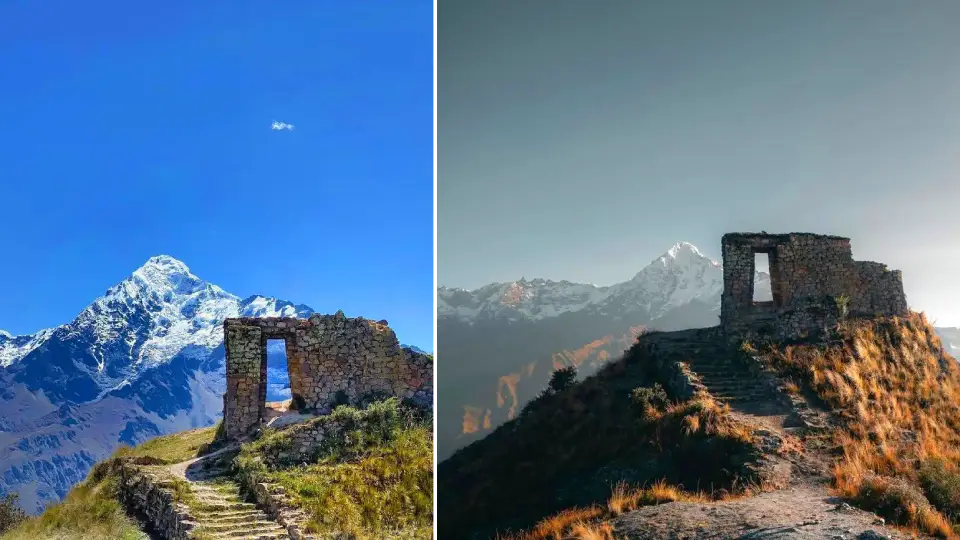
Inti Punku (Sun Gate)
Built in the 15th century on a mountain top, this gateway gives you views of the sacred snow peak Wakay Willka (La Verónica).
It’s a good choice for travelers who enjoy trekking, quiet places, and connecting with Andean nature.
Free entrance.
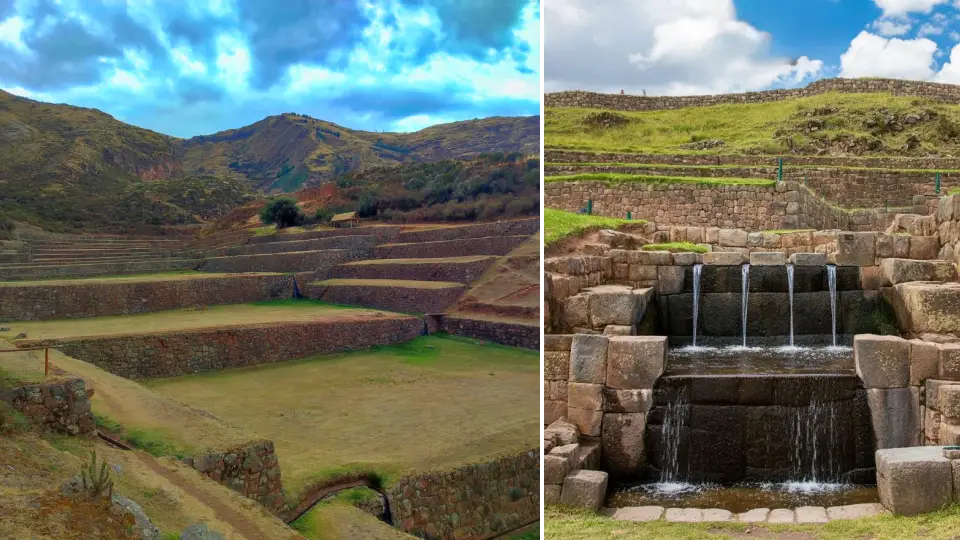
Tipón
Tipón is a great example of Inca hydraulic engineering and was a royal estate for water worship. It has working fountains, irrigation channels, terraces, and ceremonial spaces.
Many visitors see it as one of the best examples of Inca technology.
Entrance with tourist ticket.
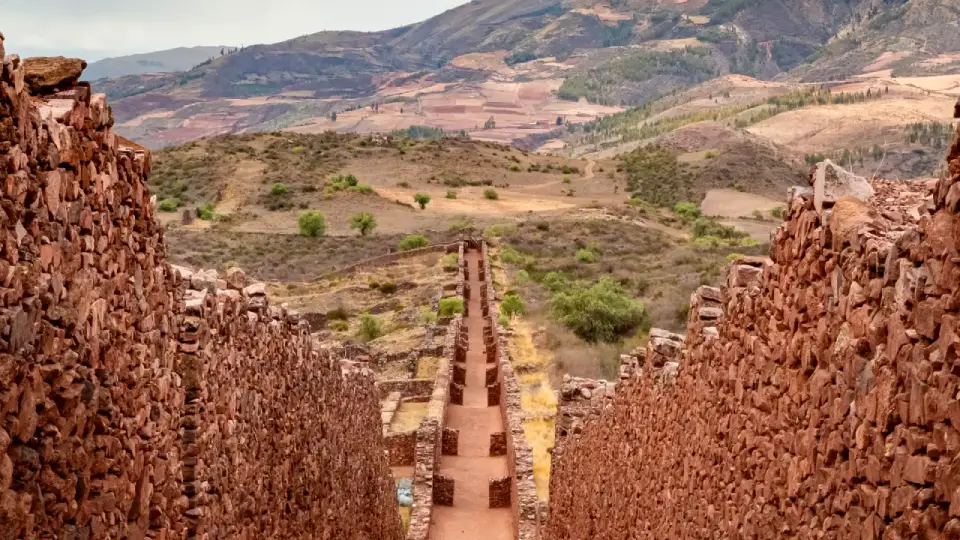
Pikillacta
This is the only large Wari (pre-Inca) city in the area. It measures about 745 by 630 meters and was lived in for about 200 years.
Its tall defensive walls and city layout show the skill and organization of this ancient civilization.
Entrance with tourist ticket.
“Explore these incredible sites with our expert local guides.” BOOK NOW
Best Tours from Cusco
Cusco is the gateway to unforgettable hikes and cultural experiences. From ancient ruins and living traditions to colorful mountains and glacier lakes, the region offers something for every traveler. Most visitors spend a few days acclimatizing and exploring before heading to the highlight, Machu Picchu. Below you’ll find the best options depending on your travel style and level of adventure.
Inca Trail & Alternative Treks
Cusco is the gateway to South America’s most iconic trekking adventures. Follow original Inca pathways to Machu Picchu or venture into remote high-mountain routes with glaciers, turquoise lakes, and traditional Andean communities. Each trek offers spectacular scenery, rich history, and cultural connection.
Below you can compare the official Inca Trail routes and impressive alternative hikes to find the experience that matches your time, fitness level, and sense of adventure.
Inca Trail to Machu Picchu (Official Routes)
The Inca Trail is Peru’s most renowned hike and a top bucket-list experience. Permits are limited and often sell out months in advance.
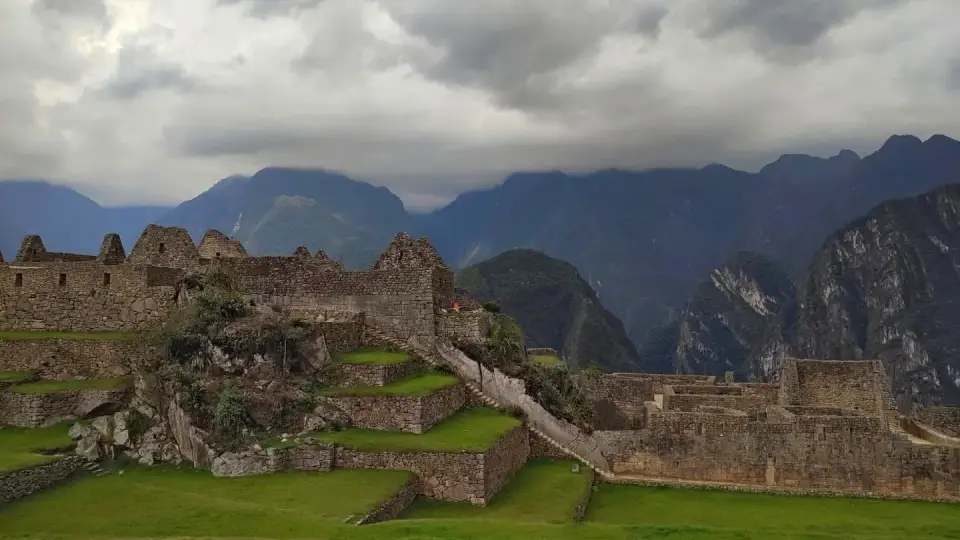
1.- Classic Inca Trail – 4 Days / 3 Nights
This legendary route follows original stone paths through cloud forests and archaeological sites, ending at the Sun Gate (Inti Punku) for the iconic first view of Machu Picchu.
Ideal for travelers seeking the full traditional experience.
2.- Inca Trail – 5 Days / 4 Nights
This slower-paced version is well-suited for hikers who prefer more time, fewer crowds, and additional opportunities to explore the area.
It is ideal for photography and for a deeper connection with the trail.
3.- Short Inca Trail – 2 Days / 1 Night
This option is suitable for those with limited time or seeking a less strenuous hike.
You will visit Wiñay Wayna, walk to the Sun Gate, and arrive at Machu Picchu as the ancient Incas did, all within a shorter itinerary.
4.- Salkantay & Inca Trail – 7 Days / 6 Nights
This trek combines striking natural scenery with ancient history.
You will see the impressive Salkantay Mountain, then join the historic Inca Trail before arriving at Machu Picchu.
This route is ideal for experienced trekkers seeking variety.
Alternative Treks to Machu Picchu
If Inca Trail permits are unavailable or you want more freedom, you can choose from other great routes. These trails take you through remote scenery, let you meet local people, and offer different ways to reach Machu Picchu or the high Andes.
1.- Salkantay Trek to Machu Picchu – 5 or 4 Days
This trek is considered one of the most scenic in Peru.
Featuring snow-capped peaks, turquoise lakes, jungle landscapes, and a dramatic arrival at Machu Picchu, this trek is a favorite among adventurers.
2.- Lares Cultural Trek – 4 Days / 3 Nights
This trek features a scenic combination of mountains, glacial lakes, and authentic Andean villages.
It is ideal for those seeking cultural interaction with local communities while hiking through remarkable landscapes.
3.- Huchuy Qosqo Trek – 3 Days / 2 Nights
This short yet impressive trek includes high-altitude passes, rural life, and the archaeological site of Huchuy Qosqo overlooking the Sacred Valley.
This trek is excellent for acclimatization.
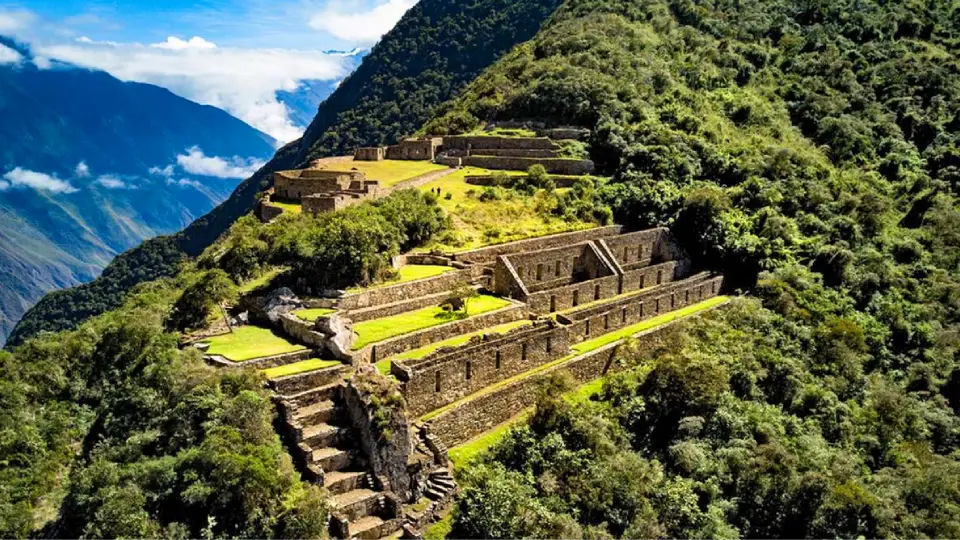
4.- Choquequirao Trek – 5 Days / 4 Nights
Often called the other Machu Picchu, Choquequirao is remote, impressive, and far less visited.
This demanding trek offers a deeply rewarding experience for dedicated explorers.
5.- Ausangate & Rainbow Mountain – 4 Days / 3 Nights
This high-Andean adventure circles one of the most sacred mountains in Inca cosmology.
Participants can expect colorful landscapes, glaciers, wildlife, and remarkable solitude.
Which Trek is Right for You?
Whether you are interested in the Classic Inca Trail or remote mountain routes, our team will help you select the ideal option based on:
- availability of permits
- your fitness level
- travel time
- comfort preferences
Contact our travel specialists to reserve your spot today.
Sightseeing and Day Tours from Cusco
Cusco is also the starting point for sightseeing experiences without long hikes. Travel by train or vehicle to discover ancient ruins, stunning landscapes, and traditional Andean culture. These tours suit visitors who want to explore the region's highlights with expert guides and little physical effort.
1.- Sacred Valley of the Incas
The Sacred Valley is an important place to visit before Machu Picchu. It lies between Cusco and the Inca citadel and is at a lower elevation, which helps travelers adjust to the altitude.
Here, you can explore traditional villages, local markets, colonial churches, and some of the most impressive Inca sites in Peru.
Highlights usually include:
- Pisac archaeological site and handicraft market
- Ollantaytambo fortress and living Inca town
- Chinchero and its weaving traditions
- Moray circular terraces
- Maras salt mines
Along with its history, the Sacred Valley has beautiful scenery, great hotels, and a more relaxed atmosphere than Cusco city.
Many travelers choose to spend the night here before heading to Machu Picchu.
2.- Sacred Valley to Machu Picchu
This is one of the most popular routes.
You explore the valley during the day, then take the train from Ollantaytambo to Aguas Calientes. You spend the night there before visiting Machu Picchu the next morning.
This option is great for travelers who want comfort, beautiful scenery, and cultural experiences without long hikes.
3.- Maras & Moray to Machu Picchu
This route is a favorite for visitors who are interested in Inca innovation and unique places to take photos.
Moray is thought to have been a center for agricultural experiments, and the Maras salt mines show a tradition that has lasted from pre-Inca times to today.
After visiting these sites, travelers usually take the train to Machu Picchu.
4.- Customized Cusco & Machu Picchu Packages
Each traveler is unique.
Some people want private tours, while others look for family-friendly activities, luxury trains, special hotels, or food experiences.
Our custom tours let you create your perfect trip, with Machu Picchu as the unforgettable ending.
Best Day hikes from Cusco
If you have limited time or want more adventures before Machu Picchu, there are some amazing day trips you can take from the city.
1.- Rainbow Mountain (Vinicunca)
Rainbow Mountain is one of the most famous natural attractions in Peru.
The mountain’s bright mineral colors create a unique landscape that draws photographers and adventurers from around the world.
The hike goes to a high altitude, but the view at the top is truly special.
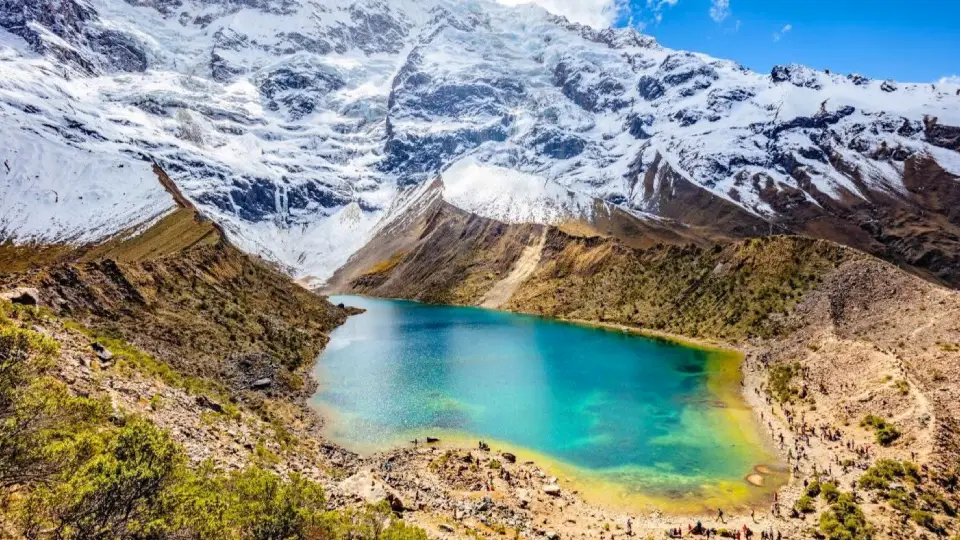
2.- Humantay Lagoon
This turquoise lake, found near the Salkantay glacier, is known as one of the most beautiful short hikes in the area.
It’s perfect for travelers who want stunning views without having to do a multi-day trek.
Machu Picchu: The Highlight of Visiting Cusco
No matter how you get there, whether you hike the Inca Trail, explore the Sacred Valley, or take the train, every route leads to Machu Picchu.
Seeing the citadel for the first time, surrounded by green mountains and clouds, is a moment travelers never forget.
On a guided tours, you’ll see temples, farming terraces, astronomical features, and ceremonial spaces that show the Incas’ remarkable knowledge.
For many visitors, reaching Machu Picchu is more than just a trip; it’s a dream come true.
Why Machu Picchu is the last stop on most tours
This is because it represents:
- The masterpiece of Inca engineering
- a UNESCO World Heritage Site
- one of the New Seven Wonders of the World
- the spiritual and cultural highlight of any trip to Peru
Plan your Cusco adventure the best way
How you plan your days in Cusco can make a big difference.
Getting used to the altitude, choosing the right routes, having reliable transport, and traveling with expert guides can turn a good trip into an unforgettable one.
At Qoricancha Expeditions, we specialize in creating seamless experiences that bring you to Machu Picchu safely and comfortably while allowing you to enjoy every highlight along the way.
Contact us today and start planning your journey to the wonder of the Andes.
Outdoor Adventures in Cusco
Cusco is more than just history and ancient stones. It is also one of South America's best places for outdoor adventure. With dramatic mountains, rivers, and valleys, the region offers many ways to stay active and enjoy the stunning Andean scenery.
If you want excitement, nature, or a gentle adventure as you get used to the altitude, Cusco has something for everyone.
Hiking & Trekking
Cusco is the trekking capital of Peru.
Besides the famous Inca Trail to Machu Picchu, there are many other routes passing through remote villages, snowy peaks, turquoise lakes, and beautiful mountain passes.
You can choose easy day hikes or more challenging trips that last several days. No matter which you pick, you’ll see amazing views and have real cultural experiences.
Some popular choices are short hikes to Humantay Lagoon or Rainbow Mountain, or longer adventures like the Salkantay Trek.
Mountain Biking
The rough landscape around Cusco is perfect for mountain biking.
You can ride along old paths, dirt roads, and highland trails, taking in wide views of valleys and traditional villages. There are easy routes for beginners and more difficult trails for experienced riders.
It’s a great way to enjoy sport, nature, and local culture at once.
River Rafting
The Urubamba River flows through the Sacred Valley and offers exciting rafting trips, depending on the season.
You can paddle through exciting rapids and see beautiful canyons and old farm terraces. Professional guides keep you safe, so rafting suits both beginners and those seeking adventure.
What to Do in Your Free Time in Cusco
When you’re not on a tour or hike, the city is ready for you to explore.
Cusco is great for walking, finding hidden spots, trying local food, and soaking up its lively atmosphere.
You can:
- Wander through picturesque streets like 7 Borreguitos, 7 Diablitos, 7 Angelitos, Purgatorio, and Amarguras
- Visit colonial churches, museums, and ancient convents full of history
- Experience the unique night visit to Almudena Cemetery
- Explore Sacsayhuamán on horseback for incredible views
- Enjoy top restaurants featuring traditional and modern Andean cuisine
- Discover Cusco’s vibrant nightlife, meeting travelers from all over the world
Every corner tells a story.
There’s a story to discover around every corner.
Cusco’s culture is vibrant and easy to spot.
You can find it in the city’s festivals, markets, music, clothing, and daily traditions that have lasted centuries.
Traditional Festivals in Cusco
To understand the spirit of the Andes, try to visit during a local festival.
Some of the most famous include:
- Carnivals and the traditional Days of Compadres & Comadres
- Holy Week, with its religious devotion and the famous 12 dishes
- Inti Raymi on June 24, the Festival of the Sun
- Corpus Christi
- Santurantikuy, the Christmas artisan market
These festivals give you a chance to see living history in action.
Local Gastronomy in Cusco
Cusco is a great place for anyone who loves food.
Here, you can try ancient ingredients cooked with old and new methods.
Must-try dishes include:
- Cuy (guinea pig)
- Alpaca steak
- Andean trout
- Chiriuchu
- Native potato varieties
To drink, don’t miss:
- Chicha morada
- Chicha de jora
- Frutillada
- Quinoa beverages
In Cusco, every meal is a taste of culture.
Art & Handicrafts
Cusco is one of the top places in Peru to find handmade crafts.
You can visit San Pedro Market or craft centers to find textiles, alpaca goods, ceramics, silver jewelry, and souvenirs made by local people.
These pieces are not just gifts. They represent centuries of tradition.
Make your adventure unforgettable
Cusco is special because it brings together outdoor adventures, cultural experiences, and amazing archaeological sites.
At Qoricancha Expeditions, we help you design experiences that balance adventure, comfort, and authenticity. Your journey always ends with the grand finale: Machu Picchu.
Let us help you plan the journey of a lifetime.
Essential Travel Tips for Cusco
When you visit Cusco, you enter the heart of Andean culture. The city was once the capital of the Inca Empire and is now the main gateway to Machu Picchu. Here, you’ll find living history, colonial buildings, stunning mountain views, and memorable experiences.
Before you arrive, check out these key tips to help you get the most from your trip and have a smooth, well-planned visit.
Transportation and Getting Around Cusco
The best way to explore Cusco’s historic center is on foot, as major sites are within walking distance.
For longer distances, you can use:
- Authorized taxis
- Private transportation services
- Tours organized by local Authorized tour operators
To visit Machu Picchu, take a train from Ollantaytambo or Poroy for a comfortable and scenic journey through the Sacred Valley.
Arrange your transfers in advance to save time and avoid delays.
Money and Services
While many places accept credit cards, carry some cash in Peruvian soles for markets, small shops, and tips.
Practical advice:
- Exchange money in authorized offices along Avenida El Sol, Main Square.
- Use ATMs located in secure areas
- Avoid displaying large amounts of cash
Following these steps will help you travel with confidence.
Safety and Health
Cusco is generally safe for international travelers, but you should still:
- Stay aware when walking at night
- Use recommended taxi services
- Purchase travel insurance
- book the tour or trek with Authorized tour operators.
Cusco is at a high altitude (11,152 ft / 3,399 m), so acclimate by resting on your first day, drinking plenty of water, and avoiding heavy meals.
Consult your doctor about preventive medicine before your trip.
If you are booking one of the trekking tours to Machu Picchu, we highly recommend spending at least 2 to 3 days in Cusco before the hike to adjust to the altitude. Alternatively, you can go straight to the Sacred Valley from the airport and spend those 2 days there, which will help you adjust to the elevation. The Sacred Valley is ideal because its climate is pleasant and its elevation is around 2600 meters, which helps you acclimate better than Cusco city.
Where to Stay in Cusco
Cusco offers accommodation for every travel style, from budget hostels to boutique hotels and luxury stays.
The most convenient areas for visitors include:
- Historic Center: Recommended for first-time visitors, with proximity to major monuments, restaurants, and tour departure points.
- San Blas is a picturesque neighborhood known for narrow streets, artisan shops, and beautiful views of the city.
- Plaza de Armas area: Ideal for those seeking a central location with convenient walking access to attractions.
Staying near these areas makes it easy to explore on foot and join early morning tours to Machu Picchu or the Sacred Valley.
Popular Hotel Options in Cusco
Cusco has great places to stay for every budget. While options and preferences differ, many travelers choose these popular hotels:
Luxury: Belmond Monasterio, JW Marriott, Palacio del Inka
Mid-range: Rumi Punko, Sonesta, Novotel, Costa del Sol, Tierra Viva
Budget & hostels: Pariwana, Viajero, Wildrover
If you need assistance selecting a hotel location, our team is happy to provide recommendations tailored to your itinerary.
Where to Eat in Cusco
Cusco is a leading culinary destination in Peru, blending traditional Andean flavors with modern techniques. The city offers options ranging from picanterías to fine dining and cafés, catering to all tastes and budgets.
Excellent dining options are available throughout the Historic Center and San Blas, many within walking distance of major attractions.
We recommend trying local specialties such as fresh trout, alpaca steak, chiriuchu, and chicha morada during your visit.
Popular Places to Eat in Cusco
Cusco provides dining options for every budget and style. Below are some popular choices among travelers.
- Fine Dining & Contemporary Peruvian
MAP Café, Cicciolina, Chicha by Gastón Acurio - Traditional Andean & Local Food
Pachapapa, Kusikuy, Morena - Casual & International
Limo, Organika, Marcelo Batata - Cafés & Light Bites
Three Monkeys, L’Atelier, Jack’s Café
If you would like recommendations tailored to your hotel location or dietary preferences, our team is happy to assist.
Best Time to Visit Cusco
Cusco is a year-round destination, with each season offering unique experiences based on your interests, preferred weather, and schedule.
Dry Season (April to October)
This is the most popular time to visit, with sunny days, clear skies, and ideal conditions for trekking and outdoor activities. It is well-suited for hiking the Inca Trail, visiting Machu Picchu, and photography.
Due to high demand, permits, train tickets, and hotel accommodations often sell out months in advance.
Rainy Season (November to March)
During these months, the landscapes are lush and the mountains are especially scenic. Fewer visitors create a quieter, more relaxed atmosphere. Occasional travel deals may be available, though rain showers are frequent.
If you plan to hike the Inca Trail, note that it is closed every February for maintenance and conservation.
Cusco Tourist Tickets & Entry Permits
Many archaeological sites require the Cusco Tourist Ticket (Boleto Turístico / COSITUC).
It includes places such as:
Sacsayhuamán, Qenqo, Puka Pukara, Tambomachay, Pisac, Ollantaytambo, Moray, Chinchero, Tipón, Pikillaqta, and several museums.
Cost of the Cusco Tourist Ticket (Boleto Turístico)
To visit most of the main archaeological sites around Cusco, you need the official Boleto Turístico. COSITUC manages this ticket, and it is required for entry to several museums and Inca ruins.
There are several ticket options, depending on which places you want to see.
Full Tourist Ticket – 130 soles
This ticket is valid for 10 days and gives you access to 16 attractions. It’s a good choice if you want to explore the city, Sacred Valley, and nearby areas in detail.
Cusco City Tour Ticket – 70 soles
This ticket is valid for 1 day and includes entry to:
- Sacsayhuamán
- Qenqo
- Puca Pucara
- Tambomachay
This option is perfect if you only plan to do the traditional city tour.
Sacred Valley Ticket – 70 soles
This ticket is valid for 2 consecutive days and includes:
- Pisac
- Ollantaytambo
- Moray
It’s recommended for travelers who want to visit the valley before going to Machu Picchu.
South Valley Ticket – 70 soles
This ticket is valid for 1 day and includes:
- Tipón
- Pikillacta
Local authorities set the prices, and they may change without notice.
Important Information About Machu Picchu Tickets
The Peruvian authorities limit how many people can visit Machu Picchu each day. Because of this, tickets often sell out ahead of time, especially during busy seasons and holidays.
Ticket availability can affect your entrance date, the route you can take inside the citadel, and your visiting time.
Tickets for popular hikes like Huayna Picchu and Machu Picchu Mountain are even more limited and usually sell out first.
We recommend booking your ticket as soon as your travel dates are set.
For more information on entry fees, ticket options, and routes, please refer to our travel guide.
Suggested Itineraries in Cusco
Travelers have different amounts of time to spend in Cusco. Here are some popular itinerary options that help you adjust to the altitude, explore local culture, and visit Machu Picchu.
4 Days – Essential Highlights
This option is great if you have only a few days and want to see the main highlights.
- Arrival and acclimatization in Cusco
- City tour & nearby archaeological sites
- Sacred Valley visit
- Train journey and guided tour of Machu Picchu
6–7 Days – Classic Andes Experience
Choose this if you want to spend more time learning about Inca history and enjoying the region’s scenery.
- Time to explore Cusco
- Sacred Valley of the Incas
- Machu Picchu guided visit
- Rainbow Mountain or Maras & Moray
- Optional cultural activities or light hikes
8+ Days – Culture & Adventure
This plan is for those who want to explore more deeply and see some of the area’s unique landscapes.
- Discover Cusco at a relaxed pace
- Sacred Valley experience
- Machu Picchu
- Include a multi-day trek or additional mountain excursions
- Option to extend your trip to the Peruvian coast or Lake Titicaca
You can customize any of these itineraries to fit your travel dates, interests, and fitness level. Our team is here to help you plan the perfect trip.
Plan Your Trip with Local Experts
Cusco is not only visited; it is experienced.
We provide authentic travel experiences with secure logistics, guaranteed reservations, and knowledgeable local guides who share the history of the Andes.
We help you organize:
- Permits and entrance tickets
- Train reservations
- Transportation
- Hotels
- Treks and cultural tours
- Fully customized programs based on your time and budget
Let us handle the planning so you can travel with confidence, guided by trusted local experts.
Contact us today to begin planning your Machu Picchu adventure. Ronaldo our Travel Advisor & Specialist are ready to help you!
Frequently Asked Questions About Visiting Cusco
How many days should I spend in Cusco?
Most travelers spend 4 to 7 days, which provides time to acclimatize, visit the Sacred Valley, and explore Machu Picchu at a comfortable pace.
When is the best time to visit Cusco?
The dry season, from April to October, offers sunny weather and ideal conditions for outdoor activities. This is also the busiest time, so tickets may sell out early.
Do I need to acclimatise to the altitude?
Yes. Cusco is at 3,400 m (11,150 ft). We recommend resting on your first day, staying hydrated, and avoiding strenuous activity.
How do I get to Machu Picchu from Cusco?
Most visitors take a train to Aguas Calientes, followed by a short bus ride to the entrance. Trekking routes, including the Inca Trail, are also available for adventurous travelers.
How far in advance should Machu Picchu tickets be booked?
During high season, entrance tickets and train seats may sell out months in advance; consider at least 3 -4 months. Booking early secures preferred circuits and schedules.
What is the Cusco Tourist Ticket (Boleto Turístico)?
This ticket is required for many archaeological sites in Cusco and the Sacred Valley. Partial and full options are available based on your itinerary.
What should I pack for Cusco?
The weather changes quickly. Pack layers, sun protection, comfortable walking shoes, and rain gear, especially in the wet season.
Are there good food options in Cusco?
Yes. Cusco offers a wide range of dining options, from traditional Andean dishes to fine dining and international cuisine, many of which are near the main square.
Is Cusco safe for visitors?
Cusco is generally safe, particularly in tourist areas. As in any city, remain aware of your belongings and follow your guide’s advice.
Can tours and itineraries be customised?
Yes. Most experiences can be tailored to your travel dates, interests, fitness level, hotel preferences, and transportation needs.
Conclusion
Cusco combines history, lively culture, and beautiful scenery in a way that stays with you. You might explore ancient Inca temples, wander through busy neighborhoods, or admire the view of Machu Picchu, every day brings something unique.
It helps to plan ahead, especially for tickets, train schedules, and busy times of year. With some preparation, your journey through the Andes can be easy, enjoyable and truly memorable.
Travel with Locals - Travel with Experts!