




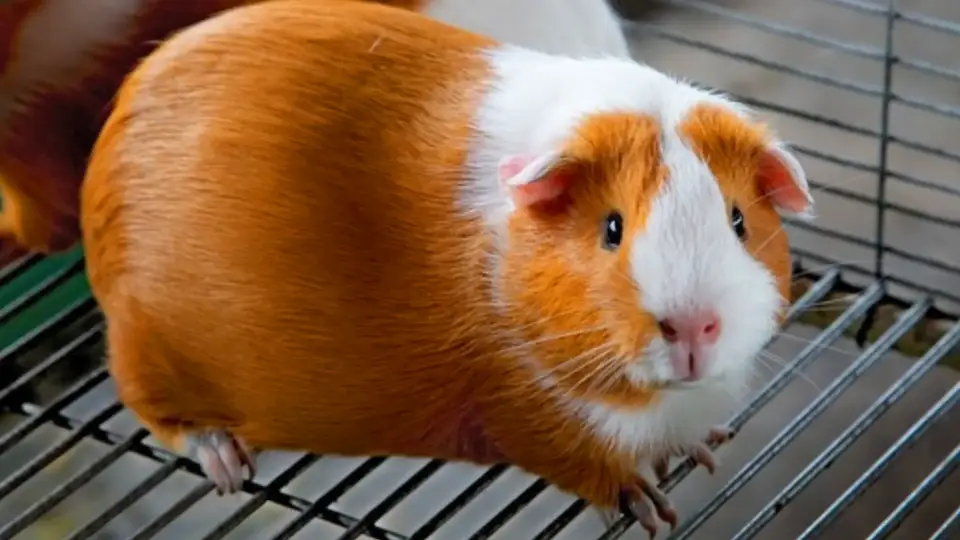
Guinea pig, called cuy by locals, is a memorable dish you should try when visiting South America. Besides its unique taste, cuy is packed with nutrients, so it is both tasty and good for you. This classic Andean food has a long history in Peru, Bolivia, and Ecuador, where it is enjoyed at meals and valued as a symbol of cultural identity. For travelers, trying cuy is more than just eating, it is a chance to connect with local traditions and experience the living culture of the Andes.
Cuy: Peruvian Culture and Flavor
Cuy shows that some of the best travel memories come from tasting local food and joining in traditions. To really experience the Andes, go beyond just taking photos and looking at the scenery. Find out about the history of this traditional dish, see how cuy is raised and cooked, and enjoy it with the communities who keep this custom alive. Book a tour with us and let your journey in Peru be about both the places you visit and the food you try. Start making new memories today.
What Is Cuy?
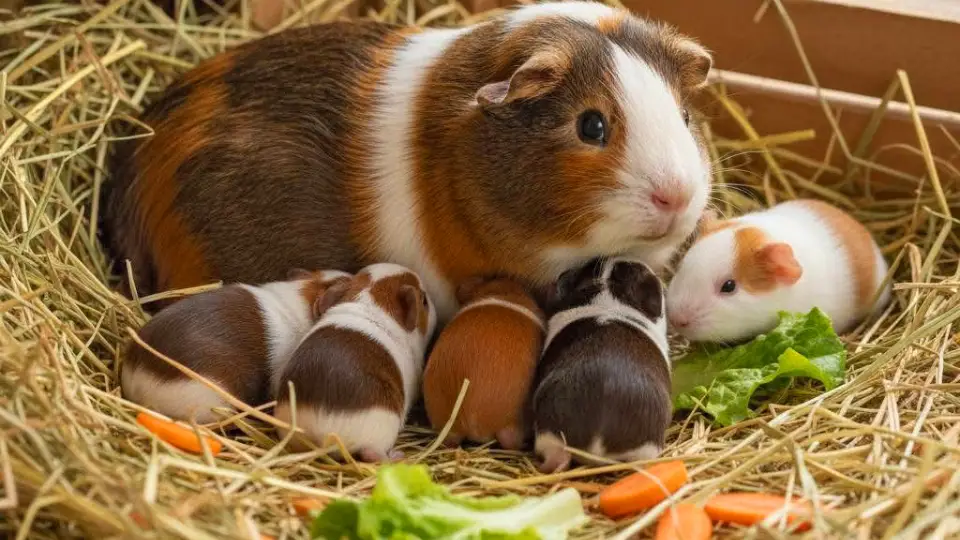
Cuy is a small herbivorous mammal that usually weighs about one kilogram and lives in open, natural areas. While most people know it as a guinea pig or cavy, in the Andes it is called cuy and also goes by names like curi, cuyo, cuyé, cobayo, or cobaya. In Andean societies, cuy is much more than just an animal. It has played an important role in their culture, diet, and history for centuries.
What Does a Cuy Look Like?
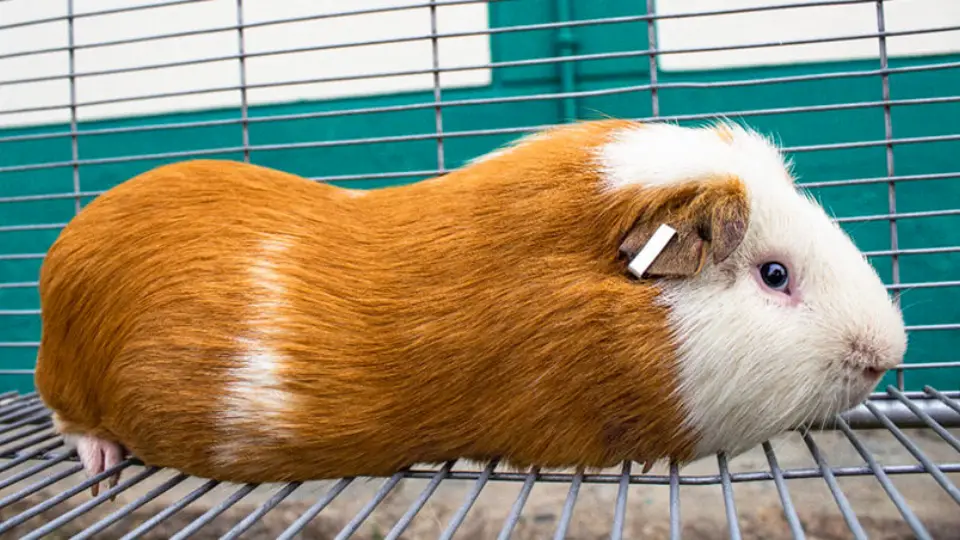
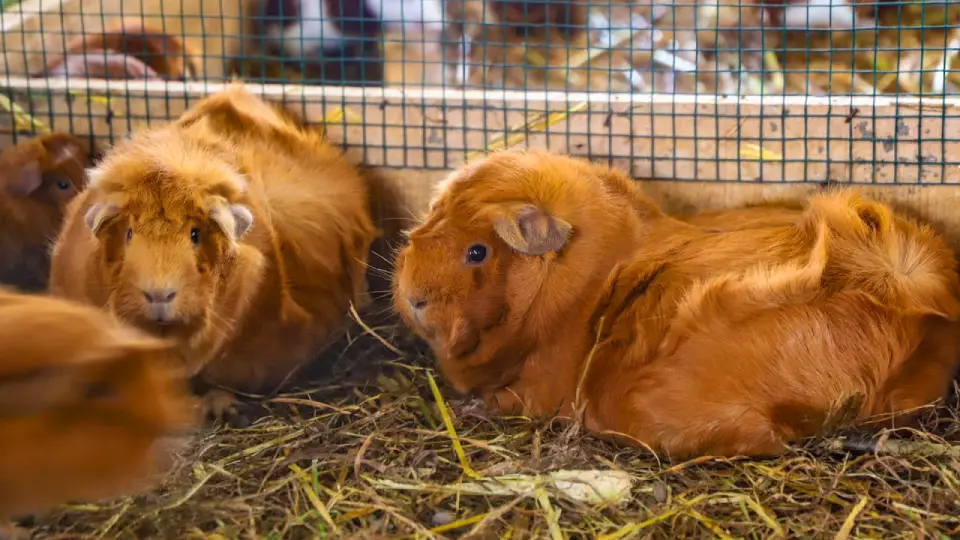
The cuy has a compact, medium-sized body and short legs, which give it a unique way of moving. Its fur is short, soft, and smooth, and lies close to its body. The cuy has a short, broad head, rounded ears that droop a little and bright black eyes that make it look gentle and friendly. It does not have a visible tail, so its rounded shape makes it easy to recognize.
Where Does Cuy Come From?
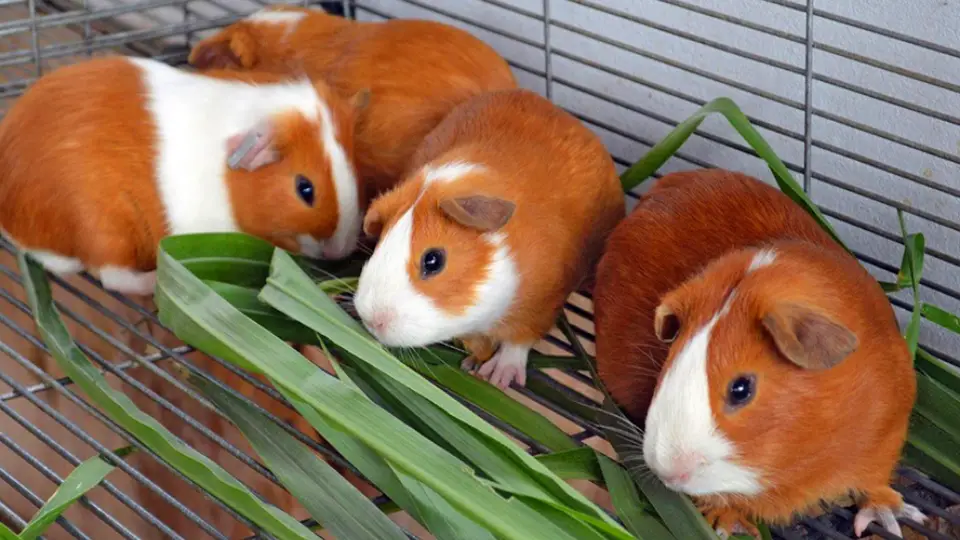
Cuy originated in the Andean regions of South America, especially in what is now Peru, Ecuador, and Bolivia. For hundreds of years, it has been a staple food and a part of daily life there. Over time, cuy spread to countries like Colombia, Brazil, and Venezuela, where it also became popular. Today, cuy remains an important symbol of Andean culture and traditional cooking across the continent.
What Is the Scientific Name of Cuy?
The scientific name for cuy is Cavia porcellus. This species has been part of Andean cultures for thousands of years. Long before Europeans arrived, people raised cuy for food, ceremonies, medicine, and cultural traditions, making it one of the oldest domesticated animals in the Andes.
A Brief History of Cuy
Domestication of the Cuy
Cuy has lived alongside humans for thousands of years. Archaeologists have discovered remains in caves such as Pikimachay and Puente de Ayacucho, as well as in household waste, indicating that people raised cuy before the Inca period. Research suggests cuy was domesticated about 9,000 years ago, around 5,000 BC or earlier, making it one of the oldest domesticated animals in the Andes.
Since then, cuy has played a significant role in Andean daily life. It serves not only as a reliable food source but is also closely associated with rituals, traditional medicine, and cultural identity.
Archaeological Evidence of the Cuy
- For thousands of years, cuy has been important in Andean life, serving as both food and a part of sacred rituals. Archaeological burials at the Temple of the Crossed Hands of Kotosh in the Huánuco region show that cuy remains were linked to ceremonies.
- Evidence from Cerro Sechín and the Paracas Cavernas culture (250–300 BC) shows that cuy was a regular part of the daily diet. By about 1400 AD, records suggest that almost every household had its own cuyero, or guinea pig enclosure, showing how important cuy was in daily life.
- Cultures like the Moche and Vicús also featured cuy in their ceramics and art, showing how important the animal was in their beliefs and daily lives.
Peruvian Cultures That Raised Cuy
Over time, many Andean civilizations raised cuy for its nutrition and its cultural meaning. The animal was important in rituals, healing, offerings to the gods, and as a daily food. The following cultures raised and honored the cuy:
- Chavín
- Nazca
- Wari
- Inca
Together, these cultures made the cuy a strong symbol of Andean heritage. Today, it still stands for tradition, identity and ancestral knowledge throughout Peru.
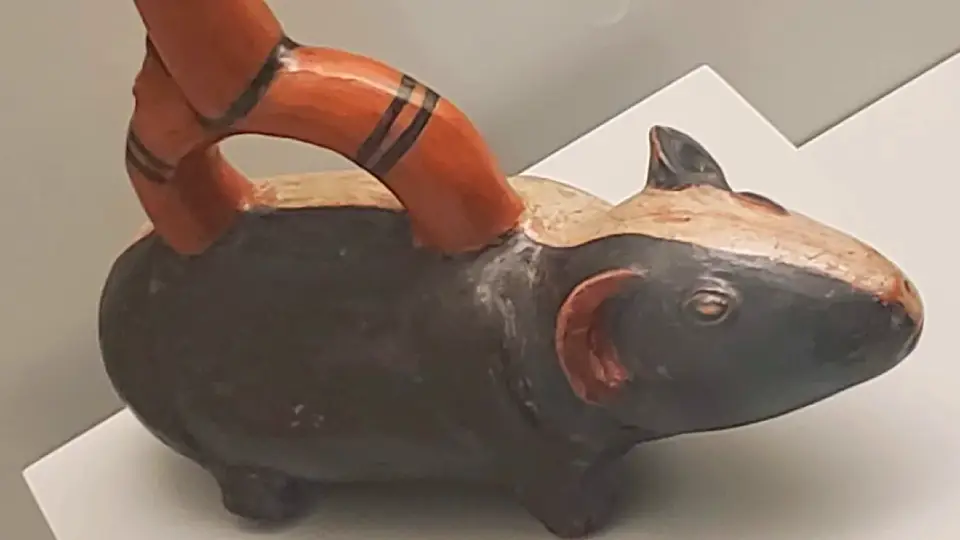
Cuy in the Time of the Incas
During the Tahuantinsuyo period, the Inca Empire promoted organized cuy production throughout its territory. As a result, cuy became widely respected and recognized as a delicacy valued for its nutritional and cultural significance.
Cuy played a significant role in celebrations such as Inti Raymi and other Andean religious events. It was offered in rituals, used for healing, and served at gatherings, reflecting its importance as both a sacred and everyday food in Inca society.
Today, the strong connection between cuy, tradition, and Andean identity endures. It links modern Peruvians to their ancestors through shared taste, history and culture.
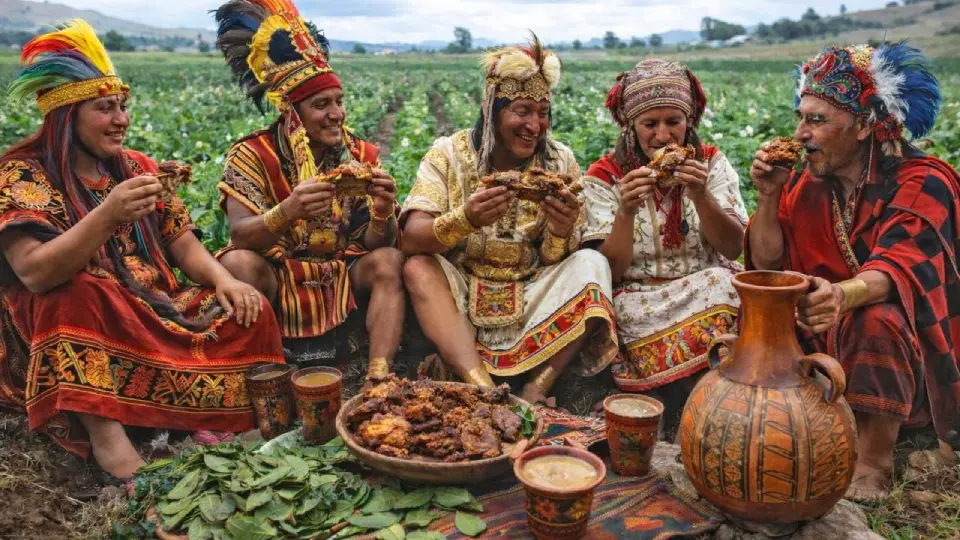
Did you know this?
The cuy was not domesticated by just one person or group. Instead, many Andean communities began raising it thousands of years ago, making it a key part of their heritage in what is now Peru.
This shared knowledge, handed down over generations, made the cuy an important part of Andean culture, tradition, and daily life long before people began writing down their history.
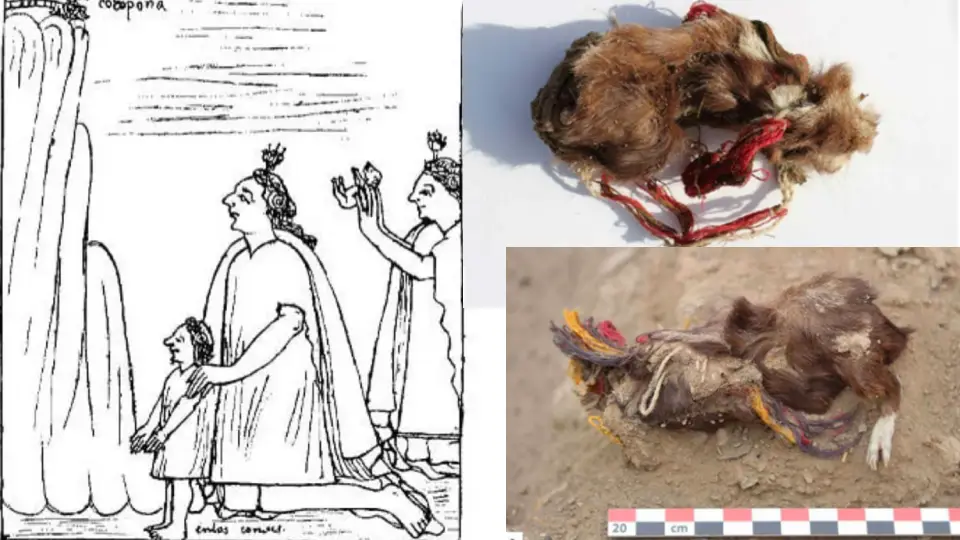
Cuy Today
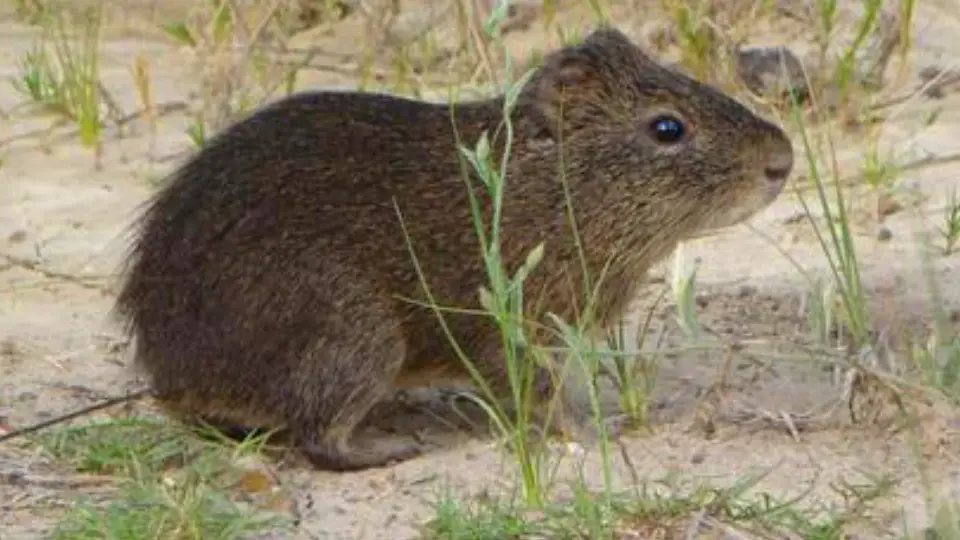
Peru is recognized as the primary center of cuy domestication, originating from wild species such as Cavia tschudii. Through generations of selective breeding and traditional knowledge, Andean communities have developed the cuy into a valuable, highly nutritious food source.
Today, cuy remains central to rural life, gastronomy and cultural celebrations. It is raised for both family consumption and local markets, and continues to symbolize Andean identity by linking ancient traditions with modern Peruvian cuisine.
Breeds and Varieties of Cuy
Why Does Peru Have the Best Cuy Breeds?
Peru has many different cuy breeds, shaped over centuries by the careful selection of Andean communities and improved further by modern programs from groups like INIA (National Institute for Agrarian Innovation). This mix of tradition and science has made Peruvian cuy breeds known for their quality, productivity and adaptability.
These improvements have boosted traits like size, meat quality, growth rate, and hardiness. Cuy is now a key part of Andean food, rural tourism, and sustainable farming. Because of this, Peru is known worldwide for leading in cuy breeding and keeping this tradition alive from the Andes to today’s kitchens.
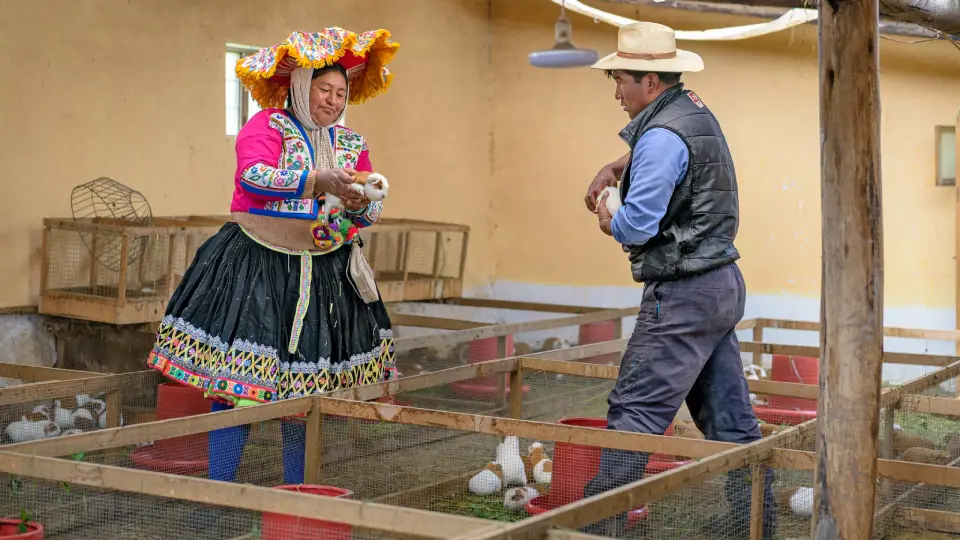
Most Well-Known Cuy Breeds in Peru
- The Peru breed grows quickly and produces a lot of meat, which makes it one of the most productive and popular breeds in the country.
- The Andina breed is highly resistant to cold and high-altitude conditions, making it ideal for Andean regions with harsh weather.
- The Inti breed is well-suited for modern production systems and offers good performance and consistent quality.
- Kuri lines are improved groups with high genetic quality, developed through selective breeding to increase size, meat quality, and productivity.
| 
| 
|
How Long Does a Cuy Live?
A domesticated cuy typically lives 4 to 8 years. With proper care, a healthy diet, and a suitable environment, it may live longer. The cuy is a resilient, calm, and energetic companion that adapts well to living with people.
Main Characteristics of the Cuy
- A gentle and very active animal
- Calm and balanced temperament
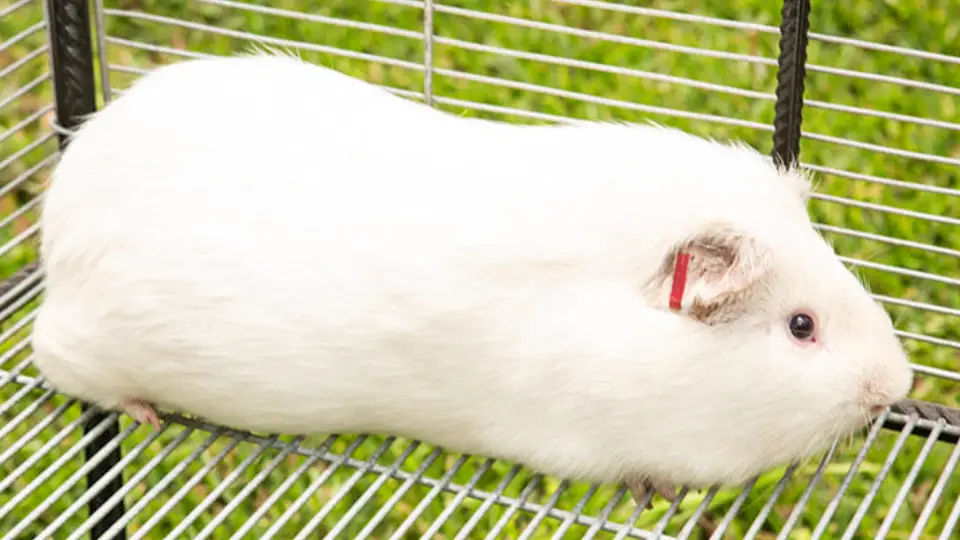
- Displays a wide variety of colors and coat textures, depending on the breed
- Naturally alert and curious
- Highly social and prefers to live in groups
- Fast-growing, especially under good conditions
- Quickly adapts to human contact.
- Easy to handle and highly resistant to cold climates
These traits have made the cuy an ideal animal for Andean communities for centuries. It is valued for its nutritional benefits, adaptability, resilience, and close relationship with people.
How Is Cuy Raised in the Peruvian Andes?
In the Peruvian Andes, families usually raise cuy inside their homes or in small pens called cuyeros. These spaces keep the animals safe from the cold and from predators, so they can grow up in a comfortable environment. People feed cuy with natural grasses, alfalfa, fresh vegetables, grains and local plants, following traditions that have been handed down for generations.
The close bond between families and cuy is more than just a food tradition. It is a way of life that reflects Andean culture, values of sustainability, and respect for nature.
Traditional Raising vs. Modern (Technified) Raising of Cuy
| Traditional Raising | Modern Raising of Cuy |
| Raising Location | Inside homes or small cuyeros | Specialized barns or modular facilities |
| Feeding | Natural grasses, alfalfa, kitchen leftovers, local forage | Balanced diets, selected forage, nutritional supplements |
| Management | Ancestral knowledge passed down through generations | Use of modern techniques and controlled systems |
| Reproduction | Natural breeding | Planned breeding with breed selection |
| Hygiene | Basic cleaning of living spaces | Regular cleaning, disinfection, and biosecurity measures |
| Growth & Weight | Slower and variable | Faster and more uniform |
| Production Purpose | Family consumption and local sales | Supply for markets and restaurants |
Today, both ways of raising cuy are important in Peru. Traditional methods help keep cultural identity alive and support family farms. Technified systems help meet higher demand and improve efficiency, quality and food safety, especially for restaurants and tourism.
Cuy Around the World
Cuy has strong roots in Andean culture, but its influence reaches well beyond South America. People around the world know cuy either as a cherished pet or as a traditional food.
Cuy as a Pet In many countries, cuy is better known as the guinea pig, a gentle and friendly companion. It is especially popular in these places | Cuy as Food In contrast, in some South American countries, cuy is a key part of traditional food and cultural identity. People eat cuy not just as food, but also during rituals, celebrations, and community events. |
In these countries, people value cuy for being calm, social, and easy to care for. Families often keep them as indoor pets, and they are linked with children, learning and companionship. Most people in these places do not know about cuy’s cultural, historical, or culinary importance in the Andes. |
In these regions, people prepare cuy using traditional methods like roasting, frying, baking, or stewing. It is often served with local potatoes, corn, sauces and Andean herbs. Eating cuy is closely tied to festivals, family gatherings, and rural customs. |
Peru: The World Capital of Cuy Cuisine
Of all these countries, Peru stands out for having the most diverse cuy dishes, cooking methods and cultural experiences. From simple countryside meals to gourmet restaurant dishes, Peru offers:
- The widest variety of cuy-based dishes
- Multiple regional cooking styles
- Festivals and traditional celebrations centered around cuy
- Community-based tourism experiences where travelers can learn about raising, cooking, and tasting cuy
Interesting Fact
Peru gives visitors the most complete cuy experience in the world, so many travelers see it as the best place to try cuy for the first time. Here, tasting cuy is more than just eating, it is a way to learn about Andean history, culture and daily life.
Cuy in Peruvian Gastronomy
Cultural and Culinary Importance
For centuries, cuy has been at the heart of Andean cooking, valued for much more than just its taste. It stands for celebration, abundance, and tradition and is served at major festivals, religious events and family gatherings throughout the Peruvian Andes.
In many rural areas, serving cuy is a sign of hospitality and respect, often reserved for special events like weddings, harvest festivals, patron saint days and ancestral ceremonies. The way cuy is prepared follows long-standing traditions passed down through families and is a source of local pride.
Today, cuy connects tradition with modern life. It remains a key part of Andean cooking, but now you can also find it in gourmet restaurants and creative new dishes that respect its roots. Cuy is more than food; it is a living symbol of Peru’s history, culture and food traditions.
Most Popular Dishes Made with Cuy
Peru has a wide range of traditional dishes made with cuy, each showing the country’s rich food history and regional differences. These recipes have been shared for generations and are still enjoyed today in both rural areas and city homes. Some of the most popular include:
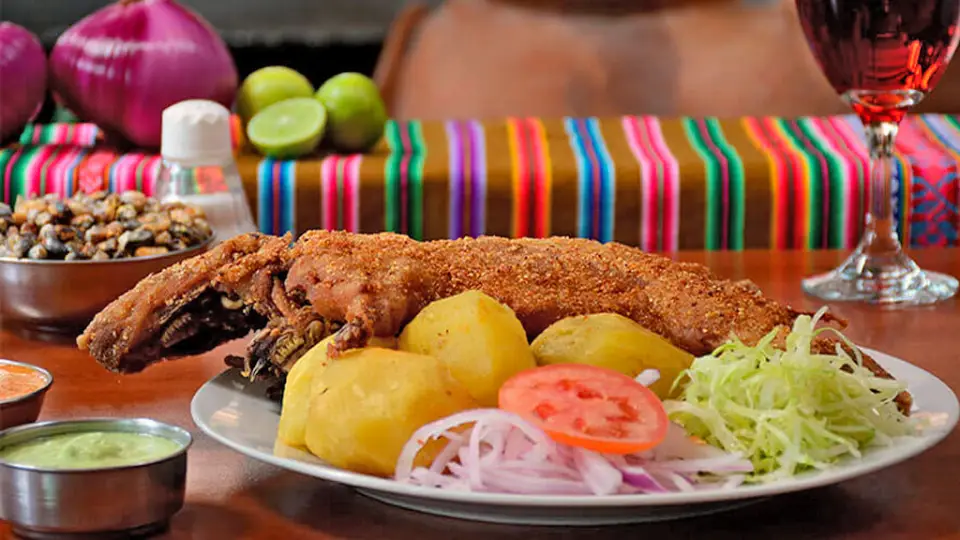
Cuy Chactado
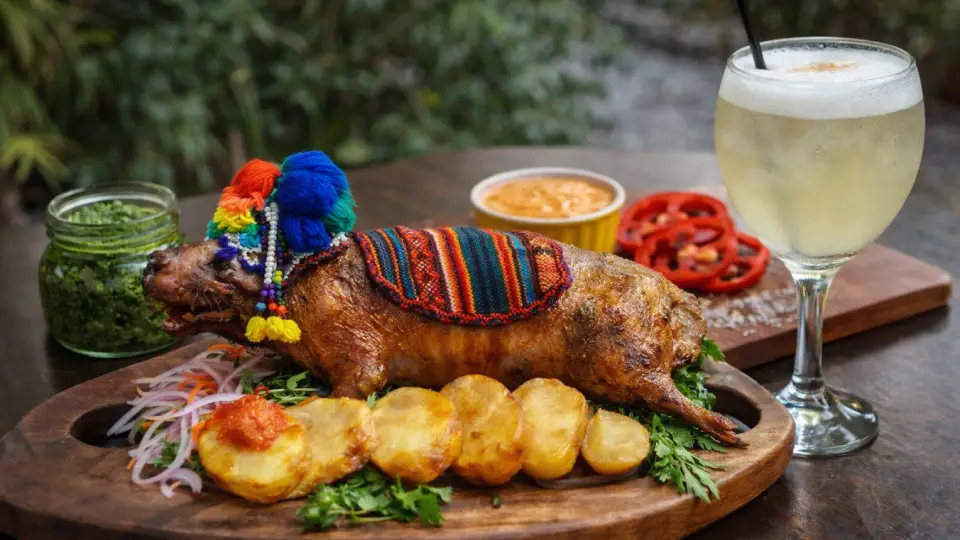
Cuy chactado is one of the best-known ways to prepare cuy. The meat is flattened and fried until the outside is crispy and the inside stays tender and juicy. It is often served with potatoes, corn, and a fresh Andean salad, and is especially popular in southern Peru.
Cuy al Horno
This oven-roasted dish is flavored with Andean herbs and spices, then baked slowly for a rich taste and aroma. It is usually served with native potatoes and giant corn (choclo), making it a filling and comforting meal.
Picante de Cuy (Cuy Colorado)
This classic Andean dish features cuy cooked in a spicy sauce made with local chili peppers. In some areas, it is called cuy colorado. The dish is known for its bold flavors and the warmth typical of highland cooking.
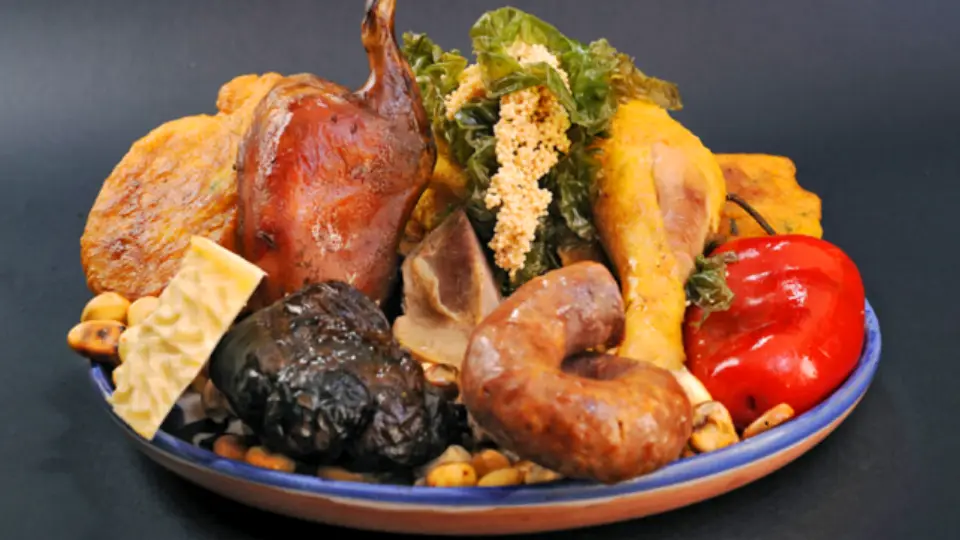
Chiriuchu Cusqueño
Chiriuchu is a special dish from Cusco, served during major festivals and religious events. It brings together cuy and other traditional foods, offering a mix of textures and flavors that show the variety of Andean cooking.
What Does Cuy Taste Like?
Cuy tastes unique but familiar, often compared to a mix of chicken and rabbit. The meat is firm, juicy, and rich, with a hint of gamey flavor that many find satisfying. Its high protein and hearty texture make it a great meal after a day of hiking or exploring the Andes.
Best Side Dishes to Enjoy with Cuy
Traditional side dishes help bring out the flavor of cuy and add balance to the meal. These sides also show off the rich farming traditions of the Andes:
- Native Andean potatoes, boiled or fried, add earthiness and texture
- Choclo (Andean corn), large-kernel and slightly sweet, perfect for contrast
- Fresh onion salad with mint or hierbabuena, bringing freshness and acidity
- Andean chili sauces (ají), ranging from mild to spicy, elevate every bite
All these sides and flavors combine to give you a true taste of Andean cooking, bringing local traditions and ingredients together in one meal.
How Is Cuy Served?
Today, cuy is served in many ways, from traditional recipes to modern and creative dishes that keep evolving Peruvian cuisine. No matter the style, it always keeps its authentic flavor and cultural spirit.
Traditional Presentation
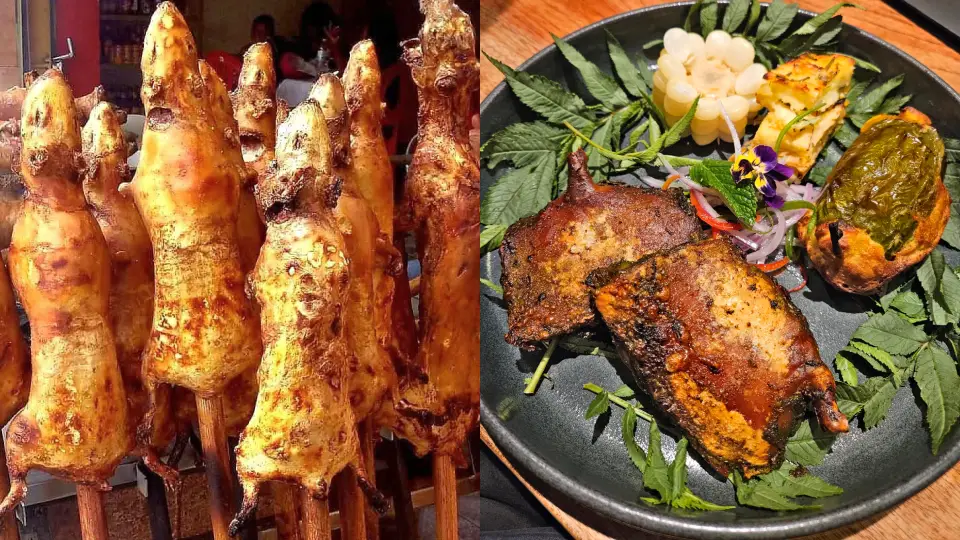
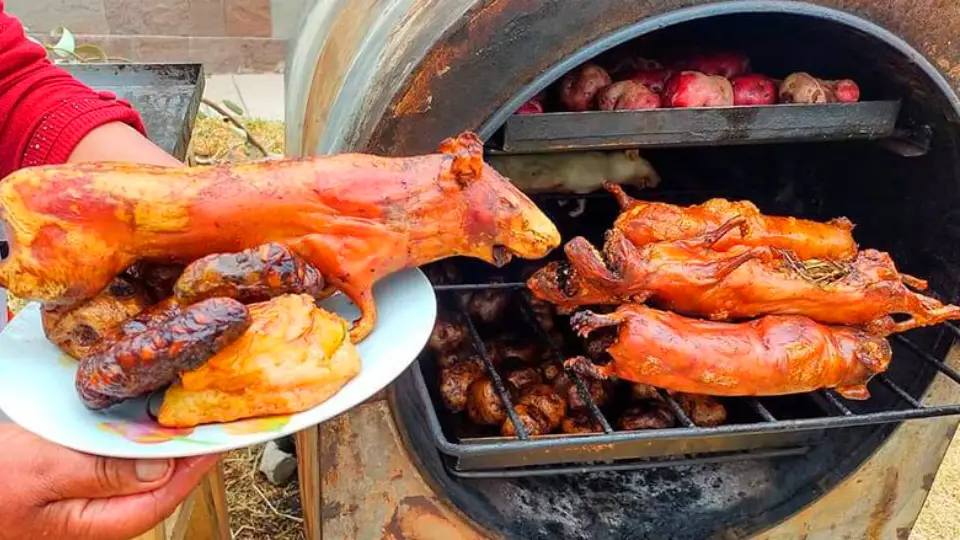
In Andean communities and local picanterías, cuy is usually served whole, split open, and golden brown, showing off its crispy skin and tender meat. This classic style has been enjoyed for centuries and is still the most authentic way to try cuy in the Andes.
Popular Ways to Serve Cuy
- Cuy al palo: Slowly roasted on a spit, resulting in smoky flavor and crispy skin.
- Caldo de cuy: A comforting and nourishing cuy soup, ideal for cold Andean days
- Cuy frito: Deep-fried until crunchy on the outside and juicy inside
- Cuy asado: Oven-roasted with Andean herbs and spices
- Cuy Colorado: Cooked in a rich red chili sauce, full of bold Andean flavors
- Cuy broaster: A modern, crispy-style preparation inspired by fried chicken
- Picante de cuy: Stewed in a traditional spicy sauce, deeply rooted in Andean cuisine.
- Chicharrón de cuy: Bite-sized, crispy pieces perfect for sharing
- Cuy al vino: A fusion-style dish where cuy is cooked with wine for a refined flavor
No matter how it is prepared, cuy is a true symbol of Andean identity. It gives travelers a unique and memorable taste of Peru’s food traditions.
Modern Presentation for Travelers
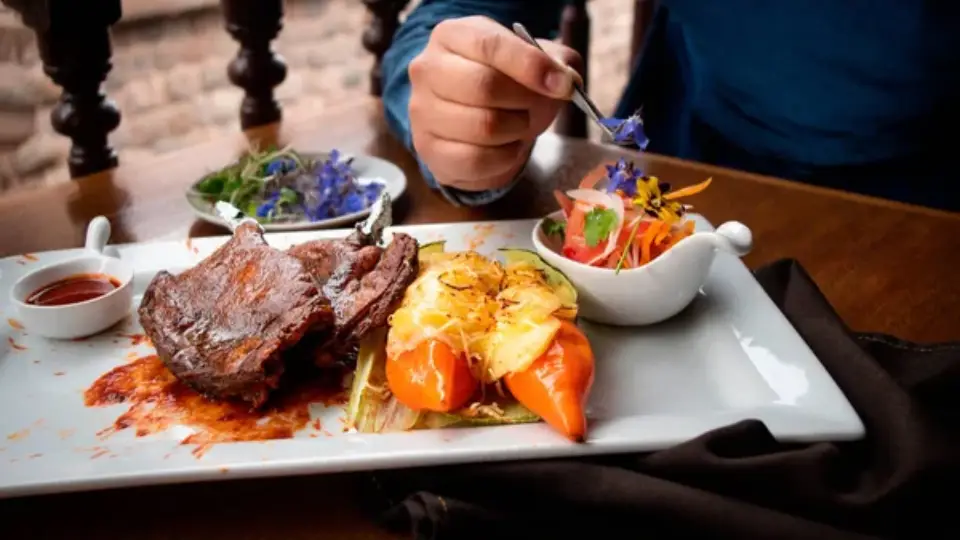
In restaurants that welcome tourists and serve Novo-Andean cuisine, cuy is often prepared in ways that are easier and more appealing for international visitors. These updated versions keep the traditional flavors but offer a more polished dining experience.
- The meat is deboned, which makes it easier to eat.
- Cuy is served in portions instead of as a whole animal.
- Chefs use fusion cooking, combining Andean ingredients with modern culinary styles.
This way, travelers can enjoy cuy comfortably and still experience its cultural significance.
When Is the Best Time to Eat Cuy?
People usually eat cuy during important moments and special occasions, which makes it even more memorable for visitors.
- Community lunches and family gatherings
- Religious celebrations, such as Corpus Christi, Holy Week, and All Saints’ Day
- Gastronomic festivals and food events across the Andes
Tasting cuy at these times gives visitors a richer cultural experience, as food, tradition and celebration all come together.
Cuy Prices: Is It Expensive for Tourists?
The price of cuy depends on where you eat it, but most people find it a good value for the experience.
- Local picanterías offer affordable prices and authentic flavors.
- Tourist restaurants have mid-range prices and comfortable settings.
- Gourmet restaurants charge higher prices, which reflect the refined presentation, creativity, and overall dining experience.
Wherever you try it, tasting cuy is more about discovering a unique part of Peru’s food and culture than about the price.
Is It Safe to Eat Cuy While Traveling?
Yes, eating cuy is safe if you pick places that are clean and trustworthy. On organized tours, Qoricancha Expeditions chooses restaurants with good food safety standards, so travelers can enjoy their meal without worry.
Like with any traditional food, it’s best to try cuy at well-known restaurants or on guided tours where quality and cleanliness come first.
Where to Enjoy Cuy in Peru
Lima
- Novo-Andean cuisine restaurants
- Regional food establishments
- Gastronomic festivals and food fairs
Cusco
- Traditional picanterías
- Local markets such as San Pedro Market
- Andean-style restaurants
- Local festivities and patron saint celebrations
- Rural community tours with traditional communal lunches
Interesting fact:
Many travelers try cuy for the first time during excursions through the Sacred Valley, where it is often prepared in traditional rural settings.
Myths and Truths About Cuy
- It’s only rural food.
False. Today, cuy is featured in gourmet and fine-dining restaurants across Peru. - It tastes strange.
False. Its flavor is very familiar, often compared to chicken or rabbit. - Only locals eat it.”
False. More and more travelers are discovering cuy as a must-try gastronomic experience.
For many visitors, tasting cuy becomes one of the most memorable culinary moments of their trip to Peru.
Nutritional Value of Cuy
Cuy is a great choice if you want to try something both authentic and healthy while traveling:
- High in protein
- Low in fat
- Good source of iron and zinc
- Rich in B-complex vitamins
- Contains healthy fatty acids, including omega-3
Medicinal and Health Benefits of Cuy
People have long valued cuy not just as a meal, but also for its health benefits:
- Provides high-quality protein
- Helps combat anemia
- Supports cardiovascular health
- Contributes to proper brain function
- Strengthens the immune system
- Helps prevent chronic malnutrition
Important Recommendations for Travelers
- Try cuy in its local and cultural context.
- Each region, such as Cusco, Arequipa, Ayacucho, and Huánuco, has its own special flavors and side dishes.
- Choose the traditional version to truly experience Andean culture.
- The gourmet version is a good choice for first-time tasters because it has a milder flavor and is easy to enjoy
- Festival seasons offer you the opportunity to experience cuy in its original celebratory setting.
- Ask locals for their recommended dish.
- Eat at restaurants with good reviews.
- Avoid improvised or unhygienic food stalls.
- If you have a sensitive stomach, start with oven-roasted cuy
- Make sure side dishes are well-cooked
- End your meal with a glass of pisco. Locals believe this tradition helps with digestion.
Fun Facts and Surprising Details
Did you know that Peru has a national day just for cuy?
It’s true! Every second Friday in October, Peru celebrates National Cuy Day. This official holiday was created by the Ministry of Agrarian Development and Irrigation in 2024.
Why Does Peru Celebrate National Cuy Day?
This day honors the importance of cuy farming in Andean communities, where this small animal has a big impact on:
- Traditional diets and food security
- Family life and rural economies
- Preserving ancestral customs and cultural identity
National Cuy Day shows that cuy is more than just a traditional dish. It is a living symbol of Andean heritage, sustainable farming, and community life. This tradition is still an important part of Peru’s culture and visitors can experience it today.
What Activities Take Place on National Cuy Day?
Across Peru, communities celebrate with colorful events, delicious food and activities for all ages that honor the cultural importance of cuy.
- At food festivals, visitors can try many traditional cuy dishes made with old family recipes and local cooking styles.
- At producers’ fairs, people meet local cuy farmers, see their best animals, and learn about both traditional and modern ways of raising cuy.
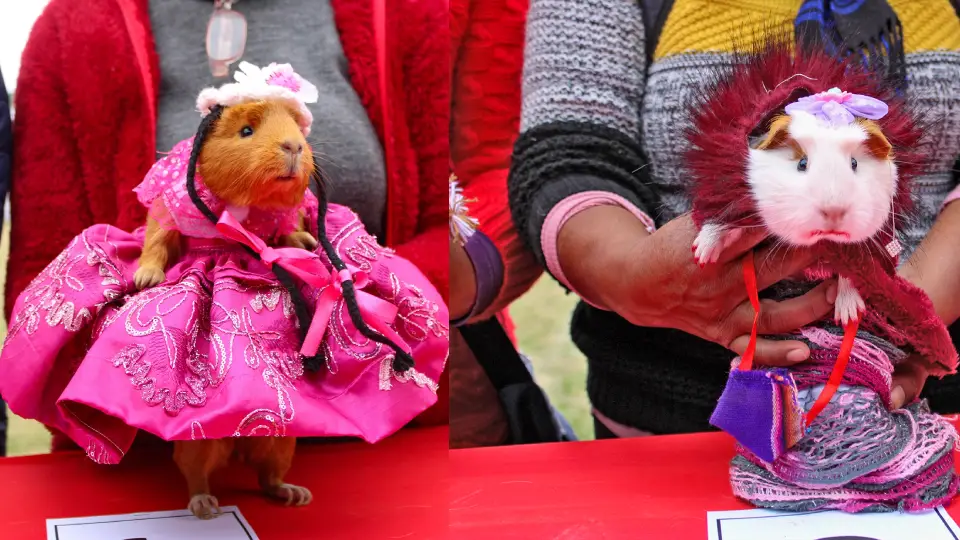
- The popular “Fashion Cuy” contest is a favorite event where cuyes wear creative and colorful costumes. This fun competition always brings smiles, laughter and a festive mood to the celebration.
National Cuy Day is a special chance to enjoy Andean culture through food, tradition and community. It’s a memorable event for both locals and visitors.
Cuy as a Unique Travel Experience
With Qoricancha Expeditions, you can experience cuy in an authentic and memorable way that goes well beyond just tasting a traditional dish.
Here are some ways you can enjoy this experience:
- Take part in food and cultural tours in Cusco and the Sacred Valley, where cuy is served with its full historical and cultural background.
- Join Andean cooking classes with local families to learn traditional recipes, old techniques, and cooking secrets passed down for generations.
- Follow traditional food routes to discover real regional flavors as you explore beautiful landscapes and visit rural communities.
Have you tried cuy yet, or are you still considering it? Go ahead and give it a try!
We’d love to hear about your experience, where you tried cuy, what places you visited that day and what you enjoyed it with. Your story could make someone smile and encourage other travelers to try this iconic Andean dish.
Frequently Asked Questions About Cuy
What exactly is cuy?
Cuy is a small herbivorous mammal from the Andes, known around the world as a guinea pig. In Peru, it has been part of Andean culture, food, and tradition for thousands of years and is seen as a delicacy, not a pet.
What does cuy taste like?
Cuy tastes a bit like a mix of chicken and rabbit. The meat is firm, juicy, and rich, with a slightly gamey flavor. It is especially tasty when roasted or fried with traditional Andean methods.
Is cuy spicy?
No, cuy is not spicy. Any heat comes from ají or chili sauces served on the side. You can pick mild, medium, or spicy sauces based on what you like.
Is cuy a healthy meat?
Yes. Cuy is high in protein, low in fat, and easy to digest. It also has lots of iron, zinc, B vitamins, and healthy fats like omega-3. This makes it one of the most nutritious traditional meats in the Andes.
Is it safe to eat cuy while traveling in Peru?
Yes, it is safe if you eat it at reputable restaurants or on organized tours. Companies like Qoricancha Expeditions choose places with good hygiene, so you can enjoy your meal safely.
Are there boneless cuy options?
Yes. While cuy is often served whole, many tourist-friendly and gourmet restaurants offer boneless or portioned options. These are great for first-time travelers or anyone who wants a more comfortable meal.
Where is the best place to try cuy in Peru?
Cuy is most traditional in the Andes, especially in Cusco, the Sacred Valley, Arequipa, Ayacucho, and Huánuco. Many travelers try it for the first time during Sacred Valley tours or visits to rural communities.
When is the best time to eat cuy?
People often eat cuy during festivals, religious celebrations like Corpus Christi or Holy Week, community lunches, and food festivals. These events are the best times to enjoy it in a true cultural setting.
Is it expensive for tourists?
Prices vary depending on the location:
- Local picanterías: Affordable and authentic
- Tourist restaurants: Mid-range prices
- Gourmet restaurants: Higher prices due to presentation and experience
Overall, cuy is a good value because of its cultural and food importance.
Is it expensive for tourists?
Prices vary depending on the location:
- Local picanterías: Affordable and authentic
- Tourist restaurants: Mid-range prices
- Gourmet restaurants: Higher prices due to presentation and experience
Overall, cuy is a good value because of its cultural and food importance.
Can I try cuy during organized tours?
Yes. Many rural tours, food routes, and cultural trips with Qoricancha Expeditions include cuy tasting. This lets you enjoy history, local life and traditional food all in one experience.