

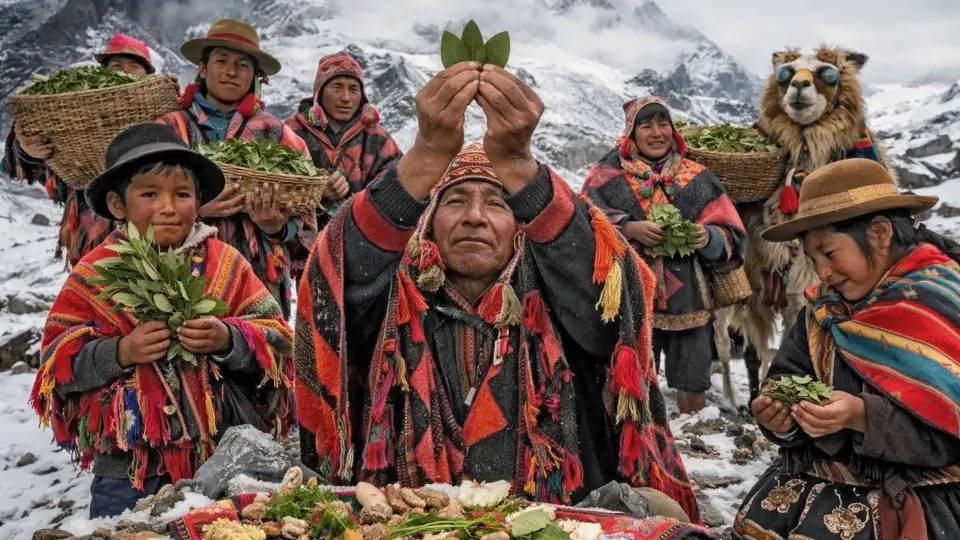
Coca Leaf: Inca Traditional Medicine
Small, green and poorly understood; this is the coca leaf, a deeply ancient but highly controversial plant all over the world. In the Andes, it is naturally consumed to solve many maladies and to accompany spiritual rites, while in many places its name refers only to illegality. But truth is far more than that! Ready to discover the real story? Join me.
Table of Contents
- Discover the full truth about the coca leaf
- What is the coca leaf?
- Where does the coca leaf come from?
- What Is coca plant like?
- Coca leaf producers in Peru: Who are the key people there?
- Which countries of origin are coca leaf cultivated?
- Coca leaf grown how does It grown?
- From the living history of the coca leaf.
- The ancient roots of the coca leaf.
- The coca leaf and the world power of the Inca.
- Coca as a colonial conflict.
- The coca leaf today.
- Coca leaf: Living rituals.
- The global history of the coca leaf: From the andes to europe.
- How an ancient andean tradition caught europe’s attention.
- Health benefits of the coca leaf
- Vitamins and nutritional value of the coca leaf
- Coca leaf is lawful to eat by travelers in south america.
- Is coca leaf a legal law in the andes?
- Countries where coca leaf Is legalized.
- Where can you legally buy coca leaves?
- International legal status of the coca leaf
- The advice for practical travelers:
- Coca leaf and international airport restrictions
- Experiences along the route
Discover the full truth about the coca leaf
As you travel through the Andes, uncover the fascinating truth about the coca leaf, its origins, history and cultural importance. Learn who considered it sacred, why it was banned in certain places, and what its legal status is today. You’ll also discover why people consume it, where to find it and how to benefit from it during your journey. Get ready to understand why this leaf is regarded as sacred.
What is the coca leaf?
It consists of a deep greenery, which is derived from an ancient shrub, a coca shrub (Erythroxylum coca), which was once widely used as a plant medicinal crop. Simultaneously, it has a dual nature because it is considered illegal in many of the places because of the alkaloids that make it the plant used to make some kind of cocaine, but in the background of this drug.
Where does the coca leaf come from?
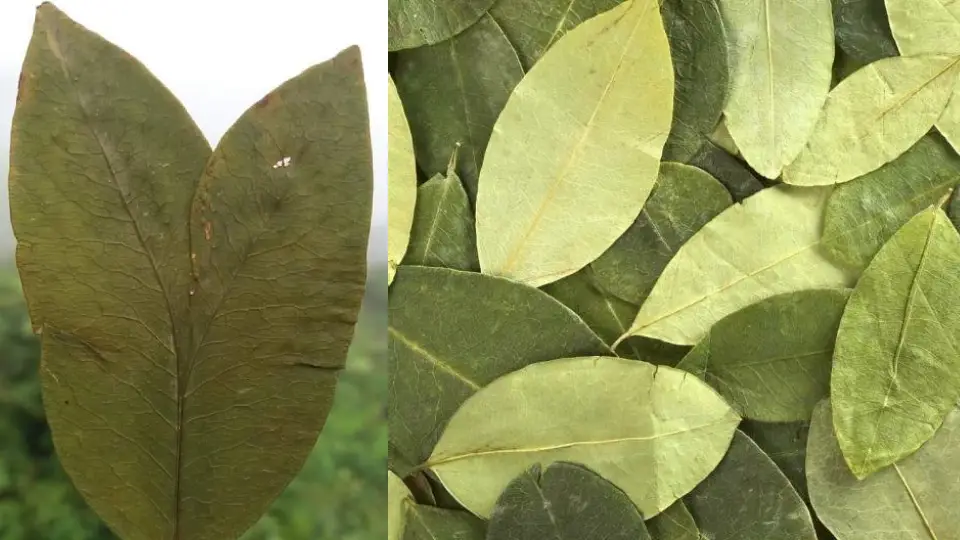
The coca leaf is harvested from the Erythroxylum coca shrub, a plant of the Andean group that roams principally from Peru, Bolivia, Colombia and Ecuador. Freshly collected leaves are first taken from the shrub, which is dried to protect its properties under shade before usage.
What Is coca plant like?
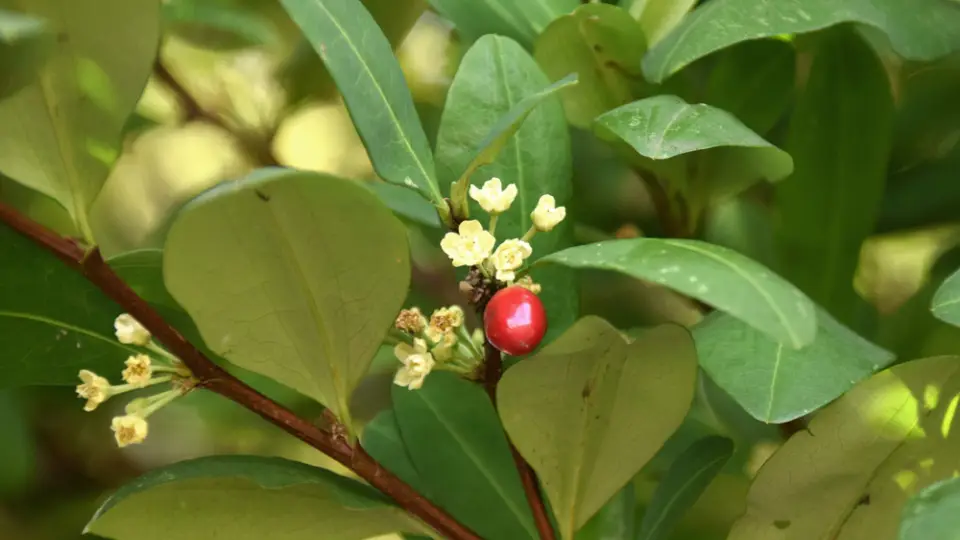
It is a shrub the height of which varies up to 2.5 meters (8 feet) tall; the plant mainly stands for small leafed trees, which, growing bigger and bigger do become taller. It also flits small white flowers that develop into a minute red, oval-shaped one-centimeter fruit. It looks simple, but every part of the plant plays an essential role in Andean gastronomy and culture.
Coca leaf producers in Peru: Who are the key people there?
Did you know that we have long been cultivating coca leaf in Peru in the hot, humid Andean areas, especially yunga and rupa-rupa, for thousands of years? Central regions in the country producing coca include Alto Huallaga, Monzón, the VRAEM, La Convención and Lares. These valleys have also been critical for the survival of the ancestral plant.
Curious fact!
The Erythroxylum genus (coca plants) in the world consists of around 250 species. Peru, however, has only two varieties cultivated: for instance, Erythroxylum coca var. coca and Erythroxylum novogranatense var. truxillense. Those two species are the true protagonists of the Andean coca plantations.
Which countries of origin are coca leaf cultivated?
They only associate it with Andes. But the coca leaf has traveled much farther from Andean nations than anyone seems to expect. Because these two are the natural inhabitants. It is primarily grown by Peru, Colombia, Bolivia, Mexico, Cuba, Argentina and Uruguay nations in the Americas and is found here too. As a result of that type of climate, it also has adapted to certain regions in Australia, Africa and Asia. So a tiny leaf of this kind has been able to settle in many parts of the world.
Coca leaf grown how does It grown?
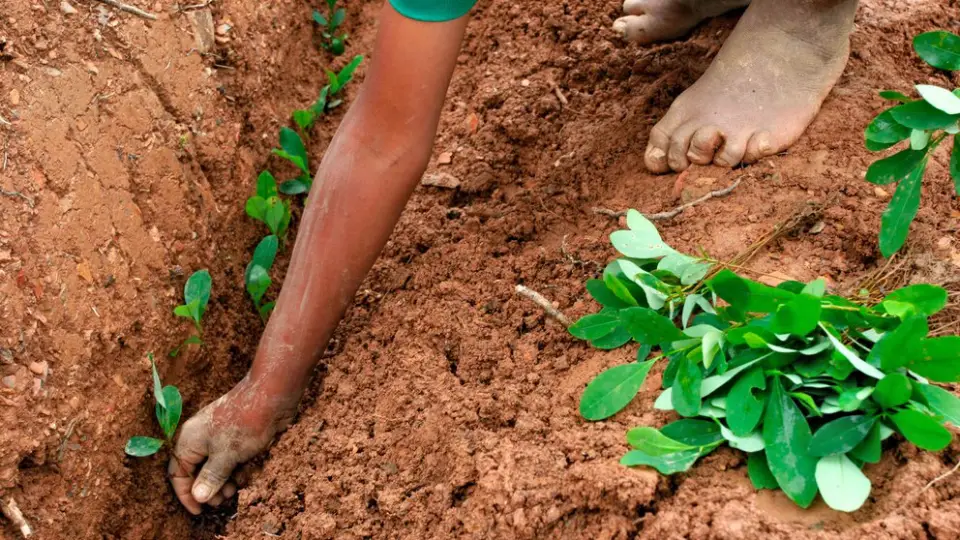
Seeds are then put forth either side of this process, planted directly in the soil or in seed beds, and germinate within 24 days with sun. The seedlings are then protected from direct sunlight to prevent burning out after the first four leaves are present. Sometime after, when they grow up to 30–40 cm high, they are transplanted into the fields. After approximately two years, the first harvest occurs.
Did you know?
Coca leaves can be harvested up to three times a year in high-altitude areas and up to four times a year in low-altitude regions.
From the living history of the coca leaf.
The ancient roots of the coca leaf.
You probably don’t know, but the coca leaf has been with South American cultures for over 8,000 years, dating back to the beginnings of agriculture. The oldest archaeological evidence was discovered at the Nanchoc archaeological site in Cajamarca, as well as in areas of Ayacucho, with dates ranging from 5300 to 3900 BC.
The coca leaf in the pre-inca world.
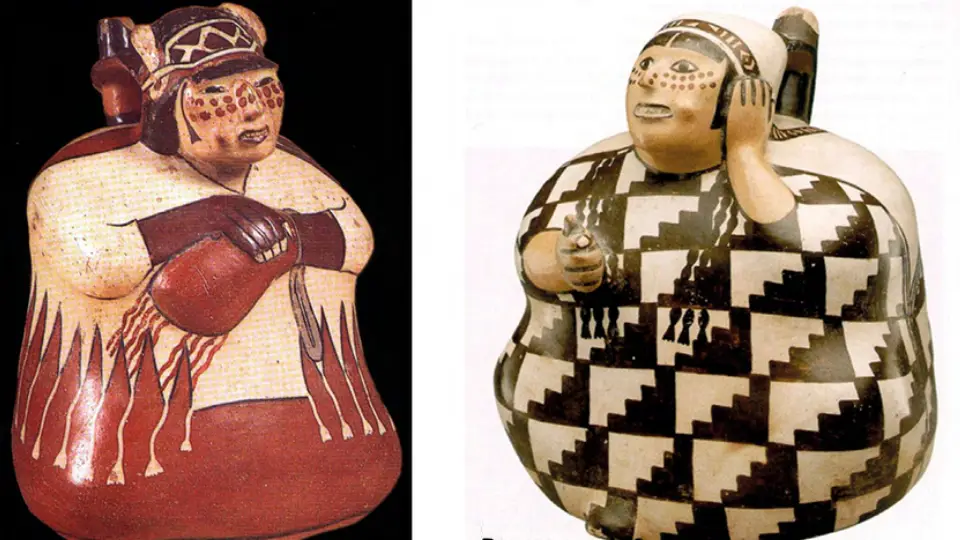
It is believed that the coca leaf was used in rituals and daily life in such pre-Inca cultures as Chavín, Moche, Nazca, Paracas, Wari, and Tiahuanaco. It was used in a limited way during cranial surgeries for analgesia and anti-inflammation. Moreover, coca leaves were deposited in funerary bundles and mortuary rituals, indicating their strong spiritual and symbolic significance.
The symbolic power of the coca leaf
You might be shocked to learn that the coca leaf was used in shamanic rituals and ceremonies, where it accompanied offerings and emotional experiences carrying considerable symbolic and spiritual meaning. In addition, it played a significant role in medicinal and religious activities as well. Coca leaf was thus used in the way of thinking of ancient Andean civilizations.
The coca leaf and the world power of the Inca.
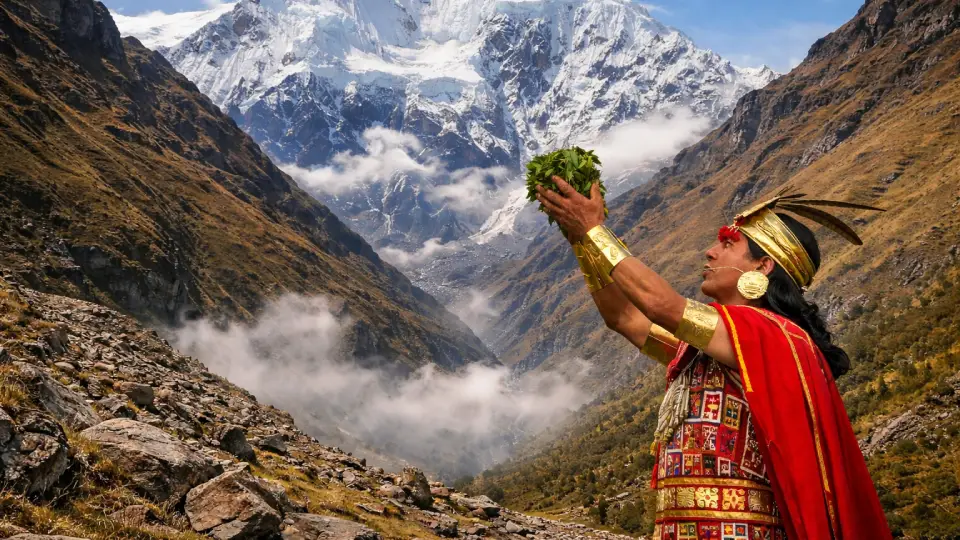
The coca leaf was sacred and only performed in ceremonial ritual and consumed for nobles and priests, in ancient times during the Inca Empire. The Incas held this leaf to be a status symbol in that this leaf indicated social stature and an upper position higher than most people, as only individuals with significance were allowed to use the same leaf in their special occasions. This is why the general population was prohibited from eating it.
Coca in inca times - the variety.
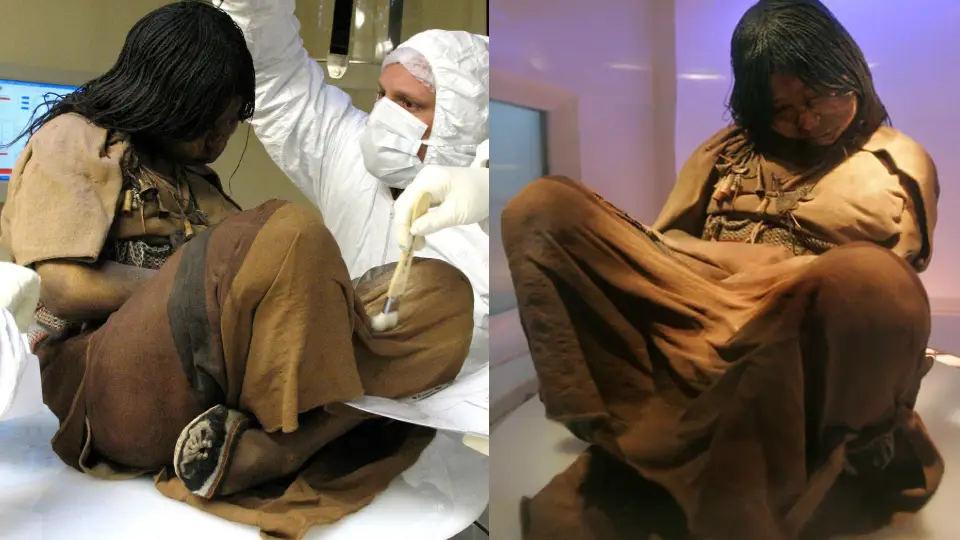
You wouldn’t believe it, but in the Inca Empire two varieties of coca were grown. On the one hand, “tupa coca,” which was short on leaves and cultivated at lowland areas, was predominantly used for everyday consumption, while “ñunus” (large leaves) grown in elevation areas were reserved for ceremonial and ritual offerings.
Coca as a spiritual bridge.
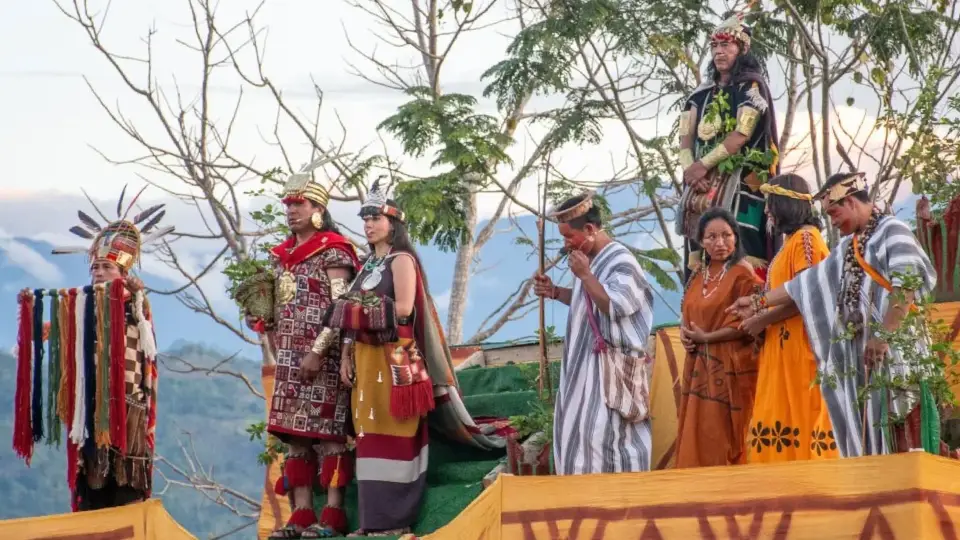
It was not surprising to find out that in the midst of these gatherings coca leaf possessed such deep spiritual power that it was used in many forms. Supervision and prophecy were also sought during these ceremonies with a guide by shamans or priests. Meanwhile, the leaf was also offered to gods as a sort favor and to make them protect him from danger.
Less-well-known of the coca leaf.
You may be shocked to find out coca leaf was a great ally for the Incas and would thus be widely eaten to take care of the body. It was used to alleviate pain, diminish inflammation, heal wounds, and soothe the muscles after physical labor. It was also a natural energy source that built physical endurance and was used to manage long walks at high altitudes.
A Little-known fact.
It was a great honor to receive coca leaves, as they were only available to the people when the authorities, priests, or the Inca himself would offer the leaves as a reward. It was, then, that the leaf was more than a gift, it was precious acknowledgement, that it held power and it held spiritual significance.
Coca as a colonial conflict.
The coca leaf, however, played a role in one of the earliest cultural and religious conflicts between the Incas and the Spanish, a fact much less known. Under the name of “extirpation of idolatries,” the Church initially prohibited their use and consumption, as it was a direct association with Andean gods. So it was that this small leaf ended up symbolizing two worlds as in tension.
Important facts.
- Over time, the Spanish encouraged the consumption of coca leaves and spread their use among rural communities, since they saw coca as an essential means of resisting the high altitudes and arduous manual labor carried out in mines.
- More important was the large scale promotion of coca cultivation during the growing movement towards a predominantly mining-based economy. Crop plantations were established there, where thousands of people from the highlands were brought to work; they moved across the jungle to farm coca. Unfortunately this resulted in heavy mortality related to extremely harsh living conditions.
The coca leaf today.
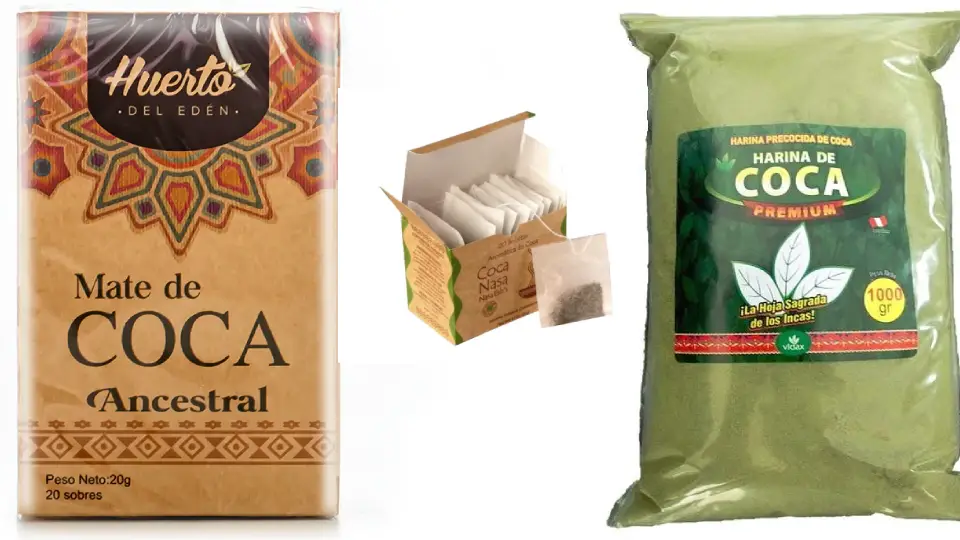
Today, the Coca Leaf is used in flours, teas, infusions, oils, and gels. This coca-derived product is both part of Andean communities' culture and forms part of their traditional medicine; a daily practice. This plant is still being used by many communities empirically for its therapeutic properties, both in health care and physical recovery.
Coca leaf: Living rituals.
- Connection with the sacred.:On each August 1st, the coca leaf has a special place in offerings to Pachamama (Mother Earth). Moreover, many travelers carry coca leaves while hiking or trekking as an emblem of spiritual protection as well as respect for the Andean gods.
- Foreseeing the future: Some shamans tell the future via the color, shape, and position of coca leaves, a practice that persists in some Cusco streets and in the village of Huasao.
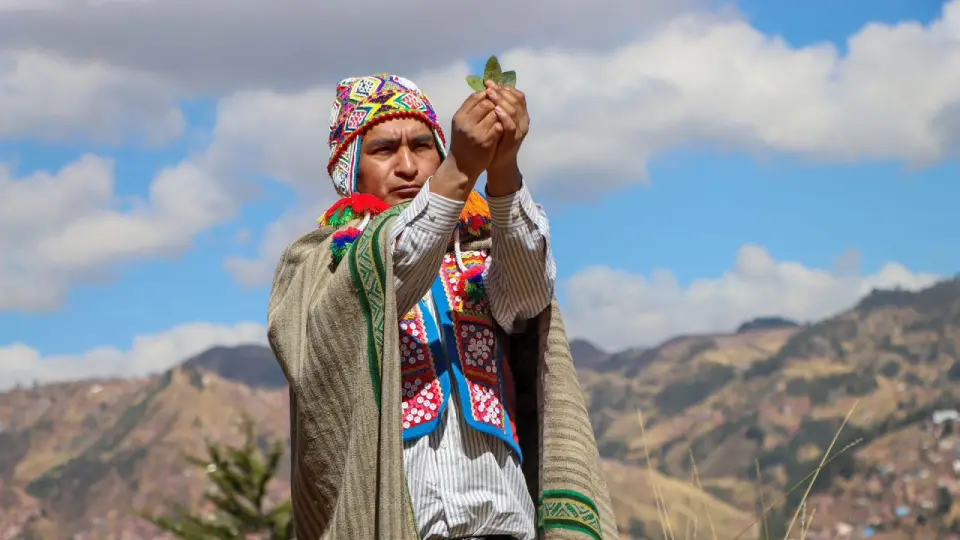
- The Kintu: A gesture of respect using three coca leaves representing three Andean worlds. As we greet the gods, we offer the kintu to ask them for protection, express gratitude and to start a journey with good omens.
Traditional uses of the coca leaf.
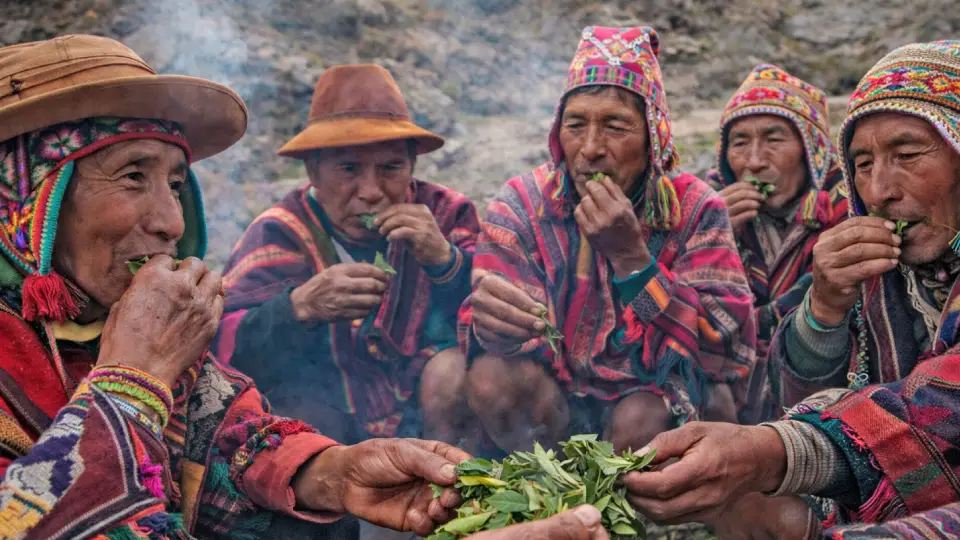
- Acullico or Coca Chewing: (An ancestral practice which remains in place). It is chewing very small amounts of coca leaves and adding a small amount of an alkaline mineral (for instance, ash or calcium) to stimulate its properties. It’s a practice many people take to help fight off fatigue, stave off hunger and adapt better to cold and high altitudes on long strolls and hikes.
- Coca tea (Infusion): You will probably get a cup of coca tea if you go to a high-altitude destination like Cusco or La Paz.
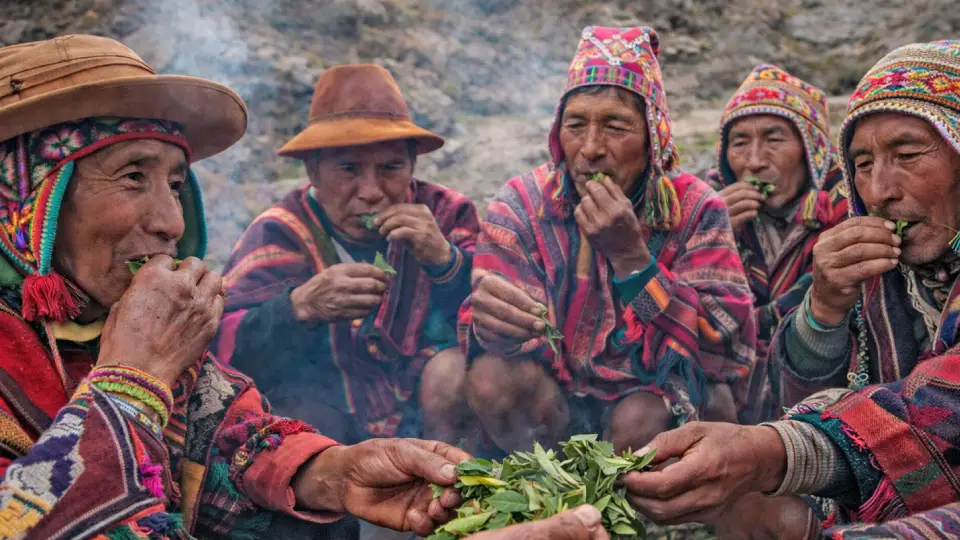
Existing uses of the coca leaf
- Andean Cosmovision: The coca leaf remains important in Andean cosmology involving rituals, offerings and spiritual practices.
- Ethnopharmacology: In ethnopharmacology, coca leaves are important for their traditional therapeutic properties and role in ancestral healing practices.
- Traditional Medicine: The coca leaf is widely used in traditional Andean medicine to relieve pain, reduce fatigue and support overall well-being.
- Pharmaceutical Industry: Certain derivatives of the coca leaf are studied and used in the pharmaceutical industry, particularly for their anesthetic properties.
- Medical Use: Coca-based compounds have also been utilized for medical purposes, particularly as local anesthetics in controlled and legal settings.
- Use in Energy Beverages: Coca leaf extracts are also found today in some energy drinks, appreciated for their natural stimulating effects.
The global history of the coca leaf: From the andes to europe.
How an ancient andean tradition caught europe’s attention.
After the Industrial Revolution, European societies became increasingly interested in the coca leaf, a sacred plant traditionally used by Andean cultures. As early as 1814, London publications described coca leaves as “miraculous,” noting how Andean communities chewed them with lime to maintain energy during long working hours. It was then that the coca leaf began its journey from the Andes to the global stage.
The coca leaf and european scientific research.
In 1858, Italian physician Paolo Mantegazza published a groundbreaking study praising the medicinal properties of the coca leaf. His work transformed coca from an exotic plant into a serious topic of scientific research in Europe, drawing the attention of physicians, scientists and explorers interested in traditional Andean medicine.
From sacred plant to global controversy.
In 1859, an Austrian botanist introduced coca leaves to Europe for deeper study. Soon thereafter, chemist Albert Niemann isolated a powerful substance from the plant, naming it cocaine. This discovery dramatically changed the perception of the coca leaf, shifting it from a sacred and medicinal plant to a subject of international controversy, regulation and prohibition due to the addictive nature of cocaine.
Health benefits of the coca leaf
The coca leaf has been applied in Andean medicine for centuries as a medicine with numerous natural health reasons. If eaten with the right things in place and in classic settings, it gives you a few:
|
Coca leaf health benefits |
Traditional uses and natural benefits of the coca leaf. |
| Helps with Blood Sugar and Circulation. | The coca leaf regulates cholesterol levels, maintains healthy lipid profiles, and contributes to balanced blood pressure. |
| Assists the Body to Adapt to Increasing High Altitude. | The coca leaf increases oxygen saturation, makes breathing better, and alleviates symptoms of soroche, or altitude sickness, among other things, known to be the most popular health benefit. |
| Increases Energy and Physical Fitness. | The coca leaf has a long history of use by Andean communities as a protective textile to combat fatigue, with long trips, heavy physical exertions and activities up high among its many uses. |
| Enhances Digestion and Metabolism. | This coca leaf increases the process of digestion and supports metabolic processes and had long been the natural anti-diarrheal remedy. |
| Healing and Pain relief using organic plants. | It is a natural analgesic, supports blood coagulation and accelerates wound healing. |
| Promotes Oral Health. | Traditionally, it’s indicated to be useful for cavity prevention and general oral hygiene. |
| Strengthens the Immune System. | It has antibacterial activities to shield the body and promote immune protection. |
| Supports Metabolic Balance. | Coca leaf was traditionally used as supplemental support in Andean medicine for diabetes management. |
| Rich Nutritional Profile. | The coca leaf contains calcium, iron, vitamins B and C and so it holds a nutritional value. |
Common myths about the coca leaf
One of the most widespread myths about the coca leaf is that its traditional consumption is harmful or addictive. In reality, for coca leaves to produce toxic or addictive effects, a person would need to ingest between 10 and 12 kilograms of leaves in a single moment, which is physically impossible. Traditional uses such as coca tea or leaf chewing do not produce these effects when practiced responsibly.
Vitamins and nutritional value of the coca leaf
The coca leaf is known for its high concentration of natural nutrients, which has made it an important element of traditional Andean nutrition and medicine for centuries.
|
Nutritional composition of the coca leaf. (The coca leaf is abundant in the essential nutrients that have supported its conventional use in the Andean cultures for centuries.) |
|
|
Group |
Nutrients |
| Macronutrients. | Suffice it to say that the coca leaf contains a host of proteins, carbohydrates and dietary fiber which provide both energy and digestive support. |
| Vitamins. | Its vital vitamins include Thiamine (Vitamin B1), Riboflavin (Vitamin B2), and Carotene and are required for metabolism, energy production and overall health. |
| Minerals. | The coca leaf contains a lot of minerals including calcium, magnesium, potassium, iron, manganese, zinc, phosphorus, copper, sulfur, sodium, and aluminum, and therefore, is an important nutrient source in the traditional Andean diet. |
An important fact for travelers
Is coca leaf legal in Peru and Bolivia?
Some travelers are surprised to learn that in Peru and Bolivia, the traditional use of the coca leaf, such as chewing (coqueo) or drinking coca tea is legal and culturally accepted. These practices are not classified as drug use or narcotics possession when the coca leaf is consumed in its natural form.
In Andean regions, coca leaf use remains a living cultural tradition, deeply rooted in ancestral customs and daily life.
Coca leaf is lawful to eat by travelers in south america.
Is coca leaf a legal law in the andes?
Travelers among the rest of the Andes will appreciate that traditional coca leaf use in Peru is legal, and is part of everyday life. ENACO governs coca leaf harvests and distribution with regulation ensuring traditional and regulated use. As long as they stay within Peru’s borders, visitors can legally enjoy coca leaf tea, practice coqueo or buy coca-based products.
Countries where coca leaf Is legalized.
The coca leaf is also a legal concept in Peru, Bolivia and Argentina because they have recognized the indigenous aspect of Andean culture, which includes the coca leaves. At markets and rural areas, a traveler may see coca leaves in teas, traditional rituals and artisan products in a real and memorable cultural experience is a genuine experience made possible by it.
Where can you legally buy coca leaves?
Legal Purchase Locations
- Local markets in Peru and Bolivia
- Health food and natural product stores
- Traditional street stalls
- Cities like Cusco, Puno, Arequipa and the Sacred Valley
- Local fairs and Andean festivals
International legal status of the coca leaf
Coca leaf is legal and culturally recognized in the Andes but remains restricted internationally. Since 1961, the coca plant has been classified as a controlled substance under the UN Single Convention on Narcotic Drugs, spurring international controversy. There is a focus on indigenous cultural rights, traditional use and the scientific distinction between the coca leaf and its derivatives.
Important travel advice
For international travelers, consume coca leaves only within the country and never transport them abroad. Doing so may lead to confiscation, fines, questioning, or travel delays. Experience this locally and leave the country with memories, not legal complications.
The advice for practical travelers:
If you decide to try the coca leaf during your trip, follow these guidelines:
- Firstly, for any kind of traditional chewing practice (acullico or coqueo), take a small taste of coca tea first.
- This can be consumed in correct and respectful locations such as local markets, Andean tea houses, or places that tourists are permitted.
- Do not confuse the natural coca leaf with anything chemically synthesized or processed; they are not involved.
Coca leaf and international airport restrictions
It is not allowed to carry the following items through any international airport:
- Coca seeds
- Coca leaves
- Coca infusions
- Coca tea (mate de coca)
- Coca candies and sweets
- Coca cookies
- Coca flour
- Coca-based ointments and medicinal products
- Handmade coca cosmetics
Experiences along the route
Pago a la tierra (Offering to mother earth)
Experience an ancestral ceremony in which coca leaves are the main offering along with food and sweets as a way of offering thanks for life and the abundance provided by Mother Earth. This reciprocal act, guided by informed individuals in the local community, encourages participants to release burdens, rejuvenate the spirit, and heal in connection with Pachamama.
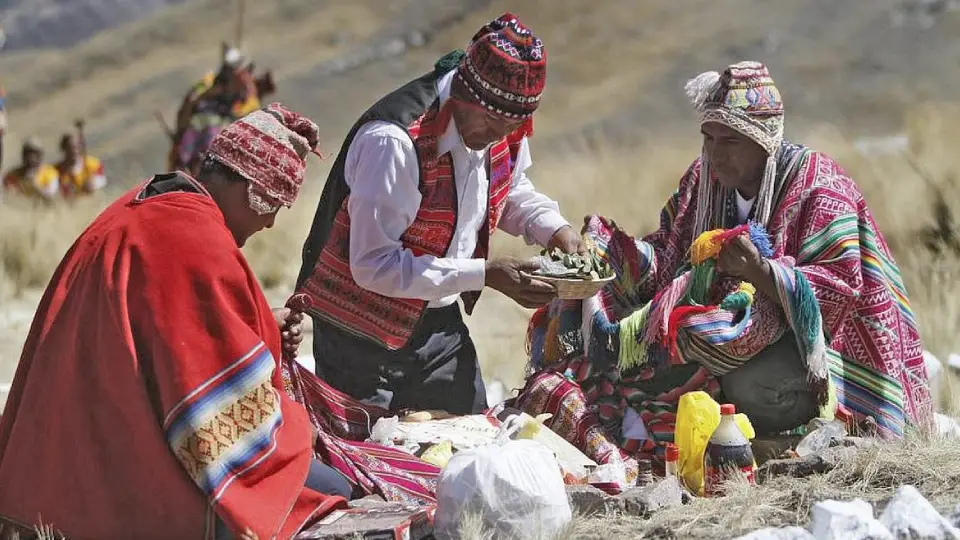
Kintu ceremony: An andean ritual for safe travel.
The Kintu ceremony is a traditional Andean ritual performed before starting a hike to honor the Apus (mountain spirits). Guided by experienced local guides, travelers ask for permission and protection for a safe and balanced journey. The ritual includes offering three carefully selected coca leaves, symbolizing harmony, gratitude and safe passage throughout the journey.
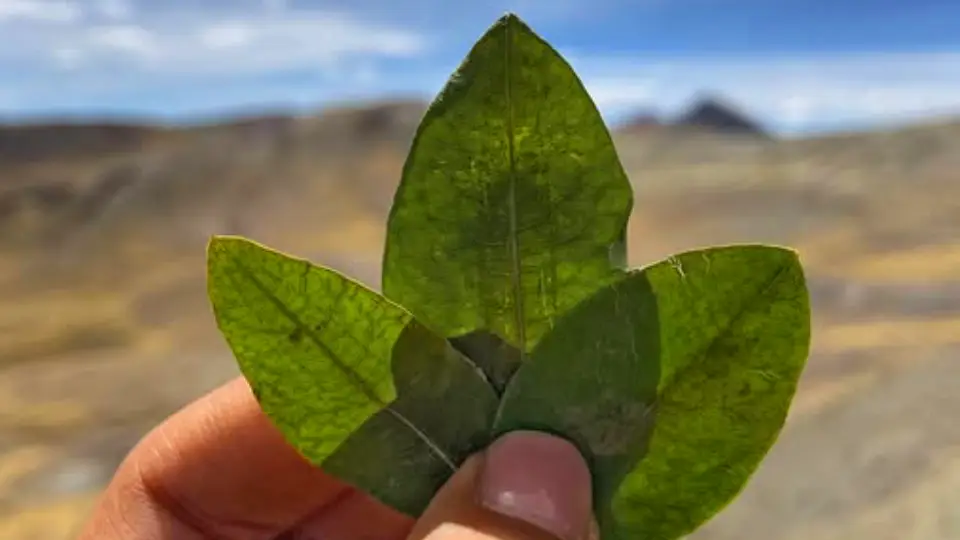
"For international travelers, transporting coca leaves outside the country may be illegal, even when intended solely as a souvenir or for making tea. Before traveling home, it is essential to review the regulations of your destination country to avoid issues, fines, or delays at airports and border controls"