

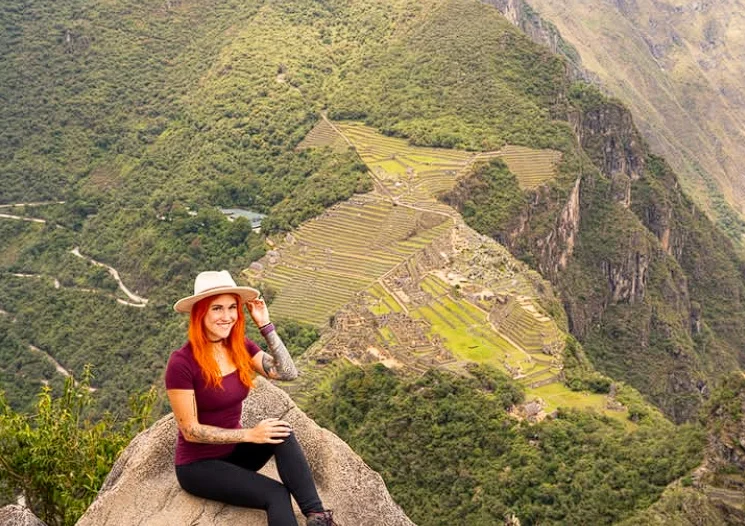
Inca Trail 2027 Permits, Prices, Availability & How to Book
Are you planning to hike the famous Inca Trail to Machu Picchu in 2027? This guide has all the details you need about permits, prices, availability, and booking your trek before spots fill up. No matter if you want to do the Classic 4-Day Inca Trail or the Short Inca Trail, learning how the permit system works is the first step to making your trip happen.
Each year, only a limited number of Inca Trail permits are available, so planning ahead is very important. The most popular dates, especially in the dry season from May to September, often sell out months in advance. If you know when permits become available, how to book, and the best time to reserve, you’ll have a much better chance of hiking the Inca Trail on the dates you want.
Qoricancha Travel is a licensed local tour operator in Cusco. We help travelers get official Inca Trail permits and arrange memorable small-group treks to Machu Picchu. In this guide, we’ll give you up-to-date information, useful planning tips, and expert advice so you can get ready for your Inca Trail 2027 adventure with confidence.
Inca Trail 2027 at a Glance
| When will Inca Trail 2027 permits go on sale? | Permits for the 2027 Inca Trail season are expected to go on sale in October 2026. The Ministry of Culture announces the exact date each year. |
| How many permits are available? | Each day, 500 permits are available for the Classic 4-Day Inca Trail and 250 for the Short Inca Trail. These numbers include everyone on the trail, such as guides, cooks, and porters, so fewer permits are left for trekkers. |
| How much does the Inca Trail cost in 2027? | Prices depend on the tour operator and the type of service you choose. Most tours cover the permit, Machu Picchu ticket, transport, guides, meals, camping gear, and porter support. |
| How do I book the Inca Trail? | You can only book the Inca Trail through a licensed tour operator. To get a permit, you’ll need to provide your passport details. Permits are not sold directly to individuals. |
| When should I book? | We recommend booking your tour before permits are released, especially if you plan to hike between April and June or during peak season. Early booking lets your operator verify your passport details, prepare your reservation, and secure your permits as soon as sales open. |
| Why book before October? | Booking before permits are released doesn’t mean you get your permit early. It just means your reservation is ready, so your tour operator can purchase your permit as soon as they’re available. This gives you the best chance to get your preferred date. |
| Which Inca Trail should I choose? | The Classic 4-Day Inca Trail gives you the full trekking experience to Machu Picchu. The Short Inca Trail is a good choice if you have less time but still want to hike part of the original route and enter through the Sun Gate. |
Table of Contents
- Inca Trail Permits 2027
- What Are Inca Trail Permits?
- Who Issues Inca Trail Permits?
- How Many Inca Trail Permits Are Available in 2027?
- Why Are Inca Trail Permits Limited?
- What Information Is Required to Reserve an Inca Trail Permit?
- Can You Change an Inca Trail Permit After Booking?
- When Will Inca Trail 2027 Permits Go on Sale?
- When Are Inca Trail 2027 Permits Expected to Be Released?
- Why Can the Permit Release Date Change?
- Previous Inca Trail Permit Release Dates
- Should You Book Before Permits Go on Sale?
- What Happens on Permit Release Day?
- Expert Tip Prepare Before October
- Inca Trail Availability 2027
- Inca Trail 2027 Availability by Month
- Which Months Sell Out First?
- Which Months Have the Best Availability?
- How to Check Inca Trail Availability for 2027
- What If My Preferred Date Is Sold Out?
- Inca Trail Prices 2027
- Estimated Inca Trail Prices for 2027
- What Is Included in the Price?
- What Can Affect the Price?
- Is the Cheapest Tour the Best Option?
- How Can You Get the Best Price?
- How to Book the Inca Trail 2027
- Inca Trail 2027 Booking Timeline
- Common Booking Mistakes to Avoid
- Best Time to Hike the Inca Trail in 2027
- Best Time for Good Weather
- Best Time for Fewer Crowds
- Best Time for Green Landscapes
- Best Time for Permit Availability
- Which Months Should You Avoid?
- Month-by-Month Inca Trail Guide
- Our Recommendation Based on Your Travel Style
- Classic Inca Trail or Short Inca Trail?
- What Is the Classic Inca Trail?
- What Is the Short Inca Trail?
- Classic Inca Trail vs Short Inca Trail
- Which Inca Trail Should You Choose?
- Which Trek Matches Your Travel Style?
- How Difficult Is the Inca Trail?
- What Makes the Inca Trail Challenging?
- How Fit Do You Need to Be?
- Dead Woman's Pass The Biggest Challenge
- What Do Most Hikers Find Hardest?
- How Difficult Is the Short Inca Trail?
- How to Prepare for the Inca Trail
- Can Beginners Hike the Inca Trail?
- Inca Trail Difficulty Comparison
- What’s Included in Most Inca Trail Tours?
- Essential Services Included in Most Inca Trail Tours
- What's Usually Not Included?
- Optional Upgrades
- How to Compare Inca Trail Tours
- Questions to Ask Before Booking
- Why Choose a Local Inca Trail Tour Operator?
- Direct Access to Official Inca Trail Permits
- Local Knowledge and Experienced Guides
- Better Experiences Through Small Groups
- Supporting Local Communities
- Safety and Emergency Preparedness
- Why Booking Direct Can Be Better
- How to Choose the Right Local Operator
- Why a Local Operator Makes a Difference
- Inca Trail Packing List for 2027
- Essential Documents
- Clothing
- Footwear
- Daypack Essentials
- Personal Toiletries
- Optional Items
- Packing Tips from Our Local Team
- Don't Pack This
- Quick Packing Checklist
- Inca Trail 2027 FAQs
Inca Trail Permits 2027
Hiking the Inca Trail to Machu Picchu is different from most other trekking adventures. For many trails, you can just buy a ticket or show up at the starting point. The Inca Trail, however, is carefully regulated by the Peruvian government. You need a valid permit to enter, and these are only available through licensed tour operators.
The permit system helps protect one of Peru's most valuable archaeological and natural sites. The Inca Trail is part of the Historic Sanctuary of Machu Picchu, so visitor numbers are controlled to keep the stone paths, ancient sites, and local ecosystems in good condition. Limiting daily visitors helps make sure future generations can also enjoy this UNESCO World Heritage Site.
If you want to hike the Inca Trail in 2027, it’s important to understand how the permit system works. Knowing when permits are released, how they are given out, and what details you need for booking will help you get your preferred travel date.
What Are Inca Trail Permits?
An Inca Trail permit is an official document from the Peruvian government that lets you hike the Historic Inca Trail to Machu Picchu. Everyone on the trail, including visitors, guides, cooks, and porters, must be registered in the permit system before starting the trek.
Unlike a standard entrance ticket, an Inca Trail permit is issued for a specific date and is directly linked to your passport details. Your full name, passport number, nationality, and date of birth must exactly match those on your passport. Rangers verify this information at control points, and any discrepancy may result in denied access.
Permits are personal, so you cannot transfer, resell, or change them after they are issued. That’s why it’s important to give the correct passport information when booking and to tell your tour operator right away if you get a new passport before your trip.
Who Issues Inca Trail Permits?
Peru’s Ministry of Culture manages Inca Trail permits and protects the country’s archaeological sites. Because the trail goes through the Historic Sanctuary of Machu Picchu, the permit system also works with the protected area to keep visitor numbers within conservation limits.
You cannot buy permits directly from the government. Only licensed Inca Trail tour operators can get them through the official system. After your reservation is confirmed and your passport details are checked, your tour operator will request your permit as soon as bookings open.
This system keeps accurate visitor records, encourages responsible tourism, and makes sure every trek has certified guides, good logistics, and follows conservation rules.
How Many Inca Trail Permits Are Available in 2027?
Peruvian authorities limit the daily number of permits to protect the Inca Trail and preserve its archaeological and natural environment.
For the Classic 4-Day Inca Trail, up to 500 permits are available each day. This total includes not just hikers, but also guides, cooks, and porters. Usually, only about 200 permits go to hikers, depending on the group sizes and staff needed for each tour.
For the Short Inca Trail (2 Days), 250 permits are available daily. Since this trek requires fewer support staff, more permits are available to hikers.
It’s important to know that the 500 daily permits for the Classic Inca Trail include all staff, not just hikers. Many people think 500 hikers start each day, but the real number is much lower.
Why Are Inca Trail Permits Limited?
The Inca Trail is one of the world’s most famous treks and is part of the Historic Sanctuary of Machu Picchu, a UNESCO World Heritage Site known for its unique archaeological and environmental value.
By limiting daily permits, the authorities help protect the Inca stone paths, ancient sites, cloud forests, and mountain ecosystems from too many visitors. This also cuts down on erosion, improves waste management, and makes the hike safer and more enjoyable for everyone.
Without these limits, the Inca Trail’s popularity could put too much pressure on its cultural sites and natural environment. The permit system is key to keeping this special route protected for future generations.
What Information Is Required to Reserve an Inca Trail Permit?
To get an Inca Trail permit, your tour operator needs to send your personal details exactly as they appear on your passport.
You will typically need to provide:
- Full name
- Passport number
- Nationality
- Date of birth
- Gender
Before you finish your reservation, double-check all your details to make sure there are no spelling mistakes or wrong passport numbers. Even a small mistake can cause problems when your permit is issued or when your passport is checked at the trail entrance.
If you plan to renew your passport before your trip, let your tour operator know as soon as you can. They will tell you what steps to follow.
Can You Change an Inca Trail Permit After Booking?
Inca Trail permits are generally non-transferable and not refundable, and cannot be reassigned once issued. Because each permit is linked to a specific passport, changing the traveler's name is not allowed.
Changing your departure date is generally not possible after your permit is confirmed. If your plans change, you will usually need a new permit, subject to availability.
If you renew your passport after booking, contact your tour operator immediately and send a copy of the old and new passports, so they can update your passport number, or just take both passports with you, so at the checkpoint you may show both, and it will be good as well.
When Will Inca Trail 2027 Permits Go on Sale?
Many travelers want to know when Inca Trail 2027 permits will be available. Because there are only a limited number of permits each day and demand keeps rising, knowing the booking date can help you get your preferred travel date.
Current Inca Trail rules say that permits for the next hiking season are usually released in October of the year before. So, permits for 2027 should be available in October 2026. The Ministry of Culture will announce the exact date after finishing their yearly planning.
When Are Inca Trail 2027 Permits Expected to Be Released?
The official date is not set yet, but if you want to hike the Inca Trail to Machu Picchu in 2027, plan for permits to be available in October 2026.
After the Ministry of Culture announces the opening date, licensed tour operators can start booking permits through the official reservation system. Since demand is very high, especially during the dry season, many popular dates fill up in the first few days.
That’s why experienced travelers and trusted tour operators get ready and prepare reservations before permits go on sale.
Why Can the Permit Release Date Change?
October is usually when permits open for the next year, but the exact date can change depending on the yearly administrative process.
Before permits are released, the Ministry of Culture needs to finish the operating calendar, confirm visitor numbers, organize conservation plans, and set up the reservation system. These steps help keep the Inca Trail safe and protect its heritage.
Because of this, some years permits are available in October, but other years there may be a delay. It’s best to check updates from your tour operator instead of waiting for a set date.
Previous Inca Trail Permit Release Dates
Even though the official release date changes a bit each year, looking at past permit release dates can help you plan your trip.
| 2024 | October 2023 |
| 2025 | October 2024 |
| 2026 | November 2025 |
| 2027 | Expected October 2026 |
One thing is clear from past years: travelers who book early have a much better chance of getting permits for the dates they want.
Should You Book Before Permits Go on Sale?
Yes. Booking early is one of the best ways to improve your chances of getting an Inca Trail permit for your chosen date.
Booking your tour before permits are released does not guarantee early issuance. However, it allows your tour operator to prepare your reservation, verify passport details, confirm your preferred date, and be ready when the system opens.
Once permits are available, your tour operator can immediately submit your request through the official system. This is especially important for hikes between April and June, when many departures sell out quickly.
If you wait until permits go on sale to contact a tour operator, you may lose valuable time completing your booking, providing passport information, and making your deposit while others are already securing reservations.
What Happens on Permit Release Day?
On the official release date, the Ministry of Culture opens the reservation system for licensed Inca Trail tour operators.
Tour operators log in and start booking permits for the reservations they have already prepared. Once a permit is reserved, your information is registered and your booking is confirmed.
Since thousands of hikers compete for a limited number of permits, the most popular dates can fill up quickly in the first hours or days after the system opens.
That’s why having your reservation ready before the release date gives your tour operator the best chance to get your permit early.
Expert Tip Prepare Before October
If you want to hike the Inca Trail in April, May, or June 2027, start planning now instead of waiting for permits to be released.
Book your tour several weeks or even months ahead, give your passport details, and finish your booking before October. This way, your tour operator can get everything ready and request your permits as soon as the system opens.
Planning ahead doesn’t guarantee a permit, but it gives you the best chance to get your preferred date before spots run out.
Inca Trail Availability 2027
Once you understand the Inca Trail permit system and release dates, the next step is to review permit availability throughout the year. It's important to know that the Inca Trail, whether the 4-day trek or the 2-day short trek, is open from March 1st to January 31st. Only February is closed due to maintenance. Availability varies by season, traveler demand, and the number of monthly departures.
Some months remain available for weeks after release, while others sell out quickly due to high demand. If your travel dates are flexible, understanding these booking patterns can improve your chances of securing a 2027 permit.
Inca Trail 2027 Availability by Month
Permit availability is highest when bookings first open. As the year progresses, availability decreases, especially for dry season departures.
The following guide reflects booking trends from previous years.
| January | Good | Book in advance for fewer crowds and lush scenery. |
| February | Closed | The Inca Trail is closed every February for maintenance and conservation. |
| March | Moderate to Good | Good option as the trail reopens after the rainy season. |
| April | Very High Demand | Reserve before permits are released. |
| May | Extremely High Demand | One of the first months to sell out. |
| June | Extremely High Demand | Peak trekking season; book as early as possible. |
| July | Very High Demand | Excellent weather but limited availability. |
| August | Very High Demand | Dry conditions and high visitor numbers. |
| September | High Demand | Great weather with slightly fewer crowds. |
| October | Moderate Demand | Pleasant conditions with improved availability. |
| November | Moderate | Good balance between weather and availability. |
| December | Good | Fewer visitors before the holiday season. |
Which Months Sell Out First?
April through August are historically the most competitive months for obtaining an Inca Trail permit.
These months align with Peru's dry season, offering stable weather, clear skies, and ideal hiking conditions. As a result, global demand is high and permits sell out soon after release.
May and June are typically the first months to reach full capacity.
Which Months Have the Best Availability?
If you have flexible travel dates, consider hiking in March, October, November, or December.
These months typically offer better permit availability, pleasant weather, and fewer hikers. While occasional rain is possible, many travelers value the quieter experience and greener scenery.
Selecting these months can also provide more flexibility in choosing departure dates.
How to Check Inca Trail Availability for 2027
The most reliable way to check availability is through a licensed Inca Trail tour operator with access to the official reservation system.
At Qoricancha Travel, we offer a real-time Inca Trail Availability Calendar to check permits for 2027. Just pick the Classic or Short Inca Trail, select your month, and see how many permits are left for each date. When you find a date that works for you, fill out the booking form with your passport details (must be the same as in your passport). Our team will get in touch to confirm your booking and help you with the next steps. Check Inca Trail Permit Availability for 2027
After the Ministry of Culture opens bookings for 2027, permit availability can change every day as people confirm their spots. Popular dates can sell out fast, so make sure to check availability and finalize things like international flights.
If your first-choice date isn’t available, ask your tour operator about other dates close to your original plan, or think about hiking the Short Inca Trail instead.
What If My Preferred Date Is Sold Out?
If you can’t get a permit for your top choice, you still have a few good options.
You may be able to:
- Choose a different departure date within the same week.
- Travel during a month with better availability.
- Book the Short Inca Trail if permits remain available.
- Consider another trek to Machu Picchu, such as the Salkantay Trek or the Lares Trek.
Being flexible with your travel dates usually makes it much easier to get a permit, especially during the busiest months.
Expert Tip
If you want to hike the Inca Trail between April and September 2027, start planning early. Book your tour ahead of time, send your passport details to your tour operator, and let them get your booking ready so they can request your permit as soon as bookings open.
Inca Trail Prices 2027
Budgeting is a key step when getting ready for your Inca Trail adventure. Travelers quickly find out there is no set price for the Inca Trail. The Ministry of Culture controls permits and trail access, but each licensed tour operator decides its own prices. These prices depend on things like service level, group size, what equipment is included, accommodations, transportation, and the overall trekking experience.
Because of these differences, the price of hiking the Inca Trail in 2027 can vary a lot. Budget tours usually cover the basics. Premium and luxury tours often include smaller groups, better camping gear, an extra porter, panoramic train rides, and extra comforts along the way.
It is important to review what each package includes, not just the price. Lower-priced tours may exclude services that others offer as standard, so compare the full experience before deciding.
Estimated Inca Trail Prices for 2027
Here are some general price estimates based on current market trends.
| Short Inca Trail 2 Days | $450–$650 |
| Classic Inca Trail 4 Days | $700–$950 |
| Luxury Inca Trail 4 Days | $2,200 + |
Prices are estimates and may vary by operator, season, group size, and included services.
What Is Included in the Price?
Most Inca Trail tours include:
- Official Inca Trail permit
- Machu Picchu entrance ticket Circuit 1 & 3
- Professional English-speaking guide
- Round-trip transportation
- Expeditions Tourist Class train
- Camping equipment
- Meals during the trek
- Porter support
- First aid equipment
- Pre-trek briefing
Some operators may also provide trekking poles, sleeping bags, private tents, or panoramic train upgrades.
What Can Affect the Price?
Several factors affect the total cost of an Inca Trail tour.
These include:
- Group size
- Tour operator reputation
- Quality of camping equipment
- Train service
- Number of porters
- Included meals
- Luxury upgrades
- Seasonal demand
- Extra porter per person
Knowing about these differences helps you compare the value of each tour, not just the lowest price you see.
Is the Cheapest Tour the Best Option?
Not necessarily.
A lower price does not always mean better value. Before booking, compare what is included, group size, guide experience, porter policies, equipment quality, customer reviews, and overall service.
Selecting a licensed operator with transparent pricing and comprehensive services usually ensures a safe and more enjoyable experience than choosing solely by price.
How Can You Get the Best Price?
To secure availability and competitive pricing, reserve your tour well in advance.
Booking early gives you the most options for departure dates and lets you compare different operators before permits run out. Some companies also offer early booking deals or discounts if you reserve before permits are released.
How to Book the Inca Trail 2027
Booking the Inca Trail differs from most hiking tours in Peru. Daily permits are limited and only available through licensed operators, so advance planning is crucial. Early booking increases your chances of securing your preferred departure date, especially during peak season.
Many travelers mistakenly wait for permit release before contacting a tour operator. Experienced hikers reserve weeks or months in advance, enabling operators to verify passport details and submit permit requests as soon as the Ministry of Culture opens bookings.
Inca Trail 2027 Booking Timeline
| 1. Reserve Your Tour | Choose your preferred departure date and confirm your booking with a licensed local tour operator. |
| 2. Submit Your Passport Details | Your operator verifies your passport information and prepares your reservation. |
| 3. Permits Go on Sale | The Ministry of Culture officially opens the booking system, usually in October for the following hiking season. |
| 4. Permit Secured | Your operator purchases your permit and confirms your departure date. |
| 5. Final Trip Preparation | Complete the remaining balance, attend the pre-trek briefing, and ready to conquer the Legendary Inca Trail to Machu Picchu. |
Step 1 Choose Your Travel Date
Begin by picking your ideal hiking day & month and, if you can, choose one or two backup dates. Being flexible really helps, especially if you want to hike between April, May, and June when demand is highest.
Step 2 Select a Licensed Local Tour Operator
Only licensed Inca Trail tour operators have access to the official reservation system.
When comparing operators, consider not only price but also experience, group size, guide qualifications, safety standards, porter welfare, equipment quality, customer reviews, and overall service.
A good local operator will help you with the permit process and keep you updated during your booking.
Step 3 Submit Your Passport Information
Your permit is issued using the exact information shown on your passport.
You will normally need to provide:
- Full name and last name
- Passport number
- Nationality
- Date of birth
- Gender
Review all details before submitting your reservation. Even minor errors, such as a misspelled name or incorrect passport number, can cause issues with your permit.
Step 4 Confirm Your Reservation Before Permits Are Released
This is a critical step that many first-time hikers overlook.
Booking your tour before permit release does not mean your permit is issued early. It allows your operator to prepare your reservation and verify details so everything is ready when the booking system opens.
When permits become available, your operator can promptly submit your reservation, maximizing your chances of securing your preferred date.
This approach is strongly recommended for hikes between April and June, when permits often sell out quickly after bookings open.
Step 5 Receive Your Permit Confirmation
After your permit is secured, your tour operator will confirm your reservation.
Once your permit is confirmed, you can confidently book international flights, hotels, and additional tours in Peru, knowing your Inca Trail departure is secured.
Step 6 Prepare for Your Trek
Before departure, pay your remaining balance as per your operator’s policy, attend the pre-trek briefing, and review your packing list.
This is the ideal time to ask any final questions about the itinerary, weather, equipment, altitude, or travel logistics.
Common Booking Mistakes to Avoid
Many travelers miss their preferred departure dates due to avoidable mistakes.
- Waiting until permits are released before contacting a tour operator.
- Providing incorrect passport information.
- Booking international flights before receiving permit confirmation.
- Choosing an unlicensed operator.
- Waiting too long to reserve during the peak hiking season.
- Not checking passport validity before booking.
Avoiding these mistakes will significantly increase your chances of securing your preferred departure date and ensure a smooth booking experience.
Pro Tip from Our Local Team
Each year, many hikers miss their preferred dates by waiting for permit release before booking. We recommend reserving your tour before October, submitting passport details early, and allowing your operator to prepare your reservation in advance. This ensures your permit request is submitted promptly when the Ministry of Culture opens bookings, maximizing your chances of securing your preferred date.
Best Time to Hike the Inca Trail in 2027
Many travelers want to know the best time to hike the Inca Trail. The answer depends on your preferences. Some people want clear skies and great mountain views, while others look for fewer crowds, greener scenery, or easier permit access.
The Inca Trail is open most of the year, except in February when it closes for annual maintenance and conservation. Each month brings different weather, crowd levels, and permit demand, so your experience can vary depending on when you go.
Understanding these seasonal differences will help you select the best time to hike the Inca Trail in 2027 based on your travel style and expectations.
Best Time for Good Weather
If you prefer sunny days, panoramic views, and minimal rain, the dry season from April to September is generally the best time to hike the Inca Trail.
During these months, hikers enjoy clear skies, cool mornings, comfortable daytime temperatures, and excellent visibility. These conditions make the dry season especially popular with photographers and first-time visitors.
Since the weather is more stable, this is also the busiest time of year. If you want to hike between May and August, it's best to book your tour early, before permits are released, because these months sell out quickly.
Best Time for Fewer Crowds
If you want a quieter hike but still want beautiful scenery, think about going in March, October, or November.
These months are less crowded than the peak dry season but still offer good hiking conditions. You might get some rain, but many hikers enjoy the peaceful trails, easier permit access, and quieter archaeological sites.
These months often provide an excellent balance between weather and visitor numbers for those seeking a more relaxed experience.
Best Time for Green Landscapes
The rainy season transforms the Andes into a vibrant landscape.
If you enjoy lush vegetation, wildflowers, waterfalls, and dramatic cloud forest scenery, consider hiking in March, early April, November, or December.
You’ll get more rain during these months, but it also makes the scenery along the trail especially beautiful. With the right gear and expectations, many travelers find hiking at this time very rewarding.
Best Time for Permit Availability
Permit availability depends not just on the weather but also on how many people want to hike.
Trips between April and September usually get the most bookings because they are in the dry season. On the other hand, October, November, and December often give you more options for travel dates.
No matter when you want to hike, it's best to book your tour before permits are released. Booking early helps your tour operator get your preferred dates as soon as reservations open.
Which Months Should You Avoid?
There isn’t really a bad month to hike the Inca Trail, but there are a few times you should know about before planning your trip.
February is the only month when the Inca Trail is completely closed. During this time, no trekking departures operate because the trail undergoes annual maintenance and environmental conservation work.
January and March fall within the rainy season and may bring heavier rainfall, muddy trails, and occasional transportation delays. However, with proper preparation, many travelers still enjoy hiking during this month.
For many hikers, the main challenge is not the weather but waiting too long to book. During peak season, permits often sell out well in advance.
Month-by-Month Inca Trail Guide
| Month | Weather | Crowds | Permit demand | Our Recommendation |
| January | Rainy | Low | Moderate | Good for experienced hikers prepared for wet conditions. |
| February | Closed | — | — | The Inca Trail is closed for annual maintenance. |
| March | Rainy | Moderate | Moderate | Excellent for green landscapes and fewer crowds. |
| April | Dry Begins | High | Very High | One of the best months to hike. Book early. |
| May | Dry | Very High | Extremely High | Ideal weather with limited permit availability. |
| June | Dry | Very High | Extremely High | Peak trekking season with outstanding mountain views. |
| July | Dry | Very High | Extremely High | Excellent conditions but very competitive permit demand. |
| August | Dry | High | Very High | Great weather and clear skies. |
| September | Mostly Dry | Moderate | High | Pleasant weather with slightly fewer hikers. |
| October | Mixed | Moderate | Moderate | A great balance between weather and availability. |
| November | Mixed | Low to Moderate | Moderate | Beautiful scenery with fewer visitors. |
| December | Rain Begins | Low | Good | A quieter hiking experience before the holiday season. |
Our Recommendation Based on Your Travel Style
Each traveler has different priorities, so the best month to hike the Inca Trail depends on the experience you seek.
| If you're looking for... | Best Time to Hike |
| The best weather | May to August |
| Fewer crowds | October or November |
| Green landscapes | March or November |
| Better permit availability | October to December |
| First-time hikers | April, May, or September |
| Photography | April, June, or September |
No matter when you want to go, planning ahead is key. If you pick your dates early and book your tour before permits are released, you’ll have a much better chance of getting a permit for 2027 and more options to match your travel goals.
Classic Inca Trail or Short Inca Trail?
If you plan to hike the Inca Trail in 2027, a key decision is whether to choose the Classic 4-Day Inca Trail or the Short 2-Day Inca Trail. Both routes follow original Inca Trail sections, are regulated by the Peruvian government, and end at the Sun Gate before Machu Picchu. However, they differ significantly in distance, difficulty, itinerary, and overall experience.
The best choice depends on your time, fitness, travel style, and desired experience in Peru. Some travelers seek the full four-day trek, while others prefer a shorter hike that includes key highlights without the demands of a multi-day expedition.
Understanding the differences between these treks will help you select the experience that best aligns with your expectations for 2027.
What Is the Classic Inca Trail?
The Classic Inca Trail is Peru’s most famous trek and is known as one of the world’s best multi-day hikes. Over four days and three nights, you’ll cover about 42 kilometers (26 miles) through beautiful Andean scenery, cloud forests, ancient Inca sites, and the original stone paths that have linked the Sacred Valley to Machu Picchu for centuries.
Along the way, you’ll visit impressive archaeological sites like Llactapata, Runkurakay, Sayacmarca, Phuyupatamarca, and Wiñay Wayna. The trek ends with an unforgettable arrival at the Sun Gate, where you get your first panoramic view of Machu Picchu at sunrise.
The Classic Inca Trail involves three nights of camping and the challenge of crossing Dead Woman's Pass (4,215 m / 13,828 ft), the highest point on the route. For many, the blend of history, scenery, physical achievement, and cultural heritage creates a once-in-a-lifetime experience.
What Is the Short Inca Trail?
The Short Inca Trail gives you many of the Classic route’s highlights in a shorter, easier trip. Starting at KM 104, this two-day trek covers about 12 kilometers (7.5 miles) along one of the most scenic parts of the original Inca Trail.
On this trek, you’ll visit the stunning Wiñay Wayna site, walk through cloud forests, and reach Machu Picchu through the Sun Gate in the afternoon of the first day. After a night in a hotel in Aguas Calientes, you’ll return the next morning for a guided tour of Machu Picchu.
Since the Short Inca Trail skips the high mountain passes and camping, it’s a great choice for travelers with limited time, families, or anyone who wants a moderate hike but still wants to enter Machu Picchu through the famous Sun Gate.
Classic Inca Trail vs Short Inca Trail
| Feature | Classic Inca Trail | Short Inca Trail |
| Duration | 4 Days / 3 Nights | 2 Days / 1 Night |
| Hiking Distance | 42 km (26 miles) | 12 km (7.5 miles) |
| Difficulty | Moderate to Challenging | Moderate |
| Highest Elevation | 4,215 m (13,828 ft) | Approximately 2,720 m (8,924 ft) |
| Camping | Three nights | No camping |
| Hotel Stay | No | Yes |
| Sun Gate Entry | Yes | Yes |
| Archaeological Sites | Multiple sites | Wiñay Wayna |
| Best For | Adventure seekers and hikers | Travelers with limited time or moderate fitness |
Which Inca Trail Should You Choose?
There’s no right or wrong answer here. It’s all about what fits your travel goals best.
Pick the Classic Inca Trail if you want the full trekking experience, enjoy multi-day adventures, and want to see several Inca sites before reaching Machu Picchu. It’s a great choice for hikers who want a physical challenge and a deeper connection with the Andes’ history and scenery.
The Short Inca Trail is perfect if you don’t have much time, want a shorter hike, or want to experience the Inca Trail without camping or climbing high passes. It’s also a good option for families, couples, and anyone who wants to combine hiking with more comfort.
Which Trek Matches Your Travel Style?
| If you're... | Our Recommendation |
| Visiting Peru for the first time | Classic Inca Trail |
| Looking for the complete Inca Trail experience | Classic Inca Trail |
| Short on time | Short Inca Trail |
| Traveling with family | Short Inca Trail |
| Concerned about altitude | Short Inca Trail |
| Enjoying moderate hiking | Short Inca Trail |
| Looking for a physical challenge | Classic Inca Trail |
| Wanting to enter Machu Picchu through the Sun Gate | Either trek—both routes arrive at the Sun Gate |
Both treks offer an unforgettable journey to Machu Picchu and follow parts of the original Inca Trail built centuries ago. No matter which you pick, planning ahead and getting your permits early will help you make the most of this amazing hiking adventure in 2027.
Ready to choose your trek? Explore our Classic 4-Day Inca Trail and Short Inca Trail tours to compare itineraries, inclusions, and departure dates before booking your 2027 adventure.
How Difficult Is the Inca Trail?
Many travelers wonder if they’re fit enough to hike the Inca Trail. The good news is you don’t need to be an expert trekker or a top athlete to finish the Classic Inca Trail. With some preparation, a positive mindset, and time to adjust to the altitude, thousands of first-time hikers reach Machu Picchu every year.
The 4-day Classic Inca Trail is considered a moderate-to-challenging trek, with difficulty stemming from endurance rather than technical skills. Each day involves several hours of walking on original Inca stone pathways, climbing mountain passes, descending staircases, and hiking at high elevations with reduced oxygen. Maintaining a steady pace, staying hydrated, and following your guide's advice are more important than speed.
If you are concerned about your fitness, understanding the challenges of the Inca Trail and how to prepare will help you approach this rewarding trek with confidence.
What Makes the Inca Trail Challenging?
Several factors contribute to the overall difficulty of the Classic Inca Trail.
The first is altitude. Much of the trek takes place above 3,000 meters (9,840 feet), where oxygen levels are lower than most travelers are accustomed to. Even people in good physical condition may notice that climbing uphill requires more effort.
The terrain is another key factor. The Inca Trail follows centuries-old stone pathways with uneven steps, steep ascents, long descents, and rugged mountain trails. Unlike modern hiking paths, the terrain varies daily, making each day physically and mentally engaging.
Weather conditions also affect the trek. Temperatures fluctuate throughout the day, and rain showers, especially during the rainy season, can make the trail slippery.
How Fit Do You Need to Be?
Most healthy travelers with moderate fitness can complete the Inca Trail successfully.
Previous trekking experience is not required, but you should be comfortable walking for several hours with a light daypack. Preparing with regular walking, hiking, jogging, cycling, or stair climbing in the weeks before your trip will make the trek more enjoyable.
The goal is not athletic achievement, but improving endurance so you can enjoy the scenery rather than focusing solely on reaching the next campsite.
Dead Woman's Pass The Biggest Challenge
The most demanding part of the Classic Inca Trail is reaching Dead Woman's Pass (Warmiwañusca) at 4,215 meters (13,828 feet) above sea level.
This ascent occurs on the second day and is the highest point of the route. The climb is long and continuous, but guides set a slow, comfortable pace to help hikers adjust to the altitude.
Reaching the summit is a rewarding moment. For many travelers, Dead Woman's Pass is the highlight of the trek and a memorable personal accomplishment.
What Do Most Hikers Find Hardest?
Many assume the total distance is the most difficult aspect, but this is rarely what hikers remember most.
Local guides and trekkers agree that the main challenge is the combination of high altitude and numerous Inca stone steps, especially during the climb to Dead Woman's Pass. The centuries-old staircases are often uneven, requiring frequent adjustments in stride and balance.
Most hikers soon realize the trek is not a race. Walking at your own pace, taking breaks, staying hydrated, and acclimatizing make a significant difference. By the third day, many travelers feel confident and fully enjoy the scenery, archaeological sites, and unique atmosphere.
How Difficult Is the Short Inca Trail?
The 2-Day Short Inca Trail is moderate hike, much easier than the Classic route and offers an excellent option for those seeking a less demanding hike.
The Short Inca Trail covers about 12 kilometers (7.5 miles) in one day, avoiding high mountain passes and overnight camping. Hikers still experience the original trail, visit Wiñay Wayna, and enter Machu Picchu through the Sun Gate.
Despite some uphill sections and stone staircases, the shorter distance and lower elevation make this trek suitable for most active travelers, including families and first-time hikers.
How to Prepare for the Inca Trail
Preparation is key to making your Inca Trail trek more enjoyable.
A few weeks before your trip, try to boost your fitness by walking, jogging, cycling, swimming, or hiking often. If you can, add stair climbing and walks with a backpack, since these activities are similar to what you’ll do on the trail.
Acclimatization is equally important. Spending two or three days in Cusco or the Sacred Valley before the hike helps your body adapt to the altitude and reduces the risk of altitude sickness.
Good hiking boots, comfortable clothes, drinking enough water, eating well, and staying positive are just as important as getting physically ready.
Can Beginners Hike the Inca Trail?
Yes, absolutely! Beginners can successfully hike and complete the Inca Trail.
Many travelers complete the Inca Trail each year without prior trekking experience. Success depends more on preparation, pacing, and acclimatization than exceptional fitness.
If you maintain regular physical activity, prepare before your trip, and follow your guide's recommendations, you are likely to reach Machu Picchu and enjoy the journey.
Inca Trail Difficulty Comparison
| Trek | Difficulty | Distance | Highest Elevation | Recommended For |
| Classic Inca Trail | Moderate to Challenging | 42 km (26 miles) | 4,215 m (13,828 ft) | Adventure travelers seeking the complete trekking experience |
| Short Inca Trail | Moderate | 12 km (7.5 miles) | Approximately 2,720 m (8,924 ft) | Families, first-time hikers, and travelers with limited time |
Whether you choose the Classic or Short Inca Trail, the experience goes beyond the physical challenge. It is an unforgettable journey through Andean landscapes, Inca history, and one of the world's most iconic hiking routes, culminating in the first view of Machu Picchu through the Sun Gate.
What’s Included in Most Inca Trail Tours?
Once you understand permits, availability, pricing, and booking, the next question is: what is included in an Inca Trail tour?
Every licensed operator has to get the official Inca Trail permit for their hikers, but what’s included in each package can be very different. Some tours include almost everything you need for a comfortable trek, while others offer a lower price but charge extra for things like equipment, transportation, or other services.
That’s why it’s important to compare what’s included, not just the price, when choosing the right Inca Trail tour for your 2027 trip.
Essential Services Included in Most Inca Trail Tours
Most licensed Inca Trail operators provide the essential services needed to complete the trek safely and legally. Although inclusions may differ, a comprehensive package typically offers:
| Service | Why It Matters |
| Official Inca Trail Permit | Required to enter the Inca Trail and secured through a licensed tour operator. |
| Machu Picchu Entrance Ticket | Includes your admission to Machu Picchu after completing the trek. |
| Professional Local Guide | Provides historical interpretation, safety support, and assistance throughout the hike. |
| Round-Trip Transportation | Transfers from Cusco to the trailhead and return transportation after your visit to Machu Picchu. |
| Tourist Train Ticket | Return train from Aguas Calientes after completing the trek. |
| Camping Equipment | Tents, dining tent, tables, chairs, and kitchen equipment for the Classic Inca Trail. |
| Professional Cook | Freshly prepared meals throughout the trek. |
| Meals | Breakfast, lunch, dinner, and snacks during the hike (except breakfast on Day 1 in many tours). |
| Porters | Carry camping equipment, food, and shared gear so hikers only carry a daypack. |
| First Aid Kit & Emergency Oxygen | Essential safety equipment carried by the guide. |
| Pre-Trek Briefing | Meeting before departure to review the itinerary, equipment, and important travel information. |
Many premium operators also offer extras such as a duffel bag, inflatable sleeping mat, trekking poles, sleeping bag, additional porter allowance, hotel accommodation, or panoramic train upgrades. Always review detailed inclusions before booking to ensure you understand what your tour provides.
What's Usually Not Included?
Even the most comprehensive packages often exclude certain personal items or optional services.
Common exclusions include:
- Sleeping bag rental (if not included).
- Trekking pole rental.
- Personal porter service.
- Travel insurance.
- Tips for guides, cooks, and porters.
- Additional hotel nights.
- Personal expenses and souvenirs.
- Huayna Picchu or Machu Picchu Mountain tickets (unless specifically included).
Knowing what isn’t included helps you plan your budget and avoid surprises during your trip.
Optional Upgrades
Many operators offer optional upgrades so you can tailor your trip to your comfort and preferences.
Popular upgrades include:
- Extra porter to carry personal belongings.
- Premium sleeping bag.
- Inflatable air mattress.
- Private tent.
- Vistadome or panoramic train upgrade.
- Boutique hotel upgrades.
- Huayna Picchu or Machu Picchu Mountain permits (subject to availability).
- Private guided tour.
You can usually arrange these upgrades when you book or before you leave.
How to Compare Inca Trail Tours
A common mistake is picking a tour just because it’s the cheapest option.
A cheaper tour might look appealing at first, but it could leave out services that others include as standard. Instead of asking, "Which tour is the cheapest?", try asking, "Which tour gives the best value overall?"
When comparing operators, consider:
- What's included in the tour price.
- Maximum group size.
- Guide experience and certifications.
- Quality of camping equipment.
- Meals and dietary options.
- Porter welfare policies.
- Safety equipment carried on the trek.
- Customer reviews and company reputation.
A well-run tour with experienced guides, good equipment, and clear pricing usually gives you a much better experience than just picking the lowest price.
Questions to Ask Before Booking
Before paying your deposit, ask your tour operator these important questions:
- Is the official Inca Trail permit included in the price?
- Which Machu Picchu circuit is included?
- Are round-trip train tickets included?
- What's the maximum group size?
- Are sleeping bags and trekking poles included, or are they available for rent?
- How much weight can the included porter carry?
- What emergency equipment does the guide carry?
- Are there any additional fees I should know about?
These questions can help you compare operators with confidence and make sure you know what to expect before your adventure starts.
Our Recommendation
The best Inca Trail tour isn’t always the cheapest. It’s the one that gives you the right mix of safety, service, comfort, and value.
Choose a licensed local operator with clear pricing, experienced guides, good equipment, fair treatment of porters, and open communication throughout the booking process. Spending a bit more time comparing what’s included can help make your Inca Trail 2027 trip memorable for all the right reasons.
Why Choose a Local Inca Trail Tour Operator?
Picking the right tour operator is a key step when planning your Inca Trail trip. Because the trail is protected, you need to get your permit through a licensed operator approved by the Peruvian government. Even though all operators follow the same rules for permits, the service, support, and overall experience can vary widely from one company to another.
Booking directly with a local Inca Trail tour operator offers benefits beyond just getting your permit. You get expert local guides, personal service, responsible tourism, and clear communication. Picking the right company can make a real difference from your first question all the way to your arrival at Machu Picchu.
Rather than just looking at price, it helps to know what sets a good local operator apart and why many travelers choose to book directly with companies in Cusco.
Direct Access to Official Inca Trail Permits
Licensed local operators have access to the official reservation system used to secure Inca Trail permits.
When the Ministry of Culture starts selling permits, authorized operators can quickly process reservations that are ready. They use your confirmed passport details and travel dates to request your permit as soon as the system opens.
Booking directly with the company running your trek helps avoid delays and makes sure your booking details are handled correctly from the start.
Local Knowledge and Experienced Guides
A big advantage of picking a local operator is the knowledge you get from guides who live and work in the Cusco area.
Local guides do more than just lead the hike. They share stories about Inca history, explain archaeological sites, talk about Andean traditions, and point out native plants and wildlife. They also know the local weather, altitude, and the right pace to keep everyone safe and comfortable.
For many travelers, these stories and local insights are some of the most memorable parts of the trip.
Better Experiences Through Small Groups
Many local operators focus on small groups, so guides can give more personal attention during the trek.
Smaller groups create a relaxed atmosphere, give hikers flexibility to walk at a comfortable pace, and provide more opportunities to ask questions, take photos, and fully appreciate the landscapes and archaeological sites along the route.
Travelers often find the experience more personal and immersive compared to larger group tours.
Supporting Local Communities
Selecting a local operator also supports the communities that make the Inca Trail experience possible.
Each trek relies on a dedicated team of guides, cooks, porters, drivers, and logistics staff, many of whom are from communities near Cusco and the Sacred Valley. Responsible tourism generates employment, supports local families, and helps preserve cultural traditions.
For many travelers, knowing their trip benefits local communities adds meaningful value to the experience.
Safety and Emergency Preparedness
Safety should always be a top priority when selecting an Inca Trail tour.
Reputable operators provide trained guides, first aid equipment, emergency oxygen, and established response procedures. Guides monitor hikers throughout the trek, identifying signs of altitude sickness, fatigue, or dehydration early.
Knowing experienced professionals are prepared for any situation allows hikers to enjoy the adventure with greater confidence.
Why Booking Direct Can Be Better
Booking directly with the operator often results in a smoother and more transparent experience.
You communicate directly with the team managing your reservation, receive information from those organizing your tour, and get faster updates on permits, travel documents, itinerary changes, and departure details.
Direct communication also simplifies discussing dietary needs, equipment rentals, hotel arrangements, and special requests before arriving in Peru.
How to Choose the Right Local Operator
Not all licensed operators provide the same level of service, so it is worthwhile to compare companies before booking.
Before making your decision, consider:
- Is the company a licensed Inca Trail operator?
- Does it have consistently positive traveler reviews?
- What is the maximum group size?
- Are experienced, English-speaking guides included?
- What camping equipment is provided?
- Does the company prioritize porter welfare and responsible tourism?
- Are prices transparent, with no hidden fees?
- Is emergency equipment carried on every trek?
The answers to these questions will help you compare operators based on overall value, not just price.
Why a Local Operator Makes a Difference
| Compare | Licensed Local Operator | Reseller or Third-Party Agency (Platforms - Get your guide, Viator, tourradar, etc) |
| Processes official permit requests | ✓ | Usually through a partner operator |
| Direct communication with the operating team | ✓ | Often handled through intermediaries |
| Local guides with regional expertise | ✓ | Depends on the operating company |
| Faster assistance before departure | ✓ | May require additional coordination |
| Greater understanding of local logistics | ✓ | Varies |
| Direct contribution to the local economy | ✓ | Indirect in many cases |
Our Recommendation
The best Inca Trail experience begins well before the hike, starting with selecting the right team to organize your adventure.
Choose a licensed local operator like Qoricancha Travel that provides transparent pricing, experienced guides, small groups, quality equipment, strong safety standards, and responsible tourism. By selecting a company that combines local expertise with professional service, you will enhance your experience and help preserve the Inca Trail and the communities that support it.
Inca Trail Packing List for 2027
Proper packing is essential for the Inca Trail. Weather and temperatures can shift quickly between valleys and mountain passes, so you will need to carry only necessary items. The right gear keeps you comfortable, dry, and prepared for changing conditions while minimizing unnecessary weight.
The key to packing for the Inca Trail is to pack smart, not more. Lightweight clothing, reliable hiking footwear, and a few essential personal items are usually sufficient for a safe and comfortable trek. On the Classic Inca Trail, porters carry your camping equipment and duffel bag, while you carry only a small daypack with daily essentials.
The following packing list outlines the essential items for your Inca Trail adventure in 2027.
Essential Documents
Before leaving your hotel, ensure you have all required travel documents.
Bring:
- Original passport used to book your Inca Trail permit.
- Inca Trail booking confirmation.
- Travel insurance information (recommended).
- Student ID (if you booked a student discount).
- Emergency contact information.
Your passport is the most important item. Rangers will confirm it matches the information on your Inca Trail permit before granting entry.
Clothing
Dress in layers for the Inca Trail, as weather can change quickly, especially across varying elevations.
Recommended clothing includes:
- Moisture-wicking hiking shirts.
- Lightweight fleece or insulated jacket.
- Waterproof rain jacket.
- Comfortable hiking pants.
- Thermal base layers for cold mornings and evenings.
- Sun hat and warm beanie.
- Lightweight gloves.
- Several pairs of moisture-wicking hiking socks.
- Comfortable clothes for the campsite.
Avoid cotton clothing, as it absorbs moisture and dries slowly.
Footwear
Your choice of hiking boots is crucial for your Inca Trail experience.
Select waterproof hiking boots or trail shoes that are already broken in. New boots often cause blisters and discomfort.
Bring lightweight sandals or comfortable shoes for use around camp after each day's hike.
Daypack Essentials
During the trek, you will carry only your daypack, so pack only what you need for the day.
Recommended items include:
- Reusable water bottles or hydration system.
- Energy snacks.
- Sunscreen.
- Sunglasses.
- Camera or smartphone.
- Portable power bank.
- Rain cover for your backpack.
- Personal medication.
- Lip balm.
- Small first aid items if needed.
A 20- to 30-liter daypack is ideal for most hikers.
Personal Toiletries
Keep toiletries simple and lightweight.
Consider bringing:
- Toothbrush and toothpaste.
- Hand sanitizer.
- Wet wipes.
- Biodegradable soap.
- Toilet paper.
- Insect repellent.
- Sunscreen.
- Moisturizer.
- Small quick-dry towel.
Use travel-size containers to reduce weight and save space.
Optional Items
Depending on your preferences, you may also wish to pack:
- Trekking poles (if not included in your tour).
- Headlamp with extra batteries.
- Binoculars.
- Small notebook or journal.
- Playing cards or a book for the evenings.
- Earplugs.
- Neck pillow for transportation.
These items are optional but can enhance your comfort.
Packing Tips from Our Local Team
Our experience shows that the most comfortable hikers are those who pack wisely, not those who carry the most equipment.
Our recommendations are simple:
- Pack as lightly as possible.
- Use waterproof dry bags or packing cubes to keep clothing dry.
- Wear hiking boots that are already broken in.
- Carry only what you'll need during the day.
- Prepare for warm afternoons, cool evenings, and possible rain.
- Leave valuable items and unnecessary electronics at your hotel whenever possible.
A lighter backpack makes uphill sections easier and lets you focus on the scenery rather than excess weight.
Don't Pack This
Many first-time hikers overpack.
To avoid overpacking, do not bring:
- Heavy cotton clothing.
- Brand-new hiking boots.
- Large bottles of toiletries.
- Too many changes of clothes.
- Bulky electronics.
- Unnecessary valuables.
A light backpack will make your trek significantly more comfortable.
Quick Packing Checklist
Before leaving Cusco, ensure you have packed:
✓ Passport
✓ Daypack
✓ Waterproof hiking boots
✓ Layered clothing
✓ Rain jacket
✓ Water bottles
✓ Sunscreen
✓ Sunglasses
✓ Personal medication
✓ Camera or phone
✓ Power bank
✓ Toiletries
✓ Snacks
✓ Hat and gloves
With the right preparation and a well-packed backpack, you will be ready to enjoy every step of your Inca Trail adventure, from the first checkpoint to your arrival at the Sun Gate overlooking Machu Picchu.
Inca Trail 2027 FAQs
When will Inca Trail 2027 permits go on sale?
Inca Trail permits for the 2027 season are expected to be released in October 2026, following the annual schedule set by Peruvian authorities. The Ministry of Culture announces the official release date each year. Travelers planning to hike in 2027 should prepare their reservations in advance.
How far in advance should I book the Inca Trail?
We recommend booking your tour before permits are released, especially if you plan to hike between April, May, and June, when demand is highest. Early booking allows your tour operator to prepare your reservation and submit your permit request as soon as the system opens.
Can I reserve my Inca Trail tour before permits are released?
Yes, and this is actually one of the best ways to get your preferred departure date.
Booking your tour early does not mean your permit is issued ahead of time. Instead, your tour operator will gather your passport details, confirm your travel dates, and get your reservation ready so they can submit your permit request as soon as permits are available.
Can I hike the Inca Trail without a guide?
No. Independent hiking is not permitted.
All visitors must book through a licensed Inca Trail tour operator, and each group must be accompanied by an authorized guide. This regulation protects archaeological sites, preserves the trail, and ensures visitor safety.
How many Inca Trail permits are available each day?
The Peruvian government gives out 500 permits each day for the Classic 4-Day Inca Trail and 250 permits daily for the Short Inca Trail.
These numbers include not just hikers, but also guides, cooks, and porters. So, the number of permits available for travelers is actually less than the daily limit.
What happens if Inca Trail permits sell out?
Once permits for a specific departure date are sold out, no additional permits are issued.
If your preferred date is unavailable, you may select another departure, hike the Short Inca Trail, or consider alternative treks such as the Salkantay or Lares Trek.
Is the Inca Trail suitable for beginners?
Yes. Many first-time hikers complete the Inca Trail successfully every year.
You do not need previous trekking experience, but a reasonable level of fitness, proper acclimatization, and some preparation will make your experience more enjoyable.
What happens if I renew my passport after booking?
If you renew or replace your passport after booking, contact your tour operator as soon as possible.
Your operator will explain your options and advise you on which documents to carry, based on current regulations.
What's included in most Inca Trail tours?
Most licensed operators include the official permit, Machu Picchu entrance ticket, professional guide, transportation, train ticket, meals, camping equipment, porter support, and safety equipment.
However, inclusions vary by operator, so review detailed tour information before booking.
What's the best month to hike the Inca Trail?
The best months for hiking are generally April through September, when the weather is drier and skies are clearer.
If you prefer fewer crowds, consider hiking in March, October, or November, which often offer a good balance between weather and permit availability.
What should I pack for the Inca Trail?
Pack layered hiking clothing, waterproof gear, comfortable boots, a small daypack, sunscreen, reusable water bottles, personal medication, and your original passport.
Packing light and preparing for changing weather will make your trek more comfortable.
When should I start planning my Inca Trail 2027 trip?
It's best to start planning as early as you can.
If you want to hike during the busiest months, start planning your trip several months before permits are released. This way, you can pick your dates, check your passport details, and let your tour operator get everything ready before bookings open.
Planning early gives you the best chance to get your preferred departure date and makes booking much easier and less stressful.
Final Thoughts Plan Your 2027 Inca Trail Adventure with Confidence
Planning the Inca Trail involves more than selecting a travel date. Understanding the permit system, monitoring permit release dates, comparing availability, choosing the right trek, and preparing for the hike are all essential to ensuring a memorable experience.
Inca Trail permits are limited and demand increases each year, so we recommend planning your trip early. Reserving your tour before permits are released ensures your booking is ready in advance and increases your chances of securing your preferred departure date when the Ministry of Culture opens reservations.
If you need a reliable local team for your Inca Trail 2027 adventure, Qoricancha Travel is ready to make the process simple, transparent, and stress-free. As a licensed tour operator in Cusco, we specialize in small-group Inca Trail tours led by experienced guides who are passionate about Peru's history, culture, and natural beauty.
Our all-inclusive trekking tours include everything needed for a comfortable, memorable journey. We handle your Inca Trail permit, Machu Picchu entrance ticket, transportation, camping equipment, fresh meals from our trekking chefs, professional porter support, and personalized assistance before and during your adventure. We also accommodate vegetarian, vegan, gluten-free, and other dietary needs to ensure every traveler enjoys the trek with confidence.
Whether you pick the Classic 4-Day Inca Trail or the Short Inca Trail, we aim to give you an authentic trekking experience. We focus on great service, responsible tourism, and real local hospitality from your first contact with us until you reach Machu Picchu.
Are you ready to hike the Inca Trail in 2027? Get in touch with Qoricancha Travel to reserve your preferred date, set up your booking before permits are released, and start planning one of the world’s most unforgettable hikes with a trusted local team from Cusco.