

 ES
ES
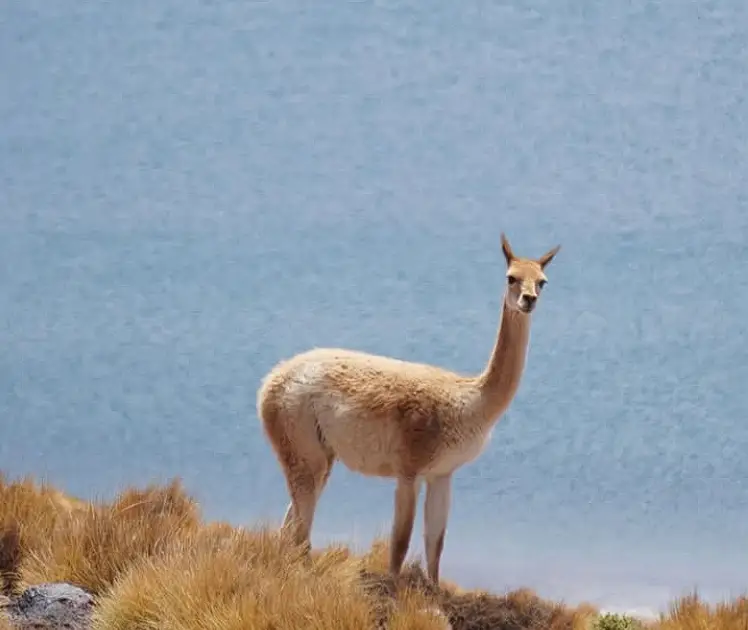
The National Animal of Peru and the Wildlife That Makes It One of the Most Biodiverse Countries on Earth
Peru is home to over 50,000 species of plants and animals, spread across three distinct regions — the coast, the Andes mountains, and the Amazon rainforest. The national animal of Peru is the vicuña, a wild relative of the alpaca that was sacred to the Inca and nearly went extinct before conservation efforts brought it back. But the vicuña is just one piece of a wildlife story that includes jaguars, condors, giant river dolphins, and penguins.
Here is the full list of the most important animals you will find in Peru.
- Vicuña — National animal of Peru, wild camelid of the high Andes
- Llama — Domesticated pack animal used across the Peruvian highlands
- Alpaca — Raised for its soft wool in the Andes above 3,500 meters
- Andean Condor — Largest flying bird in the world, national bird symbol
- Spectacled Bear — South America's only bear species, lives in the cloud forests
- Puma — Second largest cat in the Americas, sacred to the Inca
- Jaguar — Largest cat in the Western Hemisphere, found in the Peruvian Amazon
- Amazon Pink River Dolphin — Freshwater dolphin found in the Amazon basin
- Giant River Otter — Endangered predator that lives in Peru's rivers and lakes
- Andean Cock-of-the-Rock — Bright orange bird, national bird of Peru
- Humboldt Penguin — Lives on Peru's coastal islands and rocky shores
- Viscacha — Rabbit-like rodent that sits on warm rocks in the Andes
- Hoatzin — Prehistoric-looking bird of the Amazon with a foul smell
- Mountain Tapir — Smallest and most endangered tapir species, lives in the high Andes
- Black Caiman — Largest predator in the Amazon, can grow over 4 meters
- Peruvian Pelican — Common along the Pacific coast near Lima and Paracas
- Hummingbird — Over 120 species recorded in Peru, found from coast to jungle
- Poison Dart Frog — Tiny, brightly colored frogs in the Amazon with toxic skin
- Andean Fox — Also called the culpeo, common in the highlands near Cusco
- Sea Lion — Found on Peru's coast and the Ballestas Islands near Paracas
Now let's go deeper into each one and what makes them matter.
Table of Contents
- What Is the National Animal of Peru?
- The Vicuña and Why Peru Chose It
- The Vicuña on Peru's Coat of Arms
- Wild Animals of Peru You Will Not Find Anywhere Else
- The Amazon Pink River Dolphin
- The Humboldt Penguin
- The Hoatzin
- The Viscacha
- Dangerous Animals of Peru
- Jaguars and Pumas
- Poisonous Snakes in the Amazon
- Black Caimans
- Spiders and Insects to Watch For
- Endangered Animals of Peru
- The Vicuña's Comeback Story
- The Mountain Tapir
- The Andean Condor
- The Giant River Otter
- How Many Species of Animals Live in Peru?
What Is the National Animal of Peru?
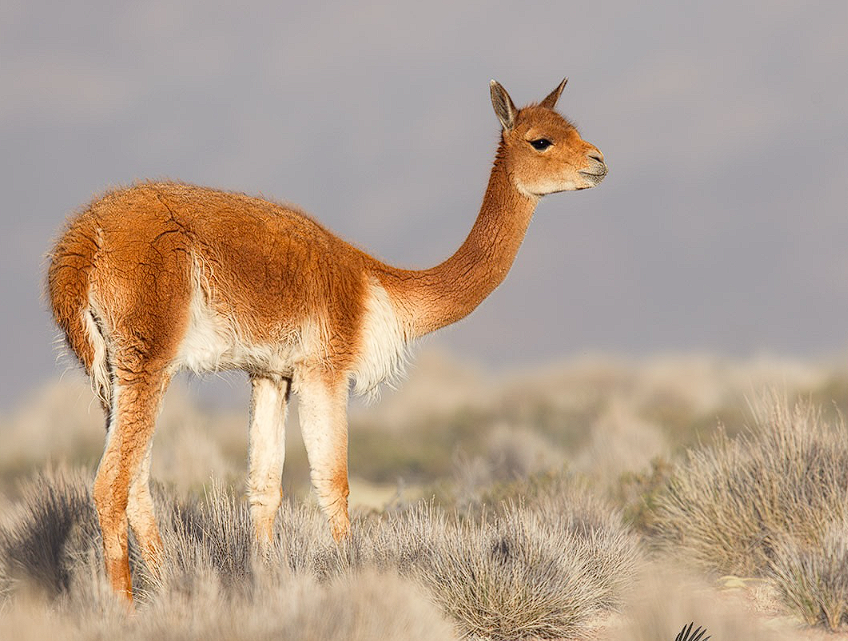
The Vicuña and Why Peru Chose It
The vicuña (Vicugna vicugna) is a wild camelid that lives in the high Andes at altitudes between 3,200 and 4,800 meters. It is the smallest of the South American camelids — smaller than the llama, alpaca, and guanaco — and produces the finest natural fiber in the world.
The Inca considered the vicuña sacred. Only royalty could wear clothing made from vicuña fiber, and hunting the animal was restricted to organized royal hunts called "chacos." When the Spanish arrived, that protection disappeared. Vicuñas were hunted aggressively for their fiber, and by the 1960s the population had dropped below 6,000.
Peru launched one of the most successful conservation programs in South American history. Through protected reserves, anti-poaching laws, and sustainable shearing programs, the vicuña population has recovered to over 200,000 today. The animal was declared the national animal of Peru and appears on the country's coat of arms.
The Vicuña on Peru's Coat of Arms
Peru's national coat of arms features three sections — one with a vicuña, one with a cinchona tree (source of quinine), and one with a cornucopia. The vicuña represents the animal kingdom, natural wealth, and the country's connection to its Andean heritage. It sits on the left side of the coat of arms and is depicted standing among grasses at high altitude.
The vicuña also appears on the Peruvian one-sol coin and on government documents. Its status as a national symbol is comparable to the bald eagle in the United States — it represents the country's identity and its commitment to protecting its natural heritage.
Wild Animals of Peru You Will Not Find Anywhere Else
Peru's three distinct regions — coast, mountains, and jungle — create habitats for animals that exist nowhere else on Earth or are extremely rare outside South America.
The Amazon Pink River Dolphin
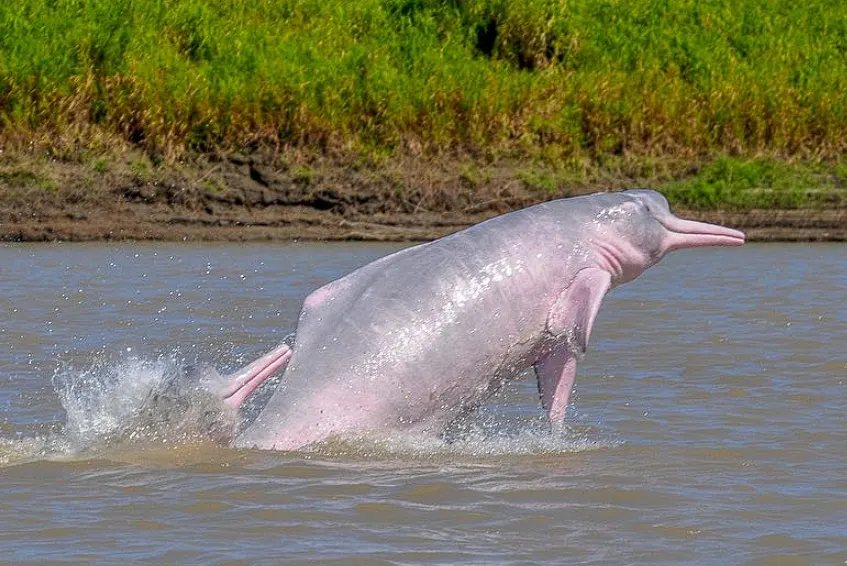
The Amazon pink river dolphin (Inia geoffrensis) is one of the most recognizable animals in Peru's jungle region. It lives in the Amazon River and its tributaries, including stretches near Iquitos in the Loreto department. Adults can grow up to 2.5 meters long and weigh over 150 kilograms.
Their color ranges from pale grey to bright pink, and males tend to be pinker than females. Local legends say the dolphin can shape-shift into a handsome man who seduces women at riverside parties — a story that might have been invented to explain unexpected pregnancies but has become one of the Amazon's most entertaining folk tales.
Pink dolphins are listed as endangered due to pollution, dam construction, and accidental fishing net entanglement. Watching them surface in the brown waters of the Amazon near Iquitos is one of Peru's most memorable wildlife experiences.
The Humboldt Penguin
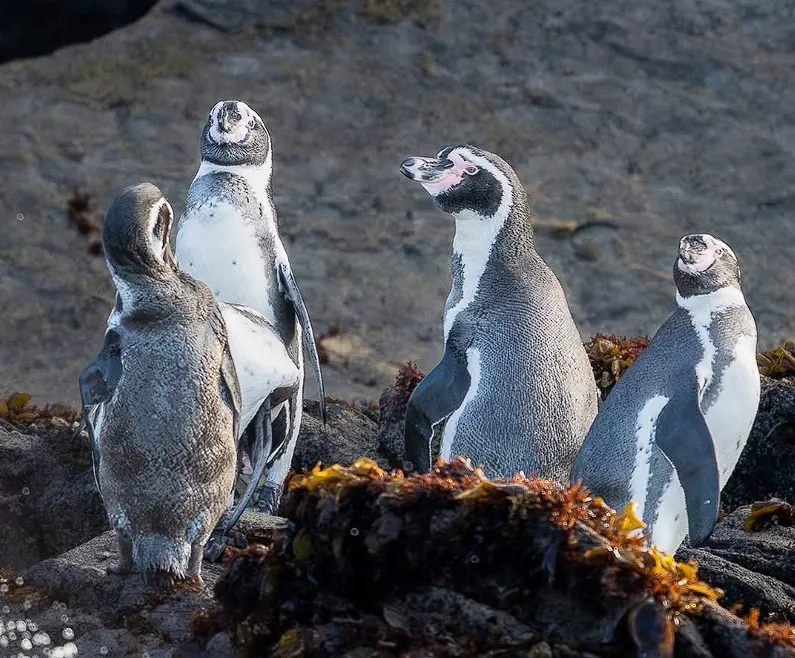
Most people don't associate Peru with penguins, but the Humboldt penguin (Spheniscus humboldti) lives along the Pacific coast from northern Chile to northern Peru. The largest colonies in Peru are found on the Ballestas Islands near Paracas and on islands near Punta San Juan in the Ica region.
These penguins survive in Peru because of the Humboldt Current — a cold ocean current that brings nutrient-rich water up from Antarctica along the South American coast. The current supports the fish populations that the penguins feed on and creates cooler coastal temperatures than you'd expect at these latitudes.
Humboldt penguins are classified as vulnerable, with the total population estimated at around 32,000. Peru has established marine protected areas around key breeding colonies, and visiting the Ballestas Islands is one of the easiest ways to see them in the wild.
The Hoatzin
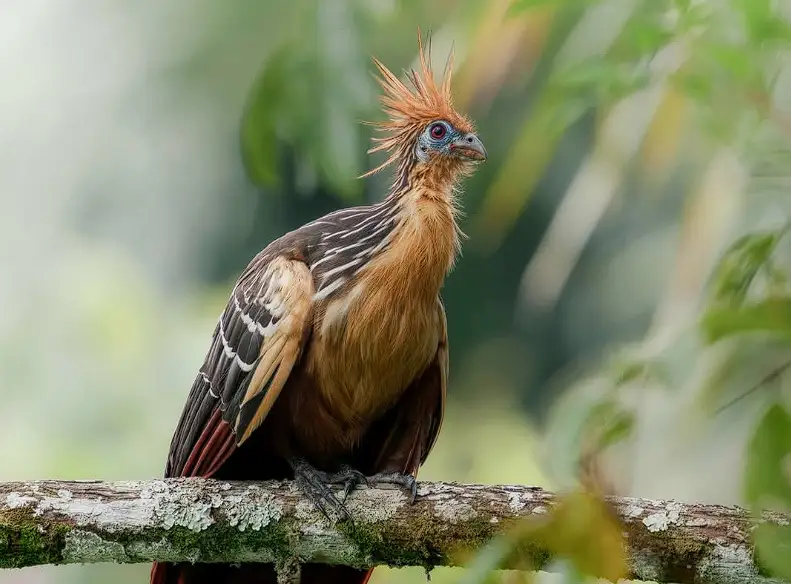
The hoatzin (Opisthocomus hoazin) is one of the strangest birds in the world, and it lives in the swamps and riverbanks of the Peruvian Amazon. It looks like something that survived from the age of dinosaurs — chicks have claws on their wings, and adults have a crest of feathers that gives them a prehistoric appearance.
The hoatzin is also famous for smelling terrible. It digests food through bacterial fermentation in its crop (similar to how cows digest food), which produces a strong, manure-like odor. Locals call it the "stinkbird," and it's not a nickname earned lightly.
Despite its oddness, the hoatzin is not endangered. It's fairly common along oxbow lakes and slow-moving rivers in the Amazon basin, particularly around the Tambopata and Madre de Dios rivers. Seeing one is easy if you're on a jungle tour from Puerto Maldonado or Iquitos — just follow the smell.
The Viscacha
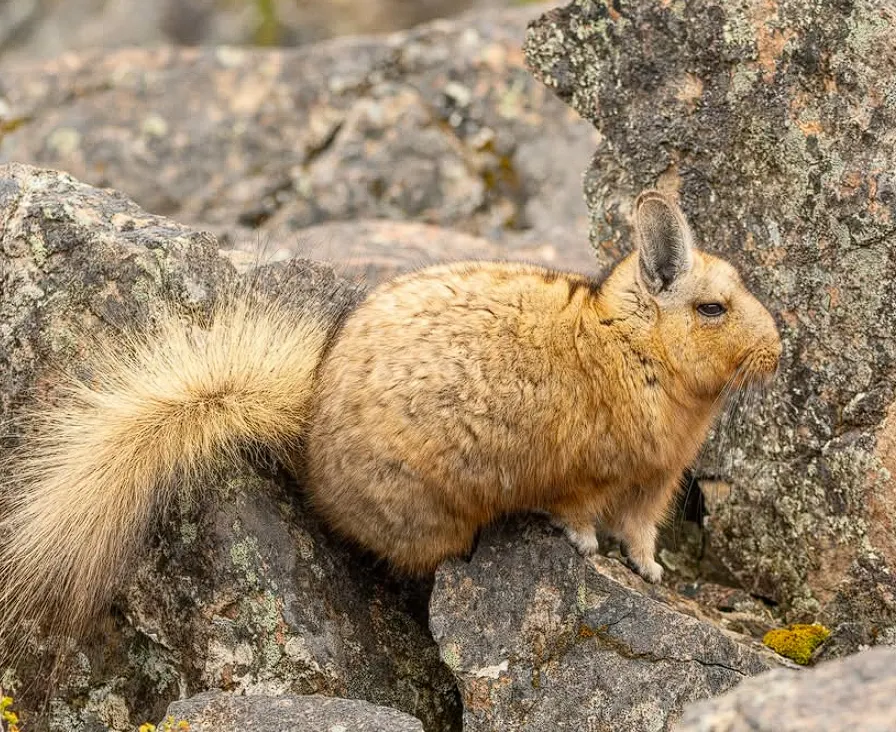
The viscacha (Lagidium viscacia) looks like a rabbit that decided to live on top of a mountain. It's a rodent — related to chinchillas — that lives on rocky outcrops and cliffs in the Andes, usually between 3,000 and 5,000 meters above sea level.
Viscachas are social animals that sit in groups on sun-warmed rocks, often in dramatic poses that make them extremely photogenic. Around Cusco, particularly near Sacsayhuamán and other ruins, viscachas are a common sight and have become a favorite subject for tourist photos.
They're not threatened and are fairly common throughout the Peruvian and Bolivian highlands. But their relaxed demeanor and photogenic poses have made them unofficial mascots of the Andean tourist trail. If you visit ruins near Cusco, you'll almost certainly see one.
Dangerous Animals of Peru
Peru has its share of animals that demand respect. Most encounters happen in the Amazon basin, but the highlands and coast have a few species worth knowing about too.
Jaguars and Pumas
The jaguar (Panthera onca) is the largest cat in the Western Hemisphere and lives in the Peruvian Amazon, particularly in Manu National Park, Tambopata, and Pacaya-Samiria. Jaguars are powerful predators that hunt caimans, capybaras, and deer. Attacks on humans are extremely rare — jaguars generally avoid people — but they are wild animals that command respect.
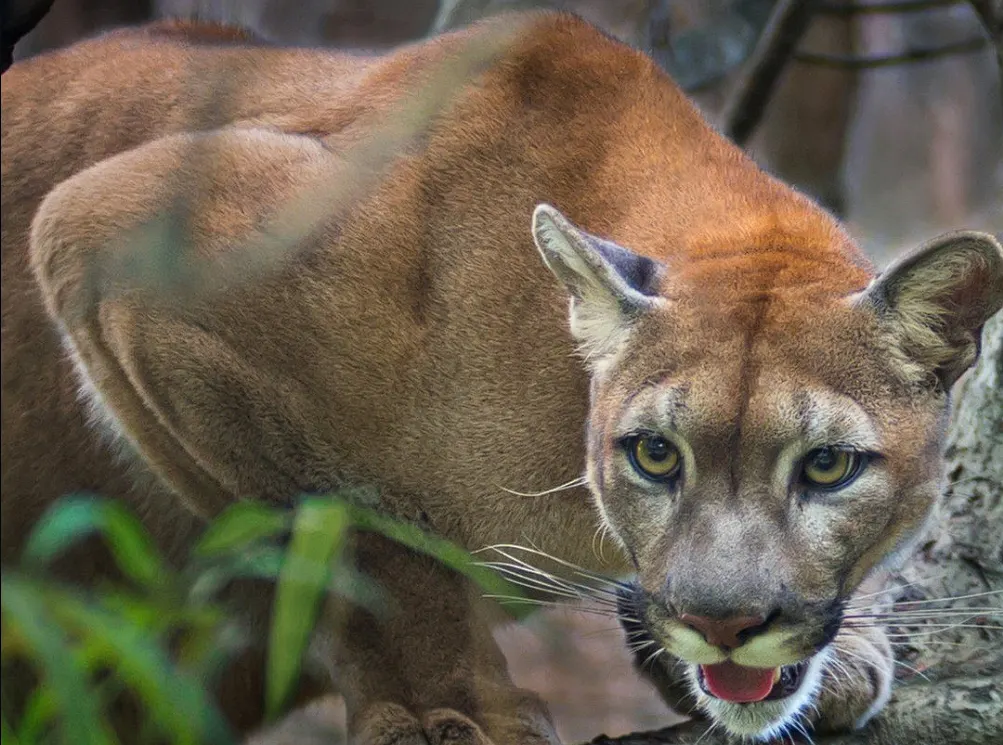
The puma (Puma concolor) lives in the Andes and was sacred to the Inca, who named their capital Cusco after the shape of a puma. Pumas are more widespread than jaguars in Peru, found from highland valleys to cloud forests. They're solitary, elusive, and rarely seen, even in areas where they're known to live.
Poisonous Snakes in the Amazon
The Peruvian Amazon is home to several venomous snake species, including the fer-de-lance (Bothrops atrox), the bushmaster (Lachesis muta), and various coral snakes. The fer-de-lance is responsible for more snakebites in South America than any other species and is found in lowland jungle areas below 1,500 meters.
Snake encounters are uncommon on established trails and tourist routes. Wearing long pants and boots, using a flashlight at night, and staying on marked paths reduces risk to near zero. Most jungle lodges have staff trained in basic snakebite treatment.
Black Caimans
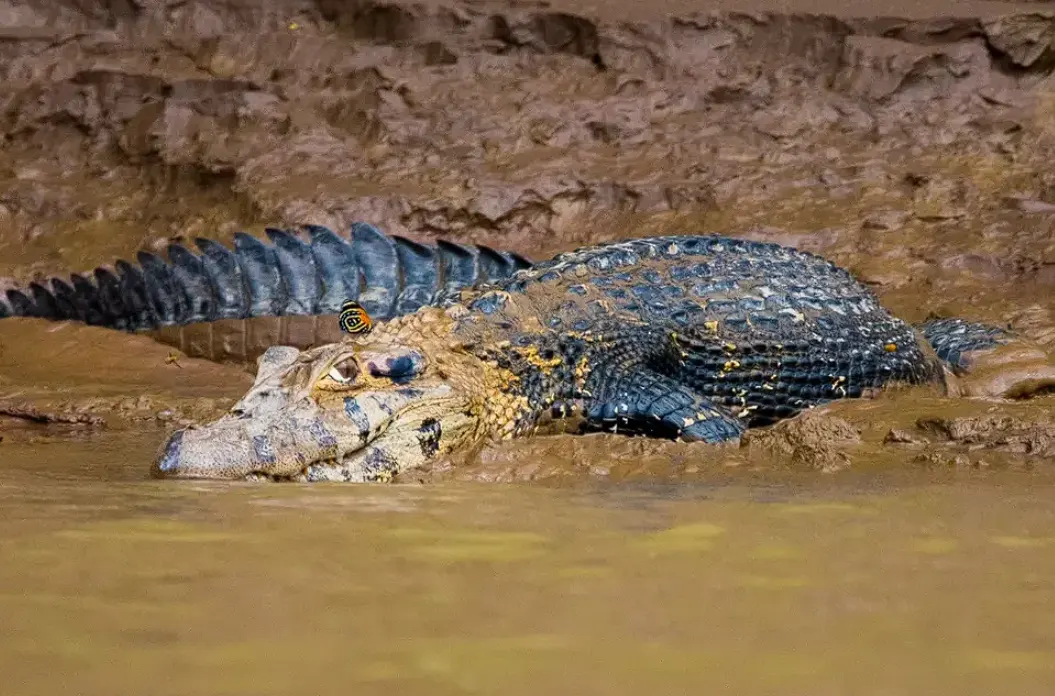
The black caiman (Melanosuchus niger) is the largest predator in the Amazon basin and can grow over 4 meters long. It lives in slow-moving rivers, oxbow lakes, and flooded forests throughout the Peruvian Amazon. Black caimans were hunted nearly to extinction for their skin in the 20th century but have recovered significantly in protected areas like Pacaya-Samiria National Reserve.
Caimans are generally not aggressive toward humans unless provoked or cornered. Night boat tours in the Amazon frequently spot caimans by the reflection of their eyes in flashlight beams — it's one of the most popular activities at jungle lodges near Iquitos and Puerto Maldonado.
Spiders and Insects to Watch For
The Peruvian Amazon has plenty of large and sometimes intimidating arthropods, including tarantulas, bullet ants, and various scorpion species. The bullet ant (Paraponera clavata) delivers what's widely considered the most painful insect sting in the world — a fact that indigenous communities have known for centuries and used in coming-of-age rituals.
Mosquitoes are the most practically dangerous insects in Peru's jungle regions due to the risk of malaria, dengue, and other mosquito-borne diseases. Antimalarial medication and insect repellent are essential for jungle travel.
Endangered Animals of Peru
Peru has over 100 species classified as endangered or critically endangered by the International Union for Conservation of Nature (IUCN). Here are the ones that matter most.
The Vicuña's Comeback Story
The vicuña nearly went extinct in the 1960s, with fewer than 6,000 remaining. Peru's conservation program — which combined protected reserves, community-based management, and sustainable fiber harvesting — has brought the population back to over 200,000. It's one of the greatest conservation success stories in South America and a model for wildlife management worldwide.
The Mountain Tapir
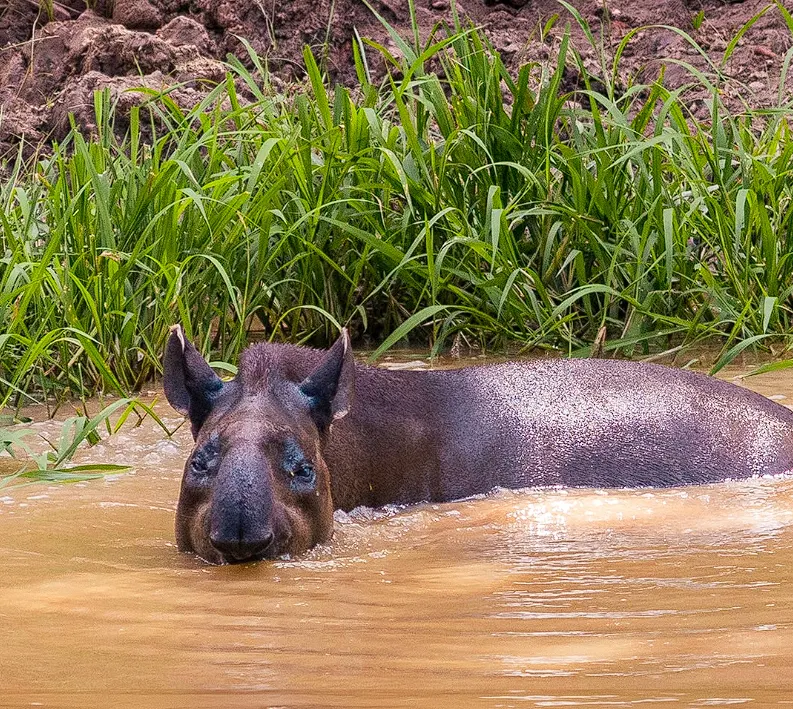
The mountain tapir (Tapirus pinchaque) is the smallest and most endangered of the four tapir species. It lives in cloud forests and high-altitude grasslands in the northern Andes of Peru, Colombia, and Ecuador. Fewer than 2,500 are estimated to remain in the wild. Habitat loss from agriculture and mining is the primary threat.
The Andean Condor
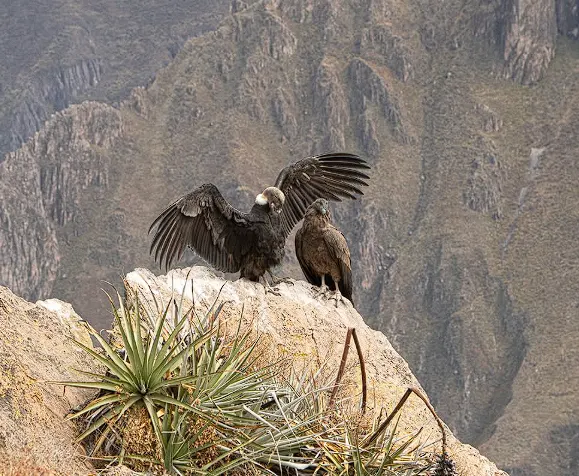
The Andean condor (Vultur gryphus) has a wingspan of over 3 meters, making it the largest flying bird in the world by combined weight and wingspan. It's classified as vulnerable globally, with populations declining due to habitat loss, poisoning, and hunting. In Peru, the condor holds deep cultural significance and appears on the national coat of arms of several South American countries.
The Giant River Otter
The giant river otter (Pteronura brasiliensis) is an endangered predator that can grow up to 1.8 meters long. It lives in rivers and lakes in the Peruvian Amazon, particularly in Manu National Park and Tambopata. Giant otters are social, noisy, and highly visible when present — but their population has declined drastically due to habitat destruction and water pollution.
How Many Species of Animals Live in Peru?
Peru is one of the 17 "megadiverse" countries in the world — a designation given to nations that harbor the majority of Earth's species. The exact numbers are staggering:
- Mammals: Over 500 species, including 70+ bat species in the Amazon alone
- Birds: Over 1,800 species — Peru has the second-highest bird species count in the world after Colombia
- Reptiles: Over 400 species, from highland lizards to Amazonian anacondas
- Amphibians: Over 600 species, including hundreds of frog species discovered in the last two decades
- Freshwater fish: Over 1,000 species in the Amazon basin alone
- Insects: Tens of thousands of documented species, with thousands more still unnamed
New species are discovered in Peru almost every month. In 2024 alone, researchers documented dozens of new species in the Madre de Dios region, including frogs, butterflies, and a previously unknown orchid bee. The country's biodiversity is so vast that scientists believe a significant portion of its species remain undiscovered.
The Manu National Park is often cited as the most biodiverse place on Earth — a single protected area with more bird species than most countries, more butterfly species than all of Europe, and more plant species per hectare than nearly anywhere else.