

 ES
ES
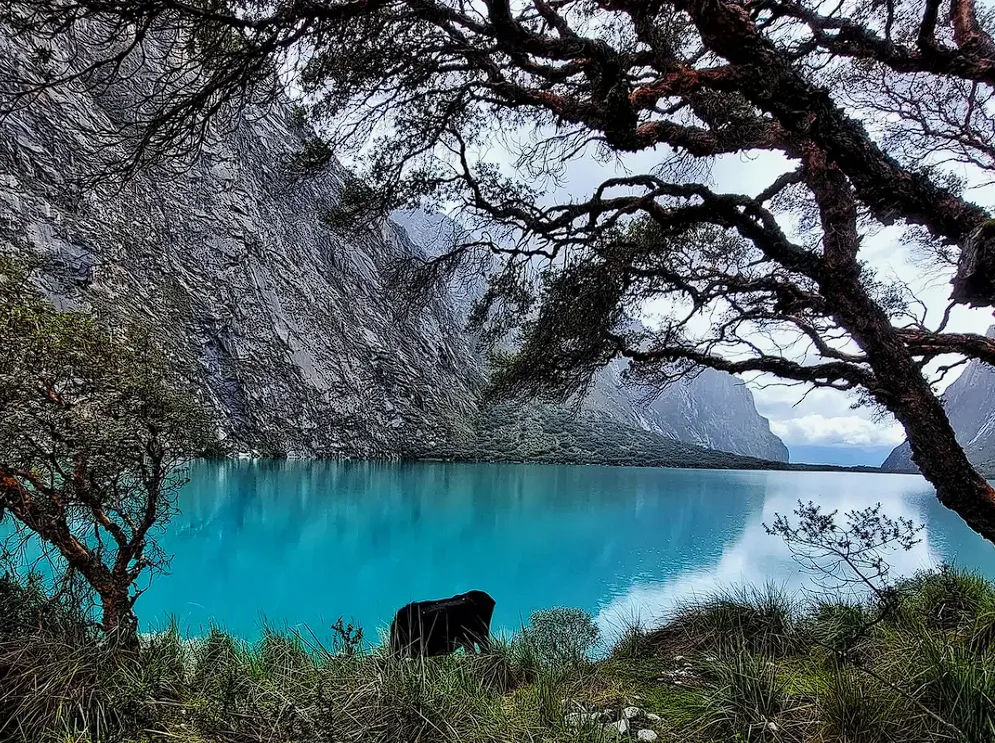
Llanganuco Lakes, the Turquoise Paradise Hidden in the Peruvian Andes
Few places in Peru combine raw glacial power and impossible color the way Llanganuco does. Tucked inside Huascarán National Park, these twin lakes sit surrounded by some of the tallest peaks in the Cordillera Blanca, and the water itself shifts between turquoise, emerald, and deep blue depending on the light and the season.
If you're staying in Huaraz and wondering whether the trip is worth a full day, the short answer is yes, and this guide walks you through everything you need to plan it properly, from altitude and access to costs, weather, and the trails that branch out from the lakeshore.
Table of Contents
- Where Are the Llanganuco Lakes Located?
- Llanganuco Lake Altitude
- The Two Lakes, Chinancocha and Orconcocha
- How to Get to Llanganuco Lake from Huaraz
- By Public Transport
- By Organized Tour
- By Private Car
- Hiking Around Llanganuco Lake
- The Short Walk Around Chinancocha
- Llanganuco Lakes and Laguna 69
- The Santa Cruz Trek
- The Llanganuco and Yanapaccha Drive
- Climate and Best Time to Visit Llanganuco
- Temperature at Llanganuco
- Flora and Fauna Around the Lakes
- Llanganuco Lakes Tour — What to Expect
- What Is Included in a Standard Tour
- Cost of the Huascarán National Park Entrance
- Best Agencies for Llanganuco Tours
- What to Bring to Llanganuco Lakes
Where Are the Llanganuco Lakes Located?
Llanganuco sits inside Huascarán National Park, about two hours from the city of Huaraz, in the Áncash region of northern Peru. The valley runs right between Huascarán, the highest mountain in Peru, and Huandoy, its towering neighbor, which is part of what makes the scenery so dramatic.
You're not just looking at a lake with mountains in the background; you're standing inside a glacial corridor with ice walls rising almost directly from the water on a clear day.
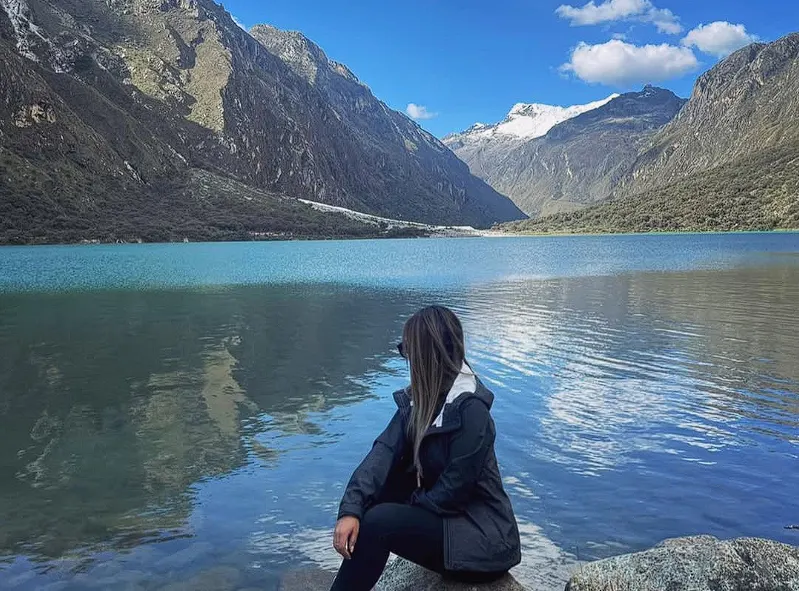
Llanganuco Lake Altitude
The lakes sit at roughly 3,850 meters (12,631 feet) above sea level, which is high enough that altitude sickness is a real consideration if you haven't spent a few days acclimatizing in Huaraz first.
Most visitors come from Huaraz itself, already sitting around 3,050 meters, so the jump isn't extreme, but if you're arriving straight from Lima, give yourself at least two days before attempting Llanganuco or any of the treks nearby.
The Two Lakes, Chinancocha and Orconcocha
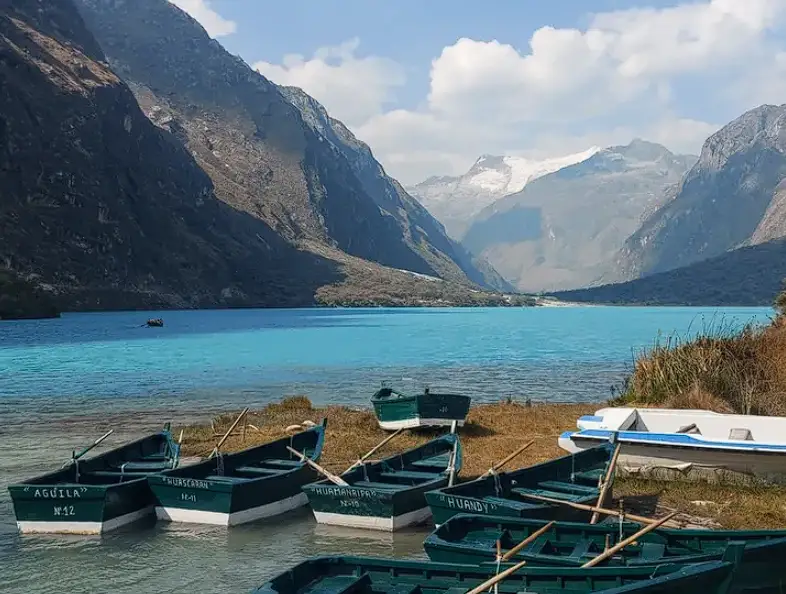
Llanganuco is actually made up of two separate lakes. Chinancocha, meaning "female lake" in Quechua, is the larger and more accessible one, with a paved viewpoint, rowboats for rent, and the main parking area.
Orconcocha, the "male lake," sits a bit further up the valley and sees far fewer visitors, which makes it a good option if you're after a quieter, more untouched atmosphere. Most day tours stop only at Chinancocha, so if Orconcocha interests you, it's worth mentioning to your guide or driver in advance.
How to Get to Llanganuco Lake from Huaraz
Getting there is straightforward no matter which option you pick, but each one changes the pace, the cost, and how much control you have over your day. Here's exactly how each route works.
By Public Transport
This is the budget route, and it takes patience since it happens in two separate legs. Start by heading to the vans that leave from the area near the Centenario bridge in Huaraz, where drivers call out "Yungay" to fill their combi before departing; there's no fixed schedule, so vehicles leave once they're full, usually every 15 to 30 minutes during the morning.
The ride to Yungay takes about an hour and costs a few soles. Once you're in Yungay, you won't find direct transport all the way to the lake, so head to the town's plaza or the corner where local drivers gather and negotiate a ride up the switchbacks to Llanganuco; this second leg is a private arrangement, not a scheduled service, so expect to bargain and confirm a return time with the driver before you go up, since there's little to no phone signal at the lake and no guarantee another car will pass by later. Budget the better part of a day for this option, and start early, ideally before 7 a.m. from Huaraz, so you're not negotiating a ride down after dark.
By Organized Tour
This is the option most travelers end up choosing because it removes all the guesswork. Book the day before at any agency around Huaraz's Plaza de Armas or Avenida Luzuriaga; prices and included stops vary enough that it's worth comparing two or three offices rather than booking the first one you see.
On the day of the tour, a van picks you up directly from your hotel between 6 and 7 a.m., then drives roughly two hours through Yungay and up the valley to the main Chinancocha viewpoint, where you'll typically get 45 minutes to an hour to walk the shoreline, take photos, or rent a rowboat.
Some itineraries continue on to the Portachuelo pass or combine the visit with the Laguna 69 trailhead, so confirm your specific route when booking. The van returns to Huaraz by mid-afternoon, usually between 3 and 5 p.m. Bring cash for the park entrance fee, since it's almost never included in the tour price, and hand it directly to the ranger at the checkpoint gate.
By Private Car
If you want full control over your timing, arrange a private driver through your hotel or an agency, or rent a car directly in Huaraz if you're comfortable with mountain driving. This route lets you leave whenever you want, stop as often as you like along the switchbacks for photos, and decide on the spot whether to push on toward Yanapaccha or turn back early.
Agree on the full day rate and the return time with your driver before setting off, since prices aren't fixed and depend on negotiation. The drive itself follows the same road as the tours, roughly two hours each way from Huaraz through Yungay, but without a set itinerary you can linger at Chinancocha as long as you want, detour to the quieter Orconcocha, or combine the trip with other stops in the same valley.
It costs more than joining a group, but if you're traveling with family, have mobility concerns, or simply don't want to share your day with a busload of strangers, the extra cost buys real flexibility.
Hiking Around Llanganuco Lake
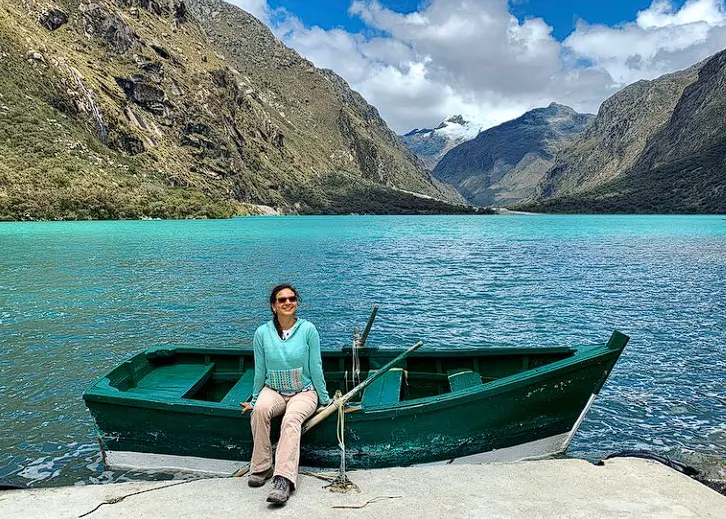
The lake itself is only part of the appeal. The surrounding trails range from a gentle stroll to a multi-day trek, so there's something here regardless of your fitness level.
The Short Walk Around Chinancocha
If you're short on time or still adjusting to the altitude, the path along Chinancocha's shore is an easy, mostly flat walk that takes under an hour and still delivers postcard views of the lake against Huascarán and Huandoy. It's paved in sections and doesn't require any hiking experience, making it the most accessible option for families or anyone traveling with older relatives.
Llanganuco Lakes and Laguna 69
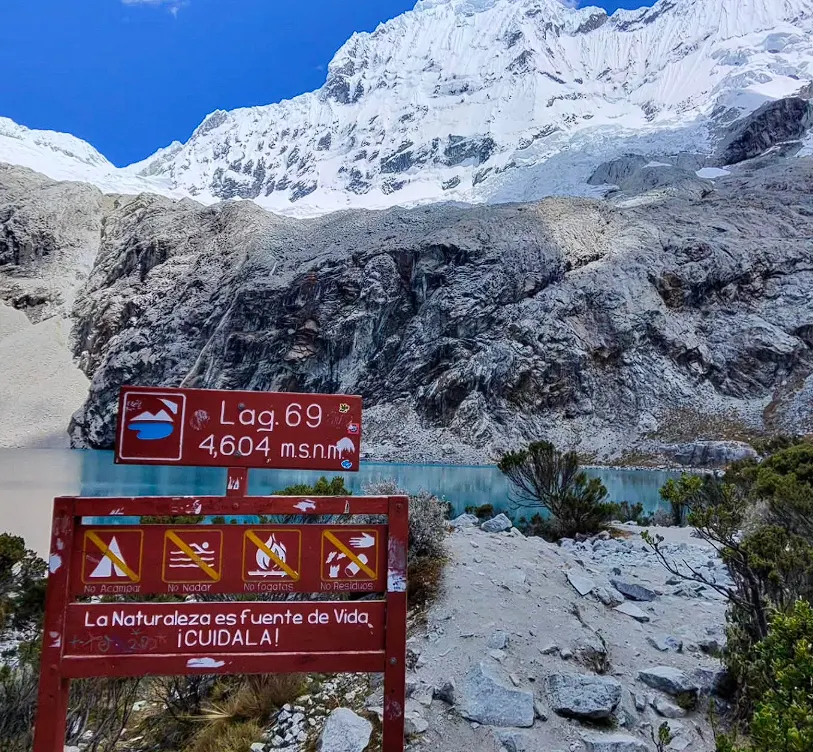
Many visitors combine a stop at Llanganuco with the hike to Laguna 69, one of the most photographed trails in the entire Cordillera Blanca. The trailhead starts not far from the lakes, and the hike itself climbs steadily for around three to four hours to reach another glacial lake at nearly 4,600 meters.
It's a demanding day, but tour agencies typically bundle both stops into a single itinerary, so you get the drive by views of Llanganuco in the morning and the harder trek afterward.
The Santa Cruz Trek
For those with more time, the Santa Cruz Trek begins near Llanganuco and runs for three to four days through some of the most spectacular high-altitude scenery in Peru, crossing the Punta Union pass at over 4,700 meters before descending into the Santa Cruz valley. This isn't a casual add-on; it requires proper gear, decent fitness, and ideally a guide or arranged support, but it's consistently ranked among the best treks in South America.
The Llanganuco and Yanapaccha Drive
Beyond the lakes themselves, the road that continues past Llanganuco toward the Portachuelo de Llanganuco pass offers some of the most direct mountain views you'll get without hiking a single step.
This stretch takes you close to Yanapaccha and gives you a front-row seat to glaciers, moraines, and the kind of scale that photos never quite capture. It's a good option if your legs need a rest after Laguna 69 but you still want more mountain time before heading back to Huaraz.
Climate and Best Time to Visit Llanganuco
Peru's dry season, from May to September, is by far the best window for visiting Llanganuco. Skies are clearer, trails are less muddy, and your chances of actually seeing the peaks without cloud cover go up significantly.
The rainy season, roughly November through March, brings frequent afternoon showers and a higher likelihood of overcast conditions that hide the mountains entirely, though the lake still holds its color even under grey skies.
Temperature at Llanganuco
Expect daytime temperatures around 12 to 18°C (54 to 64°F) during the dry season, dropping sharply once the sun goes down or disappears behind clouds. Mornings can start cold, especially if you're leaving Huaraz before sunrise, so layers matter more than any single heavy jacket.
Wind at the lake itself can make it feel colder than the number on a thermometer suggests, so don't underestimate it just because it's technically daytime.
Flora and Fauna Around the Lakes
The vegetation around Llanganuco is shaped entirely by altitude and glacial runoff, with hardy grasses, queñua trees, and patches of native shrubs clinging to the slopes closest to the water.
Look up and you'll often spot condors riding thermals above the peaks, particularly in the early morning when the air is calmer. Viscachas, a rabbit-like relative of the chinchilla, are also common around the rocky outcrops if you keep an eye on the boulders near the trailheads.
Llanganuco Lakes Tour — What to Expect
If you're booking through an agency, here's what a typical day actually looks like once you show up.
What Is Included in a Standard Tour
Most tours include round-trip transportation from Huaraz, a stop at the main Chinancocha viewpoint, and often a brief guided explanation of the area's geology and history. Meals, park entrance fees, and equipment for additional hikes like Laguna 69 are usually charged separately, so it's worth confirming exactly what's bundled before you pay.
Cost of the Huascarán National Park Entrance
Foreign visitors currently pay around 30 soles for a day pass into Huascarán National Park, while the multi-day pass used for treks like Santa Cruz costs more. Prices are set by SERNANP and do occasionally change, so it's worth double-checking the current rate with your agency or at the entrance gate on the day of your visit.
Best Agencies for Llanganuco Tours
Huaraz has dozens of agencies clustered around the main plaza, and quality varies more than price does. Look for operators with recent reviews specifically mentioning Llanganuco or Laguna 69, ask directly whether the guide speaks English if you need it, and don't be afraid to compare two or three agencies before booking, since the itinerary is largely standardized but the vehicle condition and guide quality are not.
What to Bring to Llanganuco Lakes
Pack layers you can add or remove throughout the day, since the temperature swings from cold morning departures to strong midday sun and back to cold again once you're at altitude.
Sunscreen and sunglasses are non-negotiable at this elevation, even on cloudy days, because UV exposure is significantly stronger than at sea level. Bring cash in small bills for the entrance fee and any snacks sold locally, plus a refillable water bottle, since dehydration sneaks up faster than expected when you're above 3,800 meters.