

 ES
ES
Fruits of the Peruvian Coast
The fruits of the Peruvian coast owe their quality to three key geographical factors: the aridity of the desert, the 53 rivers that cross the coastline, and the greenhouse effect generated by the Humboldt Current.
This combination allows agriculture to be divided into three distinct zones: the northern coast (dry tropical climate, ideal for mangoes and lemons), the central coast (moderate humidity, perfect for avocados), and the southern coast (high solar radiation, optimal for grapevines). Below, we break down the most profitable and widely consumed fruit varieties from the Peruvian coast that lead both the local market and agricultural exports.
Table of Contents
- Piura Mango: An Iconic Fruit of the Northern Coast
- Botanical Characteristics of Coastal Mangoes
- Nutritional Value of Mangoes
- Ica Grapes: A Traditional Fruit of Southern Peru
- Agricultural Characteristics of Ica Grapes
- Nutritional Value of Grapes
- Lucuma: A Native Fruit of the Peruvian Coast
- Characteristics of Lucuma
- Nutritional Value of Lucuma
- Papaya of the Peruvian Coast
- Carob Tree or Pacay and Its Fruits on the Coast of Peru
- Characteristics of the Carob Fruit
- Nutritional Value of Algarrobina
- Key Lime: An Essential Citrus Fruit of the Coastal Region
- Characteristics of Coastal Key Lime
- Nutritional Value of Key Lime
- Fuerte Avocado: A Strategic Fruit of the Central Coast
- Characteristics of Avocado
- Nutritional Value of Avocado
- Plums, Watermelons, and Bananas: Warm-Climate Crops
- Characteristics of These Crops
- Nutritional Value and Hydration
- Differences Between Fruits and Vegetables of the Peruvian Coast
- Fruit Export Costs and Logistics
- Educational Resources: Drawings of Coastal Fruits
Piura Mango: An Iconic Fruit of the Northern Coast
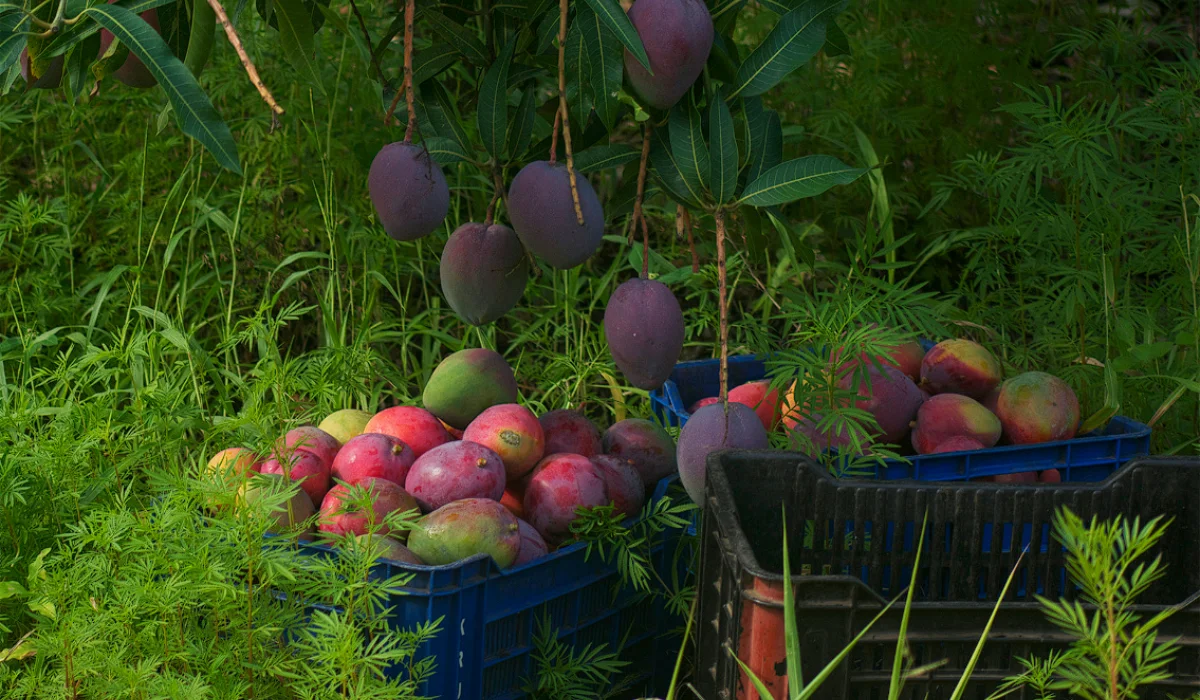
The San Lorenzo Valley in Piura concentrates the largest production of this species. Among the fruits of the coastal region, the Peruvian mango (specifically the Kent variety) dominates exports to Europe and the United States due to its size, minimal fiber content, and slow ripening process. It is, by definition, one of the typical coastal fruits that supports the northern agricultural economy during the summer months.
Botanical Characteristics of Coastal Mangoes
When exploring the characteristics of coastal fruits, mangoes require "water stress" (months without rainfall) for the tree to flower properly. Its skin has a dark green coloration that develops a deep red blush when exposed to sunlight. The flesh is vibrant orange, buttery in texture, and free of fibers. Its optimal harvest season runs from December to March.
Nutritional Value of Mangoes
It is one of the most complete nutritious fruits of the coast. A 100-gram serving covers 60% of the daily requirements for vitamin C and vitamin A. In addition, its high concentration of digestive enzymes (amylases) and dietary fiber makes it a key food for intestinal health and the prevention of oxidative stress.
Ica Grapes: A Traditional Fruit of Southern Peru
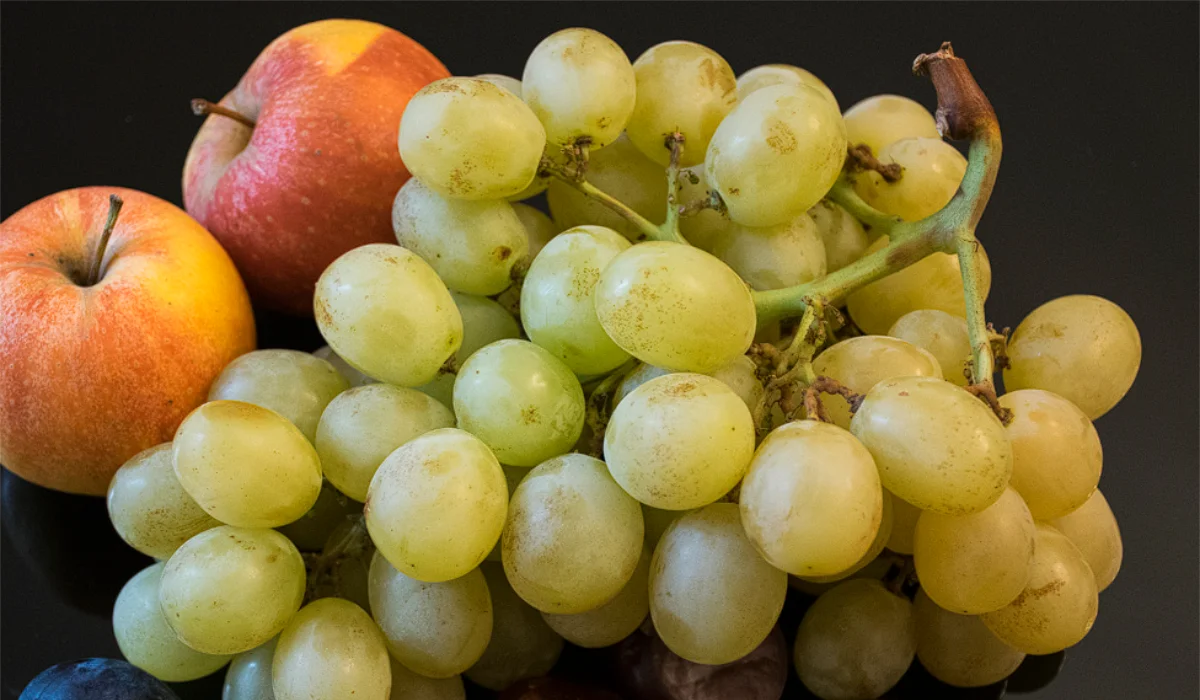
Peru's wine industry has its capital in Ica. Adapted to a climate where it rarely rains, coastal Peruvian fruits such as grapes depend entirely on drip irrigation or well water. Grapes are fruits native to Peru's coastal heritage through colonial influence and form the foundation of the country's pisco and wine industries.
Agricultural Characteristics of Ica Grapes
The sandy soil of southern Peru retains heat, enhancing the sweetness of these coastal fruit varieties. Commercially, two main types stand out: Quebranta grapes (with thick, durable skin, used for distillates) and Red Globe grapes (table grapes with large size, crunchy seeds, and reddish skin for export).
Nutritional Value of Grapes
Among the group of fruits, vegetables, and vitamin-rich foods from the coast, dark-skinned grapes stand out for their high resveratrol content, an antioxidant essential for cardiovascular health. They provide natural fructose (quick energy) and contain more than 80% water, ensuring direct hydration in arid regions.
Lucuma: A Native Fruit of the Peruvian Coast
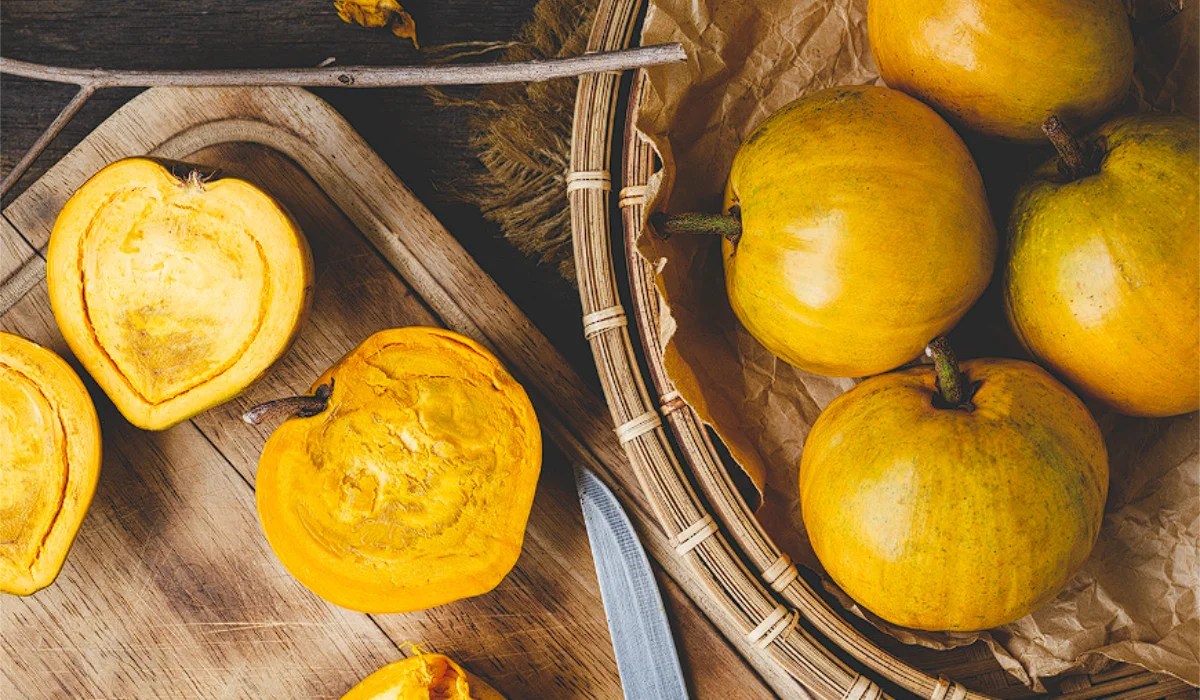
Lucuma is an endemic superfood. Classified as one of the oldest native fruits of the coast, it has been cultivated since pre-Columbian times (as evidenced by Mochica pottery). Today, it is one of the most internationally demanded Peruvian coastal fruits, especially in flour form for the fine pastry industry.
Characteristics of Lucuma
Visually, it has a thin, dull, dark green skin. If you are looking for coastal fruit names with unique flavor profiles, lucuma tops the list. Its yellow flesh is dry, floury, and dense. Its flavor is neither citrusy nor watery but resembles a blend of caramel, sweet potato, and roasted nuts.
Nutritional Value of Lucuma
Considered one of the three healthiest fruits of coastal Peru, lucuma is a powerful blood sugar stabilizer thanks to its low glycemic index. It is rich in niacin (vitamin B3), which supports nervous system function, and contains high levels of carotenoids (provitamin A) for cellular health.
Papaya of the Peruvian Coast
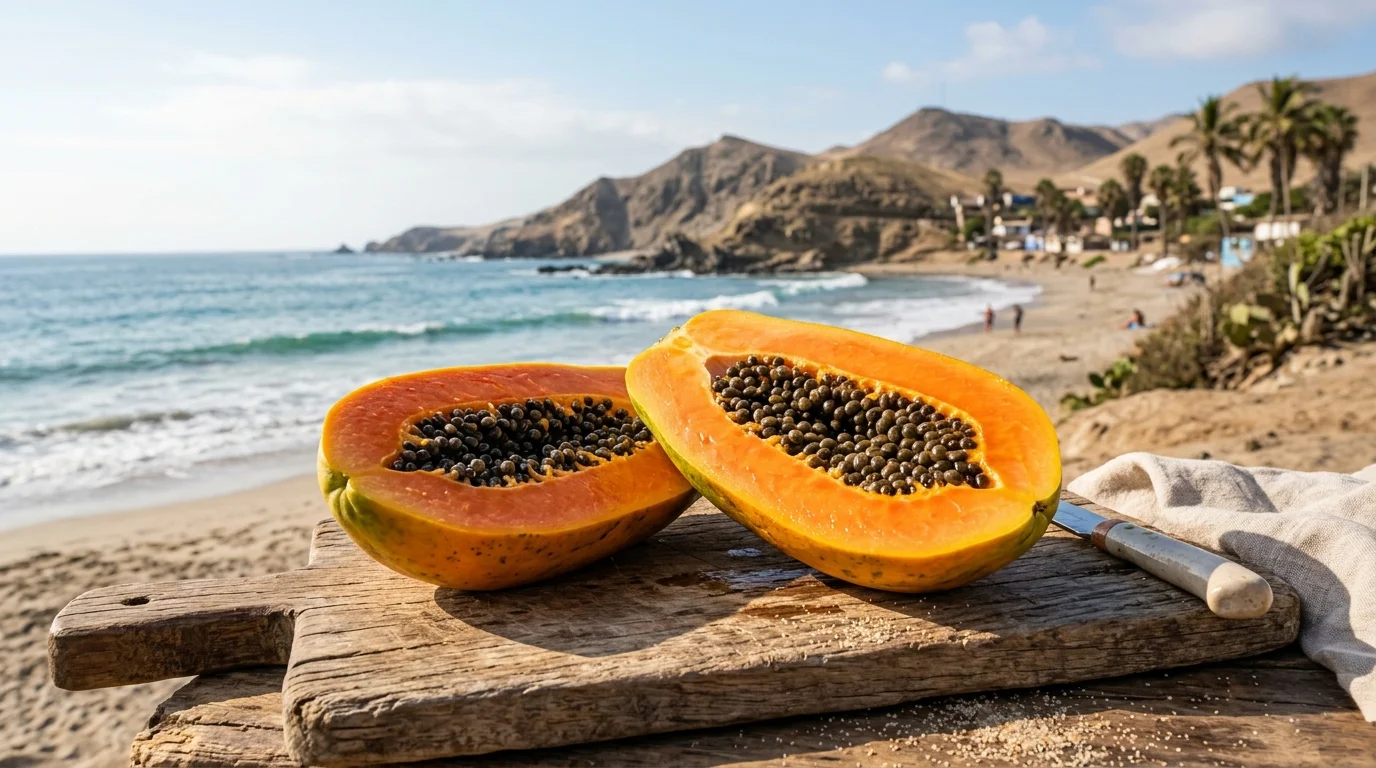
Papaya grown on the Peruvian coast (mainly in the warm northern valleys such as Piura, Tumbes, and Lambayeque) is a tropical fruit highly valued for its pronounced sweetness and juiciness.
It is characterized by a thin skin that changes from green to bright yellow as it ripens, and orange flesh that is smooth and fiber-free. Thanks to the high solar radiation of the northern coast, this fruit develops an excellent concentration of natural sugars and papain, a powerful enzyme that aids digestion.
Carob Tree or Pacay and Its Fruits on the Coast of Peru
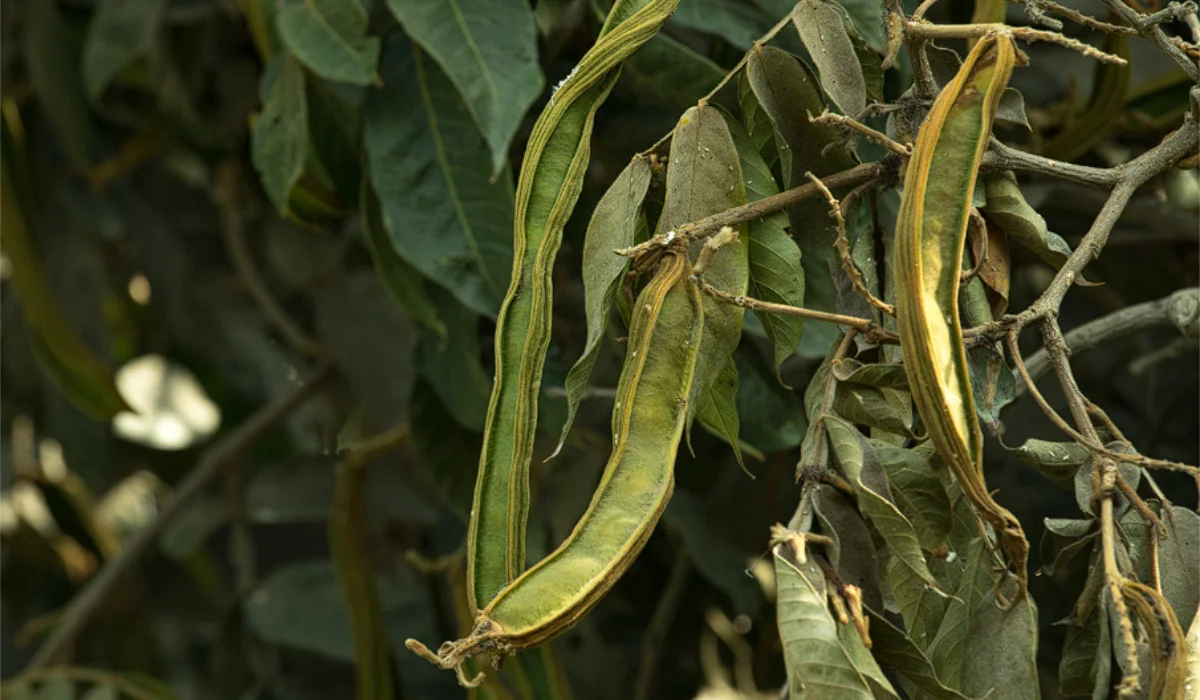
The equatorial dry forest of Piura and Lambayeque is the only habitat of the coastal fruit tree known as the carob tree (Prosopis pallida). With roots reaching up to 50 meters deep in search of water, the carob tree and its fruits are a vital resource for survival and commerce among northern communities.
Characteristics of the Carob Fruit
Technically, it belongs to the category of leguminous dry fruits of the coast. It is an elongated pod (carob pod) that ripens to a dark brown color. The pods are naturally sun-dried and then boiled and pressed to extract a thick, sweet syrup known as algarrobina.
Nutritional Value of Algarrobina
In the catalog of foods and fruits from the Peruvian coast, algarrobina syrup functions as a natural energizer. It has an extremely high caloric content and is rich in iron, calcium, and B-complex vitamins. Traditionally, it is prescribed to combat chronic fatigue and prevent childhood anemia.
Key Lime: An Essential Citrus Fruit of the Coastal Region
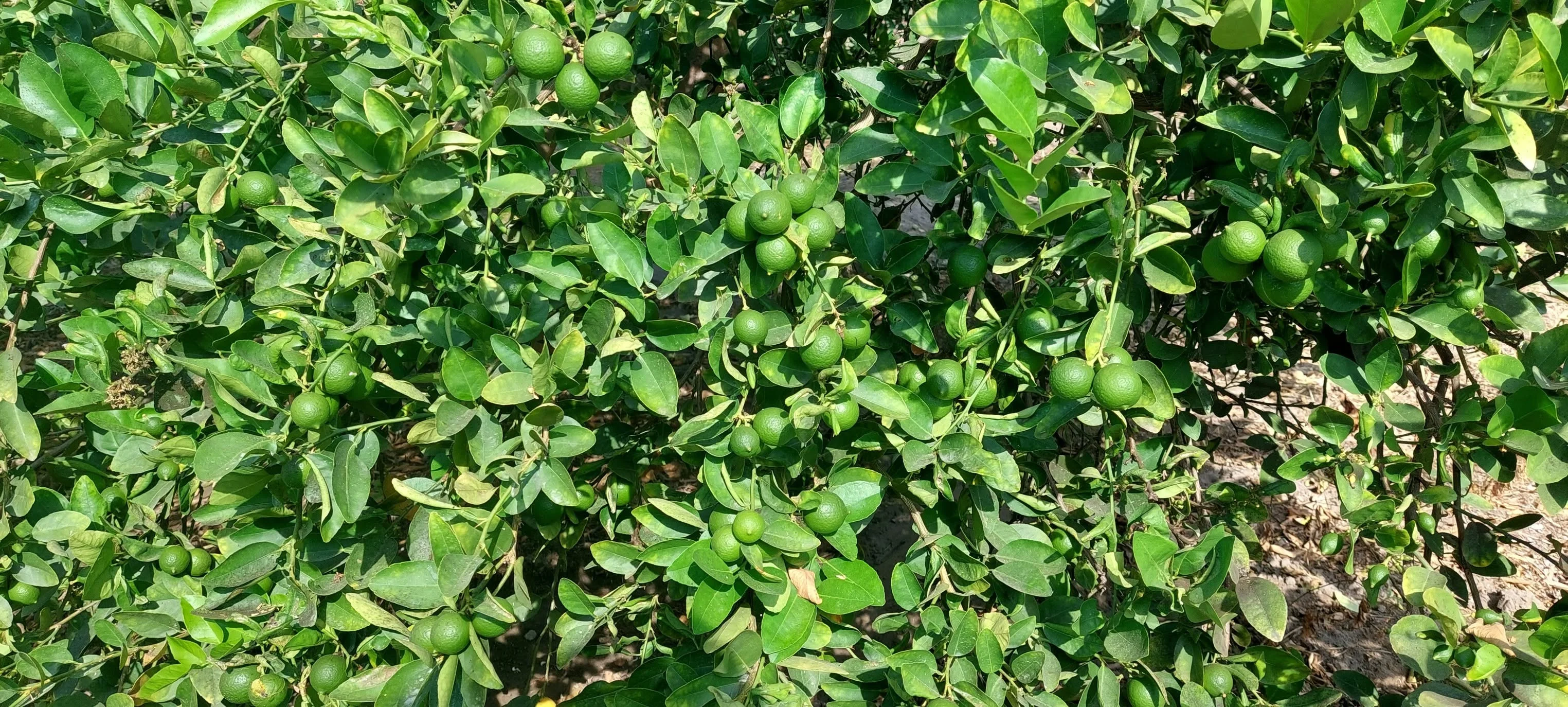
The key lime (Citrus aurantifolia) is cultivated in warm areas such as Olmos and the San Lorenzo Valley. It is the indispensable ingredient of Peruvian cuisine; without it, there is no ceviche. It is one of the typical fruits of the Peruvian coast with no exact substitute in the world. No other typical coastal fruit achieves such a level of acidity without making fish taste bitter.
Characteristics of Coastal Key Lime
Unlike Persian or European lemons, this coastal fruit is small and round. It has a bright green, thin skin. It yields a surprisingly high amount of juice relative to its size, with acidity levels (pH) far more intense than citrus fruits grown in other countries.
Nutritional Value of Key Lime
It is the queen of nutritious coastal fruits when it comes to vitamin C (ascorbic acid). It directly helps with the absorption of iron from other foods. Although acidic in taste, it has a powerful alkalizing effect on the bloodstream, and its essential oils act as natural bactericides.
Fuerte Avocado: A Strategic Fruit of the Central Coast
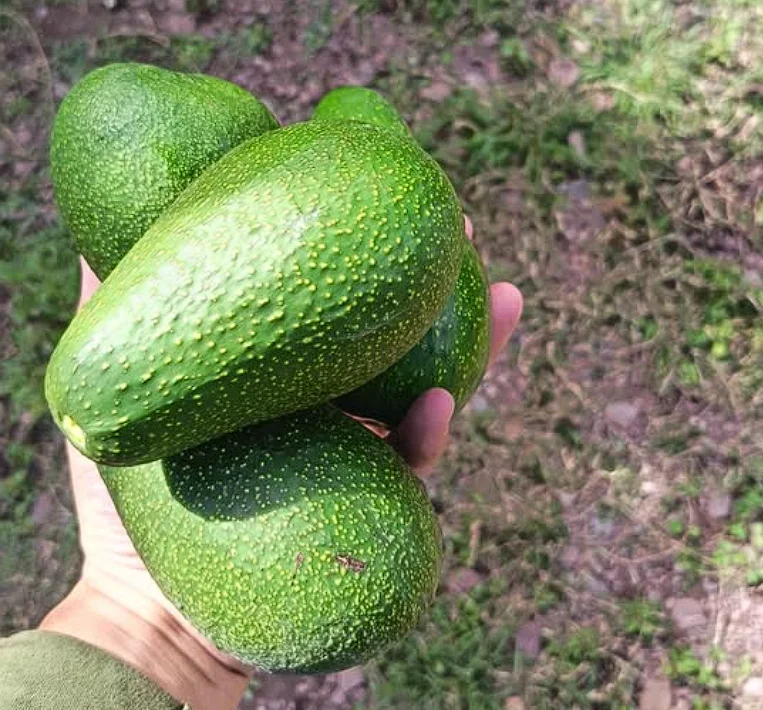
Although it is grown in several regions, the valleys of Chincha, Cañete, and Huaral produce the best yields of coastal avocados. These fruits from the central coastal region supply the domestic market, with the Fuerte variety favored for salads and side dishes, while the Hass variety is primarily destined for export.
Characteristics of Avocado
The characteristics of coastal fruits such as the Fuerte avocado are unmistakable. It has a pear shape and smooth, thin green skin that does not change color when ripe (unlike the Hass variety, which turns black). Its flesh is pale green, extremely creamy, and easy to peel.
Nutritional Value of Avocado
It stands out among the healthy fruits of coastal Peru due to its macronutrient profile. It is rich in monounsaturated fats (omega fatty acids), which are essential for reducing LDL cholesterol. It contains more potassium than bananas and provides folic acid, vital for cellular development.
Plums, Watermelons, and Bananas: Warm-Climate Crops
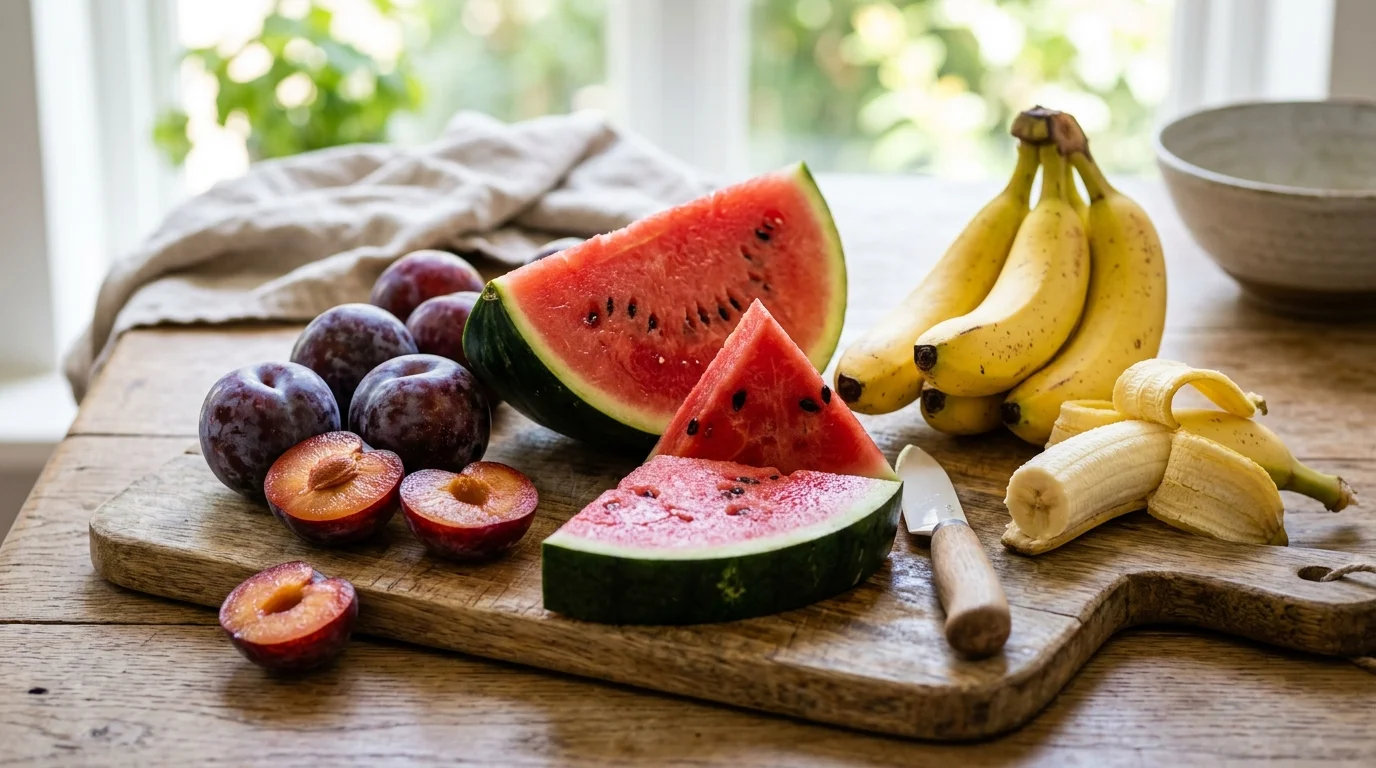
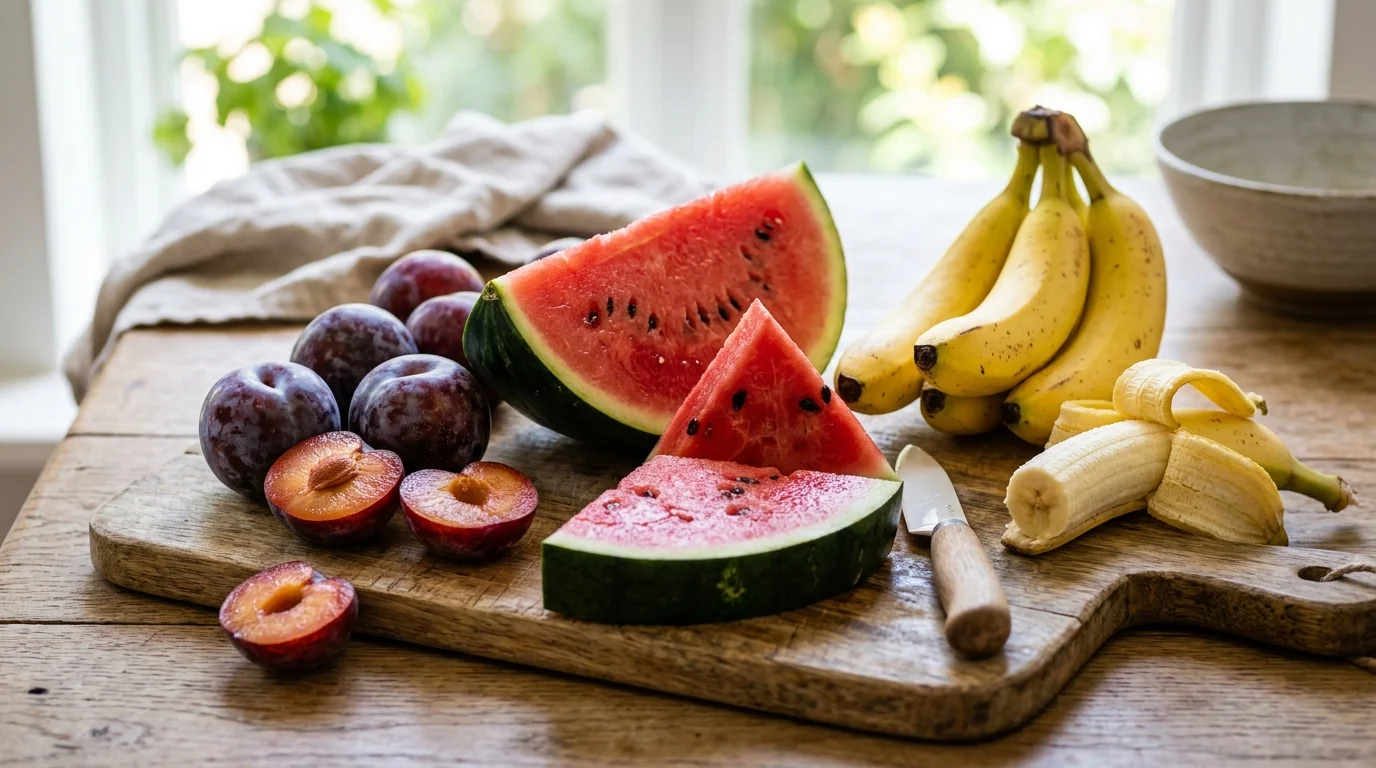
During the peak summer season (January to March), domestic demand increases significantly for highly hydrating crops. Coastal plums flood the markets, along with tons of coastal watermelons from the southern valleys. There is also the common question of whether bananas are a coastal fruit; the answer is yes. Tumbes and Piura are major producers of organic export-quality bananas.
Characteristics of These Crops
Listing these coastal fruits with their technical descriptions:
-
Plum (coastal variety): Thin red or yellow skin with sweet flesh closely attached to a single large seed.
-
Watermelon: A creeping fruit crop of large size that requires sandy soils. Thick green rind and crisp red flesh.
-
Banana (Silk/Island variety): Grown in tropical dry forests, with thick yellow skin and firm flesh.
Nutritional Value and Hydration
Ideal for preparing a coastal fruit salad, watermelon provides 92% pure water (muscle hydration), bananas quickly replenish glycogen and potassium reserves (helping prevent cramps), and plums provide soluble and insoluble fiber to regulate intestinal transit.
Differences Between Fruits and Vegetables of the Peruvian Coast
Commercially, confusion often arises when searching for fruits or vegetables of the coast. Botanically, a fruit is the mature ovary of a flower containing seeds (such as lime or avocado), while vegetables include stems, roots, and leaves. The success of Peruvian agriculture lies in combining the export of fruits and vegetables from the coast. Farmland in Ica and La Libertad shares irrigation systems for fruit trees and star vegetable crops such as green asparagus, artichokes, and paprika peppers, leading exports of coastal vegetables and fruits abroad.
Fruit Export Costs and Logistics
For agricultural investors, success depends not only on cultivation but also on the cold chain and customs procedures. Reducing tariff costs for fruit exports to China has been made possible through free trade agreements, allowing Peruvian grapes and mangoes to enter competitively. However, the main challenge remains fruit export storage costs, as refrigerated containers (reefers) at the ports of Callao and Paita require high daily fees to maintain precise temperatures before shipment.
Educational Resources: Drawings of Coastal Fruits
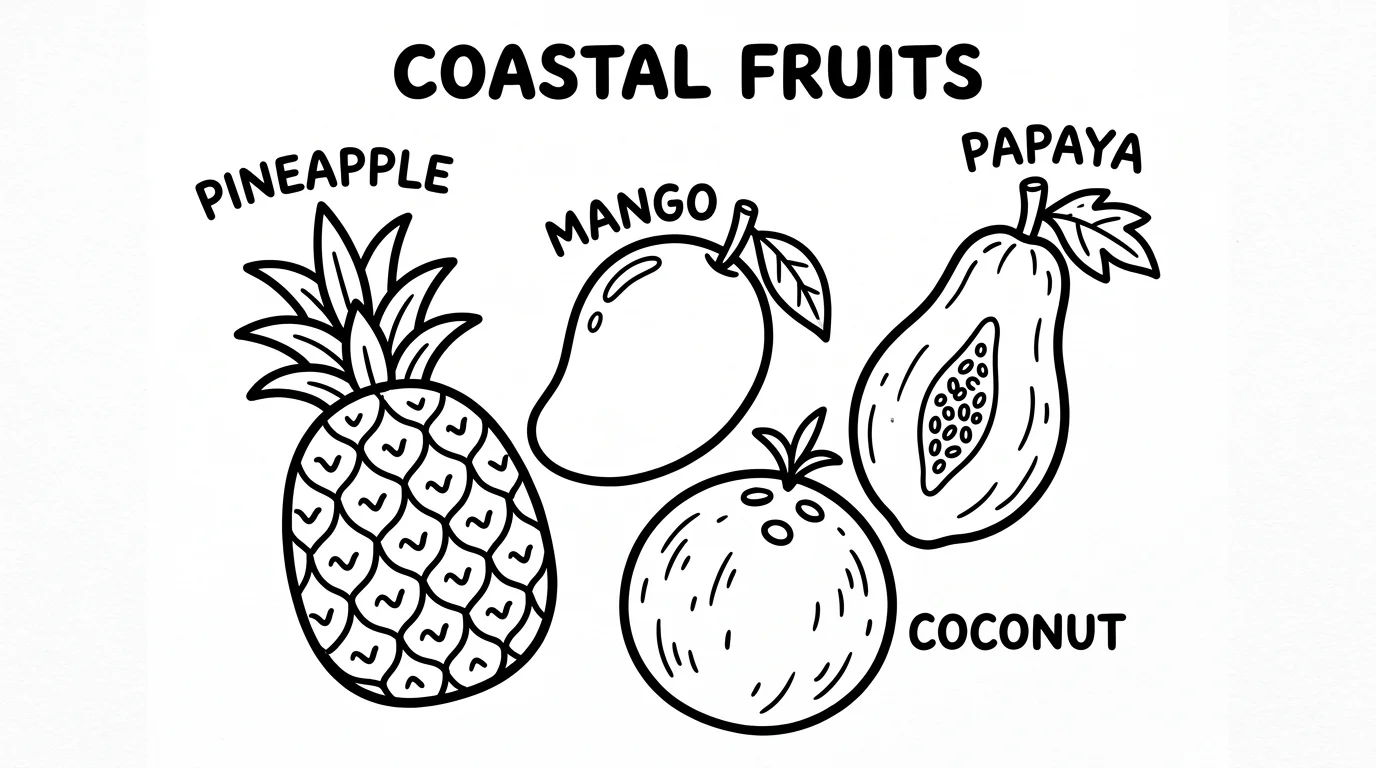
Teachers and parents seeking visual educational materials can access our Peruvian botany archive. We provide images of coastal fruits in realistic formats and botanical diagrams. You can download PDF files containing drawings of coastal fruits with labeled parts, pencil-drawn worksheets of Peruvian coastal fruits for tracing, and a set of coastal fruits coloring pages designed to help preschool children recognize the agricultural products of their country.