

 ES
ES
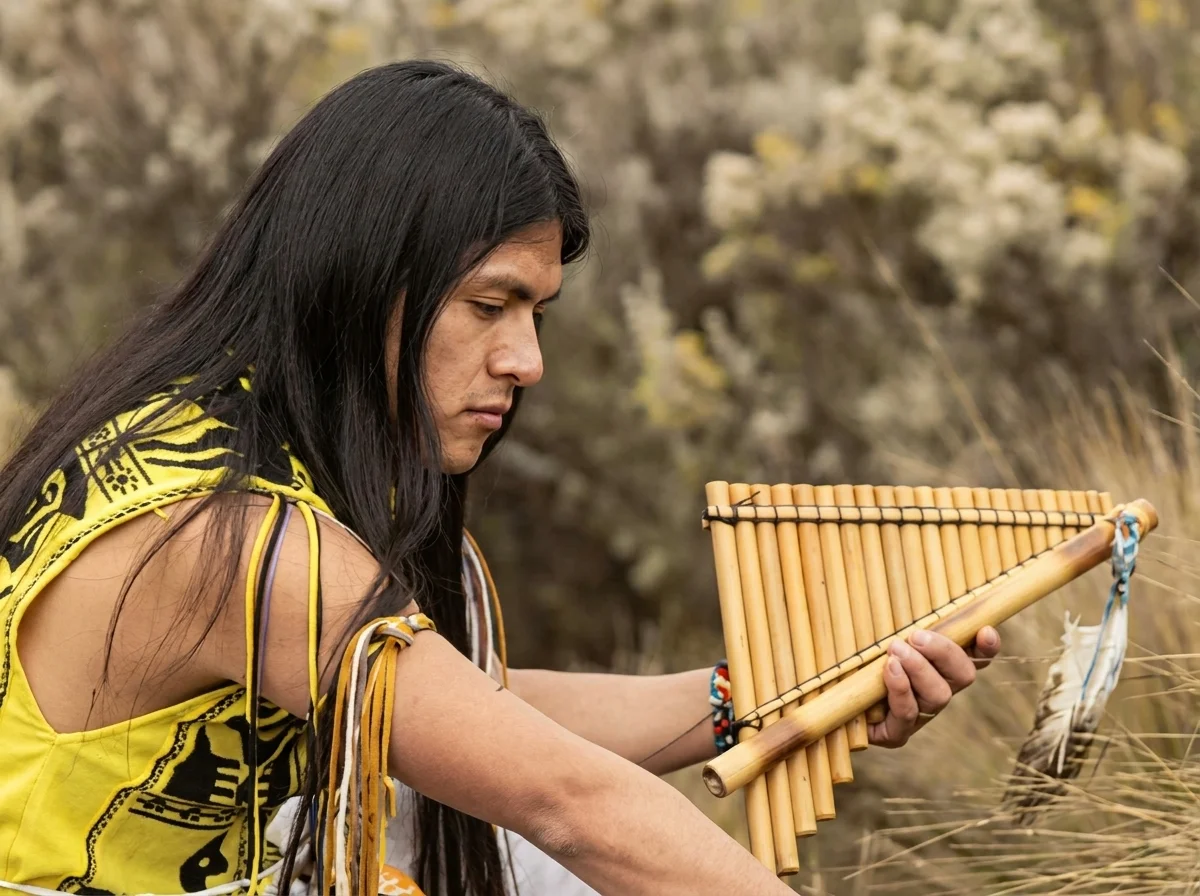
El Condor Pasa Song Meaning and Lyrics Analysis
From a 1913 Peruvian protest opera to a Simon & Garfunkel classic — the real story behind the Andes' most famous melody.
It was 1913 in Lima, a city simmering under the surface with social tensions few dared to name out loud. At the Teatro Mazzi, then located on Plaza Italia, Huánuco-born composer Daniel Alomía Robles premiered a work that — without quite meaning to — would go on to become the musical soul of an entire nation. This wasn't a love song, and it certainly wasn't written with commercial success in mind. It was the musical climax of a social protest zarzuela, a stage work that called out the exploitation of miners in Cerro de Pasco at the hands of foreign mining companies. That December night, almost no one could have guessed that the wordless instrumental melody closing out the play would eventually travel the globe, get declared Cultural Heritage of the Nation, and become known as Peru's unofficial second national anthem.
To really understand what "El Condor Pasa" means, you have to look past the melody everyone recognizes. You have to go back to the Andes, to the voices of elderly Quechua speakers, and to the condor itself as a bridge between the earthly world and the sacred one.
Table of Contents
- What Does The Song El Condor Pasa Mean
- The Condor As A Symbol Of Andean Freedom
- Original Quechua Lyrics And English Translation
- Cultural Interpretation Of The Quechua Verses
- Meaning Of The Song El Condor Pasa By Simon And Garfunkel
- If I Could English Lyrics Interpretation
- Historical Origins And Song Meanings El Condor Pasa
- The Peruvian Zarzuela By Daniel Alomia Robles
- The Origins of the Melody in the Peruvian Highlands
- Daniel Alomia Robles and the Preservation of Inca Music
- What Does the Song El Condor Pasa Mean in its Original Context
- The Condor as a Symbol of Indigenous Freedom
- Original Quechua Lyrics and Their Historical Significance
- Cultural Analysis of the Sacred Verses
- The Global Evolution and Meaning of the Song El Condor Pasa by Simon and Garfunkel
- How Paul Simon Transformed the Theme of Freedom
- Architectural and Cultural Legacy of the Anthem
What Does The Song El Condor Pasa Mean
At its core, "El Condor Pasa" isn't a song about a bird soaring over mountains. It's a plea. It's the lament of an Andean man asking the most powerful creature in the sky — the condor — to take him along, to lift him above oppression and carry him back to his ancestral homeland. The song's deeper meaning is tied directly to Incan cosmology, where the condor isn't just a majestic animal — it's a messenger moving between planes of existence.
That meaning becomes even clearer once you factor in where the song was born: inside a zarzuela about exploited miners. The condor soaring through the highlands represents the freedom the Andean man can see from below but can't reach on his own. That's where the plea comes from — that the bird might carry him along, share its flight with him.
The Condor As A Symbol Of Andean Freedom
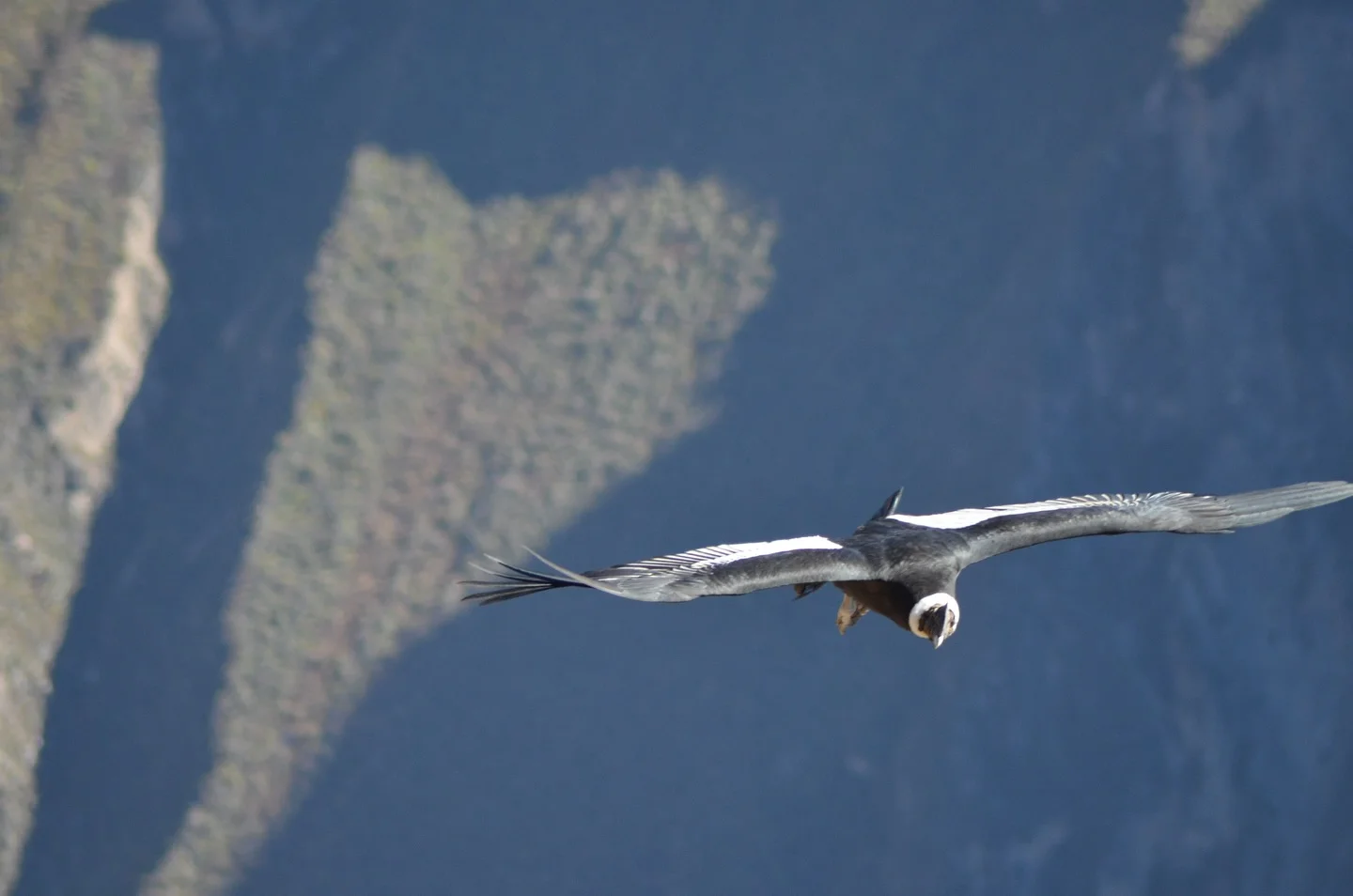
In Andean cosmology, the universe is split into three realms: the Hanan Pacha (the upper, celestial world), the Kay Pacha (the earthly world), and the Ukhu Pacha (the underworld). The condor belongs to the Hanan Pacha. It's the sacred animal capable of touching the sky, of looking down on the land from a height no human could ever reach.
That's why, when the original Quechua lyrics beg the condor to carry the speaker to Machu Picchu and Huayna Picchu, it's not just a geographic wish. It's a longing to return to the spiritual heart of the Inca world, to ancestral land, escaping a present marked by colonial oppression and labor exploitation. The condor becomes the single most powerful symbol of Andean freedom — a freedom that can only be reached by rising up, by leaving the chains of the earthly world behind.
Original Quechua Lyrics And English Translation
The original lyrics paired with the melody of "El Condor Pasa" weren't written as a single author's romantic poem. They're a collection of traditional Quechua verses — a pasacalle and a cashua — that had been passed around Andean communities long before Alomía Robles rescued them for his zarzuela. It's worth being upfront here: multiple versions of these verses exist, and Peruvian musicologists have flagged that a lot of the lyrics circulating today should be considered apocryphal, since the original 1913 orchestral piece had no sung lyrics at all.
Even so, the most widely shared and culturally accepted version keeps this same spirit:
Quechua
Yaw kuntur llaqtay urqupi tiyaq
Maymantam qawamuwachkanki, kuntur, kuntur
Apallaway llaqtanchikman, wasinchikman
Chay chiri urqupi, kutiytam munani.
English Translation
Oh majestic Condor of the Andes,
Take me home, up to the Andes Mountains,
Oh Condor.
I want to go back to my native place to be with my Inca brothers, that's what I miss the most.
This isn't a love poem between two people. It's a solemn prayer, almost a lament, addressed directly to nature and its most powerful forces. The tone is one of pleading and homesickness — someone who's been cut off from their land, whether physically or spiritually, who sees the condor as their only way back.
Cultural Interpretation Of The Quechua Verses
The word "Yaw" works as an invocation, kind of like saying "Oh!" or "Hear me!" in English, directed respectfully at a higher power. "Kuntur" simply means condor, but spoken within this ceremonial structure, it takes on an almost religious weight, like naming a lesser deity.
The verse asking to be carried to Machu Picchu and Huayna Picchu isn't a random detail. These two places aren't just geographic landmarks — they're the spiritual heart of the Inca empire, the points where the connection between the Hanan Pacha and the Kay Pacha was felt most strongly. Asking the condor to take him there is really asking to be restored to his identity, to his origin, to everything it means to belong to the Andean world. Read through this lens, the lyrics stop being a folkloric curiosity and become one of the most profound poetic testimonies of Quechua cultural resistance against centuries of displacement.
Meaning Of The Song El Condor Pasa By Simon And Garfunkel
In 1965, in a small Paris theater, a young American musician named Paul Simon heard something that would change the course of his career. The French-Peruvian group Los Incas was performing an instrumental version of "El Condor Pasa," based on the arrangement Daniel Alomía Robles had legally registered in the United States back in 1933. Simon was hooked by the melody, and five years later, in 1970, he included it — with permission from Los Incas leader Jorge Milchberg — on Simon & Garfunkel's album Bridge Over Troubled Water, under the title "El Condor Pasa (If I Could)."
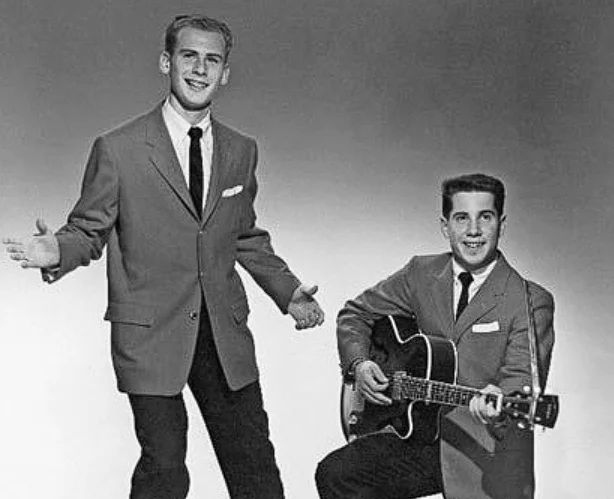
Later that same year, Alomía Robles' son, Armando Robles Godoy, filed a successful copyright lawsuit against Simon, since the original melody had been legally registered back in 1933 and its Peruvian authorship hadn't been properly credited. After the legal dust settled, Daniel Alomía Robles, Jorge Milchberg, and Paul Simon were jointly credited as composers, with Simon recognized solely as the writer of the English lyrics.
What's remarkable here is how a melody born out of Andean mining protests ended up climbing American folk music charts, carrying the sound of panpipes, quena flutes, and charango to ears that had never heard anything like it.
If I Could English Lyrics Interpretation
Paul Simon wrote a brand-new set of English lyrics with no direct connection to the original Quechua verses. His lyrics talk about a snail, a sparrow, a hammer, a nail, a forest, a street:
Excerpt
"I'd rather be a sparrow than a snail. Yes I would, if I could, I surely would."
On the surface, it reads like a totally different theme — generalized nostalgia, a longing for freedom from the weight of modern life, with no explicit reference to the Andes or Peru. And yet the thematic overlap is striking. Where the Quechua speaker begs the condor to carry him away from oppression, Simon's narrator would rather be a sparrow than a snail, a hammer than a nail, a forest than a street. In both cases, the core wish is the same: to break free from something small, trapped, or confined, and reach for something freer, higher, more authentic.
Simon may never have known the original meaning behind the Quechua verses — after all, the melody he heard in Paris had no sung lyrics attached to it. But almost by poetic instinct, he managed to capture that same emotional core: the universal human longing to break free from the constraints imposed by society or modern life.
Historical Origins And Song Meanings El Condor Pasa
To really get "El Condor Pasa," you have to strip away its international fame and go back to the exact context it was born in: a Lima at the dawn of the 20th century, simmering with social tension, and a composer determined to put Andean music center stage.
The zarzuela's premiere on December 19, 1913 at the Teatro Mazzi was a massive hit, eventually running more than three thousand performances over five years. But its critical content — centered on the exploitation of Cerro de Pasco miners by foreign capital — didn't go unnoticed by the authorities. Following the 1914 military coup, the new regime deemed the play dangerous and pulled it from the stage.
Quick Facts: The 1913 Zarzuela
- Premiere date: December 19, 1913
- Venue: Teatro Mazzi, Plaza Italia, Lima
- Composer: Daniel Alomía Robles
- Librettist: Julio de La Paz (pen name of Julio Baudouin)
- Run: Over 3,000 performances across five years
- Subject: Exploitation of Cerro de Pasco miners by foreign mining interests
The Peruvian Zarzuela By Daniel Alomia Robles
Daniel Alomía Robles was born in Huánuco on January 3, 1871, the son of a French immigrant and a woman with deep Andean roots. From a young age he leaned toward the arts, training under masters like Claudio Rebagliati — the same musician who arranged Peru's national anthem. But his real passion wasn't in Lima's high-society salons; it was out in the far-flung communities of the Peruvian highlands.
For more than two decades before composing "El Condor Pasa," Alomía Robles traveled tirelessly through Andean villages, collecting melodies straight from the mouths of elderly Quechua speakers — melodies the passage of time was threatening to erase for good. He didn't dream up the melody out of thin air; he rescued it, documented it, and shaped it into an orchestral piece with the rigor of a musicologist and the sensitivity of a composer who understood exactly what was at stake. In an era when Indigenous art was systematically pushed to the margins by Peru's Creole elite, Alomía Robles set out, with near-obsessive determination, to give musical voice to an identity official history preferred to ignore. That quiet mission, more than anything else, is what turned "El Condor Pasa" into what it is today — not an invented song, but a sound memory rescued from the brink of being lost forever.
El Condor Pasa Song Meaning and the Biography of an Andean Masterpiece
The Origins of the Melody in the Peruvian Highlands
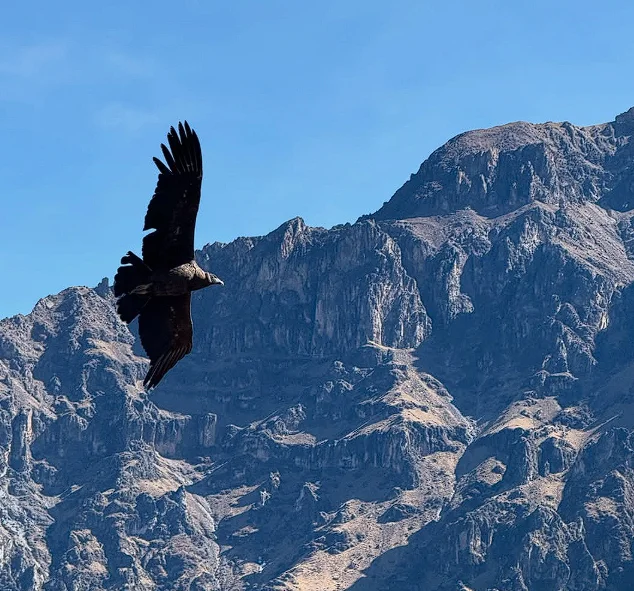
Long before there was a zarzuela, long before a packed theater full of Lima audiences, the melody of "El Condor Pasa" was already alive in the ravines and villages of the Peruvian Andes. Daniel Alomía Robles didn't sit down one day and compose it from scratch — he found it, piece by piece, from the mouths of elderly Quechua speakers who held onto songs passed down across generations, often quietly, almost in secret.
For years, the Huánuco-born composer traveled through remote communities, notebook in hand, jotting down pentatonic scales, huayno and cashua rhythms, melodies that had never once been written down in Western notation. This was neither quick nor easy work — it meant earning the trust of communities that, after centuries of colonization, had every reason to distrust outsiders showing up to "document" their culture. What set Alomía Robles apart from other folklore collectors of his era was his genuine respect for what he found. He wasn't trying to adapt Andean music to fit European tastes; he was trying to preserve it as faithfully as possible, understanding that every melody he captured was a surviving fragment of the Tahuantinsuyo's memory.
That fieldwork eventually produced an extensive catalog of ancestral melodies, and "El Condor Pasa" emerged as the most unforgettable piece of all — the one that would later become the centerpiece of the 1913 zarzuela.
Daniel Alomia Robles and the Preservation of Inca Music
Alomía Robles wasn't a casual folk-music enthusiast — he was, first and foremost, a rigorously trained musicologist. After initially studying medicine, a path he eventually abandoned to commit fully to music, he developed a working method that blended artistic sensitivity with the precision of a field researcher. He didn't just write down notes — he documented the ritual, social, and geographic context behind every song he collected.
Living from 1871 to 1942, he worked in an era when Indigenous-rooted music and art held a marginal place compared to the European cultural currents dominating elite Lima society. While Lima's salons celebrated imported waltzes and operas, Alomía Robles defended, almost single-handedly, the idea that Andean music deserved a central place in Peru's musical identity. His complete body of work includes hundreds of transcriptions of folk songs — a preservation effort many musicologists today rank among the most important in Peruvian music history. Without that patient, often under-appreciated work, it's entirely possible the melody we now know as "El Condor Pasa" would have vanished along with so many other oral traditions the 20th century failed to rescue in time.
What Does the Song El Condor Pasa Mean in its Original Context
Time to clear up a widespread misunderstanding: "El Condor Pasa" is not, at its origin, a song about a bird peacefully gliding over mountains. It's the musical climax of a stage play with a very explicit political message. The full zarzuela told the story of Cerro de Pasco miners, trapped under brutal working conditions controlled by a foreign mining company.
Within that context, the instrumental melody of "El Condor Pasa" served as a kind of symbolic breath of air inside the drama — the moment the audience's gaze lifts, alongside the condor, above the earthly suffering of the workers. The bird soaring over the Andean peaks isn't just a scenic detail of the Peruvian landscape. It represents an untamed, free spirit watching from above as oppression inevitably falls. The power of the piece comes precisely from that contrast: while the men onstage suffer, bound to the earth, the condor cuts through the sky without a single chain holding it back.
The Condor as a Symbol of Indigenous Freedom
The Andean cosmic trilogy — Hanan Pacha, Kay Pacha, and Ukhu Pacha — holds the key to understanding why the condor occupies such a special place in this story. As a creature of the Hanan Pacha, the celestial world, the condor has a unique ability to move between planes of existence: it touches the sky, but it also descends to earth, acting as a go-between linking the human and the divine.
The song's real meaning, stripped of any tourist-brochure romanticism, lies in this ancestral plea: that the sacred bird lift the Andean man up, free him from his earthly condition, and carry him back to his spiritual home. This isn't an empty metaphor — it's a belief deeply rooted in Inca cosmology, where freedom isn't just the absence of physical chains, but the possibility of reconnecting with the sacred plane humanity was separated from.
Original Quechua Lyrics and Their Historical Significance
It's worth being honest here: the original 1913 orchestral piece didn't include sung lyrics at all — the prelude, the parade scene, and the cashua were composed as purely instrumental sections for the orchestra. The Quechua lyrics that circulate widely today, and which have inspired hundreds of versions in different languages, came later, adapted from Andean oral tradition. Peruvian musicologists have pointed out that many of these lyrics should be considered apocryphal in terms of their exact origin.
That caveat aside, the most widely shared verse still faithfully holds onto the spirit of Quechua oral tradition:
Quechua Verse & Translation
Yaw kuntur llaqtay urqupi tiyaq
Maymantam qawamuwachkanki, kuntur, kuntur
Apallaway llaqtanchikman, wasinchikman
Chay chiri urqupi, kutiytam munani.
(Oh majestic condor of the Andes, take me home, to the Andean mountains, oh condor. I want to return to my native land to be with my Inca brothers — that's what I miss the most.)
What sets this text apart from a typical popular song is its tone — there's no flirtation, no romantic storyline. It's a solemn prayer, almost a ritual lament, addressed to a force of nature in the hope that it might intervene.
Cultural Analysis of the Sacred Verses
The word "Yaw" functions as a respectful invocation, a way of addressing something that demands reverence. "Kuntur" — condor — isn't named the way you'd name any ordinary animal; it carries the solemnity reserved for a sacred being, one capable of crossing boundaries no human ever could on their own.
The verse pleading to be carried back to the homeland, back to "Inca brothers," connects directly to the sacred territory of Machu Picchu and Huayna Picchu in the most widespread versions of the song. These places aren't just geographic markers — they represent the spiritual heart of the old Tahuantinsuyo, the spot where the connection between worlds was felt most intensely. Asking the condor to carry the speaker back there is, deep down, asking for an identity fractured by centuries of displacement and colonial oppression to be made whole again.
The Global Evolution and Meaning of the Song El Condor Pasa by Simon and Garfunkel
The story of "El Condor Pasa" could have easily stayed a Peruvian treasure and nothing more. But fate had other plans. In 1965, in a Paris theater, a young Paul Simon — at the time, an American folk musician chasing inspiration around Europe — heard the French-Peruvian group Los Incas perform an instrumental version of the melody, based on the piano arrangement Alomía Robles had legally registered in the United States back in 1933.
Something about that melody hit Simon hard. With permission from Los Incas director Jorge Milchberg, Simon adapted the piece, wrote a completely new set of English lyrics, and in 1970 included it on Simon & Garfunkel's Bridge Over Troubled Water under the title "El Condor Pasa (If I Could)." The track became a worldwide phenomenon, carrying the sound of Andean panpipes and quena flutes into millions of homes that had never once heard Peruvian music.
The journey wasn't without friction. Late in 1970, Armando Robles Godoy, Daniel Alomía Robles' son, filed a copyright lawsuit — successfully arguing that the melody had been composed by his father and legally registered in the U.S. since 1933. The case ended with joint composer credit for Alomía Robles, Milchberg, and Simon, with Simon recognized solely as the writer of the English-language lyrics.
How Paul Simon Transformed the Theme of Freedom
The lyrics Paul Simon wrote for "If I Could" bear no literal connection to the original Quechua verses. They talk about a sparrow, a snail, a hammer, a nail, a forest, a street — and yet, dig a little deeper, and something remarkable happens: even though Simon swapped out the lyrical content entirely, he managed, whether by instinct or pure poetic coincidence, to hold onto the song's original emotional core.
Where the Quechua speaker asked the condor to free him from earthly oppression, Simon's narrator would rather be a sparrow than a snail, a hammer than a nail, a forest than a street. In both cases, the heart of the message is identical: the universal human longing for freedom from whatever's holding you down, whether that's 20th-century Andean colonial oppression or the quiet alienation of modern Western life.
That thematic overlap, more than any legal agreement, is probably why the fusion between the Andean melody and Simon's lyrics works so naturally — both are speaking, in completely different languages and contexts, to the exact same deeply human desire to escape and rise above it all.
Architectural and Cultural Legacy of the Anthem
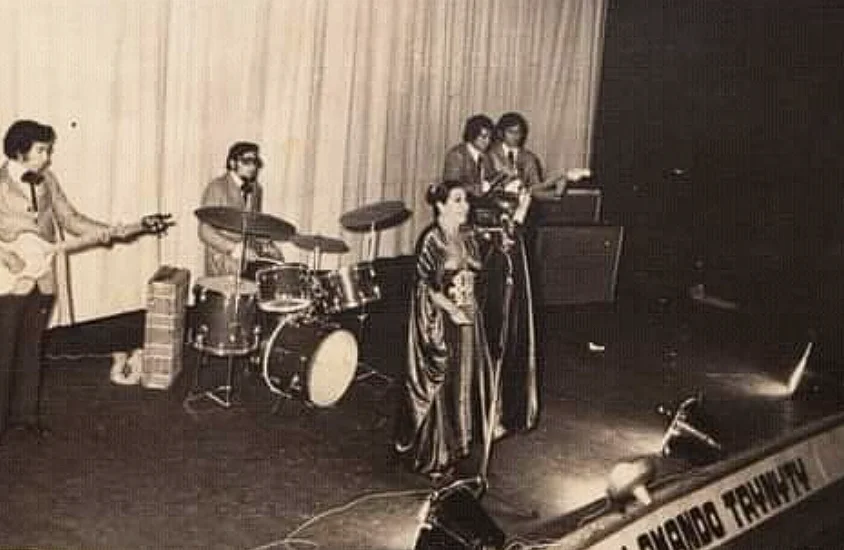
More than a century after its premiere at the Teatro Mazzi, "El Condor Pasa" has completely outgrown its origins as a piece of social-protest theater. In 2004, the Peruvian government officially declared it Cultural Heritage of the Nation, recognizing it as one of the country's most important musical expressions. Today it's informally, but widely, considered Peru's second national anthem.
Estimates put the number of recorded versions of the melody worldwide at more than four thousand, alongside hundreds of lyrical adaptations across different languages. Few pieces of music can claim a journey quite this singular — born from the patient collection of ancestral Quechua songs, turned into a symbol of protest against mining exploitation, and eventually transformed into a global anthem of longing and freedom thanks to Simon & Garfunkel.
But beyond the official honors and the chart statistics, the real legacy of "El Condor Pasa" lives somewhere simpler, harder to pin down: in the collective memory of everyone who hears that melody and feels — even without understanding a single word of Quechua — the same pull felt by Andean men and women more than a century ago, looking up at the sky and watching a condor glide freely over the peaks. That emotional connection, intact across generations and languages, is what turns this piece into something more than just a song. It's the most powerful musical thread connecting the sky over the Andes to anyone who dares to look up.