

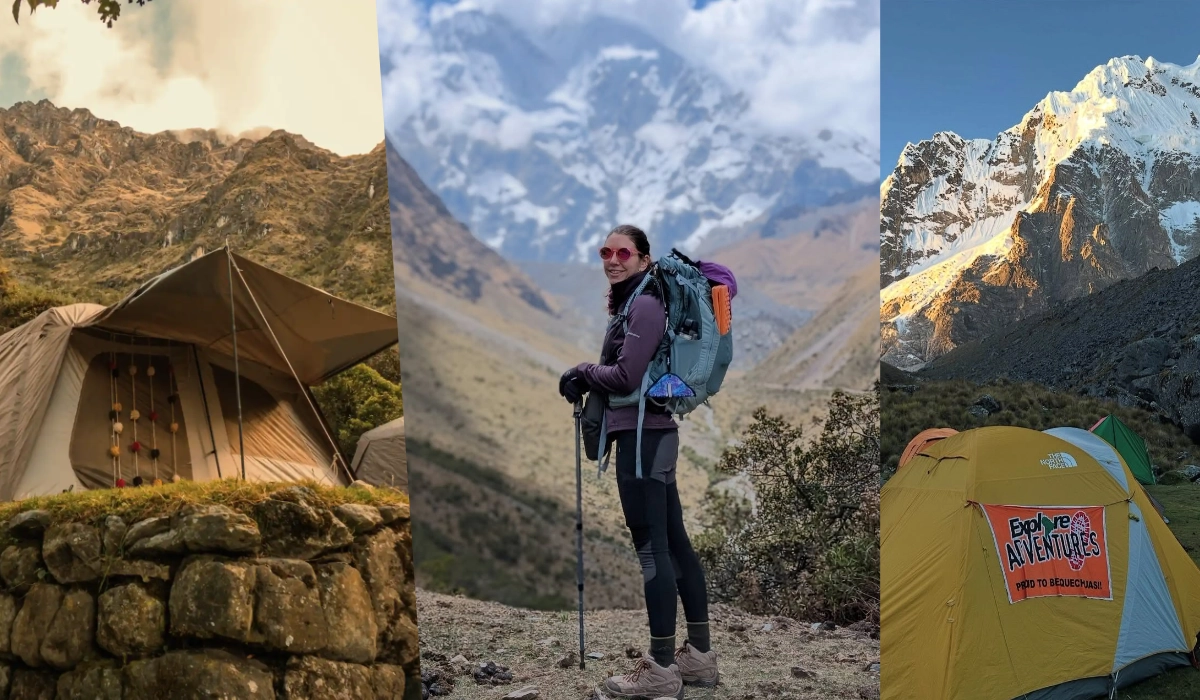
Luxury Inca Trail vs. Classic Tours
A luxury Inca Trail tour mainly upgrades your sleeping setup, camp facilities, personal service, and travel arrangements. A well-organized Classic tour can already include guides, freshly cooked meals, camping equipment, and porter support. Both follow the permitted trail, with its mountain passes, stone steps, and physical demands.
Here, “Classic tour” means a standard, fully supported trekking service. The Classic Inca Trail is also the name of the route, which luxury tours can follow. Compare the equipment and services in each package: a private departure, a longer schedule, and luxury camping are separate features that can be combined in different ways.
Table of Contents
- What Changes When You Choose a Luxury Inca Trail Tour?
- What Both Options Share on the Classic Route
- The Trail, Mountain Passes, and Physical Demands
- Inca Trail Permits and Shared Trail Access
- Camping Comfort on Standard and Luxury Treks
- Tent Space and Sleeping Arrangements
- Sleeping Mats, Camp Beds, and Bedding
- Private Toilet Tents and Shower Availability
- Massage Services and Other Camp Extras
- Food and Dining on Each Type of Trek
- Freshly Cooked Trail Meals and Gourmet Menus
- Dining Facilities and Personalized Meal Service
- Group Size and Personal Attention From Your Guide
- Shared Departures and Private Trekking Options
- Time for Questions, Rest Stops, and Personal Interests
- Porter Support and What You Carry Each Day
- Personal Luggage Allowances and Equipment Weight
- What Goes in Your Daypack on Either Trek
- Itinerary and Travel Arrangements to Compare
- How Four-Day and Five-Day Schedules Affect the Pace
- Hotel Nights Included Before or After the Trek
- The Machu Picchu Visit Included in Each Package
- Return Train Class and Ground Transfers
- How Much More Does a Luxury Inca Trail Tour Cost?
- Comparing Prices for the Same Group Size and Itinerary
- Equipment Rentals, Optional Upgrades, and Extra Charges
- Is a Luxury Inca Trail Tour Worth the Extra Cost?
- When Upgraded Camp Comfort Makes a Difference
- When a Classic Tour Meets Your Expectations
What Changes When You Choose a Luxury Inca Trail Tour?
The clearest differences usually appear at camp and in how the trip is organized around your party. Published luxury packages may add walk-in tents, raised beds, bedding, hot showers, massage services, more personalized dining, and upgraded return transportation.
| Feature | Standard Classic service | Luxury service |
|---|---|---|
| Walking route | The authorized Inca Trail itinerary, including its climbs and descents | The same trail corridor when booked on the Classic route; daily stages may differ |
| Sleeping setup | Trekking tents with ground-level sleeping pads; some equipment may be rented separately | Upgraded mats or raised cots, with bedding specifications varying by package |
| Bathrooms and washing | Some operators already provide portable toilet tents | May add hot showers and more extensive bathroom arrangements
Check what “private” meansConfirm whether a facility is reserved for the whole trekking party or provided individually, and on which nights showers are available. |
| Meals | Chef-prepared trail meals, often with several dishes | May add individually plated courses, expanded menus, and personalized service |
| Guiding | Shared departures and private services are both available | Often emphasizes private or smaller-party arrangements
Check the actual group formatConfirm whether the guide and support team are dedicated to your booking or shared with other travelers. |
| Personal porter support | An allowance may already be included; check the usable weight | May increase the allowance or account for bedding separately |
| Return travel | Train and ground transfers may already be included | May upgrade the train, transfer arrangements, or hotel stay
Compare the named servicesAsk for the exact train service, hotel room, and transfer arrangements. A panoramic train can already be part of a Classic package. |
These are comparison points, rather than guaranteed inclusions. Luxury packages differ substantially, and a single upgraded feature does not describe the whole service.
What Both Options Share on the Classic Route
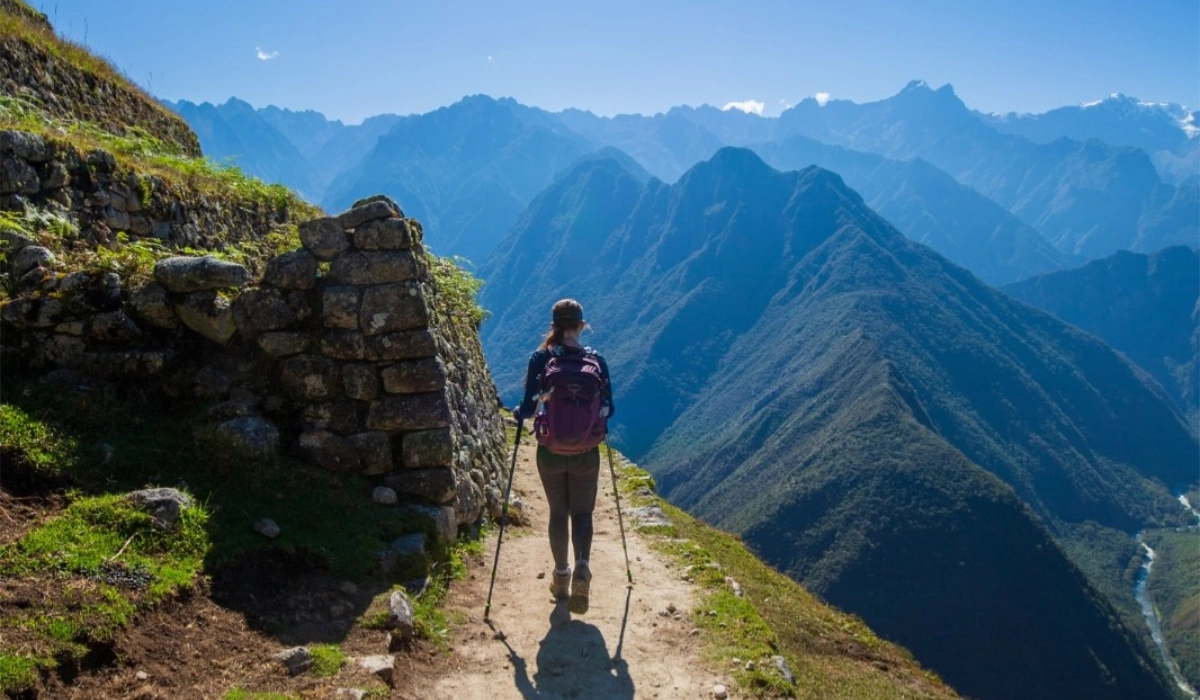
Both options involve hiking through the same protected mountain landscape and following an authorized itinerary. Your service level changes the support around the walk; the route and booked access determine where you go.
The Trail, Mountain Passes, and Physical Demands
The Classic route is commonly described as approximately 26 miles, with variations in reported distance and daily stages. It crosses Dead Woman’s Pass at about 13,829 feet, or 4,215 meters, and includes sustained climbs, uneven stone steps, and long descents.
Raised beds, showers, and a more elaborate camp do not remove those hiking sections. Compare daily walking distances, elevation changes, and campsite locations alongside comfort features. Two four-day packages can distribute the walking differently even when both follow the Classic route.
Inca Trail Permits and Shared Trail Access
Both service levels require the appropriate official admission and an authorized trekking operation. Luxury bookings still depend on permit availability, named traveler details, and the access arranged for the itinerary.
A private guide and dedicated camp team serve your party, but other authorized groups use the trail too. Distinguish privacy within your service from exclusive use of the path, archaeological sites, or viewpoints. Any claim about a particular campsite or visit schedule should be checked against the confirmed itinerary.
Camping Comfort on Standard and Luxury Treks
Camping equipment is one of the most tangible reasons to pay more. Compare the actual tent, sleeping surface, bedding, and washing facilities, since these determine what changes when you reach camp.
Tent Space and Sleeping Arrangements
Luxury packages may use taller walk-in tents with room for beds and personal belongings. Standard Classic tents can also be spacious: some operators allocate a four-person trekking tent to two guests.
Ask for the tent model or dimensions, internal height, and number of occupants. A tent’s advertised capacity alone does not tell you how comfortably two adults and their equipment will fit. If you want your own tent, confirm whether single occupancy is included or charged separately.
Sleeping Mats, Camp Beds, and Bedding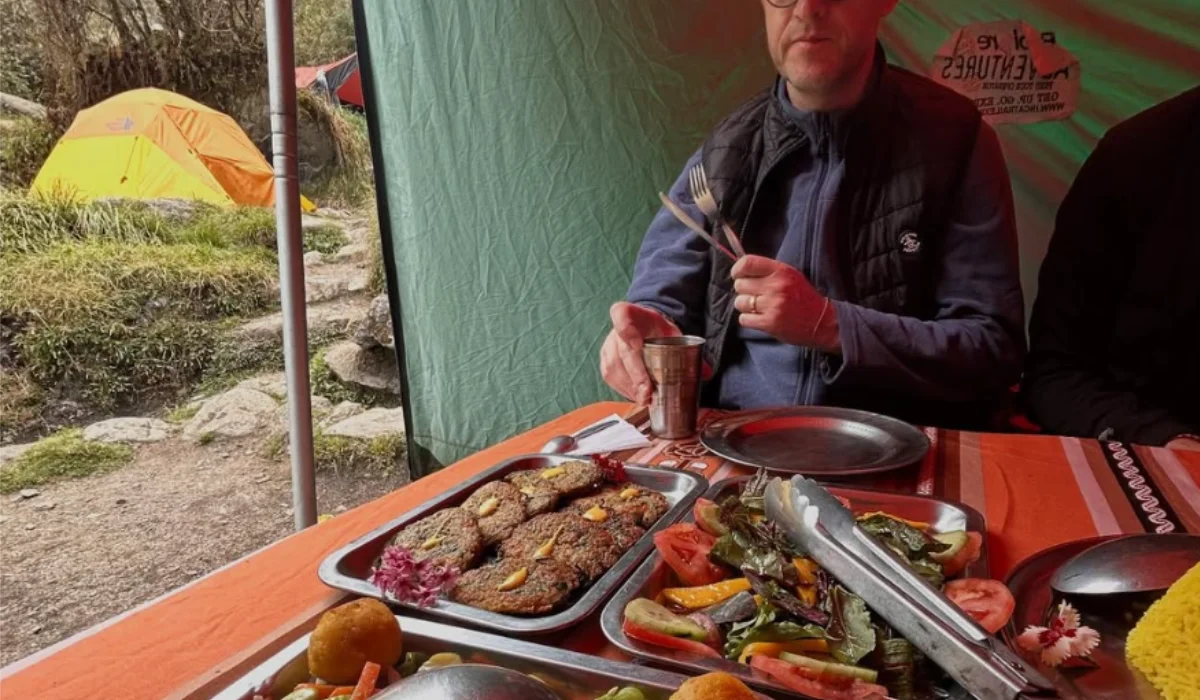
A raised camping cot is a different upgrade from a thicker mattress placed on the ground. Published luxury services use different sleeping systems, so confirm whether you will have a floor-level mat, a raised bed, or a cot with an additional mattress.
Check which pillows, sheets, blankets, duvets, or sleeping bags are supplied. For a Classic tour, identify any sleeping bag or inflatable-mat rental separately. For a luxury tour, confirm the complete bedding arrangement rather than assuming every item is included.
Private Toilet Tents and Shower Availability
Portable toilet tents are available on some standard Classic departures as well as luxury tours. The meaningful comparison is the type of facility, who shares it, how it is maintained, and where it is set up.
Hot showers can be a more substantial luxury addition. Ask which evenings they are provided, whether the service is a shower or washing water, and what towels or toiletries are supplied. A portable camp shower has different practical arrangements from a hotel bathroom.
Massage Services and Other Camp Extras
Some luxury packages advertise massage sessions, extra camp furnishings, or other evening services. Their value depends on what is actually scheduled and included in your departure.
For massage, clarify the number of sessions, approximate duration, and whether a therapist accompanies the group. For other extras, request a short inclusion list. This helps you distinguish the services you will use from general promotional descriptions.
Food and Dining on Each Type of Trek
Freshly prepared food is available on both service levels. Luxury dining usually changes the menu, presentation, and personal attention around meals, rather than introducing a cook to an otherwise unsupported trek.
Freshly Cooked Trail Meals and Gourmet Menus
A Classic trekking kitchen can already prepare soups, main courses, vegetables, snacks, and desserts. Luxury menus may add more courses, individually prepared dishes, a wider choice of drinks, or particular ingredients requested for your party.
Compare sample menus and meal counts. A package described as gourmet still needs clear arrangements for vegetarian, vegan, gluten-free, or other dietary requirements. Those requests should be discussed in advance on either service level.
Dining Facilities and Personalized Meal Service
A dining tent with tables and chairs can be part of a standard Classic package. Luxury services may add more elaborate table settings, individually plated courses, or a dining setup reserved for your private party.
Ask how meals are served and which preferences can be planned before departure. The useful distinction is the dining experience you receive each day, including meal timing and dietary handling, rather than the appearance of one photographed dish.
Group Size and Personal Attention From Your Guide
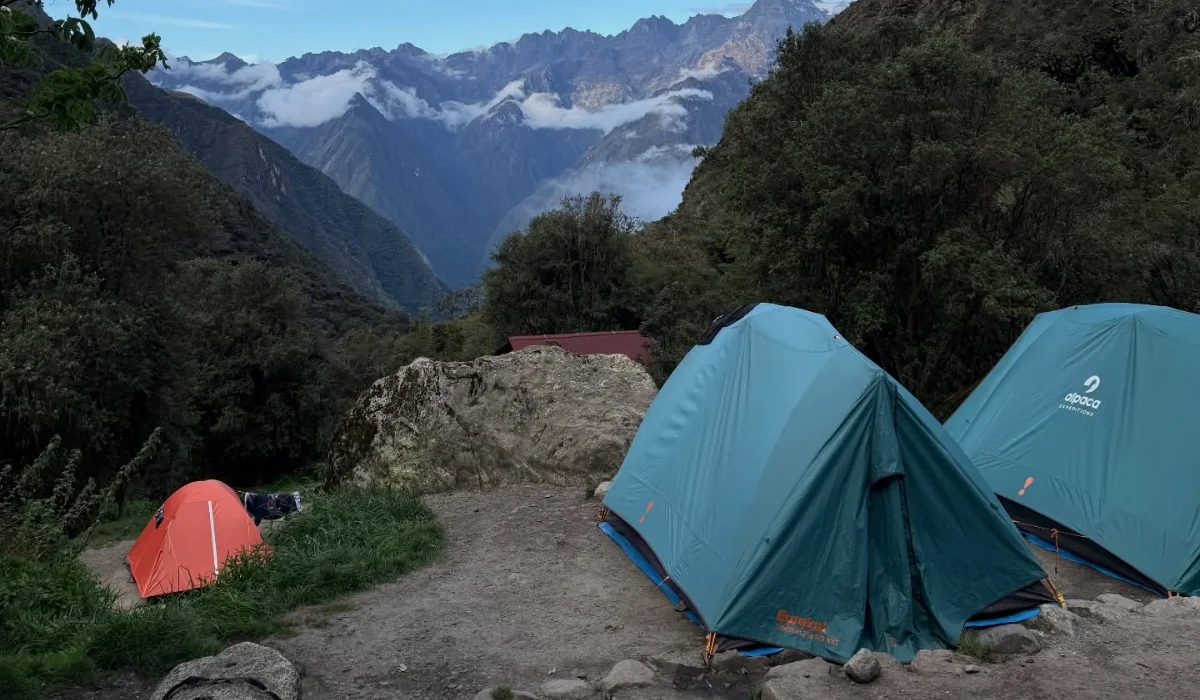
Group format affects the attention available to each traveler. Compare the number of guests, the guide arrangements, and whether your departure is private, alongside the advertised comfort level.
Shared Departures and Private Trekking Options
Shared Classic departures combine travelers into one guided group. A private Classic trek reserves the specified guiding and support service for your party, while a private luxury trek adds its particular comfort upgrades.
Private service and luxury equipment therefore need separate checks. Confirm the maximum group size, number of guides, guiding language, and which staff are dedicated to your booking. A private tent within a shared departure does not make the entire trek private.
Time for Questions, Rest Stops, and Personal Interests
A private guide can organize interpretation and stops around your party’s interests more directly. A shared guide balances questions, walking pace, and breaks across the group.
Both formats should allow appropriate rest stops and explanations along the route. If photography, Inca history, or time at particular sites matters to you, discuss those priorities before booking. The walking plan, meal stops, campsite arrivals, and booked entry times still shape the day.
Porter Support and What You Carry Each Day
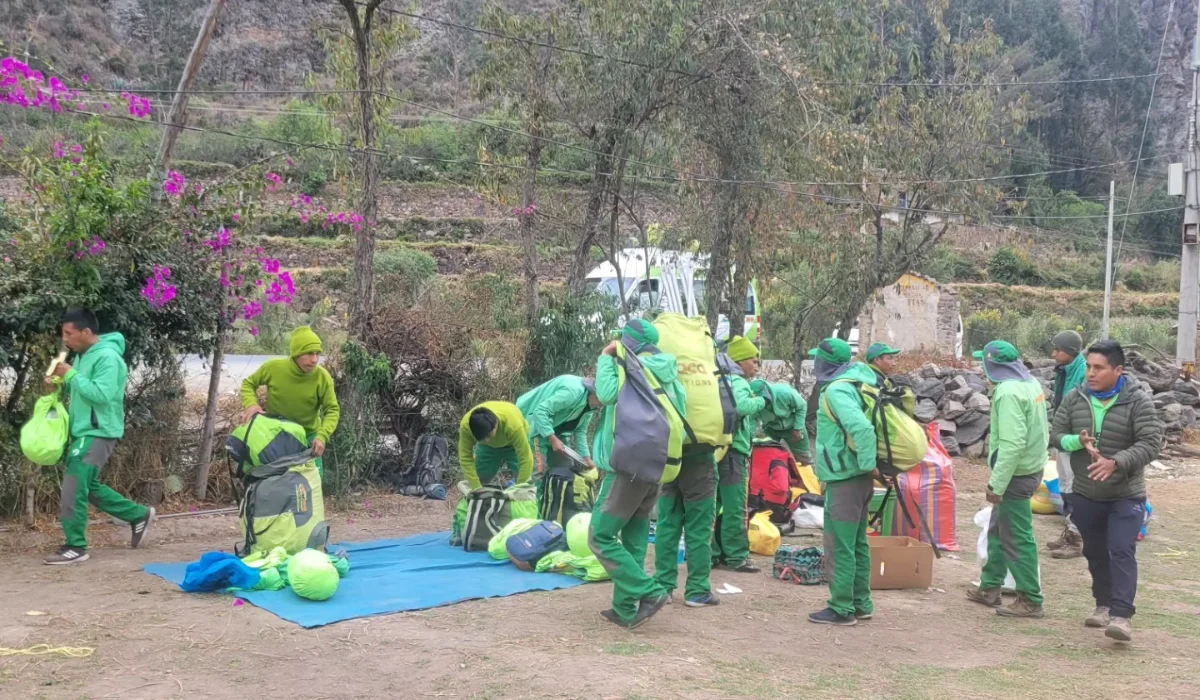
Porter support is available on both service levels, and many Classic packages already include a personal duffel allowance. Luxury may change that allowance or how equipment weight is accounted for, while you continue carrying your daytime essentials.
Personal Luggage Allowances and Equipment Weight
Published examples include a 7-kilogram allowance, about 15 pounds, on Classic services and a 10-kilogram allowance, about 22 pounds, on some luxury services. Other luxury packages retain a 7-kilogram personal allowance but supply camp beds and bedding separately.
Compare the usable allowance for your belongings. If a sleeping bag and mattress count toward the limit, less space remains for clothing. Ask how the duffel is weighed, which equipment is counted, and whether any additional porter service must be arranged in advance.
What Goes in Your Daypack on Either Trek
Your daypack carries the things you need while walking, because porter-carried luggage may not be accessible until camp. The essentials remain similar on Classic and luxury departures:
- The original identification document used for your booking.
- Drinking water and any trail snacks you need between stops.
- Rain protection, a warm layer, and sun protection.
- Personal medication and other items you need immediate access to.
- Your camera or phone and small personal essentials.
A larger duffel allowance improves what you can send with the crew; it does not mean you walk without a daypack.
Itinerary and Travel Arrangements to Compare
Duration, camping stages, hotel nights, Machu Picchu admission, and return transportation can all change the experience and price. Compare these separately from the tents and dining service.
How Four-Day and Five-Day Schedules Affect the Pace
A fifth day can change how the final approach and Machu Picchu visit are organized. For example, a published five-day itinerary completes the trail approach on Day 4, includes a night in Aguas Calientes, and schedules the main guided visit for Day 5.
That separates activities which a four-day schedule may combine on its final day. It does not automatically shorten every earlier stage. Compare the distance, elevation change, and overnight stop for each day, particularly the day crossing Dead Woman’s Pass.
Hotel Nights Included Before or After the Trek
Hotel nights belong to the itinerary around the camping route and should be listed individually. A luxury trekking price may include a night in Aguas Calientes or accommodation before departure, but the word “luxury” alone does not establish that coverage.
Confirm the property, room category, occupancy, breakfast, and number of nights. If you are comparing a five-day package with a four-day trek, include the hotel and extra day of services in the comparison.
The Machu Picchu Visit Included in Each Package
The booked Machu Picchu admission determines the visit included in your package. Confirm the date, circuit, entry time, and guiding arrangements, along with how the arrival through the Sun Gate fits the itinerary.
A longer or more expensive package may arrange an additional visit, but each visit needs the appropriate admission. Ask separately about Huayna Picchu or Machu Picchu Mountain if those hikes interest you. Their tickets and scheduling should be confirmed before treating them as part of the tour.
Return Train Class and Ground Transfers
A panoramic return train can already be included in a Classic package. Luxury services may specify another category, such as Vistadome Observatory or Hiram Bingham, but the exact train varies by operator and itinerary.
Compare the named service, travel segment, and connection to the final road transfer. Also confirm whether the vehicle is shared or private, where the transfer ends, and which hotel pickup or drop-off arrangements are covered.
How Much More Does a Luxury Inca Trail Tour Cost?
In one reviewed operator’s published four-day private rates, luxury adds US$1,040–$1,322 per person for the group sizes shown below. This is a reference comparison of specific packages, rather than a fixed premium across the market.
Comparing Prices for the Same Group Size and Itinerary
Match the operator, party size, route, and duration before comparing prices. These examples use the same operator’s published four-day private Classic and luxury rate schedules, reviewed on October 28, 2026.
| Travelers booking together | Classic private service | Luxury private service | Additional cost per person |
|---|---|---|---|
| 2 travelers | US$1,498 | US$2,820 | US$1,322 |
| 4 travelers | US$1,150 | US$2,190 | US$1,040 |
| 8 travelers | US$850 | US$1,980 | US$1,130 |
The daily camping stages and inclusions differ between these service packages. The price difference covers their combined upgrades, including equipment, meals, support, and transport. For your own quotes, match those details and confirm the rate for your travel date.
For two travelers in this example, the additional cost is US$2,644 for the party. Calculating both the per-person difference and the reservation total helps you assess the upgrade against your actual trip budget.
Equipment Rentals, Optional Upgrades, and Extra Charges
The final difference depends on what remains outside each quote. A Classic package may charge separately for sleeping bags, inflatable mats, or trekking poles; a luxury package may include those items while leaving other services extra.
- Check single-tent and single-room supplements.
- Confirm personal porter allowances and any additional support charges.
- Separate included train service from optional upgrades.
- Check extra Machu Picchu admissions and optional mountain hikes.
- Identify excluded meals, drinks, discretionary tips, and payment fees.
Request the total for your selected arrangements, including any required rentals. A deposit generally forms part of the tour price, while a stated processing fee may increase the amount paid.
Is a Luxury Inca Trail Tour Worth the Extra Cost?
Luxury is worth considering when the confirmed upgrades address your priorities for sleeping, washing, dining, or private service. The decision becomes clearer when you identify which differences you will use throughout the trek.
When Upgraded Camp Comfort Makes a Difference
A raised bed, more internal tent space, and an evening shower can make a substantial difference if floor-level camping is the part of the trip you are least comfortable with. These are specific features you can verify before paying for the upgrade.
Personalized dining and a dedicated guide may also matter if your party wants a particular style of service. Compare the actual sleeping setup, shower schedule, meal arrangements, and staff allocation so that the extra cost corresponds to the experience you expect.
When a Classic Tour Meets Your Expectations
A fully supported Classic tour can meet your expectations if you are comfortable sleeping on a quality camping pad and sharing the planned group routine. Many packages already provide cooked meals, porter assistance, a dining tent, and coordinated return transport.
If personal attention is your main priority, compare a private Classic departure alongside the luxury option. Review the operator’s equipment, guide arrangements, itinerary, and inclusions to choose the service that fits how you want to experience the trail.