

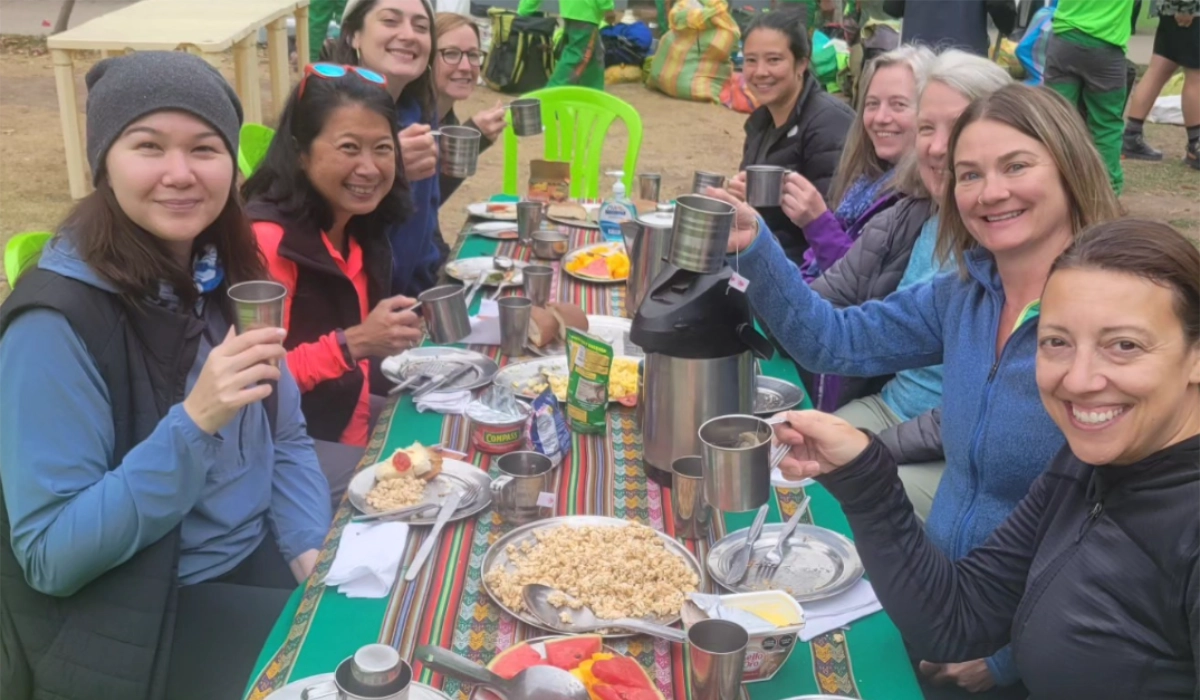
Inca Trail Food and What You’ll Eat During the Trek
Inca Trail food on an organized camping trek typically includes hot breakfasts, cooked lunches and dinners, trail snacks, and afternoon tea. Published menus feature eggs, oatmeal, quinoa soup, rice, potatoes, vegetables, chicken, and other dishes prepared by the trekking kitchen team.
The exact menu depends on your operator, itinerary, and dietary arrangements. The Classic Inca Trail generally involves camp cooking, while the hotel-based Short Inca Trail may combine a packed or picnic lunch with restaurant and hotel meals. The examples below explain what to expect without promising the same dishes on every departure.
Table of Contents
- What Meals Are Served on the Inca Trail?
- Breakfast Before the Morning Hike
- Lunch Along the Trail
- Dinner at Camp
- Trail Snacks and Afternoon Tea
- Peruvian Dishes and Ingredients on the Menu
- Quinoa Soup and Other Andean Dishes
- Native Potatoes, Corn, and Local Produce
- How Meals Are Prepared and Served at Camp
- The Trek Chef and Camp Kitchen
- Dining Tents and Meal Presentation
- Dietary Needs to Discuss Before the Trek
- Vegetarian and Vegan Meals
- Gluten-Free Meals on the Inca Trail
- What to Confirm If You Have a Food Allergy
- Drinking Water and Hot Beverages on the Trail
- Included Meals to Confirm for Your Itinerary
- Packed Lunches on the Short Inca Trail
- Meals Before the Trek and After Visiting Machu Picchu
What Meals Are Served on the Inca Trail?
Food on the Inca Trail combines Peruvian ingredients with familiar meals such as pancakes, pasta, rice dishes, and cooked vegetables. On camping itineraries, the daily routine commonly includes three main meals, with snacks and afternoon refreshments between them.
| Meal or break | Foods you may be served | How it fits the day |
|---|---|---|
| Breakfast | Oatmeal, eggs, pancakes, bread, fruit, or warm quinoa | Served before the morning’s hiking |
| Trail snack | Fruit, a cereal bar, crackers, or chocolate | Carried for a break between meals |
| Lunch | Soup followed by rice, potatoes, pasta, vegetables, and a main dish | A scheduled meal stop along the route |
| Afternoon tea | Hot drinks with popcorn, bread, cookies, or another light snack | Refreshments after reaching camp |
| Dinner | Soup, a cooked main course, side dishes, and sometimes dessert | The evening meal at camp |
This is a sample of the meal pattern, not a fixed daily menu. The first and last days can have different arrangements from the full days spent between camps.
Breakfast Before the Morning Hike
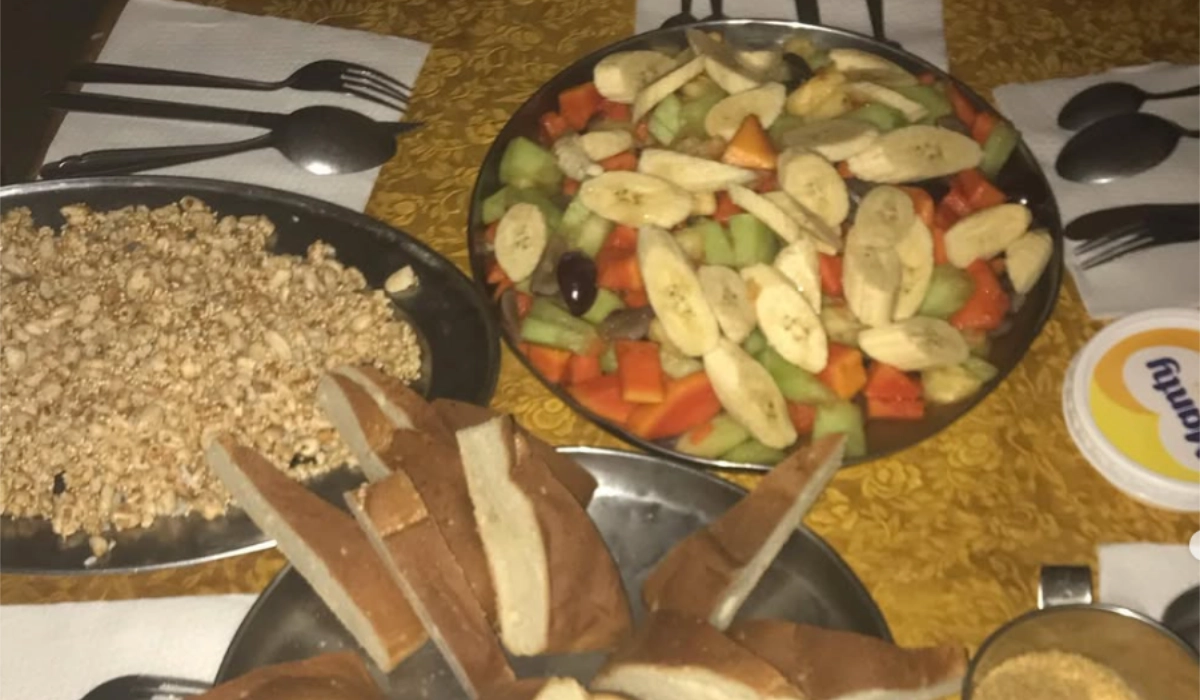
Camp breakfasts often include a hot dish, bread or another carbohydrate, and a warm drink. Oatmeal, scrambled eggs, omelets, pancakes, and quinoa porridge all appear in published trekking menus.
The first breakfast needs a separate check because it may take place before you reach the trail. Confirm whether the agency provides it, arranges a breakfast stop, or expects you to eat beforehand.
Lunch Along the Trail
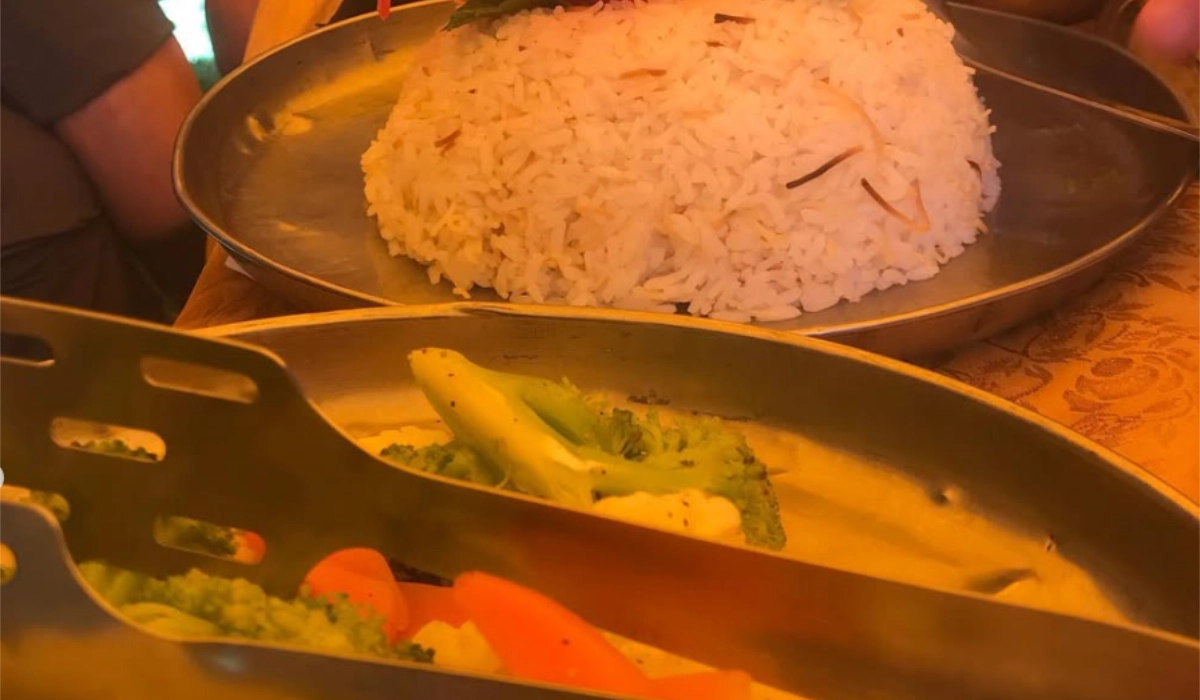
Lunch on the Classic Inca Trail can be a freshly cooked meal served at a planned stopping point. Soup is a recurring starter, followed by dishes built around rice, potatoes, pasta, vegetables, and meat or a dietary alternative.
You may see quinoa soup, chicken with vegetables, a rice dish, or a Peruvian-style stir-fry on a sample menu. A hot camp-style lunch and a packed lunch are different service arrangements, so check which your itinerary describes.
Dinner at Camp
Dinner is prepared by the kitchen team at the campsite and commonly includes soup and a main course. Published examples range from chicken with potatoes to vegetable dishes and pasta, with dessert on some menus.
The evening meal also gives you a chance to clarify the next day’s food arrangements with the guide. If you have an agreed dietary menu, confirm that your soup, main dish, and any dessert follow it.
Trail Snacks and Afternoon Tea
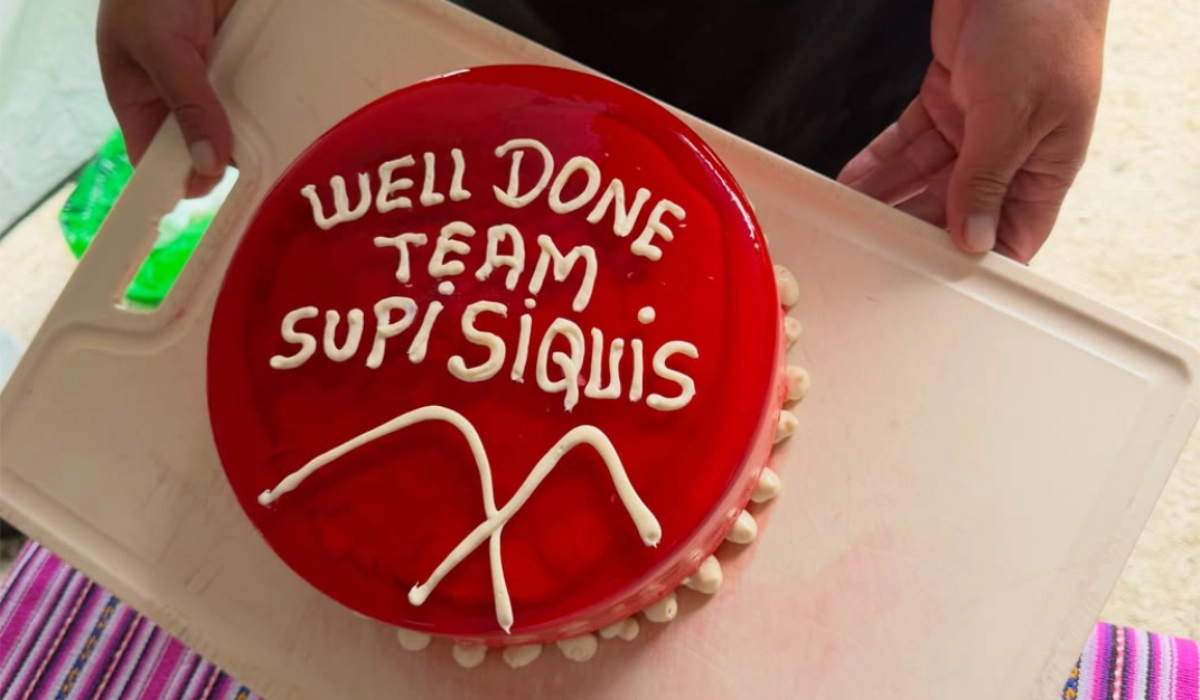
Trail snacks are the small items you carry during the hike; afternoon tea is a separate refreshment break at camp. Operators may provide fruit, bars, cookies, or chocolate for the trail, then serve hot drinks with popcorn, bread, or another snack later.
Afternoon tea is sometimes advertised as “happy hour.” Check whether both snack services are included and whether their ingredients match your dietary needs. You can also ask about carrying a small supply of familiar snacks for your own preferences.
Peruvian Dishes and Ingredients on the Menu
Quinoa, potatoes, corn, and vegetables bring Andean ingredients into many trekking menus. These appear alongside rice, pasta, eggs, and different proteins, so the food is usually a mix of regional and familiar dishes.
Quinoa Soup and Other Andean Dishes
Quinoa soup is one of the recurring Peruvian dishes in published Inca Trail menus. It can combine quinoa with potatoes, vegetables, and stock, although the recipe changes between kitchens.
Other examples include corn soup, potato-based dishes, and Peruvian rice preparations. If you are vegetarian or vegan, ask about the stock and other ingredients: a soup named after a vegetable or grain can still contain chicken broth, milk, or cheese.
Native Potatoes, Corn, and Local Produce
Potatoes may be served mashed, roasted, in soup, or as part of a main dish. Corn appears in soups and side dishes, while vegetables add variety to rice, pasta, and cooked mains.
Some operators feature native potato varieties and other locally sourced produce. Ask for the current sample menu if that is part of the experience you want; the exact varieties and regional specialties depend on the kitchen’s purchasing and meal plan.
How Meals Are Prepared and Served at Camp
On an organized camping trek, a chef and support team handle meal preparation using a portable camp kitchen. Porters transport the food, cooking equipment, and communal camping supplies between stops.
The Trek Chef and Camp Kitchen
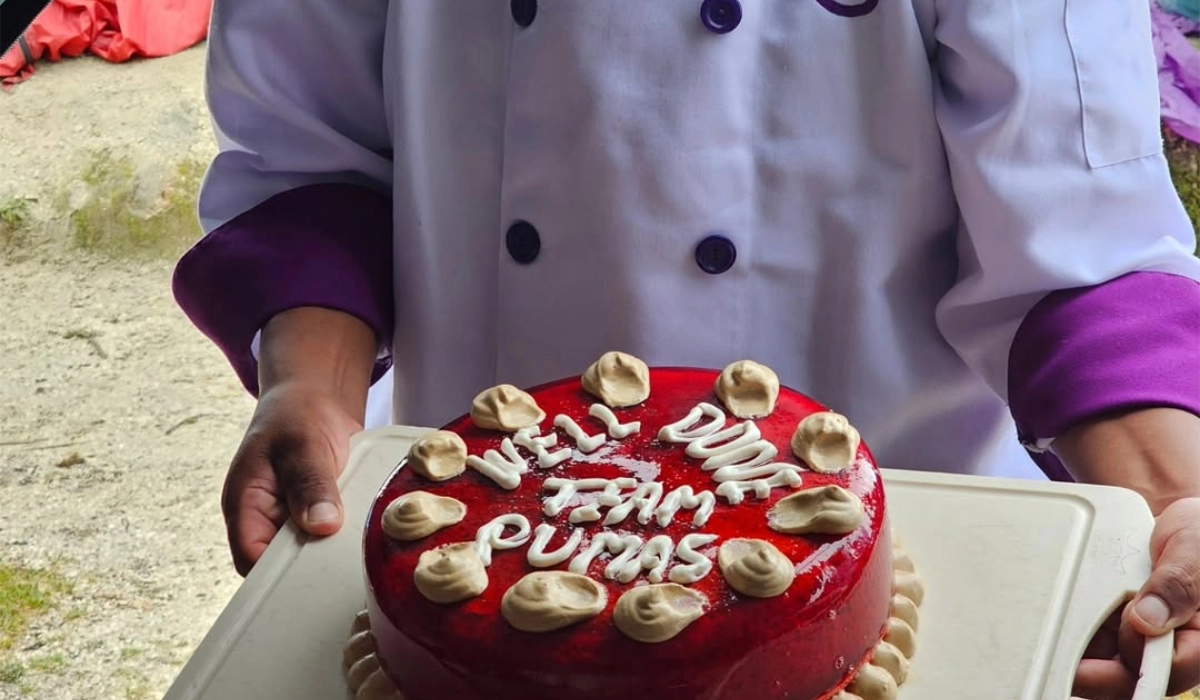
The trek chef plans and prepares meals with the ingredients and equipment brought for the departure. Cooking takes place at designated meal stops and camps, with the support team handling the kitchen setup.
Share dietary requirements before the agency buys and packs ingredients. Confirm that the operations team will pass your request to both the chef and guide, rather than leaving it only as a note in the booking correspondence.
Dining Tents and Meal Presentation
Many camping packages provide a dining tent with tables and chairs, giving the group a dedicated place to eat. Lunch setups can vary with the stopping point and itinerary.
Some services use shared dishes, while others offer individually plated courses or more elaborate presentation. Luxury menus may add extra courses or personalized service. Compare the actual meal arrangements, including dietary handling, alongside the food photographs.
Dietary Needs to Discuss Before the Trek
Vegetarian, vegan, and other dietary options may be available with advance arrangements. Give the agency your requirements before booking and ask what its kitchen can provide across meals, snacks, and drinks.
Vegetarian and Vegan Meals
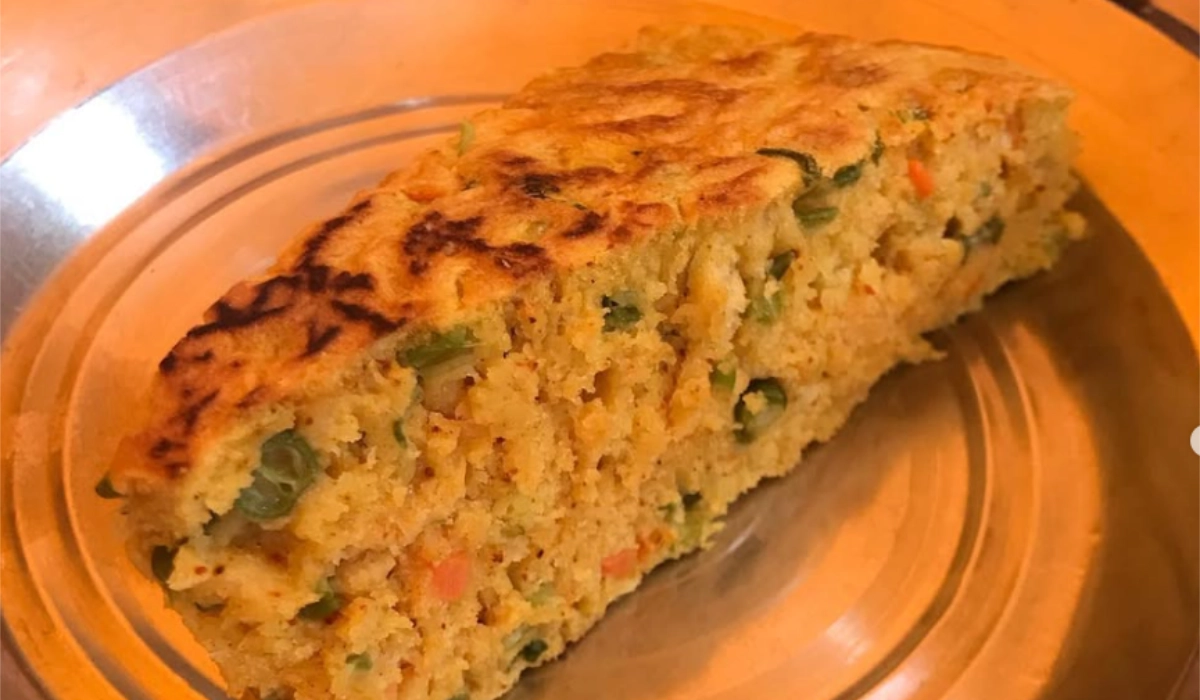
Many Inca Trail operators advertise vegetarian meals, and some also provide vegan menus. State which you need: vegetarian dishes can contain eggs, dairy, or honey, depending on the recipe.
For a vegan menu, confirm the main dishes and the ingredients used in soups, breakfast foods, hot chocolate, and desserts. Ask for examples of the planned substitutions so you understand what will replace the standard dishes throughout the trek.
Gluten-Free Meals on the Inca Trail
Gluten-free meals require checking both ingredients and preparation. Plain rice, potatoes, and quinoa are naturally gluten-free, but sauces, stock, bread, pasta, and shared cooking equipment can change whether a meal meets your needs.
If you have celiac disease, say so explicitly and ask how the kitchen prevents gluten cross-contact through utensils, preparation surfaces, and serving. Confirm suitable breakfast foods and snacks as well as the main meals; an adapted dinner alone does not cover the whole itinerary.
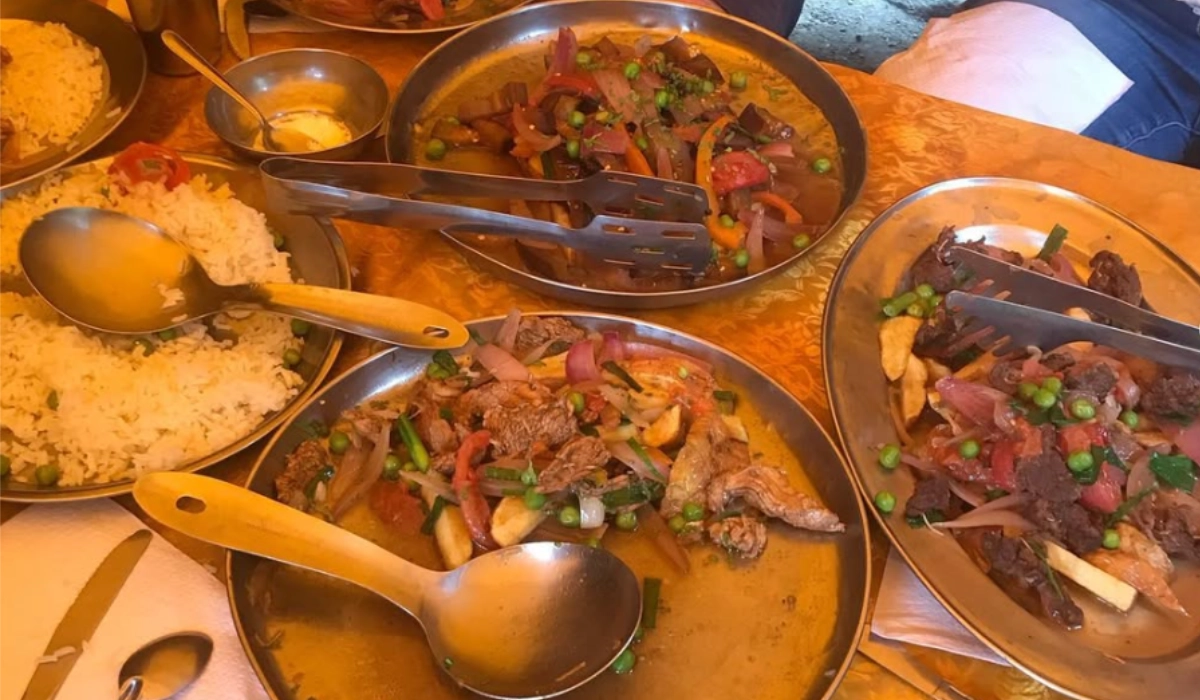
What to Confirm If You Have a Food Allergy
Before booking, ask whether the operator can accommodate your specific allergy and the precautions you require. Removing an ingredient from your plate does not address allergen cross-contact during preparation.
- Provide the exact allergen names and a written explanation of what you must avoid.
- Ask about ingredient labels, shared utensils, preparation surfaces, and cooking oil.
- Confirm that both the chef and guide will receive your information.
- Check that packed lunches, snacks, desserts, and restaurant meals are covered by the same arrangements.
For a severe allergy, discuss the itinerary with your healthcare provider before travel. Keep prescribed emergency medication accessible and share your allergy action plan with the guide and travel companions.
Drinking Water and Hot Beverages on the Trail
Many operators provide boiled and cooled drinking water for refilling reusable bottles during the camping trek. Confirm the treatment method, refill points, and when the first refill becomes available. Some services require you to arrive with drinking water for the first hours of the hike.
Use the drinking water supplied or approved by your trekking team. Water from a stream or campsite tap should not be assumed safe simply because it looks clear. Ask the agency what bottle capacity you need between its scheduled refills.
Published menus also feature coffee, tea, herbal infusions, hot chocolate, and sometimes coca tea. If you avoid dairy or another ingredient, confirm how the drinks are prepared and whether suitable alternatives are available.
Included Meals to Confirm for Your Itinerary
Your booking should identify each included meal from the first morning to the return journey. A four-day itinerary does not automatically include four breakfasts, four lunches, and four dinners; some published Classic packages list three of each.
| Part of the itinerary | What to confirm | Further detail |
|---|---|---|
| Before the first hike | Whether breakfast is included |
Check the first morningConfirm whether you will eat at your hotel, at an arranged stop, or at a picnic breakfast supplied by the agency. |
| Classic camping days | The number of meals and snack services |
Read the meal countCheck breakfasts, lunches, dinners, trail snacks, and afternoon tea separately. Confirm that your dietary arrangements apply to each service. |
| Short Inca Trail overnight | Packed lunch, dinner, and hotel breakfast |
Check each providerYour agency may coordinate food from the trekking team, a restaurant, and a hotel. Make sure each provider receives any agreed dietary requirements. |
| After Machu Picchu | Whether lunch is included before the return journey |
Check the final mealSome itineraries exclude this lunch. If yours includes it, confirm the meal arrangement and how any dietary requirements will be handled. |
Packed Lunches on the Short Inca Trail
The Short Inca Trail may use a packed or picnic lunch during its main hiking day. Published examples include sandwiches or a quinoa-based dish, fruit, and a snack, but the contents and serving style vary by operator.
Confirm your lunch contents before departure if you have dietary requirements. Also check whether drinks are supplied and whether dinner in Aguas Calientes and breakfast at the hotel are included in the same package.
Meals Before the Trek and After Visiting Machu Picchu
The first breakfast and the lunch after Machu Picchu are two meals worth checking individually. Operators differ in when their meal service starts and ends, and some itineraries explicitly exclude the final lunch.
Ask for a meal-by-meal list showing what is included, where restaurant or hotel meals replace camp cooking, and how your dietary requests will be communicated. This gives you a clear picture of what you will eat throughout your booked itinerary.