

Inca Trail Rules and Regulations Every Hiker Must Know
Inca Trail rules require visitors to stay on authorized paths, use assigned campsites, cooperate with park staff, protect archaeological sites, and manage their waste responsibly. Article 25 of the Inca Trail Network regulations sets out 12 rules of conduct, including responsibilities for both travelers and tour operators.
These rules apply within the protected Inca Trail Network, whether your itinerary follows the Short Inca Trail from Km 104 or a longer route. Camping requirements apply when your itinerary includes a night on the trail.
Table of Contents
- Why Are There Rules and Regulations on the Inca Trail?
- 12 Official Rules for Hiking the Inca Trail
- 1. Follow Official Regulations and Safety Instructions
- 2. Understand the Geographic Conditions and Potential Risks
- 3. Respect Park Rangers and Authorized Personnel
- 4. Use Tourist Facilities Properly
- 5. Use Only Authorized Trails, Viewpoints, and Rest Areas
- 6. Camp Only in Designated Areas
- 7. Complete Official Forms Correctly
- 8. Report Incidents That Could Affect Cultural or Natural Heritage
- 9. Maintain Appropriate Behavior and Avoid Conflicts
- 10. Respect Order and Quiet Along the Inca Trail
- 11. Manage Solid Waste Properly
- 12. Use Portable Toilets Properly
- How Qoricancha Expeditions Promotes Responsible Tourism on the Inca Trail
- 1. Preparing Our Travelers Before the Hike
- 2. Training Our Guides, Porters, and Trekking Cooks
- 3. Responsible Practices Throughout Every Trek
- 4. Our Commitment as a Local Tour Operator
- Explore Our Inca Trail Experiences with Qoricancha Expeditions
- Short Inca Trail 2 Days and 1 Night
- Classic Inca Trail 4 Days and 3 Nights
Why Are There Rules and Regulations on the Inca Trail?
The Inca Trail passes through the Historic Sanctuary of Machu Picchu, where archaeological remains and natural habitats share the same protected landscape. Designated paths, campsites, and visitor facilities help control the impact of trekking groups on these areas.
The Ministry of Culture, through the Cusco Directorate of Culture, and SERNANP have responsibilities for protecting the sanctuary and supervising its use. Instructions at checkpoints and archaeological sites are part of that work. The hiking route and the Machu Picchu archaeological site also have distinct visitor requirements; permission to use an item on the trail does not automatically extend to every part of the Machu Picchu visit.
12 Official Rules for Hiking the Inca Trail
The following sections explain the 12 provisions in Article 25. Most describe conduct on the route; others place duties on the agency organizing your trek.
Visitor responsibilities and operator responsibilities
| During your trek | Your responsibility | Your operator's role |
|---|---|---|
| Preparation | Provide accurate personal details and review the route information. | Explain the terrain, physical demands, risks, and special conditions before departure. |
| Checkpoints and campsites | Cooperate with staff and use the areas assigned to your group. | Coordinate the registered group, authorized itinerary, and campsite arrangements. |
| Waste | Keep wrappers, tissues, food scraps, and other waste off the trail. | Arrange proper collection, separation, transport, and disposal outside the sanctuary. |
1. Follow Official Regulations and Safety Instructions
Follow the regulations and official instructions concerning cultural heritage, protected areas, tourism, and emergencies. Your planned itinerary does not override a closure or an instruction issued for safety or conservation.
If authorized staff close a section, wait for your guide's instructions. Do not cross a barrier or use an unofficial detour to keep to the original schedule.
2. Understand the Geographic Conditions and Potential Risks
Your operator must explain the route's geography, physical conditions, risks, and special requirements before the trek. This provision is an agency responsibility as well as a practical reason to review your itinerary carefully.
- Know which days involve longer climbs, descents, or mountain passes.
- Review the expected walking distances and changes in elevation.
- Ask how weather or trail conditions could affect the planned route.
- Tell your operator about concerns that may affect your participation.
At Qoricancha Expeditions, our pre-trek briefing covers the itinerary, daily hiking conditions, and safety recommendations. Use that meeting to resolve questions before reaching the starting point.
3. Respect Park Rangers and Authorized Personnel
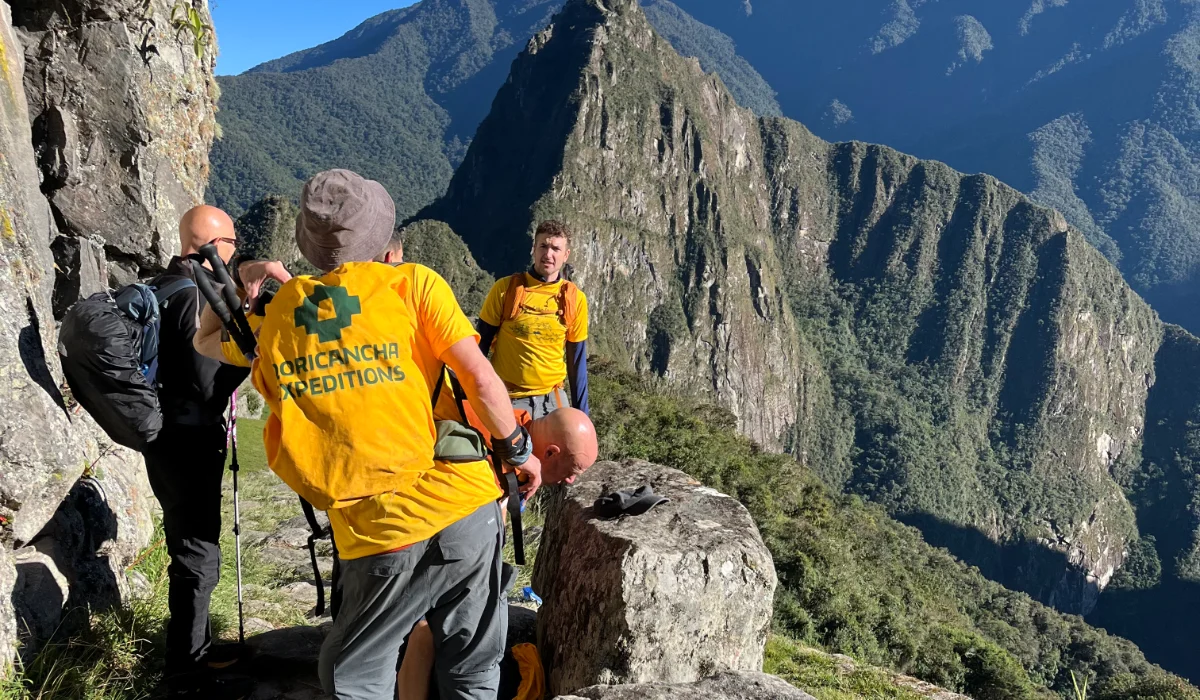
Cooperate with SERNANP rangers, Culture Directorate staff, and authorized inspectors carrying out their duties. They may check registration, supervise visitor movements, or give instructions to protect a site.
At a checkpoint, remain with your registered group and follow the inspection process. Your guide can help explain any instructions or documentation requests you do not understand.
4. Use Tourist Facilities Properly
Use toilets, washing areas, checkpoints, campsites, and signs for their intended purposes. Leave shared facilities clean and avoid damaging equipment or blocking access for other groups.
Report a damaged or unusable facility to your guide. Do not move signs, dismantle fixtures, or create a replacement washing or toilet area beside the trail.
5. Use Only Authorized Trails, Viewpoints, and Rest Areas
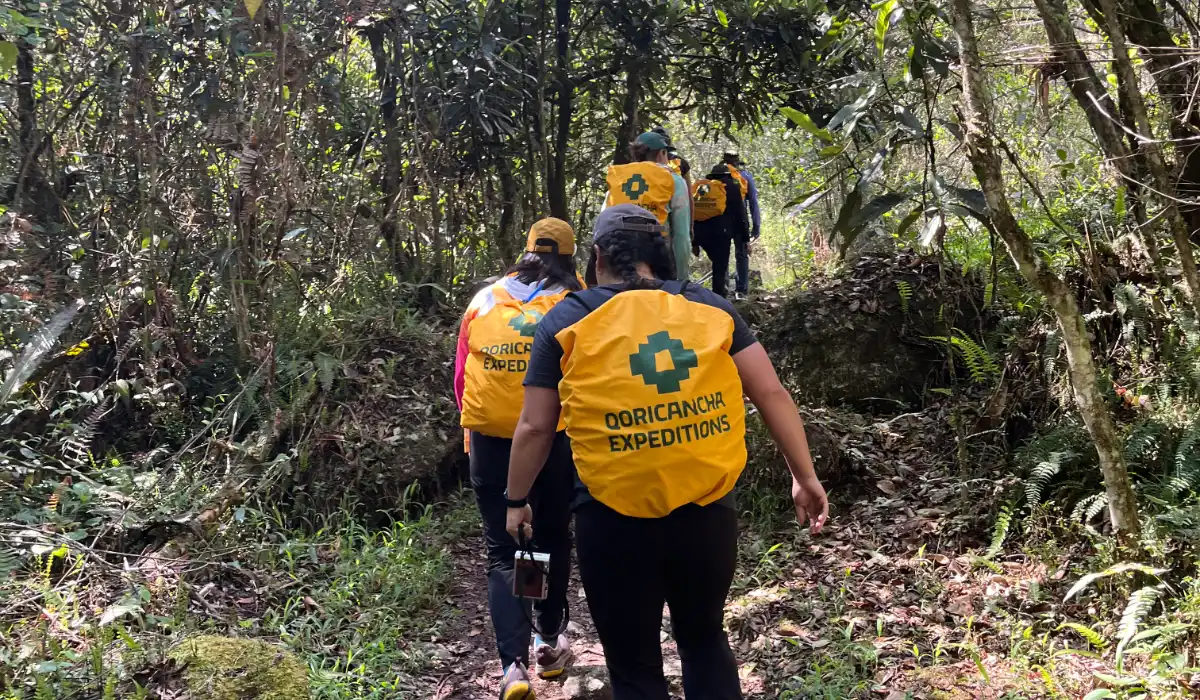
Stay on the approved route and use the viewpoints and rest areas open to visitors. A visible path or an attractive photo location is not necessarily an authorized visitor area.
At sites such as Wiñay Wayna, follow the visitor paths and your guide's directions. Avoid shortcuts through vegetation, closed terraces, or archaeological structures.
6. Camp Only in Designated Areas
Use only the campsite area assigned to your group and respect its conditions of use. Travelers and operators cannot choose a different location simply for a better view or a shorter walking day.
Your trekking team coordinates the camp setup. If a situation requires a change, follow the directions of your guide and the authorized staff responsible for the area.
7. Complete Official Forms Correctly
Provide accurate information for the records required by SERNANP and the Cusco Directorate of Culture. Check your name, identification details, and other information requested for your trek.
Send corrections to your operator as soon as you notice an error. Do not wait until a checkpoint to explain a discrepancy between your travel document and the registered information.
8. Report Incidents That Could Affect Cultural or Natural Heritage
Tell your guide or authorized staff about damage to archaeological remains, threats to wildlife, unsafe conditions, or problems affecting tourism services. Describe what you saw and where it happened.
For example, report vandalism or a damaged trail facility rather than attempting repairs or confronting another group. Your guide can notify the appropriate personnel.
9. Maintain Appropriate Behavior and Avoid Conflicts
Treat other hikers, guides, porters, cooks, and park staff respectfully. Aggressive behavior, harassment, and confrontations interfere with the safe use of a shared route.
If a disagreement develops, ask your guide to help resolve it. On narrow sections, follow the guide's directions for passing and keep the path clear when you stop.
10. Respect Order and Quiet Along the Inca Trail
Keep noise low, particularly around campsites, wildlife, and archaeological sites. Avoid shouting between groups or playing amplified music.
Camp areas are shared spaces where other travelers and crew members may be resting. Keep conversations considerate and follow your guide's instructions on group movements and quiet periods.
11. Manage Solid Waste Properly
Keep all waste off the trail, including fruit peels, food scraps, tissues, and snack wrappers. Biodegradable waste still needs to be collected; it should not be left beside a path or archaeological structure.
Follow your crew's waste collection system. The regulations also make operators responsible for organizing the separation, transport, and final disposal of the waste their groups generate outside the sanctuary.
12. Use Portable Toilets Properly
Use the toilet facilities provided for your group or designated along the route, following the instructions for each type. Portable toilets may have different procedures from permanent facilities.
Ask where to put toilet paper and hygiene products. Do not use archaeological structures or vegetation around campsites as an alternative to the designated facilities.
How Qoricancha Expeditions Promotes Responsible Tourism on the Inca Trail
We explain the regulations before departure and reinforce them during the trek. Travelers need to understand their responsibilities, while guides, cooks, and porters need clear procedures for the work they carry out within the sanctuary.
1. Preparing Our Travelers Before the Hike
Our preparation information covers visitor conduct, equipment restrictions, and the route you have booked. During the briefing, usually around 6 p.m. the evening before departure, your guide reviews the main rules and answers questions about the next day's arrangements.
2. Training Our Guides, Porters, and Trekking Cooks
We hold training and information sessions on campsite use, waste management, hygiene, protection of archaeological sites, and cooperation with authorized staff. These responsibilities apply throughout the operation, including camp setup and the transport of supplies and waste.
3. Responsible Practices Throughout Every Trek
Our team follows the authorized itinerary, uses the assigned camp areas, and coordinates waste collection. Travelers support this work by staying on the route, using the facilities correctly, and bringing any problems to the guide's attention.
4. Our Commitment as a Local Tour Operator
We include conservation responsibilities in the way we prepare travelers and organize the crew. Your guide remains the main point of contact for questions about conduct, site access, or an instruction received along the trail.
Explore Our Inca Trail Experiences with Qoricancha Expeditions
The conduct rules apply to both of the following itineraries. Confirm the route, registered departure, and services included in your booking before travel.
Short Inca Trail 2 Days and 1 Night
The Short Inca Trail starts at Km 104 and passes Wiñay Wayna before reaching Machu Picchu through the Sun Gate. Our two-day itinerary is advertised from US$520 per person; confirm the current price and inclusions for your dates.
Classic Inca Trail 4 Days and 3 Nights
The Classic Inca Trail combines several days of hiking with overnight camping before reaching Machu Picchu. Its campsite arrangements make the rules on shared facilities, quiet, and waste management particularly relevant. Ask our team for current pricing and availability.