

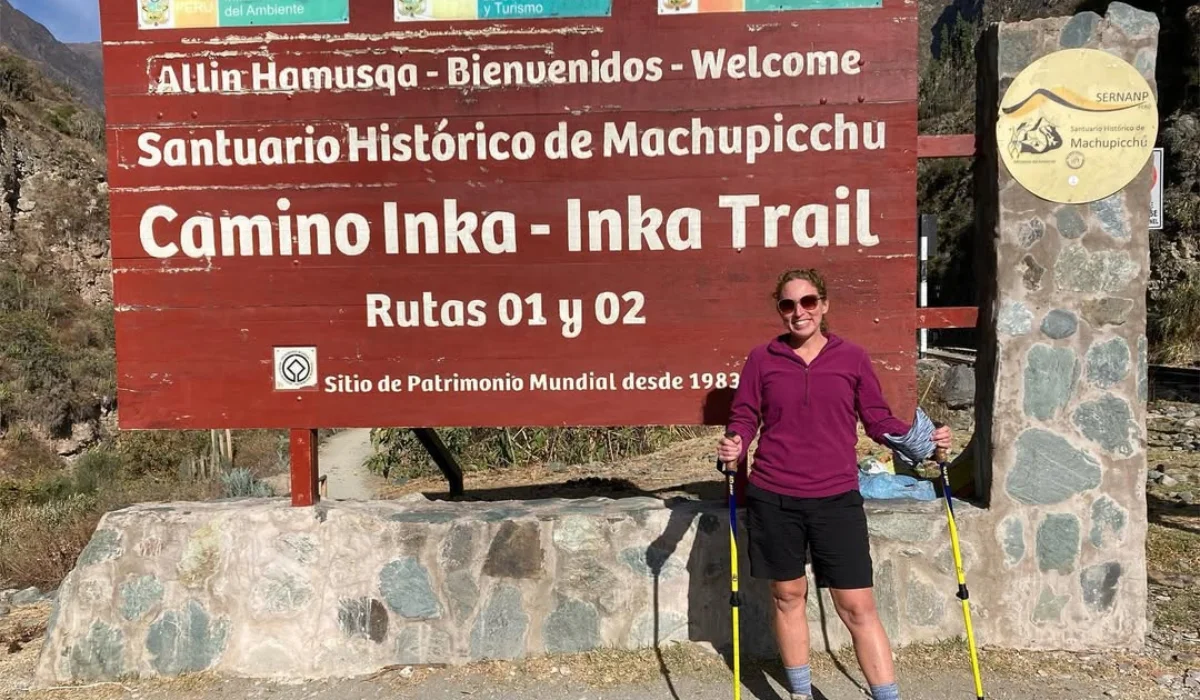
How Much Does the Inca Trail Cost Per Person?
The Inca Trail costs around US$600 per person for a shared 2-day tour and US$820–$950 for a shared Classic 4-day trek, based on the published operator rates reviewed for this guide. Private departures and luxury services have separate prices that depend on your group size and the arrangements included.
All figures below are in US dollars for adult travelers. Prices were reviewed on October 28, 2026, and are reference figures from selected operators. Confirm the rate for your travel date, particularly for departures in 2027. Flights and accommodation outside the trek itinerary are additional unless specifically included.
| Tour format | Published price | Pricing basis | Details to compare |
|---|---|---|---|
| 2-day shared tour | US$580–$595 | Selected adult group rates |
Check the overnight arrangementsThe reviewed hotel-based itineraries combine a day on the Short Inca Trail, a night in Aguas Calientes, and a Machu Picchu visit the next day. Confirm hotel occupancy, meals, trains, and bus tickets. |
| Classic 4-day shared trek | US$820–$950 | Selected adult group rates |
Check camping and personal gear supportCompare the camping setup, meals, personal porter allowance, return train, and equipment rentals. These details can change your final cost even when the route is the same. |
| Classic 4-day private trek | US$1,498 | One published example for a party of two |
Understand the group-size conditionThis is a per-person reference for two travelers booking together. A solo private departure or a larger private party has a different rate. |
| 4-day private luxury trek | US$1,980 | One published example for a party of two |
Identify the actual upgradesRequest the camping specifications, dining arrangements, support services, and train category. Luxury packages vary substantially, and hotel extensions may be priced separately. |
Table of Contents
- Inca Trail Prices for the 2-Day and 4-Day Routes
- How Much the 2 Day Inca Trail Costs
- How Much the Classic 4-Day Inca Trail Costs
- What to Check in the Tour Price
- Inca Trail Permits and Machu Picchu Admission
- Guides, Meals, Camping, and Porter Support
- Train Tickets, Transfers, and Hotel Nights
- How Private Inca Trail Pricing Works
- How Group Size Affects the Price Per Person
- Dedicated Guides and Services for Your Group
- What You Pay for on a Luxury Inca Trail Tour
- Upgraded Camping, Dining, and On-Trail Support
- Hotel and Train Choices That Change the Total
- Additional Expenses to Confirm Before Booking
- Equipment Rentals and Extra Porter Services
- Tips for Guides, Cooks, and Porters
- Optional Mountain Hikes at Machu Picchu
- How to Compare Inca Trail Quotes Fairly
- Checking Whether the Price Is Per Person or Per Group
- Comparing the Same Route, Duration, and Service Level
- Reviewing Deposits, Payment Fees, and Cancellation Terms
Inca Trail Prices for the 2-Day and 4-Day Routes
The Short Inca Trail generally has a lower total tour price because it requires fewer days of guiding and support. The Classic route adds three nights of camping and a team that transports and prepares the camp along the way.
How Much the 2 Day Inca Trail Costs
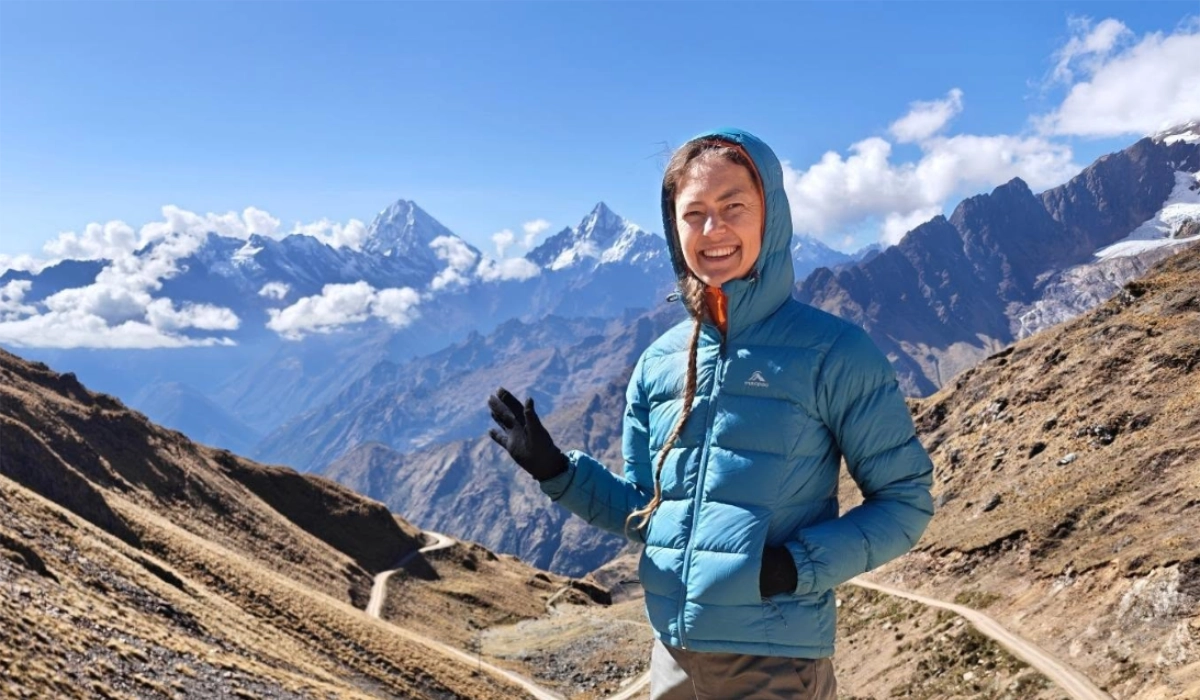
Published 2-day Inca Trail prices in the reviewed group tours range from US$580 to US$595 per person. These are hotel-based packages, with the main trail hike on the first day and a guided Machu Picchu visit on the second.
The shorter duration does not reduce the price in direct proportion to the number of days. The package still needs trail admission, guiding, the train to the Km 104 trailhead, an overnight stay, and return transportation. Check whether a private room costs extra and which meals are included.
How Much the Classic 4-Day Inca Trail Costs
The reviewed Classic 4-day shared departures list adult prices of US$820–$950 per person. The additional cost pays for a longer guided trek, three camping nights, trail meals, and the work of cooks and porters.
Compare the two routes within the same operator when possible. For example, one reviewed operator lists US$595 for its short tour and US$950 for its Classic trek, a difference of US$355 per person. That comparison is more useful than comparing a short shared tour with a private luxury departure.
What to Check in the Tour Price
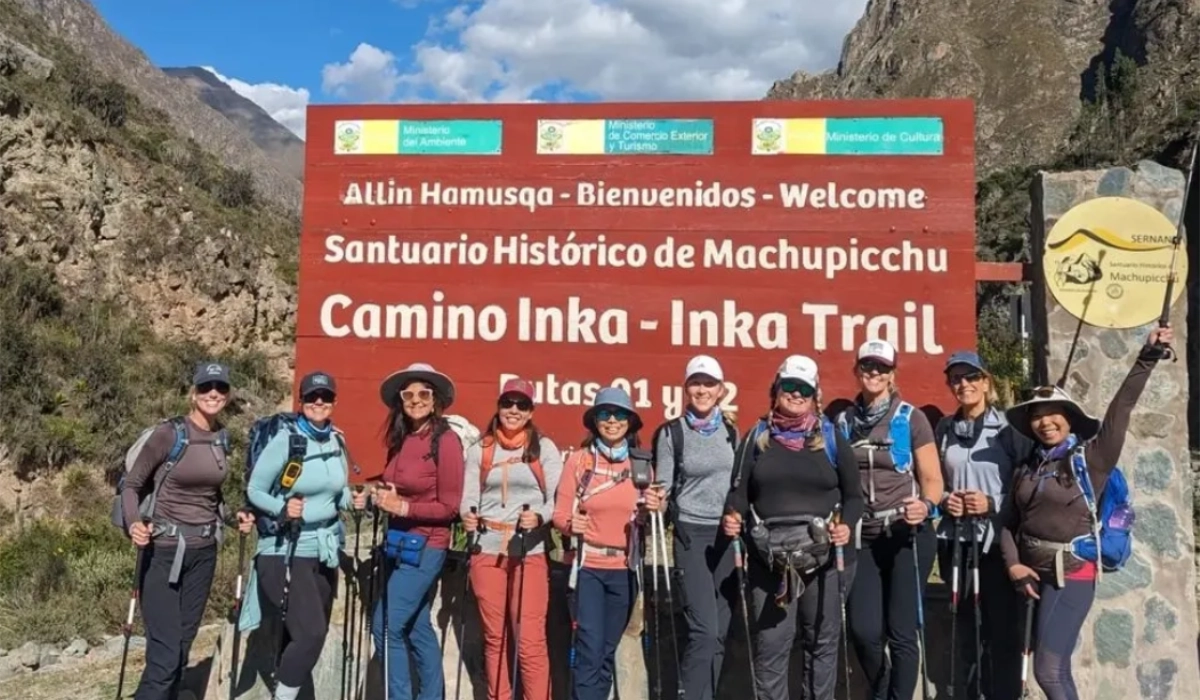
A useful Inca Trail quote identifies the admission, staffing, accommodation, meals, and transportation included in the price. Get those details in writing before treating two advertised rates as equivalent.
Inca Trail Permits and Machu Picchu Admission
Your quote should explicitly cover the authorized Inca Trail admission and the Machu Picchu visit arranged for your itinerary. Access to the trail is organized through authorized agencies with official guides; a Machu Picchu admission ticket by itself does not cover the guided trekking package.
Confirm the trail start date and the Machu Picchu visit date, circuit, and entry time. For a 2-day tour, ask how the trail arrival and the following day's visit are ticketed. An additional circuit or mountain hike may require a separate ticket, so avoid adding admission charges to your budget twice when they are already included.
Guides, Meals, Camping, and Porter Support
For the Classic trek, distinguish porters carrying communal equipment from the allowance for your personal belongings. A package can include camping support while charging separately for a personal duffel allowance.
- Confirm the guide arrangements and maximum group size.
- Request a meal count, including the first breakfast and final lunch.
- Check tent occupancy, sleeping pads, and bathroom arrangements.
- Ask how many kilograms of personal gear are included and whether sleeping equipment counts toward that allowance.
A tent being included does not automatically include a sleeping bag or an inflatable mattress. Those differences matter when comparing the final Inca Trail cost.
Train Tickets, Transfers, and Hotel Nights
Transportation should be described by journey and service category. For the short route, check the outbound train to Km 104 and the return train; for the Classic route, confirm the road transfer to the trailhead and the return journey after Machu Picchu.
Also check bus tickets between Machu Picchu and Aguas Calientes, the transfer from the return station to your hotel, and any pickup restrictions. A hotel-based short tour includes an overnight stay, but hotels in Cusco before and after the trek may sit outside the package.
How Private Inca Trail Pricing Works
A private Inca Trail departure distributes the cost of dedicated staff and logistics among the people in your party. The price per person therefore changes with group size, even when the itinerary stays the same.
How Group Size Affects the Price Per Person
Larger private parties can share more of the operating cost. One reviewed operator's published Classic 4-day private rates illustrate the difference:
| Travelers booking together | Price per person | Total for the party |
|---|---|---|
| 2 travelers | US$1,498 | US$2,996 |
| 4 travelers | US$1,150 | US$4,600 |
| 8 travelers | US$850 | US$6,800 |
These figures show one operator's pricing model, rather than a universal tariff. Ask whether your rate depends on a minimum number of paying travelers and whether it would change if someone in your party cancels.
Dedicated Guides and Services for Your Group
A private departure reserves the specified guiding and support arrangements for your party. The quote should identify which services are dedicated to you, including the guide, transfers, and, for camping treks, the cooking and porter team.
Clarify the difference between a private departure and private sleeping arrangements. A private tent or hotel room on a shared tour does not establish that the guiding service is private. Your itinerary also remains subject to authorized access, campsite arrangements, and permit availability.
What You Pay for on a Luxury Inca Trail Tour
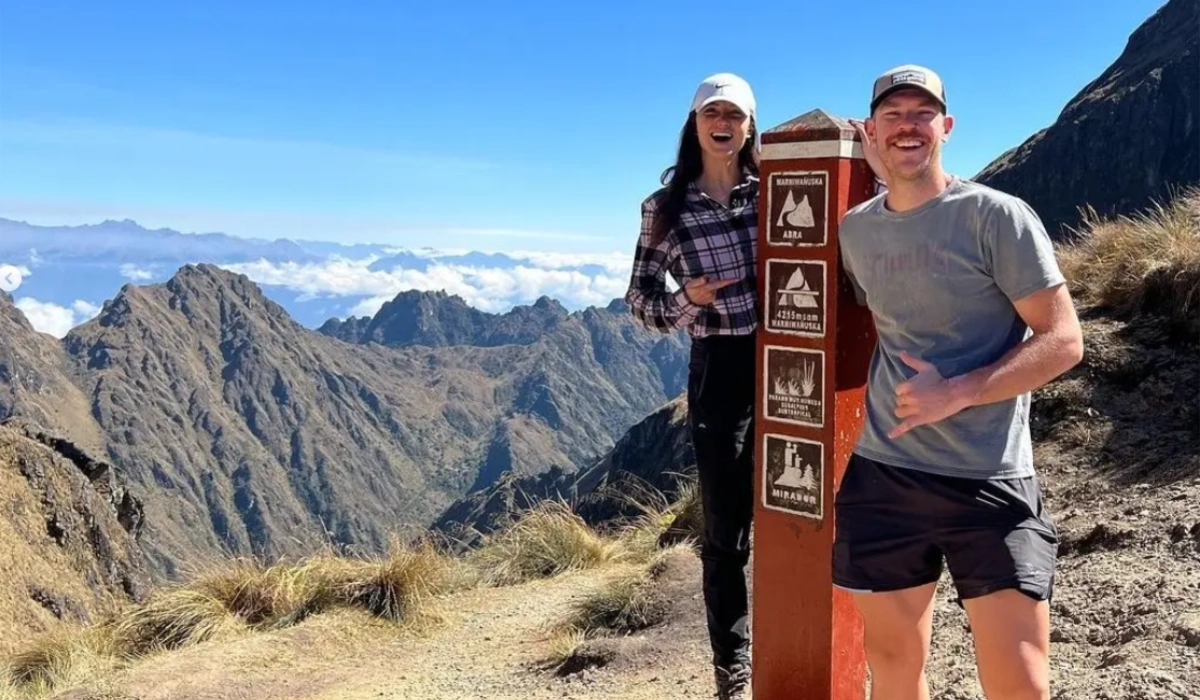
Luxury Inca Trail tours add comfort and personalized service to the organized trek. As a reference, one reviewed private luxury operator lists US$1,250 per person for its 2-day tour and US$1,980 for its 4-day tour when two travelers book together.
Private describes who shares the service; luxury describes the accommodation, equipment, dining, and support standards. Compare those specifications rather than relying on the package label.
Upgraded Camping, Dining, and On-Trail Support
On a luxury camping trek, the added price can cover more elaborate sleeping arrangements, a larger service team, and upgraded dining. Request concrete details about:
- Sleeping space, bedding, and tent occupancy.
- Toilet facilities and any shower arrangements.
- Meal service, dietary planning, and drinks.
- Personal luggage allowance and any additional support staff.
Some published packages advertise showers or massage services, but availability and inclusions vary. An advertised upgrade should appear in your written itinerary before you include it in the value comparison.
Hotel and Train Choices That Change the Total
Hotel category and train service can substantially change the price of a luxury Inca Trail tour, especially on the hotel-based short route. Confirm the property, room category, occupancy, and number of nights.
For a classic camping itinerary, identify whether any hotel stay is an extension before or after the trek. Ask for the exact train service in each direction and whether a panoramic or luxury train is included or offered as an upgrade. A room supplement and a rail upgrade are separate charges unless the quote combines them.
Additional Expenses to Confirm Before Booking
The main additional expenses to check are personal equipment rentals, extra porter support, discretionary tips, and optional mountain tickets. Add only the services missing from your chosen package.
Equipment Rentals and Extra Porter Services
Published Classic-route rental examples range from US$20–$30 for a sleeping bag and US$20–$25 for a pair of trekking poles. These are operator examples, so confirm whether your charge covers the full trek or is calculated per day.
Extra porter support needs its own quote if your included personal allowance is insufficient. Confirm the additional weight, the duration covered, and whether the price is per traveler or shared. For a hotel-based short tour, ask how overnight luggage is handled; the camping crew arrangements of the Classic trek may not apply.
Tips for Guides, Cooks, and Porters
Tips are discretionary and are commonly separate from the tour price. Request guidance that distinguishes the amount contributed by each traveler from the total distributed by the group.
For example, one operator's published Classic-route guidance suggests a pooled amount of S/60–S/80 for each porter and S/150 for the chef. Those are amounts each staff member receives from the group's pool, rather than a separate payment from every hiker. Guide tips are addressed separately.
Ask for a suggested total per traveler based on your actual crew and group size, together with the preferred currency. There is no need to assume a US restaurant-style percentage applies to every trekking package.
Optional Mountain Hikes at Machu Picchu
Huayna Picchu and Machu Picchu Mountain require the appropriate additional admission when they are outside your booked itinerary. Reviewed operators advertise examples around US$75 per person; this is an operator add-on price, not a universal government surcharge.
Ask whether the amount covers the required ticket, any replacement admission, guiding, and schedule adjustments. Your agency should confirm ticket availability and compatibility with your Machu Picchu visit and return train before adding the hike to your bill.
How to Compare Inca Trail Quotes Fairly
Compare the Inca Trail price per person using the same itinerary, party size, and service level. An advertised starting price becomes useful only after the required services and payment conditions are clear.
Checking Whether the Price Is Per Person or Per Group
A price marked “per person” applies to each traveler, even when the rate depends on two or more people booking together. For example, US$1,250 per person for two travelers means a party total of US$2,500 before any excluded extras.
Request both the individual price and the total reservation amount. Check the currency, taxes, minimum party size, and any single-room or private-tent supplement.
Comparing the Same Route, Duration, and Service Level
Compare a 2-day hotel-based tour with another 2-day hotel-based tour, and a Classic 4-day shared trek with another shared departure. Then match the features that affect the bill:
- Trail admission and the specified Machu Picchu visit.
- Guide arrangements and maximum group size.
- Meals, accommodation, and camping equipment.
- Personal porter allowance and necessary rentals.
- Train categories, bus tickets, and road transfers.
When comparing how much it costs to hike to Machu Picchu, identify the route and services first. A short Inca Trail package, a private camping trek, and a longer Peru vacation cover different experiences, even when each includes a Machu Picchu visit.
Reviewing Deposits, Payment Fees, and Cancellation Terms
A deposit normally forms part of the tour price. For illustration, a US$300 deposit toward a US$950 tour leaves a US$650 balance. If a 5% processing fee applies to that balance, it adds US$32.50; confirm which payments attract a fee before calculating your total.
Review the final-payment deadline, cancellation charges, and treatment of already purchased admissions and transport. Inca Trail tickets are issued for a named traveler and specified access; restrictions on changes and refunds can affect how much of a canceled booking is recoverable.
Before paying, request one written total showing the tour price, selected extras, applicable fees, and remaining balance, together with the cancellation terms. Keep a separate allowance for discretionary tips and personal expenses.