

 ES
ES
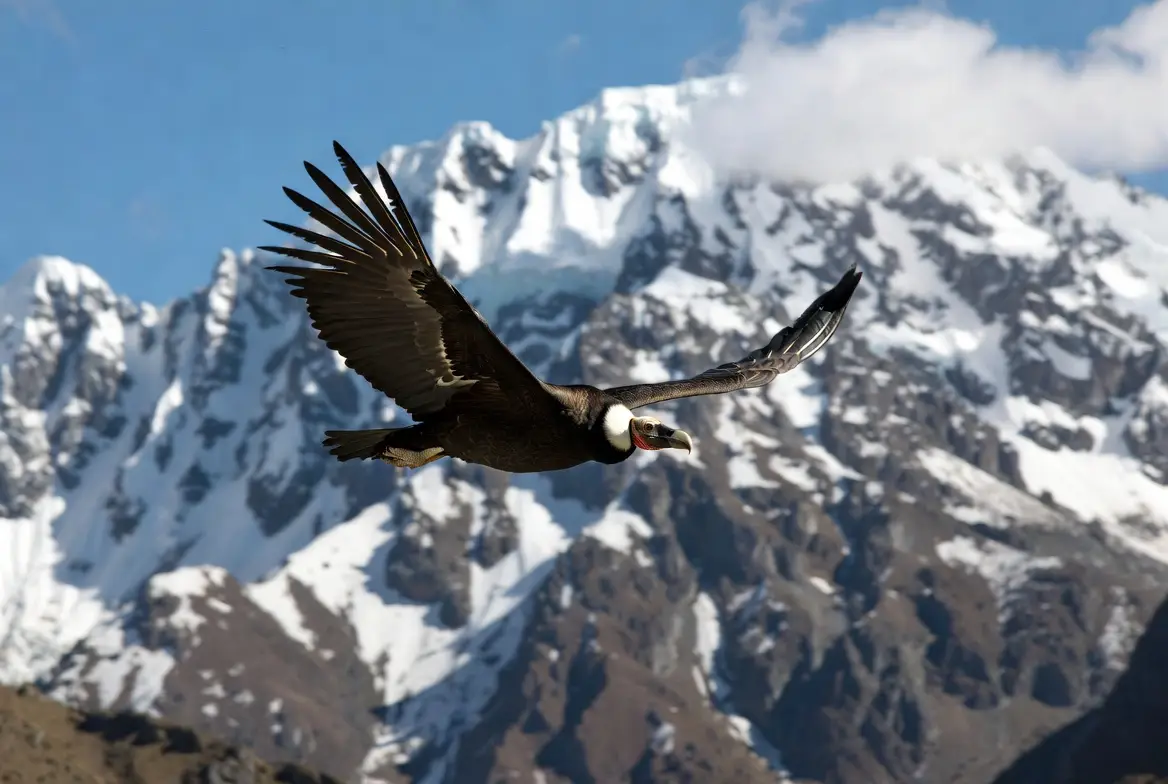
Andean Condor: Habitat, Size, Diet, Fun Facts & Cultural Significance
The Andean condor is one of the most magnificent birds in South America and a powerful symbol of the Andes. Famous for its enormous wingspan, effortless soaring flight, and cultural importance, this giant scavenger has fascinated travelers, birdwatchers, and researchers for centuries. From the towering peaks of Peru to the rugged cliffs of Patagonia, the Andean condor dominates the skies while playing a vital role in maintaining healthy mountain ecosystems.
Whether you're exploring the Sacred Valley, hiking the Ausangate Trek, or visiting Peru's high-altitude landscapes, spotting an Andean condor in flight is one of the most unforgettable wildlife experiences in the Andes. Understanding its behavior, habitat, and ecological importance makes the encounter even more meaningful.
Table of Contents
- Getting Into the Size Details
- Making Themselves at Home Up High
- What They Chow Down On
- Stacking Up Andean Condor vs California Condor
- Myths That Stick Around
- Cool Bits to Chew On
- Why Is the Andean Condor Important to the Ecosystem?
- Conclusion
- FAQ
- Does Andean condor, the largest flying bird in the world, hold?
- Where does Andean condor habitat lie?
- How tall in Andean condor height?
- What fills Andean condor diet?
- What sets Andean condor vs California condor apart looks-wise?
- A key Andean condor’s leyend?
Getting Into the Size Details
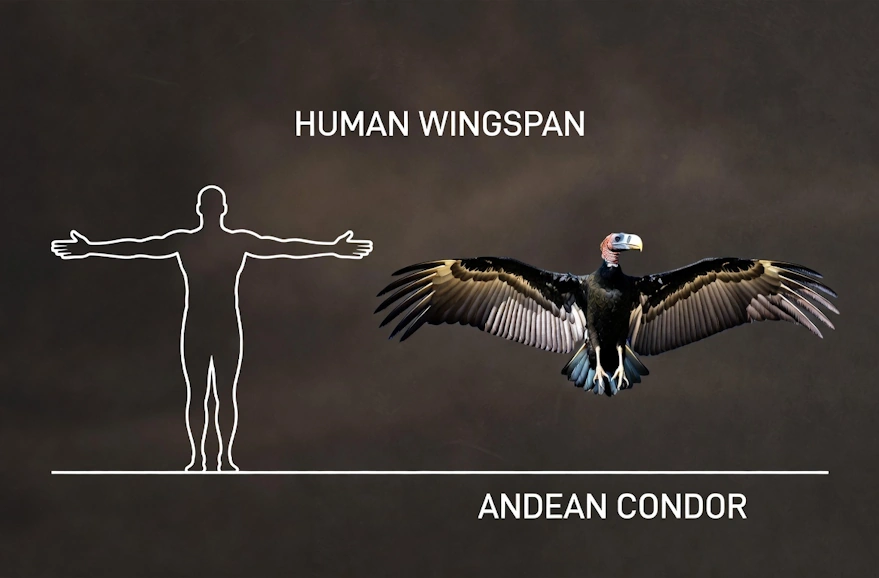
When you get a grip on the size of Andean condor, the stats pack a punch. Males pile on as much as 33 pounds, while their wings reach out 10 to 12 feet from end to end. That reach tops plenty of small planes, helping them catch lifts on rising warm air for hours without bothering to flap.
These creatures skip building bulky muscles for quick bursts like hawks do. Nature went for hollow bones and those huge wings to keep gliding smooth over long hauls. Females come in smaller, yet they still turn heads. It is almost cheeky how something so hefty pulls off floating like that, as if physics took a coffee break.
You may puzzle over their rank among birds. The Andean condor, the largest flying bird in the world, sticks due to that wing reach, even if albatrosses sneak ahead overseas. Up in the Andes, no one comes close.
Making Themselves at Home Up High
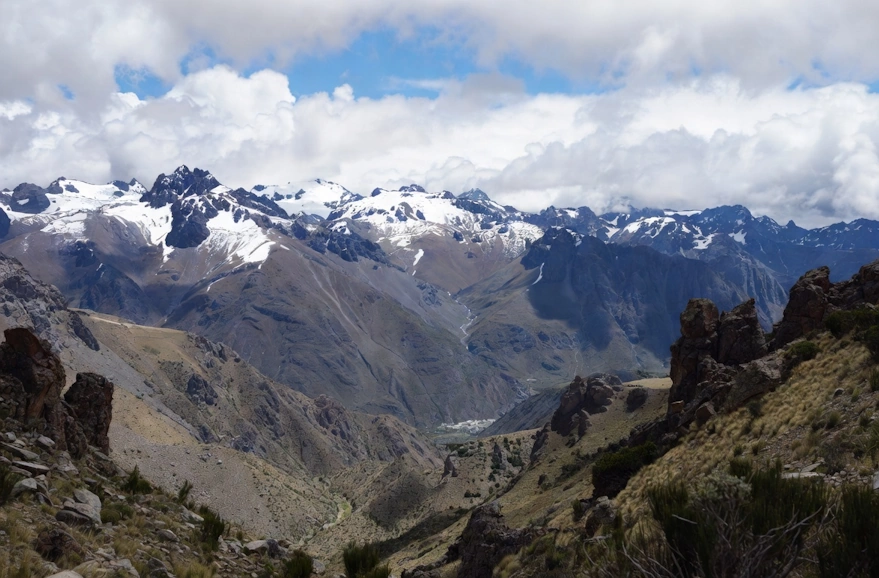
The Andean condor habitat covers the whole Andes range, from Venezuela’s northern edge down to the tip of Tierra del Fuego. You’ll find them roosting on cliff faces over 16,000 feet up, where the air thins and the views go on forever. Open plains and high meadows work best for scouting food, while craggy ledges make solid nests.
Peru and Chile coasts draw in flocks that pick through beach leftovers. It blows your mind how they switch from frozen summits to arid flats without missing a beat. People pushing in have squeezed spots, but protection schemes keep numbers from dropping off.
Think about a condor shoving off a ledge at first light, spiraling up on hidden updrafts. That sums up their everyday grind in these tough yet stunning spots.
What They Chow Down On
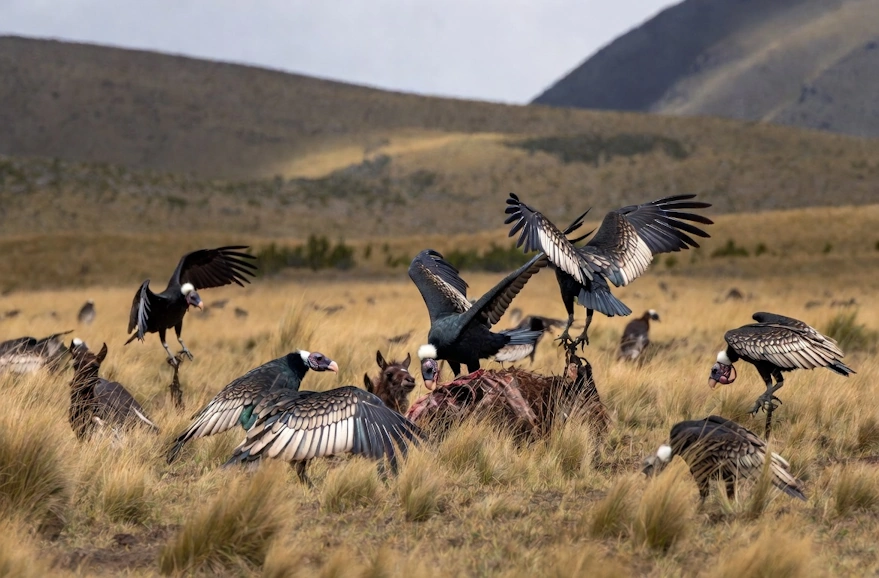
Scavengers at heart, they zero in on dead animals for the Andean condor diet. They tear into fallen llamas, deer, cows, or sea creatures tossed ashore. Eyes sharp as knives pick out dinner from miles up, then they wheel down once bigger threats clear out.
Live kills happen now and then, mostly on the young or sickly. A bunch may crowd a big carcass, with top males digging in first. It gets messy, sure, but it tidies the wild. Neat twist: bare heads stay clean from germs when they plunge into decay.
They snatch eggs from nests on rare occasions. All in all, they hold the ecosystem steady.
Stacking Up Andean Condor vs California Condor
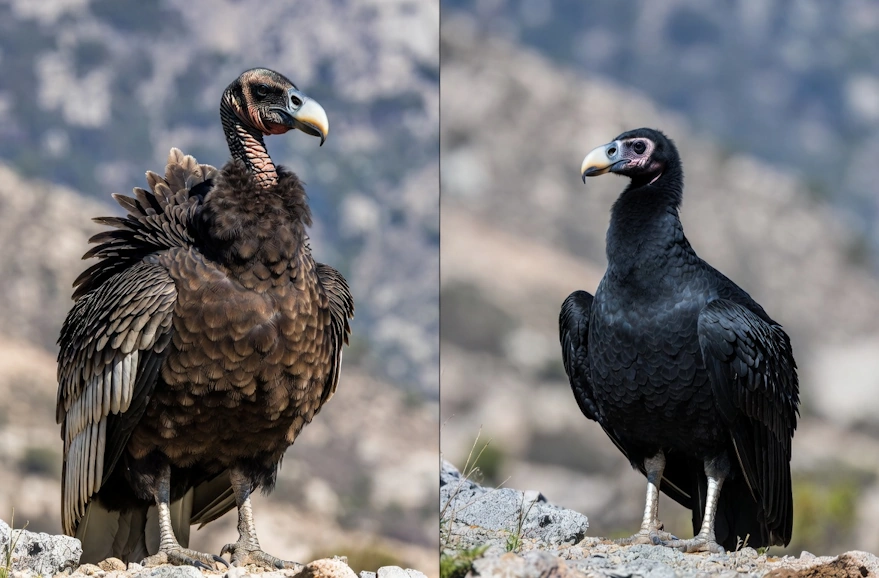
Folks often muddle the Andean condor vs California condor, but close looks clear things up. Andeans sport a white neck band and bulk larger overall. Californians skip the ruff, tip scales at 20 to 25 pounds lighter.
Both teeter near extinction risks, yet Andeans hold steady with broader turf. Californians almost winked out in the eighties, pulled back by breeding programs. Wings match close, but Andeans snag the crown.
|
Aspect |
Andean Condor |
California Condor |
|
Wingspan |
10-12 feet |
9-10 feet |
|
Weight |
Up to 33 lbs |
Up to 25 lbs |
|
Habitat |
Andes mountains, coasts |
Southwest US, Baja |
|
Neck |
White ruff |
Bare, orange head |
|
Population |
Several thousand |
Around 500 |
They are like families with different paths, each tuned to their patch.
Myths That Stick Around
The Andean condor’s leyend digs deep into native South American tales. Incas cast it as ruler of the upper realm, ferrying spirits or relaying divine notes. Dances at festivals mimic its flight, pumping up ideas of might.
Today echoes carry on. Some yarns swear they hit a century plus, though labs say 70 tops in cages. Stories bump against truth in fun ways.
Cool Bits to Chew On
Grab these fun facts about Andean condor that linger:
-
They cover 150 miles daily sans meals.
-
Hearts slow way down mid-glide to save juice.
-
Kids tag along parents for two years, picking up tricks.
-
Heads flush red when riled or thrilled.
-
Among longest livers, zoo ones push past 100.
Why Is the Andean Condor Important to the Ecosystem?
The Andean condor plays an essential role in maintaining healthy ecosystems by removing animal carcasses before harmful bacteria and diseases spread. This natural cleaning process benefits wildlife, livestock, and local communities. Because condors sit at the top of the scavenger food chain, their population also serves as an important indicator of environmental health throughout the Andes.

Conclusion
The Andean condor is far more than one of the world's largest flying birds. It represents the spirit of the Andes, the rich cultural heritage of South America, and the importance of protecting fragile mountain ecosystems. Whether you hope to photograph one soaring above Colca Canyon or encounter it during an Andean trekking adventure, witnessing an Andean condor in the wild is an unforgettable experience that highlights Peru's extraordinary biodiversity.
At Qoricancha Expeditions, we are passionate about creating authentic travel experiences that connect you with Peru's remarkable wildlife, landscapes, and cultural traditions. Join us to discover the majesty of the Andean condor and explore the breathtaking beauty of the Andes with knowledgeable local guides who are committed to responsible and sustainable tourism.
FAQ
Does Andean condor, the largest flying bird in the world, hold?
-
Yep, blending span and heft for land dwellers.
Where does Andean condor habitat lie?
-
Andes spine, cliffs to shores across South America.
How tall in Andean condor height?
-
Three to four feet grounded.
What fills Andean condor diet?
-
Carrion heavy, mammals big, eggs or frail live now and then.
What sets Andean condor vs California condor apart looks-wise?
-
White ruff on Andeans; bare orange, slimmer Californians.
A key Andean condor’s leyend?
-
Inca courier of souls to skies.