

 ES
ES
Alpaca vs Llama vs Vicuña: Key Differences, History, Habitat & How to Identify Them
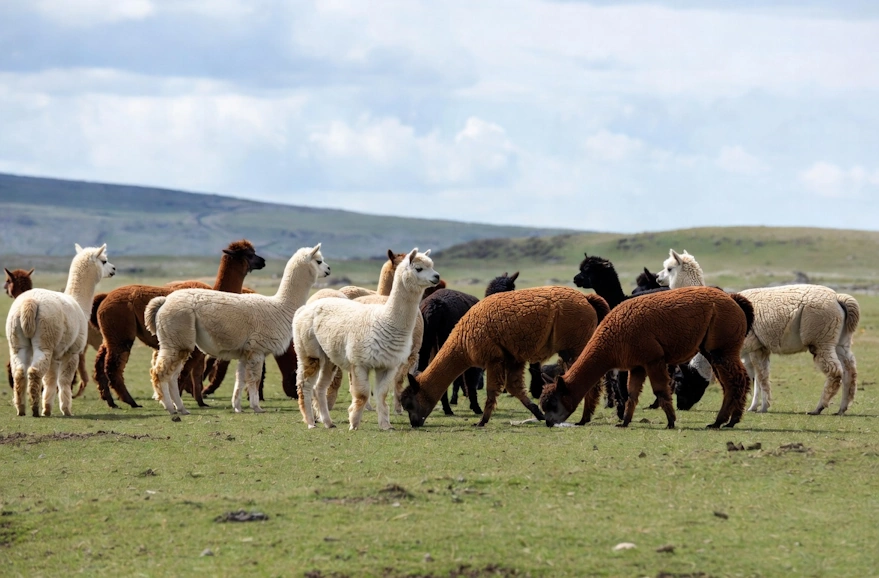
Alpaca, llama, and vicuña are among the most recognizable camelids in the Peruvian Andes, yet many travelers struggle to tell them apart. Although they belong to the same family, each species has unique physical characteristics, behavior, habitat, and historical importance. This guide explains the differences between alpacas, llamas, and vicuñas, their origins, uses, and the best places to see them in Peru, helping you identify each animal with confidence during your Andean adventure.
Understanding the differences between these Andean camelids is especially useful if you plan to visit Cusco, the Sacred Valley, Rainbow Mountain, or the Inca Trail. These destinations are home to llamas, alpacas, and, in some protected areas, wild vicuñas, giving visitors the opportunity to observe them in their natural environment while learning about their importance in Peruvian culture.
Table of Contents
- What Are Llamas, Alpacas, and Vicuñas?
- Evolutionary History of Llamas, Alpacas, and Vicuñas
- Origin of These Andean Camelids
- Domestication of Llamas and Alpacas
- The Presence of Llamas, Alpacas, and Vicuñas in the Inca Period
- The Presence of Llamas, Alpacas, and Vicuñas During the Colonial Era
- The Presence of Llamas, Alpacas, and Vicuñas in the Present Day
- Main Differences Between Llamas, Alpacas, and Vicuñas
- Learning these differences helps travelers appreciate the important ecological and cultural role each camelid plays throughout the Peruvian Andes.
- Tour to Meet Llamas, Alpacas, and Vicuñas
- Recommended Places to See Llamas in Cusco
- Cusco as the Best Destination to Find Alpacas
- Places in Peru to Observe Vicuñas in the Wild
- FAQs
- 1. Which camelid is best for carrying heavy loads?
- 2. Can you see llamas, alpacas, and vicuñas on the same trip?
- 3. Why choose Qoricancha Expeditions for wildlife experiences in Peru?
- 4. Which camelid produces the finest wool?
- 5. Are alpacas, llamas, and vicuñas found only in Peru?
- 6. Can Qoricancha Expeditions help travelers see wild vicuñas?
- 7. Why is it important to know the difference between alpacas, llamas, and vicuñas?
What Are Llamas, Alpacas, and Vicuñas?
Llamas, alpacas, vicuñas, and guanacos belong to the South American camelid family. While llamas and alpacas were domesticated thousands of years ago, vicuñas and guanacos remain wild species. These animals are perfectly adapted to life at high altitude, where thin air, freezing temperatures, and rugged landscapes make survival difficult for most mammals.
For centuries, Andean communities have relied on these camelids for transportation, clothing, food, and cultural traditions. Today, they continue to play an essential role in Peru's economy, conservation programs, and sustainable tourism.
Evolutionary History of Llamas, Alpacas, and Vicuñas
Mitochondrial DNA clocks the guanaco llama split at roughly 1.5 million years ago, while vicuña alpaca divergence trails by another million (Marín et al., 2017). Early herders near Lake Titicaca didn’t wait long; cave middens at Telarmachay dated 6,000 to 7,000 years old contain fetal and neonatal alpaca bones, clear signs of controlled breeding long before the Inca even dreamed of empire (Kadwell et al., 2001). Genetic markers still show alpacas carry 85 percent vicuña ancestry, but selective pressure shaved fiber diameter and shrunk body size in just a few thousand generations.
Origin of These Andean Camelids
The puna ecosystem sits above 3,800 meters, short bunchgrasses, nightly freezes to minus 15 °C, solar radiation that blisters unprotected skin in minutes. Vicuña hemoglobin has a higher oxygen affinity curve, binding 20 percent more O₂ per molecule than llama blood at the same altitude (Picard et al., 2013). All three species produce glycoprotein antifreezes in their plasma; lab tests confirm these proteins inhibit ice crystal growth down to minus 10 °C, keeping capillaries open when lowland mammals would clot (Wheeler, 1995).
The Peruvian Andes provide one of the harshest environments in South America. Despite freezing nights, intense sunlight, and low oxygen levels, these camelids have evolved thick coats, efficient respiratory systems, and exceptional endurance, allowing them to thrive where few other large mammals can survive.
Domestication of Llamas and Alpacas
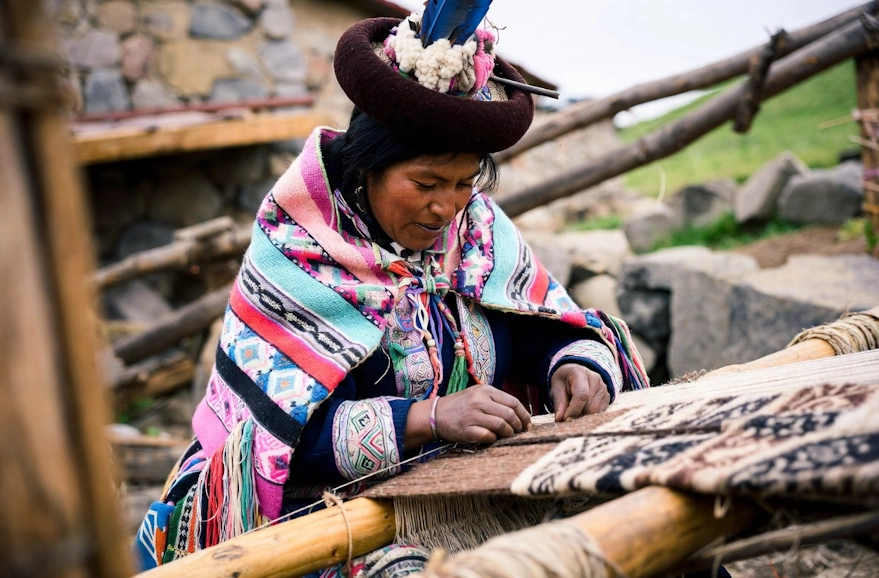
Telarmachay rockshelter in Peru’s Junín region yields the oldest hard evidence: stone walled corrals and llama coprolites radiocarbon dated to 4,400 BCE (Wheeler, 1995). By 3,500 years ago, Paracas Peninsula textiles woven from alpaca fiber average 19 µm, already finer than wild vicuña’s 13 µm baseline, proving deliberate selection for softness over two millennia (Antonini, 2010). Herders tracked 22 natural color morphs; modern registries still recognize the same palette.
The Presence of Llamas, Alpacas, and Vicuñas in the Inca Period
Chronicler Garcilaso de la Vega (1609) described weekly caravans of 1,000 llamas unloading 40 tons of maize, salt, and coca in Cusco’s Haucaypata plaza. Quipu knot records, deciphered in the 1920s, logged herd sizes by ayllu and valley, down to individual sires. Vicuña fleece remained a state monopoly; royal wardrobes held garments weighing less than 200 grams yet warmer than sheep wool twice the mass.
The Presence of Llamas, Alpacas, and Vicuñas During the Colonial Era
Viceroy Francisco de Toledo’s 1572 census tallied only 30 percent of pre-conquest camelid numbers. Unregulated hunting pushed vicuñas from an estimated 2 million to fewer than 5,000 by 1965 (Sahley et al., 2007). Spanish encomiendas cross bred indiscriminately, muddying bloodlines until 19th century hacienda records show “mixed” herds outnumbering pure alpacas three to one.
The Presence of Llamas, Alpacas, and Vicuñas in the Present Day
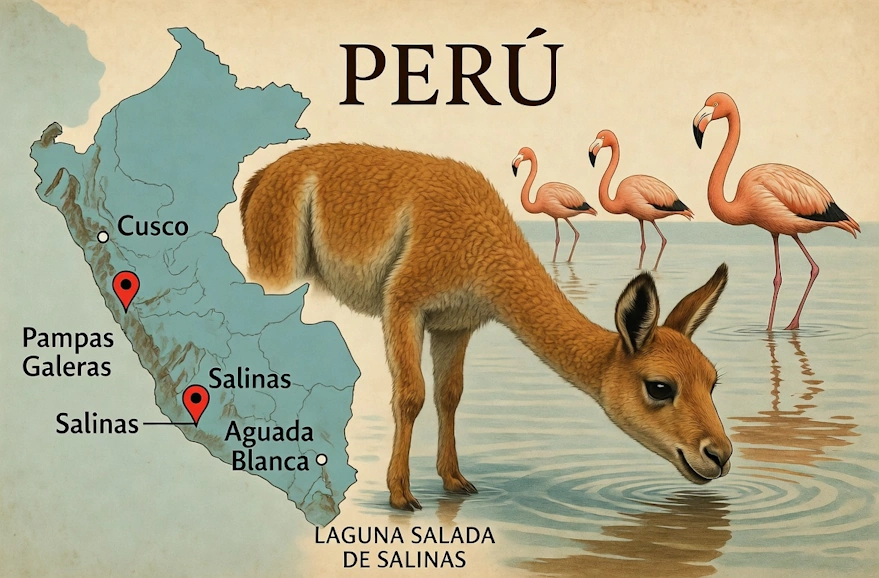
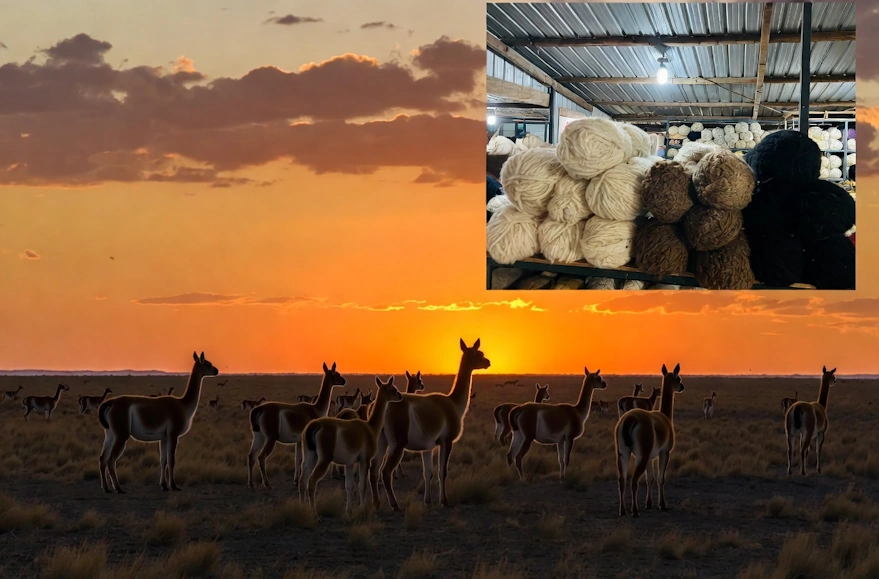
Peru’s 2022 National Vicuña Census counted 208,000 animals, up 400 percent since the 1970 ban. Communal chakus in Pampas Galeras shear 150 to 200 grams per vicuña, release the same day, and split roughly $2 million across 48 villages. Alpaca farm co-ops exported 4,000 metric tons of tops in 2023, 60 percent graded baby alpaca under 22 µm. Llama trekking on the Inca Trail employs 3,500 animals annually, each certified to carry 20 kg for four days without spinal stress (Ministerio de Desarrollo Agrario y Riego, 2023).
Main Differences Between Llamas, Alpacas, and Vicuñas
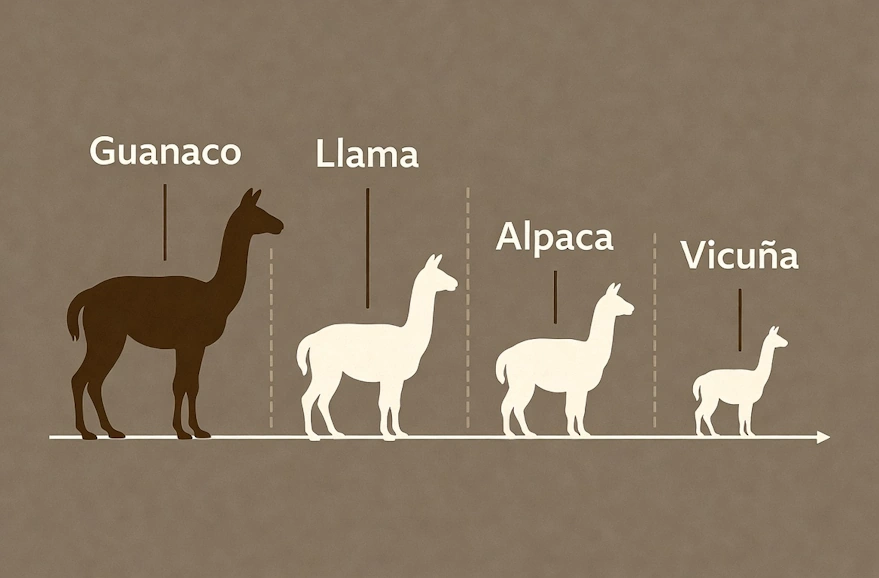
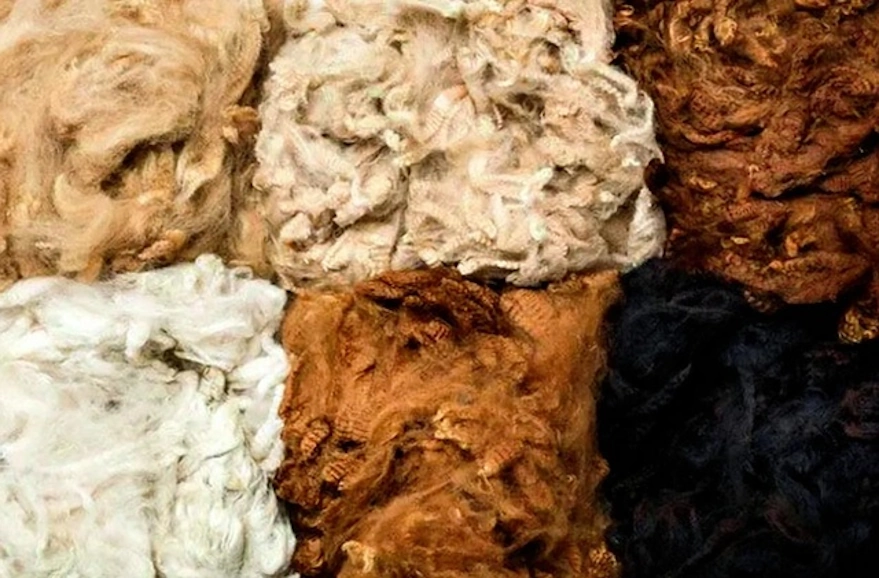
Put them in a police lineup. Llamas hit eye level with a basketball player. Alpacas look like they’re wearing their own pillow. Vicuñas could duck under a coffee table. Ears are the dead giveaway, llama commas, alpaca exclamation points, vicuña periods. Touch the fleece and the argument ends: vicuña melts, alpaca sighs, llama itches.
Character is where the real drama lives. Llamas spit with sniper precision and moonlight as livestock bouncers. Alpacas hum like they’re meditating and move in synchronized fluff. Vicuñas treat every leaf like a landmine and disappear at forty miles an hour. Thousands of years of human cuddles chilled the first two. The third still thinks we’re the help.
|
Feature |
Llama |
Alpaca |
Vicuña |
|
Shoulder height |
110–130 cm |
80–100 cm |
75–90 cm |
|
Weight |
130–200 kg |
50–85 kg |
35–65 kg |
|
Fiber |
25–40 µm |
18–25 µm |
12–13 µm |
|
Ears |
Curved |
Straight |
Triangular |
|
Herd Style |
Loose |
Family |
Territorial pairs |
|
Job |
Haul |
Spin |
Run |
Learning these differences helps travelers appreciate the important ecological and cultural role each camelid plays throughout the Peruvian Andes.
Tour to Meet Llamas, Alpacas, and Vicuñas
Close the laptop. Cusco is the front door. Street corners smell like fresh alpaca clothing and chimney smoke. One valley later and the city is a postcard you left in the rearview.
Recommended Places to See Llamas in Cusco
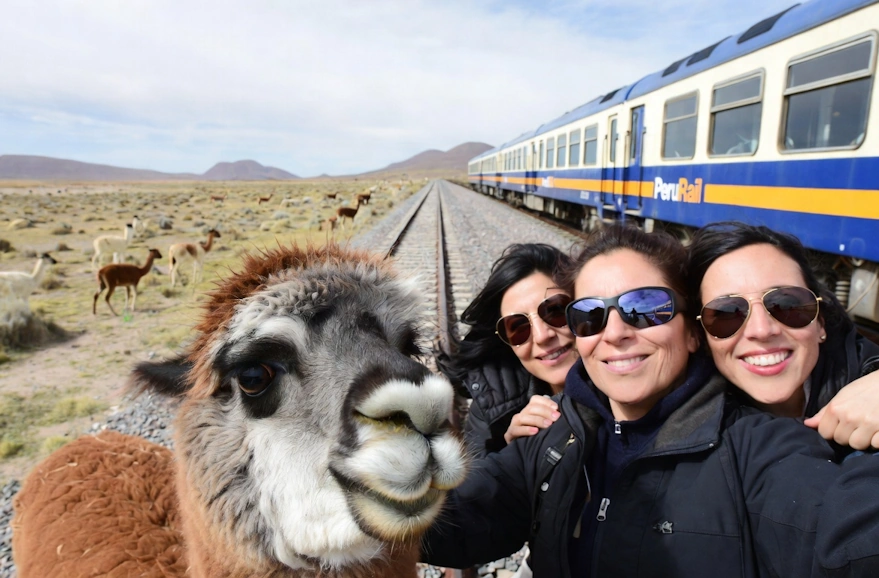
Sacsayhuamán at sunrise, llamas on rental leashes, kids negotiating carrot rates. Inca Trail porters still swear the animals remember the route from the 1500s.
Cusco as the Best Destination to Find Alpacas
Awana Kancha is half petting zoo, half master class. Drop the alpaca farm near me search; you’re already there, fingers tangled in humming fleece while dye pots bubble nearby.
Places in Peru to Observe Vicuñas in the Wild
Pampas Galeras before coffee, thousands of vicuñas flowing like liquid gold across the plain. Salinas salt flats at lunch, herds tiptoeing to mineral water while flamingos play paparazzi.
I lost a sandwich to a llama once. An alpaca sneezed on my shoe. Vicuñas left only dust and a faster heartbeat. The mountains don’t give refunds.
FAQs
1. Which camelid is best for carrying heavy loads?
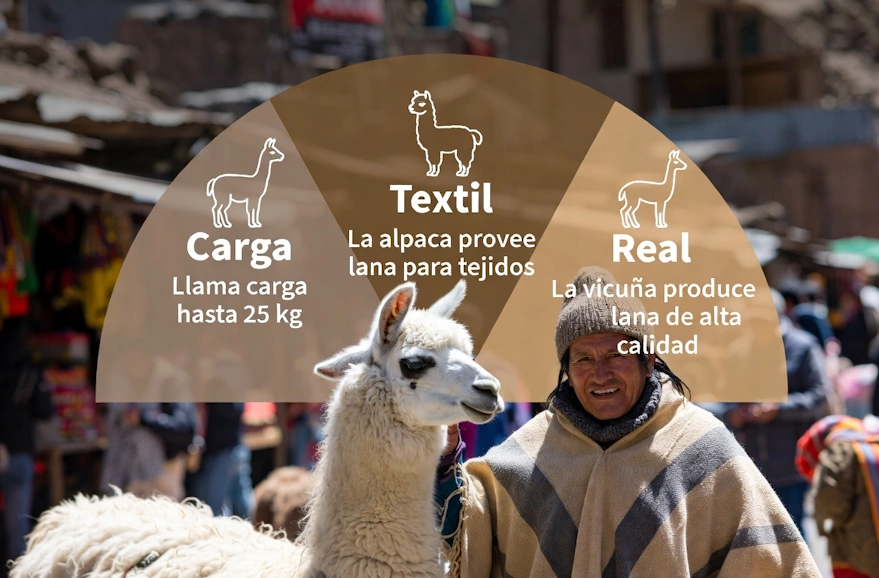
Llamas are the traditional pack animals of the Andes and can comfortably carry loads over long mountain trails, unlike alpacas and vicuñas.
2. Can you see llamas, alpacas, and vicuñas on the same trip?
Yes. Many Peru itineraries include places where you can see all three species, although vicuñas are usually found only in protected high-altitude reserves.
3. Why choose Qoricancha Expeditions for wildlife experiences in Peru?
Qoricancha Expeditions offers guided tours that combine Andean wildlife, local culture, and iconic destinations, helping travelers identify native camelids in their natural habitats.
4. Which camelid produces the finest wool?
The vicuña produces the finest and most valuable natural fiber in the world, making its fleece highly prized and carefully protected.
5. Are alpacas, llamas, and vicuñas found only in Peru?
No. They also live in Bolivia, Chile, Argentina, and Ecuador, but Peru has the largest populations of alpacas and protected vicuñas.
6. Can Qoricancha Expeditions help travelers see wild vicuñas?
Yes. Qoricancha Expeditions can include destinations where visitors have the opportunity to observe wild vicuñas while exploring Peru’s breathtaking Andean landscapes.
7. Why is it important to know the difference between alpacas, llamas, and vicuñas?
Knowing their differences helps travelers better understand Andean culture, local traditions, wildlife conservation, and the historical role each camelid has played in Peru for thousands of years.