

Training Plan for the Inca Trail to Machu Picchu in Peru
If you’re planning a trip to Peru Inca Trail, a structured 12-week Inca Trail training plan will get you physically ready to handle steep climbs, high altitude, and 4+ days of continuous hiking so you can enjoy every step of the journey to Machu Picchu instead of struggling through fatigue and soreness.
Many travelers who are planning an Inca Trail trek underestimate how demanding this route really is. The 26-mile trail includes more than 10,000 feet of elevation gain, uneven stone paths, and high passes that top out over 13,800 feet, which is why a casual weekend hiker will quickly hit their limits without targeted preparation. This guide walks you through every part of building a realistic training plan for Inca Trail success, so you can check off every item on your Inca Trail checklist long before you step foot on the ancient stone paths.
Table of Contents
- How Long in Advance Should You Start an Inca Trail Training Plan?
- How Many Weeks Do You Need to Train for the Inca Trail?
- Can You Prepare for the Inca Trail in 4 Weeks?
- What Should an Inca Trail Training Plan Include?
- How to Build Endurance for the Inca Trail
- What Exercises Strengthen Your Legs for the Inca Trail?
- Which Cardio Exercises Are Best for the Inca Trail?
- Which Balance and Mobility Exercises Should You Do?
- What Is the Best Inca Trail Fitness Plan for Beginners?
- How Many Days a Week Should You Train?
- How Hard Should Your Training Be?
- How Much Rest Do You Need Between Training Sessions?
- How to Train for the Inca Trail's Uphill and Downhill Sections?
- How to Prepare for Steep Uphill Hiking
- How to Prepare for Long Descents
- What Should an Inca Trail Hike Training Plan Look Like?
- 12 Weeks Before the Inca Trail
- 8 Weeks Before the Inca Trail
- 4 Weeks Before the Inca Trail
- Final Week Before the Inca Trail
- What Are the Most Common Inca Trail Training Mistakes?
- Starting Your Training Too Late
- Training Only on Flat Terrain
- Ignoring Strength and Downhill Training
- Not Allowing Enough Recovery
- How Do You Know If Your Inca Trail Training Is Working?
- Signs You Are Becoming Trek-Ready
- What Should You Be Able to Do Before the Trek?
How Long in Advance Should You Start an Inca Trail Training Plan?
If you are planning to hike the Inca Trail, starting your preparation early is the single biggest factor that will make your trek feel manageable rather than miserable. Rushing your training in the final weeks before departure is one of the top reasons people end up exhausted, injured, or unable to finish the full route.
How Many Weeks Do You Need to Train for the Inca Trail?
For most people with a basic level of everyday activity, a 12-week Inca Trail hike training plan is the sweet spot. This timeline gives you enough room to gradually build endurance, strengthen underused muscles, and get comfortable with steep elevation changes without pushing your body past its breaking point. This pace also works perfectly alongside your regular work and personal schedule, so you don’t have to rearrange your entire life just to get ready for the trek.
Can You Prepare for the Inca Trail in 4 Weeks?
It is possible to make small fitness gains in 4 weeks, but it is not enough time to safely build the full endurance and leg strength you need for the full 4-day route. If you only have 4 weeks before your departure, focus all your time on back-to-back long walks, stair climbing, and downhill practice to minimize soreness, but adjust your expectations for how far you can comfortably hike each day. Anyone planning an Inca Trail trek should aim for the full 12-week window whenever possible to avoid unnecessary risk of injury.
What Should an Inca Trail Training Plan Include?
A well-rounded Inca Trail fitness plan does not just consist of walking for hours on end. It balances endurance work, leg strength, cardio, and mobility to prepare your entire body for every type of challenge the trail will throw at you.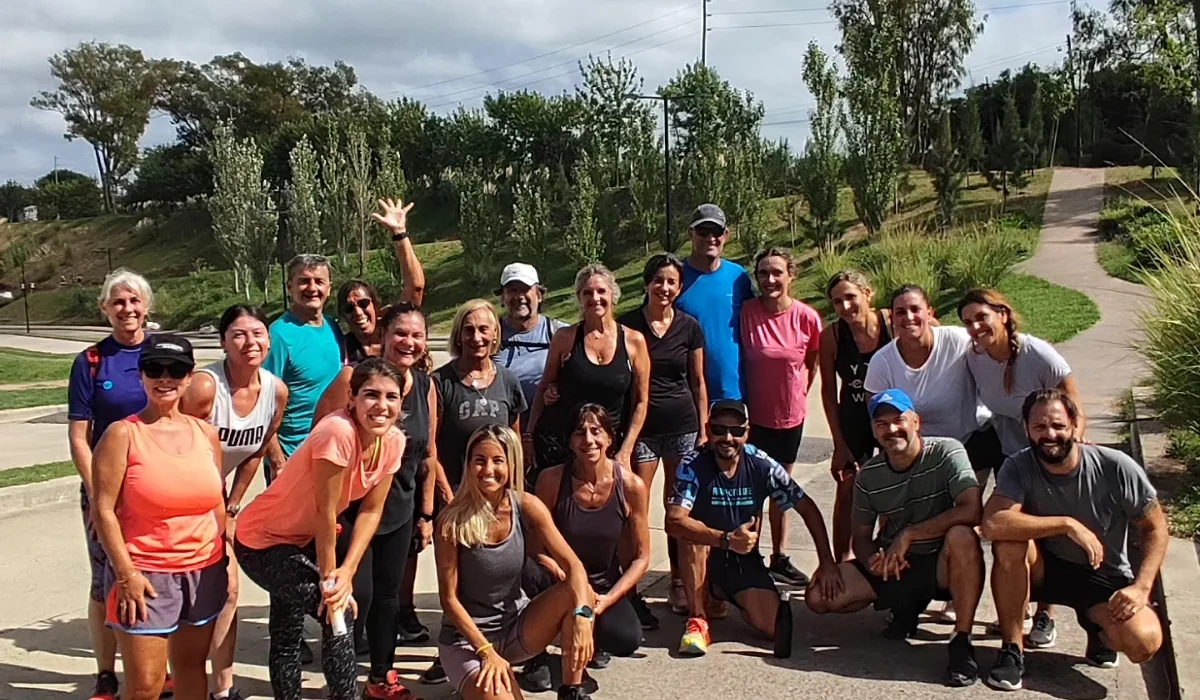
How to Build Endurance for the Inca Trail
Endurance is the foundation of every successful Inca Trail experience, because you will be on your feet for 6 to 9 hours most days of the trek. Building this stamina slowly over time will make those long daily hikes feel far less draining.
Long-Distance Walking and Hiking
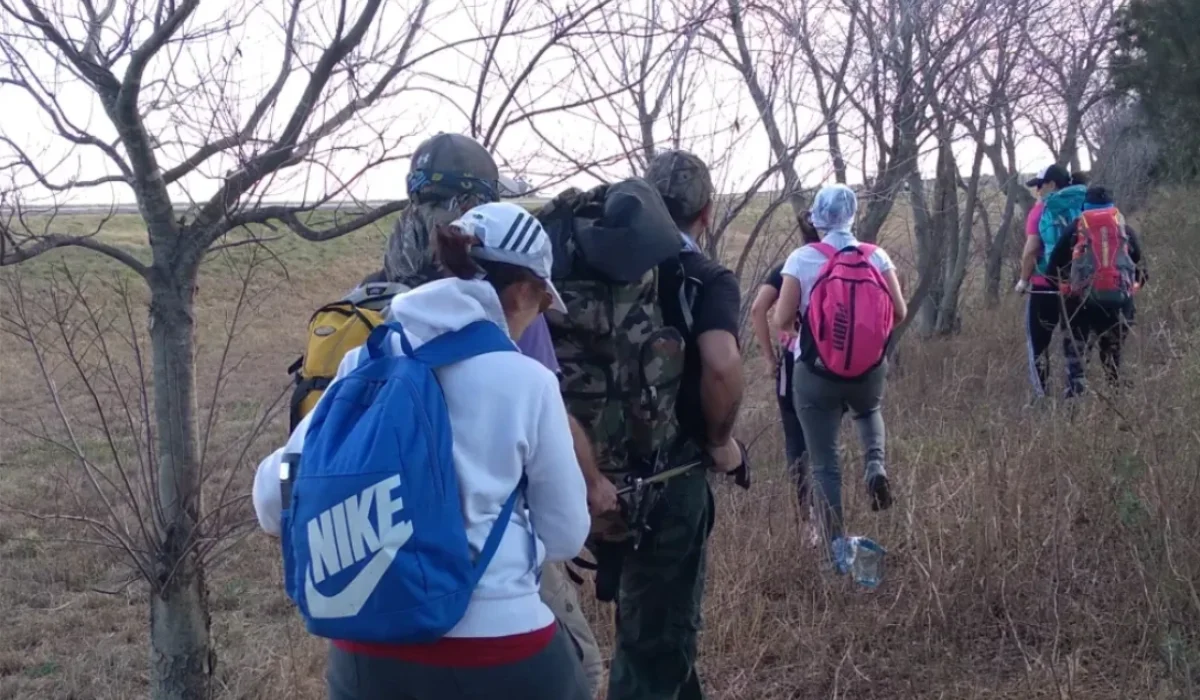
The most natural way to build trail-specific endurance is to get out on actual hiking trails as often as you can. Start with 3 to 5 mile casual walks on rolling terrain, then slowly work your way up to longer routes that mimic the uneven stone paths you will find on the Inca Trail. This is far more effective than walking on flat city sidewalks, because it trains your feet and ankles to adapt to unpredictable ground.
Step-Ups and Stair Climbing

Stair climbing is one of the most underrated tools in any training plan for the Inca Trail. The Inca Trail is packed with thousands of uneven stone steps, and regular stair practice will condition your legs and lungs to handle that constant upward movement without burning out halfway up a pass. Even 20 minutes of stair climbing on a local public staircase or gym stair machine will make a massive difference over time.
How to Progress Your Hiking Distance and Elevation
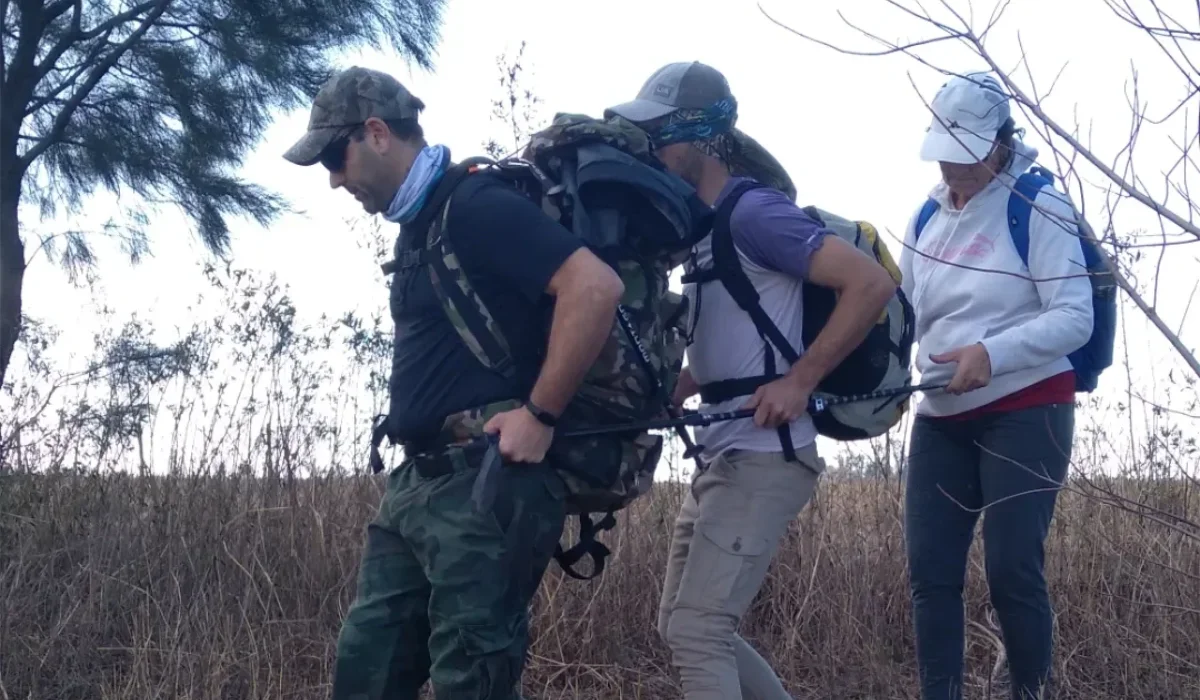
A good rule of thumb for progression is to increase your total weekly hiking distance by no more than 10% each week, and add 500 to 1,000 feet of elevation gain every two weeks. This slow, steady approach prevents overuse injuries like shin splints or knee pain that can derail your entire preparation right when you start making progress.
What Exercises Strengthen Your Legs for the Inca Trail?
Strong legs are your best defense against the brutal uphill climbs and endless downhill sections that define the Inca Trail. These targeted strength moves will make every step feel more stable and controlled.
Squats for Quads and Glutes
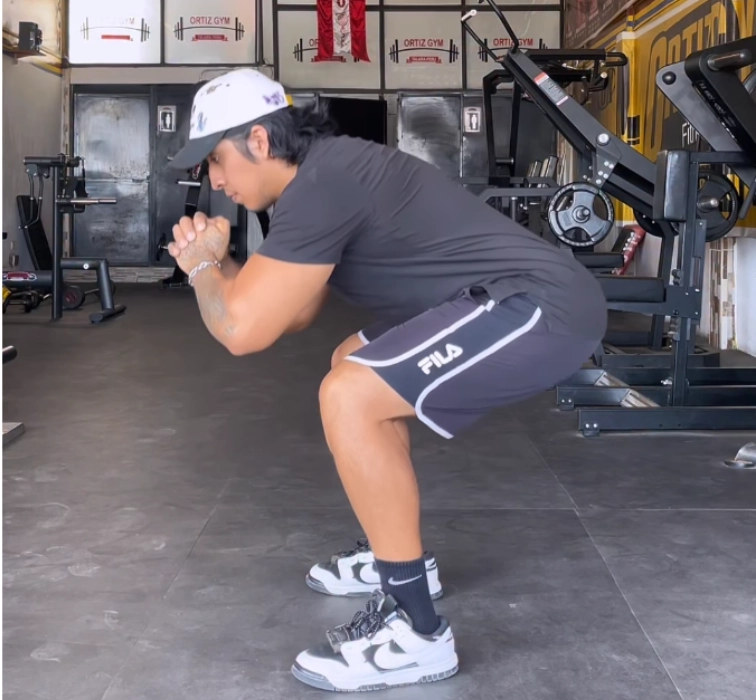
Bodyweight squats and light weighted squats build power in your quads and glutes, the two muscle groups that do most of the heavy lifting when you are climbing 1,000 feet of steep trail. Aim for 3 sets of 15 reps twice a week, and gradually add resistance bands or dumbbells as the movement starts to feel easy.
Lunges for Leg Strength and Stability
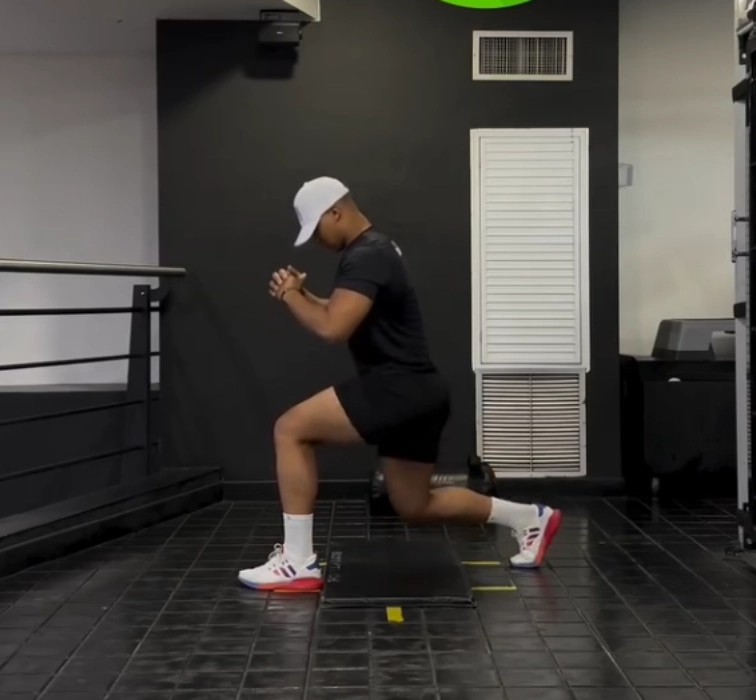
Forward, reverse, and walking lunges train each leg independently, which fixes the muscle imbalances that most people develop from sitting at a desk all day. This unilateral strength is critical on uneven trail paths, where you will often be stepping up or down with one leg at a time.
Calf Raises for Steep Climbs
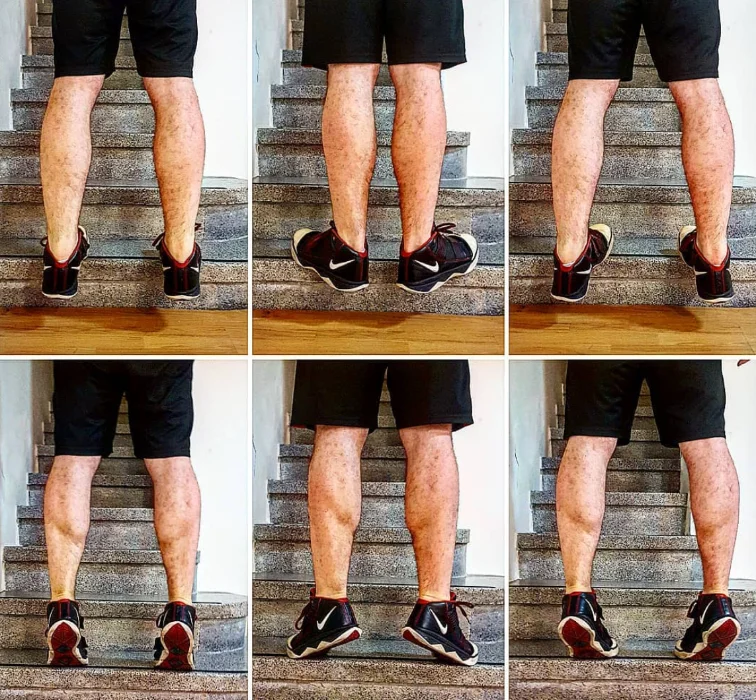
Your calves take a huge beating on steep uphill sections, and weak calves will cramp up long before you reach the top of Dead Woman’s Pass. Do 3 sets of 25 standing calf raises twice a week, holding the top position for one second to build maximum strength.
Step-Ups to Prepare for Inca Trail Stairs
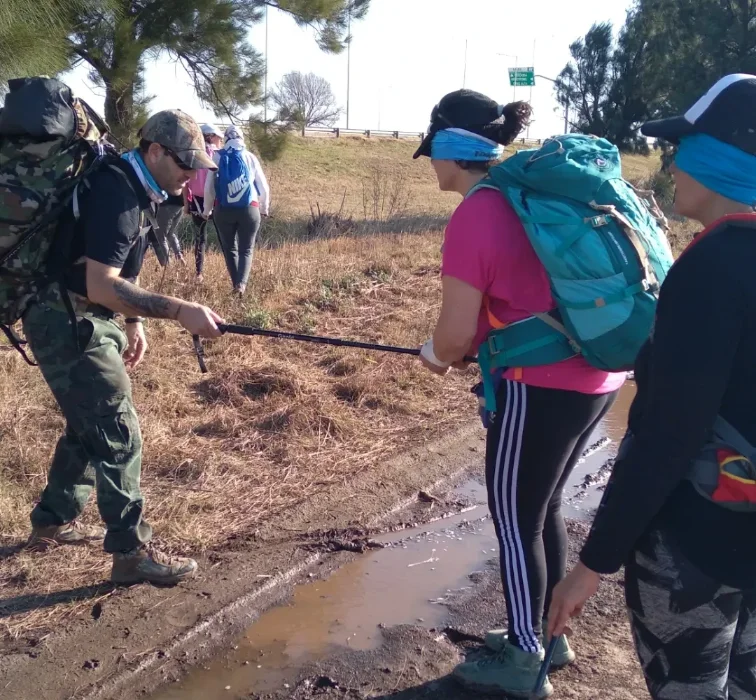
Using a 6 to 12 inch step platform, practice step-ups for 3 sets of 12 reps per leg. This movement directly mimics the action of climbing the Inca Trail’s famous stone staircase, so your legs will already know exactly what to do when you encounter those steps on the trek.
Which Cardio Exercises Are Best for the Inca Trail?
Solid cardiovascular fitness ensures your lungs and heart can keep up with your legs, even when you are hiking at 13,000 feet above sea level. This is a non-negotiable part of any solid Inca Trail training plan.
Running and Brisk Walking for Cardiovascular Fitness
Brisk walking is accessible for almost every fitness level, and short, easy runs are a great way to boost your cardio capacity quickly. Even 20 minutes of brisk walking 3 times a week will make a huge difference in how you feel on high altitude passes.
Cycling and Stair Climbing for Endurance
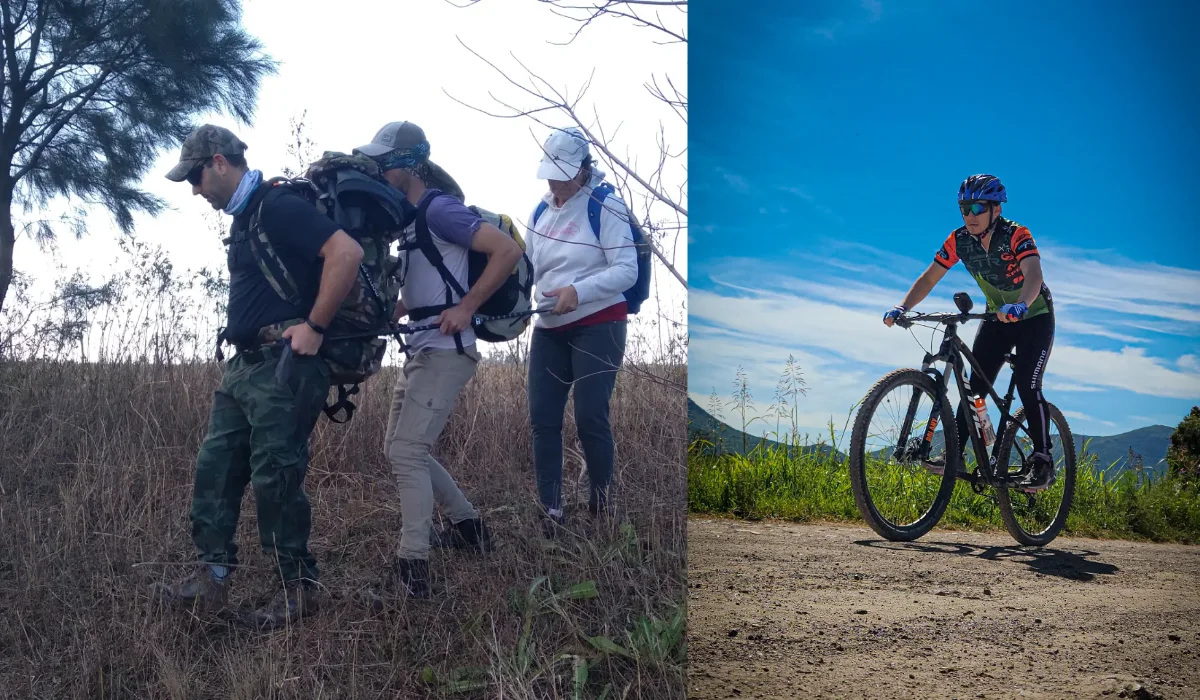
Stationary cycling and outdoor cycling build leg endurance without putting extra impact stress on your knees, which makes them perfect for cross-training on days when you don’t want to go for a long run. Stair climbing machines at the gym combine cardio and leg strength work in one efficient session.
How Often Should You Do Cardio Training?
Aim for 3 to 4 cardio sessions per week, mixing low-impact days like cycling with higher-impact days like hiking or stair climbing. This frequency keeps your fitness improving without overtaxing your joints or leading to burnout.
Which Balance and Mobility Exercises Should You Do?
Good balance and mobility prevent slips, falls, and painful joint stiffness on the trail, and most people completely overlook these parts of their training until it is too late.
Single-Leg Balance Exercises for Trail Stability
Stand on one leg for 30 seconds at a time, holding onto a wall if you need support, and work your way up to 60 seconds per leg. This simple exercise drastically improves your stability on loose rock and uneven stone paths, which are everywhere on the Inca Trail.
Hip and Ankle Mobility Exercises for Hiking
Tight hips and stiff ankles will make every downhill step feel painful, and they are a major cause of knee soreness on long treks. Do hip openers like pigeon pose and ankle circles for 10 minutes every day to keep these joints loose and mobile.
Dynamic Stretching Before Training
Before every workout or long hike, do dynamic stretches like leg swings, high knees, and walking lunges to warm up your muscles. This reduces your risk of pulling a muscle or straining a tendon mid-training session.
Stretching and Mobility After Hiking
After every long hike, spend 15 minutes doing static stretches for your quads, hamstrings, calves, and hips. This flushes out lactic acid, reduces next-day soreness, and keeps your muscles flexible for your next training session.

What Is the Best Inca Trail Fitness Plan for Beginners?
If you are new to regular hiking and planning a trip to Peru Inca Trail, you do not need to be an elite athlete to complete the trek. A beginner-friendly plan just needs to be consistent, gradual, and forgiving of your current fitness level.
How Many Days a Week Should You Train?
For beginners, 3 to 4 training days per week is the perfect starting point. This gives you plenty of time to rest and recover, so you don’t burn out in the first month of your Inca Trail hike training plan. You can start with two shorter strength and cardio sessions, plus one longer weekend hike, then add a fourth session as your fitness improves.
How Hard Should Your Training Be?
Your training intensity should feel challenging but sustainable. You should be able to hold a short conversation while doing cardio work, and you should never push through sharp, stabbing pain. The goal is to build consistency, not to push yourself to complete exhaustion every single session.
How Much Rest Do You Need Between Training Sessions?
Take at least one full rest day every week, and alternate hard training days with lighter active recovery days like a casual 30 minute walk or gentle yoga. Your muscles do not get stronger during workouts they repair and grow during rest, so skipping recovery will actually slow down your progress.
How to Train for the Inca Trail's Uphill and Downhill Sections?
The Inca Trail’s most brutal challenges are not the flat sections, they are the endless steep climbs and even longer descents that test your legs in ways normal walking never will. Targeted training for these two movements will make them feel far less intimidating.
How to Prepare for Steep Uphill Hiking
Climbing 1,000 feet of steep trail at high altitude is nothing like walking up a small hill in your hometown. The key is to build slow, steady power rather than trying to move fast up every climb.
Best Exercises for Climbing
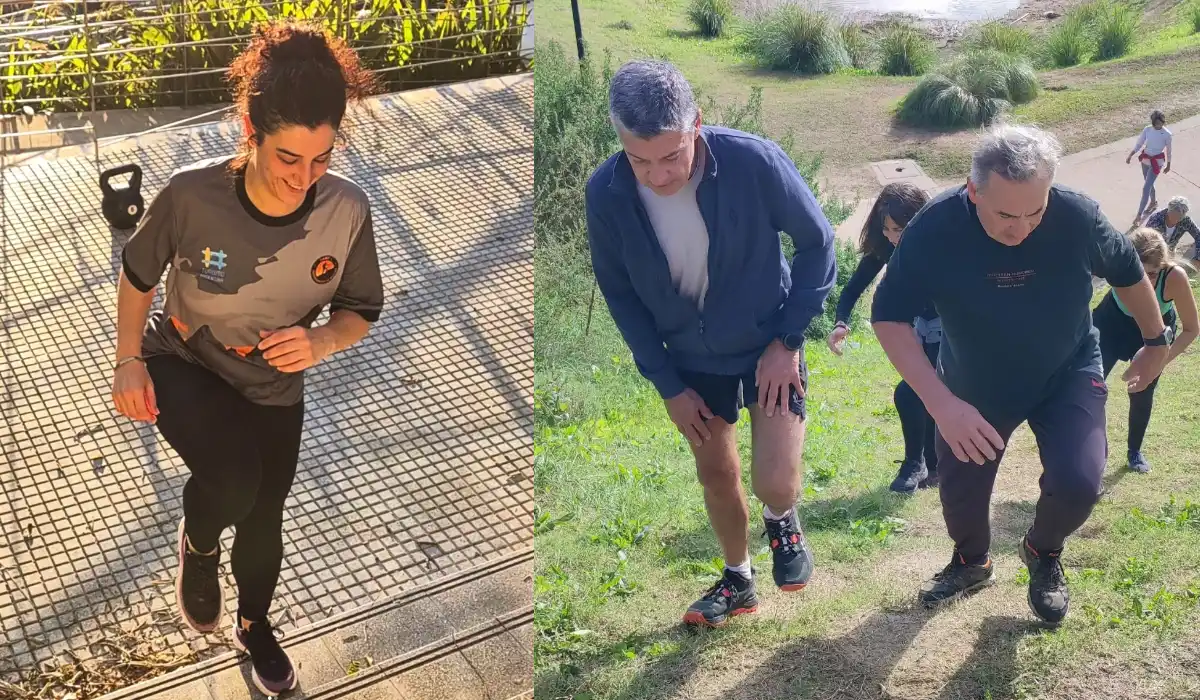
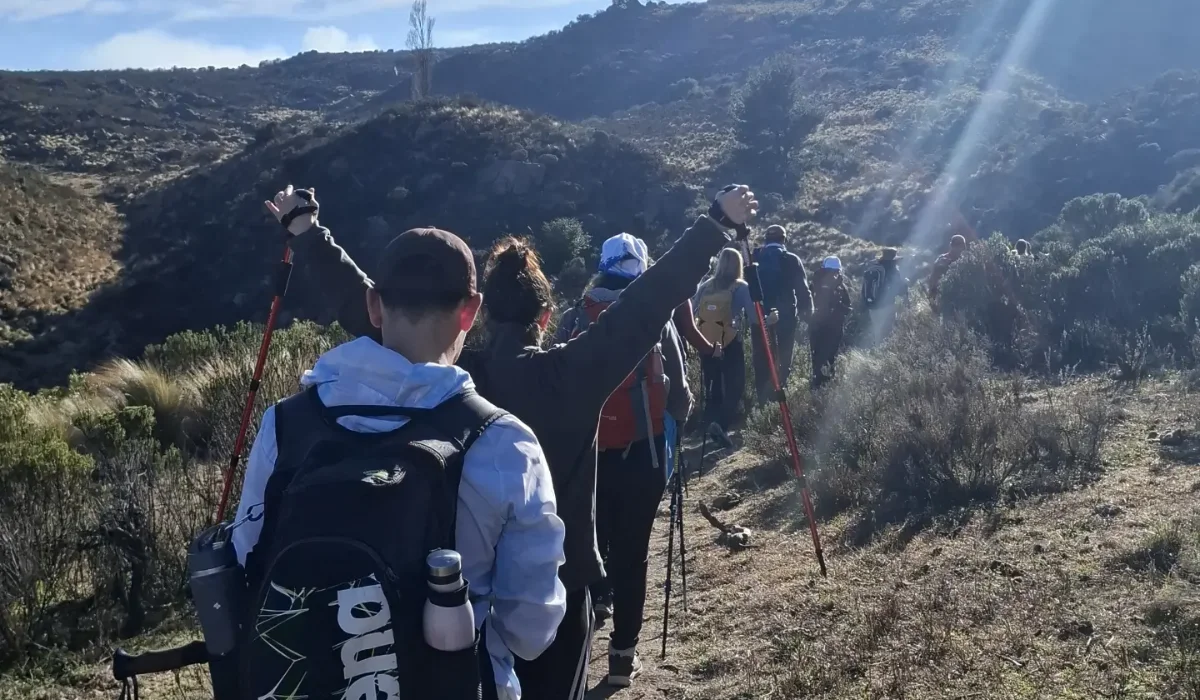
Practice hiking uphill on local trails, add weighted backpack walks to your routine, and do sets of step-ups with a weighted vest. These exercises train your body to maintain a slow, consistent pace even when your legs start burning, which is exactly what you need to get over 13,800 foot Dead Woman’s Pass without stopping every two minutes to catch your breath.
How to Prepare for Long Descents
Most new hikers spend all their time training for uphill and completely forget about downhill, which is why so many people end up with destroyed knees and blisters on day 2 of the Inca Trail. Descending 4,000 feet in a single day puts massive stress on your knees, quads, and ankles.
Exercises for Downhill Strength
Practice downhill hiking on steep local trails, do slow eccentric lunges (the downward part of the lunge movement), and step down slowly from a low platform to build quad strength. This specific training will drastically reduce the knee pain and muscle soreness that ruins so many people’s treks.
What Should an Inca Trail Hike Training Plan Look Like?
This 12-week structured timeline is one of the most reliable ways to organize your preparation, and it works for almost every fitness level when you adjust the intensity to match your current ability.
12 Weeks Before the Inca Trail
Build Your Endurance and Strength
At this stage, focus on establishing a consistent routine. Do 3 short strength sessions per week, 2 cardio sessions, and one 3 to 5 mile casual hike on the weekend. The goal here is to build the habit of training, not to push yourself to your limits.
8 Weeks Before the Inca Trail
Increase Your Hiking Distance and Elevation
Now it is time to step up the intensity. Increase your weekend hikes to 8 to 10 miles, add 1,000 to 2,000 feet of elevation gain to each route, and start training with a 10 to 15 pound backpack to mimic the weight you will carry on the trek. Your strength sessions can now add light weights to make squats and lunges more challenging.
4 Weeks Before the Inca Trail
Focus on Longer and More Difficult Hikes
This is your peak training phase. Do one 12 to 15 mile hike with 3,000+ feet of elevation gain every weekend, including significant uphill and downhill sections. This is the point where you prove to yourself that you can handle the kind of daily distance you will face on the Inca Trail.
Final Week Before the Inca Trail
Reduce Training and Allow Your Body to Recover
Do not do any long hikes or heavy strength work in the final 7 days before your trek. Stick to 20 to 30 minute casual walks, keep stretching daily, and focus on hydrating and resting. This tapering period ensures your muscles are fully recovered, fresh, and ready to perform on day one of the trail.
What Are the Most Common Inca Trail Training Mistakes?
Even people who spend months preparing often make simple avoidable mistakes that ruin their trek experience. Watch out for these common errors as you build your routine.
Starting Your Training Too Late
Waiting until 4 weeks before departure to start training is the number one mistake most hikers make. You cannot build 6 months of trail fitness in a few short weeks, and you will either end up injured or completely exhausted by day 2 of the trek.
Training Only on Flat Terrain
Walking laps around your local neighborhood on perfectly flat pavement does almost nothing to prepare you for the Inca Trail. You need to seek out hills, uneven paths, and stairs to train the exact muscles and movement patterns the trek requires.
Ignoring Strength and Downhill Training
So many people only do long walks and skip all leg strength and downhill practice. This is exactly why thousands of hikers finish day 2 of the Inca Trail with knees so sore they can barely walk, and they spend the rest of the trek in constant pain.
Not Allowing Enough Recovery
Pushing through pain, skipping rest days, and hiking every single week without a break will lead to overuse injuries like shin splints, knee pain, and stress fractures. Rest is not lazy — it is a critical part of any good training plan for the Inca Trail.
How Do You Know If Your Inca Trail Training Is Working?
By the time you are a few weeks out from your departure date, you will be able to clearly see that all your hard work is paying off.
Signs You Are Becoming Trek-Ready
You will notice that 10 mile hikes with 2,000 feet of elevation gain no longer leave you completely exhausted the next day. You will be able to climb a long flight of stairs without getting winded, and walking downhill for an hour no longer makes your quads burn uncontrollably. You will also feel stable and confident on uneven, rocky paths that used to make you trip.
What Should You Be Able to Do Before the Trek?
Before you leave for Peru, you should be able to comfortably complete a 10 mile hike with 2,500 feet of elevation gain, carrying a 15 pound backpack, and still have energy left at the end of the day. If you can do that, you are more than ready to handle every single challenge the Inca Trail throws at you, and you will be able to soak in every incredible view, ancient ruin, and magical moment on your way to Machu Picchu.