

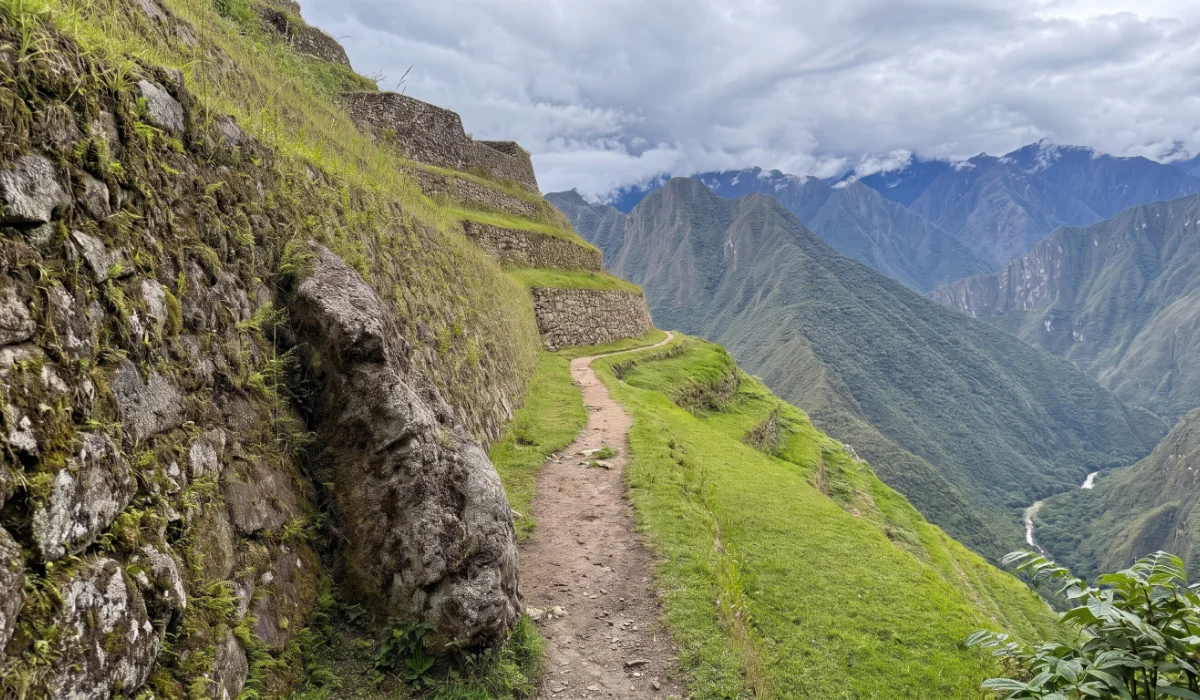
What Is the Inca Trail?
If you’ve ever searched for bucket-list treks in South America, you’ve almost certainly come across the Inca Trail. But what is the Inca Trail, exactly? It is not just a 26-mile hiking path through the Peruvian Andes it is an ancient stone road built by the Inca Empire over 600 years ago, winding past ruins, cloud forest, high mountain passes, and ending at the Sun Gate above Machu Picchu. Millions of travelers dream of walking it, but most start their planning with the same basic question: what is the Inca Trail, and why has it become one of the most famous treks on Earth?
This guide answers that first question clearly, then breaks down every detail you actually need to know before you book. We built it for U.S. hikers who want straight, honest information, no marketing fluff, and all the context that most tour sites skip over. Whether you are just curious or already mapping out your Peru trip, you will leave this page knowing exactly what the Inca Trail is, how it works, and what to expect when you step onto those ancient stones.
Table of Contents
- History of the Inca Trail
- Origins and Development of the Inca Road
- The Inca Empire and Its Road System
- The Purpose and Importance of the Inca Trail
- The Inca Trail Experience
- Landscapes and Natural Environment
- Archaeological Sites Along the Trail
- Stonework and Inca Road Construction
- Inca Trail Elevation and Altitude
- The Highest Point on the Trail
- Elevation Gain and Changes in Altitude
- Altitude Along the Route
- Altitude and Acclimatization
- Inca Trail Routes
- Classic Inca Trail
- Short Inca Trail
- One Day Inca Trail
- The Importance of the Inca Trail
- Historical and Cultural Significance
- The Inca Trail as Part of the Qhapaq Ñan
- Conservation and Heritage
- Weather and the Best Time to Hike the Inca Trail
- Dry Season
- Rainy Season
- Best Months for Hiking
- Annual Trail Closure
- Difficulty and Terrain on the Inca Trail
- Steep Ascents and Stone Steps
- Elevation and Physical Demands
- The Most Challenging Sections
- Hiking the Inca Trail to Machu Picchu
- Starting Point and Access
- Campsites and Daily Stages
- Arrival at Machu Picchu Through Intipunku
- Inca Trail Permits and Regulations
- Permit Requirements
- Visitor Limits
- Guides and Authorized Operators
- Planning an Inca Trail Trek
- How Far in Advance to Plan
- Choosing an Inca Trail Operator
History of the Inca Trail
The Inca Trail was not originally built for tourists. Every stone, every retaining wall, and every switchback traces back to one of the most ambitious infrastructure projects in pre-Columbian history.
Origins and Development of the Inca Road
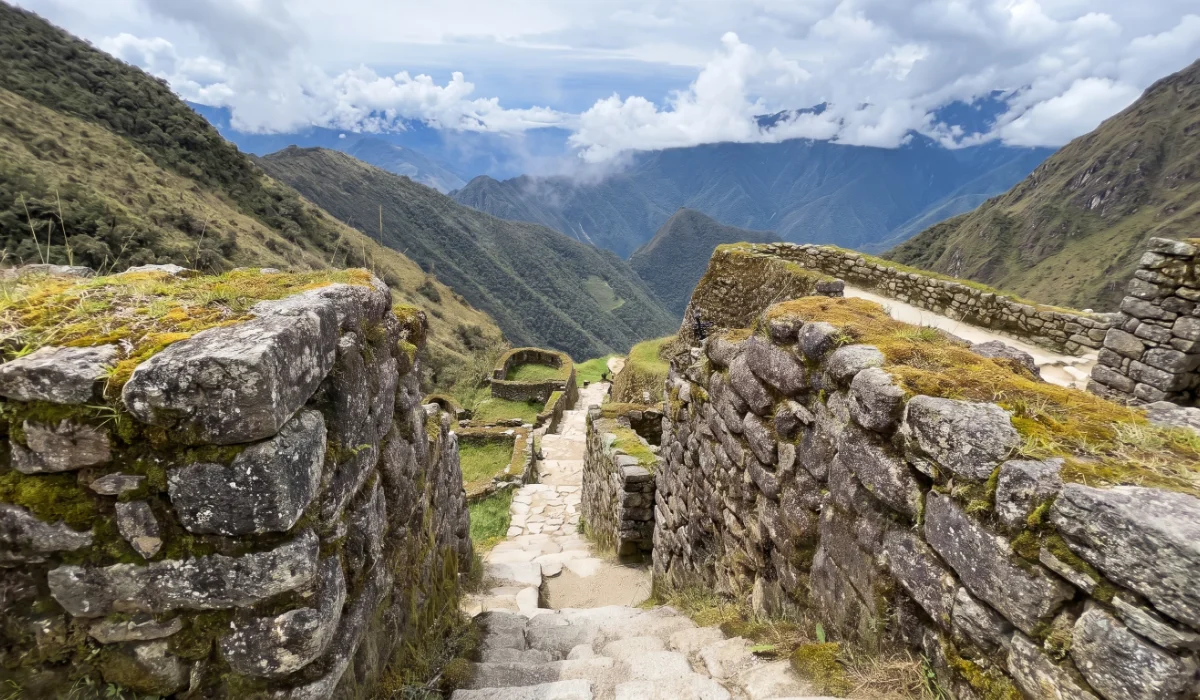
The first sections of what we now call the Inca Trail were laid around the 15th century, during the peak expansion of the Inca Empire. Local Andean communities had used smaller paths through the Andes for centuries before that, but the Inca government re-engineered them into a permanent, all-weather stone highway. Workers cut and fitted granite blocks without iron tools, built drainage channels that still work today, and carved steps into solid rock so the road could be used even in the wettest mountain seasons.
Over generations, these local paths grew into a formal route that connected the Cusco valley directly to the remote royal estate of Machu Picchu. Unlike modern hiking trails that are often carved quickly for recreation, this road was built to last and it has. Many sections you walk today are almost exactly the same as they were when Inca travelers passed through 600 years ago.
The Inca Empire and Its Road System
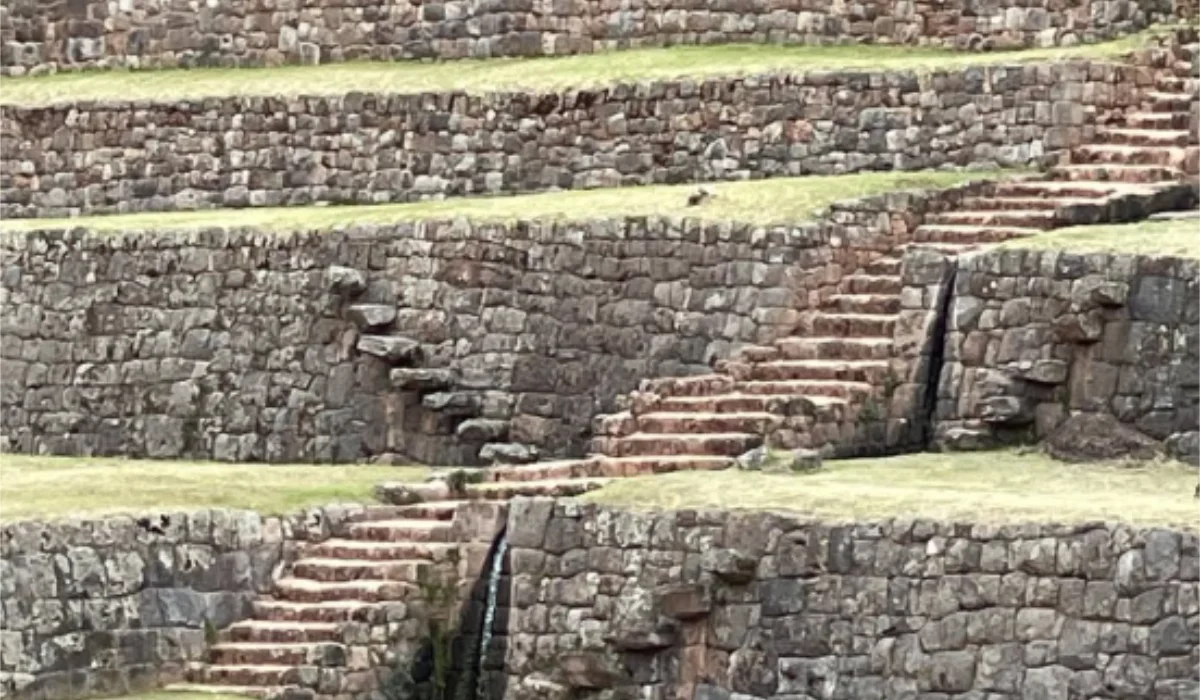
The Inca Trail you hike to Machu Picchu is only one small, famous segment of a massive network called Qhapaq Ñan. At its peak, the full Inca road system stretched more than 25,000 miles, connecting territories that now cover Peru, Ecuador, Bolivia, Chile, Argentina, and Colombia. These roads linked temples, administrative centers, agricultural terraces, and military outposts across wildly different terrain from coastal deserts to high alpine passes to dense Amazon cloud forest.
What makes the Inca Trail special is that it preserves the classic Inca road design perfectly: flat stone paving on gentle sections, steep carved steps on slopes, and carefully engineered drainage that stops the path from washing away even during heavy Andean rains. No other surviving segment of the Qhapaq Ñan delivers that same complete, immersive experience of walking in the footsteps of Inca messengers, priests, and royalty.
The Purpose and Importance of the Inca Trail
Originally, the Inca Trail served three core purposes. First, it was a royal road that allowed the Inca emperor and his court to travel from Cusco to Machu Picchu, their remote mountain retreat. Second, it carried chasquis the Inca’s legendary relay messengers who ran hundreds of miles along these roads to deliver news, orders, and even fresh food across the empire. Third, it was a sacred pilgrimage route, lined with small shrines, ceremonial spots, and ruins that marked important astronomical and spiritual sites.
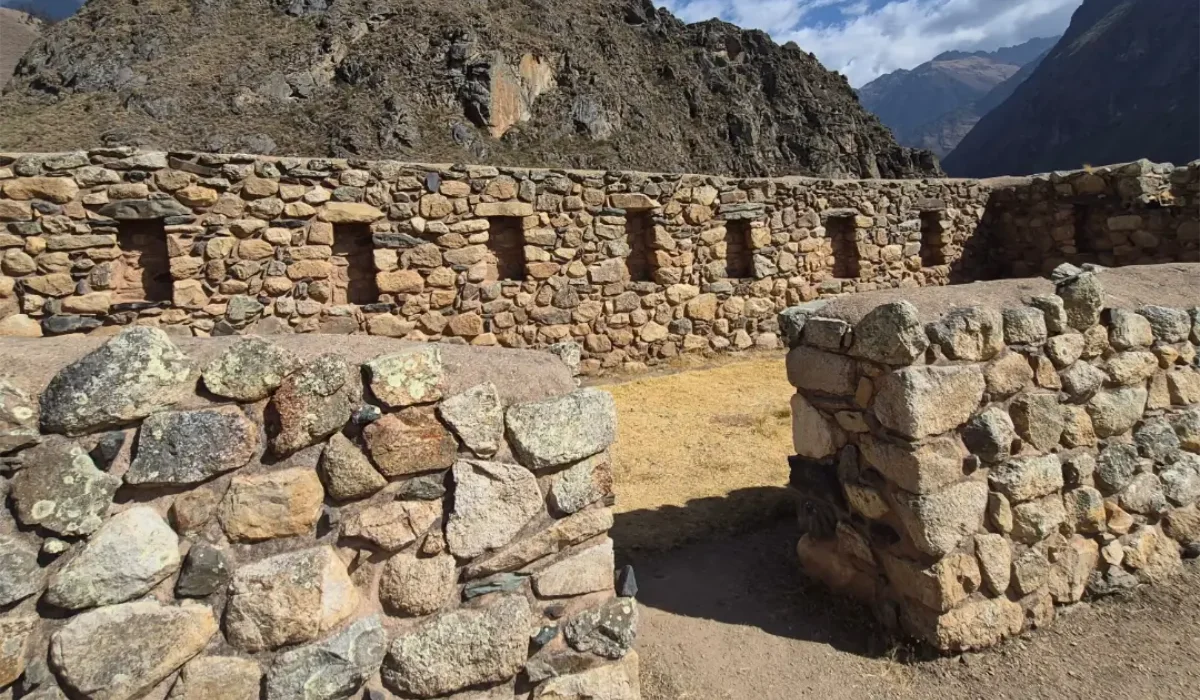
After the Spanish conquest in the 16th century, the trail was largely abandoned and forgotten, hidden under jungle and grass for centuries. When Hiram Bingham “rediscovered” Machu Picchu in 1911, the Inca Trail slowly began to attract small groups of explorers. By the 1970s, it had grown into one of the world’s most iconic hiking routes, drawing travelers who wanted to experience both the physical challenge of the Andes and the quiet magic of walking a road built by a lost civilization.
The Inca Trail Experience
Walking the Inca Trail is nothing like a typical weekend hike in the U.S. It is a nonstop sequence of shifting landscapes, ancient ruins, and hand-built stonework that makes every mile feel like a new discovery.
Landscapes and Natural Environment
One minute you are trekking across high, windswept grasslands dotted with wild vicuñas, the next you are descending into thick, misty cloud forest full of orchids and hummingbirds. The route jumps between microclimates so quickly that you can start the morning in cold, sunny alpine air and end the afternoon surrounded by dripping, lush jungle vegetation. You will pass towering snow-capped Andean peaks, deep green river valleys, and terraced hillsides that the Inca farmed centuries ago.
This dramatic shift in scenery is one of the biggest reasons the Inca Trail never feels boring. Even after three or four days of walking, there is always something new around the next corner a waterfall, a patch of bright wildflowers, or a view of a distant peak that makes you stop and pull out your camera.
Archaeological Sites Along the Trail
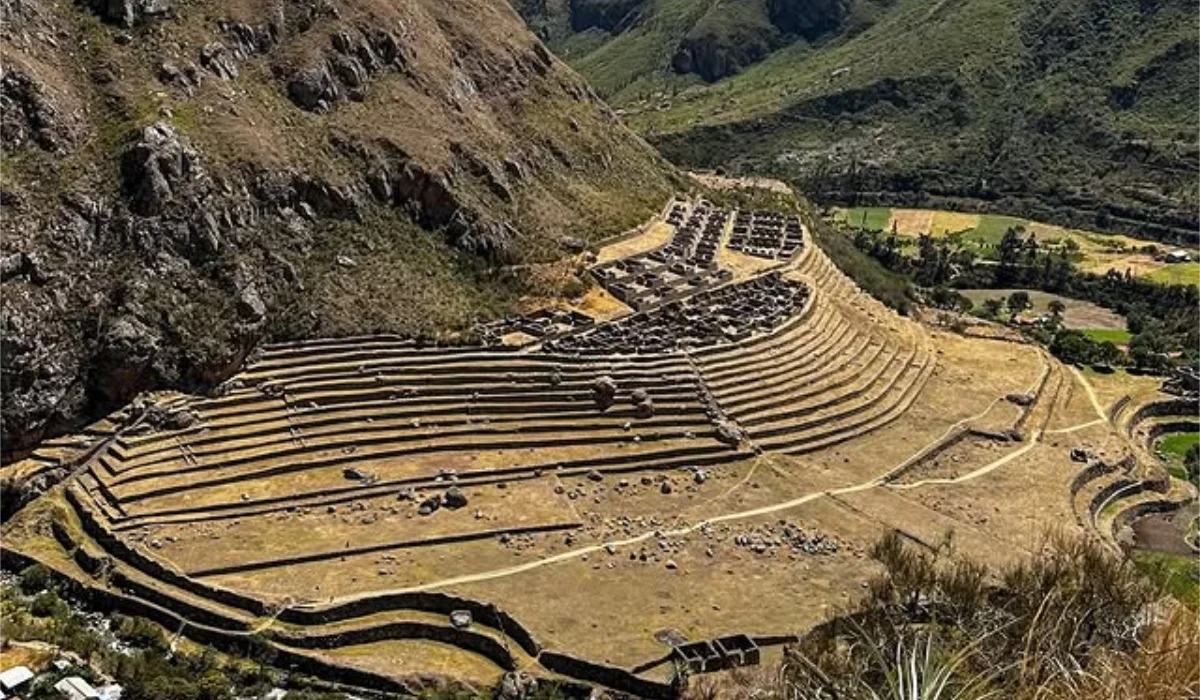
The Inca Trail is not just a path to Machu Picchu it is a ruin tour all on its own. Over the route, you will pass more than 20 different Inca archaeological sites, ranging from small ceremonial stops to massive, sprawling citadels. The most famous ones include Wiñay Wayna, a spectacular ruin built into a steep hillside that overlooks dozens of miles of cloud forest, and Runkuracay, a circular ruin perched right below the highest pass on the trail.
Most U.S. hikers are surprised to learn that many of these sites are almost empty when you walk past them. Unlike Machu Picchu, which can get crowded during midday, most of the Inca Trail ruins feel quiet, untouched, and like you have stumbled onto a secret piece of history all to yourself.
Stonework and Inca Road Construction
If you love craftsmanship, the Inca Trail will blow you away. The Incas built this road without wheels, without iron tools, and without written plans, and yet their stonework is so precise that you cannot slide a knife blade between many of the blocks. Some sections are paved with smooth, flat granite slabs that have been worn down by 600 years of footsteps. Other sections are steep, narrow staircases carved directly into the mountainside, with hundreds of steps that test your legs on the way up and your knees on the way down.
Even the small details are impressive. The Incas built tiny, carefully placed drainage channels along every section of the trail to redirect rainwater off the path, stopping it from eroding the stone. Hundreds of years later, those same channels still work perfectly. It is that level of care and engineering that makes walking the Inca Trail feel like traveling through a living museum.
Inca Trail Elevation and Altitude
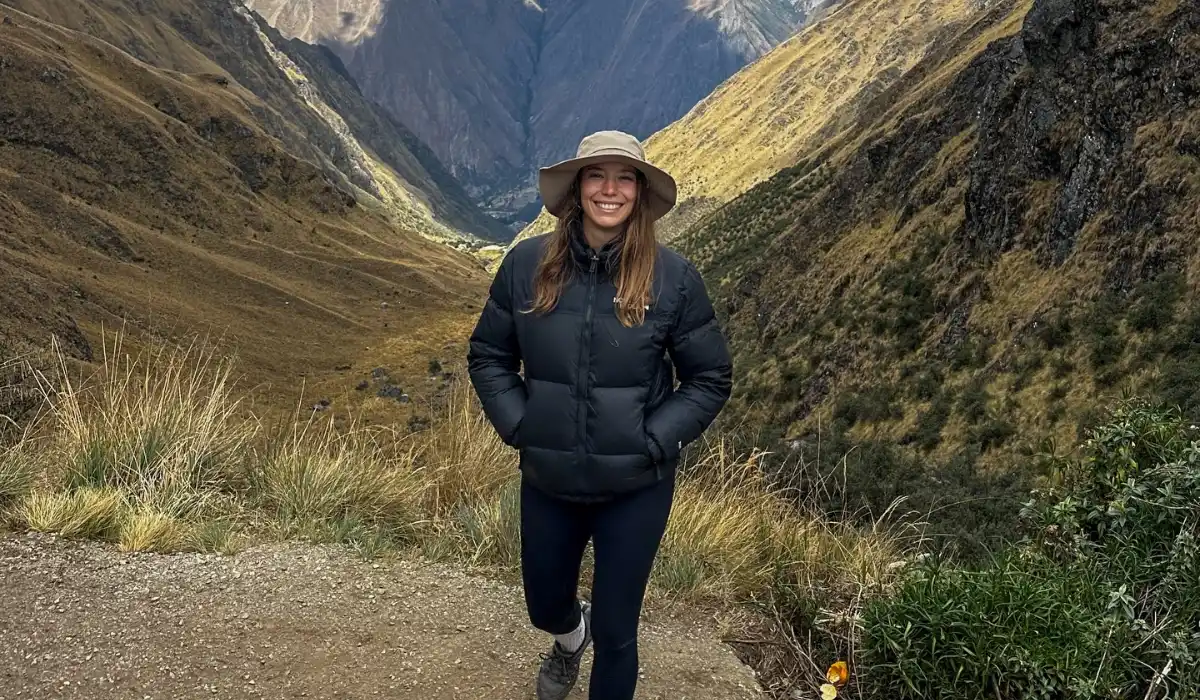
Altitude is one of the first things every U.S. hiker asks about when researching the Inca Trail, and for good reason. This is not a low-elevation trek, and the changes in height will shape almost every part of your experience.
The Highest Point on the Trail
The highest point on the classic Inca Trail is Dead Woman’s Pass, also called Warmiwañusca, at 13,828 feet above sea level. For most hikers from the U.S., that is higher than any peak they have ever stood on. Reaching the top of that pass is the biggest physical milestone of the entire trek, and the views from the summit looking out over three different snow-capped Andean peaks make every step of the steep climb worth it.
Elevation Gain and Changes in Altitude
Over the full 4-day classic route, hikers climb a total elevation gain of roughly 12,000 feet, with almost as much downhill descent. That means you are not just walking up one big mountain you are constantly climbing over high passes, then dropping thousands of feet down into deep valleys, then climbing back up again. This constant up-and-down pattern is one of the things that makes the Inca Trail feel more challenging than many U.S. long-distance day hikes.
To make this easy to reference, here is a quick breakdown of the total elevation stats:
| Elevation Metric | Classic 4-Day Inca Trail |
|---|---|
| Maximum elevation | 13,828 ft (Warmiwañusca Pass) |
| Total elevation gain over 4 days | Approximately 12,000 ft |
| Total elevation loss over 4 days | Approximately 11,500 ft |
| Average daily elevation change | Approximately 3,000 ft |
Altitude Along the Route
Your altitude on the Inca Trail changes constantly, and it is helpful to know the key elevation points before you go. The trailhead at Kilometer 82 sits at around 8,530 feet. From there you climb steadily up to Dead Woman’s Pass, then descend to a campsite at around 11,500 feet, then climb two more high passes before dropping down to Wiñay Wayna at 8,920 feet, and finally arriving at Intipunku, the Sun Gate, at 8,838 feet above Machu Picchu.
Machu Picchu itself sits at roughly 7,970 feet, so the final stretch of the trek is almost entirely downhill, giving your lungs a welcome break after the high passes.
Altitude and Acclimatization
Altitude sickness is the number one concern for most U.S. hikers on the Inca Trail, and it is not something you can train away by hiking at sea level. Even very fit athletes can get hit with headaches, shortness of breath, or nausea if they do not acclimatize properly. That is why almost every good tour operator will recommend you spend at least 2 full days in Cusco before starting the trek, walking around the city at 11,155 feet to let your body adjust.
Most hikers find that if they take it slow, drink tons of water, avoid alcohol for a few days before the trek, and listen to their guide, they get through the high passes without any serious problems. The key rule is simple: never push through severe altitude symptoms, and always tell your guide immediately if you feel off.
Inca Trail Routes
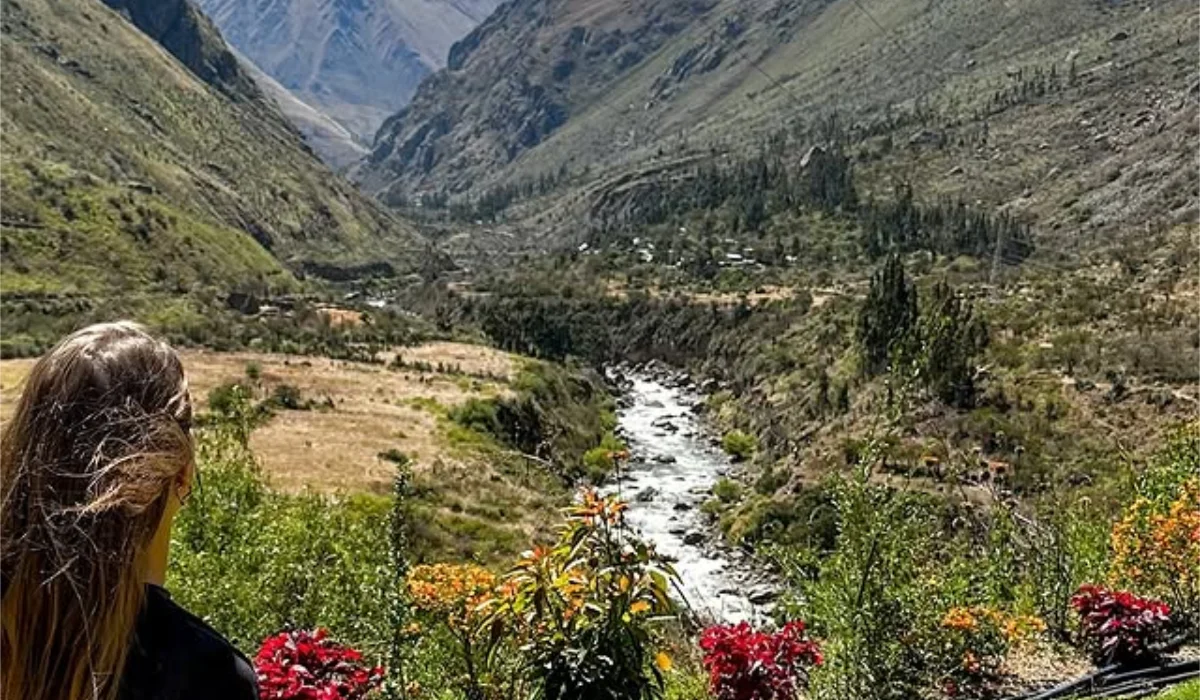
The classic 4-day Inca Trail is the most famous option, but it is not the only one. Depending on how much time you have, how fit you are, and what you want to experience, there are three main route choices.
Classic Inca Trail
The 4-day, 3-night classic Inca Trail is the full, original experience. It covers all 26 miles of the traditional route, crosses all three high Andean passes, visits every major ruin, and lets you arrive at Machu Picchu through Intipunku at sunrise. This is the route most people dream about, and it is the only way to get the complete, unbroken Inca Trail experience from start to finish.
Short Inca Trail
If you do not have 4 full days to spare, the 2-day, 1-night Short Inca Trail is the most popular alternative. It starts much higher up the route, skips the two highest and most difficult passes, and takes you straight past Wiñay Wayna ruin before arriving at Machu Picchu through Intipunku the next morning. It is perfect for travelers who want to see the best ruins and arrive through the Sun Gate, but do not have the time or fitness level for the full 4-day trek.
One Day Inca Trail
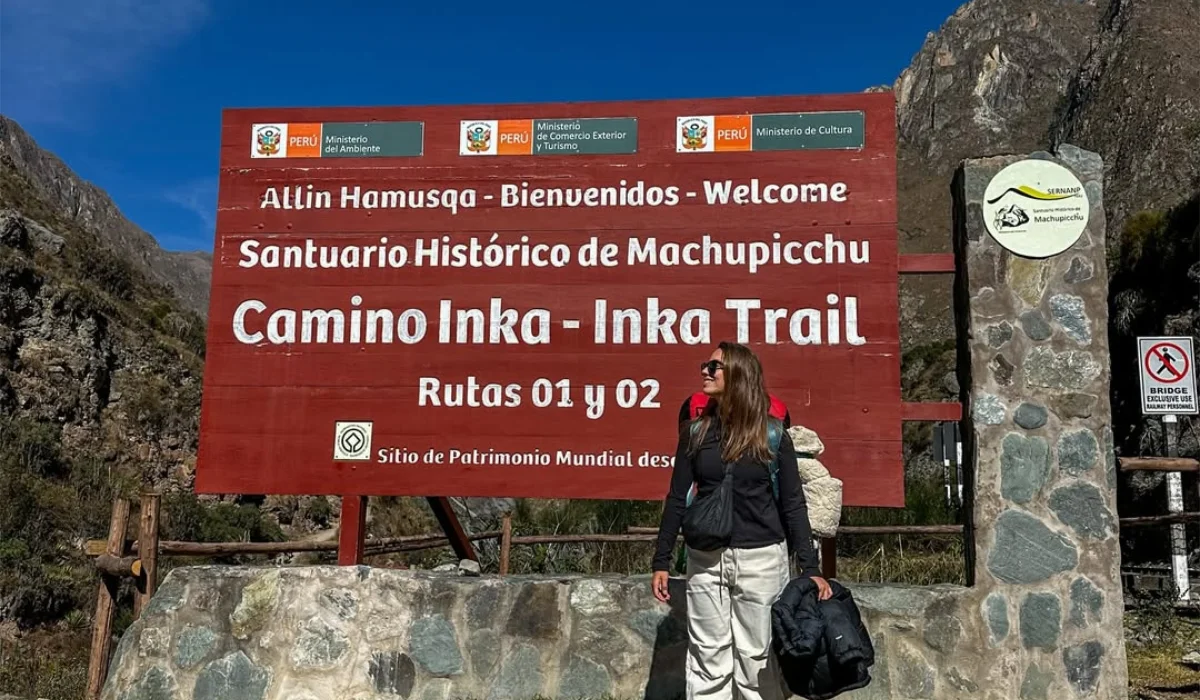
The 1-day Inca Trail is the shortest possible option. It starts at Km 104, a high trailhead near the Wiñay Wayna ruin, and lets you hike directly to Intipunku and Machu Picchu in a single day. This route is great for people who cannot get a multi-day permit, or who only have one free day in their Cusco itinerary, but it skips most of the iconic high mountain scenery that makes the full trail famous.
Here is a quick side-by-side comparison to help U.S. hikers pick the right route:
| Route | Duration | Total Distance | Best For |
|---|---|---|---|
| Classic Inca Trail | 4 days / 3 nights | 26 miles | Hikers who want the full, authentic experience |
| Short Inca Trail | 2 days / 1 night | 7 miles | Travelers short on time or newer hikers |
| One Day Inca Trail | 1 day | 6 miles | Last-minute travelers or day-trippers |
The Importance of the Inca Trail
The Inca Trail is far more than a popular Instagram trek. It is a protected cultural site that carries global historical weight.
Historical and Cultural Significance
For modern Andean communities in Peru, the Inca Trail is not a tourist attraction it is the road their ancestors built and used for thousands of years. Many local guides are direct descendants of the Inca people, and they share stories, traditions, and spiritual perspectives on the trek that you will never find in a guidebook. Walking the trail is not just a physical challenge, it is a way to connect directly with a living indigenous culture that still thrives in the Andes today.
The Inca Trail as Part of the Qhapaq Ñan
In 2005, UNESCO added the full Qhapaq Ñan Inca road system to its World Heritage list, and the Inca Trail is one of the most visited and best-preserved segments of that entire global site. That official recognition means the trail is protected under international heritage rules, and the Peruvian government has a legal responsibility to preserve it for future generations.
Conservation and Heritage
Because millions of people want to walk this narrow stone path every year, conservation is a constant priority. Park rangers regularly repair eroded sections of the road, restore damaged ruins, and enforce strict leave-no-trace rules to keep the trail clean. The permit system itself was created specifically to stop overcrowding, prevent damage to the fragile stonework, and make sure the Inca Trail does not get loved to death by too many visitors.
Weather and the Best Time to Hike the Inca Trail
The weather on the Inca Trail changes fast, and picking the right season will make or break your entire experience. Most U.S. hikers want to know exactly what the best month to hike the Inca Trail is, and the answer depends entirely on what you are looking for.
Dry Season
The dry season runs from May through October. During these months, skies are almost always clear, rain is extremely rare, and the views of the snow-capped Andean peaks are perfectly unobstructed. Daytime temperatures are mild and pleasant for hiking, though nights at high campsites can drop well below freezing. This is peak season for a reason it is when the Inca Trail looks its absolute best.
Rainy Season
The rainy season runs from November through April. Afternoon rains are common, the trail can get muddy and slippery, and cloud cover often blocks the famous mountain views. That said, the landscape turns bright green, wildflowers bloom everywhere, and there are far fewer crowds on the route. Many experienced hikers love trekking in the rainy season, but it is not the best choice for first-time visitors.
Best Months for Hiking
The absolute best months to hike the Inca Trail are May, June, September, and October. These months sit right in the sweet spot of the dry season: the weather is stable, the views are clear, and the trails are not quite as packed as they are in the absolute peak of July and August.
Here is a quick reference table for U.S. travelers planning their trip:
| Season | Months | Conditions | Crowd Level |
|---|---|---|---|
| Dry Season Peak | June-August | Sunny, cold nights, little to no rain | Very high |
| Dry Season Shoulder | May, September-October | Sunny, mild temperatures, low rainfall | Medium |
| Rainy Season | November-April | Frequent afternoon rain, muddy trails | Low |
Annual Trail Closure
Every year, the Peruvian government closes the entire Inca Trail for the full month of February. This is done to let the trail recover from the rainy season, to let park rangers make critical repairs to the stonework and campsites, and to prevent accidents on the slippery, damaged path. No permits are issued for February, and no one is allowed to hike the route at all during that time.
Difficulty and Terrain on the Inca Trail
A lot of U.S. hikers wonder: is the Inca Trail hard? The short answer is yes, it is a challenging trek, but it is not reserved only for elite mountain athletes. Almost anyone in reasonable shape can finish it if they prepare properly.
Steep Ascents and Stone Steps
The trail is full of long, steep stretches of uneven Inca stone steps. Some of these sections climb 1,000 feet or more in less than a mile, and they will test your leg strength and your cardio. The good news is that the steps are solid, well-built, and much easier to walk on than loose dirt or rock you find on many U.S. hiking trails.
Elevation and Physical Demands
The biggest difficulty on the Inca Trail is not the steepness it is the altitude. Even a gentle uphill walk at 13,000 feet will leave you gasping for air far faster than the same walk at sea level. That is why acclimatization in Cusco is so much more important than being able to run a marathon back home.
The Most Challenging Sections
Almost every hiker agrees that the hardest part of the entire trail is the final climb up to Dead Woman’s Pass on the first day. That long, steep ascent from the first campsite up to 13,828 feet is the moment that separates people who finish the trek from people who turn back. Once you cross that first pass, the rest of the route feels far more manageable.
Hiking the Inca Trail to Machu Picchu
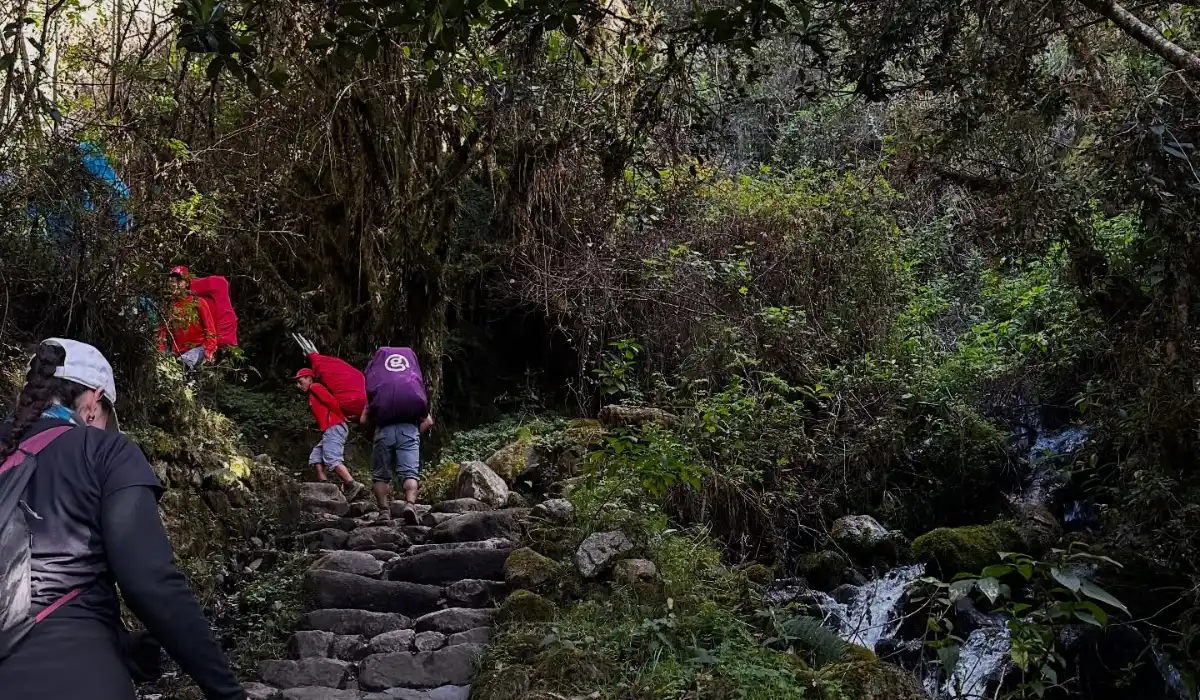
The Inca Trail is famous because it does not just drop you off at Machu Picchu by bus or train. It lets you arrive the way the Incas did, through the Sun Gate, after days of walking the same sacred road.
Starting Point and Access
The official trailhead for the classic Inca Trail is at Kilometer 82 on the Cusco to Ollantaytambo railway line. All hikers meet their guide and group there early on the first morning, show their permits to park rangers, and start walking from that exact spot. You cannot drive to the trailhead the only way to get there is by a 2-hour bus ride from Cusco.
Campsites and Daily Stages
Over the 4-day classic route, you stop at designated, authorized campsites every night. These are set up in flat, protected valleys along the trail, with tent spaces, dining areas, and basic restroom facilities. Your tour operator will carry all the camping equipment, set up your tent before you arrive, and have a hot meal waiting for you at the end of every long day of walking.
Arrival at Machu Picchu Through Intipunku
On the final morning of the trek, you wake up before dawn and hike the last short stretch up to Intipunku, the Sun Gate. When you step through that small Inca stone arch, you get your first unobstructed view of Machu Picchu sitting in the valley below you, lit up by the morning sun. That moment is the payoff for every sore muscle, every early morning, and every steep climb over the past four days. It is the reason so many people say that arriving through Intipunku is far more memorable than taking the train straight to Aguas Calientes.
Inca Trail Permits and Regulations
The Inca Trail is not a public trail you can show up and hike on your own. There are strict rules designed to protect the site, and every hiker needs to follow them.
Permit Requirements
Every single person who walks any section of the Inca Trail must have an official government-issued permit. There are no exceptions. You cannot hike the trail independently every permit has to be booked through a registered, authorized Peruvian tour operator.
Visitor Limits
The Peruvian government only issues 500 Inca Trail permits per day total. That number includes hikers, guides, and porters, which means only around 200 actual trekkers are allowed to start the trail on any single day. This strict daily limit is why permits sell out months in advance, especially for peak season dates.
Guides and Authorized Operators
All hikers on the Inca Trail must be accompanied by a licensed, official guide. You cannot walk the route alone, and you cannot hire an unregistered guide. This rule exists both for your safety and to make sure every visitor gets accurate, respectful information about the history of the ruins and the trail.
Planning an Inca Trail Trek
If you are a U.S. hiker ready to turn this dream into a reality, there are two key things you need to know before you start.
How Far in Advance to Plan
For peak season dates (June through August), you need to book your Inca Trail permit 6 to 8 months in advance. For shoulder season dates in May or September, 3 to 5 months ahead is usually enough. If you wait until 2 months before your trip, all the permits will almost certainly be gone. This is the single biggest mistake U.S. travelers make they decide they want to do the Inca Trail a few weeks before their Peru trip, and then find out there are no permits left.
Choosing an Inca Trail Operator
Not all Inca Trail tour companies are the same. When you are picking an operator, look for one that uses certified, experienced local guides, treats its porters fairly with living wages and proper equipment, provides high-quality camping gear and hot meals, and has hundreds of real, verified reviews from other U.S. hikers. The cheapest tour operators often cut corners on safety, food, and porter treatment, and that will ruin your entire experience on one of the most special trips of your life.
At the end of the day, the Inca Trail is more than a hike. It is a chance to walk on stones laid 600 years ago, to see landscapes most people will never witness, and to arrive at one of the new seven wonders of the world the way it was meant to be seen. That is why millions of U.S. travelers save for years, plan for months, and train for weeks just to spend four days walking this narrow, ancient road through the Andes. It is not just a bucket list checkmark it is the kind of trip that stays with you for the rest of your life.