

What Are the 7 Wonders of the World?
The New 7 Wonders of the World are Chichén Itzá in Mexico, Christ the Redeemer in Brazil, the Colosseum in Italy, the Great Wall of China, Machu Picchu in Peru, Petra in Jordan, and the Taj Mahal in India. These are the landmarks selected through the New7Wonders campaign and announced on July 7, 2007.
The phrase “seven wonders of the world” can also refer to the ancient list or to separate lists of natural wonders. Knowing which list you mean explains why the Great Pyramid of Giza appears in some answers, while Machu Picchu and the Taj Mahal appear in others.
Table of Contents
- The New 7 Wonders and Where They Are
- Chichén Itzá in Mexico
- Christ the Redeemer in Rio de Janeiro, Brazil
- The Colosseum in Rome, Italy
- The Great Wall of China
- Machu Picchu in Peru
- Petra in Jordan
- The Taj Mahal in Agra, India
- How the New 7 Wonders Were Chosen
- The New7Wonders Campaign and the 2007 Global Vote
- Why the Seven Wonders Have No Official Ranking
- How New7Wonders Recognition Differs from UNESCO World Heritage Status
- Why There Are Different Lists of World Wonders
- The Original Seven Wonders of the Ancient World
- Why the Great Pyramid of Giza Received Honorary Recognition
- How Natural Wonders Differ from These Historic Monuments
- What to Know Before Visiting the 7 Wonders
- Planning a Multi-Country Trip Around the Wonders
- Choosing When to Visit Each Site
- Booking Entry Tickets Through Official Channels
- Finding Local Guides and Comparing Tour Options
- Checking Visa Requirements for U.S. Travelers
- How to Learn About the Wonders Without Traveling
- Virtual Tours and Online Exhibits
- Books and Documentaries About the History of the Wonders
The New 7 Wonders and Where They Are
The seven landmarks are in seven countries across four continents. They include entire archaeological sites, a defensive system, an amphitheater, a religious monument, and a mausoleum. Open the details in the table to see what distinguishes each one.
| Wonder | Country and location | What to notice |
|---|---|---|
| Chichén Itzá | Mexico, Yucatán Peninsula |
Architecture and astronomyEl Castillo, the Great Ball Court, and El Caracol reveal different aspects of Maya ceremonial life and building traditions. |
| Christ the Redeemer | Brazil, Corcovado Mountain in Rio de Janeiro |
A monument above the cityThe statue’s setting connects the monument with Rio’s forested mountains, neighborhoods, and coastline. |
| The Colosseum | Italy, central Rome |
Roman arena engineeringArches, circulation passages, and seating levels show how the amphitheater accommodated large crowds. |
| The Great Wall of China | China, across northern regions |
A network of defensesWalls, watchtowers, and fortified passes vary by location and construction period. Beijing-area sections are only part of the system. |
| Machu Picchu | Peru, the Andes in the Cusco region |
A settlement shaped by mountainsTerraces, drainage, and carefully fitted masonry show how Inca builders adapted the site to a steep mountain ridge. |
| Petra | Jordan, near Wadi Musa |
Rock carving and water managementMonumental facades attract attention, but channels, reservoirs, and freestanding buildings also help explain how the city functioned. |
| The Taj Mahal | India, Agra in Uttar Pradesh |
A complete funerary complexLook beyond the central dome to the gardens, minarets, calligraphy, and decorative stone inlay. |
Chichén Itzá in Mexico
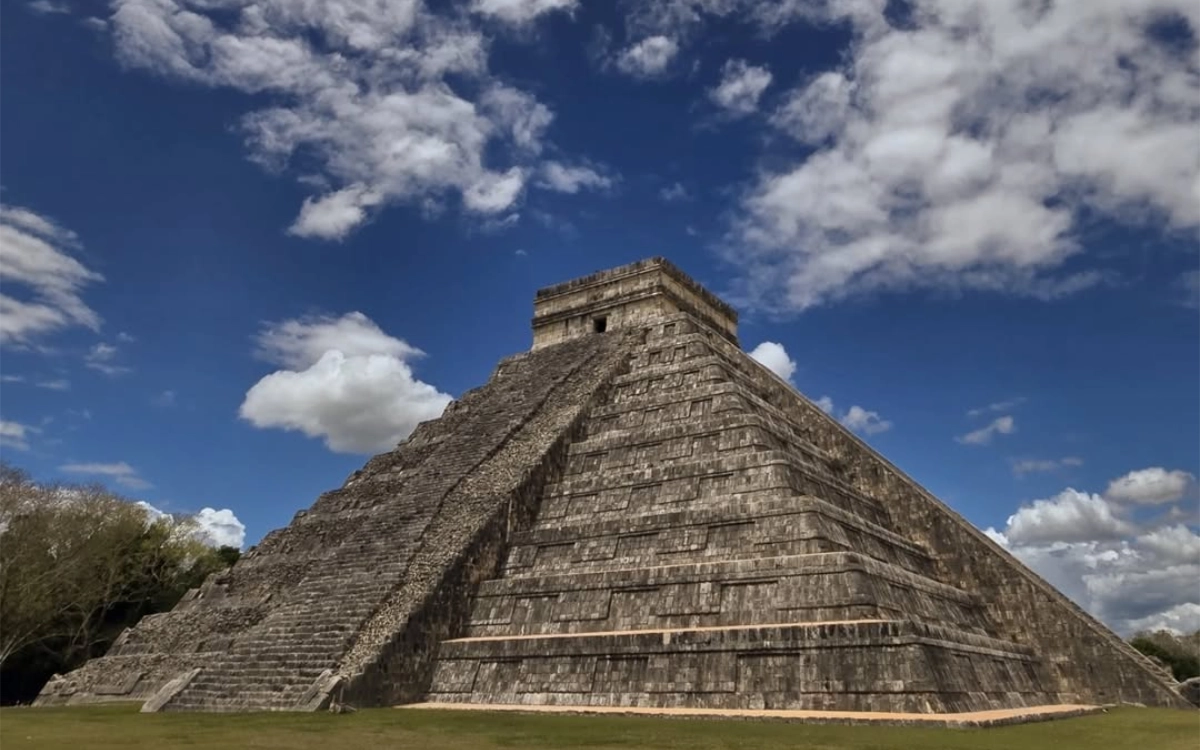
Chichén Itzá is an ancient Maya city on Mexico’s Yucatán Peninsula. Its buildings reflect a long history of settlement and cultural exchange, including influences associated with central Mexico. The best-known structure is El Castillo, the stepped pyramid also called the Temple of Kukulcán.
A visit also puts the Great Ball Court, Temple of the Warriors, and El Caracol into context. Give yourself time to move between the monuments: a photograph of the pyramid captures only a small part of the city. Plan for outdoor walking and sun exposure.
Christ the Redeemer in Rio de Janeiro, Brazil
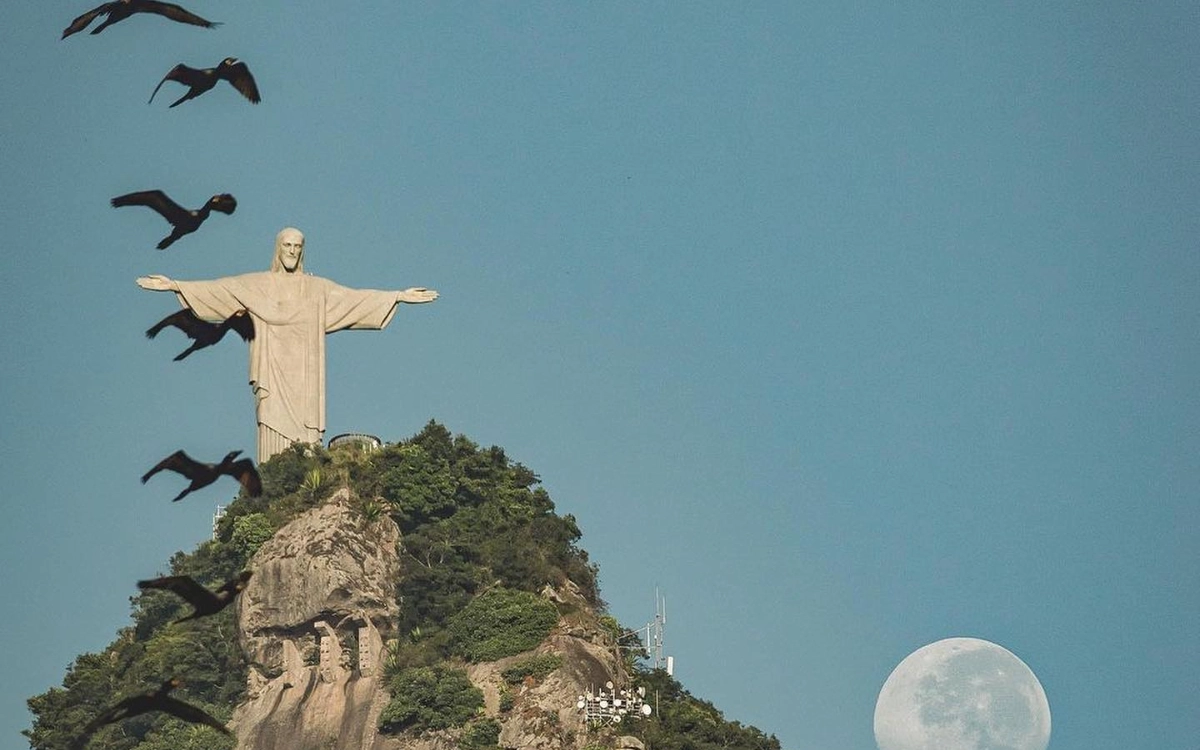
Christ the Redeemer, known in Portuguese as Cristo Redentor, stands on Corcovado Mountain above Rio de Janeiro. Inaugurated in 1931, it is the most recent monument on the New 7 Wonders list.
The setting is central to the experience. From the viewing area, the city’s mountains, bay, and urban landscape help explain why this statue became such a recognizable symbol of Rio. Cloud cover can limit those views, so consider the forecast alongside your preferred boarding time.
The Colosseum in Rome, Italy
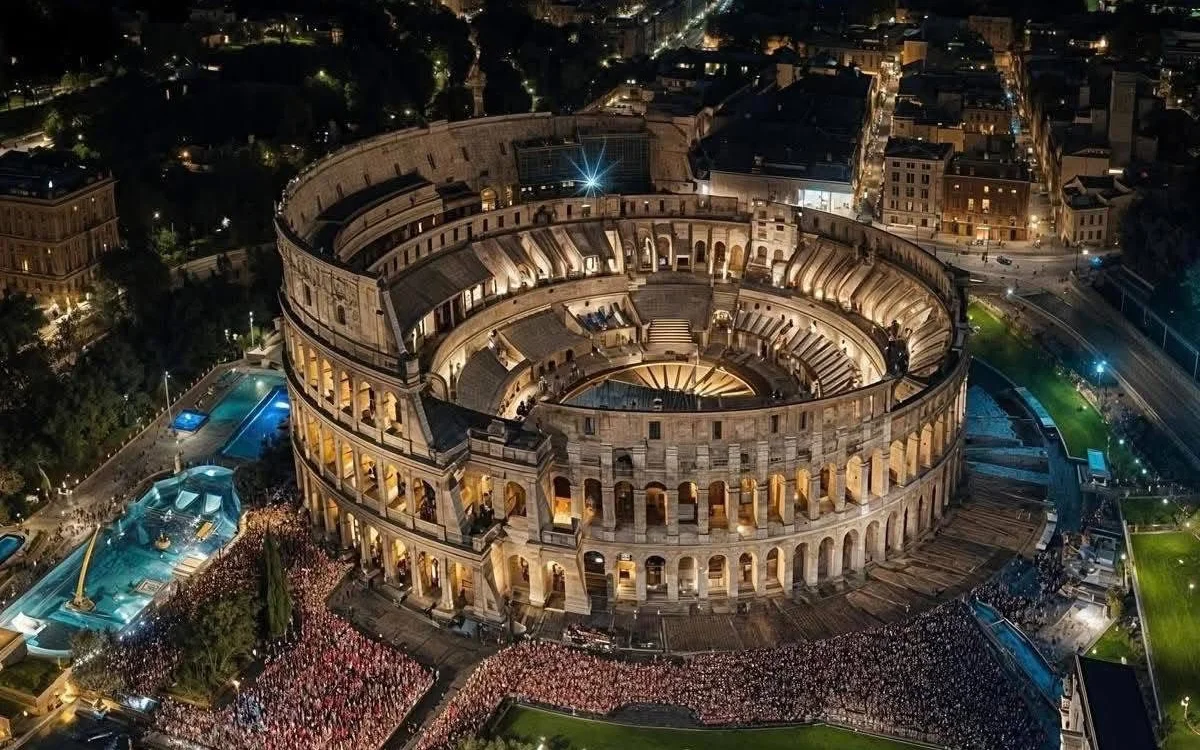
The Colosseum is the ancient Roman amphitheater also known as the Flavian Amphitheater. Built in the first century AD, it hosted gladiatorial contests and other public spectacles. Its surviving structure preserves evidence of both Roman engineering and the organization of public entertainment.
Look at the passages and seating levels as well as the arena. They help you picture how spectators entered, circulated, and watched events. When booking, distinguish general admission from tickets that include the arena floor or underground areas; those spaces have their own access conditions.
The Great Wall of China
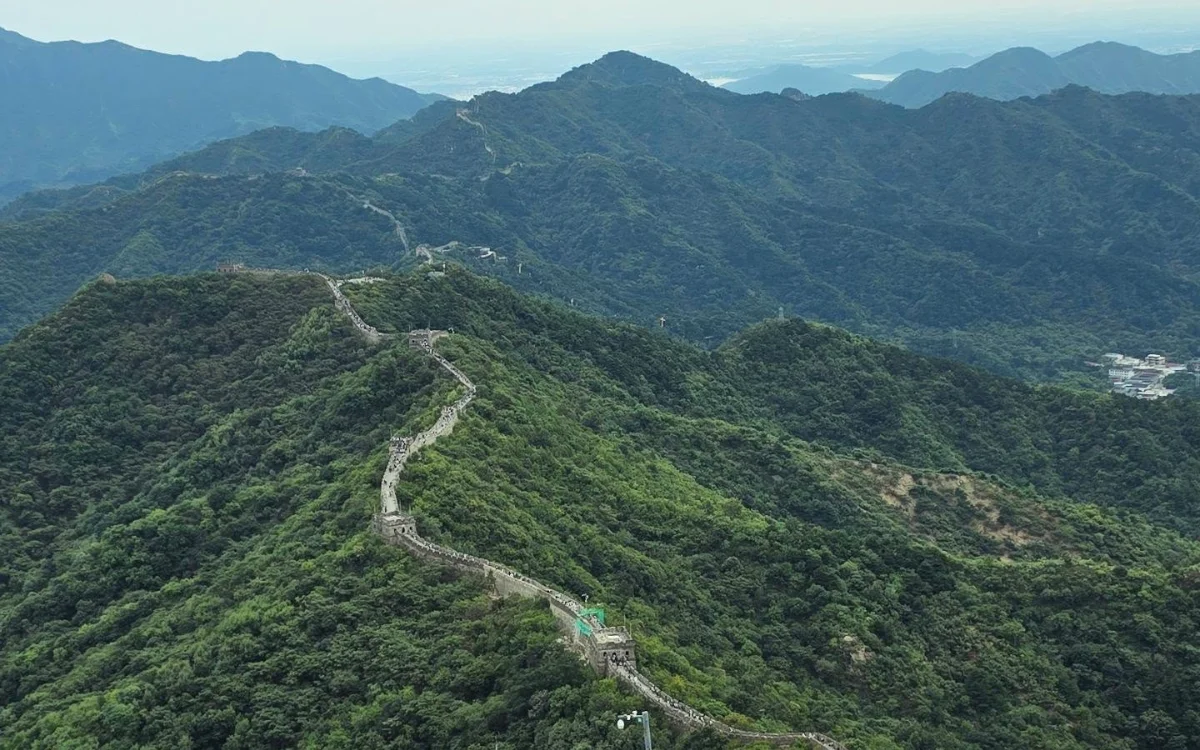
The Great Wall is a defensive system built and rebuilt across successive Chinese dynasties. It includes walls, watchtowers, fortresses, and passes rather than one uninterrupted structure built at a single moment. Much of the famous masonry around Beijing is associated with the Ming dynasty.
For travelers, the first decision is which section to visit. Mutianyu and Badaling are established options near Beijing, but their transport arrangements and walking routes differ. Choose a section that matches your mobility and interests before comparing tickets or day tours.
Machu Picchu in Peru
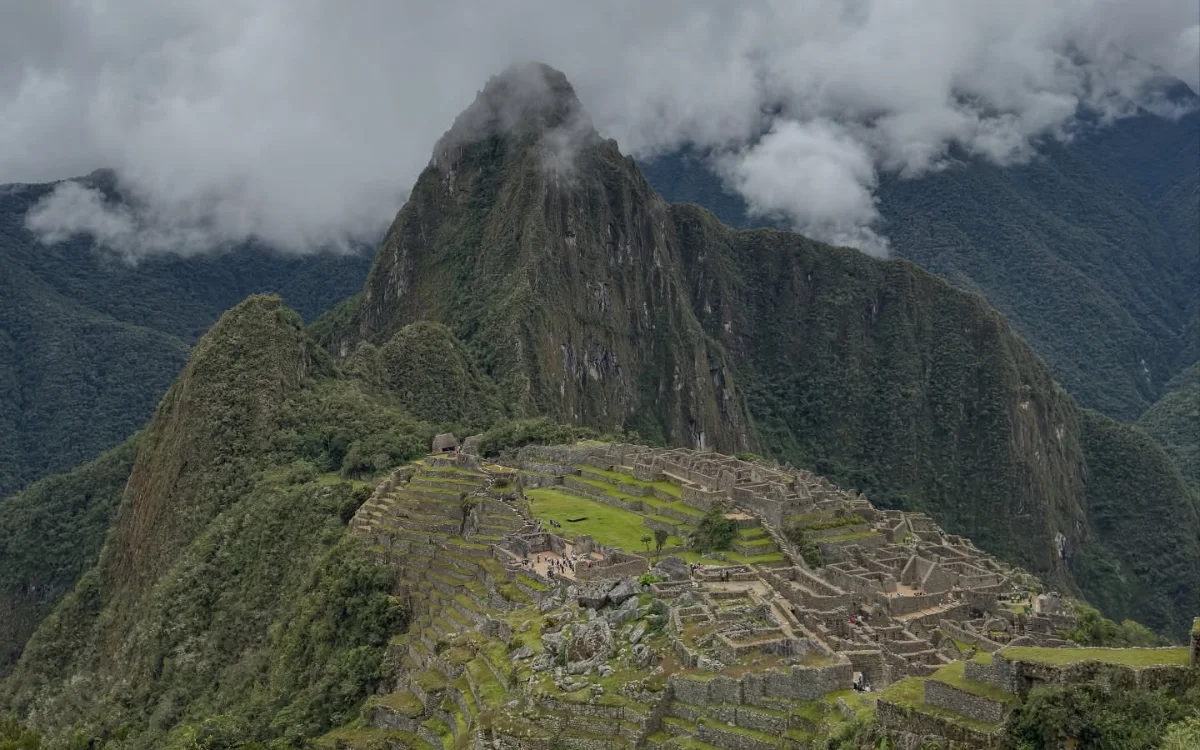
Machu Picchu is a 15th-century Inca site on a mountain ridge above the Urubamba Valley in Peru’s Cusco region. Agricultural terraces, ceremonial spaces, residential areas, and finely fitted stonework show how its builders organized a settlement within demanding terrain.
Your ticket route matters as much as your entry date. Different routes provide access to different parts of the site, so confirm that the one you book includes the views and areas you want. Also plan the journey through Machu Picchu Pueblo, commonly called Aguas Calientes, or the arrangements for a permitted trek.
Petra in Jordan
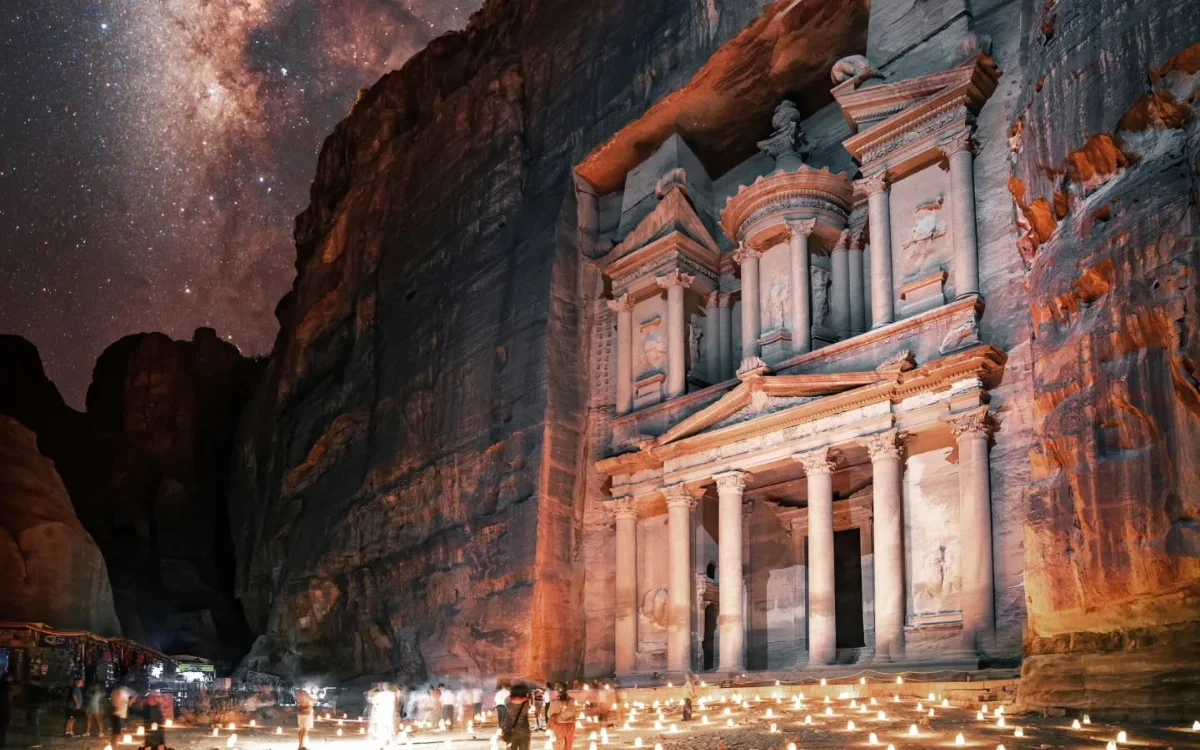
Petra was a major Nabataean city and trading center in what is now southern Jordan. Its architecture combines structures carved into sandstone with buildings constructed on the valley floor. Water channels, cisterns, and reservoirs helped support settlement in an arid environment.
The approach through the Siq to the Treasury is only the beginning of a visit. Tombs, temples, and other routes extend farther into the archaeological park. Decide how much walking you want to do before choosing a one-day visit or allowing additional time.
The Taj Mahal in Agra, India
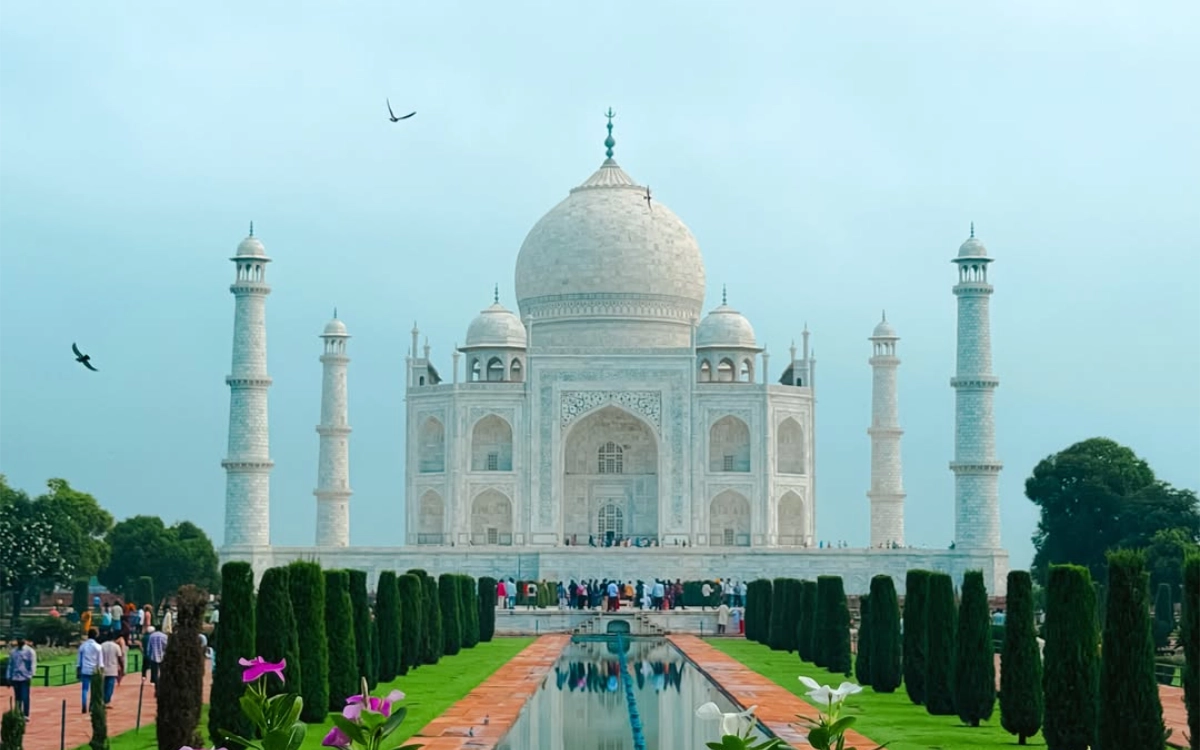
The Taj Mahal is a Mughal mausoleum in Agra, commissioned by Emperor Shah Jahan in memory of his wife Mumtaz Mahal. Its white marble tomb, gardens, and surrounding buildings form a funerary complex dating to the 17th century.
The details reward a slower look: marble inlay, calligraphy, symmetry, and the relationship between the buildings and gardens. Check whether your ticket includes the main mausoleum. The official visitor website also confirms that the Taj Mahal is closed to tourist visits on Fridays.
How the New 7 Wonders Were Chosen
The New7Wonders Campaign and the 2007 Global Vote
Bernard Weber launched the New7Wonders initiative in 2000. After nominations and a selection process produced a shortlist of finalists, public voting determined the seven winners. They were announced in Lisbon, Portugal, on July 7, 2007.
The organizers report that more than 100 million votes were cast worldwide. That figure counts votes, rather than unique voters. The result reflects participation in the campaign.
Why the Seven Wonders Have No Official Ranking
There is no official first-place or seventh-place wonder. New7Wonders states that all seven are equal within the list and that they were announced in random order. Numbered travel lists are a presentation choice, not an official ranking.
How New7Wonders Recognition Differs from UNESCO World Heritage Status
New7Wonders recognition comes from an independent campaign. UNESCO World Heritage status comes from a separate international process that assesses a property’s Outstanding Universal Value and its protection and management. UNESCO explicitly stated that it had no connection with the 2007 vote.
| Recognition | How it is awarded | What it signifies |
|---|---|---|
| New7Wonders | Public voting in the campaign | Selection for its seven-landmark list |
| UNESCO World Heritage | Evaluation under the World Heritage Convention and inscription by the World Heritage Committee | Recognition of Outstanding Universal Value, with conservation and management obligations |
The boundaries of a UNESCO property also matter. The Colosseum is part of the Historic Centre of Rome World Heritage property. Christ the Redeemer and Corcovado are included within Rio’s Carioca Landscapes property. These inscriptions recognize areas extending beyond the individual monuments.
Why There Are Different Lists of World Wonders
“World wonders” is a category used by different writers and organizations. The ancient list, the 2007 New7Wonders list, and lists of natural wonders have different origins and include different kinds of places.
The Original Seven Wonders of the Ancient World
The ancient list grew out of Greek descriptions of remarkable structures around the Mediterranean and Middle East. Its familiar seven entries are:
- The Great Pyramid of Giza in Egypt.
- The Hanging Gardens of Babylon, traditionally associated with Babylon in present-day Iraq. Their existence and exact location remain debated.
- The Statue of Zeus at Olympia in Greece.
- The Temple of Artemis at Ephesus in present-day Turkey.
- The Mausoleum at Halicarnassus, in present-day Bodrum, Turkey.
- The Colossus of Rhodes in Greece.
- The Lighthouse of Alexandria in Egypt.
The Great Pyramid is the only ancient wonder that remains largely intact. The ancient list therefore cannot be visited today in the same way as the seven surviving landmarks selected in 2007.
Why the Great Pyramid of Giza Received Honorary Recognition
The Great Pyramid’s survival gave the pyramids at Giza an honorary place in the New7Wonders campaign. That recognition is separate from the seven winners selected in 2007; it does not add an eighth voted wonder.
How Natural Wonders Differ from These Historic Monuments
Natural wonders are landscapes, ecosystems, and geological features. A separate New7Wonders of Nature campaign announced its selection in 2011: the Amazon, Ha Long Bay, Iguazu Falls, Jeju Island, Komodo, Puerto Princesa Underground River, and Table Mountain.
Other natural-wonder lists use different selections. Check the organization and year when comparing them; a natural-wonder list and the 2007 monument list answer different questions.
What to Know Before Visiting the 7 Wonders
Planning a Multi-Country Trip Around the Wonders
Visiting all seven involves substantial travel between countries and continents. Start by deciding whether you want one destination in depth, a trip covering a few wonders, or several separate journeys. A workable itinerary needs time for transfers as well as time at each landmark.
- Choose your priorities. Compare the historical interests and walking demands of each site.
- Map the full journey. Include airports, regional transport, hotels, and the final approach to the entrance.
- Check dated admission. Establish which tickets and routes are available before committing to the surrounding itinerary.
- Leave room between arrivals and reserved visits. A delayed flight should not immediately put a fixed entry time at risk.
Machu Picchu illustrates why this matters: reaching Cusco is only one stage of the journey. The onward arrangements and the chosen entry route still need to fit together. Likewise, a hotel in Beijing does not put you at the entrance to your chosen Great Wall section.
Choosing When to Visit Each Site
Choose dates around local weather, the amount of outdoor walking, and the site’s entry calendar. These starting points can help you narrow the options:
- Chichén Itzá: December through April is a useful starting point for drier conditions in Mexico. Plan for heat and sun on the Yucatán Peninsula.
- Christ the Redeemer: Consider Rio’s spring or fall, and check the short-term forecast before choosing your visit time. Clear views depend on cloud cover.
- The Colosseum: Spring and fall can help you avoid the strongest summer heat. Rome’s official tourism guide identifies July and August as its hotter months.
- The Great Wall near Beijing: Spring and fall are useful seasons for outdoor walking. Conditions depend on the section and elevation.
- Machu Picchu: April through October generally brings less rain to the Peruvian Andes. Rain and cloud can still affect a particular visit.
- Petra: The park recommends March through May and September through November for milder weather.
- The Taj Mahal: Consider February–March or October–November for milder conditions in Agra, and avoid scheduling your visit for Friday.
Seasonal patterns help with planning, but they do not predict the weather on your entry date. Check local holidays and current availability alongside the forecast.
Booking Entry Tickets Through Official Channels
Begin with the site manager or its authorized access provider. The table identifies official visitor resources. Open each ticket check to see which inclusions deserve attention.
| Site | Official starting point | Before you buy |
|---|---|---|
| Chichén Itzá | INAH visitor information |
Check admission chargesFollow the current purchasing instructions and confirm the total admission charge, including any separate national and local charges. |
| Christ the Redeemer | Corcovado Train tickets |
Check the access packageThe train package includes the round-trip train ride and access to the monument. Choose the boarding date and time, and review current accessibility information if you need step-free access. |
| The Colosseum | Colosseum archaeological park |
Check the ticket typeConfirm the entry time and included areas. Arena-floor and underground access depend on the ticket or guided visit you select. |
| The Great Wall | Official Mutianyu ticket page |
Check the section and transportThese visitor resources are for Mutianyu. Other sections have different arrangements. Check admission, shuttle, and lift inclusions separately, plus any passport details required for booking. |
| Machu Picchu | Peru Ministry of Culture’s Tu Boleto |
Check the circuit and routeSelect the entry date, time, circuit, and route carefully. Match the ticket to your transport plans; train and bus travel are separate arrangements. |
| Petra | Petra’s official visitor website |
Check the visitor categoryConfirm your visitor category and number of entry days. Online purchases are available through Petra Pass. Check separate events and guided services individually. |
| The Taj Mahal | Official Taj Mahal visitor information |
Check mausoleum accessUse the Archaeological Survey of India ticket links provided by the official site. Main-mausoleum access has an additional charge; night viewing has separate booking conditions. |
Before paying, match the visitor names, date, entry time, and included areas to your plans. Save the confirmation and check which identification you must bring.
Finding Local Guides and Comparing Tour Options
A local guide can connect the architecture you see with the people who built and used it. At Petra, for example, the official Visitor Center offers licensed guide services. Compare the actual service when evaluating other sites and tour providers.
- Guide and language: Who leads the visit, what are their credentials, and is the full tour available in English?
- Included access: Does the price cover entry, the specific route or restricted areas, and any required transport?
- Pace and group size: How much walking is involved, and can the itinerary accommodate your mobility needs?
- Booking terms: What happens if your travel dates change or the site closes?
A transport package or guided tour does not automatically include admission. Ask for a written list of inclusions so you can compare the total service and cost.
Checking Visa Requirements for U.S. Travelers
Visa rules differ across the seven countries. The following overview applies to travelers using ordinary U.S. passports for short tourism visits. Check the U.S. Department of State’s country guidance to confirm the rules for your dates, length of stay, and entry point.
| Country | General tourist visa position | Official guidance |
|---|---|---|
| Mexico | Generally visa-exempt for short tourism visits. Confirm the length of stay granted at entry. | Mexico entry requirements |
| Brazil | A visa is required before travel. Use the official application instructions. | Brazil entry requirements |
| Italy | Short tourist stays are generally visa-exempt. Schengen stay limits and applicable travel-authorization rules still need to be checked. | Italy entry requirements |
| China | A visa is generally required. Transit exemptions have specific conditions and should be checked against the full itinerary. | China entry requirements |
| Peru | A tourist visa is generally not required for stays of 90 days or less. Confirm the stay authorized at entry. | Peru entry requirements |
| Jordan | A visa is required. Visa-on-arrival and electronic visa options depend on the entry point and applicable conditions. | Jordan entry requirements |
| India | An approved visa or eligible e-Visa is required before travel. Check that your entry point accepts your visa type. | India entry requirements |
Passport-validity requirements also vary. For Italy, check the European Union’s current travel-authorization guidance separately from visa exemptions. Confirm requirements before buying nonrefundable international travel.
How to Learn About the Wonders Without Traveling
Virtual Tours and Online Exhibits
Virtual visits can show how a monument relates to its surroundings, while maps and historical descriptions help explain what you are looking at. Start with resources that identify the institution or site partner behind the material.
- The Great Wall in 360 degrees: Google Arts & Culture’s Great Wall project includes panoramic views, virtual visits, and exhibits about its architecture.
- Machu Picchu’s wider landscape: The UNESCO site profile provides historical context and access to photographs and maps of the sanctuary.
- Petra beyond the Treasury: Use the UNESCO Petra profile to read about its water systems and archaeological remains alongside the image collection.
Try following one question through the images: how did builders handle water, move people through the site, or work with the terrain? That gives a virtual visit a clearer purpose than simply moving between famous viewpoints.
Books and Documentaries About the History of the Wonders
Choose a resource that matches the place or historical question you want to understand. These examples offer different starting points:
- The Seven Wonders of the Ancient World by Bettany Hughes: A history of the ancient list, useful for understanding why it differs from the 2007 selection.
- SPQR: A History of Ancient Rome by Mary Beard: Broader Roman history that provides context for the society behind the Colosseum.
- NOVA’s Petra: Lost City of Stone: A documentary examining Petra and the engineering that helped sustain the Nabataean city.
For disputed details, compare a book or documentary with archaeological research and the relevant site authority. That is especially useful for questions about the Hanging Gardens, the purposes of particular buildings, and how much of a monument has been restored.