

 ES
ES
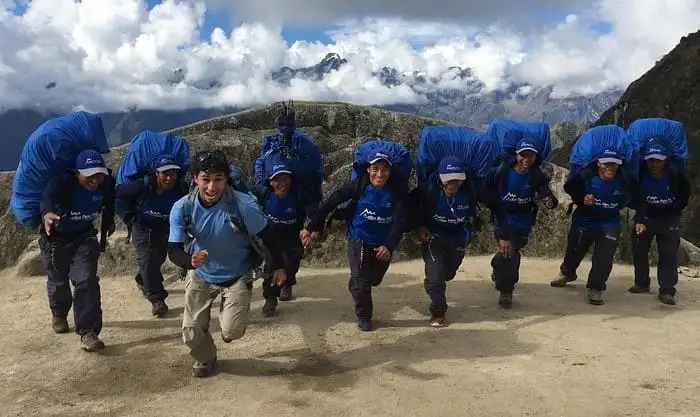
Inca Trail Porters: The People Behind the Journey
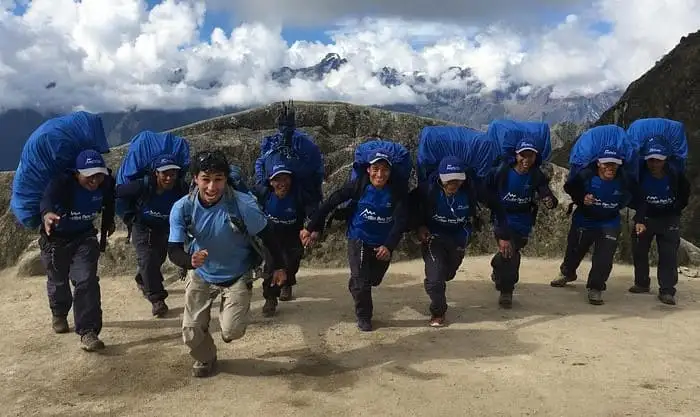
Inca Trail porters work behind the scenes to make the journey to Machu Picchu possible. Each year, thousands of travelers hike the classic Inca Trail, enjoying mountain views, ancient stone paths, and the thrill of reaching the Sun Gate. While trekkers focus on their adventure, porters are busy carrying supplies, setting up camps, preparing meals, and making sure everything runs smoothly.
The classic Inca Trail 4-day trek is demanding, and much of what makes the experience possible happens out of sight. Before trekkers reach camp, porters are already transporting supplies and preparing everything needed for the next stage. Their physically demanding work is essential, yet often goes unrecognized.
Understanding the Inca Trail also means recognizing the people who support it. Their history, daily lives, working conditions, and challenges reveal a side of the trail that many travelers overlook.
Table of Contents
- History and Origins of Inca Trail Porters
- Who Are the Modern Inca Trail Porters?
- The Evolution of Porter Responsibilities
- Daily Life and Working Conditions
- Physical Demands and Required Skills
- Community Structure and Support Networks
- Regulations and Porter Protection
- Choosing Ethical Tour Operators
- Qoricancha Expeditions' Commitment to Porters
- Ethical Tour Operators on the Inca Trail
- Conclusion: Honoring Inca Trail Porters
History and Origins of Inca Trail Porters
The role of Inca Trail porters dates back to the Inca Empire, when chasquis (swift runners) carried messages, food, and goods along the extensive Qhapaq Ñan road network. These runners were renowned for their high-altitude endurance and served as vital communication links. Today's porters continue this legacy, supporting trekkers on their journey to Machu Picchu while maintaining deep connections to their Andean heritage.
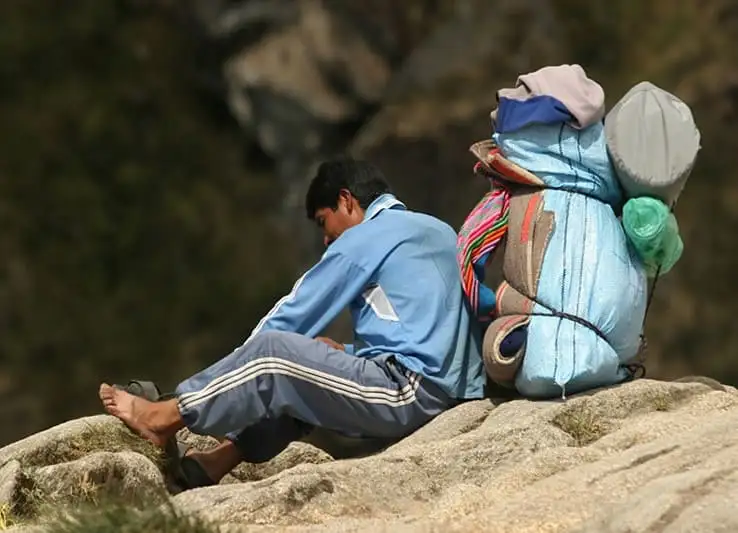
Ancient Messenger Traditions
The chasqui system represented one of the most efficient communication networks in the ancient world, with runners relaying messages across the vast Inca territory.
Who Are the Modern Inca Trail Porters?
Most porters are local men from Quechua-speaking communities in the Sacred Valley, Cusco, and surrounding areas. Many balance agricultural work during planting season with portering during trekking season to support their families economically.
Cultural Background
These men typically come from generations of high-altitude farmers and maintain strong ties to their ancestral lands and traditions.
The Evolution of Porter Responsibilities
From ancient messengers to modern tourism supporters, porter roles have transformed significantly. With Machu Picchu's UNESCO designation and tourism growth, porters have become essential to the Inca Trail experience while adapting to regulated working conditions.
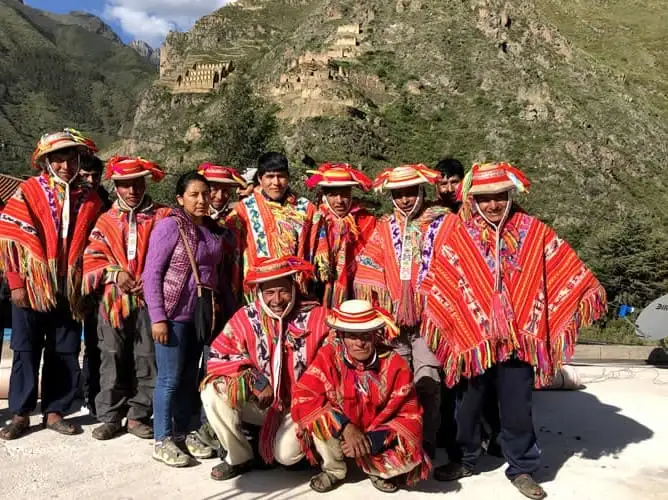
From Messengers to Tourism Partners
Contemporary porters now serve as cultural ambassadors, sharing Andean traditions while ensuring trekker safety and comfort.
Daily Life and Working Conditions
A porter's day begins before dawn, preparing equipment and breakfast while trekkers sleep. They maintain a rapid pace, often arriving at campsites hours ahead of the group to set up tents, prepare meals, and ensure everything is ready for arriving hikers.
Typical Daily Schedule
Porters work long hours carrying heavy loads at high altitude, demonstrating remarkable physical endurance and dedication to their work.
Physical Demands and Required Skills
Portering requires exceptional physical strength, high-altitude adaptation, and extensive knowledge of mountain terrain. Despite weight regulations (maximum 20kg), the work remains extremely demanding due to steep inclines and variable weather conditions.
Essential Porter Attributes
Successful porters combine physical stamina with deep understanding of mountain safety and traditional knowledge passed through generations.
Community Structure and Support Networks
Porters have remarkable personal stories. Many support their children's education or save for essential tools. Their sense of brotherhood is evident as they share jokes, songs, and coca leaves along the trail.
Regulations and Porter Protection
Peruvian government regulations now establish weight limits, mandatory permits, and requirements for fair wages, proper equipment, and adequate meals. While enforcement varies, these measures represent significant progress in porter welfare.
Key Protective Measures
Current regulations focus on sustainable load limits, insurance coverage, and ensuring porters receive appropriate compensation for their demanding work.
Choosing Ethical Tour Operators
Selecting responsible companies like Qoricancha Expeditions ensures porters receive fair treatment, proper equipment, and respectful working conditions. Ethical operators prioritize small groups and integrate porter welfare into their business models.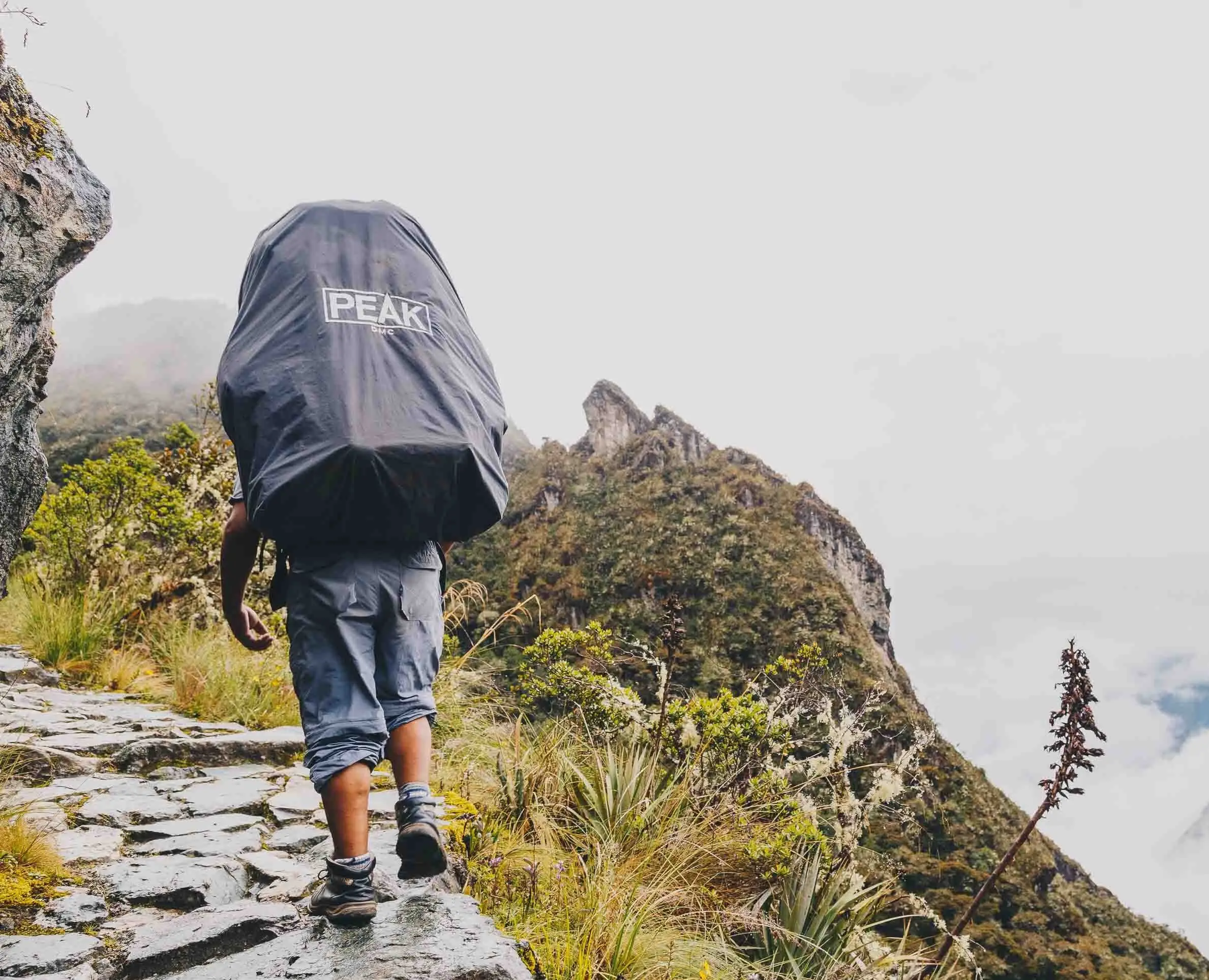
Identifying Responsible Companies
Look for operators that transparently discuss porter treatment, provide equipment lists, and maintain small group sizes to ensure humane working conditions.
Qoricancha Expeditions' Commitment to Porters
Qoricancha Expeditions prioritizes porter well-being and is recognized for its ethical treatment, considering staff as fundamental members of the organization. We guarantee fair compensation, adequate equipment, nutritious food, and respectful working conditions.
Ethical Tour Operators on the Inca Trail
Choosing an ethical tour company benefits both travelers and the porters who support the Inca Trail. These operators provide fair wages, reasonable load limits, proper gear, and dignified meals and accommodation.
Advantages of Responsible Tourism
Ethical operators prioritize small groups to ensure quality experiences and dignified working conditions for porters. Companies like Qoricancha Expeditions set the standard with fair treatment and sustainable practices.
Conclusion: Honoring Inca Trail Porters
Inca Trail porters represent the living heart of the Machu Picchu trekking experience. Their physical endurance, cultural knowledge, and dedication transform challenging journeys into unforgettable adventures. By choosing ethical operators and understanding porter contributions, trekkers support sustainable tourism practices that honor these essential members of the Inca Trail community.
Sustainable Tourism Future
Responsible travel choices help preserve both the ancient trail and the cultural traditions of the people who make each journey possible