

 ES
ES
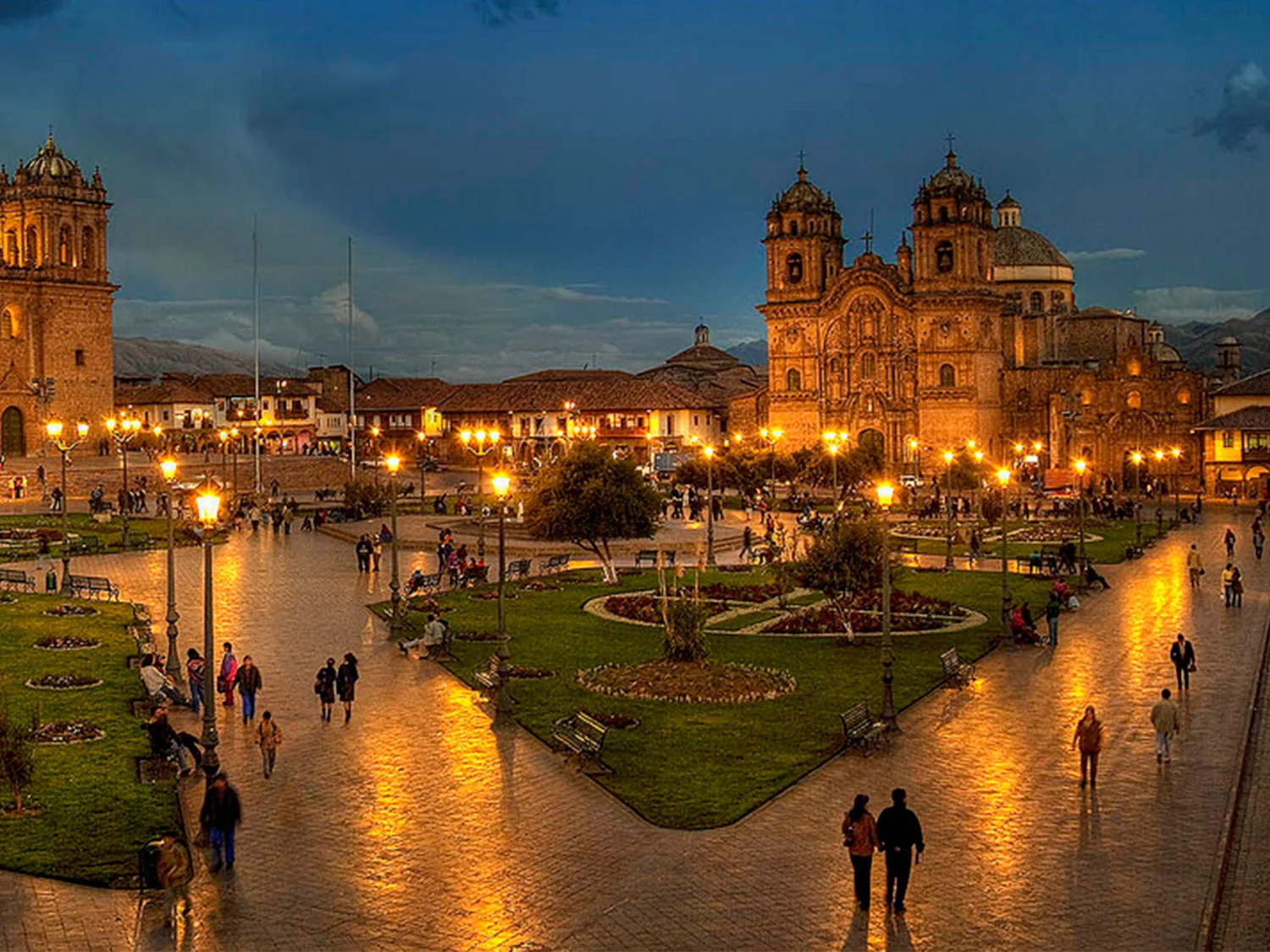
Cultural Tours in Cusco: Ancient Traditions and Heritage Experiences
Cultural tours in Cusco bring together Inca history, colonial architecture, Andean traditions, and everyday local life. You don't have to look far to see that history. Cusco was once at the center of the Inca world, and Coricancha, the Temple of the Sun, is one of the clearest examples that remains.
Its walls were once covered in gold, reflecting the importance of Inti, the sun god. The gold disappeared after the Spanish conquest, but much of the Inca stonework survived, and today it sits alongside the Church of Santo Domingo, colonial architecture built over the older Inca structure.
That mix of old and new is a big part of what makes Cusco worth exploring on foot, rather than simply moving from one landmark to the next.
Table of Contents
- Why Cusco Is the Best Base for Peruvian Culture Tours
- Temple of the Sun, Cusco: What to See at Coricancha
- San Blas and Plaza de Armas: Artisan Cusco Meets Colonial Cusco
- Sacsayhuamán and San Pedro Market: Engineering and Everyday Life
- Beyond the City: Andean Communities and the Sacred Valley
- Choosing a Cusco Tour Company for Your Cultural Trip
- Frequently Asked Questions
Why Cusco Is the Best Base for Peruvian Culture Tours
Cusco is one of the best bases for Peruvian culture tours because you can experience Inca history, colonial architecture, Andean traditions, and local daily life without travelling far from the historic center.
Cusco was the political and spiritual capital of the Inca Empire, known as the "navel of the world," and the hub of Tahuantinsuyo, the Inca road network. You can still see traces of that history in the stonework beneath colonial buildings and hear Quechua spoken around the city.
Food is part of it too, cuy and ají de gallina are well-known local dishes, and trying them gives you a different way to get familiar with Cusco beyond its archaeological sites. A few other things you'll notice while exploring:
-
Inca and colonial architecture standing side by side, particularly around the historic center.
-
Traditional crafts and textiles in neighborhoods such as San Blas.
-
Local markets where residents shop for food, household goods, and regional products.
Temple of the Sun, Cusco: What to See at Coricancha
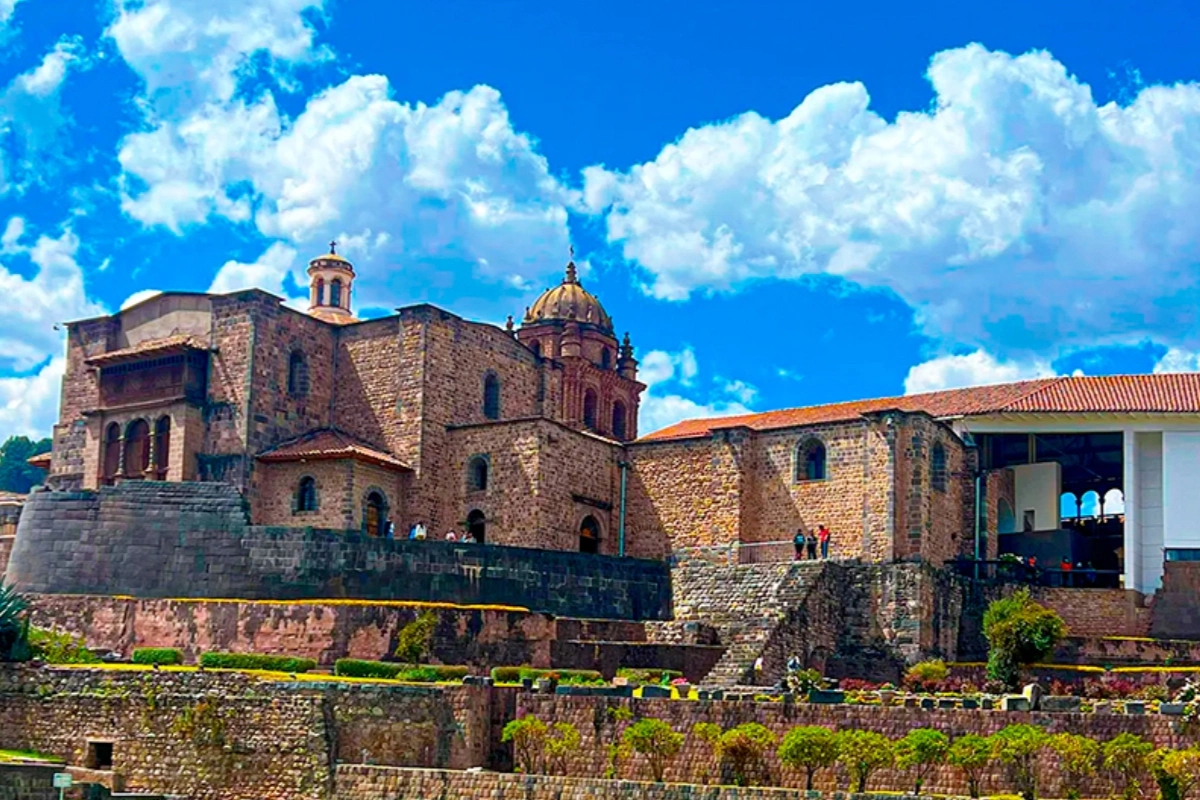
The Temple of the Sun Cusco, better known as Coricancha, is one of the most important stops on a cultural tour and one of the most significant religious sites of the Inca Empire.
Under Emperor Pachacutec, the temple was decorated with gold and connected to the ceque system, a network of sacred lines extending from Cusco to religious sites across the empire. Much of it was altered after the Spanish conquest, the Convent of Santo Domingo was built over it, but the original stone walls remained, carefully fitted enough to survive earthquakes that damaged parts of the colonial structure.
Check the current opening hours and entry fees before you go, as these can change. The site is only a short walk from Plaza de Armas, so it fits easily into a Cusco city tour, and a guide adds context you won't get from just looking at stone walls.
San Blas and Plaza de Armas: Artisan Cusco Meets Colonial Cusco
San Blas and Plaza de Armas give you two very different views of Cusco: San Blas is known for its crafts and narrow streets, while Plaza de Armas is the city's main colonial square.
San Blas is a good place to walk around without rushing. Its steep cobblestone streets lead to small workshops selling locally made ceramics, textiles, and woodwork, better for finding individual pieces than mass-produced souvenirs.
Plaza de Armas has a very different feel. The Cathedral and the Church of the Company of Jesus dominate the square, both built over or around important Inca foundations.
Sacsayhuamán and San Pedro Market: Engineering and Everyday Life
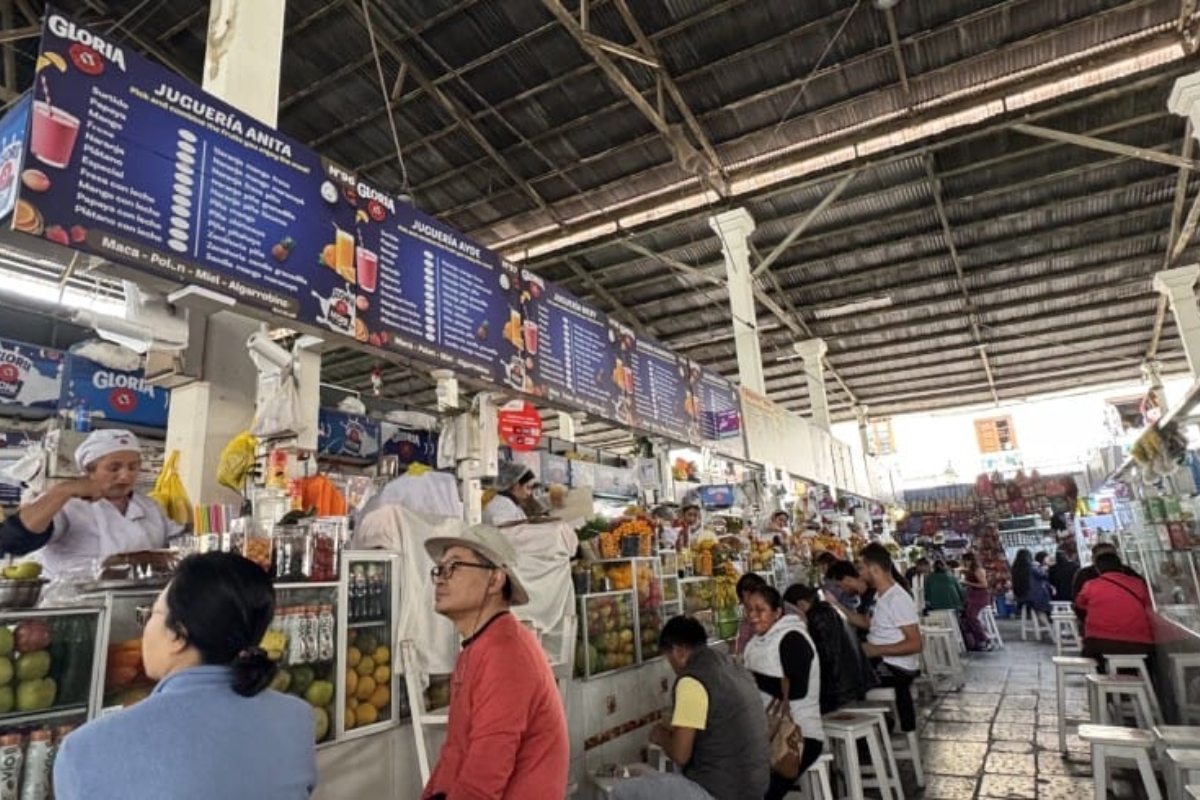
Sacsayhuamán gives you a close look at Inca engineering, while San Pedro Market shows a more ordinary side of life, and both fit easily into one day.
Above the city, Sacsayhuamán is known for its enormous stone walls. Some of the stones weigh several tons, yet they were cut and fitted together with impressive precision without mortar, and the site is also a good viewpoint over Cusco.
Back in the city center, San Pedro Market feels completely different, a working market with fresh produce, regional cheeses, handmade goods, and juices. It can be busy and noisy, but that's part of the appeal, a chance to see how people shop and go about their daily routines.
Beyond the City: Andean Communities and the Sacred Valley
A Cusco Sacred Valley tour is a good choice if you want to see Andean traditions outside the city, in places such as Pisac, Ollantaytambo, and Chinchero, each with its own Inca ruins, markets, and weaving cooperatives where natural dyes and traditional looms are still used. In the surrounding communities, farming, textile work, and Quechua traditions remain part of everyday life.
This is where a knowledgeable local guide makes a noticeable difference, explaining local customs and the agricultural calendar instead of just naming ruins.
Choosing a Cusco Tour Company for Your Cultural Trip
The right Cusco tour company should have knowledgeable local guides, manageable group sizes, and itineraries that give you enough time to actually experience each place.
Not every tour operator in Cusco approaches cultural tours the same way, some move groups quickly from one landmark to another with little time to ask questions. When comparing companies, look for:
-
Licensed, locally trained guides who understand both Inca history and present-day Andean culture.
-
Small enough groups that you can ask questions and interact with the guide.
-
Well-paced itineraries, rather than too many stops in one day.
If you're planning Cusco Inca Trail tours after your cultural sightseeing, it's worth choosing a tour operator in Cusco that can arrange both, one company handling the whole trip saves you separate bookings.
At Qoricancha Expeditions, our Cusco city tours and Sacred Valley itineraries focus on Inca sites, local history, and connections with Andean communities.
Frequently Asked Questions
What is the best way to experience cultural tours in Cusco?
A guided city tour covering Coricancha, Plaza de Armas, San Blas, and Sacsayhuamán covers the main sites in one day, with a guide filling in the history you'd otherwise miss.
What is Coricancha, and why is it called the Temple of the Sun?
Coricancha was the Inca Empire's most important religious temple, dedicated to Inti the sun god, decorated in gold before the Spanish conquest and now part of the Santo Domingo complex.
How many days do you need for cultural tours in Cusco?
One full day covers the historic center; a second lets you add a Cusco Sacred Valley tour to Pisac, Ollantaytambo, and Chinchero.
Can I combine cultural tours with the Inca Trail?
Yes, many travelers pair city or Sacred Valley sightseeing with Cusco Inca Trail tours, and booking both through the same operator keeps scheduling simple.
Is Cusco easy to explore on a cultural tour?
The historic center is walkable, though some streets are steep, and a knowledgeable Cusco tour company makes the sightseeing more informative.