

 ES
ES
Carnivals in Peru
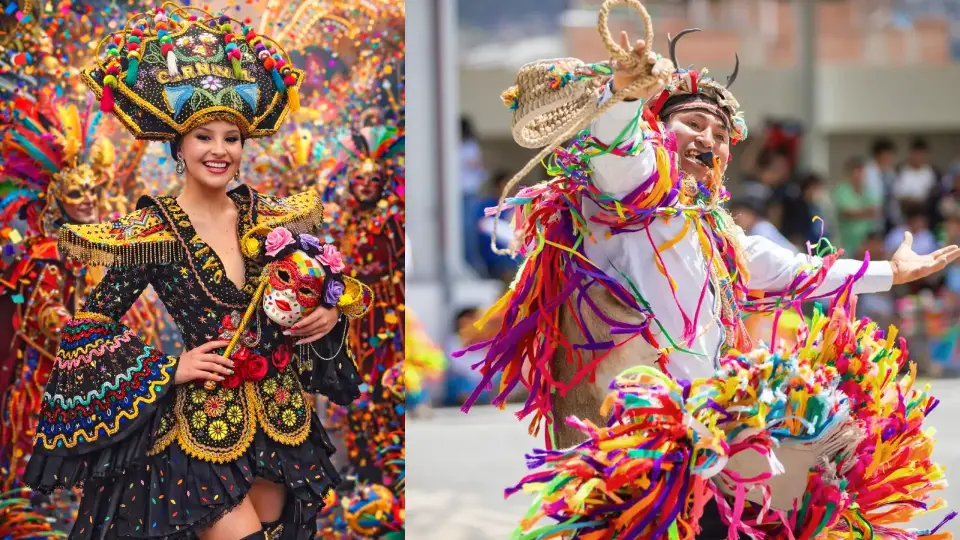
If you want a travel experience filled with fun, culture and real traditions, Peru’s Carnivals are a great choice. You’ll find playful water fights, colorful parades, lively music and traditional dances in cities like Cajamarca, Cusco, Puno and Ayacucho, each offering their own special celebrations.
Experience the excitement of Peruvian carnivals by enjoying lively music, local food, and long-standing traditions. Celebrate with both locals and visitors at one of Peru’s happiest and most exciting festivals, where every street is full of life and every moment is memorable.
Table of Contents
- Carnival in Peru: Color, Music and Celebration
- What Does the Word “Carnival” Mean?
- What Is Carnival in Peru?
- Why Is Carnival Celebrated?
- History and Origins of Carnival Around the World
- The Origins of Carnival
- Carnival During the Colonial Period
- The Expansion of Carnival Around the World
- Carnival Today
- Origin of Carnival in Peru
- Andean Roots of Peruvian Carnival
- Traditional Water Games During Carnival
- Paint or Talcum Powder Games
- The Symbolism of Paint, Talcum Powder and Confetti
- Cutting the Yunza (Corta-Monte)
- How Are Carnivals Celebrated in Peru?
- The Arrival of Ño Carnavalón
- Best Carnivals in Peru
- Ayacucho Carnival
- Cajamarca Carnival
- Sacclaya Carnival (Andahuaylas)
- Pukllay Andahuaylas Festival
- Abancay Carnival (Carnaval Abanquino)
- Carnivals in Cusco
- Juliaca Centennial Carnival
- Carnivals in Puno
- Carnival in Pucallpa
- Carnivals in Piura
- Practical Tips & Organized Carnival Tours in Peru
- What to Pack for Carnival in Peru
- Weather During Carnival Season
- Why Travel to Peru for Carnival?
- How to Get to Carnival Destinations in Peru
- Where to Stay During Carnival
- What to Eat During Carnival
- How to Dress & Participate in Carnival
Carnival in Peru: Color, Music and Celebration
Join the Carnival in Peru and share the excitement with your family and friends. Watch colorful parades, listen to traditional music, take part in lively water games and see the famous yunzas that unite communities. Visit places from Cajamarca to Puno, explore Machu Picchu and other famous sites and enjoy a cultural experience you’ll never forget.
Celebrate, explore and connect with Peru’s joyful traditions. We can help you plan your ideal carnival trip and create memories that will last a lifetime.
What Does the Word “Carnival” Mean?
The word carnival comes from the Latin “carne vale,” meaning “farewell to meat.” It originally referred to the period before Lent, a time of reflection and abstinence in the Christian calendar. Over time, carnival became a vibrant celebration of joy, abundance, and freedom of expression before the season of restraint.
What Is Carnival in Peru?
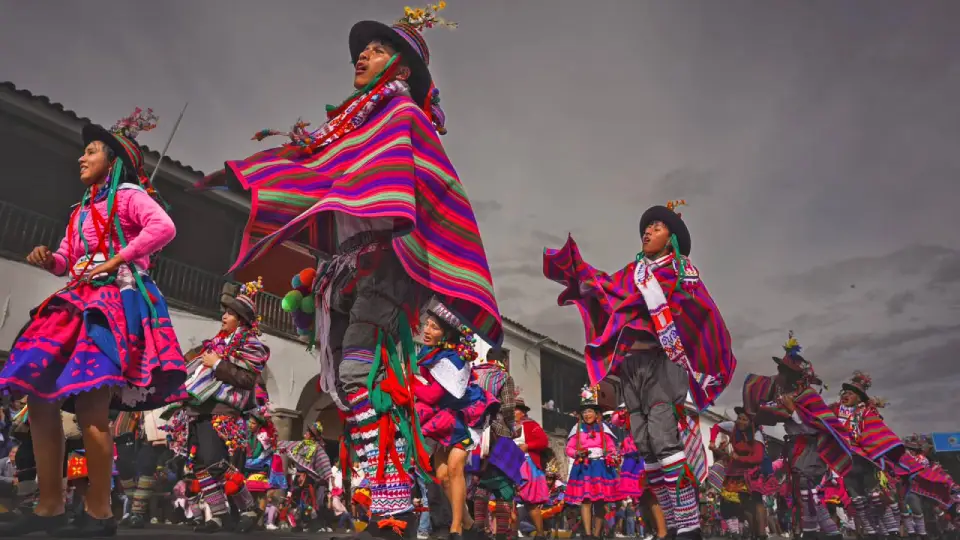
Carnival in Peru is among the country’s most joyful, colorful, and culturally rich celebrations. Streets and town squares fill with traditional music, lively parades (comparsas), folk dances, water games, and rituals that blend Andean heritage with colonial traditions.
Peruvian Carnival is more than a festival; it celebrates life, land fertility, gratitude to Pachamama (Mother Earth), and strong community bonds. Each region, including Cajamarca, Cusco, Puno, and Ayacucho, contributes unique customs, flavors, and rhythms, making Carnival an unforgettable experience for those seeking authentic local traditions.
Did You Know…?
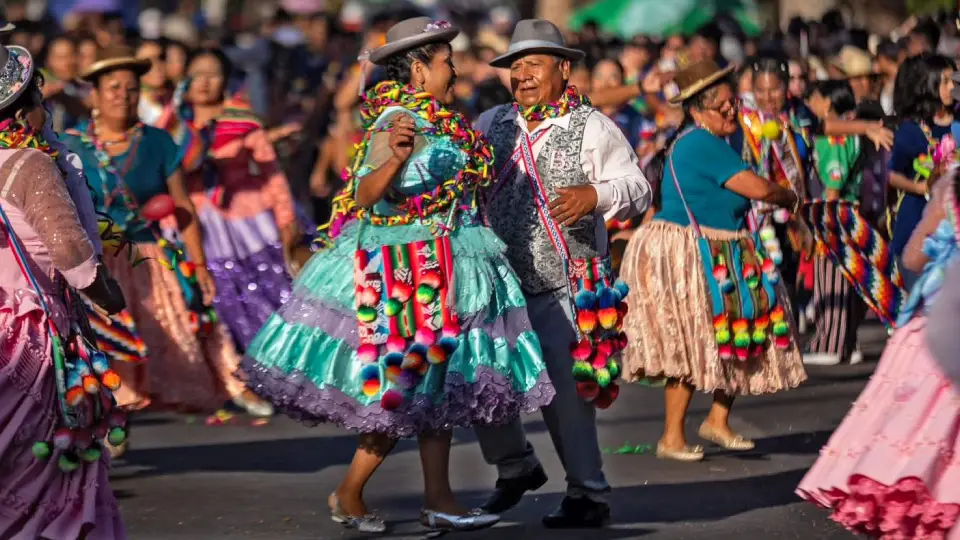
Every region in Peru has its own way of celebrating Carnival. This makes Peru a great place to experience many cultural traditions in one trip. As you travel from city to city, you’ll find different customs, music, dances, and flavors. These unique festivals show off the country’s rich cultural diversity.
Why Is Carnival Celebrated?
Carnival is a time of abundance, joy, and freedom. Communities gather to celebrate life with music, dance, and shared traditions. It also marks the start of a 40-day period of reflection and preparation before Holy Week, called Lent, when people often fast and practice abstinence.
Because of this, Carnival in Peru is seen as a balance between celebration and faith. It is a lively farewell to indulgence before a time of spiritual reflection, making it one of the most meaningful and festive times to visit the country.
History and Origins of Carnival Around the World
The Origins of Carnival
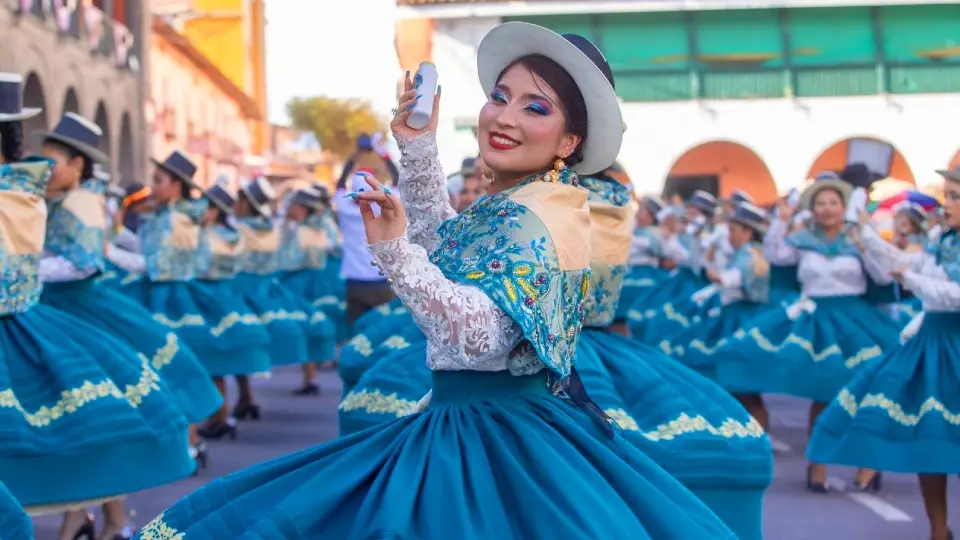
Carnival has been celebrated for thousands of years, even before Christianity began. It started with ancient Egyptian, Greek, and Roman festivals, where people came together to enjoy music, dancing, food and each other's company as they honored life, fertility and the changing seasons.
In the Middle Ages, as Christianity spread through Europe, these older festivals slowly mixed with new religious traditions. Over time, Carnival became the lively and meaningful celebration we know today, full of energy and reflection and marking the days before Lent.
By blending ancient rituals with Christian traditions, Carnival developed its own special character. Today, it remains one of the world’s most colorful and meaningful celebrations, enjoyed in many countries.
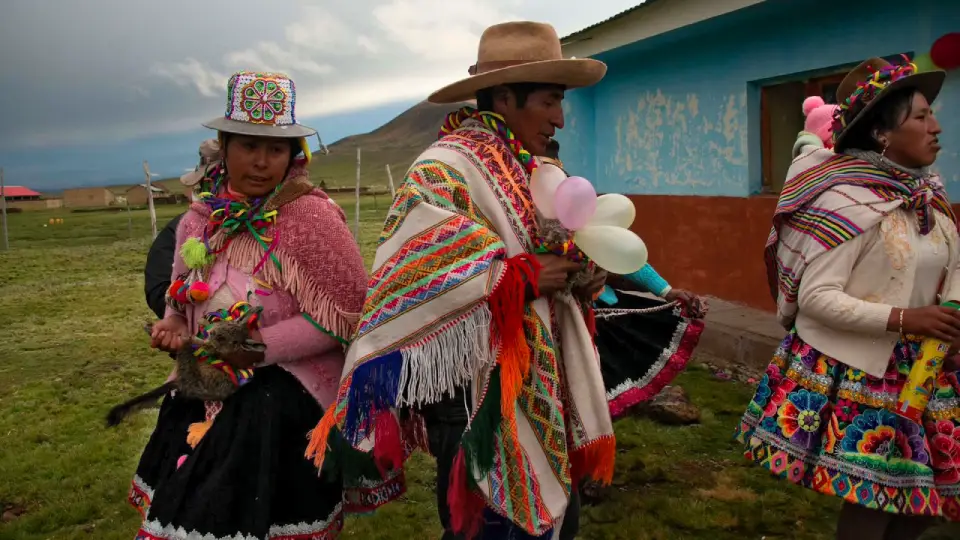
Important Fact
Over time, these ancient celebrations evolved into the “Festival of Fools” during the Middle Ages. Social rules were temporarily suspended, encouraging expressions of joy, satire, and freedom. These festivities eventually became the foundation for the vibrant Carnival celebrated worldwide today.
Carnival During the Colonial Period
With Spanish colonization, Carnival in Peru became a unique blend of European traditions and Andean beliefs. This fusion created a vibrant celebration that continues today and features:
- Water games that symbolize fertility, renewal, and abundance
- Traditional dances, comparsas, and live music that reflect regional identity
- Yunzas, or decorated trees, representing prosperity and nature’s generosity
- Regional food and drinks that highlight local gastronomy
This blend of history, symbolism and celebration makes Carnival in Peru one of the most authentic and immersive cultural experiences for travelers seeking tradition, joy and community spirit.
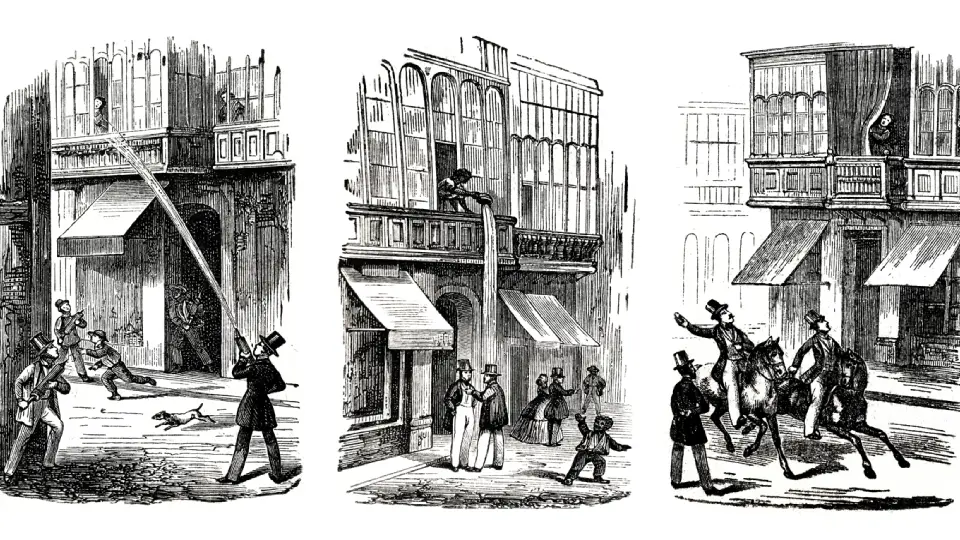
The Arrival of Christianity
When Christianity arrived, Carnival became tied to the religious calendar. Lent, the 40 days before Easter, is a time for reflection, fasting, and spiritual preparation. Because of this, people celebrate Carnival with extra joy, enjoying music, food, and community as a happy send-off before a period of restraint and thoughtfulness.
The Legend of Don Carnaval and Doña Cuaresma
In Peru, Carnival is also celebrated through the legend of Don Carnaval and Doña Cuaresma.
Don Carnaval stands for joy, abundance, celebration, and earthly pleasures. Doña Cuaresma stands for reflection, discipline, and fasting. Their playful 'duel' shows the shift from celebration to spirituality and highlights the balance between fun and faith in Peruvian Carnival traditions.
People still bring this legend to life in festivities, parades, and performances, adding stories and meaning to one of Peru’s most colorful celebrations.
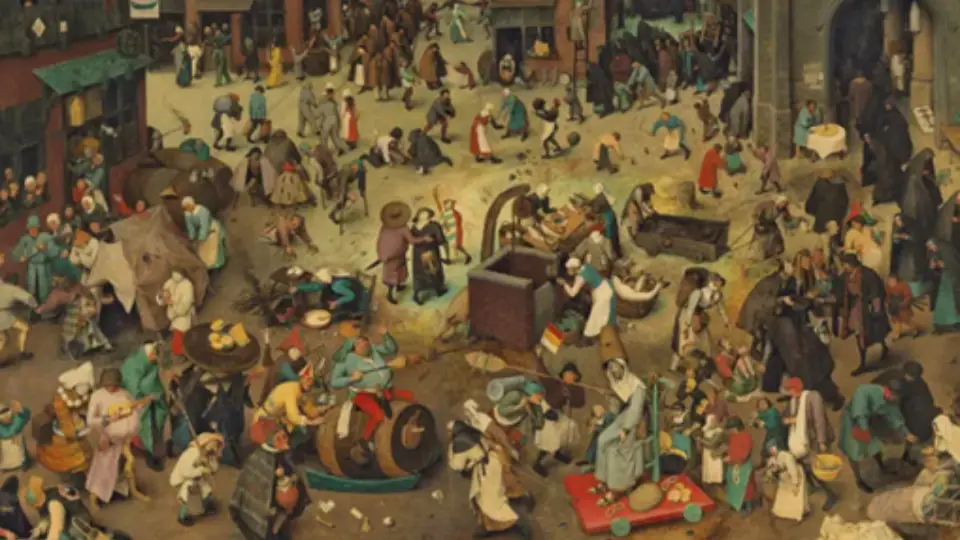
The Expansion of Carnival Around the World
Travel, exploration, and colonization brought Carnival to the Americas, Africa, and other regions. It gradually blended with local customs, music, dances and beliefs, enabling each culture to develop its own distinctive celebration.
- In Brazil, Carnival became a major event featuring samba, large parades, and elaborate costumes.
- In the Caribbean, Carnival incorporated African rhythms, resulting in energetic music and expressive dances.
- In the Andes, Carnival combined with ancient agricultural rituals and offerings to Pachamama (Mother Earth), highlighting themes of fertility, gratitude, and harmony with nature.
This cultural fusion makes Carnival one of the most diverse and vibrant celebrations worldwide.
Carnival Today
Today, Carnival is celebrated worldwide, with each location offering a unique experience. In Peru, cities such as Cajamarca, Cusco, Ayacucho and Juliaca maintain ancestral traditions through music, dance, water games and community festivities.
These celebrations reflect Carnival’s deep cultural roots and demonstrate why it remains one of Peru’s most cherished festivals, attracting travelers seeking authentic experiences and vibrant traditions.
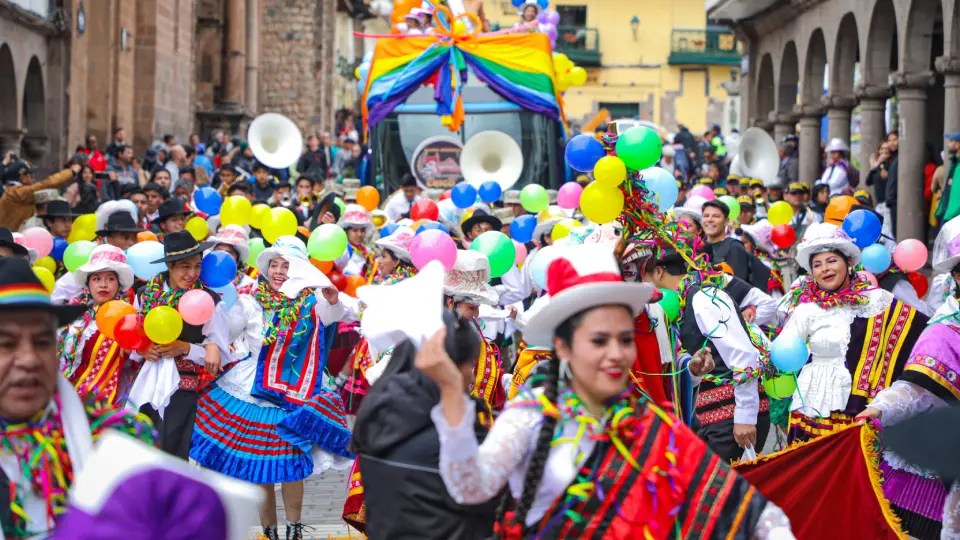
Origin of Carnival in Peru
Andean Roots of Peruvian Carnival
Before the Spanish arrived, ancient Andean civilizations celebrated life and nature with rituals for Pachamama, or Mother Earth, during the rainy season from January to March. These early ceremonies became the basis for today’s Carnival in Peru.
The main purposes of these early celebrations were to:
- Ensure abundant harvests for the coming agricultural cycle.
- Ask for fertility and balance for the land and livestock.
- Strengthen community bonds through collective rituals, music and shared festivities.
These traditions focused on gratitude, living in harmony with nature and bringing people together. These values still influence how Carnival is celebrated in the Andes today.
Traditional Water Games During Carnival
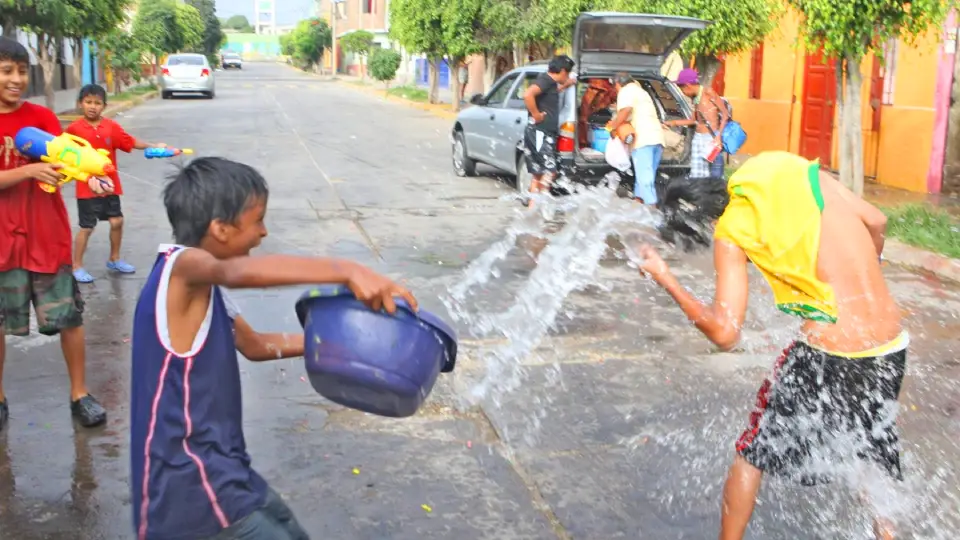
Since pre-Hispanic times, water has stood for life, purification, renewal, and abundance in Andean cultures. That’s why getting wet during Carnival is more than a game; it’s a joyful ritual. When people splash water on each other, they share happiness and wish for good luck, fresh energy, and a successful new year.
Water games act as a symbolic cleansing, welcoming new beginnings and good energy for the coming year. This tradition is still one of the most loved and playful parts of Carnival in Peru.
Did You Know?
Water games bring everyone together, breaking down social barriers and building a strong sense of equality, unity, and community spirit. These are key values in Andean culture.
Paint or Talcum Powder Games
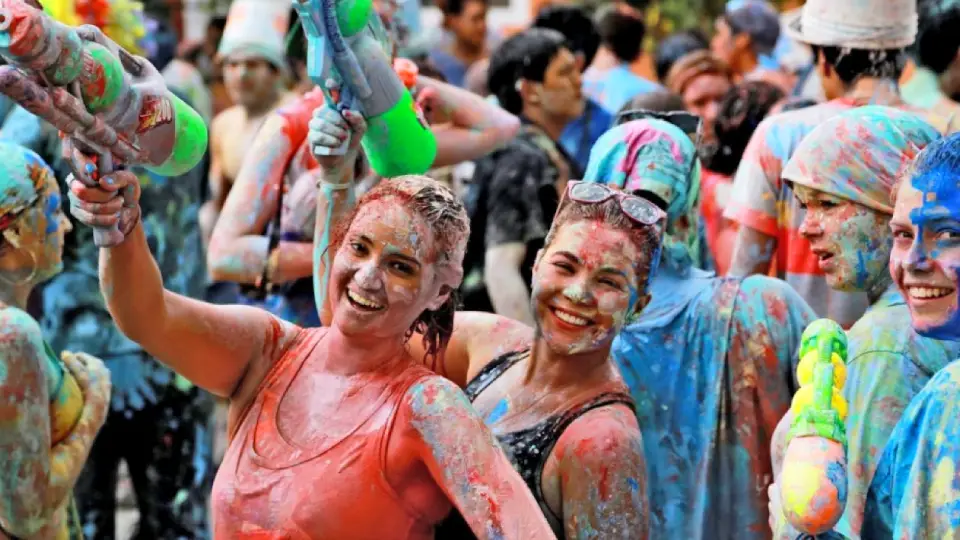
In addition to water games, many regions also celebrate with paint or talcum powder games. People happily cover each other in bright powders, adding color to the festivities. This tradition stands for joy, creativity, and shared celebration, turning streets and plazas into lively scenes of happiness.
The Symbolism of Paint, Talcum Powder and Confetti
During Carnival, people use paint, talcum powder and colorful confetti to symbolize several important ideas:
- They represent freedom of expression, letting everyone join the celebration without any restrictions.
- They also break down social hierarchies, making everyone equal no matter their age or status.
- Carnival becomes a celebration without barriers, bringing people together in unity, joy, and shared happiness.
These playful traditions make Carnival a place where laughter, color, and community come together. They help strengthen the spirit of equality and collective celebration that is at the heart of Carnival in Peru.
Cutting the Yunza (Corta-Monte)
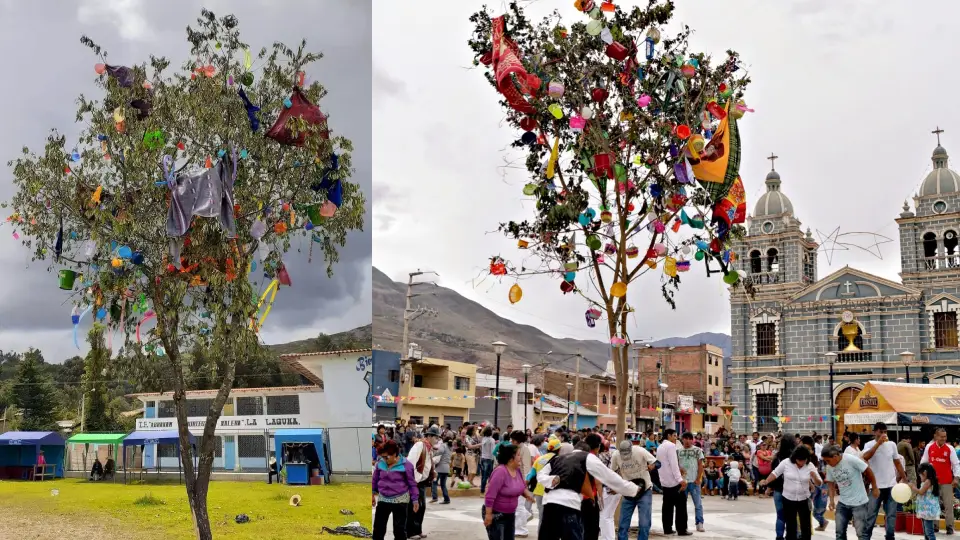
The Yunza, or Corta-Monte, is one of the highlights of Carnival in the Peruvian highlands. People gather to dance in a circle around a tree decorated with gifts, balloons, ribbons, and bright ornaments. With music and laughter, everyone takes turns cutting the tree until it falls, and then the presents are shared among all.
This lively tradition stands for several important ideas:
- Fertility, as it honors the earth and hopes for good harvests
- Prosperity, by wishing for abundance in the community
- Community unity, as people strengthen their bonds by celebrating together
The Yunza shows the strong ties between Andean traditions, nature, and shared happiness. It is one of the most memorable Carnival experiences in Peru.
How Are Carnivals Celebrated in Peru?
During Carnival Festivities
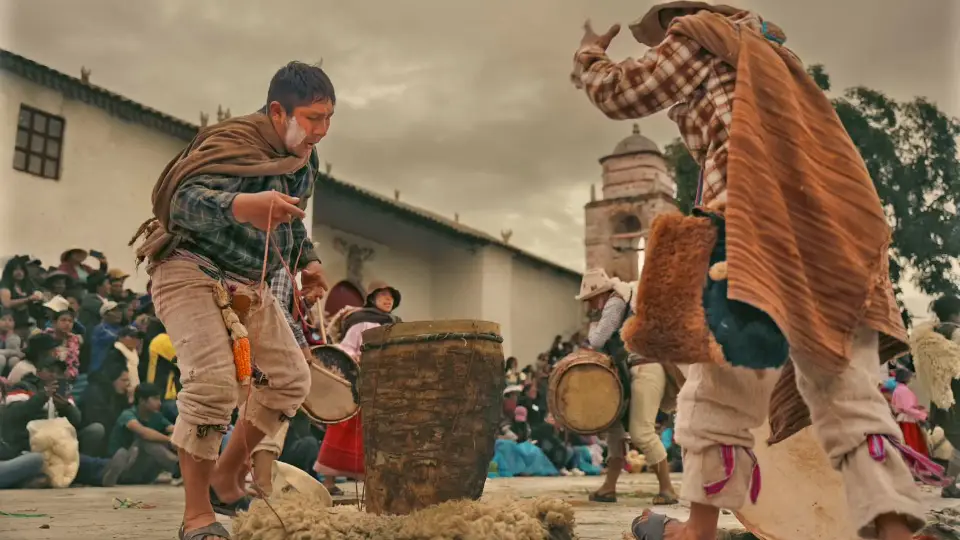
Carnival in Peru is full of energy, color, and a strong sense of community. During this time, streets and neighborhoods become lively places where tradition and fun mix. Some common Carnival activities are:
- People play with water, talcum powder, streamers, foam, and colorful confetti
- Neighbors form comparsas, which are groups that celebrate with music, dancing, and traditional costumes
- People organize Yunzas, also called Corta-Monte celebrations, which include live music, dancing, and lots of shared joy
These traditions bring people together, creating a sense of unity, laughter, and cultural pride that defines Carnival throughout Peru.
The Arrival of Ño Carnavalón
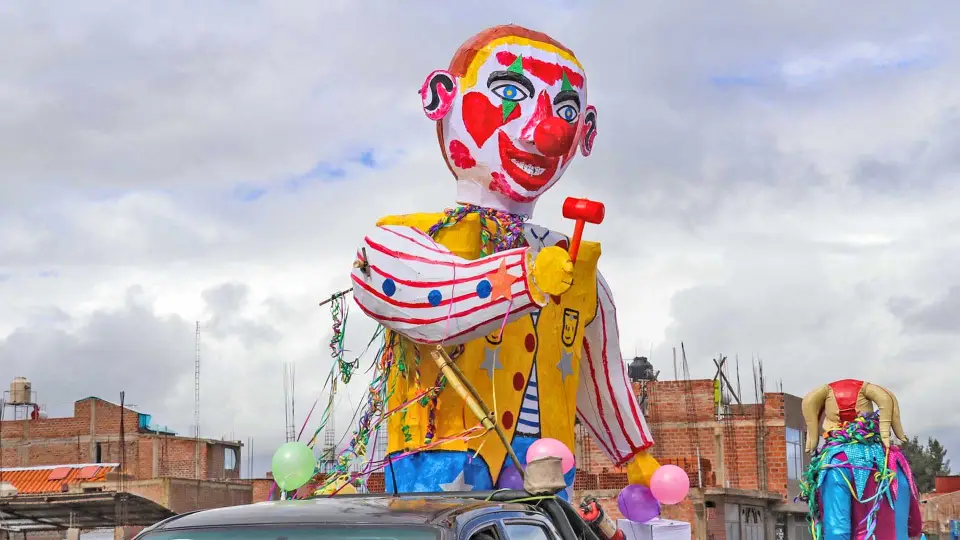
One of the most famous moments of Carnival in Peru is when Ño Carnavalón arrives. He is the main figure of the celebration and is called the “King of the Carnival.” He wears colorful costumes and comes with music bands, dancers, and happy comparsas.
His parade through the city marks the official start of Carnival, bringing excitement, humor, and a festive mood to the streets. Ño Carnavalón stands for joy, abundance, and the playful spirit at the heart of Carnival in Peru.
The Wake and Burial of Ño Carnavalón
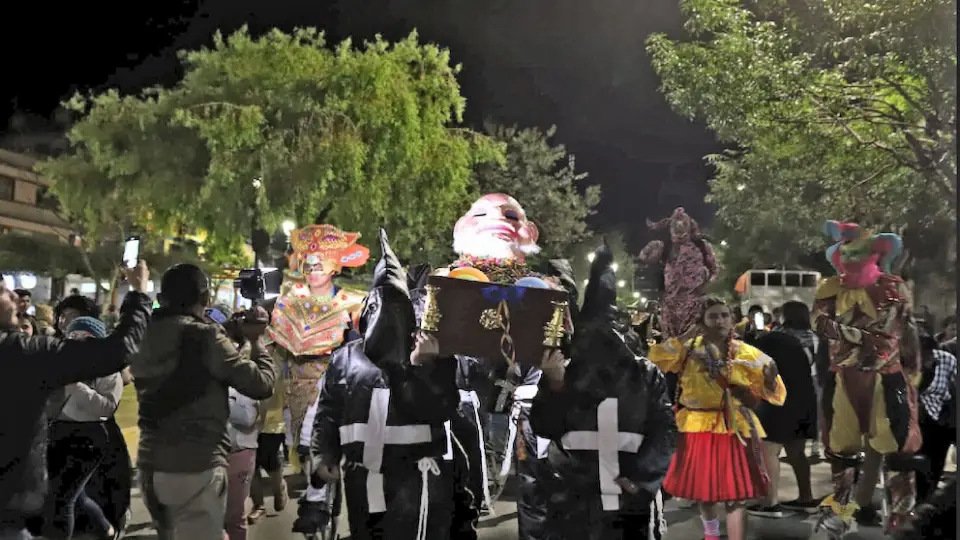
As Carnival ends, the celebration wraps up with the wake and symbolic burial of Ño Carnavalón. People say goodbye in a playful way, sharing laughter, music and satire. Humorous “wills” are read aloud, poking fun at events, gossip, and highlights from the past year.
With this ritual, the community ends the festivities with good humor and warm wishes. It marks the close of the fun and excess, while everyone looks forward to the next Carnival. This moment brings together tradition, humor, and shared memories, leaving everyone smiling until Ño Carnavalón returns next year.
Important Fact…
Carnival is also a time for social gatherings, romance, and keeping traditions alive. During the festivities, young people put on their best clothes and fill the streets with singing, dancing and traditional games full of laughter and joy. These shared moments help relationships grow, friendships become closer and according to tradition, some couples even start a new chapter of life together.
This social side of Carnival shows that it is more than just a celebration. It is also a special time for connection, community, and sharing cultural heritage.
Best Carnivals in Peru
Ayacucho Carnival
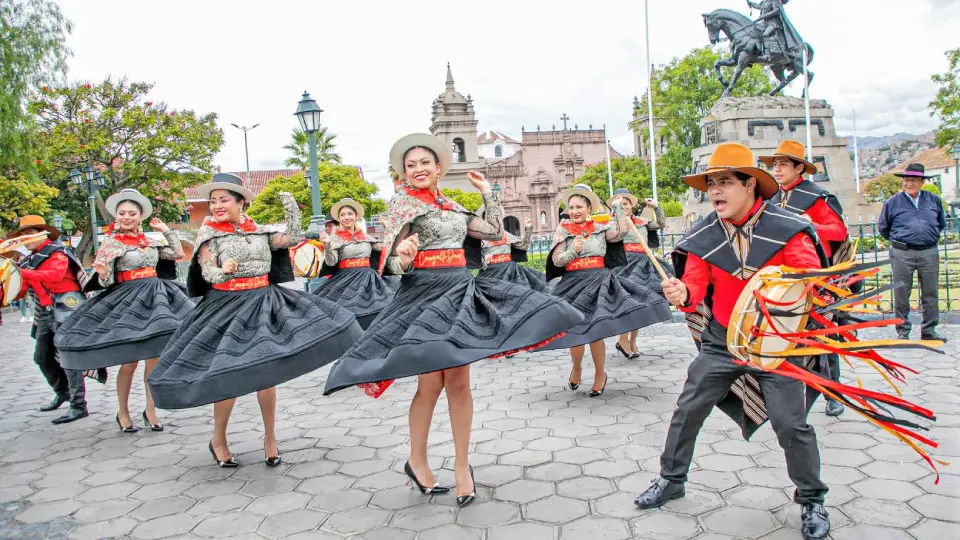
Carnival season is here in Ayacucho. The city welcomes thousands of visitors and bursts with energy. Groups called comparsas parade through the streets, singing traditional songs with Andean music. People wear bright costumes that show off their community and culture.
In February, Ayacucho becomes a citywide celebration filled with music, dance, laughter and tradition. The Ayacucho Carnival shows local pride and is known as one of the most lively and authentic Carnival experiences in Peru.
February 14–18: Ayacucho Carnival Dates
Ayacucho invites you to join the festivities from February 14 to 18. During these days, the city comes alive with music, parades, traditional dances, and joyful gatherings, making it one of Peru’s most vibrant celebrations.
Cajamarca Carnival
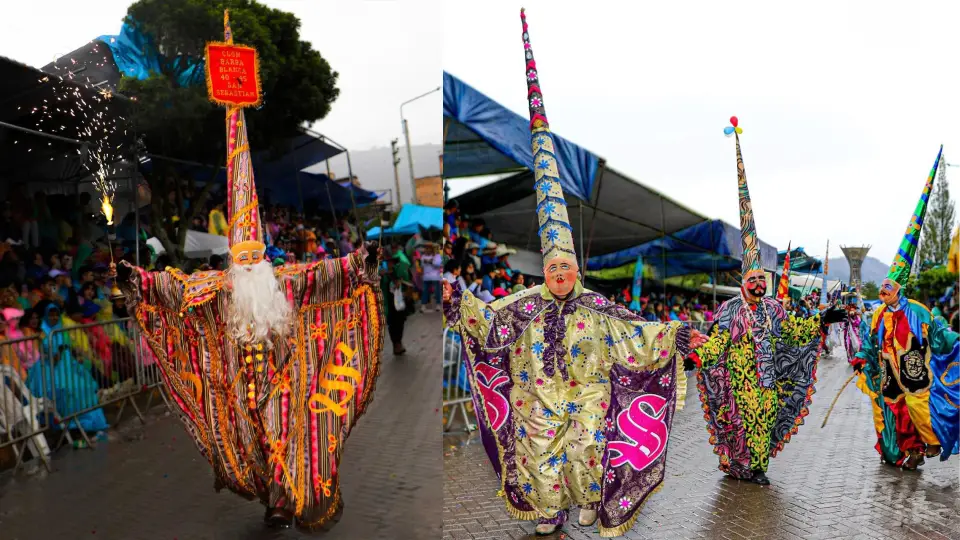
The Cajamarca Carnival is known as the largest and most famous Carnival in Peru. The whole city joins in, creating a joyful and energetic atmosphere that everyone can enjoy.
Visitors can see lively parades, costume contests, satirical shows, and energetic comparsas, all full of color and music. Every year, thousands of people come to feel the excitement, making Cajamarca a top place to visit during Carnival. For many Peruvians, this festival is the true heart of Carnival in the country.
Cajamarca Carnival Dates
The Cajamarca Carnival takes place from February 14 to 18. During these days, the city fills with color, music, and lively celebrations that draw visitors from across Peru and other countries.
Sacclaya Carnival (Andahuaylas)
The Sacclaya Carnival takes place in Andahuaylas province and is known as one of the most authentic and lively Andean Carnival celebrations in Peru. The festival keeps old traditions alive, with hundreds of young people gathering in a large open field surrounded by over 50 yunzas decorated with gifts, ribbons and balloons.
Visitors can enjoy live Andean concerts, traditional music and constant dancing next to the yunzas, which creates an exciting atmosphere. Because of its size, energy, and cultural richness, Sacclaya is often called “The Andean Tomorrowland.” It is a must-see for travelers who want music, tradition, and a sense of community all in one festival.
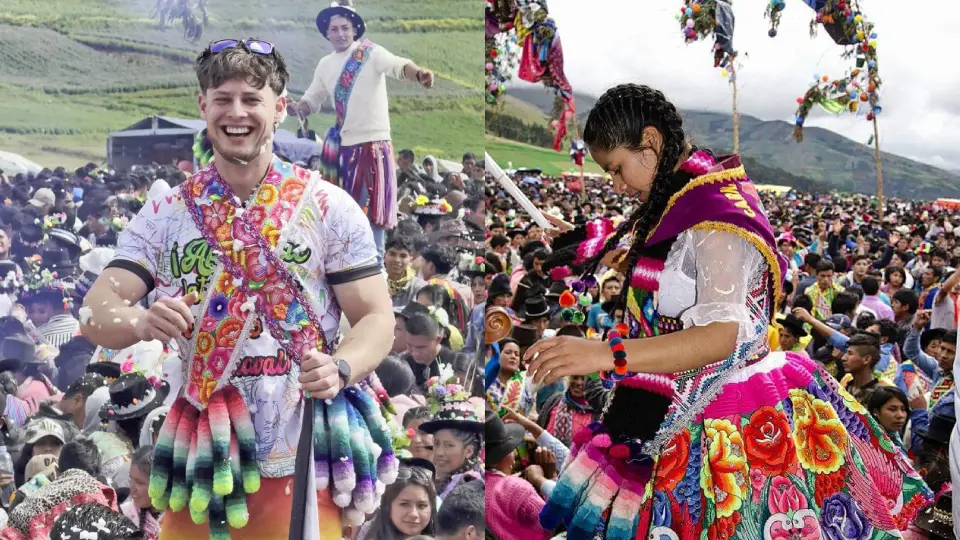
The festival was declared National Cultural Heritage of Peru in 2024. It is celebrated every February, with the main festivities held on Friday, February 20.
Pukllay Andahuaylas Festival
In 2026, Pukllay will fill the city of Andahuaylas with music, dance, and ancestral traditions. This major cultural event brings together Carnival traditions from Peru and other countries, creating a lively celebration of living culture.
During Pukllay, communities share their traditions through colorful performances, traditional costumes, and lively dances. The city is filled with unity and joy. Pukllay is more than just a festival; it celebrates identity, diversity, and cultural pride, bringing people together in a spirit of brotherhood.
If you are looking for a genuine cultural experience, Pukllay Andahuaylas is one of the most memorable Carnival celebrations in Peru.
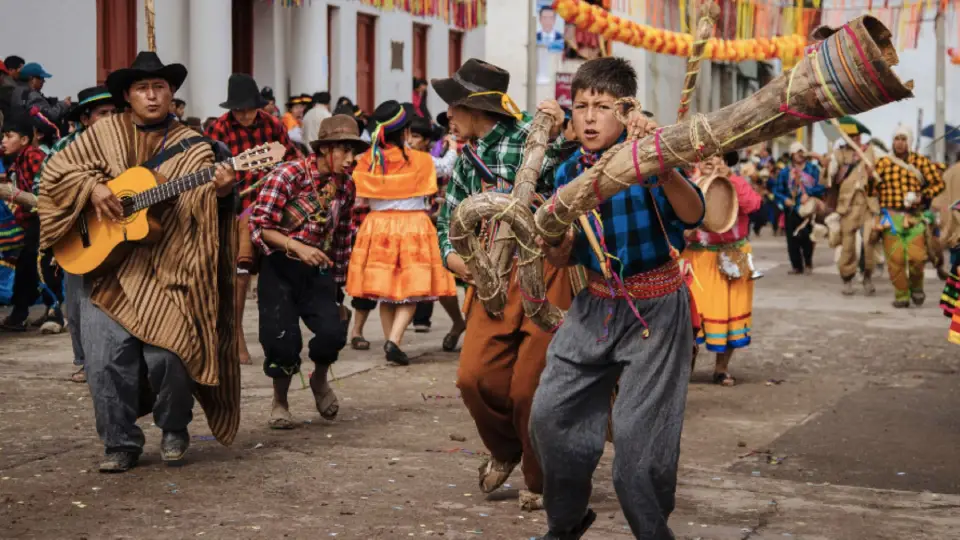
Celebrated on March 12, 13, and 14
Abancay Carnival (Carnaval Abanquino)
The Abancay Carnival is full of energy and joy. It brings together romance and fun with strong zapateo footwork and lively dances that fill the streets with excitement.
The music and colorful traditional costumes, with embroidered clothes, flowing polleras, and classic Andean hats, show the festive spirit of the people. During Carnival, Abancay is filled with music, dance and community events, making it one of the happiest celebrations in southern Peru.
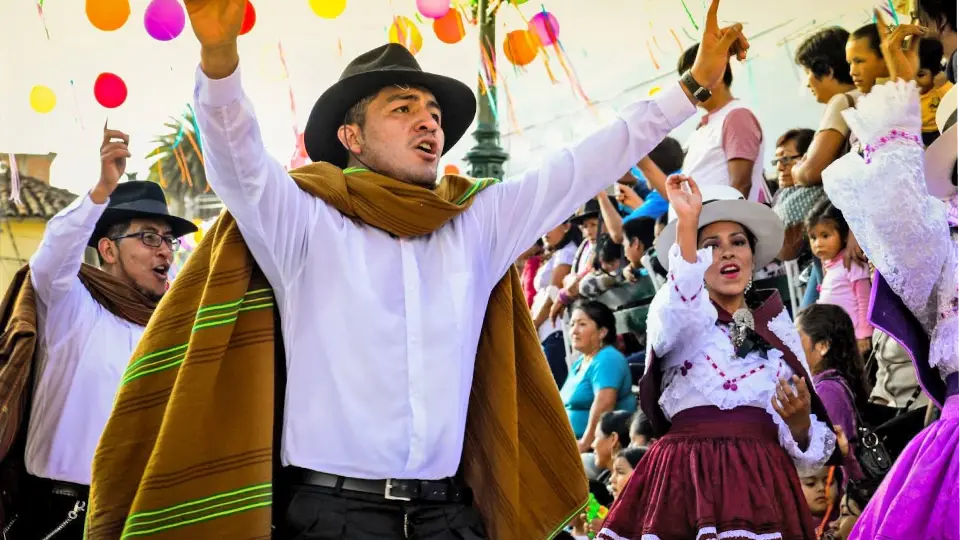
If you want to experience real Andean Carnival traditions, Abancay is a great place for culture, music and true celebration.
Celebrated on Saturday, January 31
Carnivals in Cusco
Known as the happiest Carnival in Peru, Cusco’s celebration is full of Andean spirit and strong community traditions. Unlike other regions, the festivities here last longer, with lively neighborhood parties and the yunza, a tree decorated with gifts, ribbons, and balloons.
Each neighborhood hosts its own celebration with traditional music, homemade food, dancing and laughter. This makes Carnival in Cusco feel warm, family-friendly and closely tied to local culture. Residents and travelers come together to share in the joy and tradition.
Key Carnival Dates in Cusco
- February 5 – Thursday of Compadres
- February 12 – Thursday of Comadres
- February 15 – Main Carnival Day at Cusco’s Plaza de Armas
- February 22 – Octava de Carnavales (Closing Celebration)
During Carnival, Cusco’s streets fill with water games, colorful powders, traditional dances, and community celebrations. It is one of the best times to experience Andean culture up close.
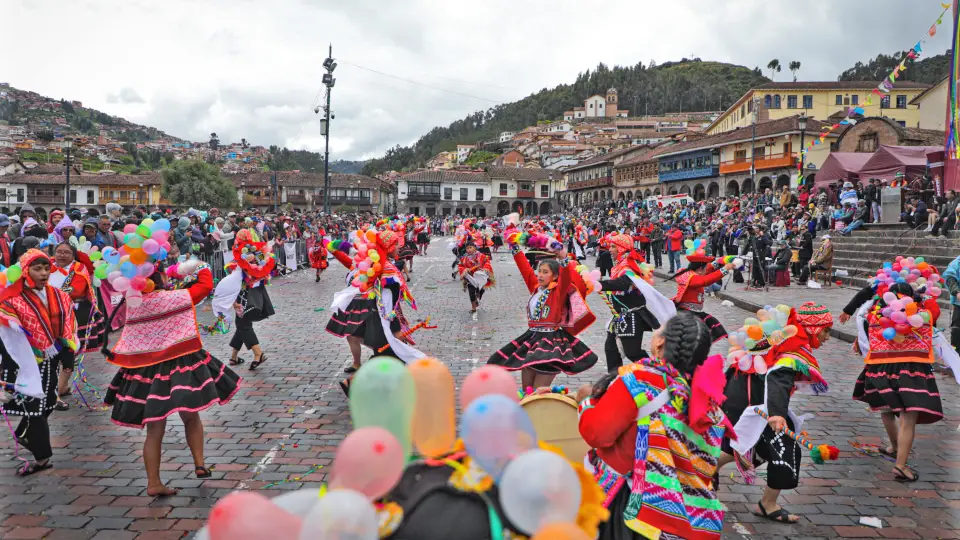
If you want a joyful and authentic cultural experience, Carnival in Cusco is a celebration you should not miss.
Important Travel Note
Carnival celebrations happen mostly from March 2 to March 4, with more events running until March 9. With Qoricancha Expeditions, you can enjoy the Carnival festivities and also visit the Imperial City of Cusco, the Qoricancha Temple, Sacsayhuamán, Machu Picchu, and the Sacred Valley. This trip brings together culture, history, and celebration for a memorable experience.
Juliaca Centennial Carnival
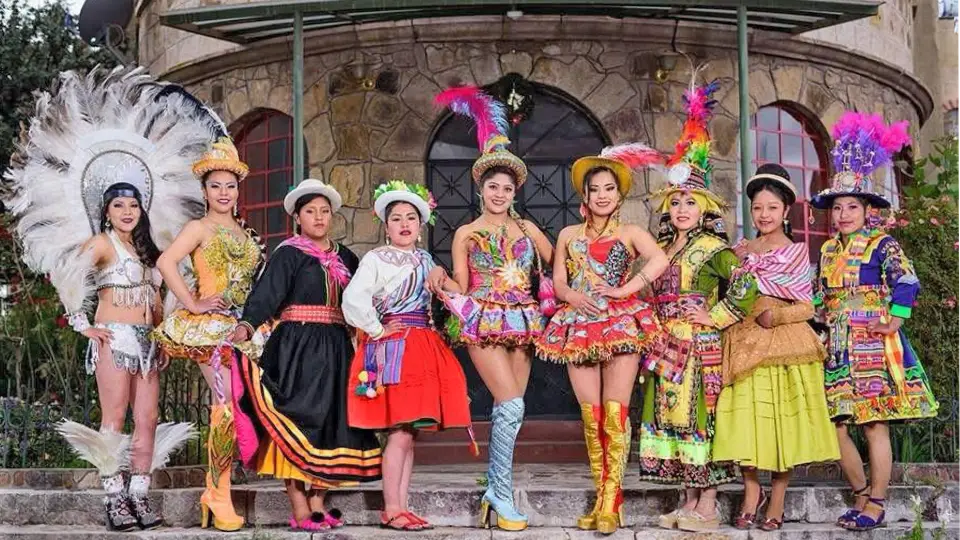
This year, Juliaca is celebrating its Centennial Carnival, making it one of the biggest and most impressive carnivals in southern Peru. The city fills with traditional dances like Pulipulis, Sikuris, Cabana, Qashwa of San Sebastián, Morenada, Caporales, Diablada, Tinkus, Tobas, Salay, and many others.
The streets come alive with big parades, Andean music, and colorful performances. Groups from all over the region join in for tarkeadas and pinkilladas, making the celebration a truly authentic cultural experience. The Juliaca Carnival is a must-see for anyone interested in the strong traditions of the Peruvian Altiplano.
Carnivals in Puno
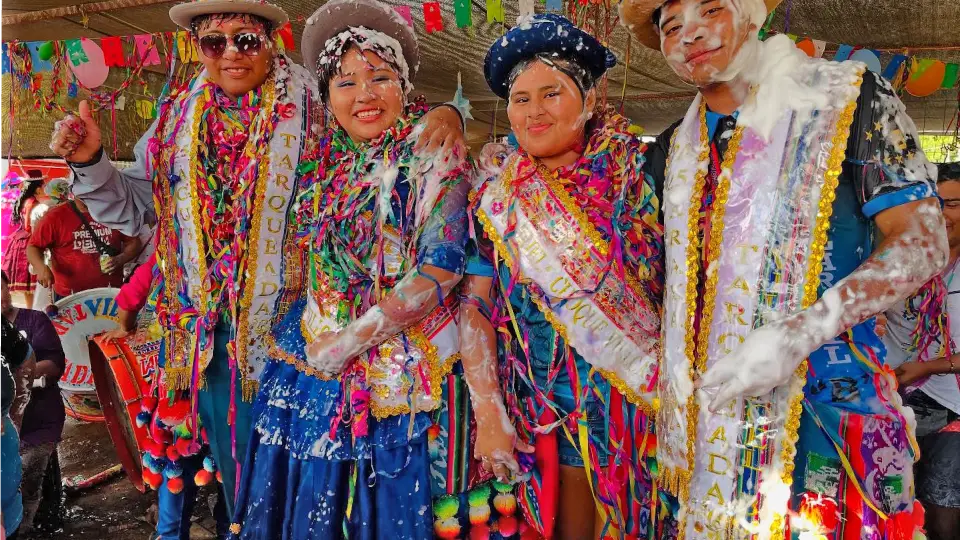
Puno Carnival happens at the same time as the famous Festival of the Virgin of Candelaria, with main events on February 9 and 10. Thousands of visitors from Peru and abroad come to honor the Virgin and enjoy traditional dances, ancient rituals, and colorful shows that highlight the highlands' rich culture.
Important Information
UNESCO recognizes these celebrations as Intangible Cultural Heritage, and they take place from February 16 to March 1. With Qoricancha Expeditions, you can join the Carnival in Puno and also visit Lake Titicaca and the impressive Sillustani Chullpas, mixing festivities with famous cultural sites.
Carnival in Pucallpa
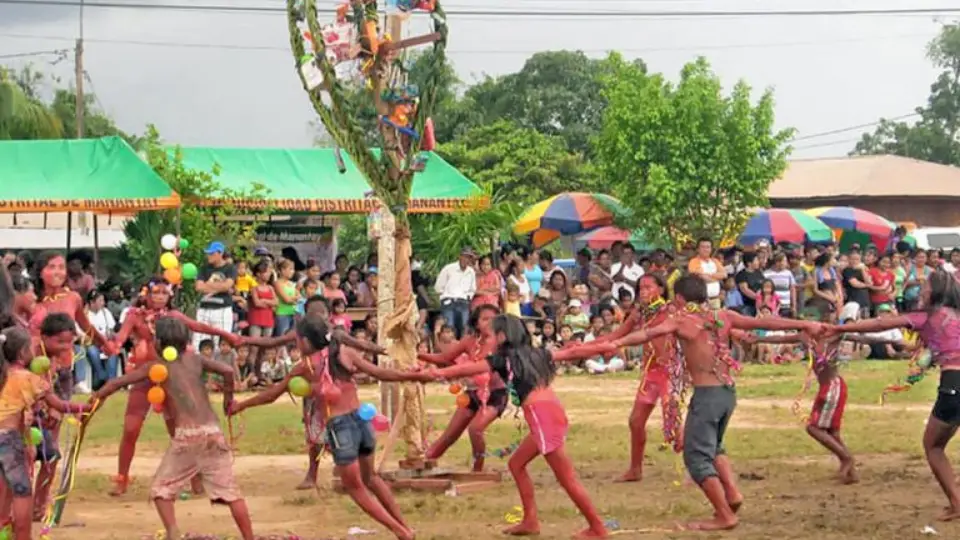
Pucallpa, called the “Red Land” of Amazonian culture, celebrates Carnival with lots of energy. The festivities feature parades with decorated floats, lively dance groups, and music unique to the Amazon rainforest.
The highlight is the traditional Humisha, where people dance around a palm tree decorated with gifts until it is cut down. This act stands for abundance, unity, and renewal. The tradition truly shows Amazonian identity and joy.
Carnivals in Piura
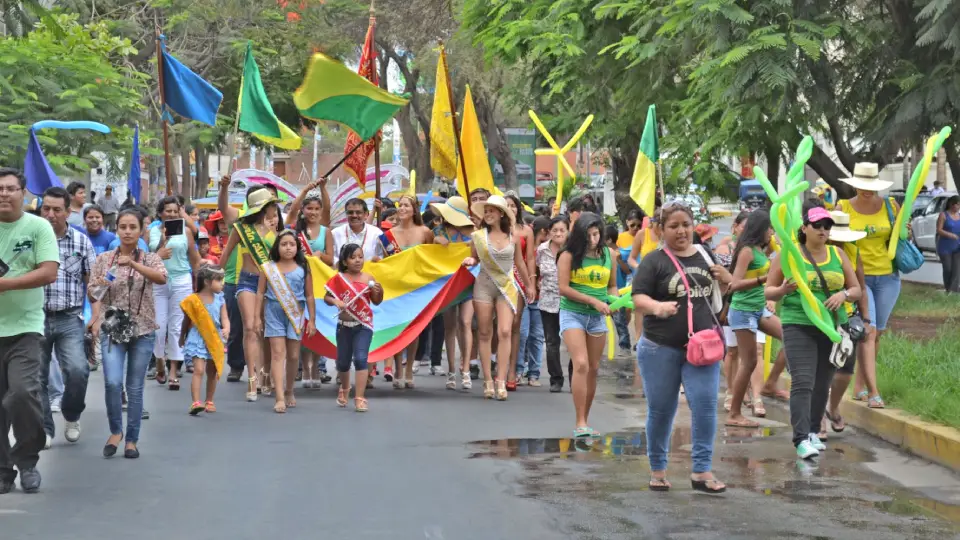
People in Piura celebrate Carnival with lots of excitement and a coastal touch. The events include live orchestras, dancing, and the famous “Manguerazo,” where firefighters spray water on the crowds to keep everyone cool. The celebrations start in towns like Catacaos, Sechura, La Unión, Parachique and reach San Pedro Beach.
The Carnival also features tasty local dishes like seco de chabelo, malarrabia and copús. This makes Piura’s Carnival a great mix of music, water games and northern Peruvian food.
Practical Tips & Organized Carnival Tours in Peru
Visiting Peru during Carnival season allows you to experience diverse celebrations across multiple regions. Each area, from the Andes to the Amazon and the coast, offers unique traditions, making your trip a vibrant cultural adventure.
By traveling to various cities and festivals, you can participate in multiple Carnival celebrations and enjoy authentic local customs.
What to Pack for Carnival in Peru
To fully enjoy Carnival, please come prepared:
- Wear dark or colorful clothing, as you are likely to get wet.
- Pack two to three changes of clothes.
- Bring a waterproof jacket.
- Use water-resistant sunscreen
- Select comfortable clothing and water-resistant footwear.
- Protect your phone and documents with waterproof covers.
- Book your accommodation in advance.
- Use official transportation and join organized tours.
- Respect local traditions and community customs.
- Keep your belongings secure and in sight.
- Stay well hydrated throughout the day.
Weather During Carnival Season
Weather varies by region, so it is important to pack appropriate clothing:
Andean Highlands
(Cajamarca, Ayacucho, Sacclaya, Andahuaylas, Abancay, Cusco, Juliaca & Puno)
- Cool to cold temperatures.
- Frequent rainfall.
Amazon Region
(Pucallpa)
- Warm, humid, and rainy climate.
Coastal Region
(Piura)
- Hot, dry weather with strong sunshine.
Why Travel to Peru for Carnival?
Traveling during Carnival allows you to experience vibrant traditions and a joyful, culturally rich trip. Carnival in Peru offers more than sightseeing. It includes:
- Live music and street performances
- Traditional dances and folkloric shows
- Colorful parades and costumes
- Regional cuisine prepared especially for the festivities.
How to Get to Carnival Destinations in Peru
By Plane
You can fly from Lima to cities like Cusco, Juliaca, Cajamarca, Piura, Pucallpa, and Ayacucho. This way, you can start celebrating Carnival soon after you arrive.
By Intercity Bus
Take scenic bus routes to Sacclaya, Andahuaylas, Abancay, and Puno. The trip itself is part of the adventure.
Where to Stay During Carnival
- Choose accommodations in historic city centers near main squares and event areas. This provides convenient access to parades and celebrations.
- Carnival destinations offer a range of comfortable options, from budget hostels to mid-range hotels and premium accommodations, to suit every traveler.
What to Eat During Carnival
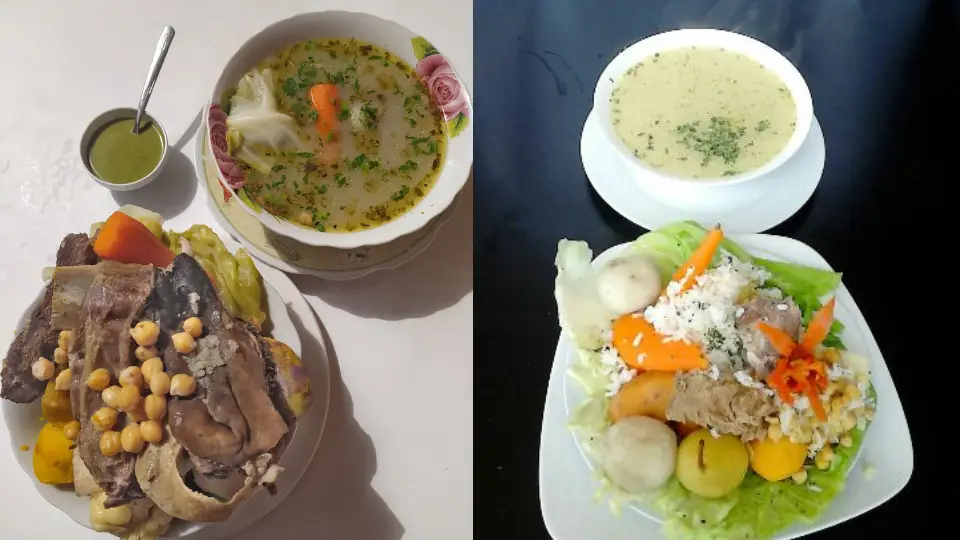
- Try local traditional dishes that are made especially for Carnival season.
- Taste typical drinks and traditional beverages that are part of the celebration
How to Dress & Participate in Carnival
What you wear for Carnival depends on the region and weather. You might need warm clothes on the coast or layers in the Andes. Comfort is important, but your attitude matters most.
Carnival is not just an event to observe; it is an experience to embrace.
Do not hesitate to join the water games, dance with local groups and celebrate with the community. Active participation makes Carnival truly unforgettable.
Join the Party with Qoricancha Expeditions
When the music begins and the streets come alive, do not remain on the sidelines. With Qoricancha Expeditions, you can experience Peru’s Carnivals as a local. We manage all logistics, including transportation, hotels, guided tours and expert local guides.
All you need to do is dance, celebrate and enjoy every moment of this colorful and joyful Peruvian tradition.